commercial solar panel mounting system
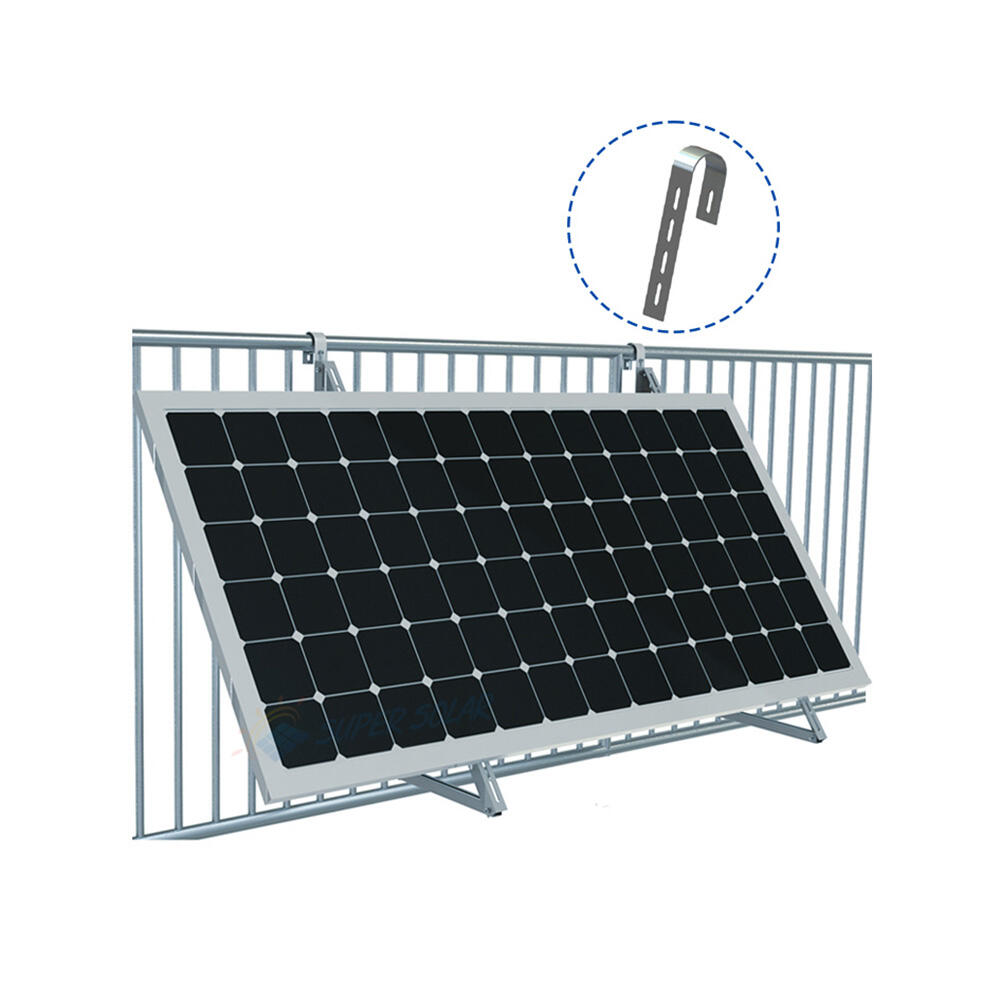
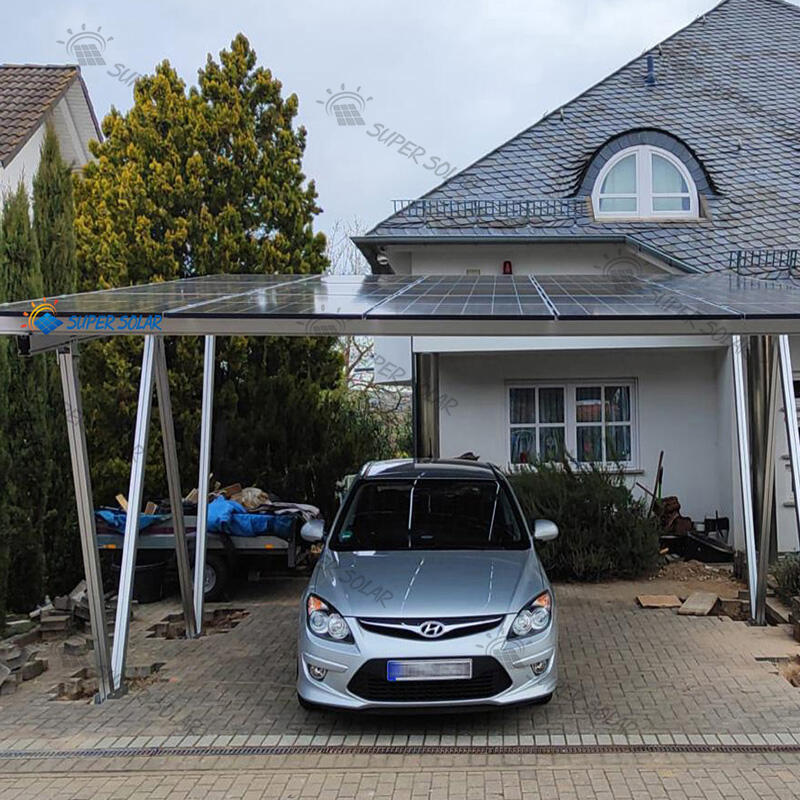
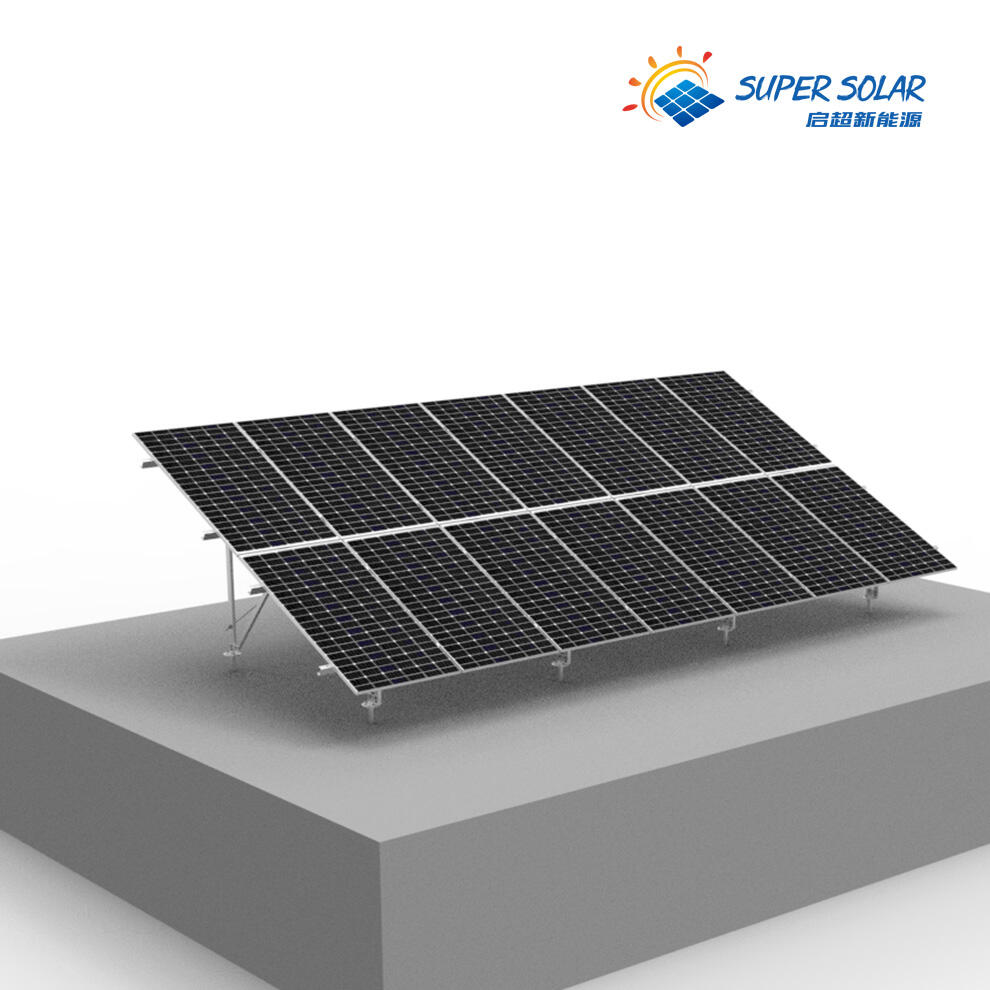
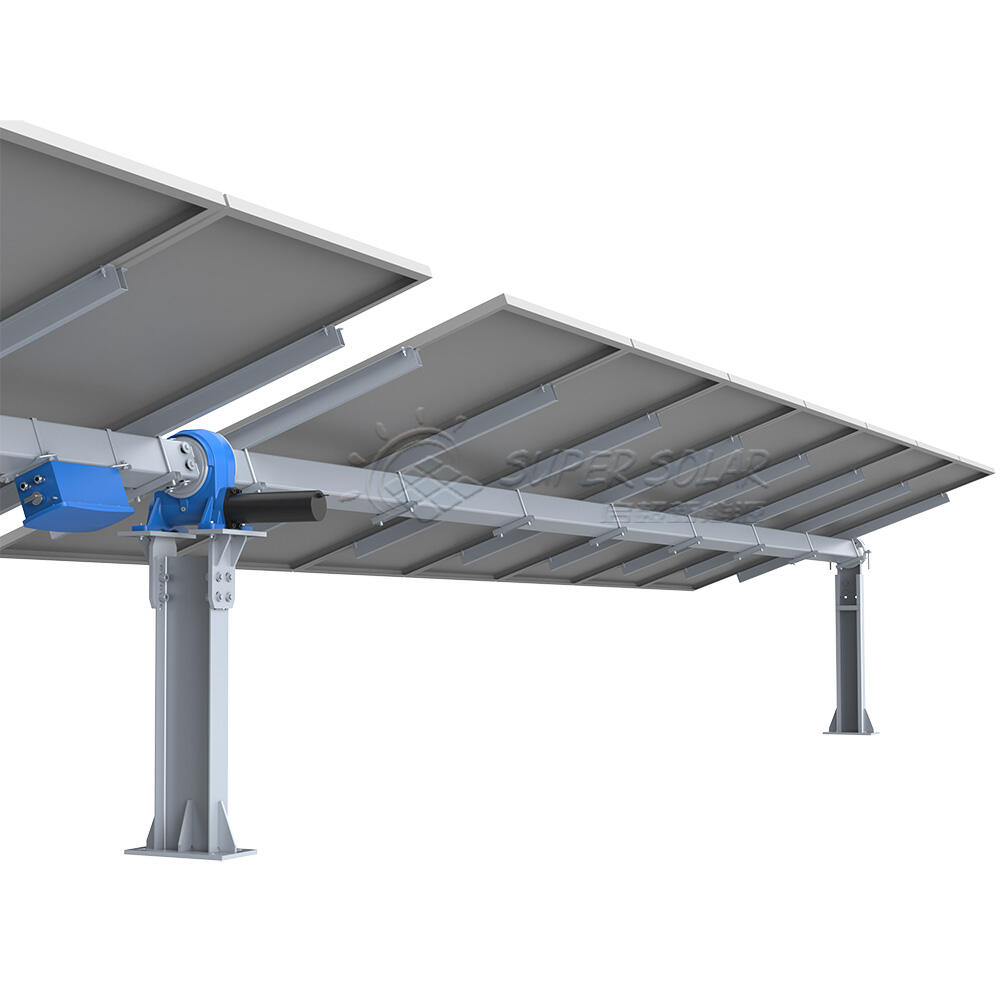
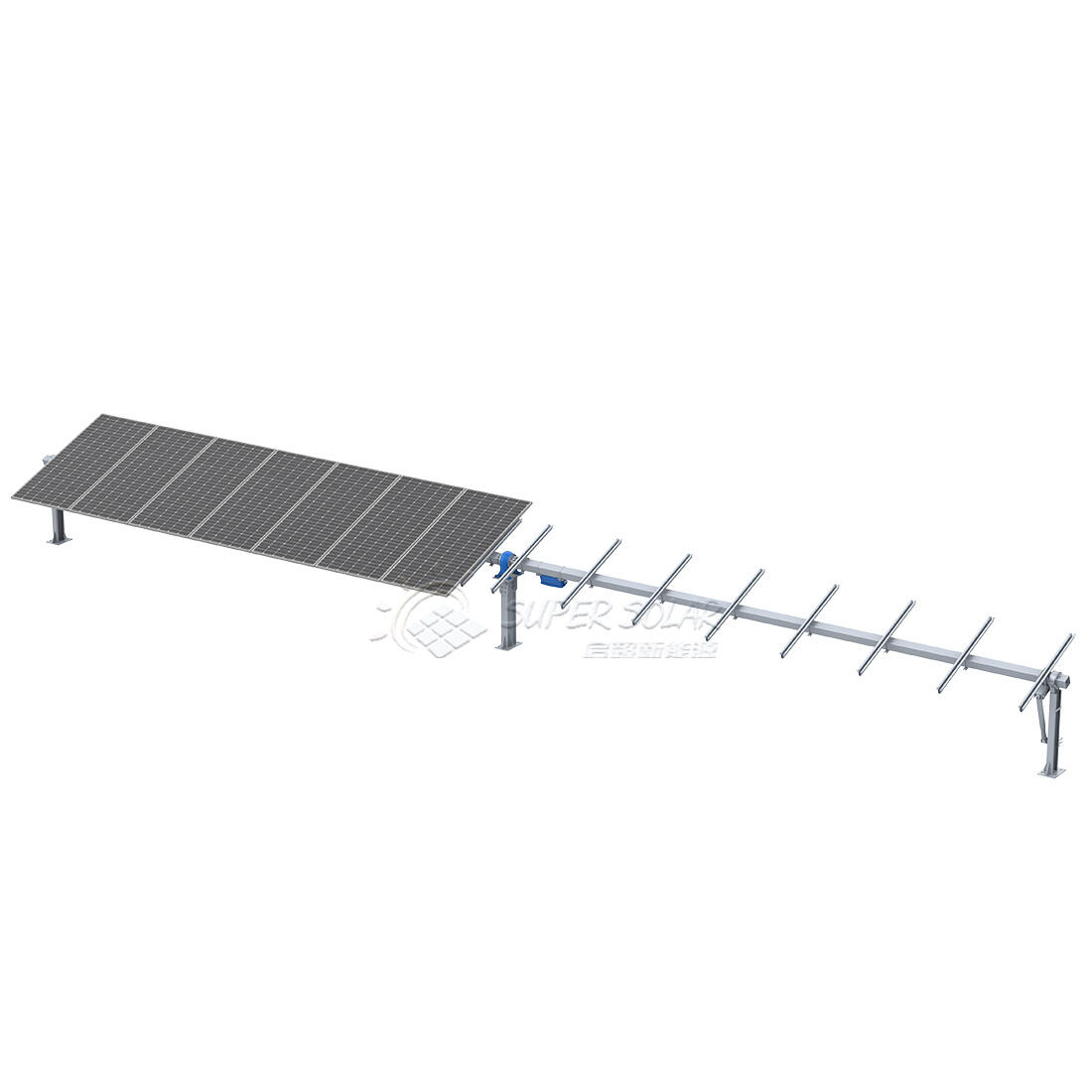
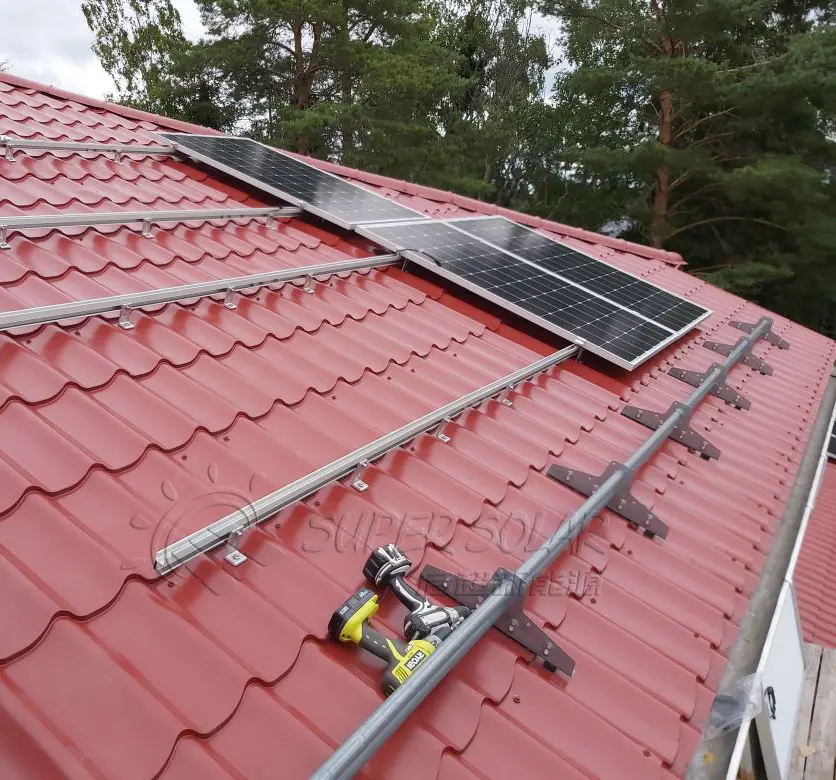
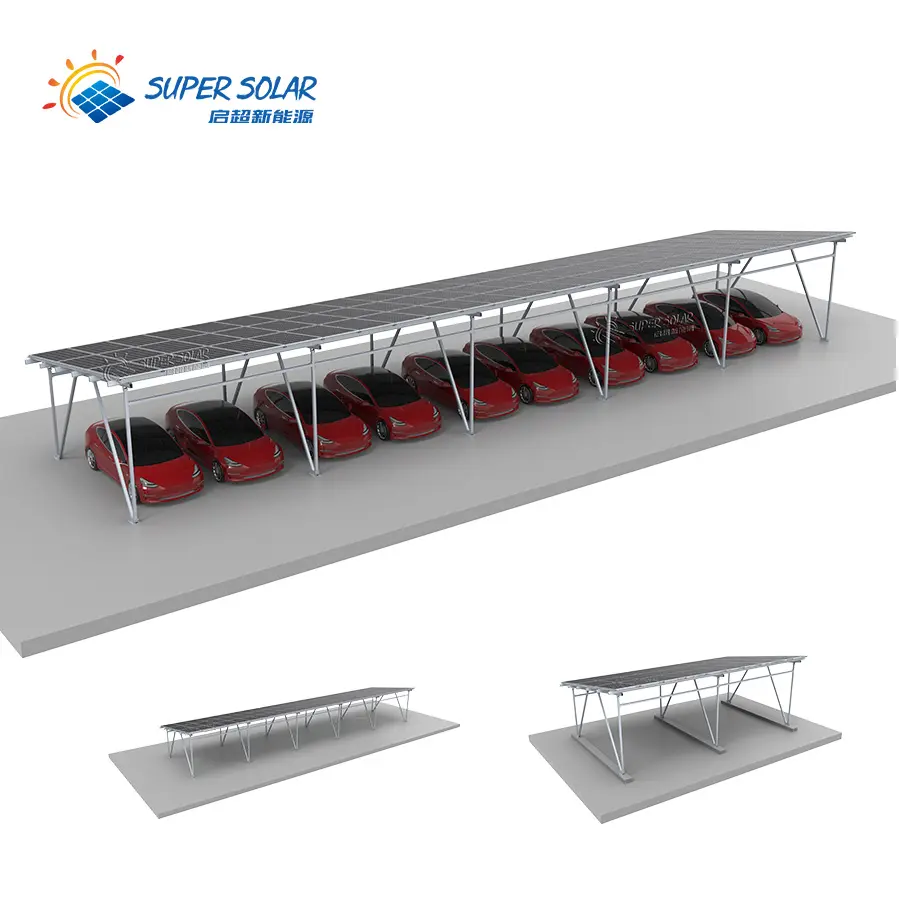
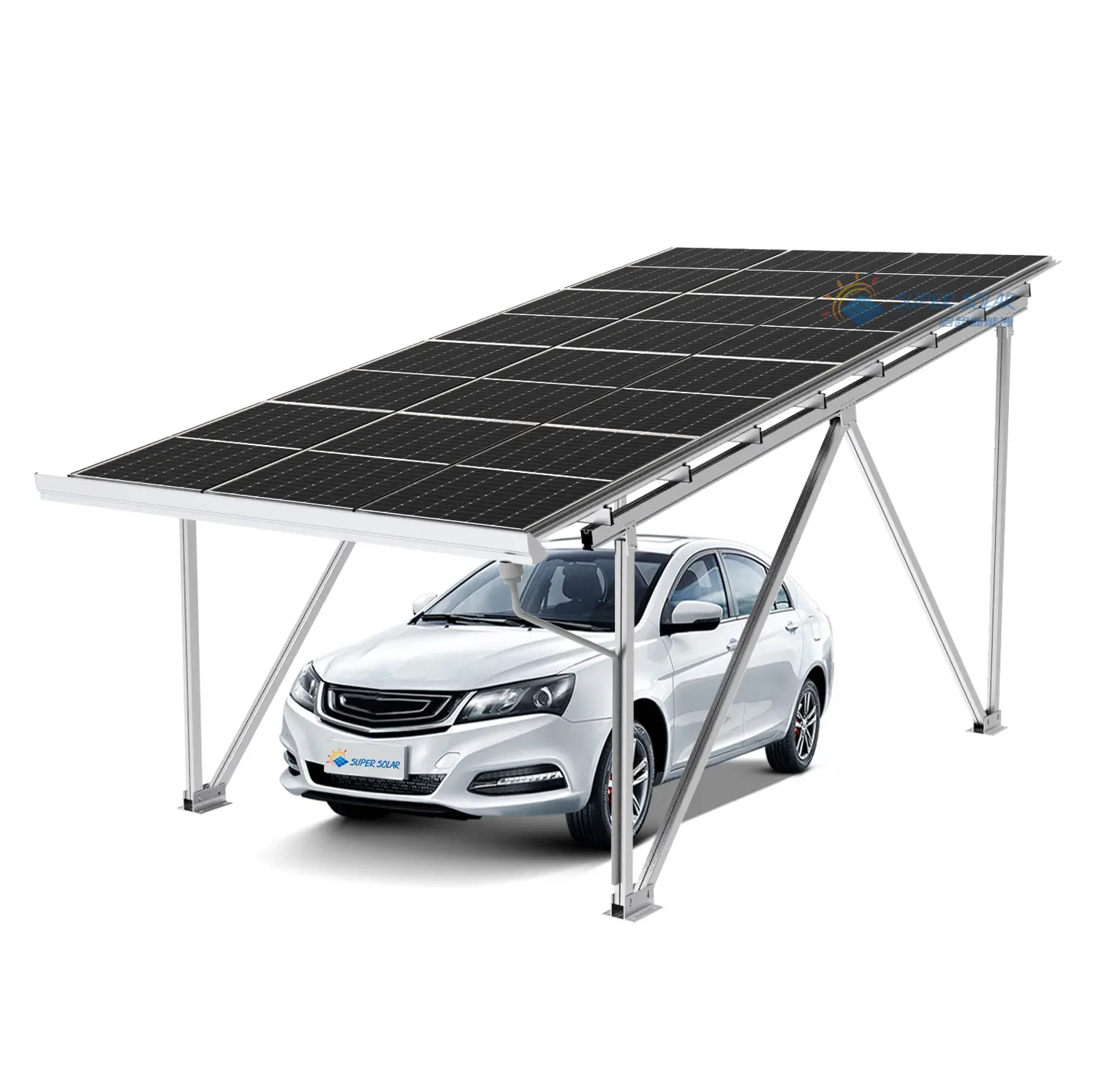
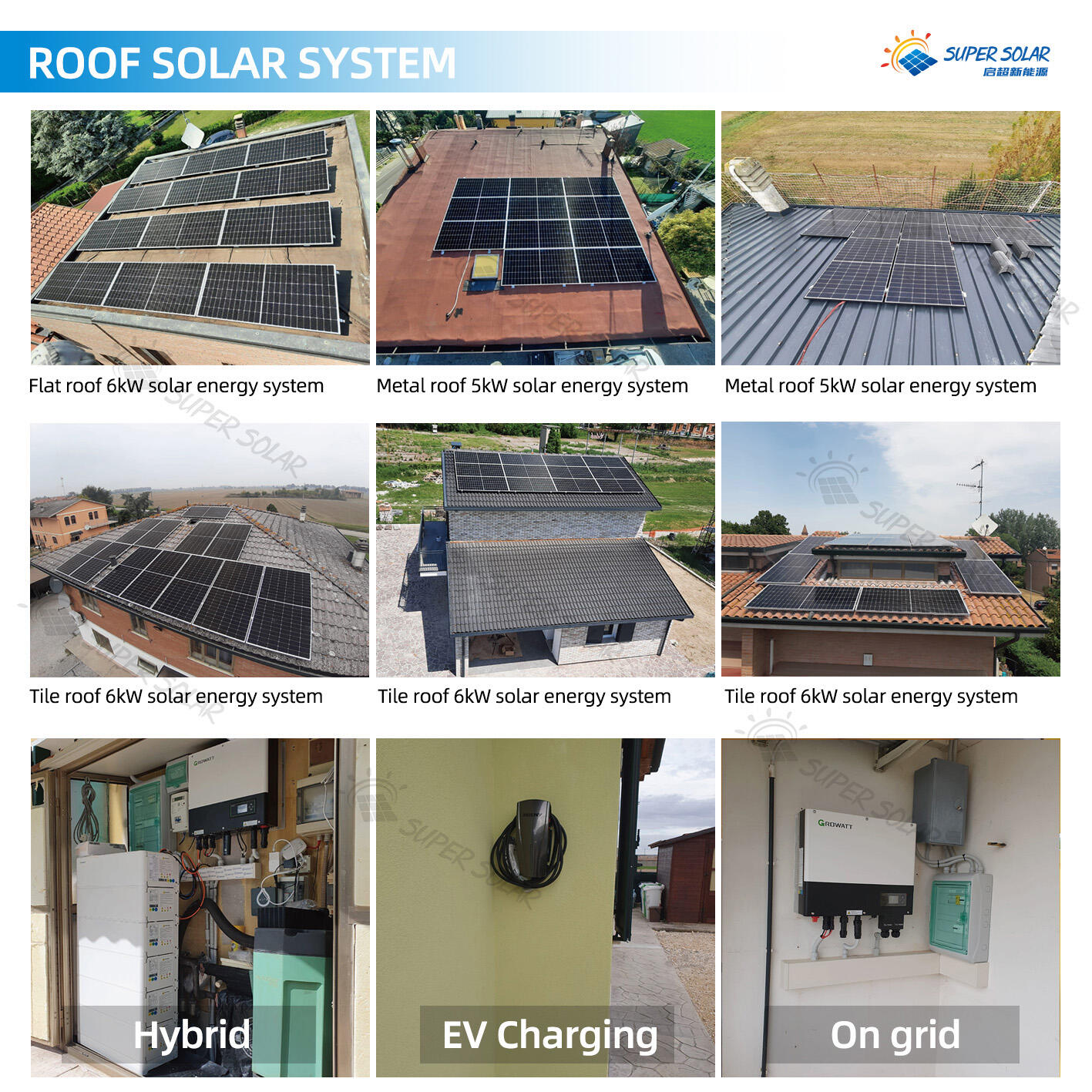
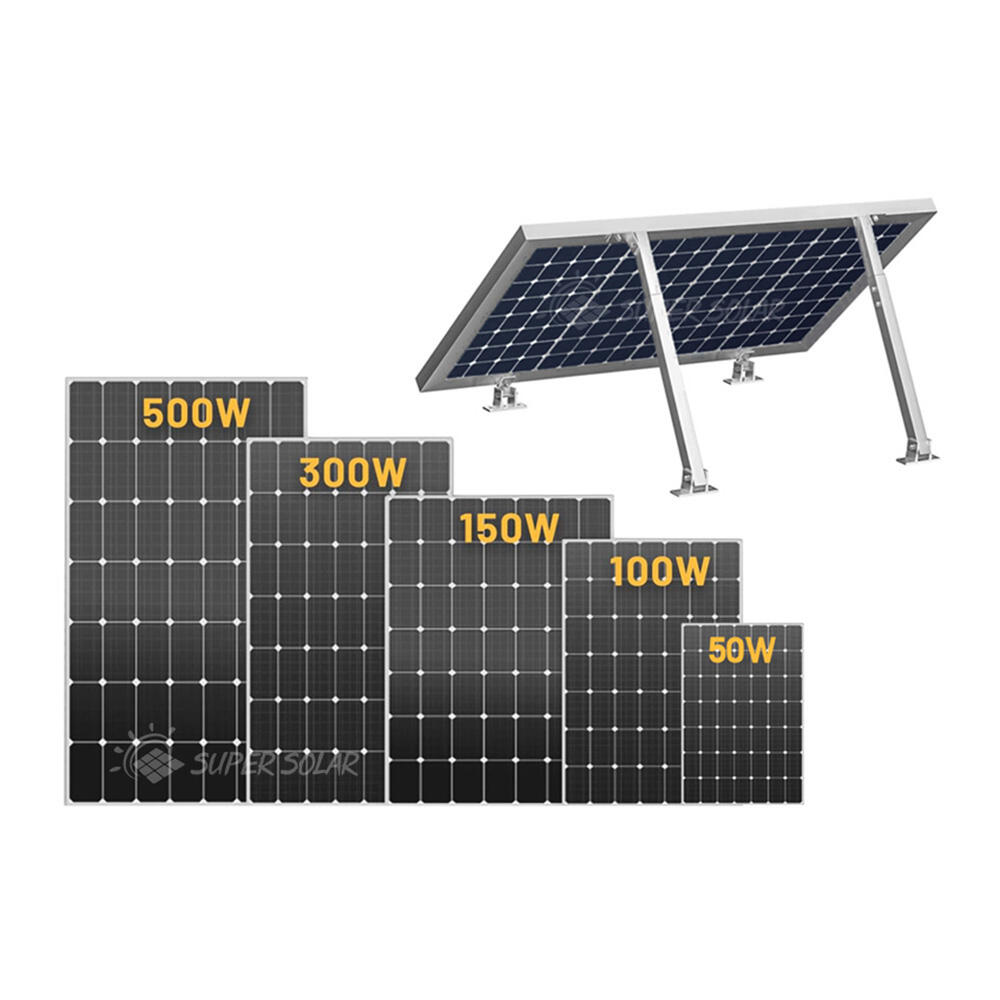
A commercial solar panel mounting system serves as the critical foundation that secures photovoltaic panels to various building structures, including rooftops, ground installations, and carports. This sophisticated engineering solution encompasses multiple components designed to withstand environmental stresses while maintaining optimal panel positioning for maximum energy generation. The commercial solar panel mounting system consists of rails, clamps, fasteners, grounding equipment, and structural supports that work together to create a robust platform for solar arrays. Modern mounting systems incorporate advanced materials such as aluminum alloy frames and stainless steel hardware that resist corrosion and provide exceptional durability in harsh weather conditions. The technological features of these systems include adjustable tilt mechanisms that allow precise angle optimization, ensuring panels capture sunlight at the most efficient angles throughout different seasons. Many commercial solar panel mounting systems feature ballasted designs for flat roofs, eliminating the need for roof penetrations while providing secure installation through weighted bases. Advanced tracking systems represent cutting-edge technology in this field, automatically adjusting panel orientation to follow the sun's path across the sky, maximizing energy output by up to thirty percent compared to fixed installations. The applications for commercial solar panel mounting systems span across diverse sectors including retail facilities, manufacturing plants, warehouses, office buildings, schools, hospitals, and agricultural structures. These systems accommodate various panel types and sizes, supporting both crystalline silicon and thin-film technologies. Installation versatility allows mounting on concrete, metal, and membrane roofing systems, as well as ground-mounted configurations for properties with available land. The commercial solar panel mounting system industry has evolved to address specific regional requirements, including wind load calculations, seismic considerations, and local building code compliance, ensuring safe and reliable installations across different geographical locations and climate zones.
 EN
EN