dual tilt solar panel mounts
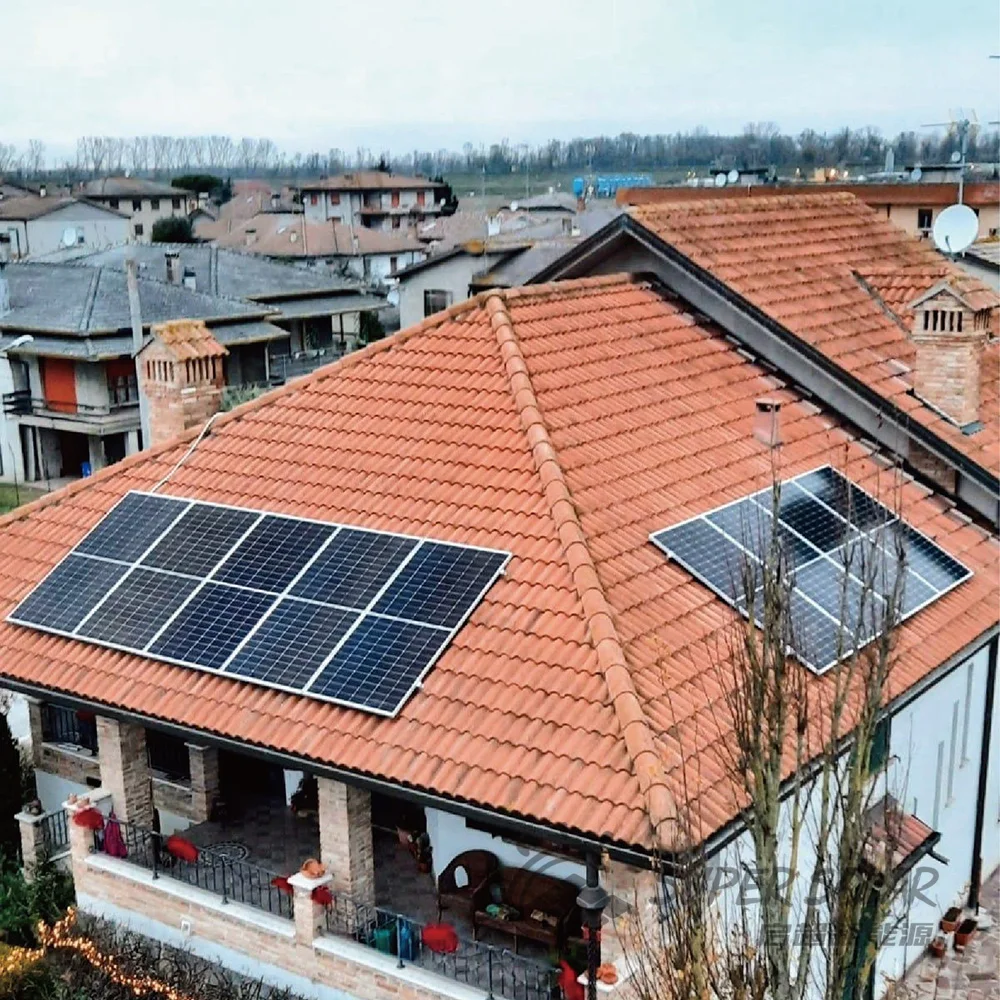
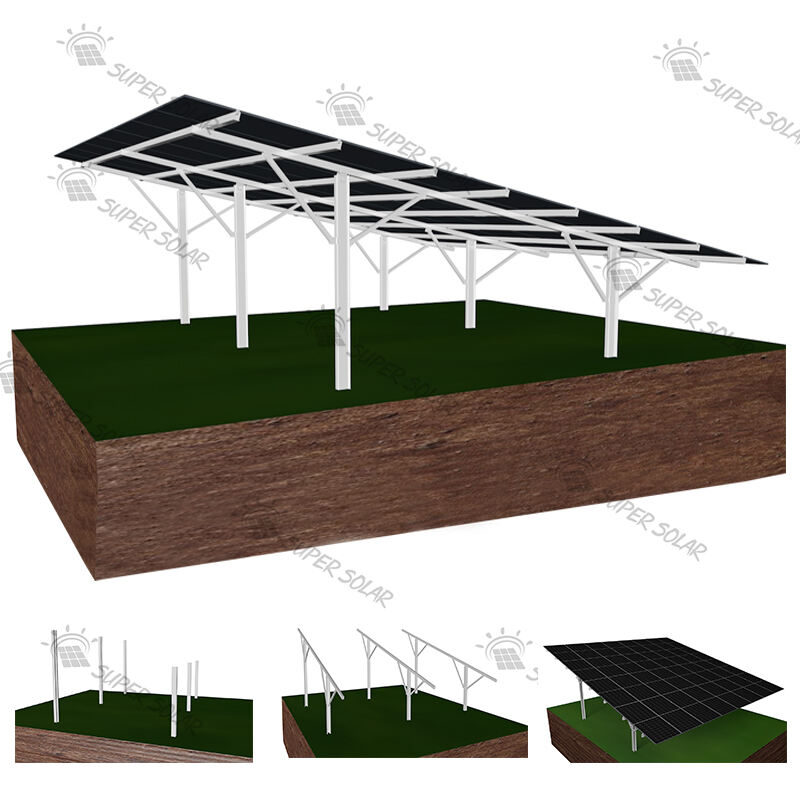
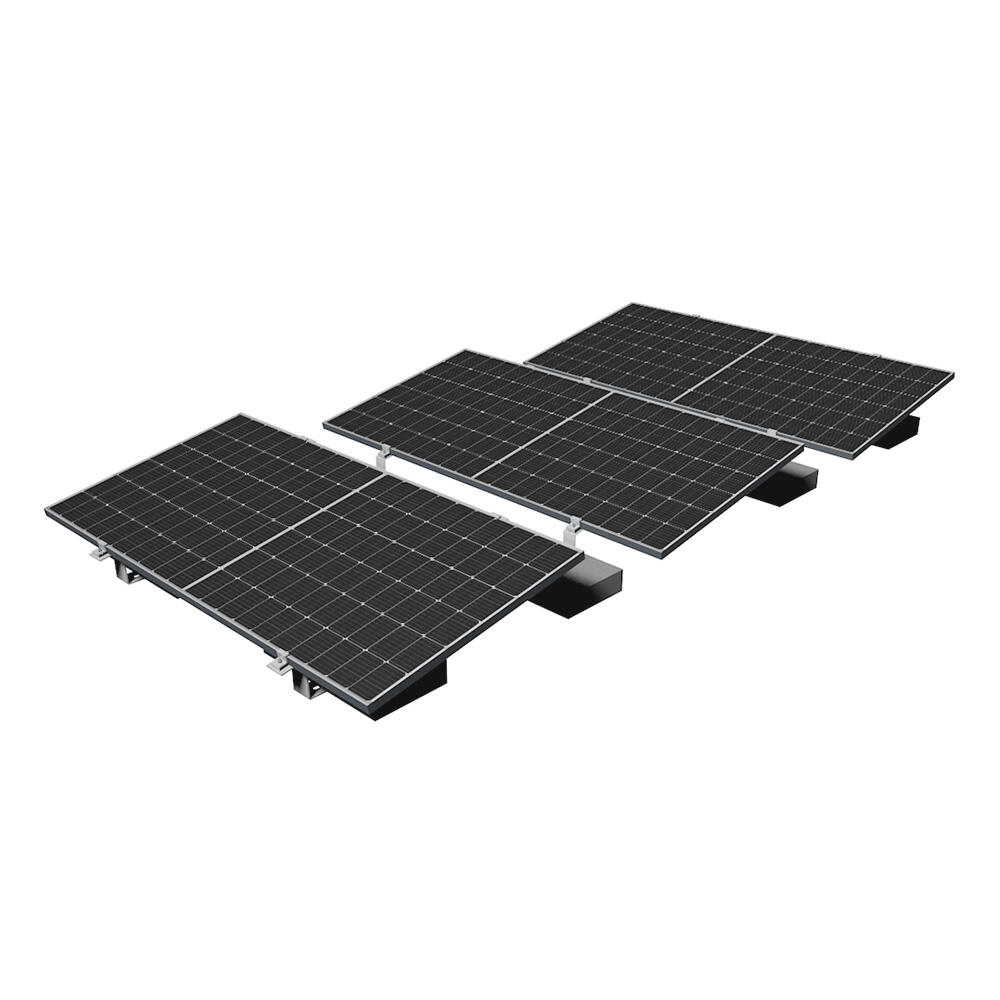
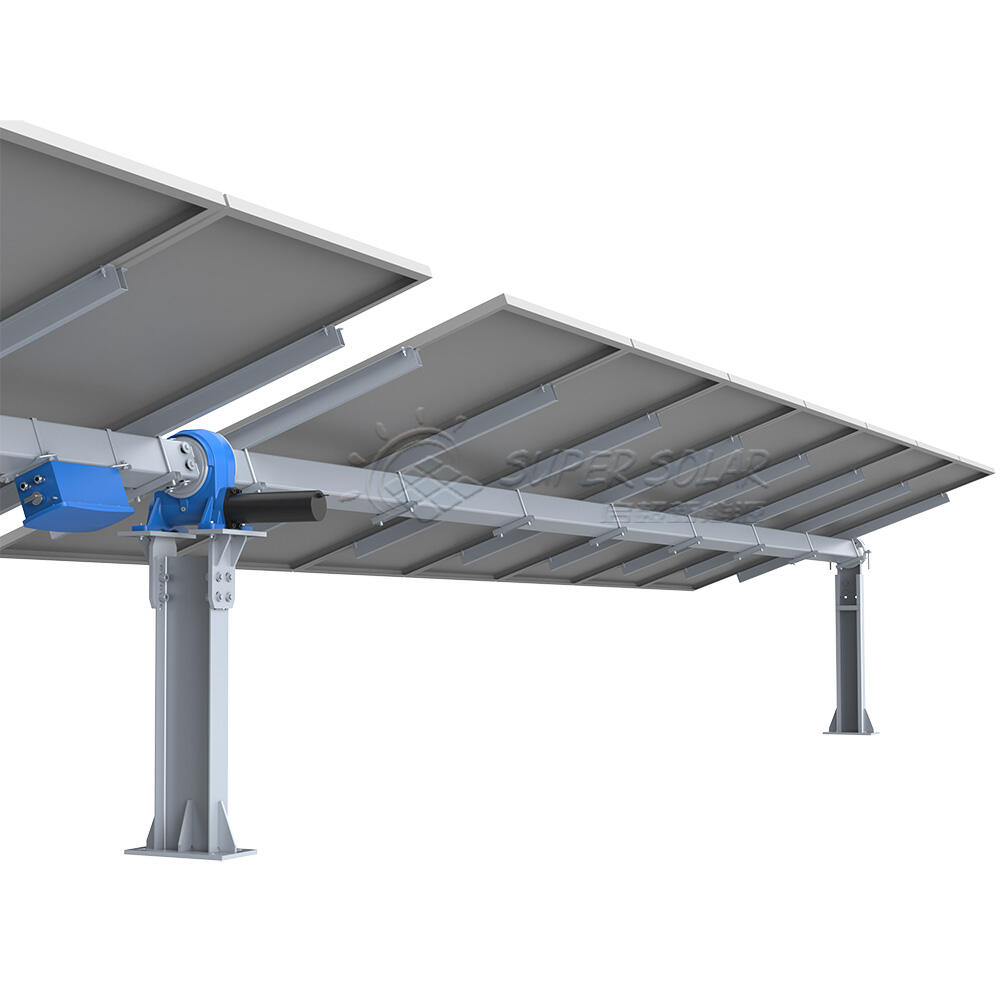
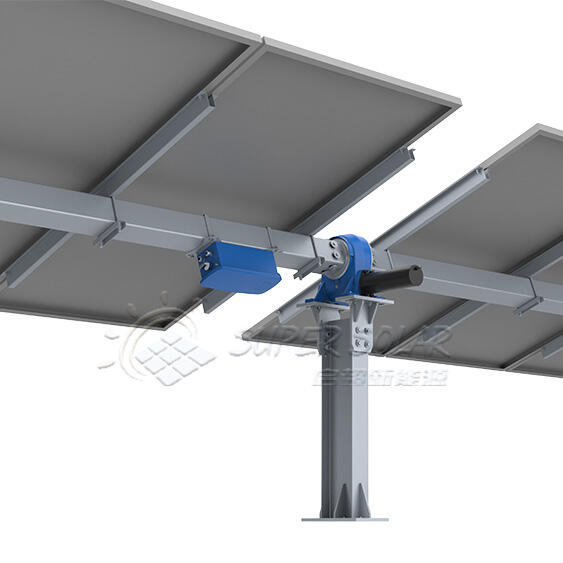
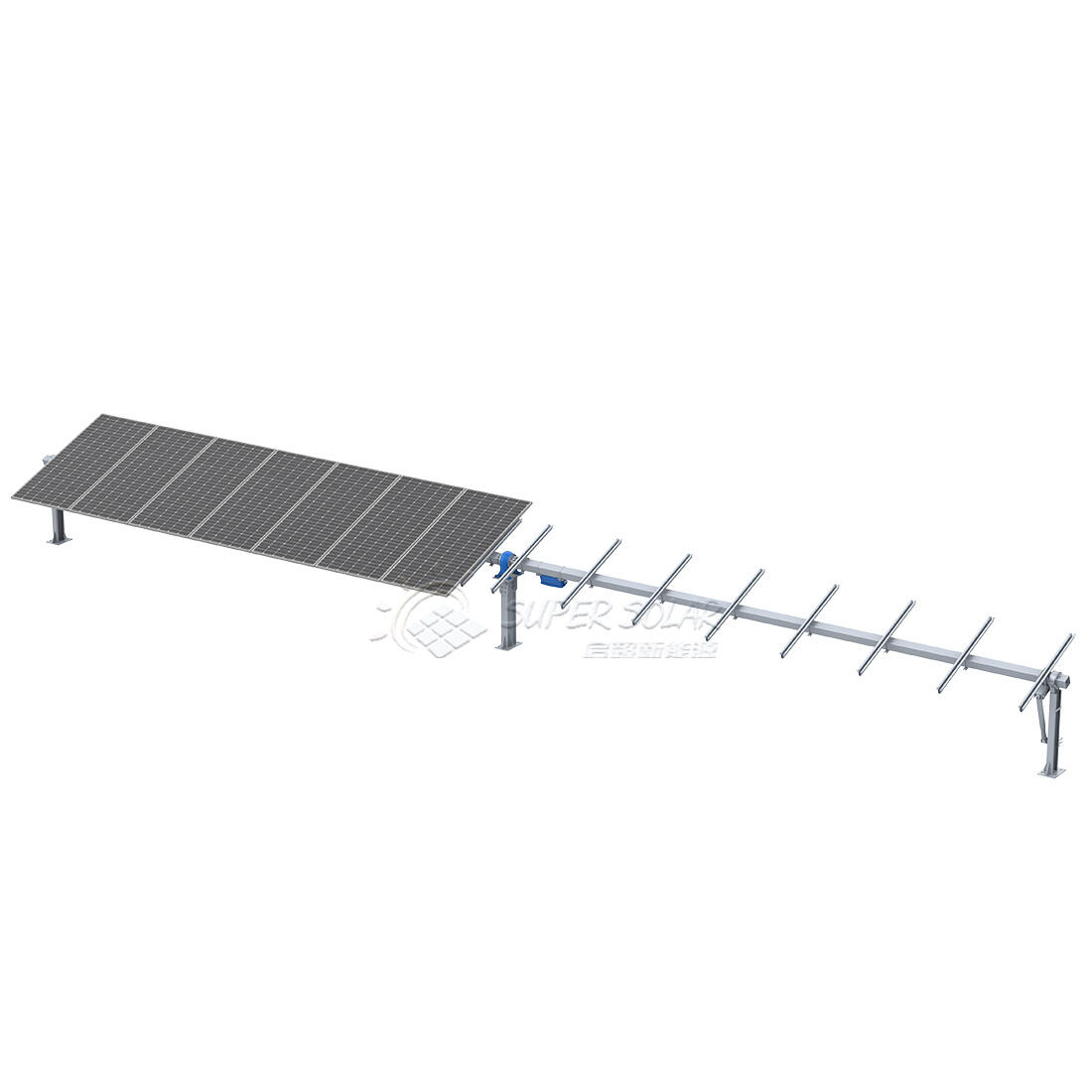
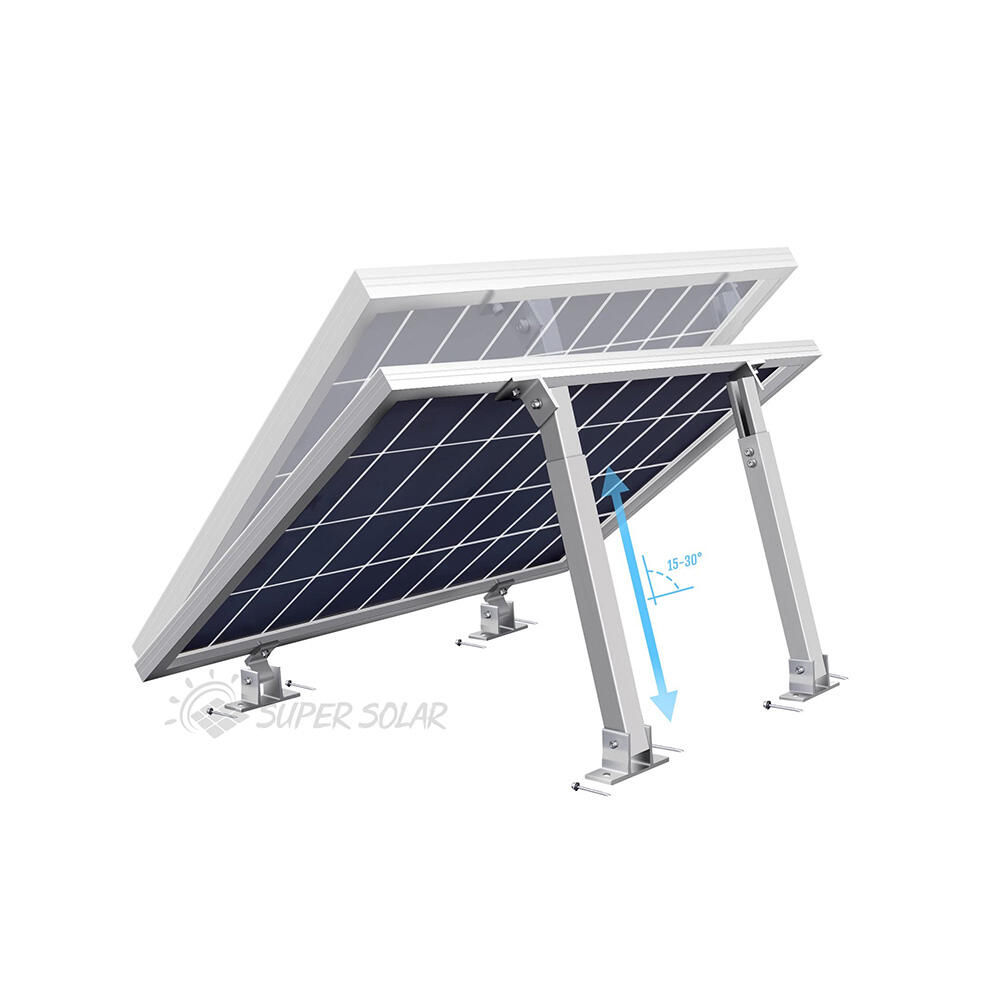
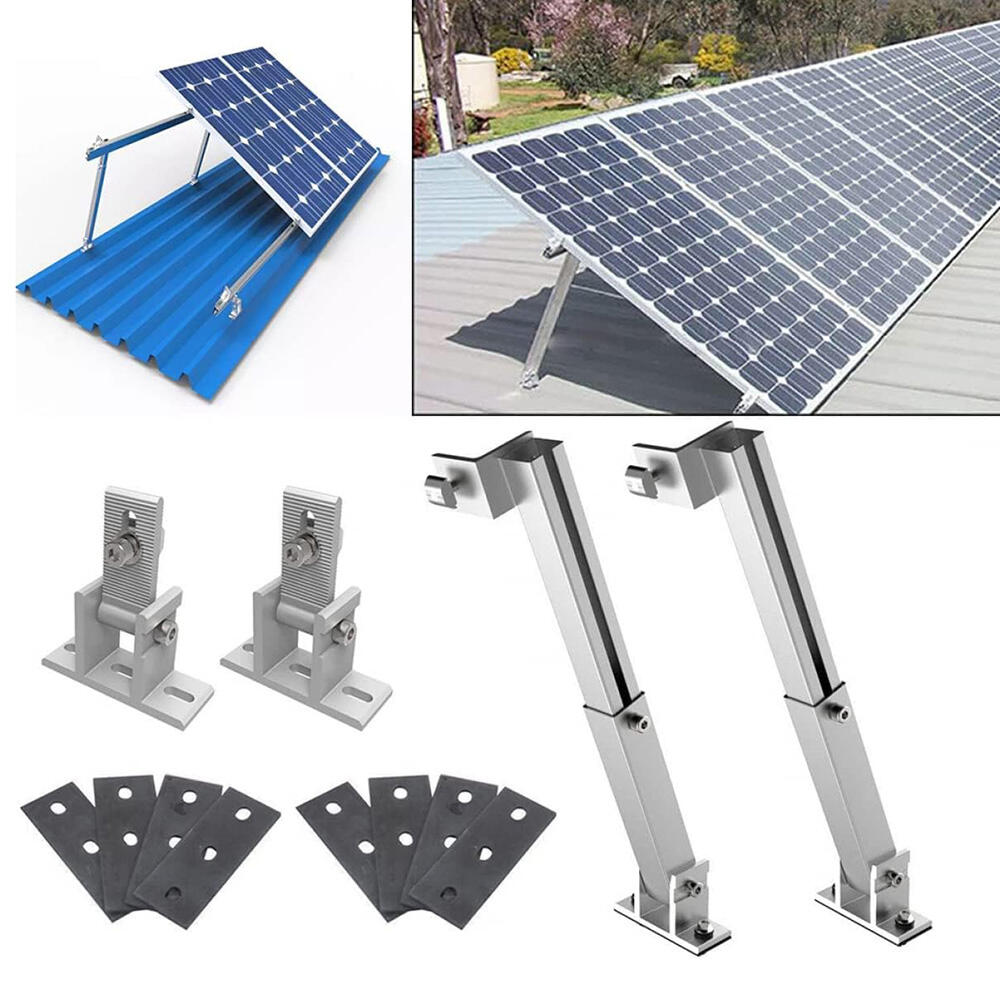
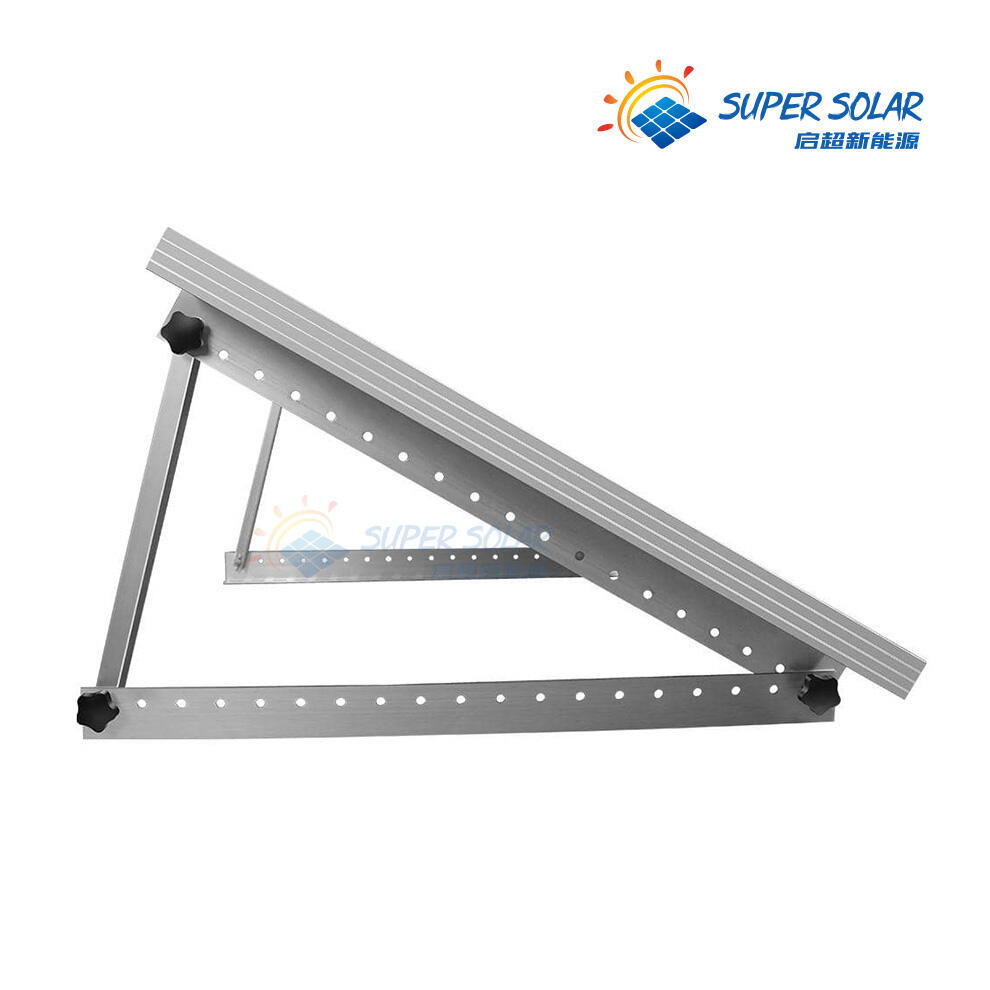
Dual tilt solar panel mounts represent an innovative advancement in photovoltaic mounting technology, designed to optimize solar energy capture throughout the year by allowing panels to be adjusted along two different axes. These sophisticated mounting systems enable solar installations to achieve maximum efficiency by positioning panels at optimal angles for seasonal variations and daily sun tracking. The primary function of dual tilt solar panel mounts involves providing both seasonal tilt adjustments and azimuth angle modifications, ensuring panels maintain ideal orientation relative to the sun's position. Technologically, these mounts incorporate robust mechanical components including precision-engineered pivot points, weather-resistant materials such as anodized aluminum and galvanized steel, and secure locking mechanisms that maintain panel stability during extreme weather conditions. The mounting systems feature corrosion-resistant coatings that extend operational lifespan while maintaining structural integrity across diverse environmental conditions. Applications for dual tilt solar panel mounts span residential rooftops, commercial buildings, ground-mounted solar farms, and specialized installations where energy output optimization is critical. These versatile systems accommodate various panel sizes and weights, making them suitable for both small-scale residential projects and large-scale commercial deployments. The technological features include adjustable tilt ranges typically spanning 15 to 60 degrees, allowing operators to modify panel angles according to seasonal requirements or specific geographic locations. Advanced versions incorporate motorized adjustment capabilities, enabling remote control and automated positioning based on solar tracking algorithms. Installation flexibility represents another key function, as dual tilt solar panel mounts can be configured for different roof types, ground conditions, and architectural requirements. The mounting systems provide enhanced accessibility for maintenance procedures, ensuring long-term system performance and reliability while minimizing operational disruptions during routine inspections or cleaning activities.
 EN
EN