Fixed Tilt Ground Mount Solar Systems: Reliable, Cost-Effective Solar Energy Solutions

All Categories

fixed tilt ground mount solar

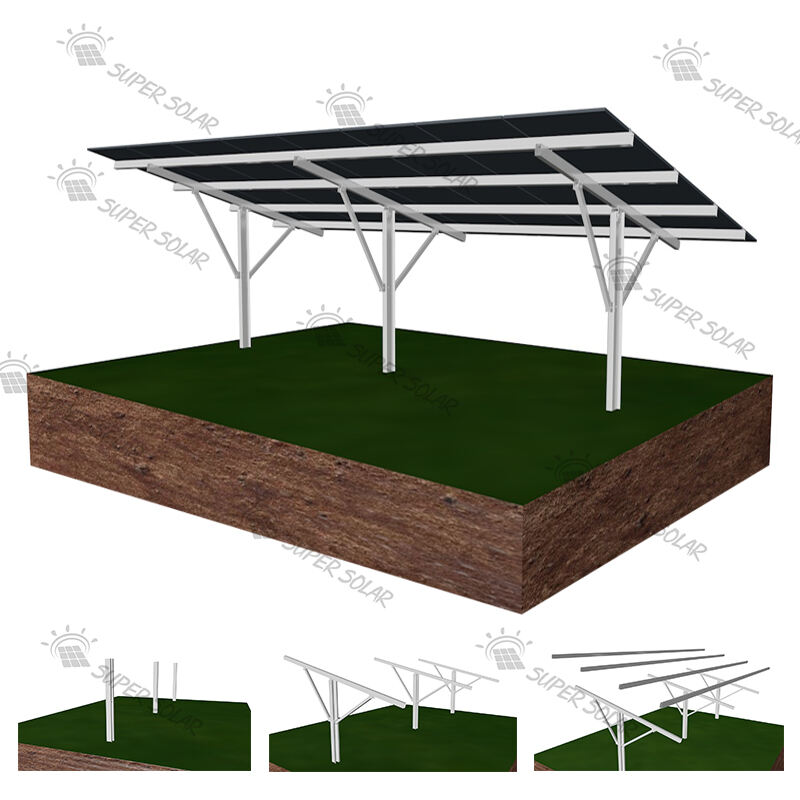
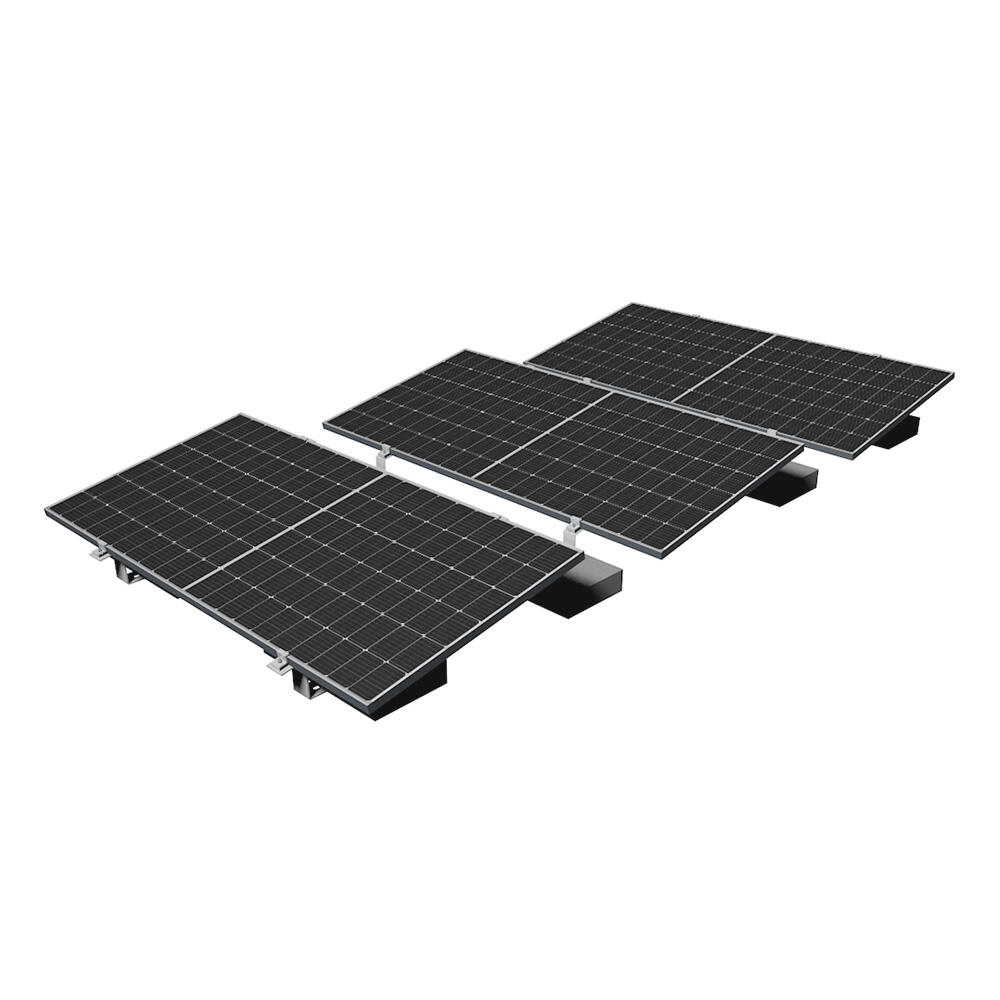
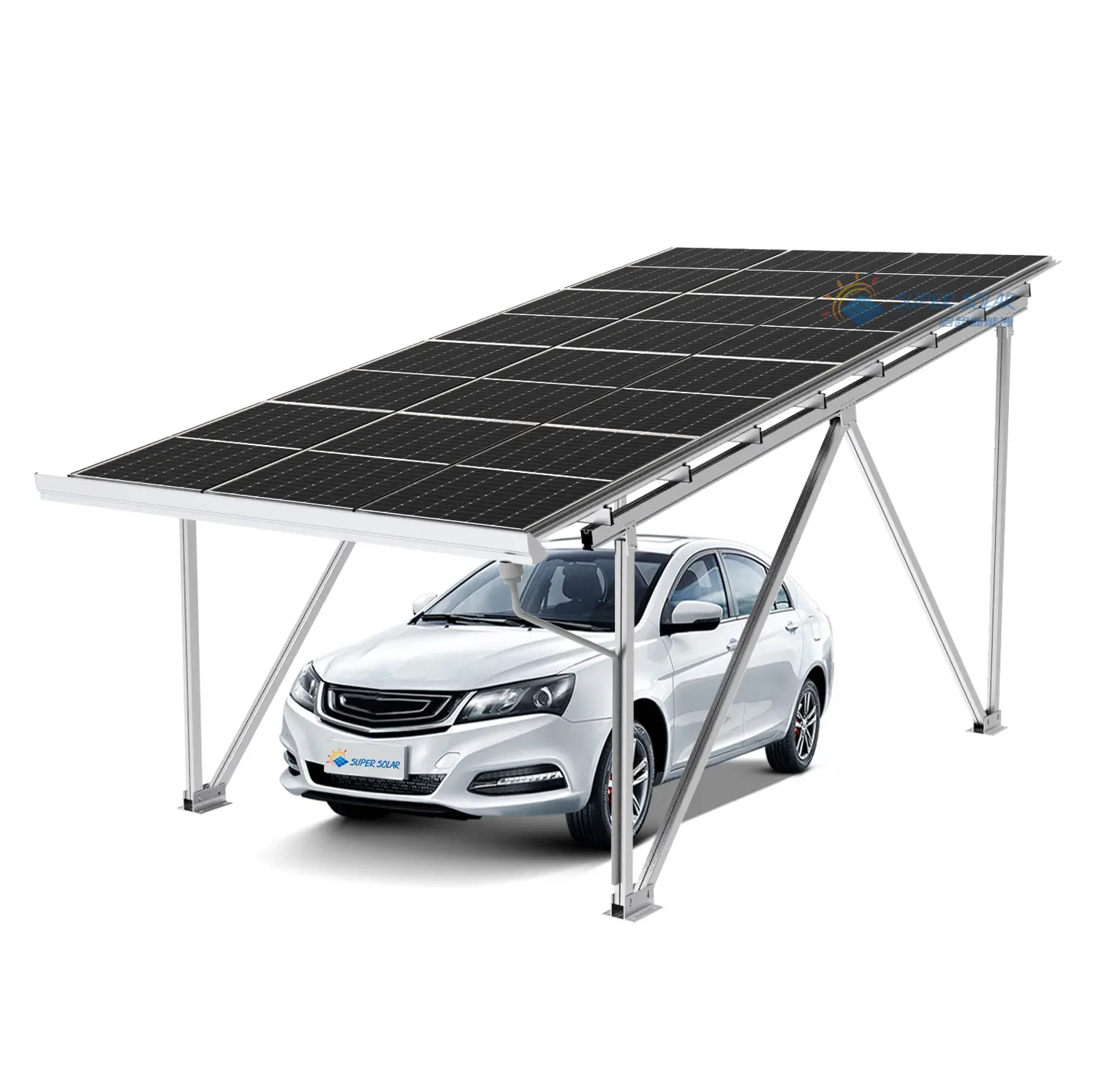
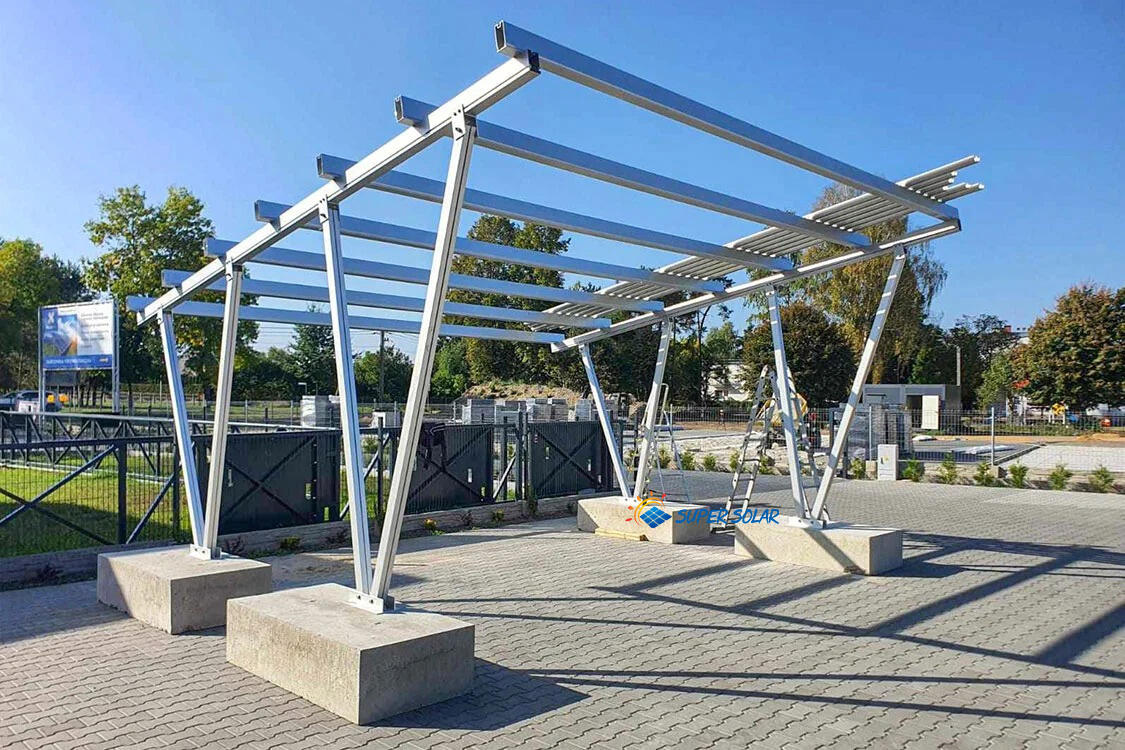
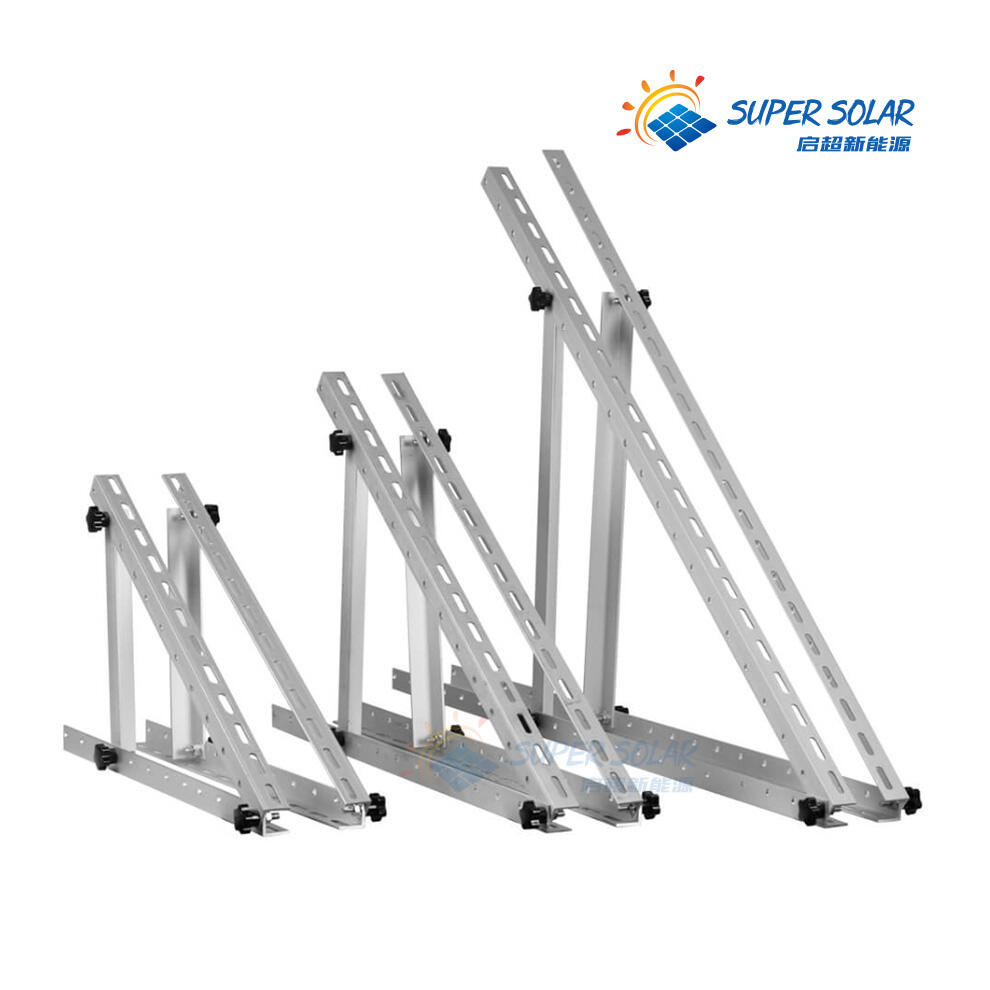
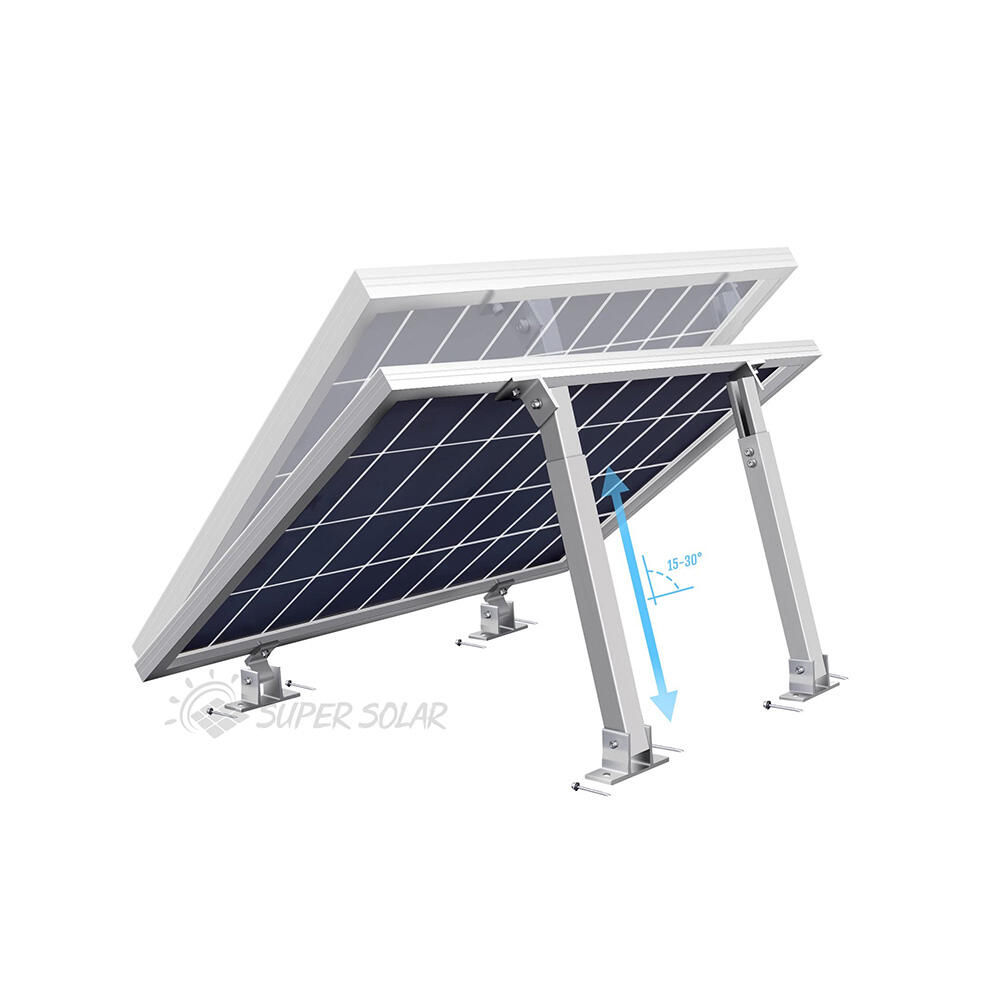
Fixed tilt ground mount solar systems represent a fundamental and reliable approach to solar energy installation that has gained widespread adoption across residential, commercial, and utility-scale projects worldwide. These mounting structures are specifically engineered to secure solar panels at a predetermined angle on ground-based foundations, offering a stable and permanent solution for solar energy generation. The fixed tilt ground mount solar configuration eliminates the complexity of tracking systems while maintaining optimal energy production through strategic panel positioning. The core function of a fixed tilt ground mount solar system centers on providing a secure, weather-resistant platform that positions photovoltaic modules at the ideal angle to maximize solar irradiance capture throughout the year. The mounting structure typically consists of galvanized steel or aluminum rails, concrete foundations, and specialized hardware designed to withstand various environmental conditions including high winds, snow loads, and seismic activity. Technological features of fixed tilt ground mount solar systems include corrosion-resistant materials, pre-engineered structural components, and modular designs that facilitate efficient installation and maintenance. The mounting angle is calculated based on geographical location, seasonal sun paths, and specific energy production goals, typically ranging from 15 to 45 degrees depending on latitude. Advanced fixed tilt ground mount solar systems incorporate drainage channels, cable management pathways, and accessibility features that enhance long-term performance and serviceability. Applications for fixed tilt ground mount solar installations span multiple sectors, from small residential arrays to massive utility-scale solar farms generating hundreds of megawatts. Agricultural operations frequently utilize fixed tilt ground mount solar systems for agrivoltaic projects, combining energy generation with continued farming activities. Commercial and industrial facilities benefit from fixed tilt ground mount solar installations when rooftop space is limited or structural constraints prevent roof-mounted systems. The versatility of fixed tilt ground mount solar technology makes it suitable for various terrain types, soil conditions, and climate zones, providing energy independence and sustainability benefits across diverse applications.

Popular Products

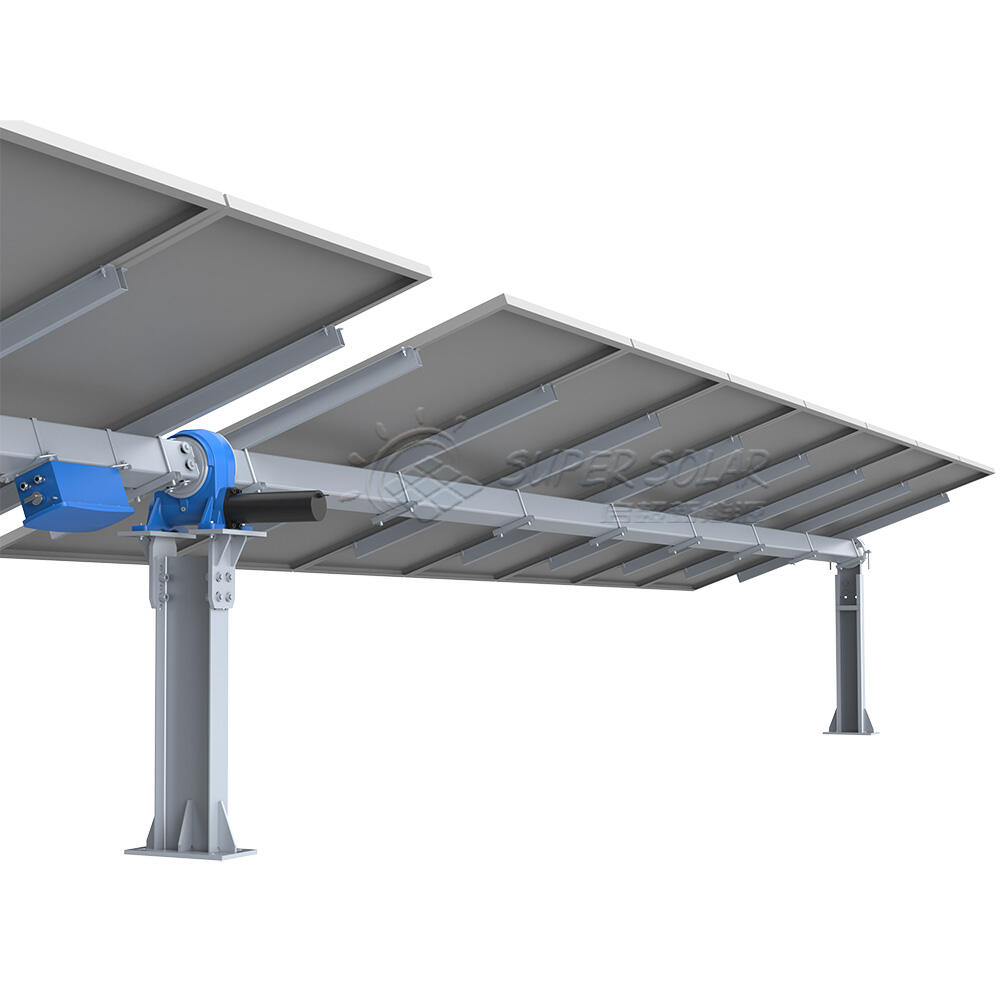
Fixed tilt ground mount solar systems deliver exceptional cost-effectiveness compared to tracking alternatives, making solar energy accessible to a broader range of customers and project budgets. The simplicity of the fixed tilt ground mount solar design translates directly into lower initial investment costs, reduced installation time, and minimal ongoing maintenance requirements. Property owners can achieve significant electricity bill reductions while avoiding the mechanical complexity and potential failure points associated with motorized tracking systems. The reliability factor of fixed tilt ground mount solar installations provides peace of mind through proven performance over decades of operation. These systems eliminate moving parts, reducing wear and tear while maintaining consistent energy production without the need for frequent repairs or component replacements. Weather resistance stands out as a major advantage, with fixed tilt ground mount solar structures engineered to withstand extreme conditions including hurricane-force winds, heavy snow accumulation, and temperature fluctuations. The installation flexibility offered by fixed tilt ground mount solar systems accommodates various site conditions and spatial requirements that may not suit other mounting options. Ground-based installations allow for optimal panel orientation regardless of existing roof angles or structural limitations, maximizing energy capture potential. Maintenance accessibility represents another significant benefit, as technicians can easily reach panels, inverters, and electrical components without specialized equipment or safety concerns associated with rooftop work. The scalability of fixed tilt ground mount solar systems enables phased installations and future expansion opportunities as energy needs grow or budgets allow. Property owners can start with smaller arrays and systematically add capacity over time using the same mounting infrastructure. Long-term performance benefits include superior heat dissipation compared to roof-mounted systems, as ground installations provide better air circulation around panels, maintaining optimal operating temperatures and extending equipment lifespan. The environmental impact advantages of fixed tilt ground mount solar extend beyond clean energy generation, as these systems can coexist with native vegetation and wildlife habitats when properly designed. Fixed tilt ground mount solar installations also offer excellent return on investment through stable energy production, predictable maintenance costs, and potential income generation through net metering or power purchase agreements. The durability of properly installed fixed tilt ground mount solar systems ensures decades of reliable service with minimal degradation, protecting the initial investment while providing consistent environmental and financial benefits throughout the system's operational life.

Latest News

Top Carport Solar Design Ideas for 2025

24

Nov

Top Carport Solar Design Ideas for 2025

Exploring the Rise of Carport Solar The growing interest in clean energy is reshaping how people view everyday spaces, and one of the most versatile solutions emerging today is Carport Solar. Unlike traditional panels installed solely on rooftops, C...
View More
What Is a Solar Carport for Residential Homes and Why Use It?

20

Aug

What Is a Solar Carport for Residential Homes and Why Use It?

The Growing Popularity of Residential Solar Carports As homeowners increasingly look for ways to reduce energy costs and embrace sustainable living, the solar carport has emerged as a smart solution. A solar carport not only provides shelter for vehi...
View More
5 Reasons Installers Prefer Solar L Feet for Metal Roof Projects

23

Sep

5 Reasons Installers Prefer Solar L Feet for Metal Roof Projects

Why metal roof projects are growing The rise of the metal roof project is no accident. More property owners and businesses are turning to this type of roofing for its durability, aesthetics, and ability to support solar energy systems. Unlike traditi...
View More
The Ultimate Guide to Installing Solar L Feet on Metal Roofs

23

Sep

The Ultimate Guide to Installing Solar L Feet on Metal Roofs

Pre-installation preparation (roof inspection, tools needed) Conducting a roof inspection before installation Before starting any metal roof project, the roof must be carefully inspected. Installers should check for rust, loose panels, or structural ...
View More

Leave Message

Our representative will contact you soon.
Email
Name
Company Name
Message
0/1000

fixed tilt ground mount solar

Superior Structural Integrity and Weather Resistance

Superior Structural Integrity and Weather Resistance

Fixed tilt ground mount solar systems excel in providing unmatched structural integrity that withstands the most challenging environmental conditions while ensuring decades of reliable operation. The engineering excellence behind these mounting solutions incorporates advanced materials science and structural analysis to create installations capable of surviving hurricane-force winds exceeding 150 mph, seismic events, and extreme temperature variations. The robust foundation design typically utilizes driven piles or concrete footings that penetrate below the frost line, creating an immovable anchor point that maintains system stability regardless of seasonal ground movement or weather-related stress factors. Galvanized steel components resist corrosion for over 25 years, while aluminum alternatives offer even greater longevity in coastal environments where salt air poses additional challenges to metal structures. The fixed tilt ground mount solar framework distributes loads evenly across multiple support points, preventing stress concentration that could lead to failure under extreme conditions. Professional engineering calculations account for local wind speeds, snow loads, and seismic zones to ensure each installation meets or exceeds regional building codes and industry standards. The weather resistance capabilities extend beyond structural considerations to include integrated drainage systems that prevent water accumulation around foundations and electrical components. Specialized gaskets and sealing systems protect connection points from moisture infiltration, while elevated panel positioning ensures adequate clearance for snow shedding and debris removal. The thermal expansion characteristics of fixed tilt ground mount solar structures accommodate temperature-induced dimensional changes without compromising structural integrity or panel alignment. Quality assurance testing validates performance under simulated extreme conditions, including cyclic loading tests that replicate decades of wind and thermal stress in accelerated timeframes. The superior structural integrity of fixed tilt ground mount solar systems provides property owners with confidence in their investment, knowing that their renewable energy infrastructure will continue generating clean electricity regardless of weather challenges. Insurance companies often recognize this enhanced durability through reduced premiums for properties with professionally installed fixed tilt ground mount solar systems, further improving the overall return on investment while demonstrating the real-world value of superior structural design and weather resistance capabilities.
Optimal Energy Production Through Strategic Panel Positioning

Optimal Energy Production Through Strategic Panel Positioning

Fixed tilt ground mount solar systems achieve maximum energy production potential through precisely calculated panel positioning that optimizes solar irradiance capture throughout all seasons of the year. The strategic angle determination process considers multiple factors including geographical latitude, local climate patterns, seasonal sun path variations, and specific energy consumption profiles to establish the ideal tilt angle for each installation. Professional solar engineers utilize sophisticated modeling software that analyzes decades of weather data, solar irradiance measurements, and shading patterns to determine the optimal fixed angle that maximizes annual energy yield. The elevated positioning of panels in fixed tilt ground mount solar installations provides superior solar exposure compared to roof-mounted systems that may suffer from suboptimal orientations due to architectural constraints or structural limitations. Ground-based installations allow for perfect south-facing orientation in the northern hemisphere, ensuring panels receive maximum direct sunlight during peak production hours. The spacing between panel rows in fixed tilt ground mount solar arrays is carefully calculated to minimize inter-row shading while maximizing land use efficiency, resulting in optimal energy density per acre of installation area. Advanced shading analysis tools evaluate potential obstructions including existing vegetation, buildings, and terrain features to ensure sustained energy production throughout the system's operational lifetime. The consistent panel angle in fixed tilt ground mount solar systems eliminates the complexity and potential failure points associated with tracking mechanisms while maintaining excellent energy production that typically achieves 85-90% of tracking system output at significantly lower cost and maintenance requirements. Seasonal performance optimization occurs through the fixed angle selection process, which balances summer and winter sun angles to provide consistent year-round energy generation that meets customer electricity needs during all months. The ground clearance provided by fixed tilt ground mount solar structures enhances air circulation around panels, reducing operating temperatures and improving photovoltaic efficiency compared to roof-mounted installations where heat buildup can reduce energy output. Performance monitoring capabilities integrated into modern fixed tilt ground mount solar systems provide real-time data on energy production, allowing system owners to verify optimal performance and quickly identify any issues that might impact electricity generation efficiency.
Unmatched Installation Flexibility and Site Adaptability

Unmatched Installation Flexibility and Site Adaptability

Fixed tilt ground mount solar systems provide unprecedented installation flexibility that accommodates virtually any site condition, terrain type, or spatial configuration while delivering optimal solar energy performance. The adaptable design philosophy enables successful installations on irregular terrain, sloped surfaces, areas with poor soil conditions, and properties where rooftop mounting presents insurmountable challenges or limitations. Site assessment capabilities for fixed tilt ground mount solar projects encompass comprehensive geological surveys, soil bearing capacity analysis, drainage evaluations, and environmental impact studies that ensure successful long-term installation performance regardless of initial site conditions. The modular nature of fixed tilt ground mount solar components allows for customized configurations that work around existing infrastructure, utilities, landscaping features, and property boundaries without compromising energy production or structural integrity. Foundation options for fixed tilt ground mount solar systems include driven piles suitable for rocky or unstable soils, concrete footings for standard ground conditions, and specialized helical anchors for challenging terrain where traditional foundation methods prove impractical. The installation process accommodates phased construction approaches that allow property owners to implement solar energy solutions gradually according to budget constraints or evolving energy needs while maintaining compatibility with future expansion plans. Setback requirements for fixed tilt ground mount solar installations typically prove more manageable than other renewable energy options, enabling installations on smaller properties or sites with restrictive zoning regulations that might preclude alternative energy solutions. The accessibility advantages of ground-based installations facilitate maintenance, cleaning, monitoring, and potential system modifications throughout the operational lifetime without requiring specialized equipment or safety procedures associated with elevated work. Permitting processes for fixed tilt ground mount solar systems often proceed more smoothly than complex alternatives due to straightforward engineering documentation, proven track record of successful installations, and clear compliance with established building codes and safety standards. Environmental integration capabilities allow fixed tilt ground mount solar installations to coexist harmoniously with existing ecosystems, agricultural operations, and landscape features through careful planning and thoughtful design that preserves natural drainage patterns and habitat corridors. The site adaptability of fixed tilt ground mount solar technology extends to various climate zones, from desert environments with extreme temperature variations to northern regions with significant snow loads, demonstrating the universal applicability of this proven mounting solution for diverse geographical locations and environmental conditions worldwide.

Leave Message

Our representative will contact you soon.
Email
Name
Company Name
Message
0/1000