Structural Independence and Design Flexibility
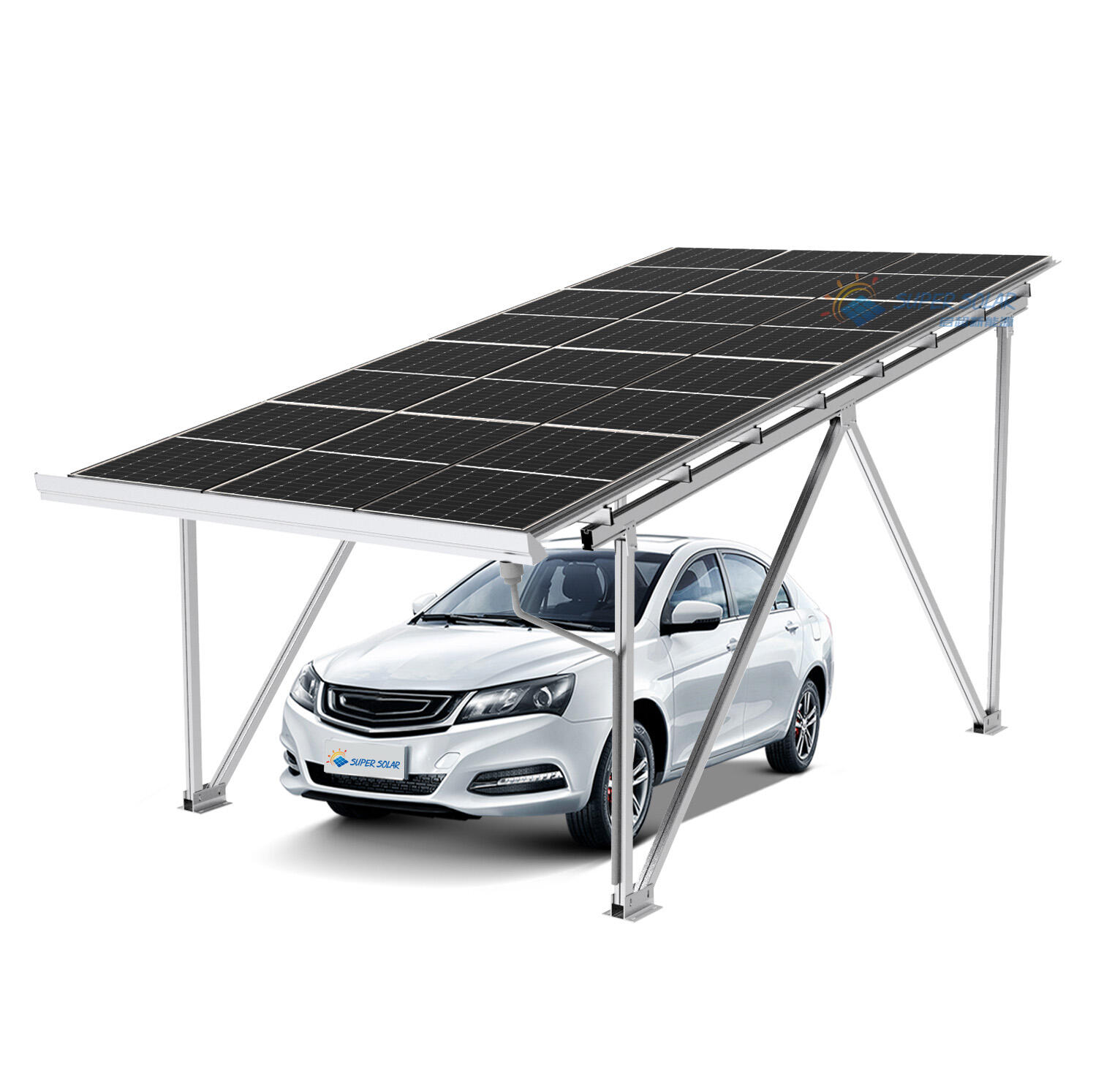
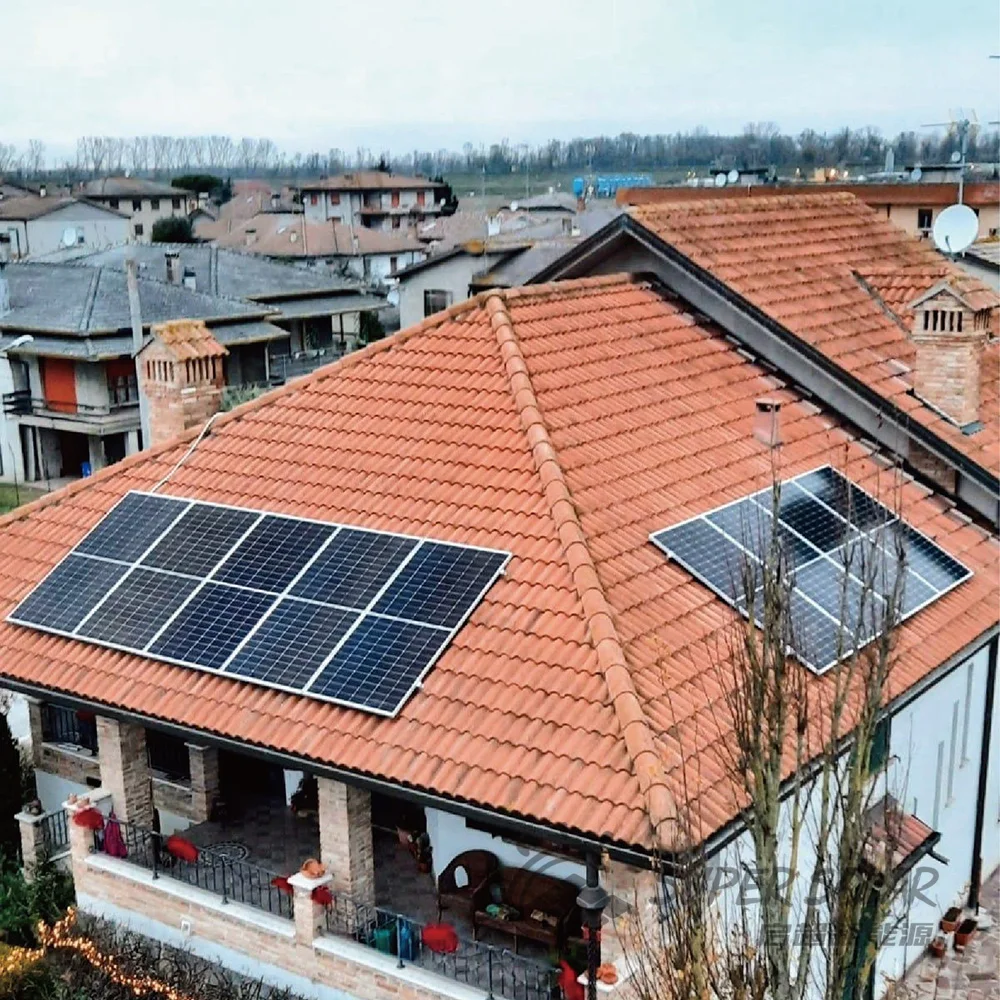
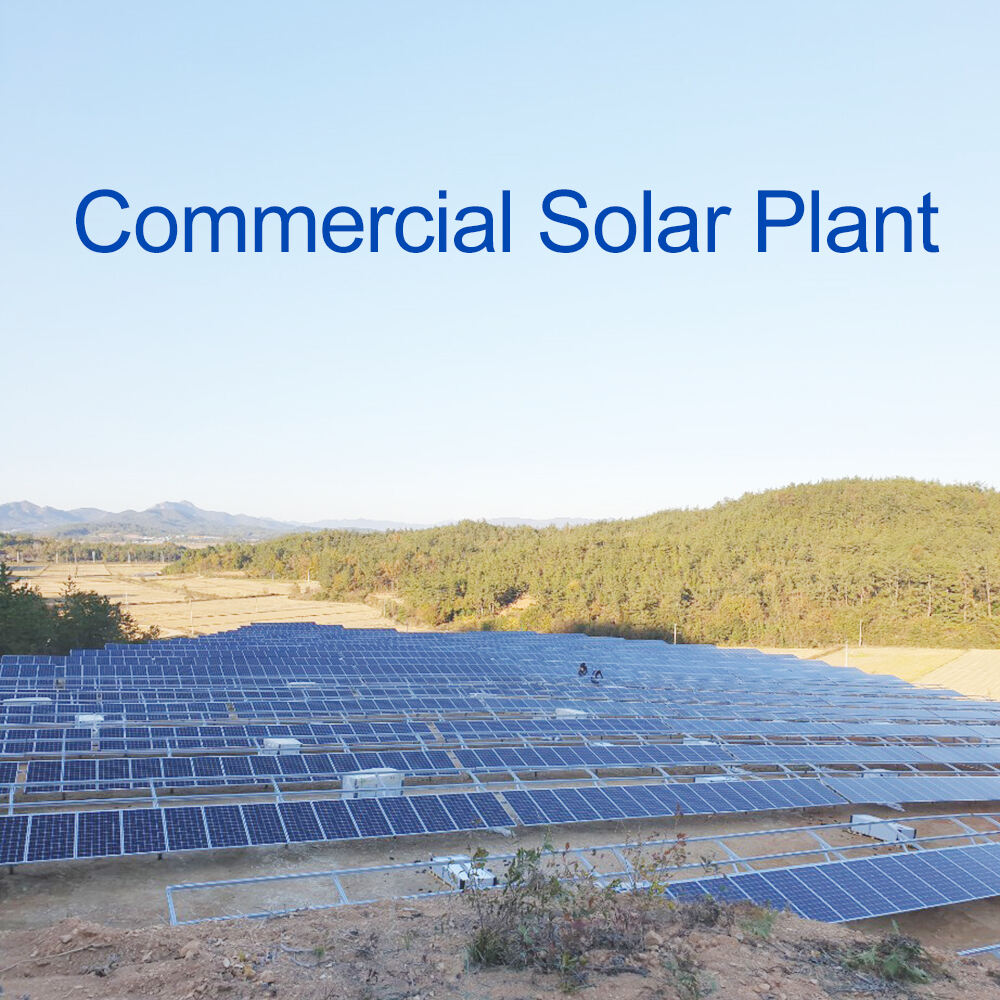
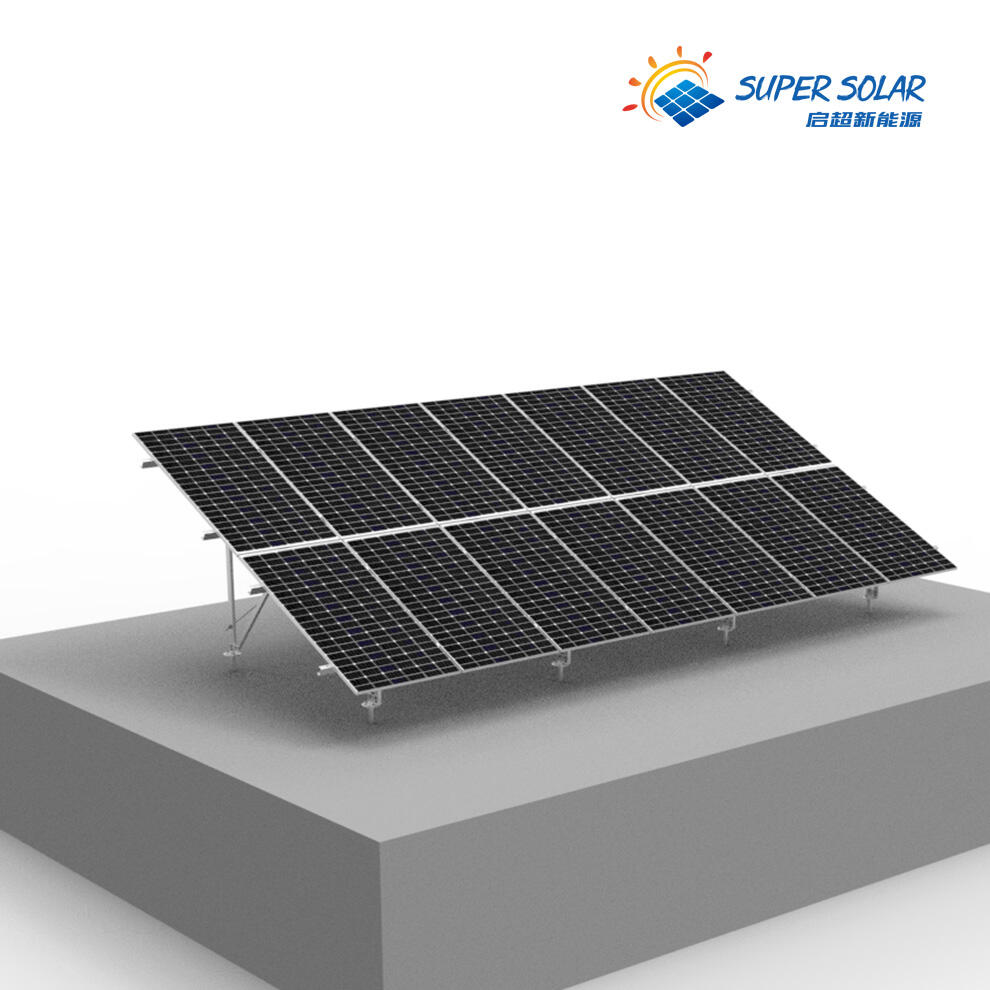
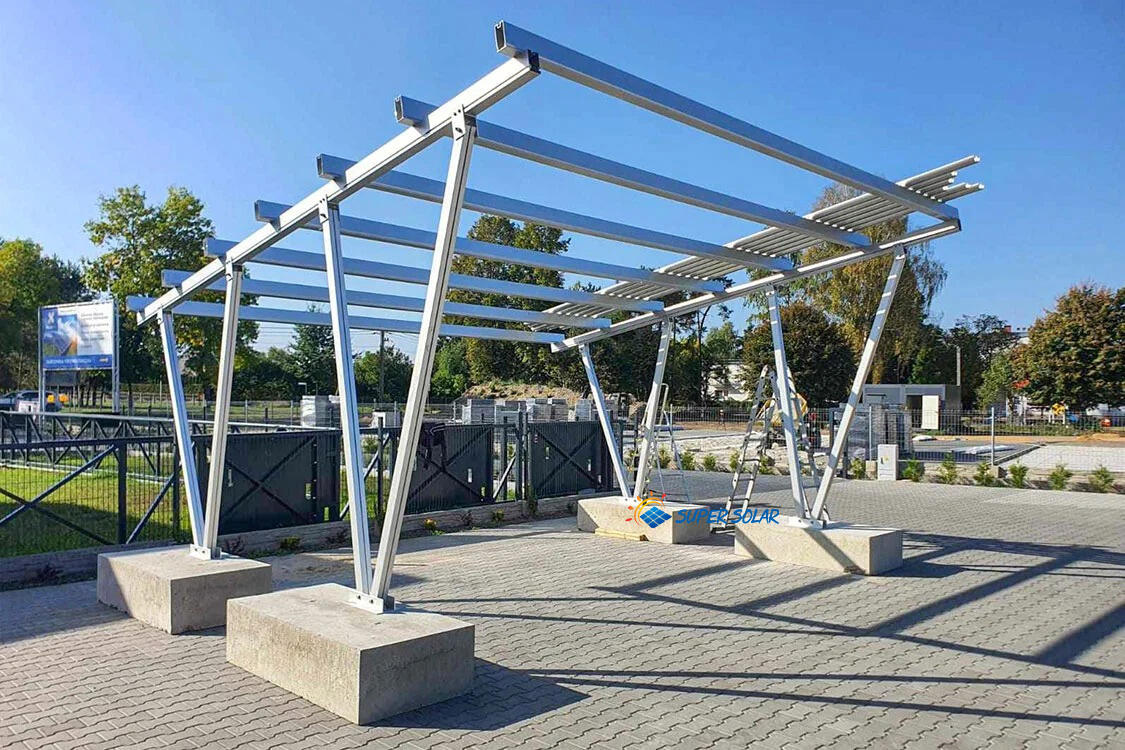
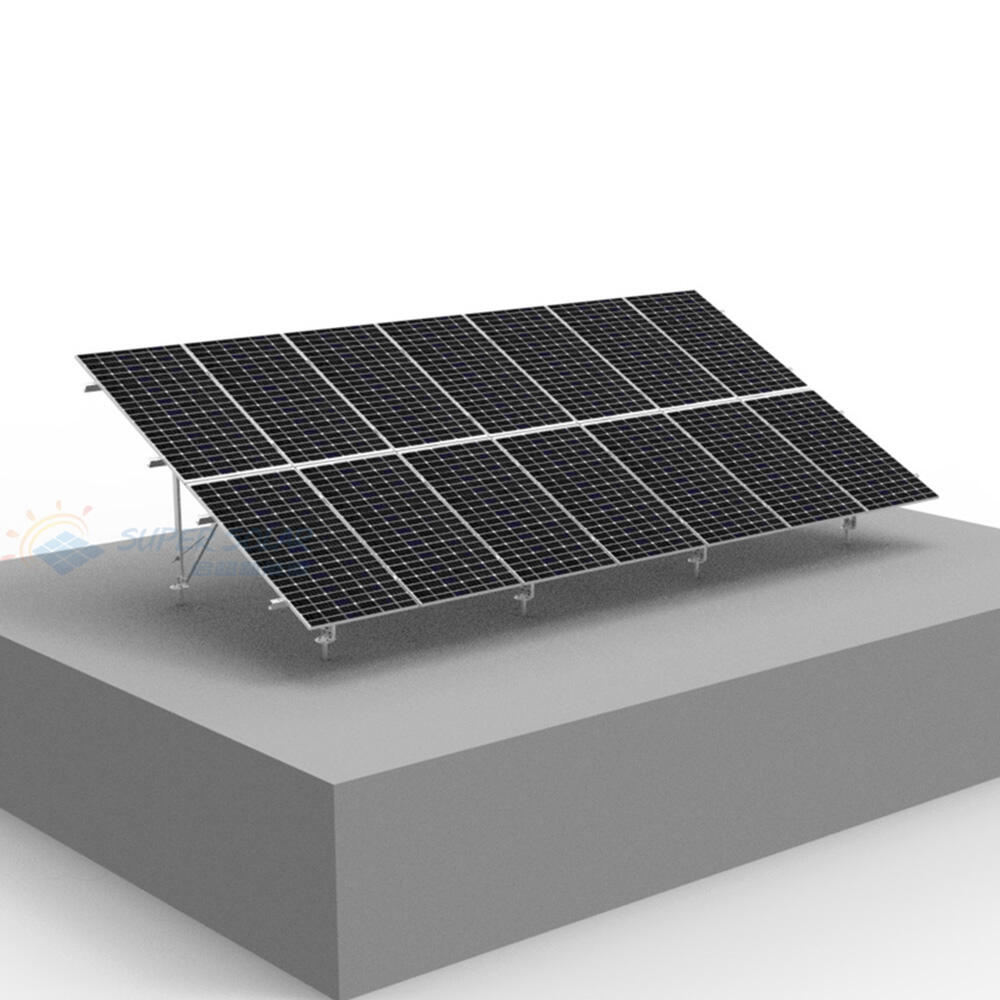
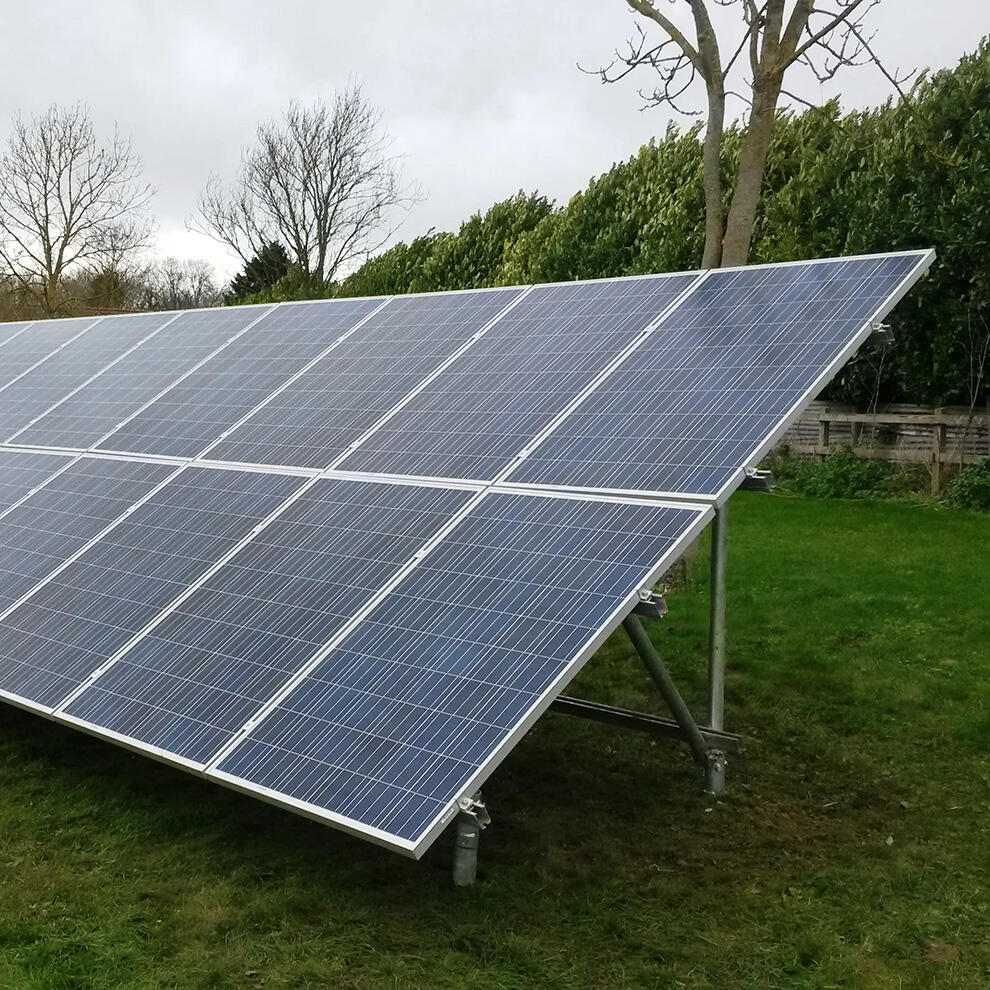
Ground mount solar systems offer unparalleled structural independence and design flexibility that eliminates the constraints and concerns associated with rooftop installations while opening creative possibilities for property enhancement. Unlike rooftop systems that must work within existing structural limitations, roof materials, and architectural constraints, ground mount solar installations provide complete freedom in system design, placement, and configuration. Property owners avoid the structural analysis, reinforcement, and potential modification costs that rooftop installations often require, particularly for older buildings or structures with marginal load-bearing capacity. The independence from building structures eliminates concerns about roof warranties, potential leak issues, and structural integrity compromises that can accompany rooftop penetrations and mounting hardware. This structural separation means that building maintenance, roof replacement, or renovations can proceed without impacting solar system operations or requiring costly temporary removal and reinstallation procedures. Design flexibility extends to creative placement options that can enhance property aesthetics rather than compromising architectural integrity. Ground mount solar arrays can be positioned as attractive landscape features, property boundaries, or functional structures such as covered parking areas or agricultural shade systems. The ability to customize mounting heights, angles, and orientations enables integration with existing landscape designs while maintaining optimal energy production capabilities. Property owners with challenging roof conditions, such as multiple dormers, chimneys, or complex angles, can bypass these complications entirely with ground mount solar installations positioned in open yard areas. The modular nature of ground mount solar systems supports phased installation approaches, allowing property owners to start with essential capacity and expand systematically as budgets and energy needs dictate. Seasonal accessibility ensures that system modifications, expansions, or reconfigurations can proceed year-round without weather-related restrictions that often limit rooftop work. Agricultural properties benefit tremendously from ground mount solar flexibility, as systems can provide dual functionality through agrivoltaics applications that combine energy production with continued farming operations, creating innovative land-use solutions that maximize property productivity and sustainability.
 EN
EN