Complete Ground Solar Mounting System Solutions | Durable Installation & Maximum Efficiency

All Categories

ground solar mounting system

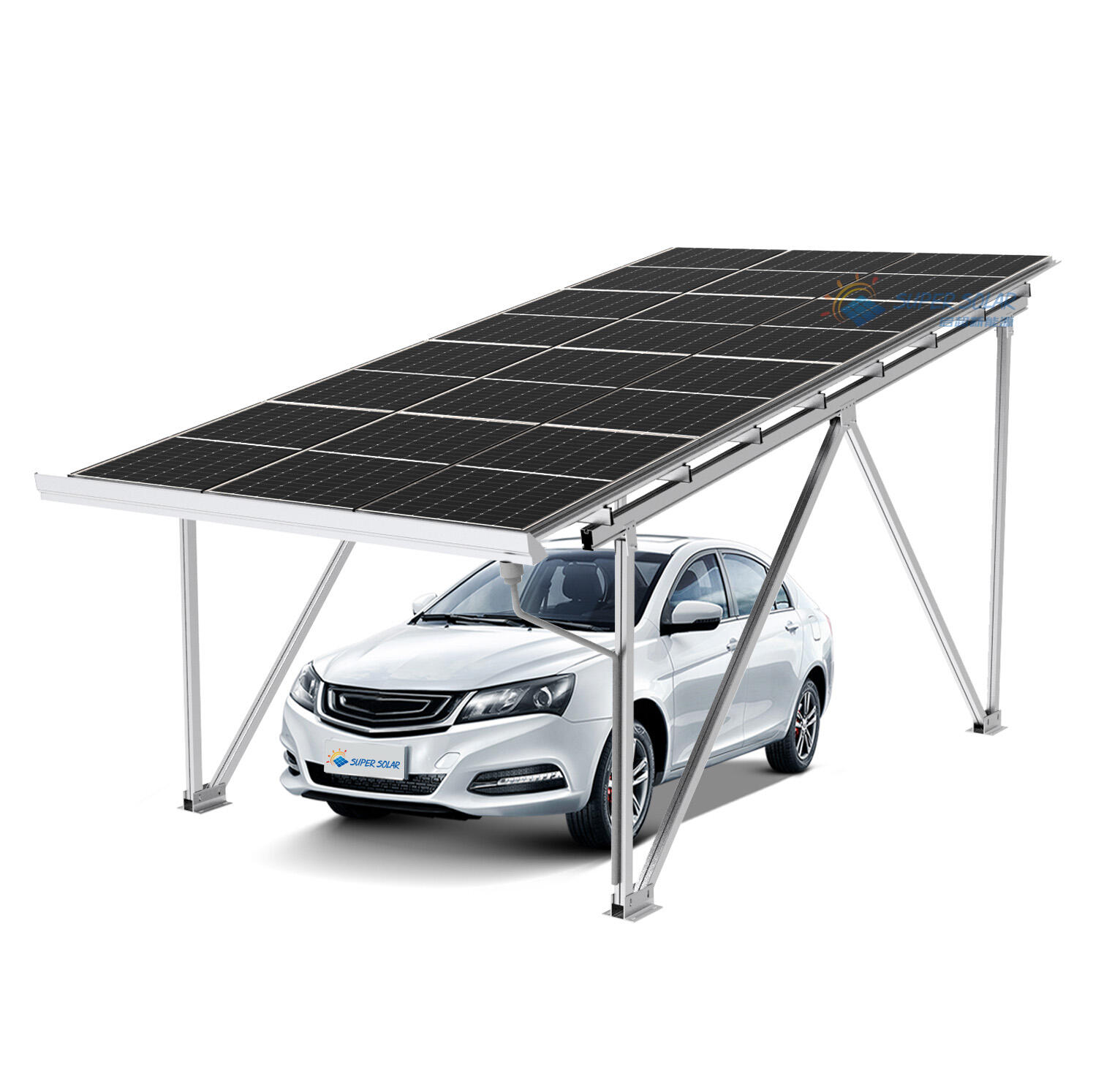
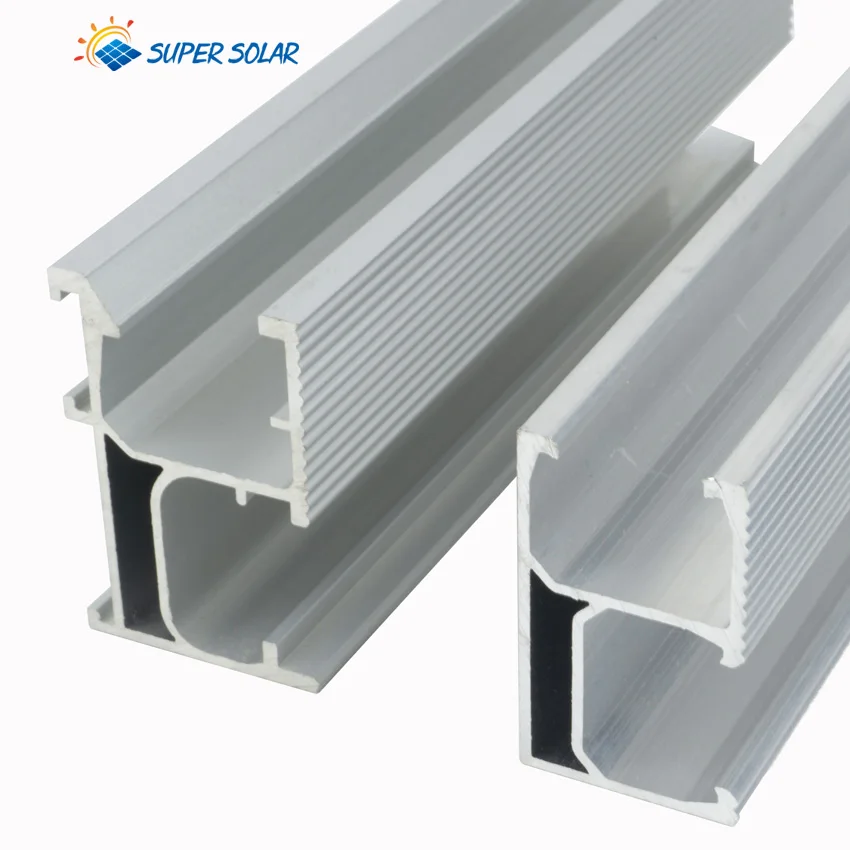
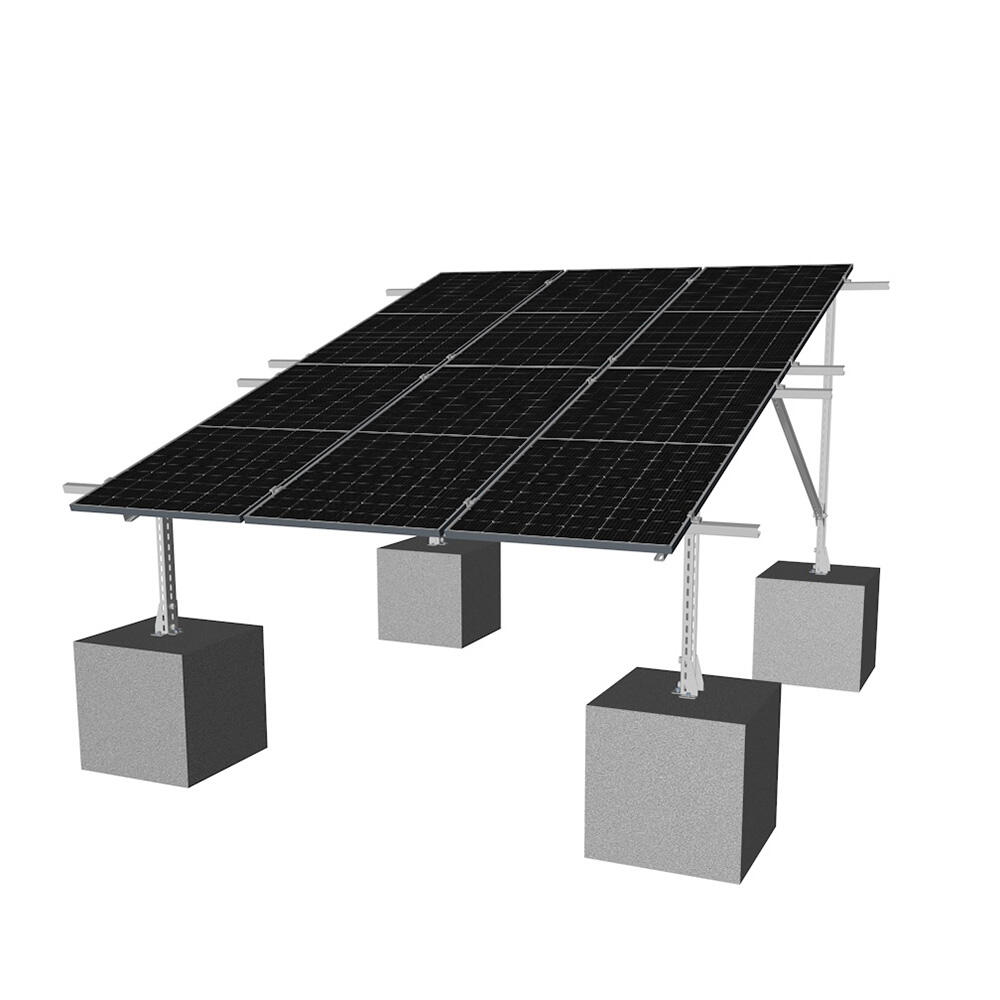
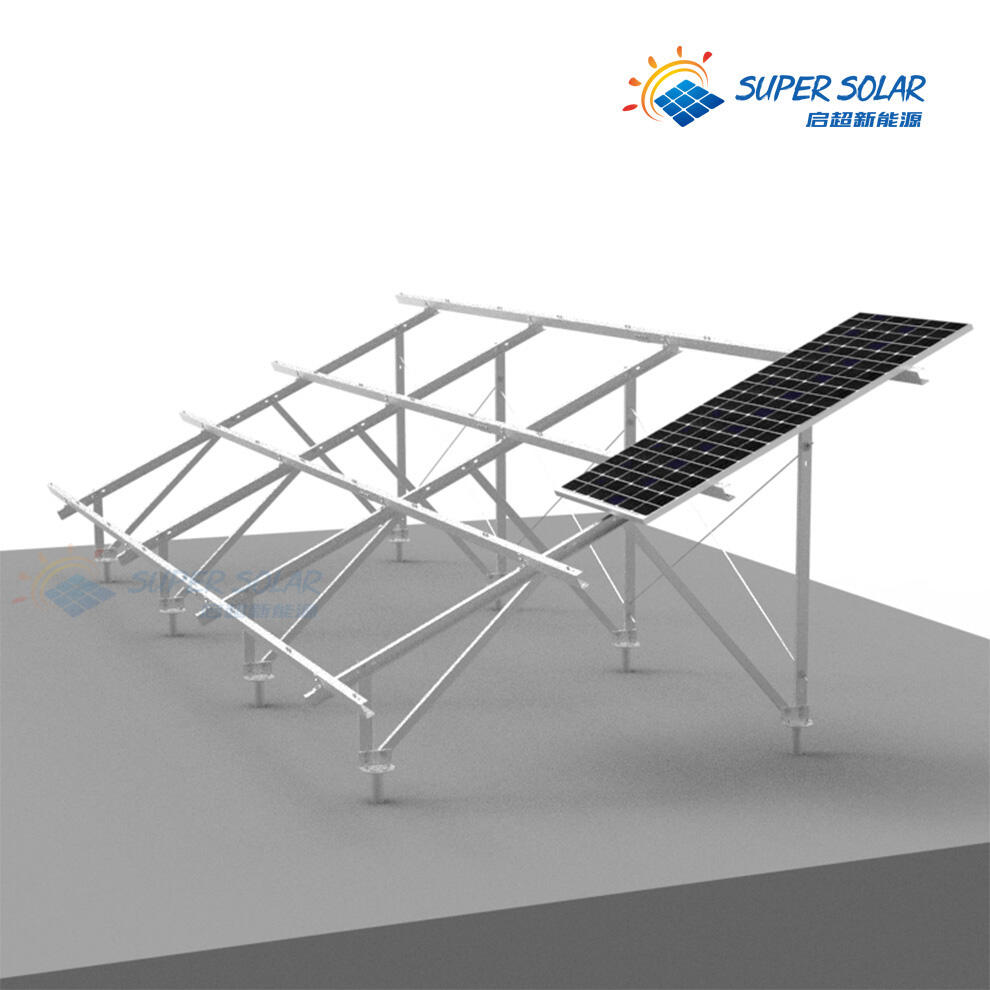
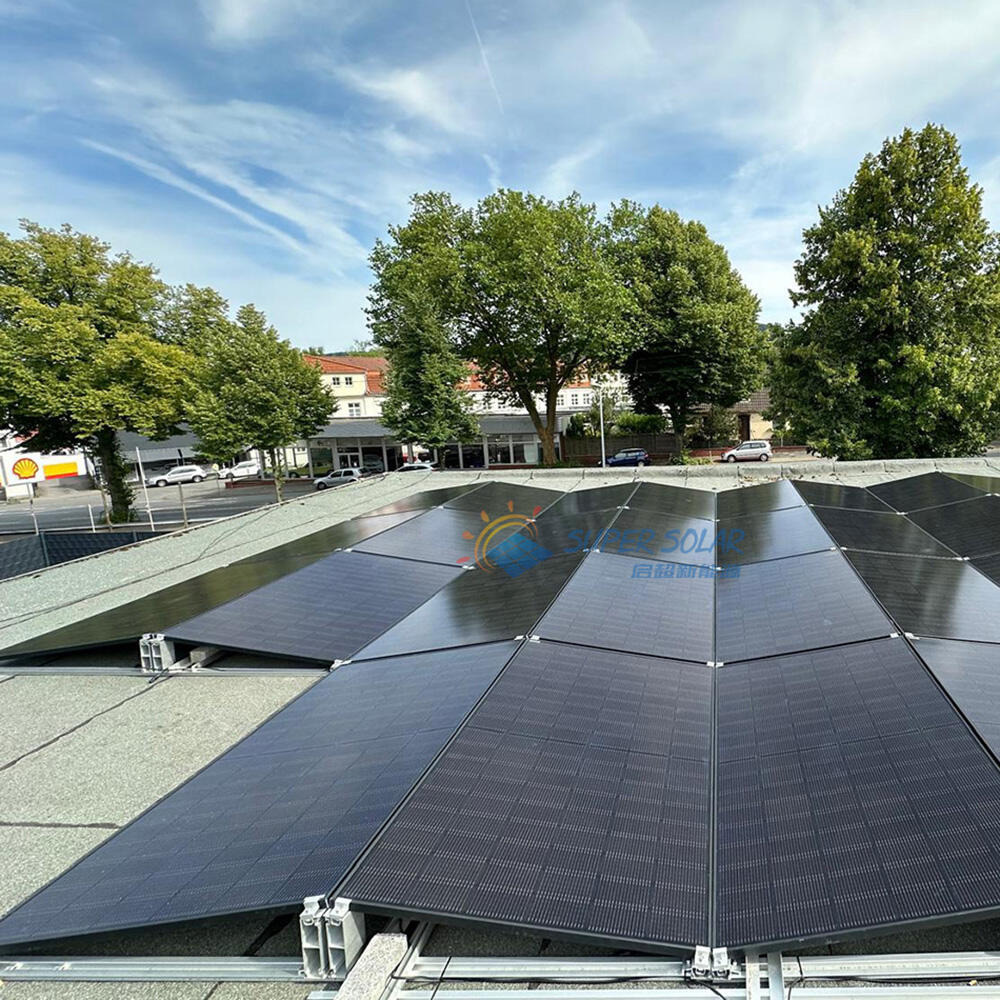
A ground solar mounting system represents a fundamental infrastructure solution designed to securely position photovoltaic panels on terrestrial surfaces for optimal solar energy collection. This comprehensive mounting framework serves as the essential foundation that transforms available land into productive renewable energy generation sites. The ground solar mounting system encompasses various structural components including steel or aluminum rails, concrete foundations, panel clamps, and adjustable brackets that work together to create a stable platform for solar arrays. The primary function of this mounting infrastructure involves maintaining precise panel orientation and tilt angles to maximize solar radiation exposure throughout different seasons and weather conditions. These systems accommodate various terrain types, from flat agricultural fields to gently sloping hillsides, making them versatile solutions for diverse geographical locations. Technological features of modern ground solar mounting systems include corrosion-resistant materials, engineered wind load calculations, and modular designs that facilitate efficient installation processes. Advanced mounting solutions incorporate tracking capabilities that automatically adjust panel positions to follow the sun's path, significantly increasing energy output compared to fixed installations. The structural engineering behind these systems considers local climate conditions, soil composition, and seismic requirements to ensure long-term durability and safety. Applications for ground solar mounting systems span residential properties with adequate land space, commercial installations, utility-scale solar farms, and agricultural settings where dual land use strategies combine farming with energy production. These mounting solutions prove particularly valuable in regions with abundant open land where rooftop installations may be insufficient or impractical. The scalability of ground solar mounting systems allows for incremental expansion as energy needs grow or budgets permit, making them attractive investment options for property owners seeking sustainable energy independence.

New Product Releases

Ground solar mounting systems deliver exceptional value through their inherent flexibility and adaptability to diverse installation requirements. Property owners gain complete control over panel positioning without structural limitations that often constrain rooftop installations. These systems eliminate concerns about roof integrity, weight distribution, and potential leakage issues that can complicate building-mounted solar arrays. The ground-based approach allows for optimal panel orientation regardless of building architecture or existing roof conditions, ensuring maximum energy production potential. Maintenance accessibility represents a significant practical advantage, as ground-level installations enable easy cleaning, inspection, and component replacement without specialized equipment or safety risks associated with elevated work. This accessibility translates directly into reduced maintenance costs and improved system longevity through consistent upkeep. The modular nature of ground solar mounting systems supports phased installation approaches, allowing property owners to start with smaller arrays and expand capacity over time as financial resources permit or energy demands increase. This scalability proves particularly beneficial for growing businesses or families with evolving energy needs. Installation flexibility accommodates various soil conditions and terrain features through adjustable foundation systems and customizable structural configurations. Ground solar mounting systems often achieve superior performance compared to rooftop alternatives due to improved ventilation around panels, which reduces operating temperatures and enhances electrical efficiency. The enhanced airflow beneath ground-mounted panels prevents heat buildup that can significantly impact energy output in rooftop installations. These systems also facilitate easier integration of energy storage solutions and electrical infrastructure, as ground-level access simplifies wiring routing and equipment placement. Property owners benefit from preserved roof warranties and building integrity, as ground solar mounting systems require no structural modifications to existing buildings. The installation process typically proceeds faster than rooftop projects due to reduced safety protocols and equipment requirements. Snow shedding and debris removal occur more naturally with ground installations, reducing performance impacts during winter months or in areas with significant vegetation. The professional appearance and organized layout of ground solar mounting systems can enhance property values while demonstrating environmental commitment to visitors and potential buyers.

Tips And Tricks

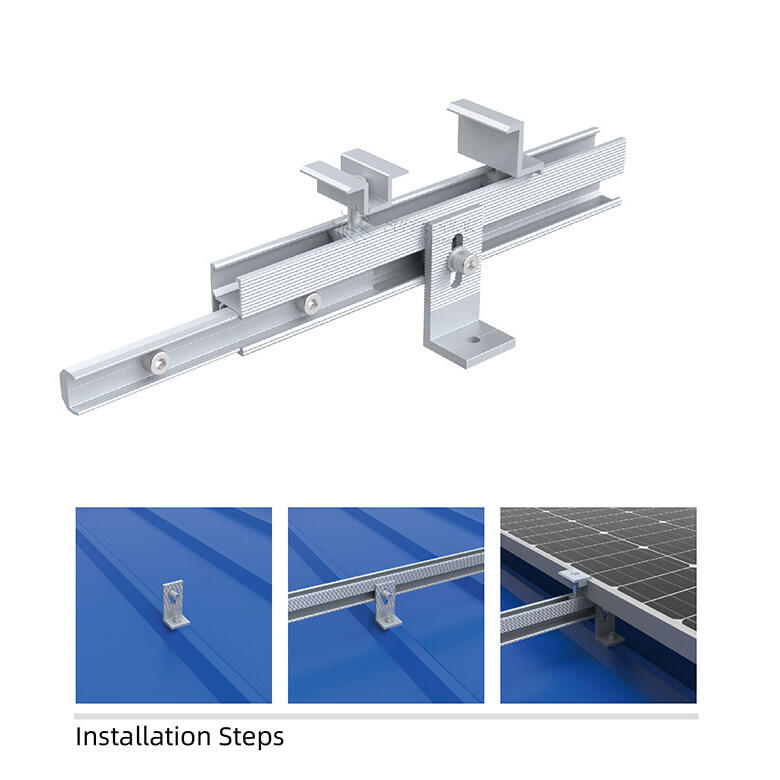
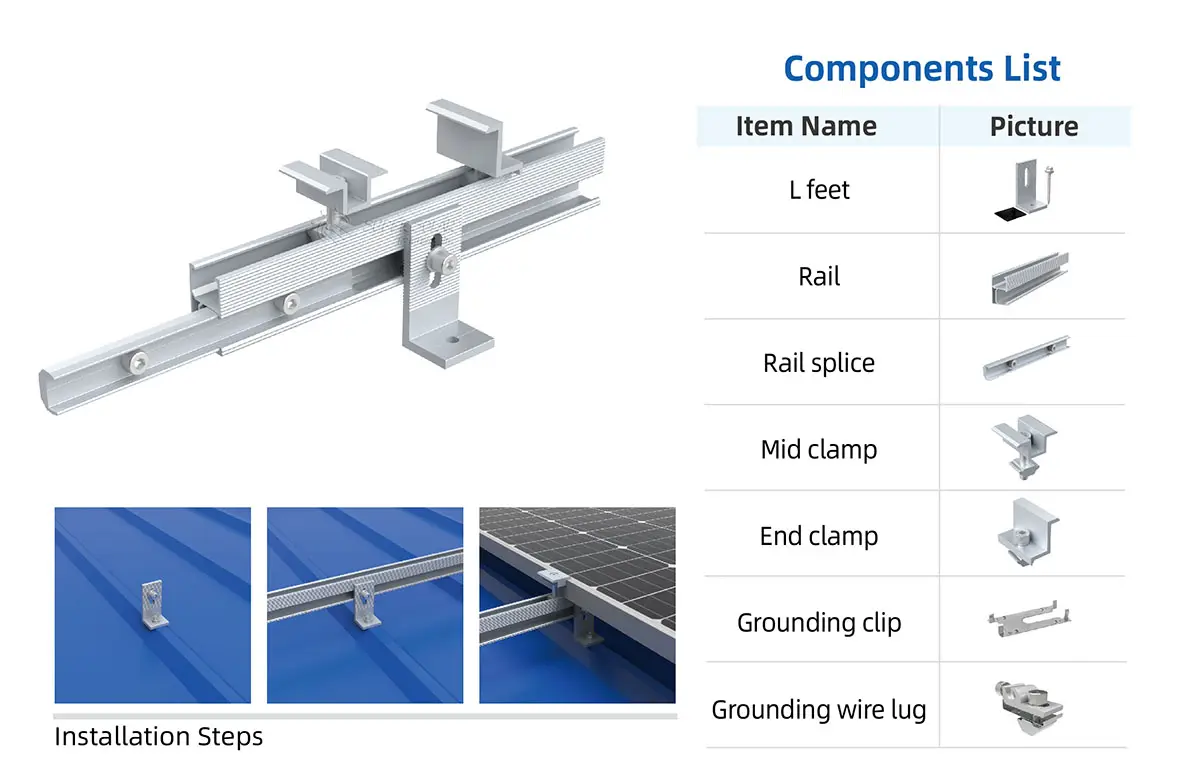
The Ultimate Guide to Installing Solar L Feet on Metal Roofs

23

Sep

The Ultimate Guide to Installing Solar L Feet on Metal Roofs

Pre-installation preparation (roof inspection, tools needed) Conducting a roof inspection before installation Before starting any metal roof project, the roof must be carefully inspected. Installers should check for rust, loose panels, or structural ...
View More
Why L Feet Are the Most Cost-Effective Solar Mounting Solution for Metal Roofs

23

Sep

Why L Feet Are the Most Cost-Effective Solar Mounting Solution for Metal Roofs

Cost comparison with other mounting systems Comparing material costs across different solutions When evaluating solar mounting systems, one of the first considerations is material cost. L Feet stand out because they use less material while maintaini...
View More
Solar Mounting Solutions for Metal Roofs: A Complete Guide for Installers and Distributors

23

Sep

Solar Mounting Solutions for Metal Roofs: A Complete Guide for Installers and Distributors

Introduction Growing demand for solar on metal roofs in commercial & industrial projects The demand for Solar Mounting Solutions for Metal Roofs has increased rapidly across commercial and industrial projects. Metal roofs offer durability, strength,...
View More
How to Design and Install a Solar Carport for Your Business?

24

Nov

How to Design and Install a Solar Carport for Your Business?

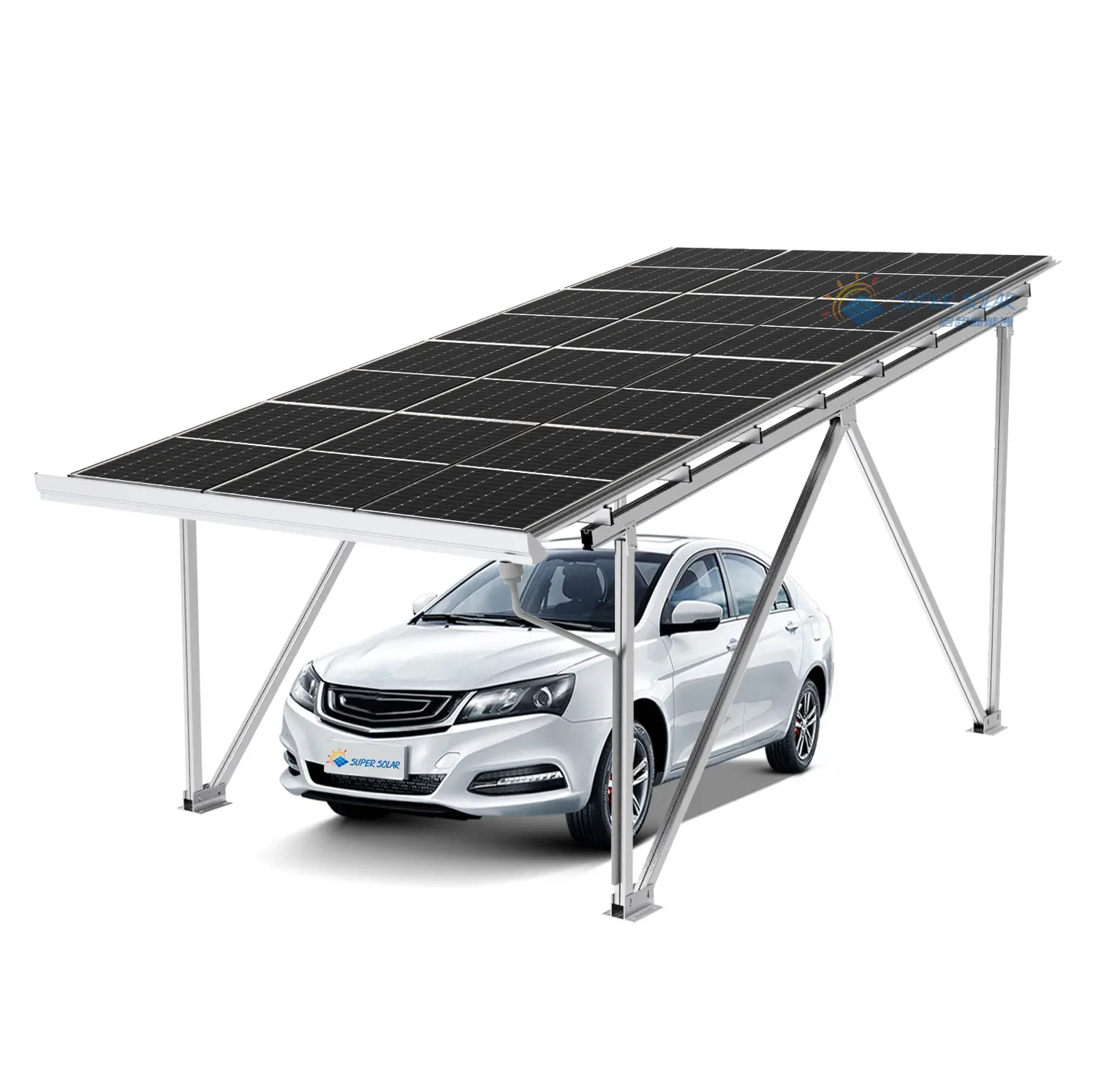
The Growing Impact of Solar Carports in Modern Business Infrastructure Solar carports represent a revolutionary advancement in sustainable business infrastructure, combining practical parking solutions with clean energy generation. As businesses incr...
View More

Leave Message

Our representative will contact you soon.
Email
Name
Company Name
Message
0/1000

ground solar mounting system

Superior Installation Flexibility and Site Optimization

Superior Installation Flexibility and Site Optimization

The ground solar mounting system excels in providing unmatched installation flexibility that adapts to virtually any available land configuration, making it the preferred choice for property owners seeking optimal solar energy solutions. Unlike rooftop installations that must conform to existing structural limitations and architectural constraints, ground solar mounting system installations can be precisely positioned to achieve ideal solar exposure angles and orientations. This flexibility enables installers to account for seasonal sun path variations, local shading patterns, and specific geographical factors that influence energy production potential. The system's adaptability extends to various soil types and ground conditions, from sandy compositions to clay-heavy substrates, through specialized foundation options including driven piles, concrete footings, and ballasted systems that require minimal ground disturbance. Property owners benefit from the ability to select optimal locations that avoid existing landscaping, utilities, or structures while maximizing available solar resources. The ground solar mounting system accommodates different panel technologies and configurations, supporting both fixed-tilt and tracking installations depending on performance requirements and budget considerations. This versatility proves particularly valuable for commercial and agricultural applications where land use optimization directly impacts project economics. The installation process allows for precise spacing calculations that optimize land utilization while maintaining necessary access corridors for maintenance activities. Advanced engineering capabilities enable ground solar mounting systems to withstand extreme weather conditions including high winds, snow loads, and seismic activity through properly designed structural components and foundation systems. The flexibility extends to future modifications and expansions, as ground-based installations can be reconfigured or enlarged without affecting existing building structures or compromising system integrity. Professional installation teams appreciate the reduced complexity and safety risks associated with ground-level work compared to elevated rooftop projects, often resulting in faster completion times and lower labor costs that benefit property owners through reduced overall project expenses.
Enhanced Performance Through Optimal Thermal Management

Enhanced Performance Through Optimal Thermal Management

Ground solar mounting systems deliver superior energy performance through advanced thermal management capabilities that significantly outperform traditional rooftop installations in efficiency and longevity. The elevated design of ground solar mounting system installations creates natural airflow channels beneath solar panels, facilitating continuous ventilation that prevents heat buildup and maintains optimal operating temperatures throughout peak sunlight hours. This enhanced cooling effect directly translates to improved electrical output, as photovoltaic panels operate most efficiently at lower temperatures, with every degree of temperature reduction potentially increasing energy production by up to half a percent. The thermal advantages become particularly pronounced during summer months when rooftop installations often experience significant performance degradation due to heat retention from building surfaces and limited air circulation. Ground solar mounting systems eliminate these thermal penalties by positioning panels away from heat-absorbing structures and maximizing exposure to cooling breezes and ambient air movement. The improved thermal performance contributes to extended equipment lifespan, as reduced operating temperatures minimize stress on photovoltaic cells, inverters, and electrical connections that can degrade prematurely under excessive heat conditions. Property owners benefit from sustained energy production levels over the system's operational lifetime, maintaining higher returns on investment compared to installations that experience thermal-related performance decline. The thermal management advantages of ground solar mounting systems become especially valuable in hot climate regions where temperature-related efficiency losses can significantly impact project economics. Additionally, the enhanced cooling characteristics reduce thermal cycling stress that occurs when panels repeatedly heat and cool, a phenomenon that can cause micro-cracks in solar cells and connection failures over time. The ground-level installation approach also facilitates integration of advanced cooling technologies such as passive ventilation systems or active cooling solutions for specialized high-performance applications. Professional system designers can optimize ground solar mounting system layouts to maximize natural convection effects and airflow patterns that further enhance thermal performance while maintaining aesthetic appeal and operational accessibility for maintenance activities.
Long-Term Durability and Maintenance Excellence

Long-Term Durability and Maintenance Excellence

The ground solar mounting system establishes new standards for long-term durability and maintenance accessibility that provide property owners with decades of reliable renewable energy production and minimal operational complications. Engineering excellence in ground solar mounting system design incorporates premium materials including galvanized steel, marine-grade aluminum alloys, and stainless steel hardware that resist corrosion, weathering, and mechanical stress throughout extended service periods. The robust structural design accounts for local environmental factors including wind loads, snow accumulation, seismic activity, and thermal expansion to ensure system integrity under the most challenging conditions. Ground-level accessibility represents a fundamental maintenance advantage, enabling property owners and service technicians to perform routine inspections, cleaning, and component replacements without specialized equipment, safety harnesses, or roof access concerns that complicate building-mounted installations. This accessibility translates directly into reduced maintenance costs and improved system reliability through consistent upkeep schedules that preserve optimal performance levels. The ground solar mounting system design facilitates comprehensive visual inspections that can identify potential issues before they develop into costly repairs or performance degradation. Snow removal, debris clearing, and panel cleaning procedures become straightforward tasks that property owners can manage independently or through standard maintenance services without premium charges associated with elevated work. The modular construction approach enables selective component replacement or system upgrades without dismantling entire arrays, providing flexibility for technology improvements or capacity expansions over the system's operational lifetime. Professional maintenance services appreciate the reduced risk and complexity of ground-level work, often resulting in lower service costs and more frequent inspection schedules that enhance overall system reliability. The durable foundation systems used in ground solar mounting system installations provide exceptional stability that prevents structural movement, alignment issues, or connection failures that can occur with inadequately supported rooftop installations. Advanced drainage design prevents water accumulation around foundation elements and electrical connections, reducing moisture-related degradation risks that can compromise system performance and safety over time. The comprehensive warranty coverage available for ground solar mounting systems reflects manufacturer confidence in long-term durability and provides property owners with financial protection for their renewable energy investment.

Leave Message

Our representative will contact you soon.
Email
Name
Company Name
Message
0/1000