Superior Installation Flexibility and Site Adaptability
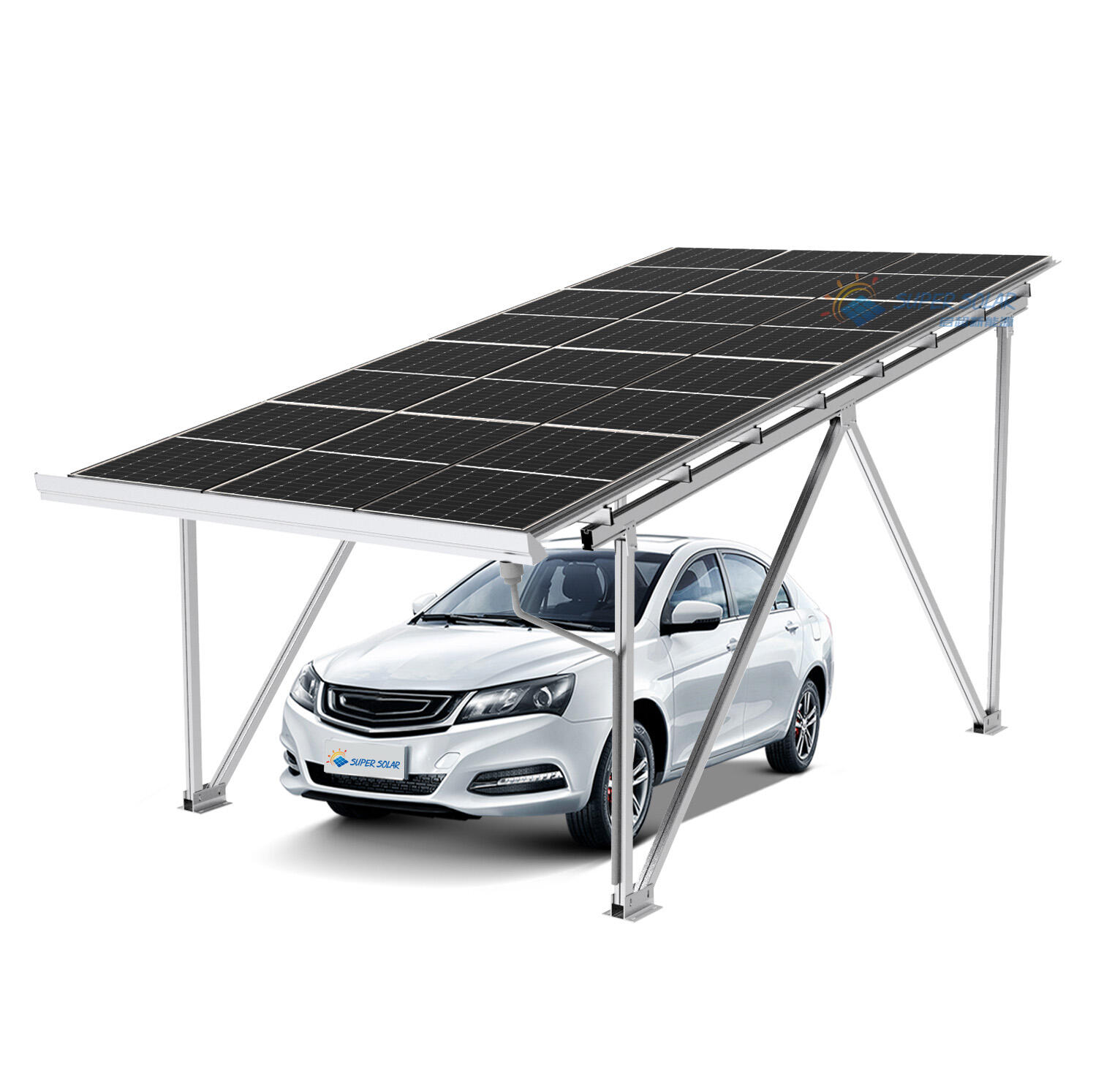
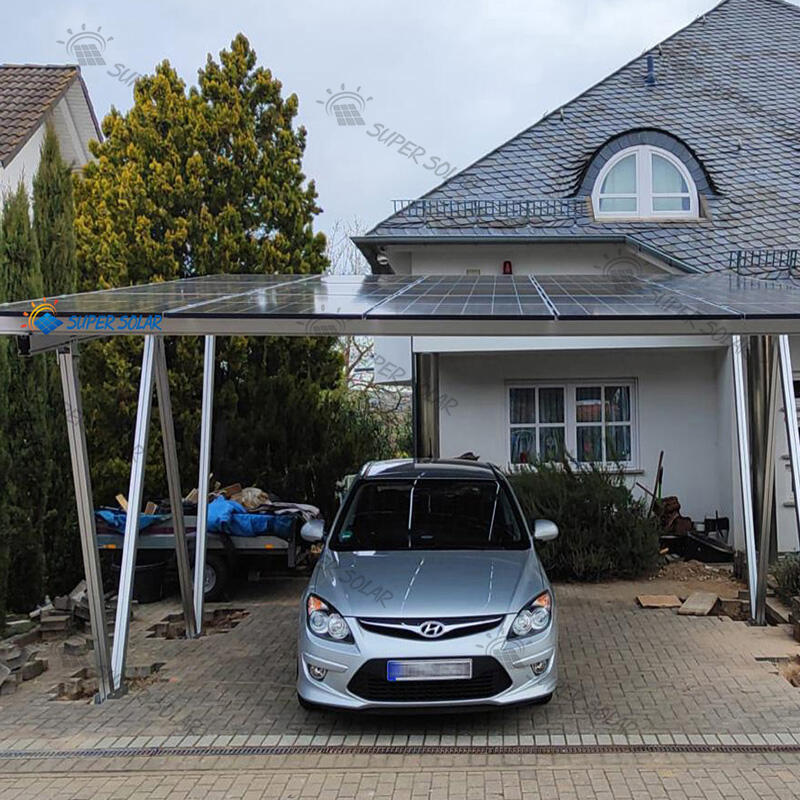
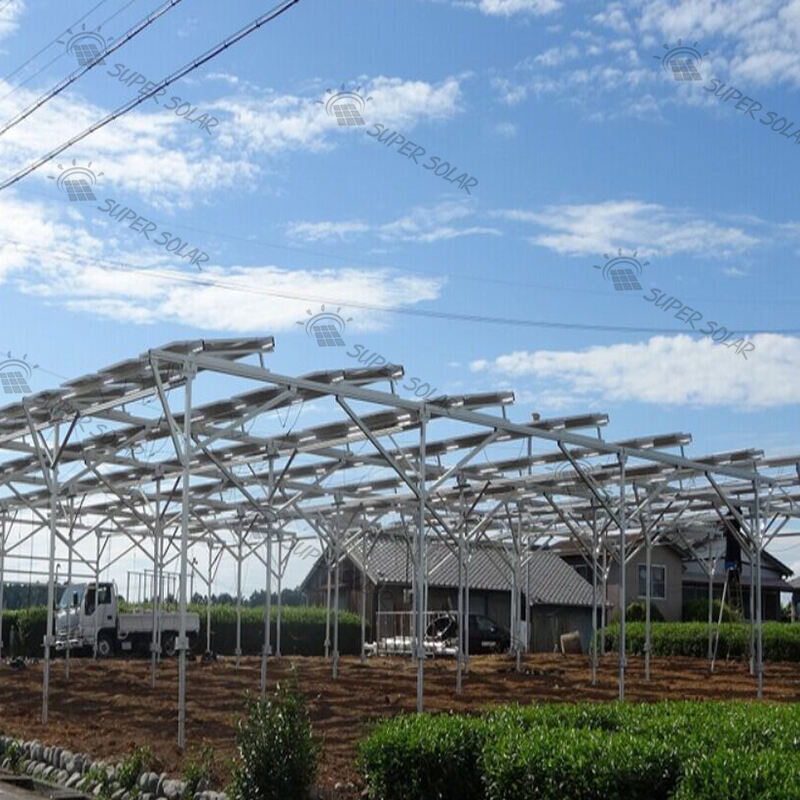
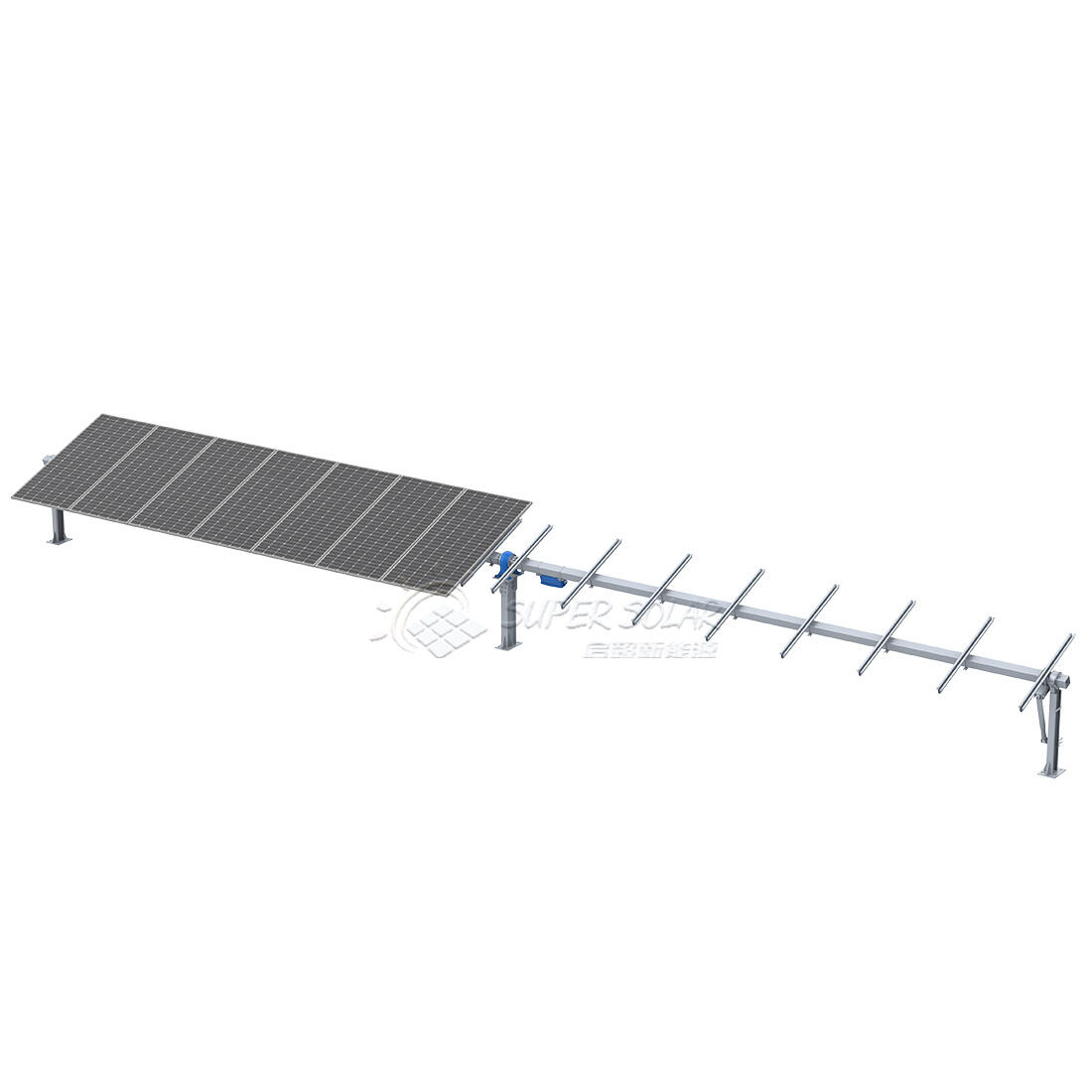
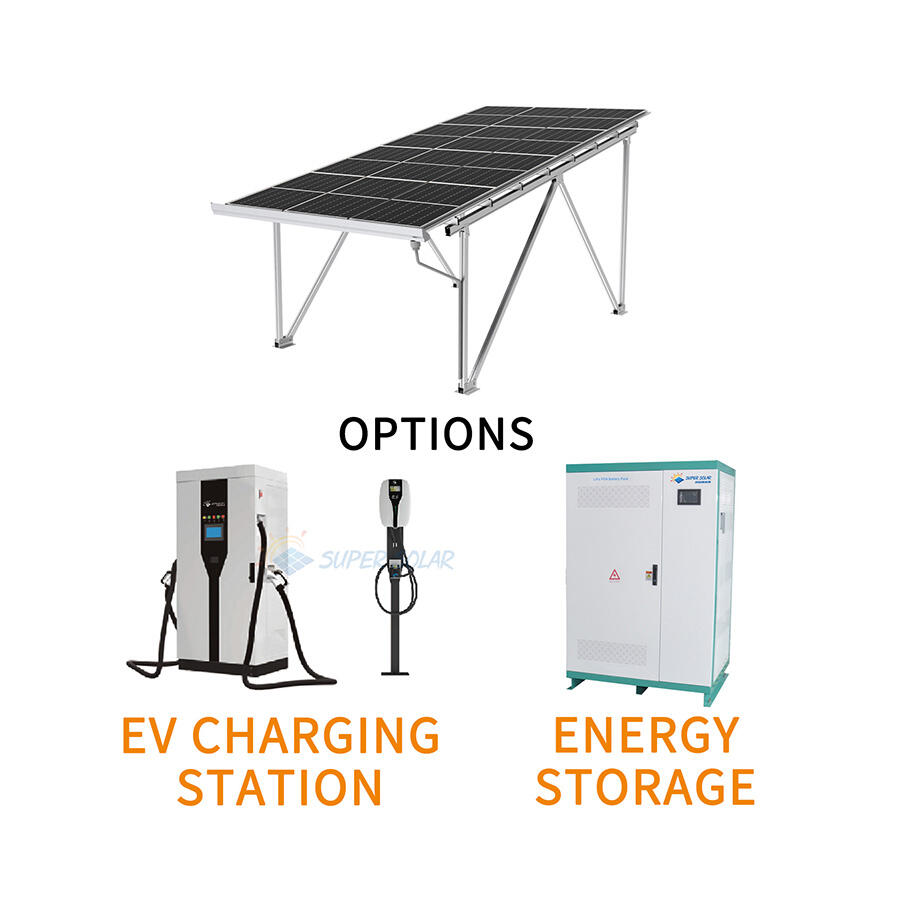
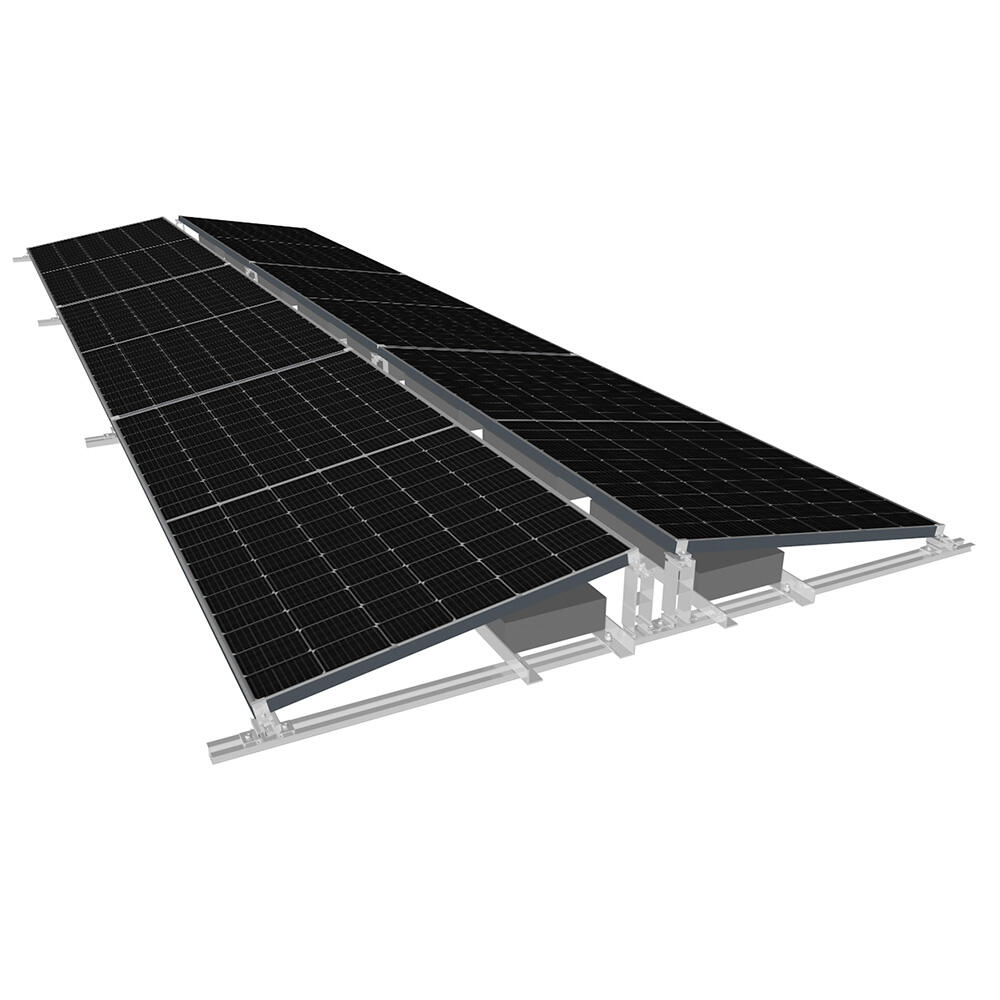
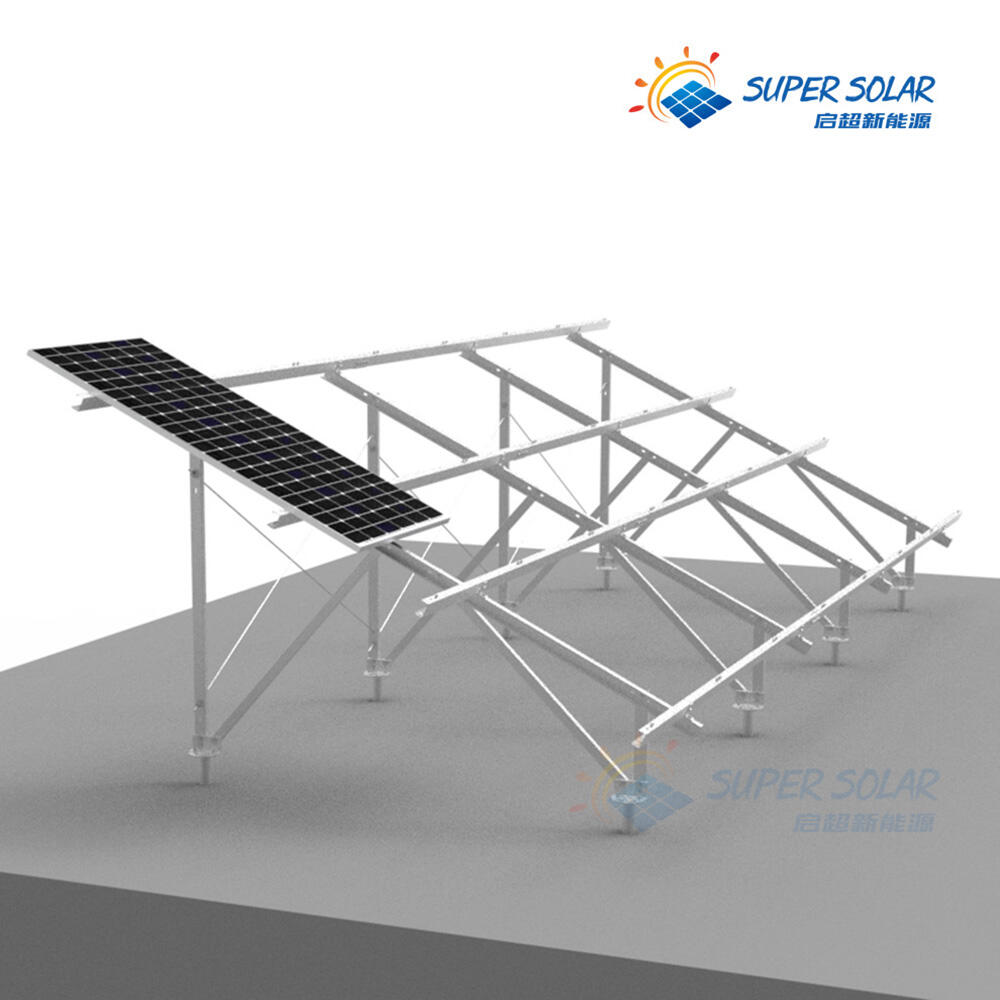
The ground mount solar panel rack excels in providing unmatched installation flexibility that adapts to virtually any property layout or terrain condition. Unlike restrictive rooftop installations that depend entirely on existing roof structure, orientation, and condition, the ground mount solar panel rack transforms any available land area into a productive solar energy site. This adaptability proves invaluable for properties with unsuitable roofs due to age, material type, shading, or structural limitations. Property owners with metal roofs, tile roofs, or older structures often find ground mounting the only viable solar option without expensive roof modifications. The ground mount solar panel rack system accommodates irregular terrain through adjustable footing systems and flexible rail configurations, making installations possible on sloped lots, rocky ground, or areas with drainage considerations. Site preparation requirements remain minimal compared to other renewable energy installations, typically requiring only basic grading and vegetation clearing. The modular nature of ground mount solar panel rack components allows for phased installations, enabling property owners to start with smaller systems and expand capacity over time as budget and energy needs evolve. This scalability proves particularly beneficial for growing businesses or families anticipating increased electricity consumption. Installation teams can work year-round on ground mount solar panel rack projects, as weather conditions rarely prevent ground-level work compared to elevated rooftop installations. The system design accommodates various panel types and sizes, providing future flexibility as solar technology continues evolving. Property owners maintain complete control over system placement, avoiding issues with roof warranties, structural modifications, or HOA restrictions that commonly affect rooftop installations. The ground mount solar panel rack enables creative installations such as solar canopies over parking areas, integration with agricultural operations, or aesthetic arrangements that complement landscape design. This flexibility extends to maintenance scheduling, as ground-level access eliminates weather-related service delays common with rooftop systems.
 EN
EN