quality solar tracking system
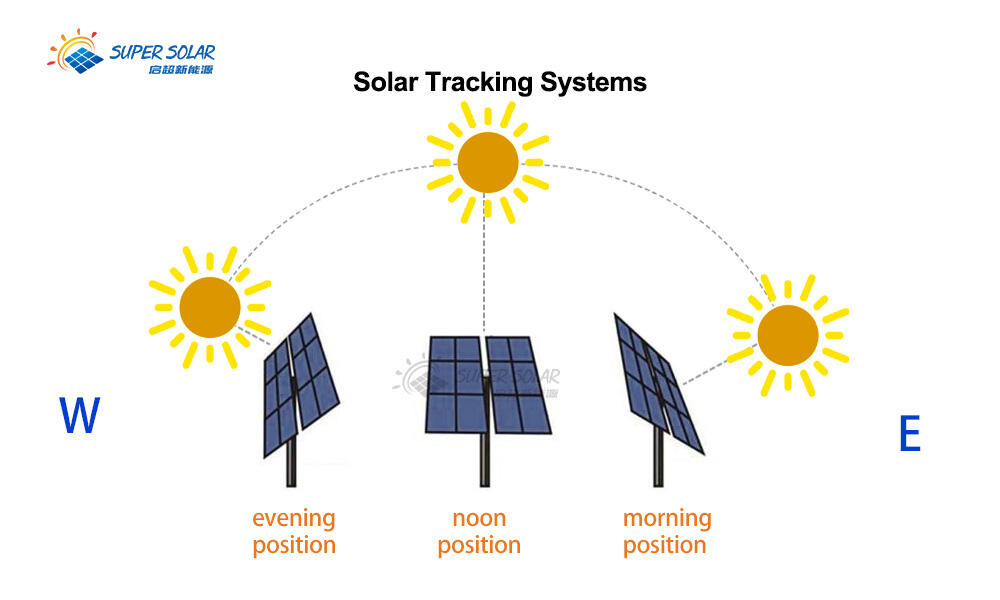
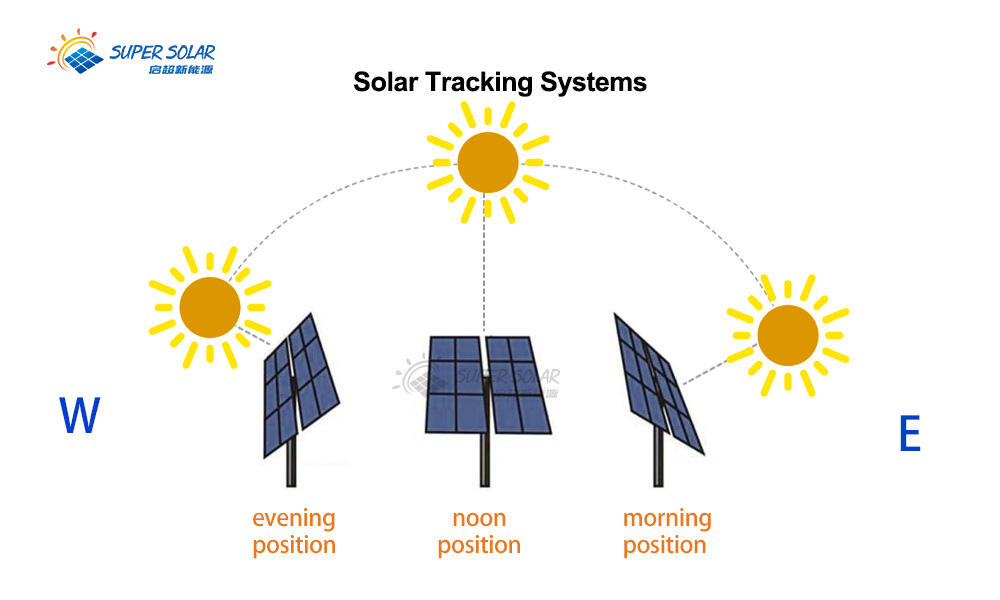
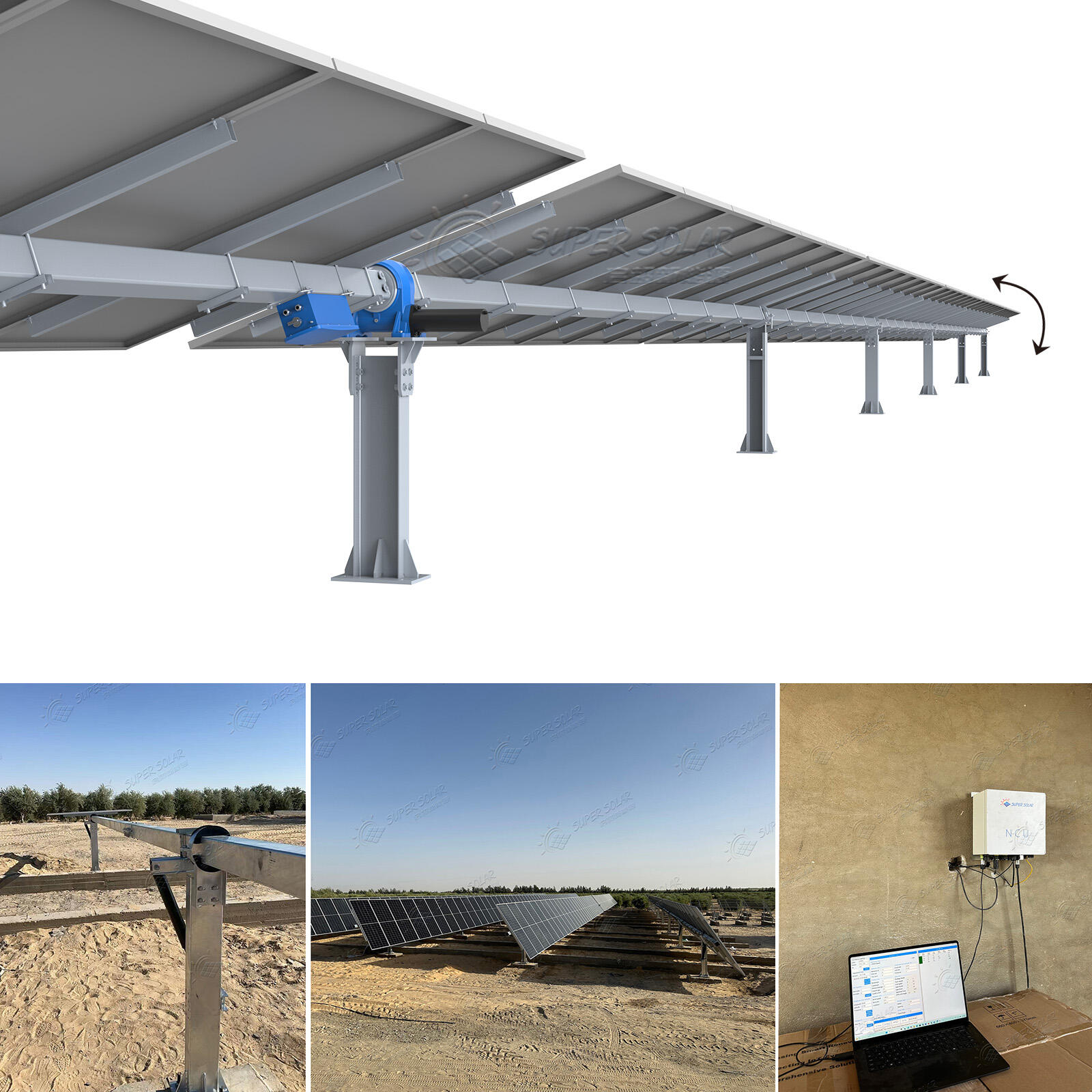
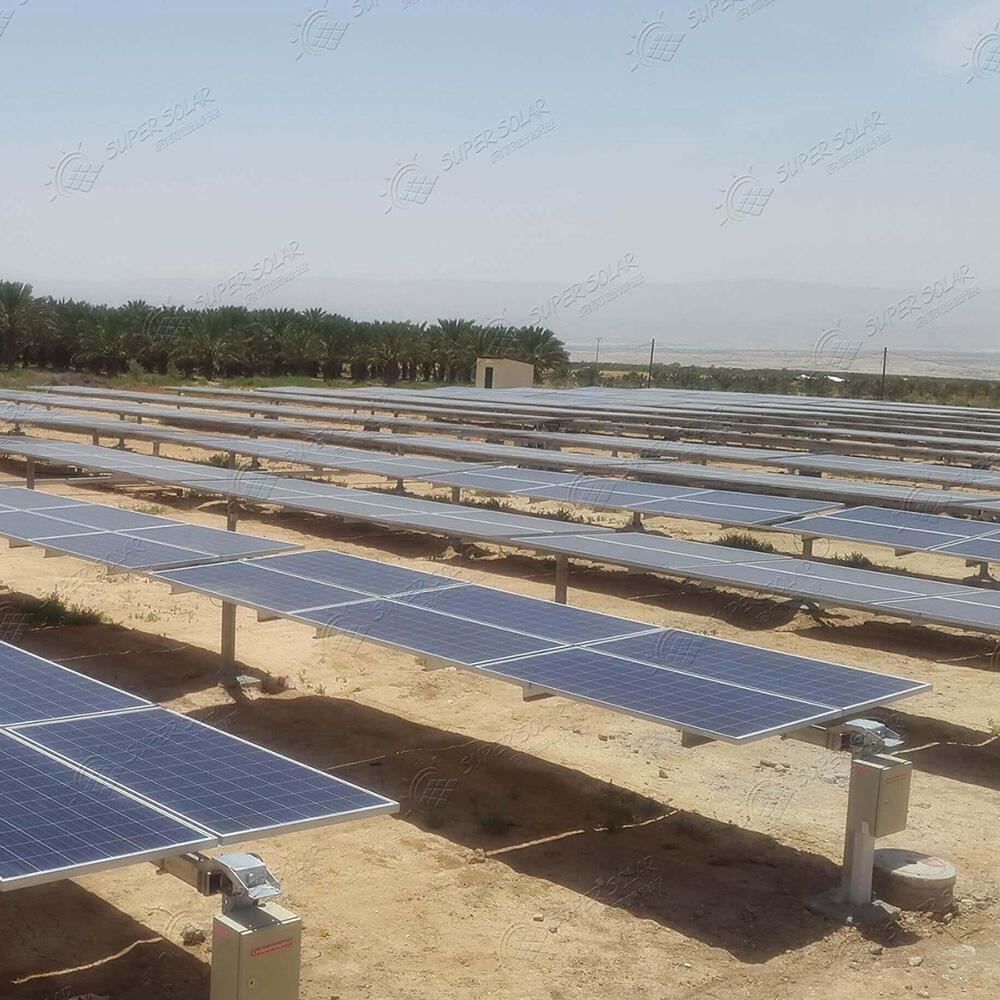
A quality solar tracking system represents an advanced photovoltaic technology designed to maximize energy generation by automatically following the sun's path throughout the day. This sophisticated system utilizes precision motors, sensors, and intelligent control algorithms to continuously adjust solar panel positioning, ensuring optimal sunlight exposure from sunrise to sunset. The primary function of a quality solar tracking system involves real-time monitoring of solar position and weather conditions, enabling panels to maintain perpendicular alignment with incoming solar radiation. This dynamic positioning capability significantly enhances energy capture compared to static installations. The technological foundation of these systems incorporates GPS coordinates, astronomical calculations, and environmental sensors that work together to predict and track solar movement with exceptional accuracy. Modern quality solar tracking systems feature dual-axis or single-axis configurations, where dual-axis models provide complete three-dimensional movement while single-axis versions focus on east-to-west rotation. Advanced control systems utilize microprocessors and specialized software to calculate optimal positioning angles based on geographical location, seasonal variations, and time of day. Weather protection mechanisms automatically secure panels during adverse conditions such as high winds or storms, preventing damage and ensuring longevity. The applications for quality solar tracking systems span residential, commercial, and utility-scale installations. Large solar farms benefit tremendously from tracking technology, as the increased energy yield justifies the additional investment costs. Commercial buildings with substantial energy requirements find these systems particularly valuable for reducing operational expenses and achieving sustainability goals. Residential applications are growing rapidly as homeowners seek maximum return on their solar investments. Industrial facilities, agricultural operations, and remote power installations also leverage tracking systems to meet specific energy demands efficiently.
 EN
EN