Scalable Design and Future-Ready Technology Integration
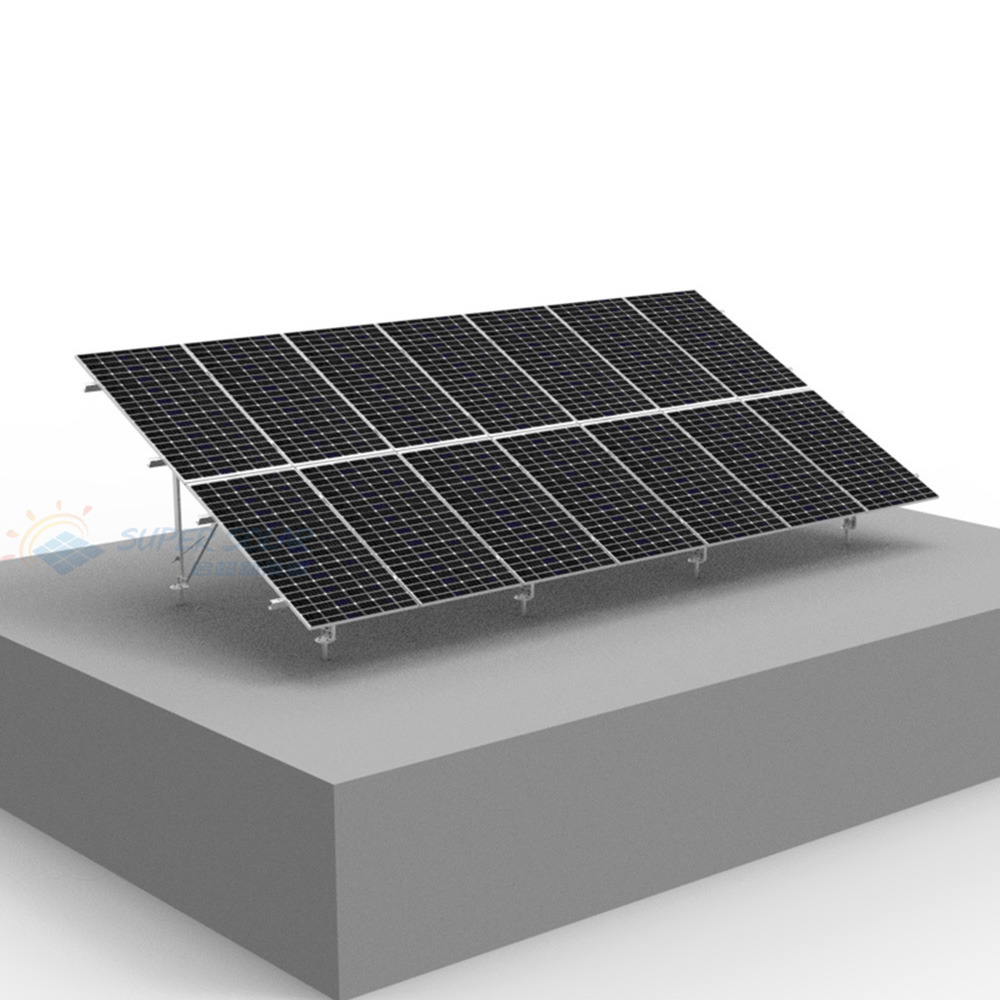
The modular architecture of solar tracking systems for ground mounted projects provides unmatched scalability and technology integration capabilities that adapt to evolving energy needs and technological advances. The standardized mounting and control systems allow seamless expansion of existing installations, enabling property owners to increase generating capacity as energy requirements grow or as additional land becomes available. This scalability proves particularly valuable for commercial and industrial facilities experiencing business growth, agricultural operations expanding their sustainability initiatives, and utility companies developing phased renewable energy projects. The advanced control systems feature open communication protocols that integrate effortlessly with smart grid infrastructure, energy storage systems, and building management platforms, creating comprehensive energy management ecosystems. Future-ready technology includes compatibility with emerging solar panel technologies, energy storage integration, and artificial intelligence optimization systems that continuously improve tracking algorithms based on performance data and weather patterns. The systems support remote monitoring and control capabilities through cloud-based platforms, enabling real-time performance tracking, predictive maintenance scheduling, and system optimization from anywhere in the world. Data analytics capabilities provide detailed insights into energy production patterns, weather correlations, and system performance trends, supporting informed decision-making for operational improvements and future expansions. The flexible design accommodates various panel configurations, mounting heights, and row spacing requirements, allowing optimization for specific site conditions, shading patterns, and local zoning restrictions. Advanced inverter integration supports multiple inverter types and configurations, providing compatibility with both string and power optimizer technologies. The systems incorporate cybersecurity features protecting against unauthorized access and ensuring secure data transmission for critical infrastructure applications. Standardized components and interfaces reduce long-term maintenance costs while ensuring replacement part availability throughout the system's operational lifetime. The technology platform supports software updates and feature enhancements that extend system capabilities without requiring hardware modifications, protecting the initial investment while enabling access to future technological improvements and performance optimization strategies.
 EN
EN