solar tracking system for large scale power plants
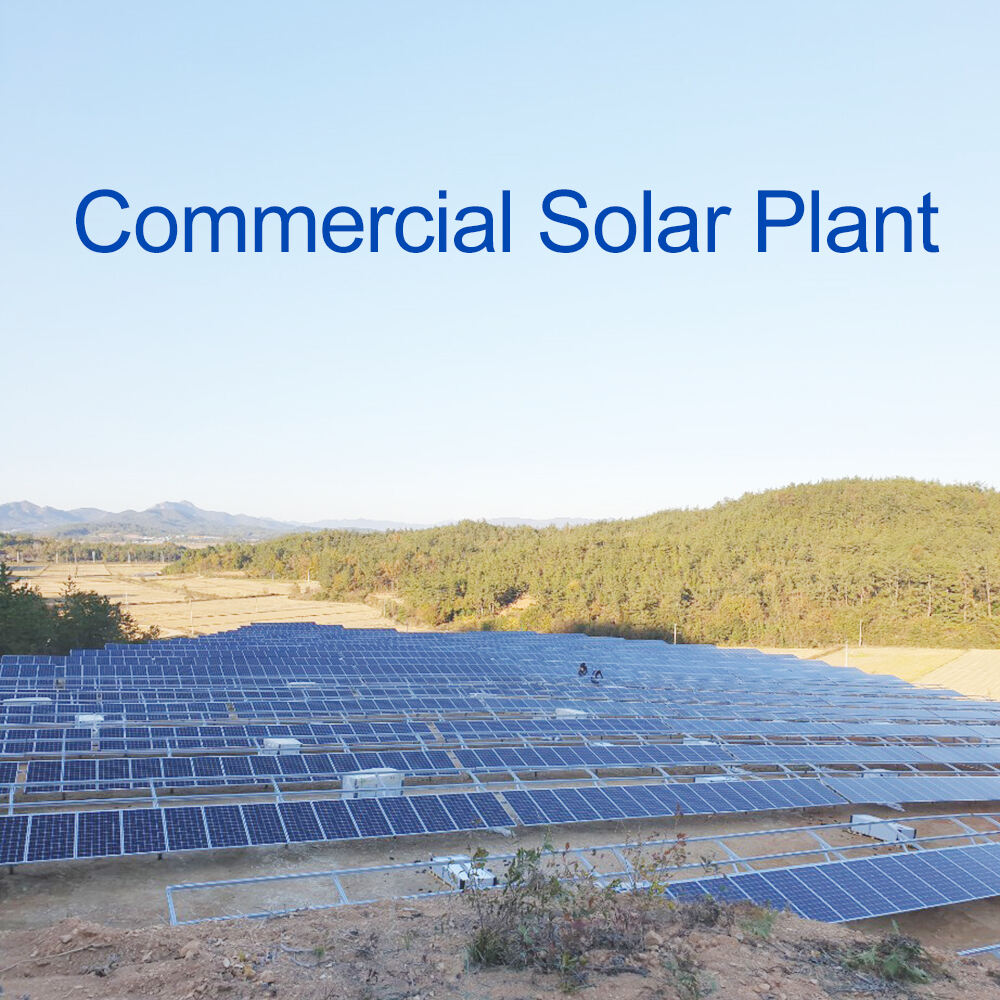
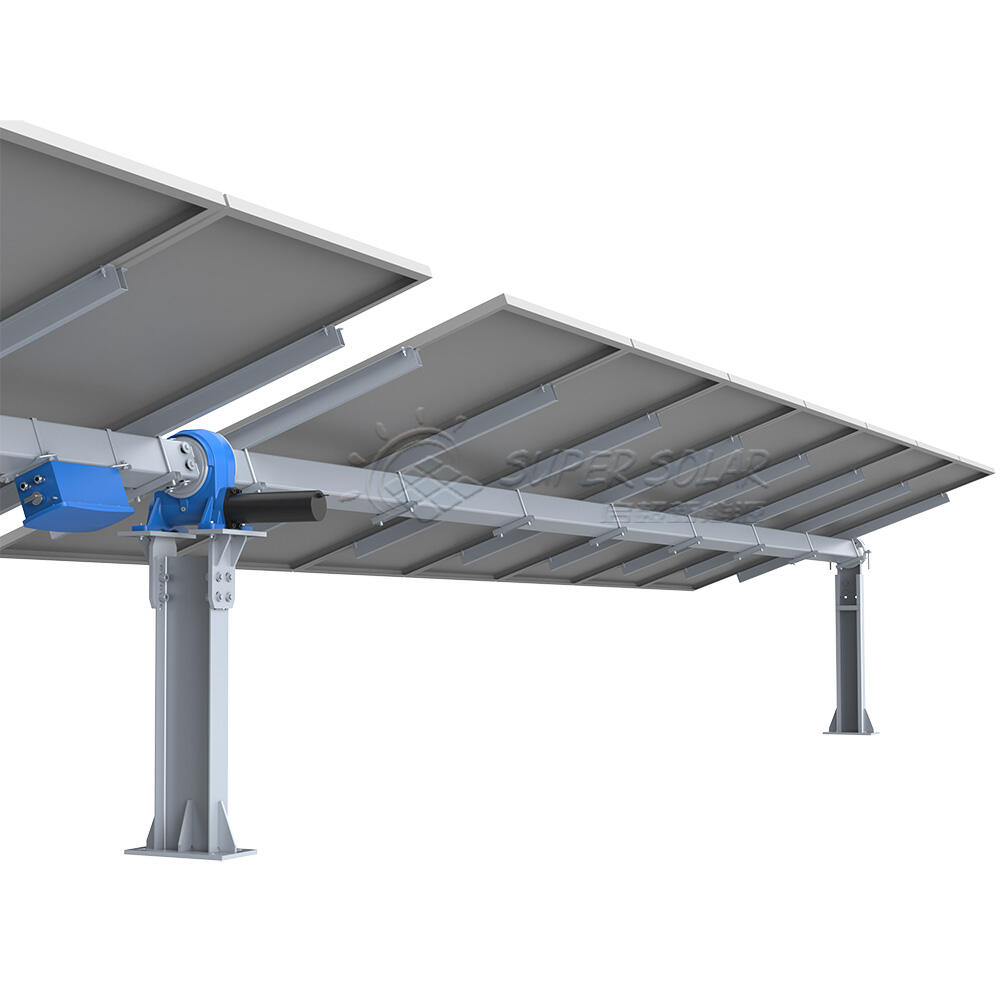
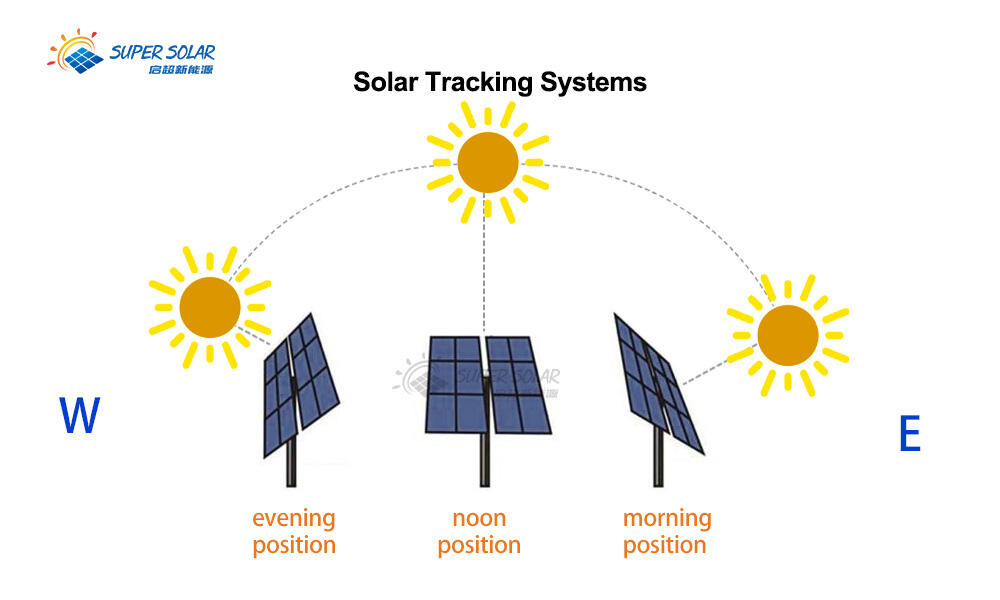
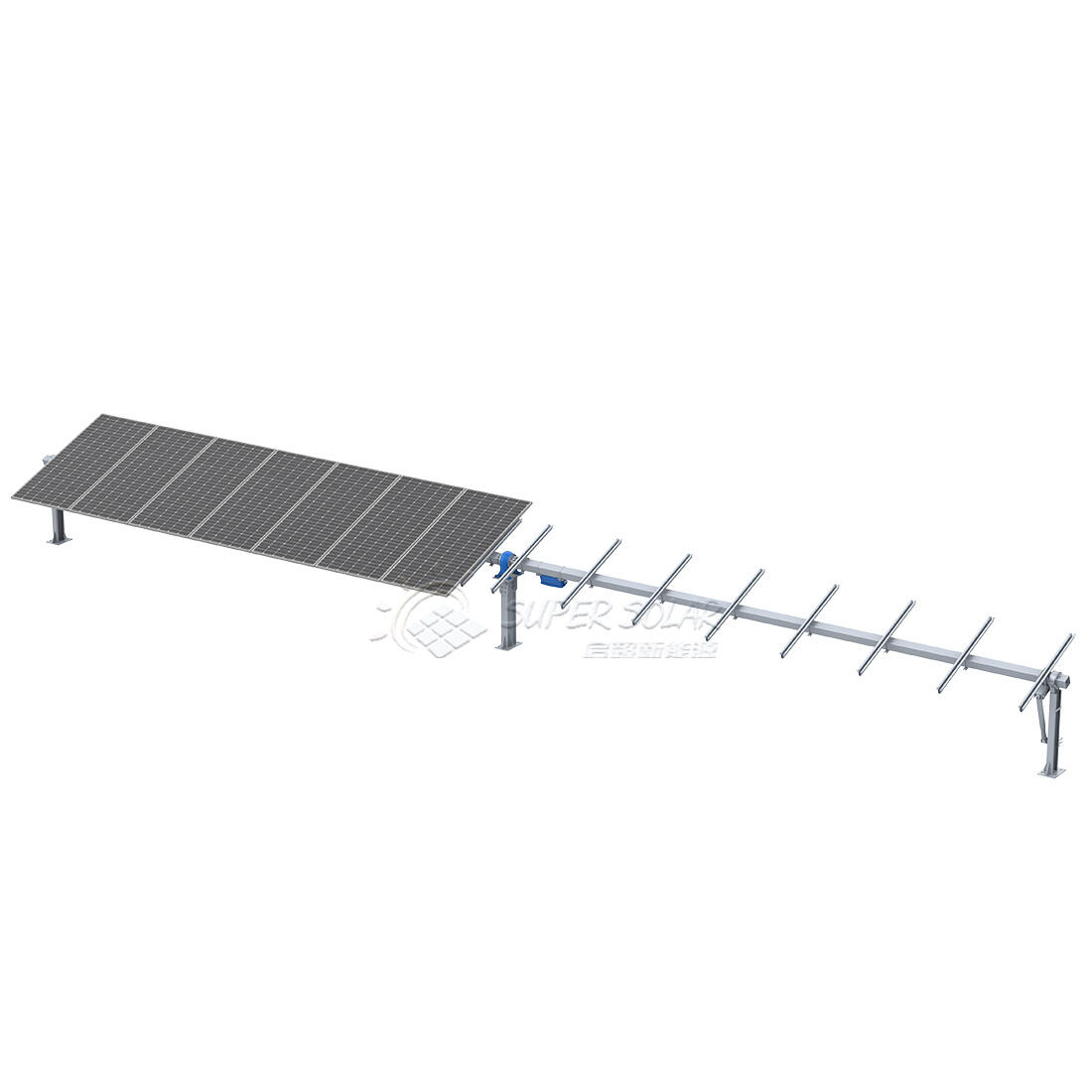
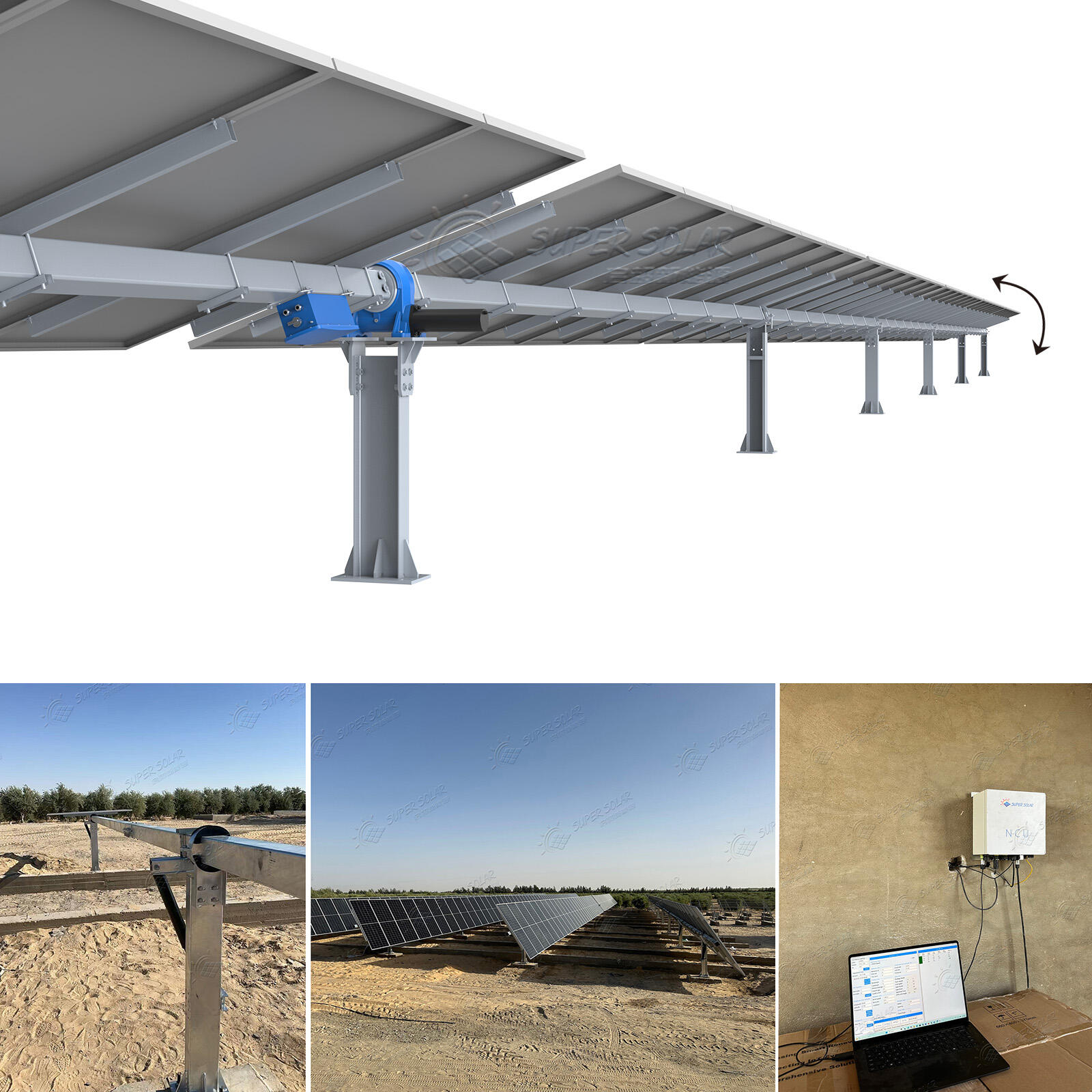
A solar tracking system for large scale power plants represents a sophisticated technology that automatically adjusts solar panel orientation throughout the day to maintain optimal positioning relative to the sun's movement. These systems utilize advanced sensors, motors, and control algorithms to precisely track the sun's path across the sky, ensuring maximum solar energy capture from sunrise to sunset. The primary function involves rotating solar panels along single or dual axes to maintain perpendicular alignment with incoming solar radiation, significantly increasing energy production compared to fixed installations. Technological features include GPS-enabled positioning systems, weather monitoring sensors, backup power supplies, and intelligent control software that can predict solar positioning based on geographical location and time. These systems incorporate robust mechanical components designed to withstand harsh environmental conditions, including high winds, temperature fluctuations, and precipitation. The tracking mechanism typically employs hydraulic or electric actuators controlled by programmable logic controllers that process real-time data from photosensors and astronomical calculations. Advanced solar tracking systems for large scale power plants also feature remote monitoring capabilities, allowing operators to supervise performance metrics, diagnose issues, and optimize settings from centralized control rooms. Applications span utility-scale solar farms, industrial installations, and commercial facilities where maximizing energy output is crucial for economic viability. These systems prove particularly valuable in regions with high direct solar irradiance, where tracking can increase energy generation by 25-45 percent annually. The technology supports various panel types, including photovoltaic and concentrated solar power systems, making it versatile for different project requirements. Integration with smart grid technologies enables dynamic response to electricity demand fluctuations and market conditions. Modern installations often incorporate machine learning algorithms that continuously refine tracking accuracy based on local weather patterns and historical performance data, further optimizing energy capture efficiency for large scale power generation facilities.
 EN
EN