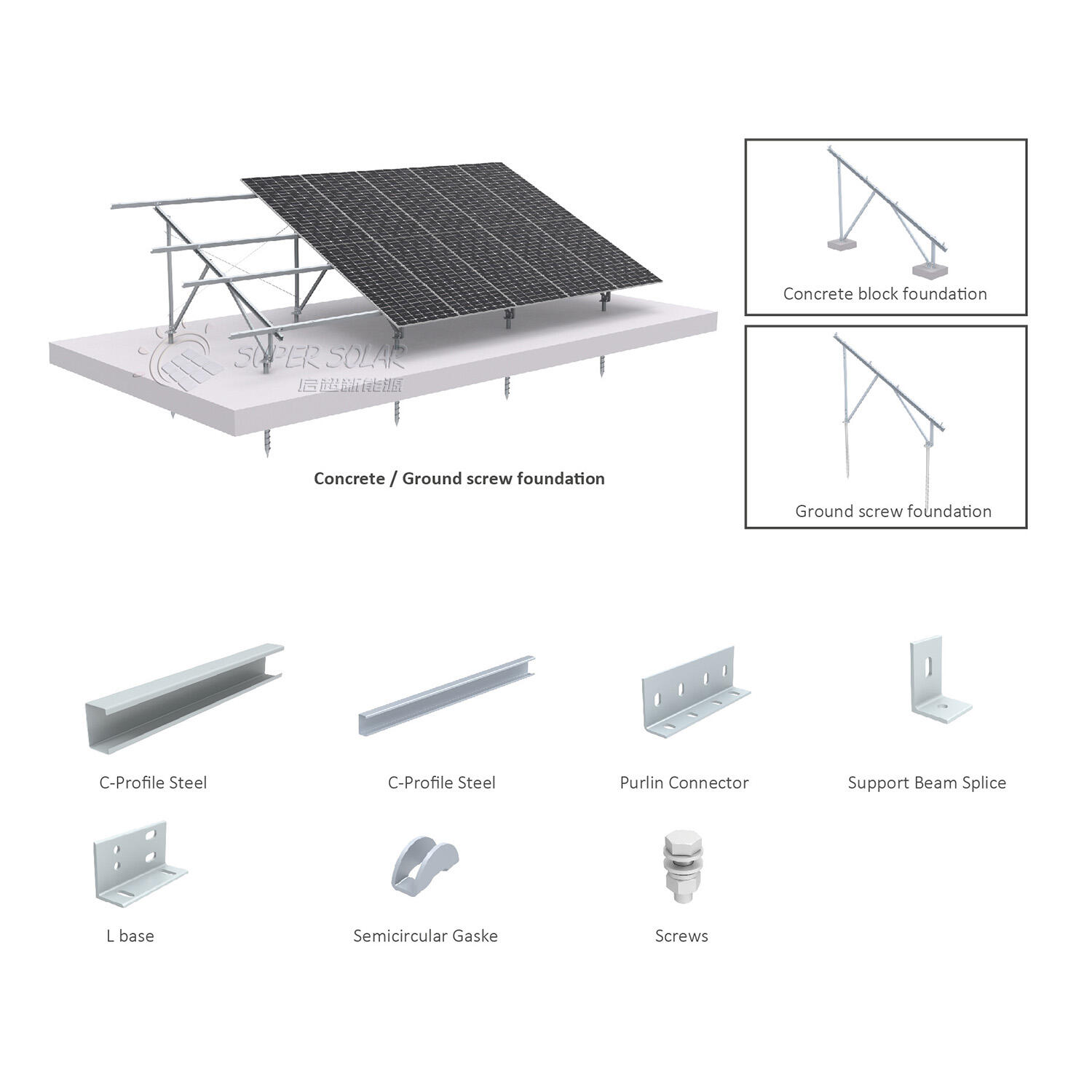
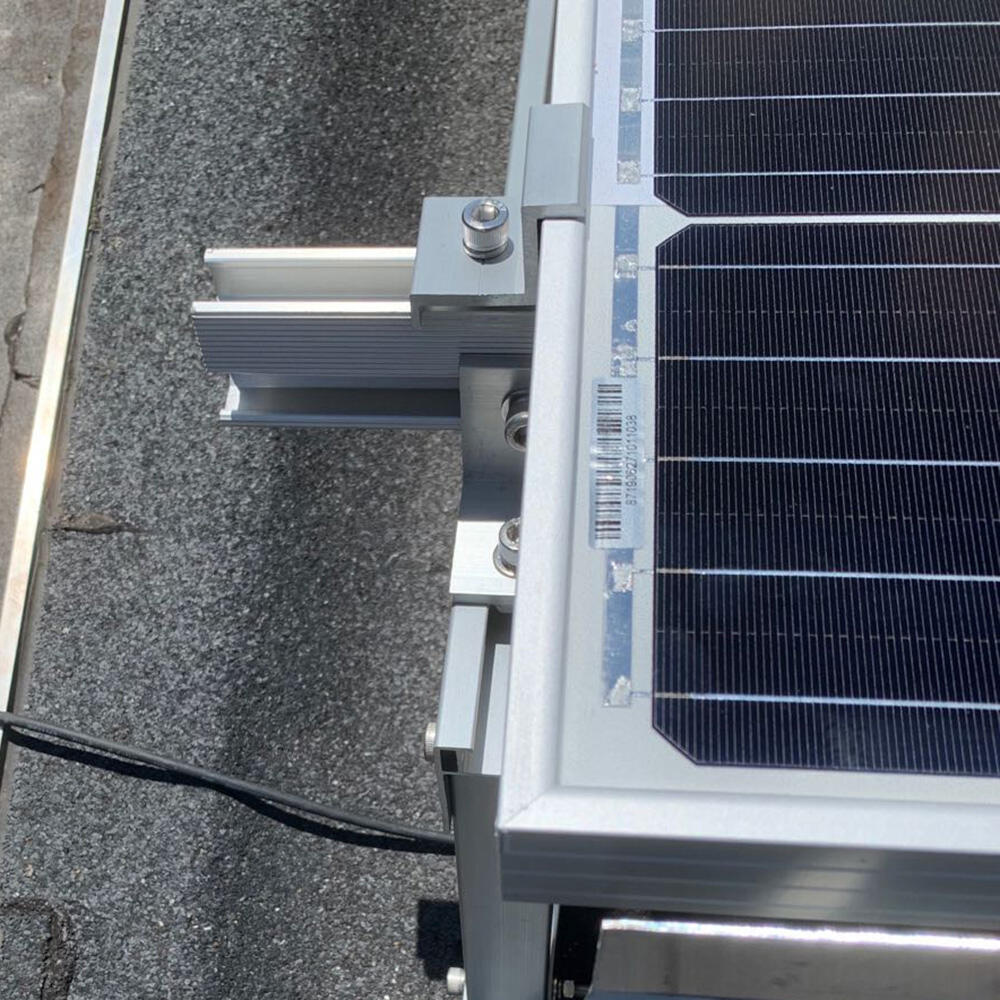
single axis solar tracking system
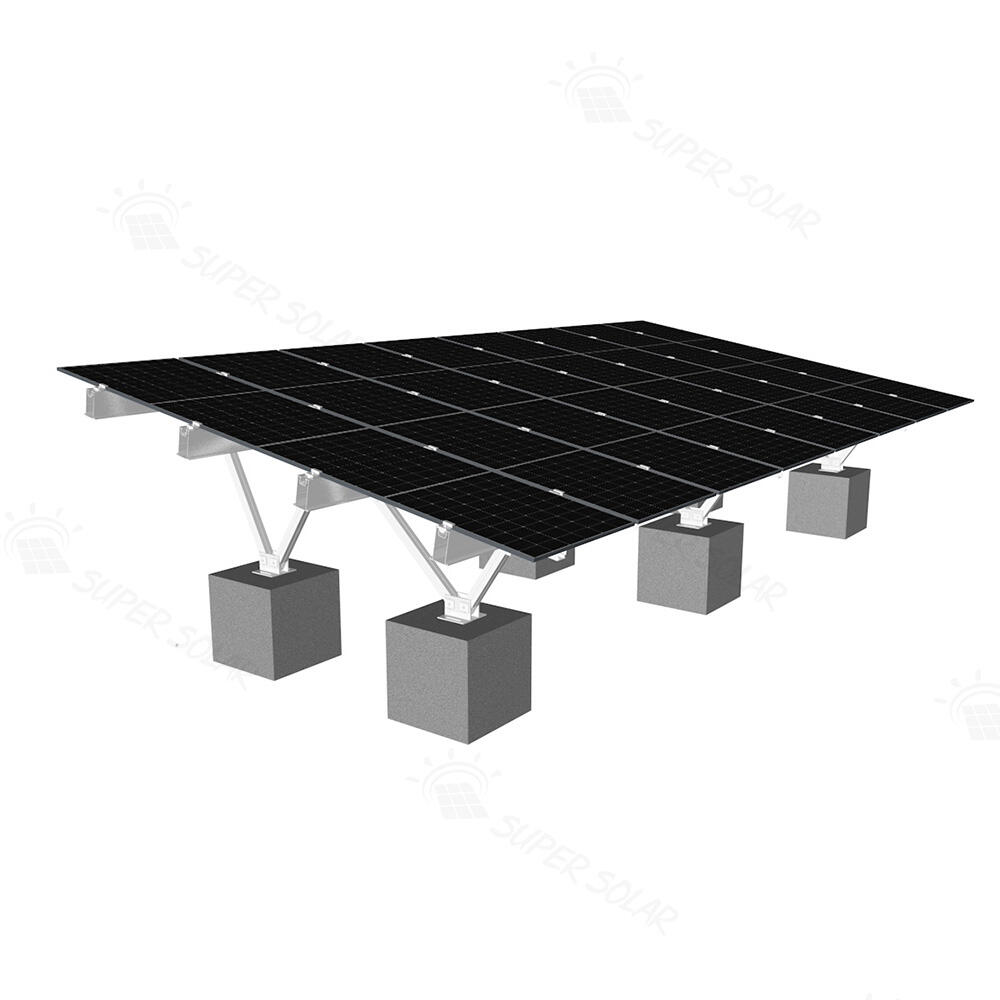
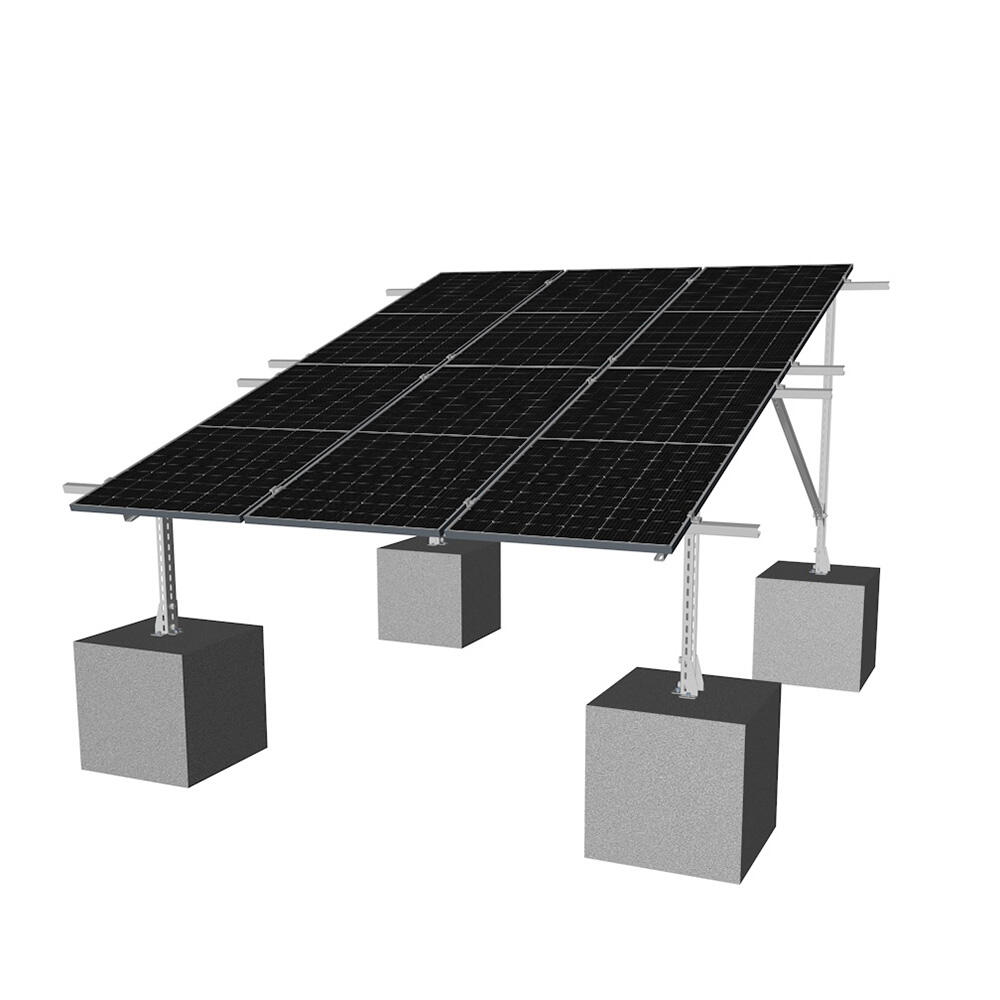
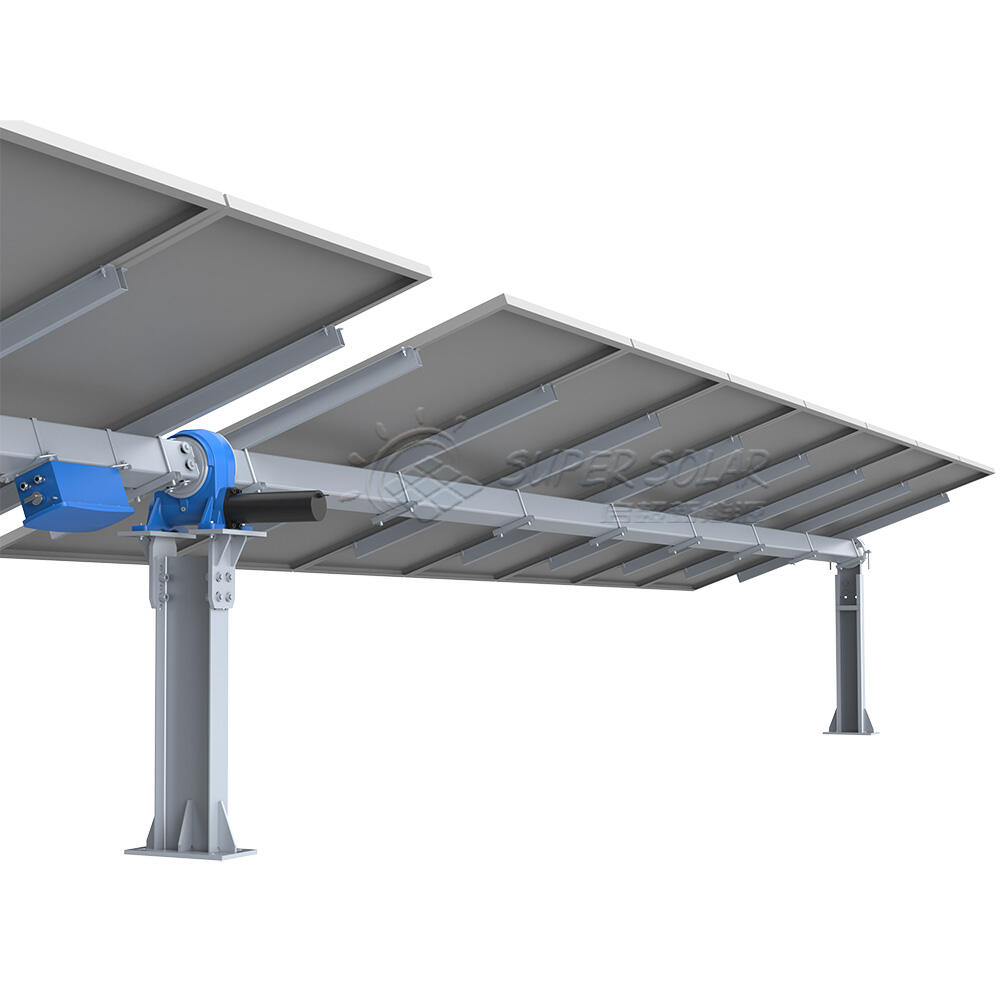
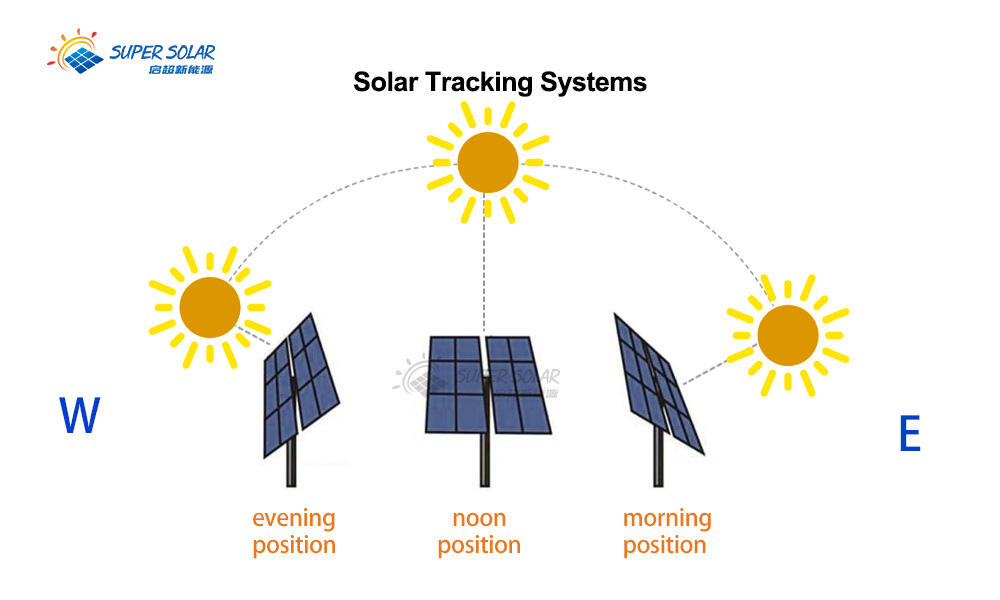
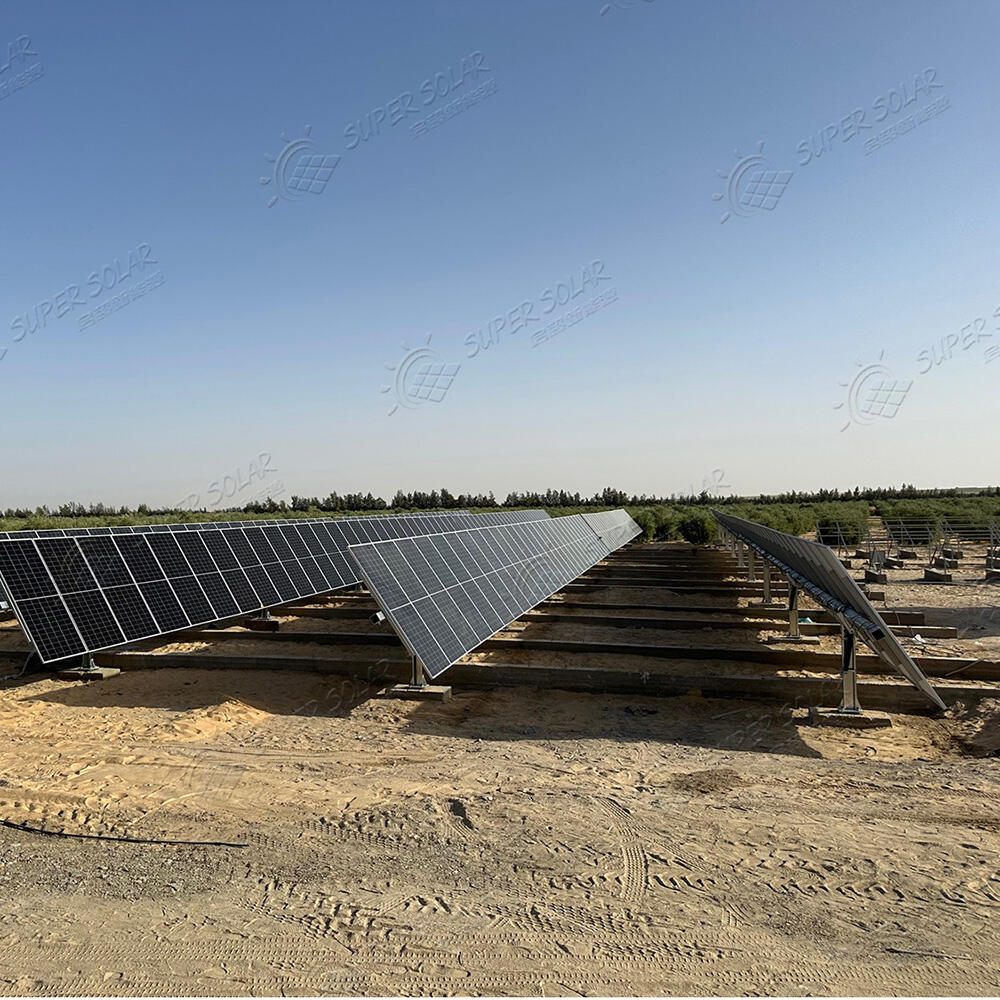
A single axis solar tracking system represents a revolutionary advancement in solar energy technology that automatically adjusts solar panels to follow the sun's movement throughout the day. This sophisticated system rotates panels along one axis, typically east to west, maximizing solar energy capture by maintaining optimal angles relative to the sun's position. The single axis solar tracking system employs advanced sensors, controllers, and mechanical components that work seamlessly together to ensure panels remain positioned for maximum sunlight exposure. The primary function of this technology centers on increasing energy production compared to fixed solar installations. By continuously adjusting panel orientation, the single axis solar tracking system can boost energy output by 15-30% compared to stationary systems. The technological framework includes precision motors, weather-resistant control systems, and intelligent software algorithms that calculate optimal positioning based on geographic location, time of day, and seasonal variations. These systems incorporate robust mechanical structures designed to withstand various weather conditions while maintaining accurate tracking capabilities. The single axis solar tracking system finds extensive applications across residential, commercial, and utility-scale solar installations. Residential customers benefit from reduced electricity bills and faster return on investment, while commercial enterprises leverage these systems to meet sustainability goals and reduce operational costs. Utility companies deploy large-scale single axis solar tracking systems to maximize power generation efficiency across solar farms. The technology proves particularly valuable in regions with high direct sunlight exposure, where the tracking capability delivers substantial energy gains. Modern single axis solar tracking systems feature smart connectivity options, allowing remote monitoring and maintenance through mobile applications and web platforms. This connectivity enables real-time performance tracking, predictive maintenance scheduling, and system optimization adjustments. The integration of weather sensors ensures automatic positioning adjustments during adverse conditions, protecting equipment while maintaining operational efficiency.
 EN
EN