solar ground mounting system
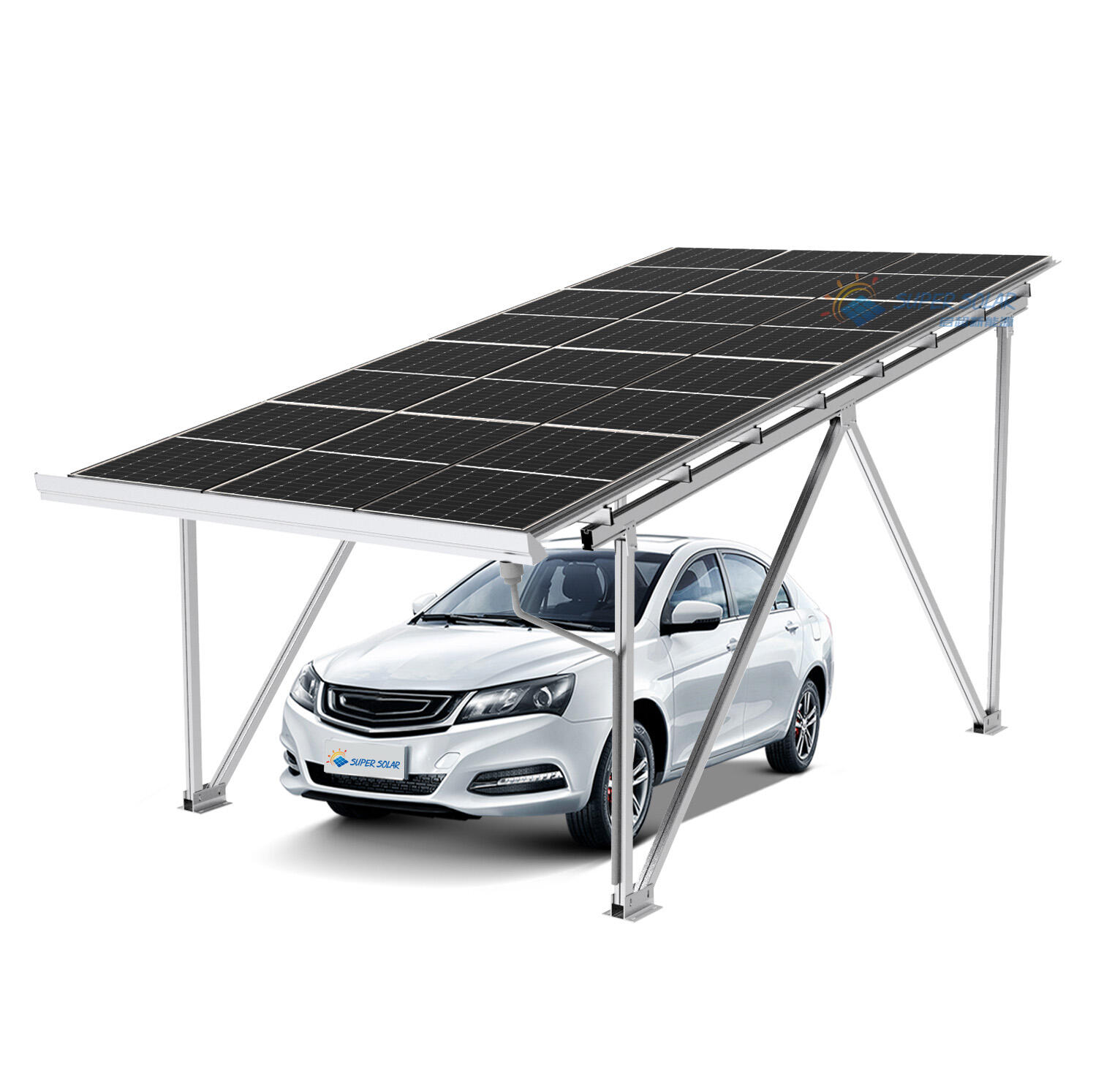
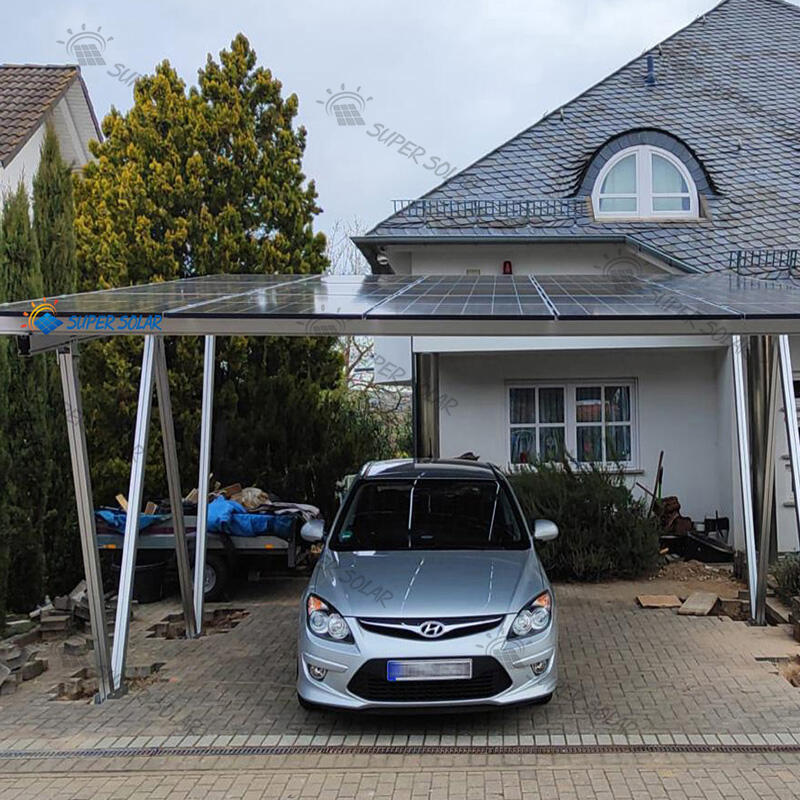
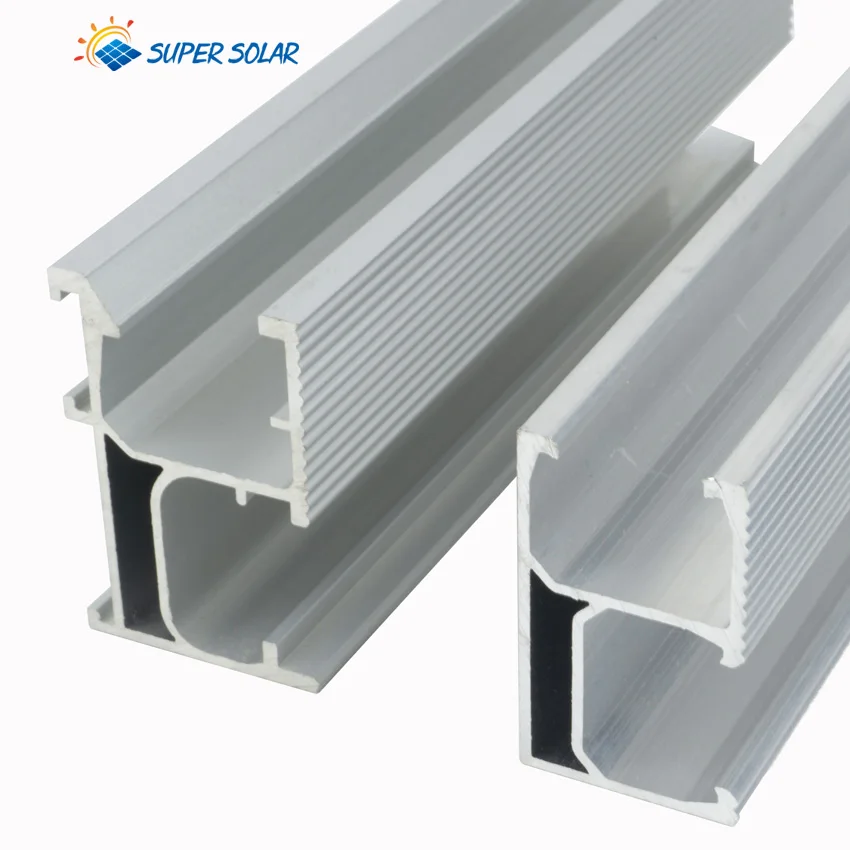
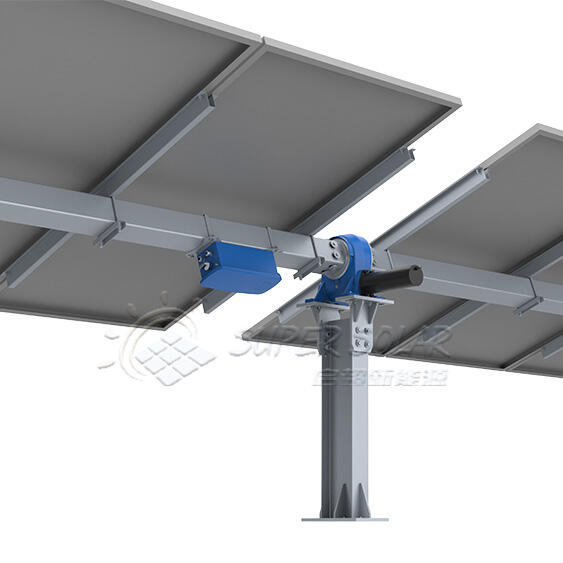
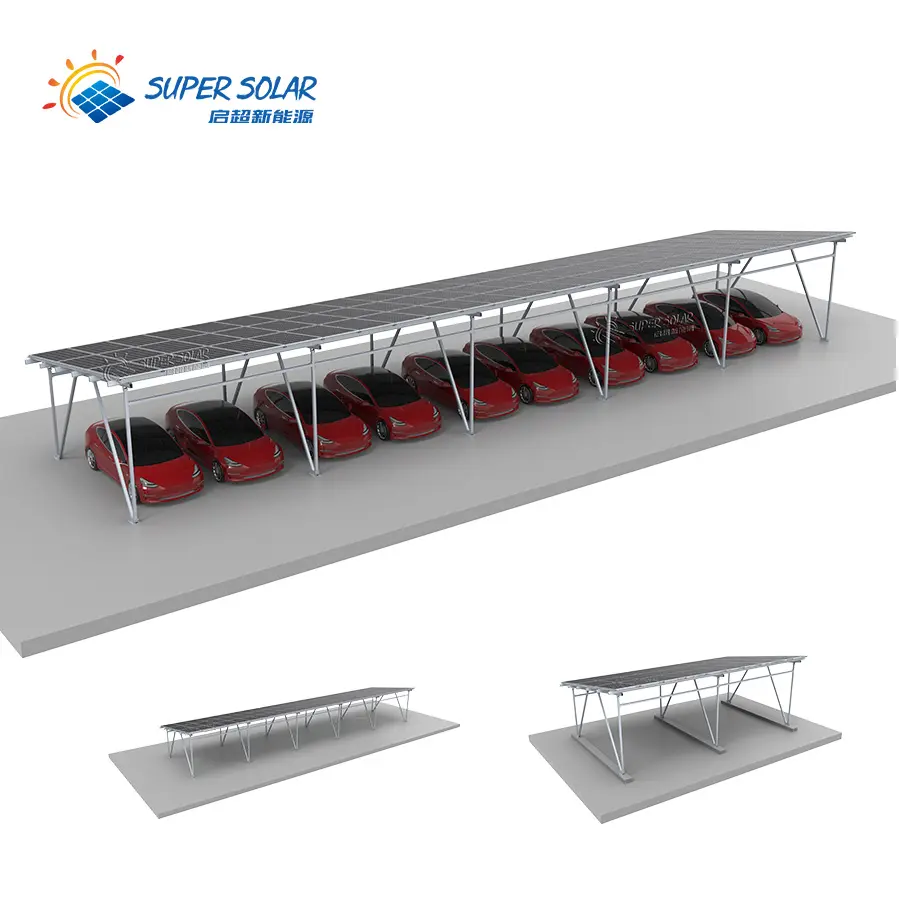
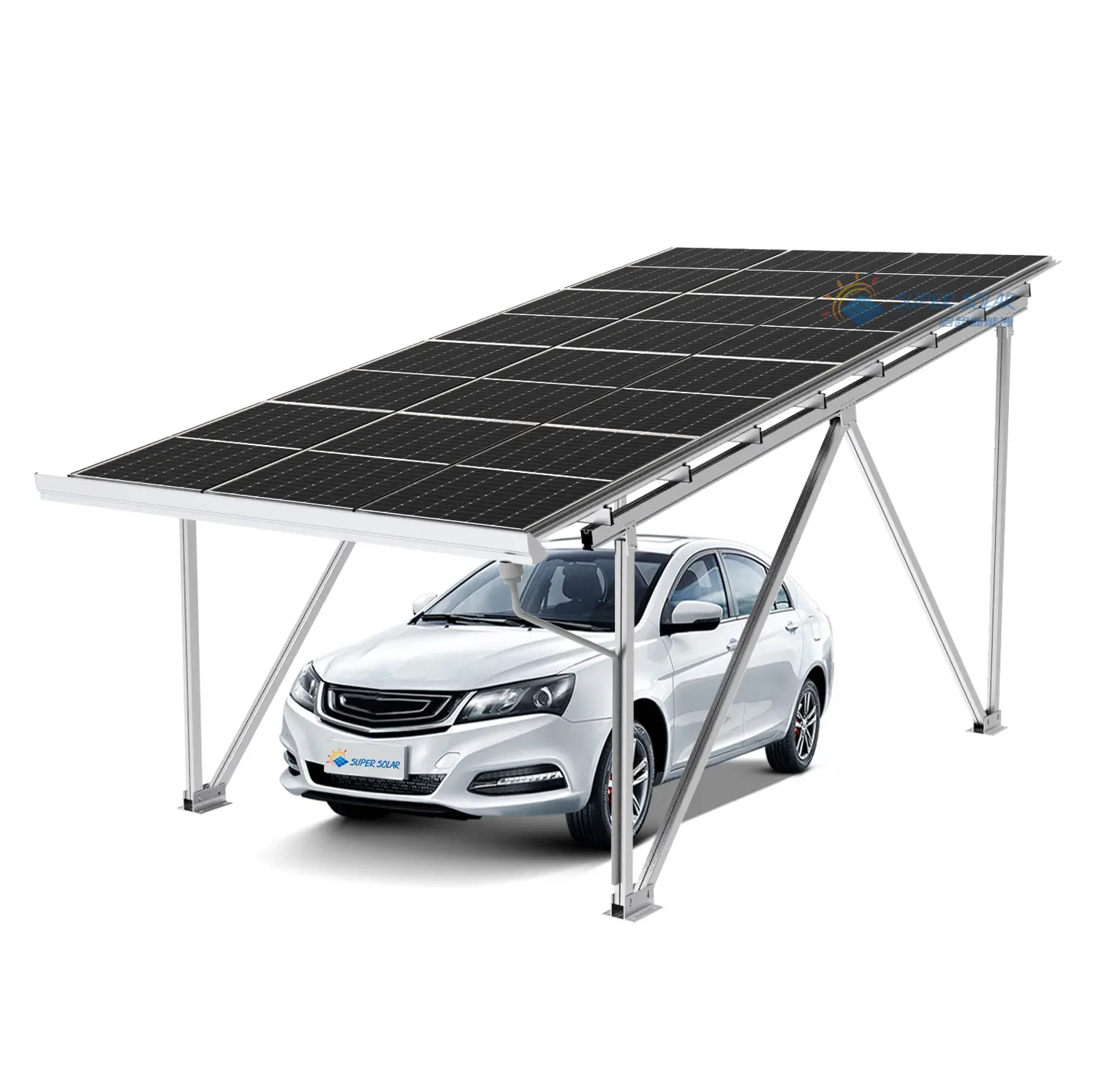
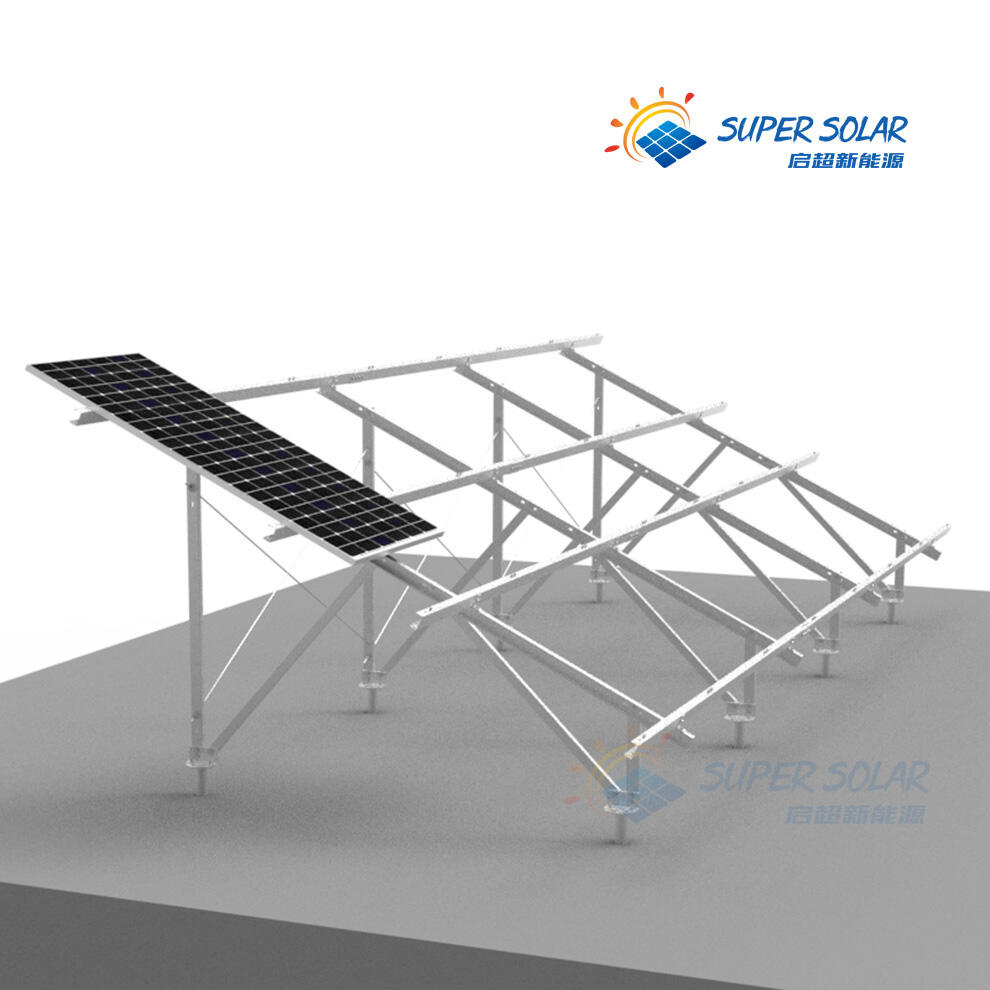
A solar ground mounting system represents a comprehensive structural solution designed to securely install photovoltaic panels on open ground areas, maximizing solar energy capture and conversion efficiency. This robust infrastructure serves as the foundation for large-scale solar installations, providing essential support and positioning for solar arrays across various terrains and environmental conditions. The solar ground mounting system encompasses multiple components including foundation structures, support rails, clamps, and adjustment mechanisms that work together to create a stable platform for solar panels. These systems are engineered to withstand extreme weather conditions including high winds, snow loads, and seismic activity while maintaining optimal panel positioning for maximum sunlight exposure. The primary functions of a solar ground mounting system include providing structural integrity, enabling proper panel orientation, facilitating maintenance access, and ensuring long-term durability. Modern solar ground mounting systems incorporate advanced materials such as galvanized steel and aluminum alloys that resist corrosion and environmental degradation. The technological features of these systems include adjustable tilt angles, modular design components, and compatibility with various panel sizes and configurations. Installation flexibility allows for customization based on site-specific requirements including soil conditions, local building codes, and aesthetic preferences. The solar ground mounting system also incorporates drainage considerations and vegetation management features to prevent water accumulation and maintain clear access pathways. Applications for solar ground mounting systems span residential properties, commercial developments, utility-scale installations, and agricultural settings where dual land use is beneficial. These systems enable efficient use of available land while providing clean energy generation capabilities that contribute to sustainability goals and energy independence objectives.
 EN
EN