Versatile Installation Options for Any Property Configuration
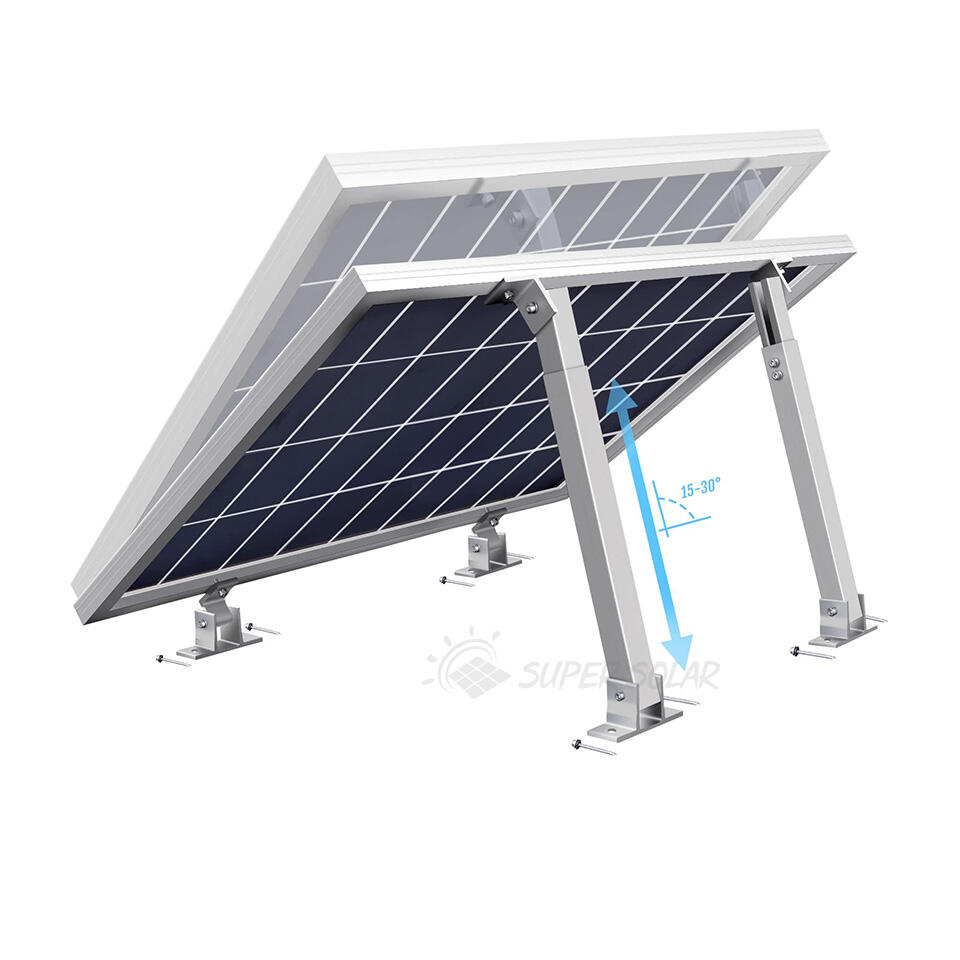
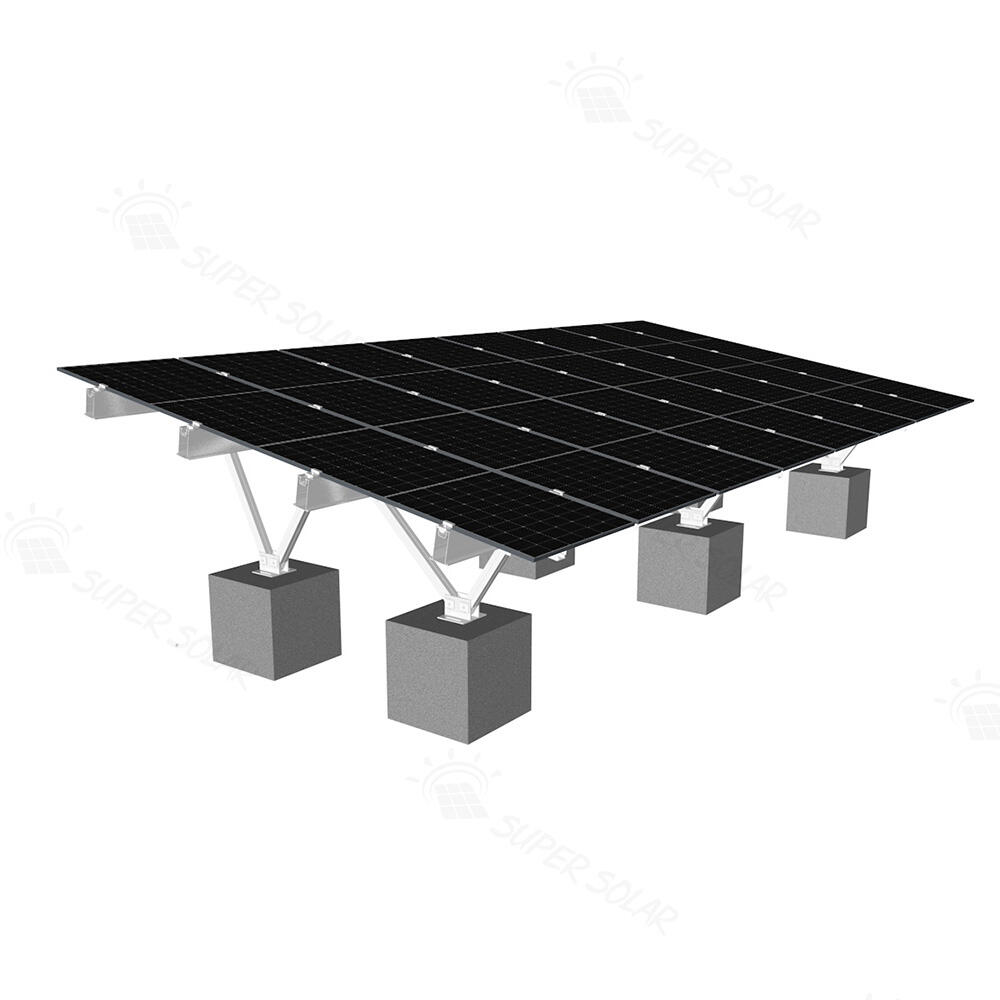
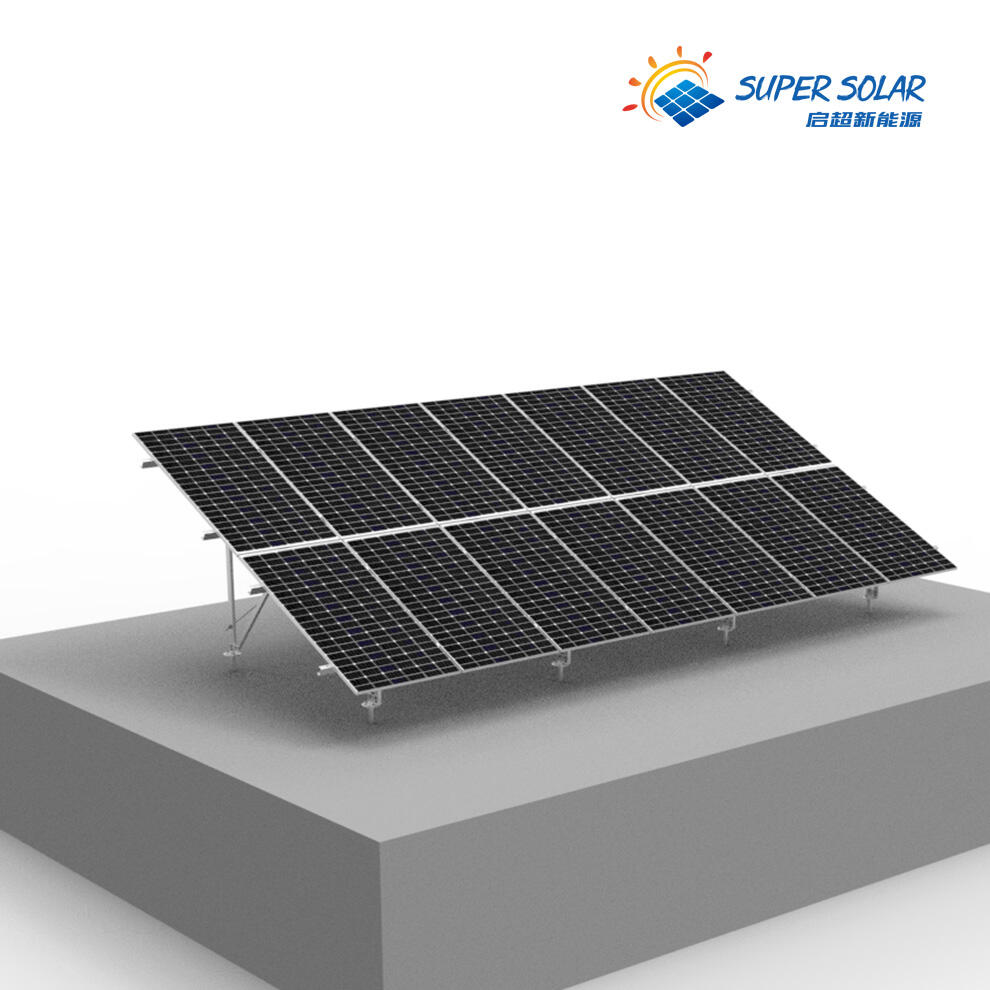
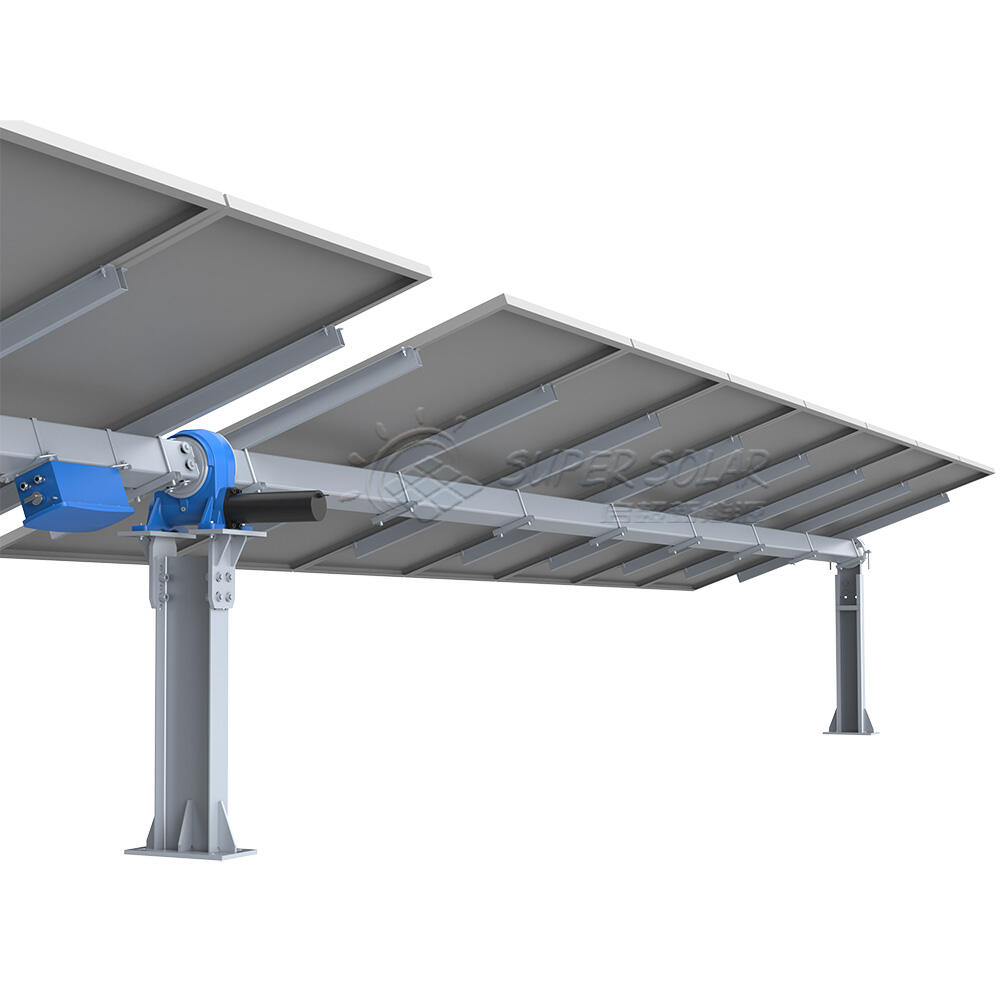
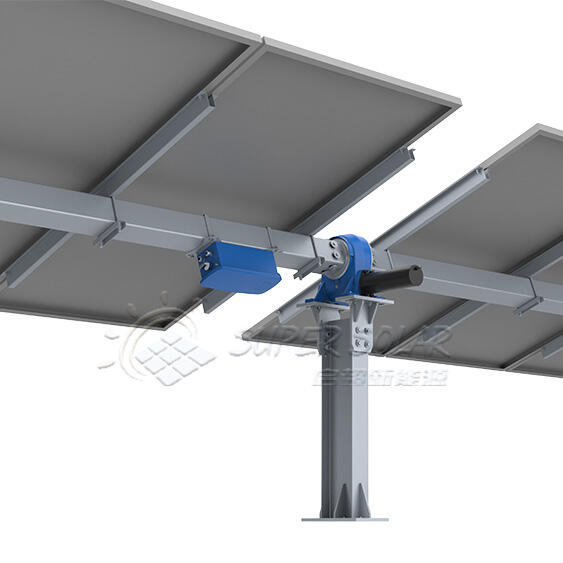
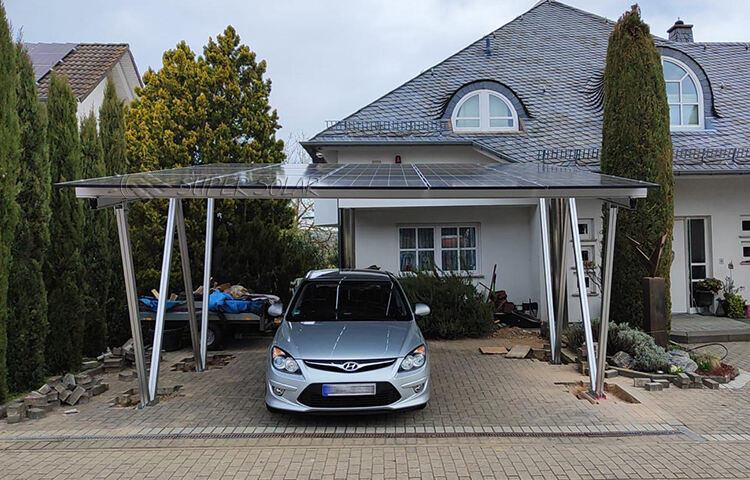
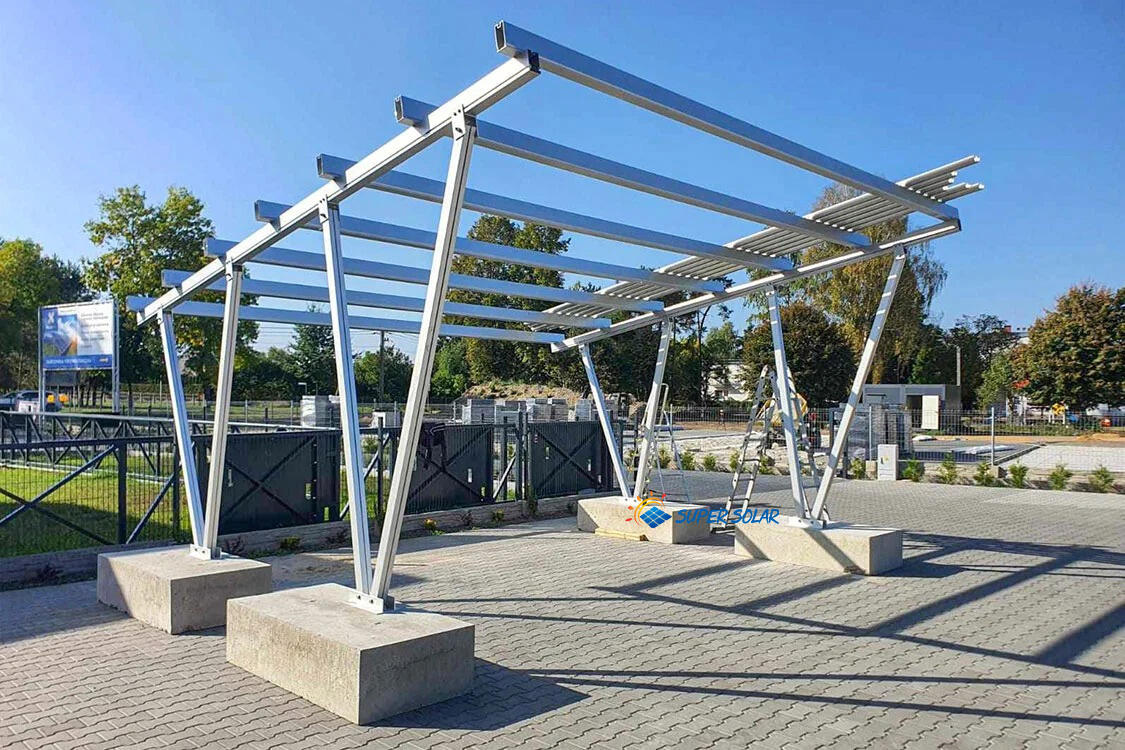
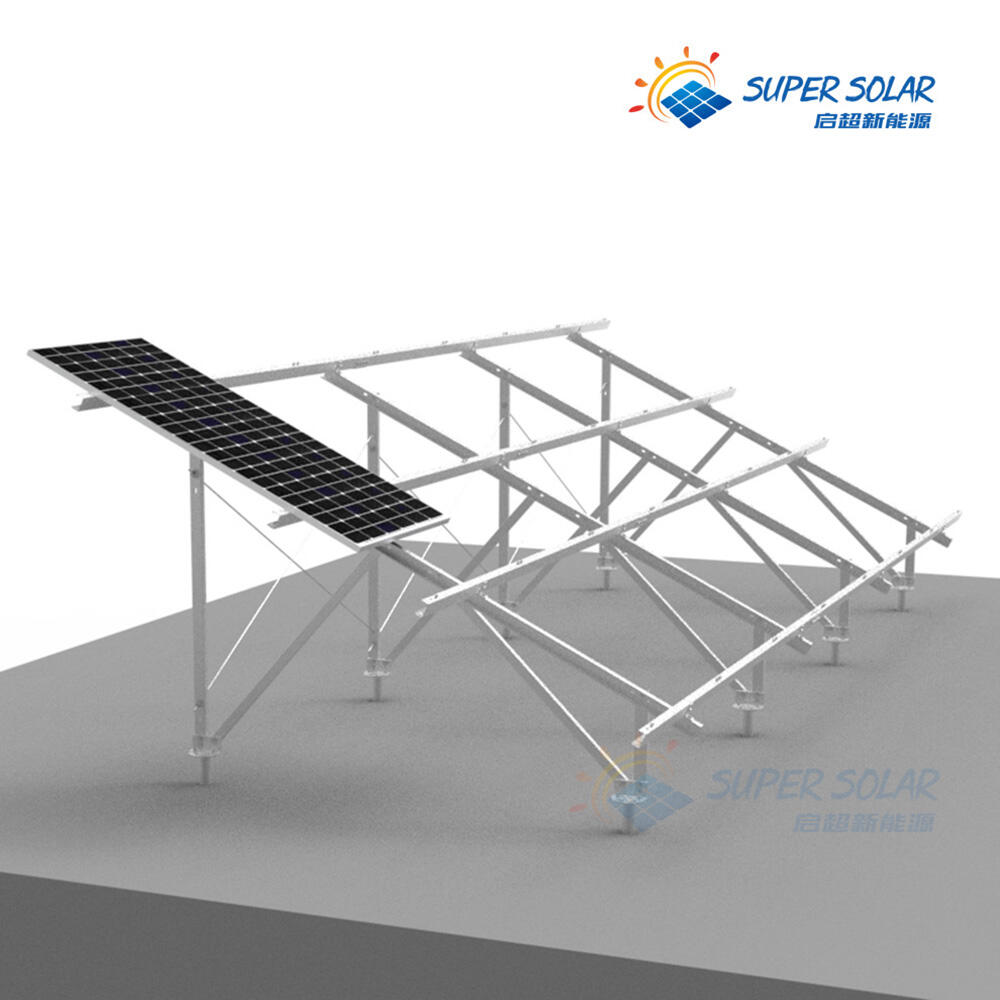
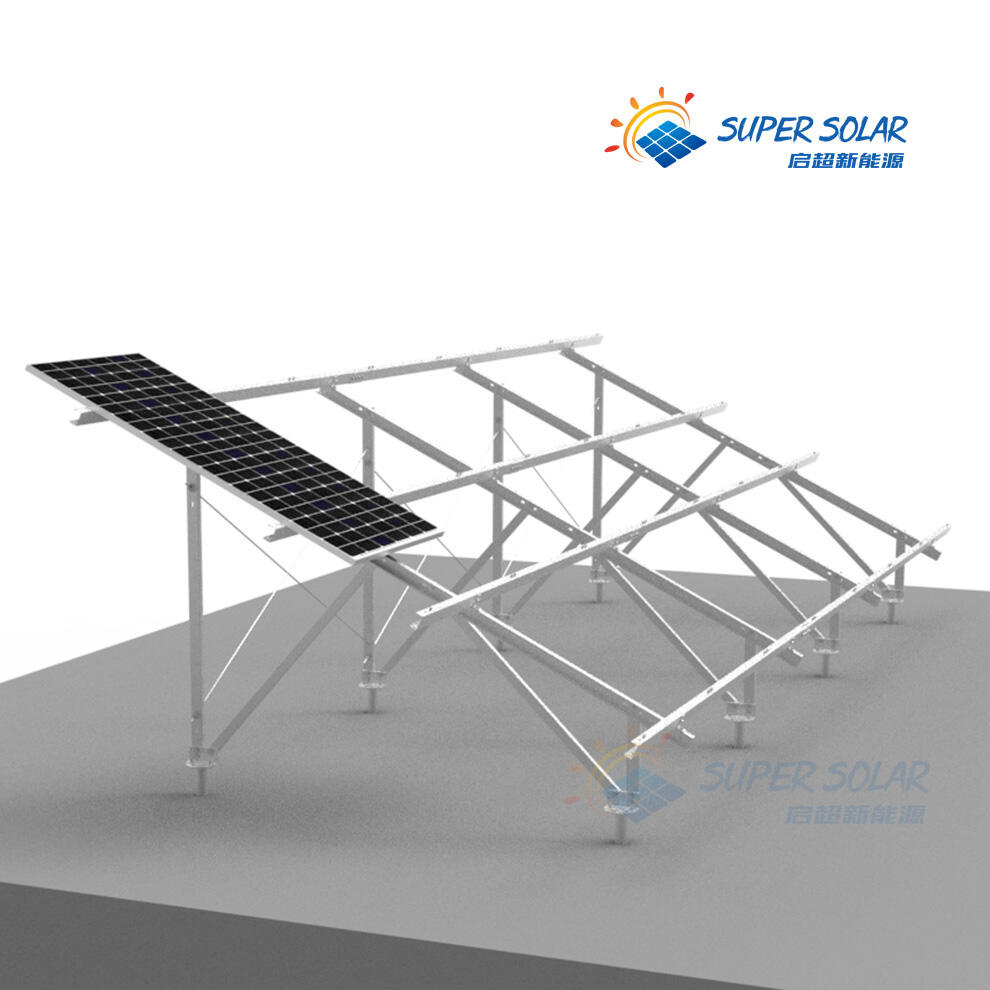
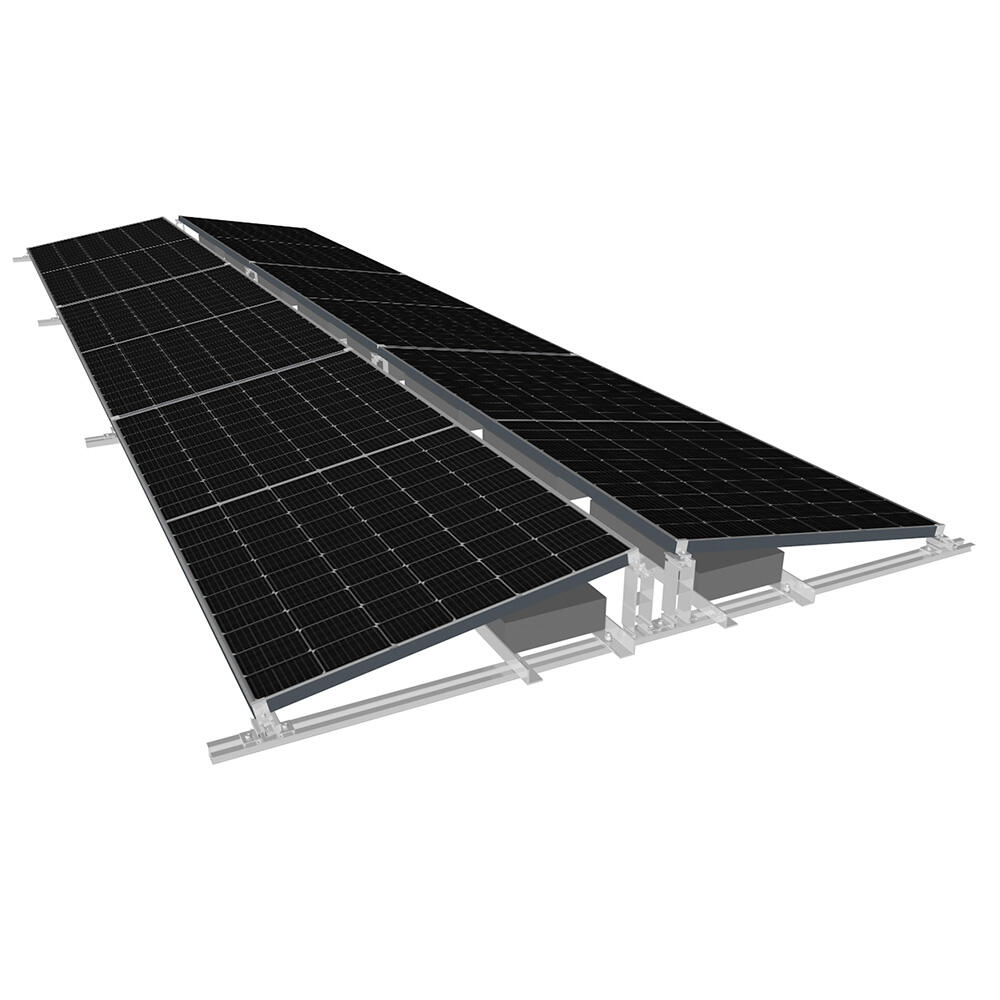
Ground solar mount systems offer unparalleled installation versatility that accommodates virtually any property configuration, terrain type, and space constraint while maximizing energy generation potential. The adaptable design works equally well on flat agricultural land, gently sloped residential properties, challenging hillside locations, and previously unusable areas such as brownfields or marginal agricultural sites that cannot support traditional land uses. Custom spacing configurations allow installers to work around existing landscape features including trees, buildings, utility easements, and property boundaries while maintaining optimal panel spacing for maximum energy production and minimal shading interference. The flexible mounting height adjustment ranges from low-profile installations that preserve sight lines and aesthetic considerations to elevated configurations that allow dual land use including livestock grazing or crop cultivation beneath the panels. Soil compatibility testing ensures appropriate foundation selection for different ground conditions including clay, sand, rocky terrain, and areas with high water tables that require specialized anchoring solutions. The modular approach enables phased installation projects where property owners can start with smaller systems and expand capacity over time as budget allows or energy needs increase, providing financial flexibility and scalable growth options. Ground solar mount systems accommodate irregular property shapes and challenging site constraints that would prevent other installation methods, including narrow lots, oddly shaped parcels, and properties with multiple elevation changes. The installation process minimizes site disturbance and environmental impact while preserving existing vegetation and drainage patterns wherever possible. Setback requirements and zoning compliance considerations are easily addressed through flexible positioning options that maintain required distances from property lines, structures, and utility corridors while maximizing available installation area for energy generation purposes.
 EN
EN