Superior Non-Penetrative Design for Maximum Building Protection
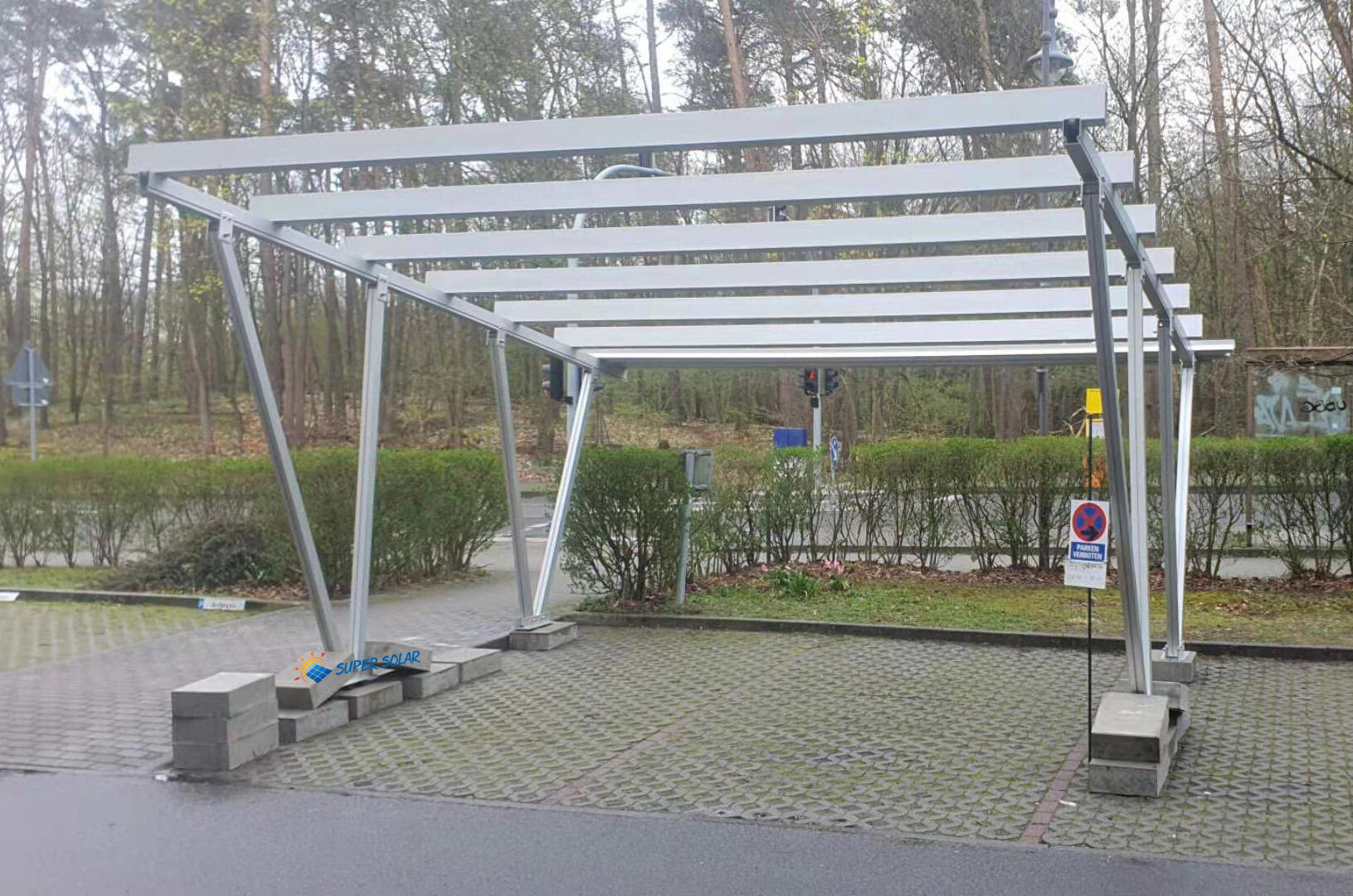
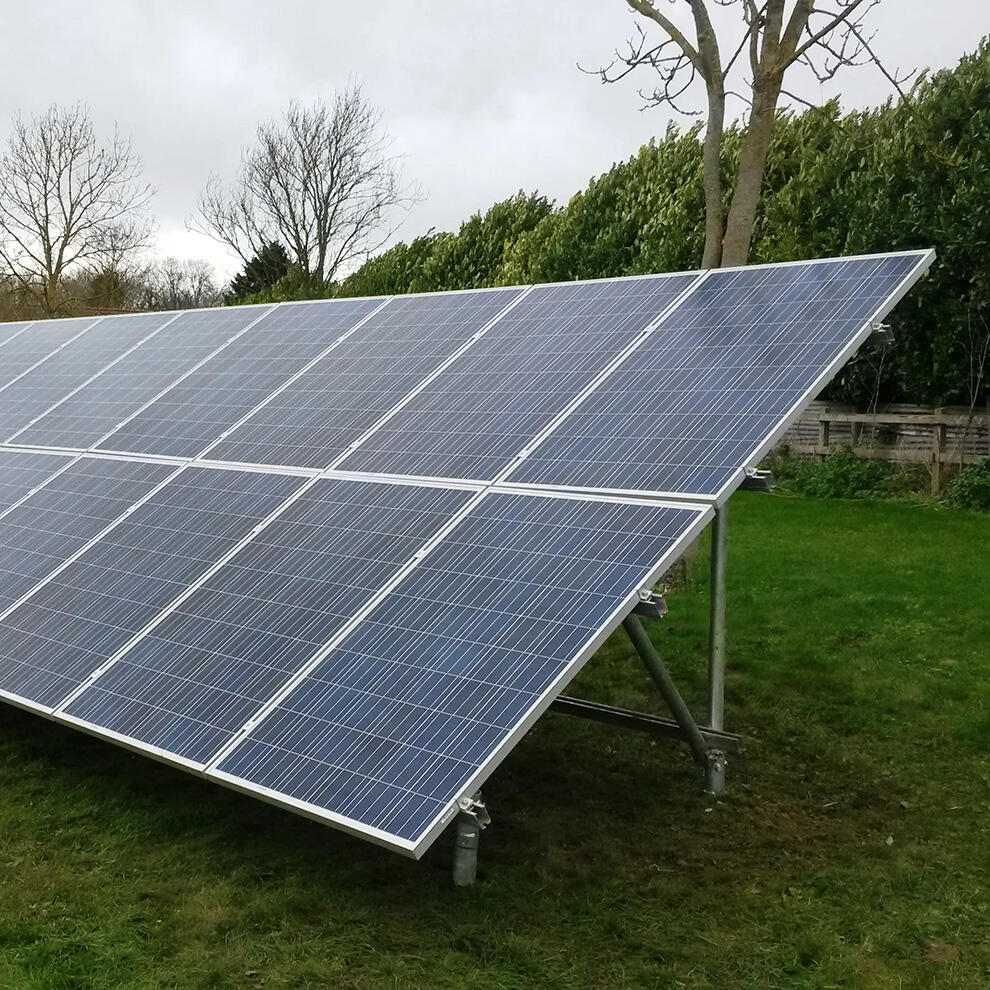
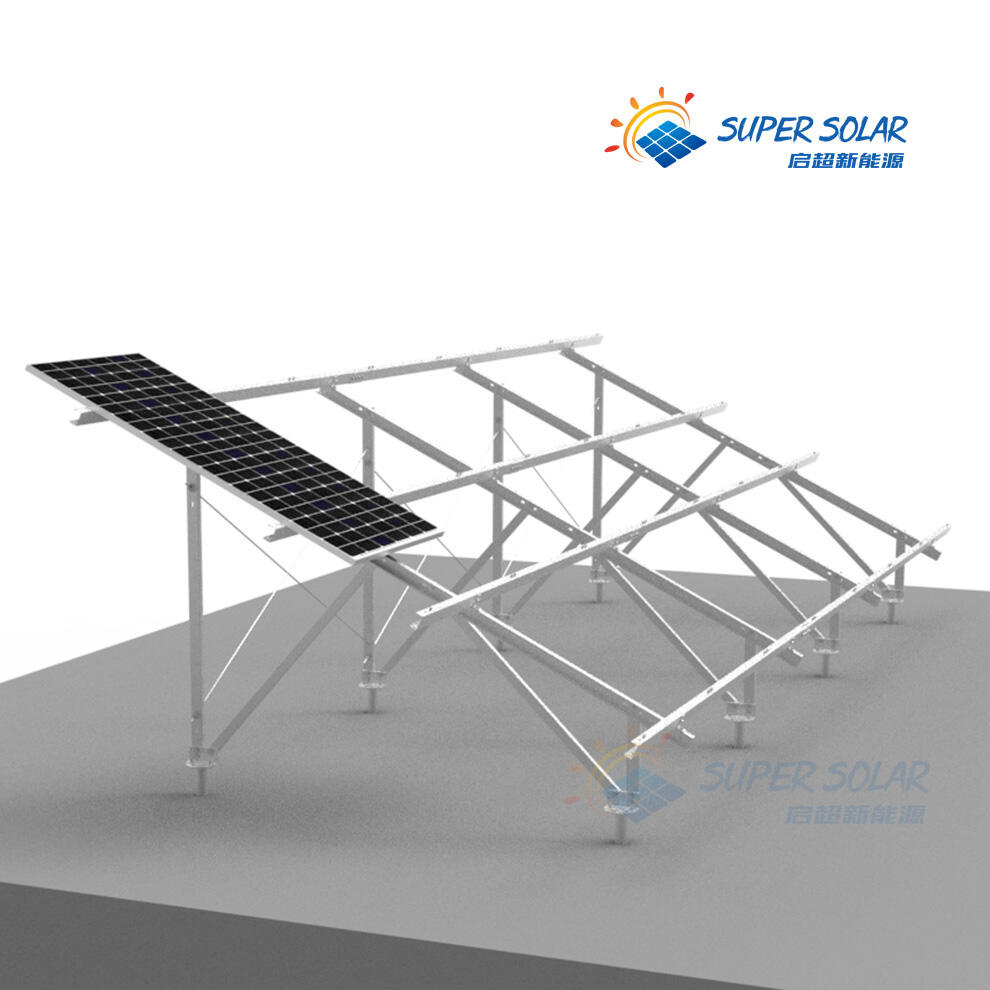
The hallmark feature of advanced solar ground mount ballast systems lies in their innovative non-penetrative design philosophy, which fundamentally transforms how solar installations interact with building structures and surfaces. Unlike traditional mounting methods that require drilling holes, installing anchors, or creating penetration points through roofing membranes, ballast systems rely entirely on engineered weight distribution to secure solar arrays safely and effectively. This approach delivers profound benefits for property owners who prioritize building integrity and long-term asset protection. The elimination of roof penetrations removes the primary source of potential leak points, which historically represent the most common failure mode in rooftop solar installations. Property managers no longer need to worry about compromised waterproofing systems, warranty voidance, or costly repair procedures that often accompany penetrative mounting approaches. The solar ground mount ballast design respects existing building systems while providing rock-solid panel stability through carefully calculated gravitational forces and aerodynamic considerations. Modern ballast systems incorporate sophisticated engineering analysis that accounts for local wind conditions, seismic requirements, and snow loading factors to determine optimal weight placement and distribution patterns. This scientific approach ensures structural adequacy while minimizing total system weight and material costs. Installation teams can deploy ballast systems on virtually any flat or low-slope surface including modified bitumen, EPDM, TPO, and concrete substrates without special preparation or surface modifications. The preservation of existing roof warranties represents tremendous value for commercial property owners, as penetrative installations often void manufacturer guarantees and create ongoing liability concerns. Building owners maintain complete flexibility for future roof replacement or modification projects, since ballast systems can be temporarily relocated without permanent consequences. This reversibility factor proves invaluable for leased properties, temporary installations, or situations where long-term building plans remain uncertain. The non-penetrative approach also eliminates complex permitting requirements and structural analysis obligations that frequently accompany anchor-based systems, streamlining project approval processes and reducing development costs significantly.
 EN
EN