Premium Solar Ground Mount Systems - Maximum Efficiency & Durability for Commercial & Residential Applications

All Categories

solar ground mount systems

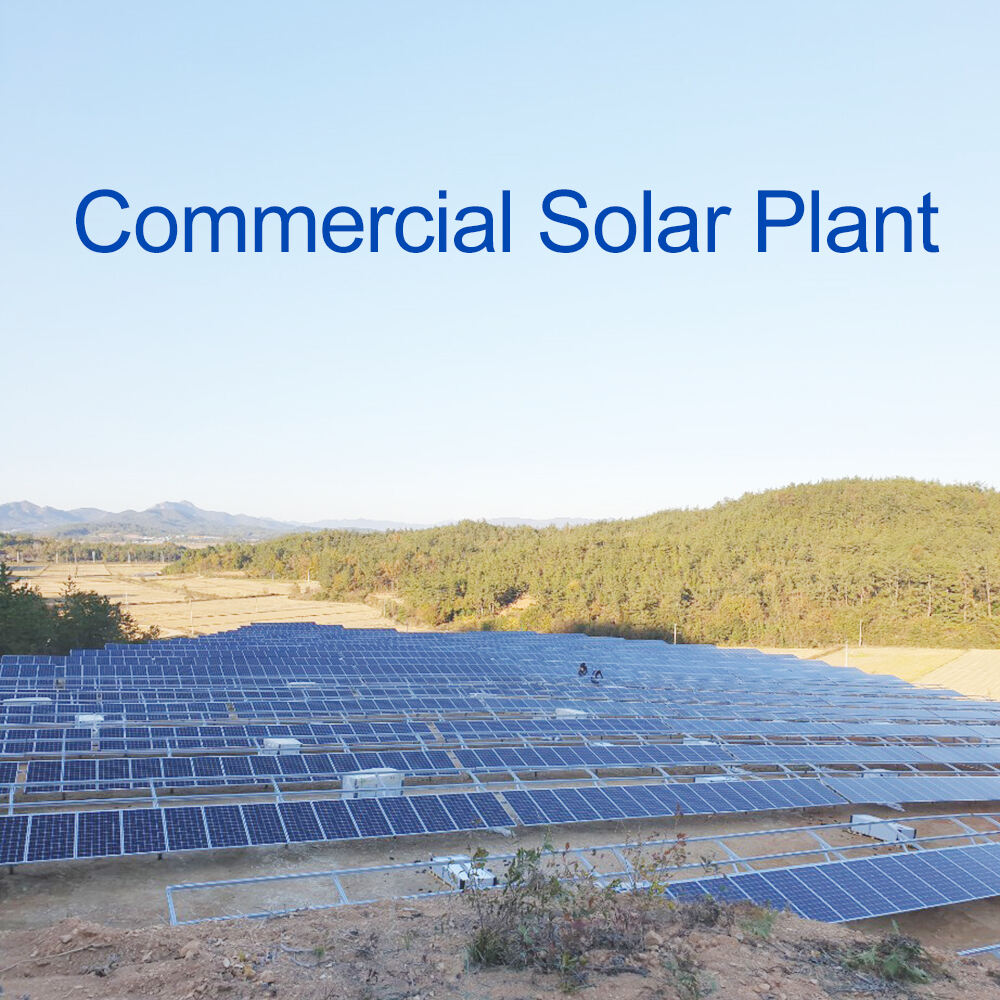
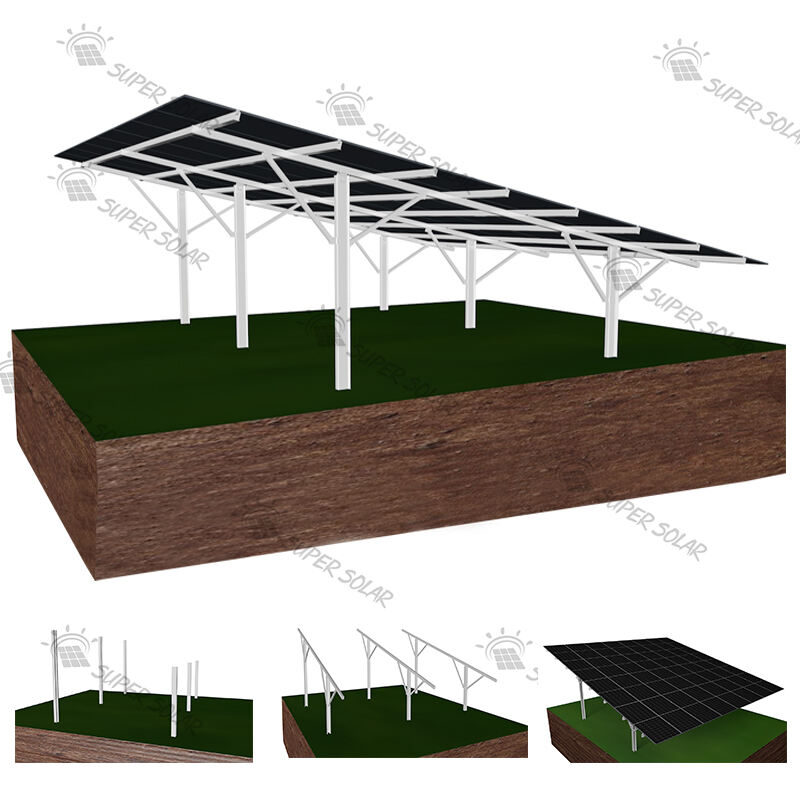
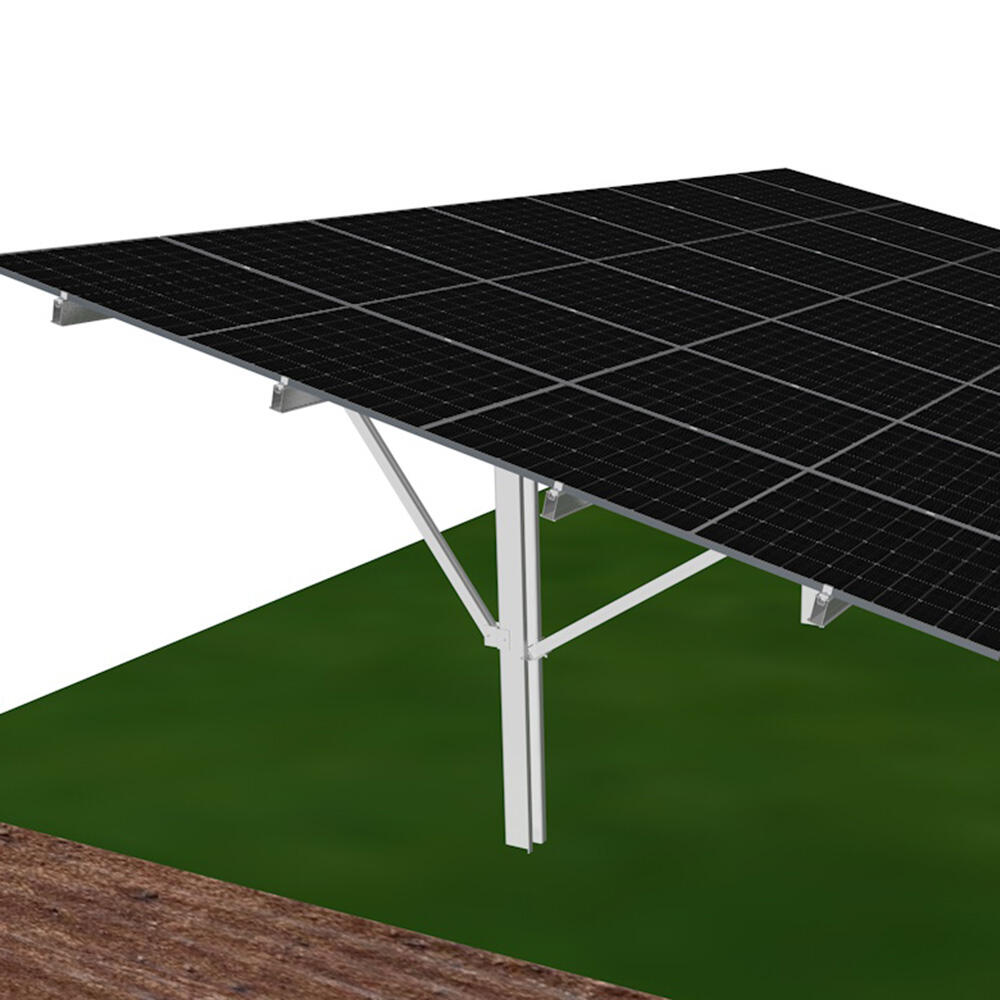
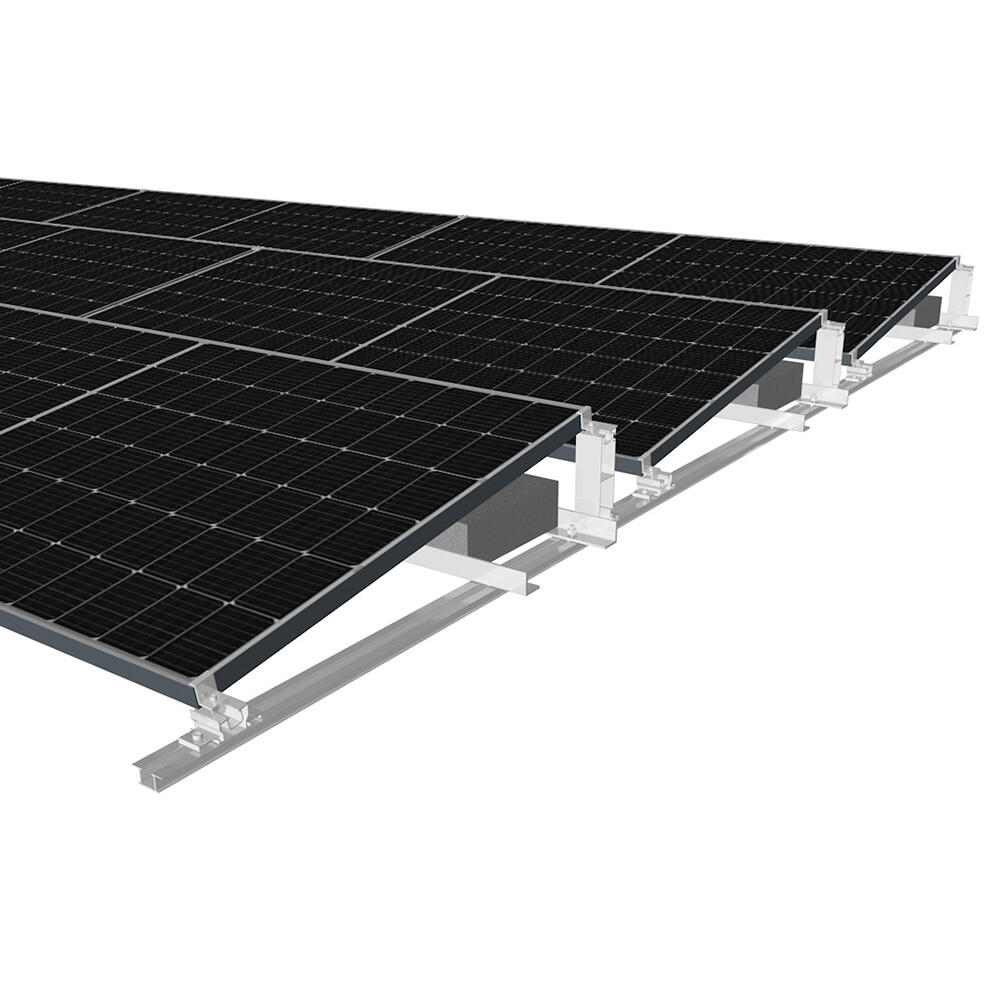
Solar ground mount systems represent a sophisticated approach to harnessing renewable energy through strategically positioned photovoltaic installations on ground-level surfaces. These systems consist of engineered mounting structures that securely hold solar panels at optimal angles to maximize sunlight exposure throughout the day. The primary function of solar ground mount systems involves converting solar radiation into electrical energy while maintaining structural integrity in various weather conditions. These installations utilize advanced aluminum or galvanized steel frameworks that provide exceptional durability and corrosion resistance. The technological features of solar ground mount systems include adjustable tilt angles, allowing for seasonal optimization of solar panel positioning. Many systems incorporate single-axis or dual-axis tracking mechanisms that automatically follow the sun's path across the sky, significantly enhancing energy production efficiency. The foundation systems typically employ driven piles, concrete footings, or ballasted configurations depending on soil conditions and local requirements. Solar ground mount systems find extensive applications in utility-scale power generation projects, commercial installations, and residential properties with adequate land availability. These systems prove particularly valuable for agricultural operations through agrivoltaics, where solar panels coexist with farming activities. Industrial facilities often deploy solar ground mount systems to offset energy consumption while maintaining operational flexibility. The modular design of these systems enables scalable installations ranging from small residential arrays to massive utility projects spanning hundreds of acres. Advanced monitoring systems integrated into modern solar ground mount systems provide real-time performance data, enabling proactive maintenance and optimization strategies. The versatility of solar ground mount systems makes them suitable for diverse geographical locations and climate conditions, from desert environments to temperate regions with varying seasonal patterns.

New Products

Solar ground mount systems deliver exceptional value through their superior energy production capabilities compared to rooftop alternatives. These systems achieve higher efficiency rates because they operate at cooler temperatures due to improved air circulation around the panels. The ground-level installation eliminates the heat island effect commonly experienced with roof-mounted systems, resulting in increased electrical output and longer panel lifespan. Property owners benefit from simplified maintenance procedures since solar ground mount systems provide easy access for cleaning, inspection, and repairs without requiring specialized equipment or safety measures associated with rooftop work. The flexibility of solar ground mount systems allows for optimal panel orientation regardless of building characteristics or roof limitations. Users can position panels to capture maximum sunlight exposure throughout the year by adjusting tilt angles and directional alignment. This adaptability translates directly into higher energy yields and faster return on investment compared to constrained rooftop installations. Solar ground mount systems offer remarkable scalability, enabling expansion as energy needs grow or budgets allow. Property owners can start with smaller installations and gradually increase capacity without significant structural modifications or system redesigns. The modular nature of these systems supports phased implementation strategies that align with financial planning and energy consumption patterns. Installation costs for solar ground mount systems often prove more economical than rooftop alternatives due to simplified mounting procedures and reduced structural requirements. Ground installations eliminate concerns about roof load capacity, structural modifications, or potential damage to existing buildings. The streamlined installation process typically requires less time and specialized labor, reducing overall project costs and timeline. Solar ground mount systems provide superior longevity through robust construction designed to withstand extreme weather conditions including high winds, snow loads, and temperature fluctuations. The elevated positioning and improved drainage characteristics prevent water accumulation and reduce corrosion risks. These systems typically carry extended warranty periods reflecting their durable construction and reliable performance. Environmental benefits of solar ground mount systems extend beyond clean energy production through potential dual land use opportunities such as agrivoltaics or pollinator habitats beneath panel arrays.

Practical Tips

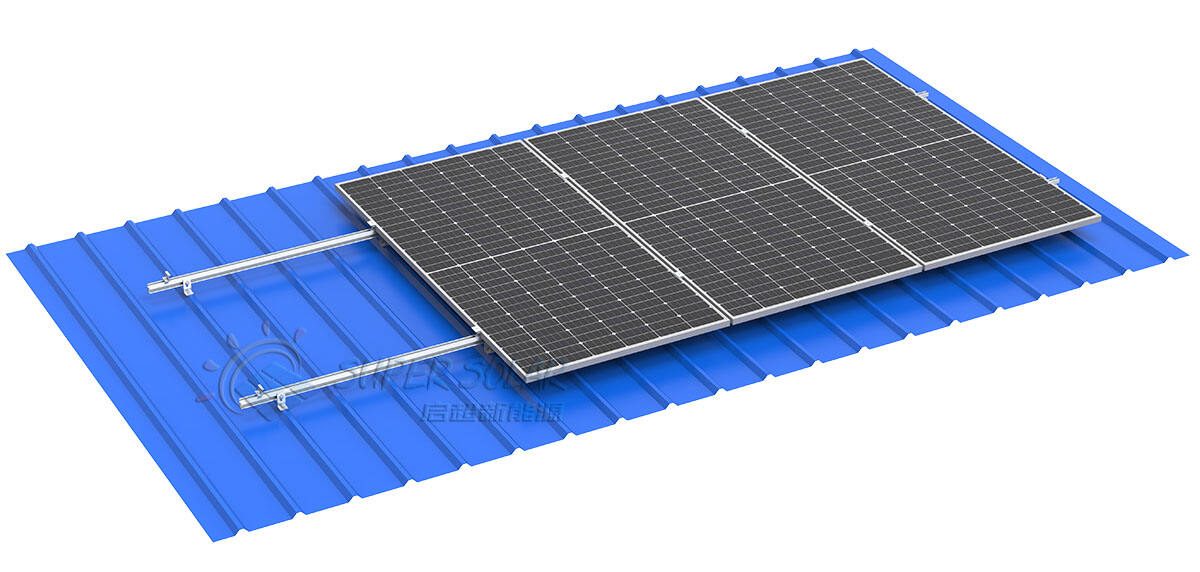
5 Reasons Installers Prefer Solar L Feet for Metal Roof Projects

23

Sep

5 Reasons Installers Prefer Solar L Feet for Metal Roof Projects

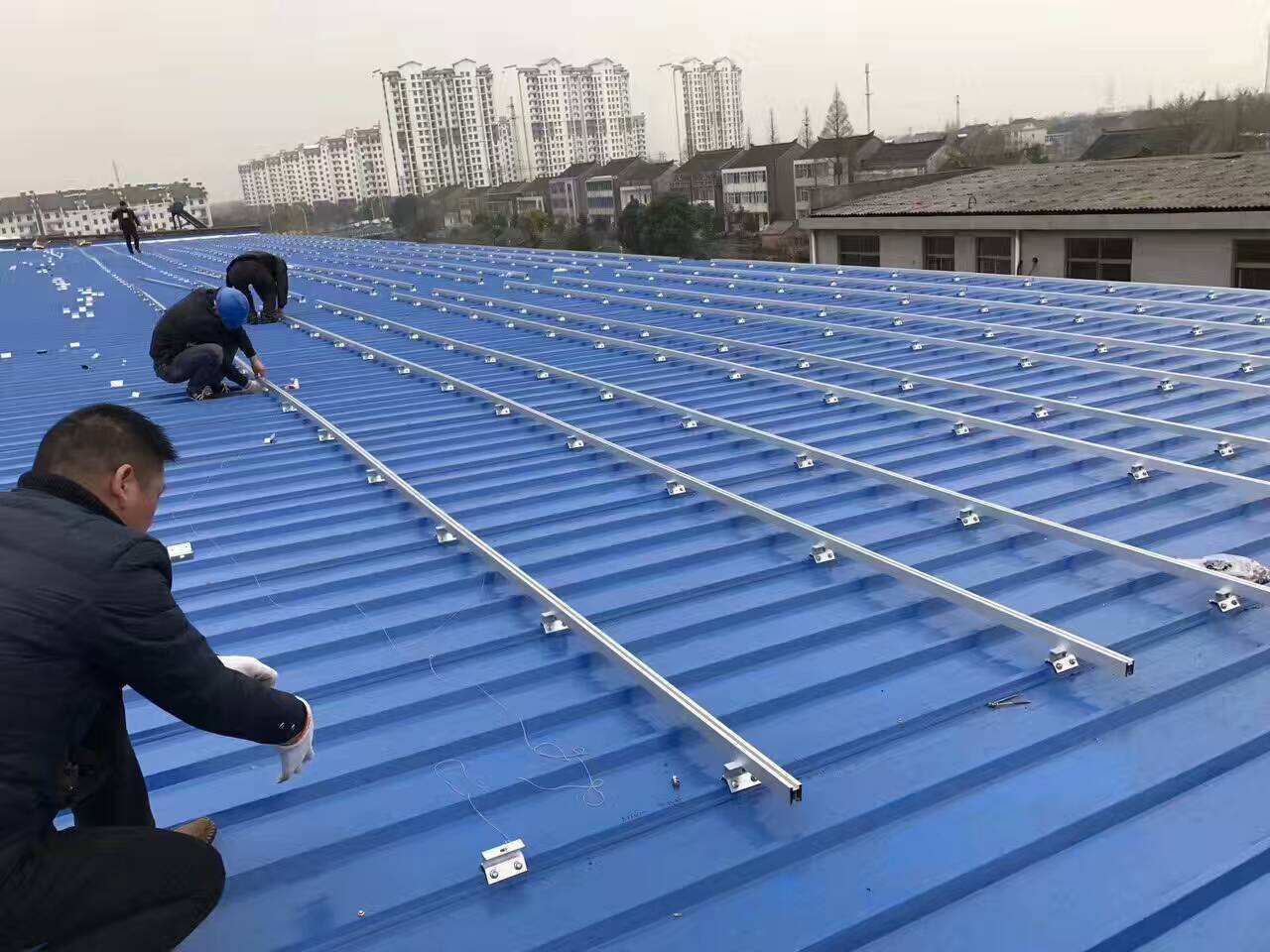
Why metal roof projects are growing The rise of the metal roof project is no accident. More property owners and businesses are turning to this type of roofing for its durability, aesthetics, and ability to support solar energy systems. Unlike traditi...
View More
How to Design and Install a Solar Carport for Your Business?

24

Nov

How to Design and Install a Solar Carport for Your Business?

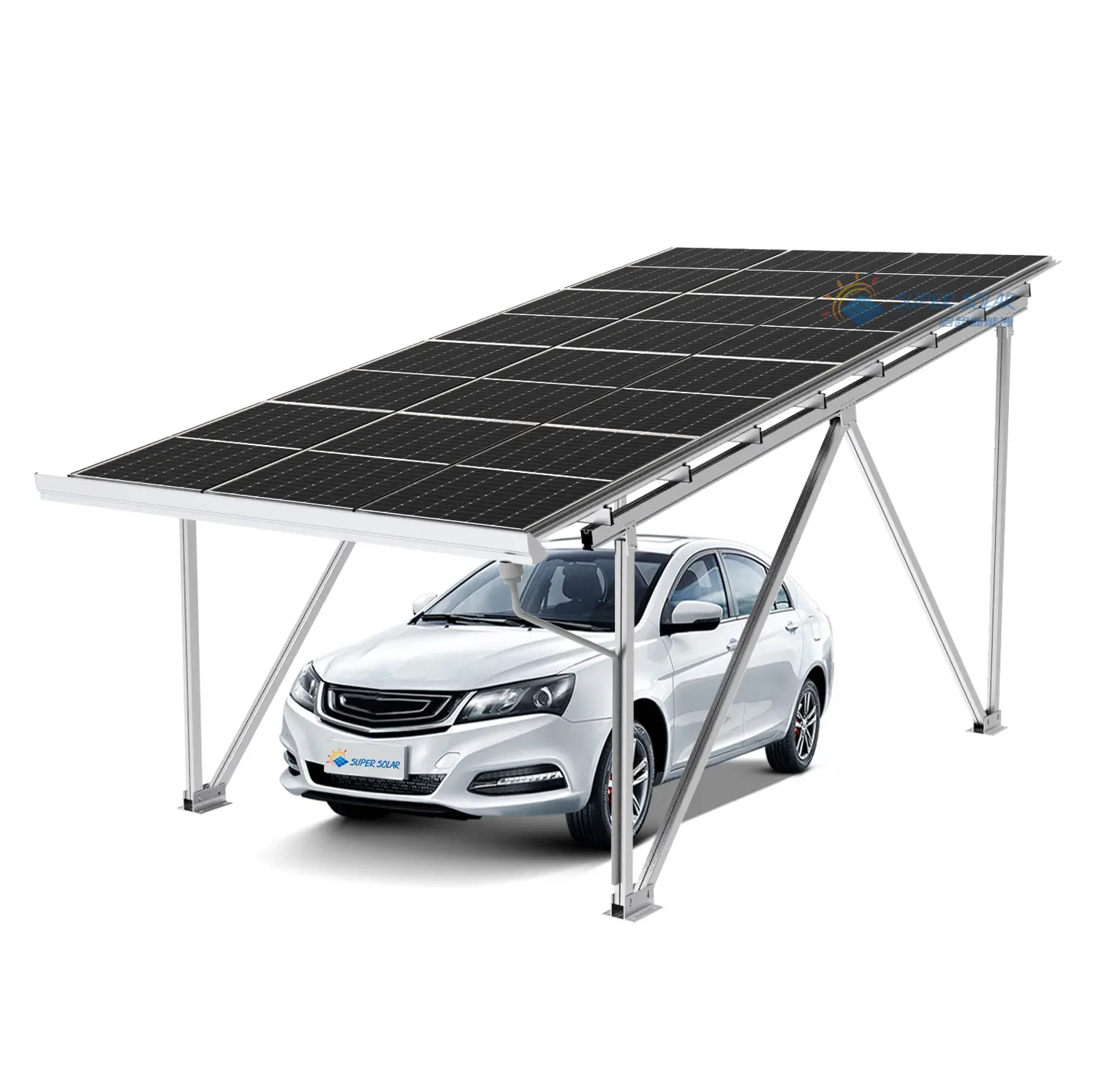
The Growing Impact of Solar Carports in Modern Business Infrastructure Solar carports represent a revolutionary advancement in sustainable business infrastructure, combining practical parking solutions with clean energy generation. As businesses incr...
View More
Smart Control in One Axis Trackers: Boosting Solar Efficiency

24

Nov

Smart Control in One Axis Trackers: Boosting Solar Efficiency

Revolutionizing Solar Energy Generation Through Intelligent Tracking Systems The solar energy industry continues to evolve rapidly, with one axis trackers emerging as a game-changing technology that maximizes energy capture and system efficiency. The...
View More
L-Foot Solar Mounts Explained: Simple & Affordable

24

Nov

L-Foot Solar Mounts Explained: Simple & Affordable

Understanding the Fundamentals of Solar Panel Mounting Systems The solar industry continues to evolve rapidly, and mounting solutions play a crucial role in successful installations. L-foot solar mounts have emerged as one of the most reliable and co...
View More

Leave Message

Our representative will contact you soon.
Email
Name
Company Name
Message
0/1000

solar ground mount systems

Maximum Energy Production Through Advanced Tracking Technology

Maximum Energy Production Through Advanced Tracking Technology

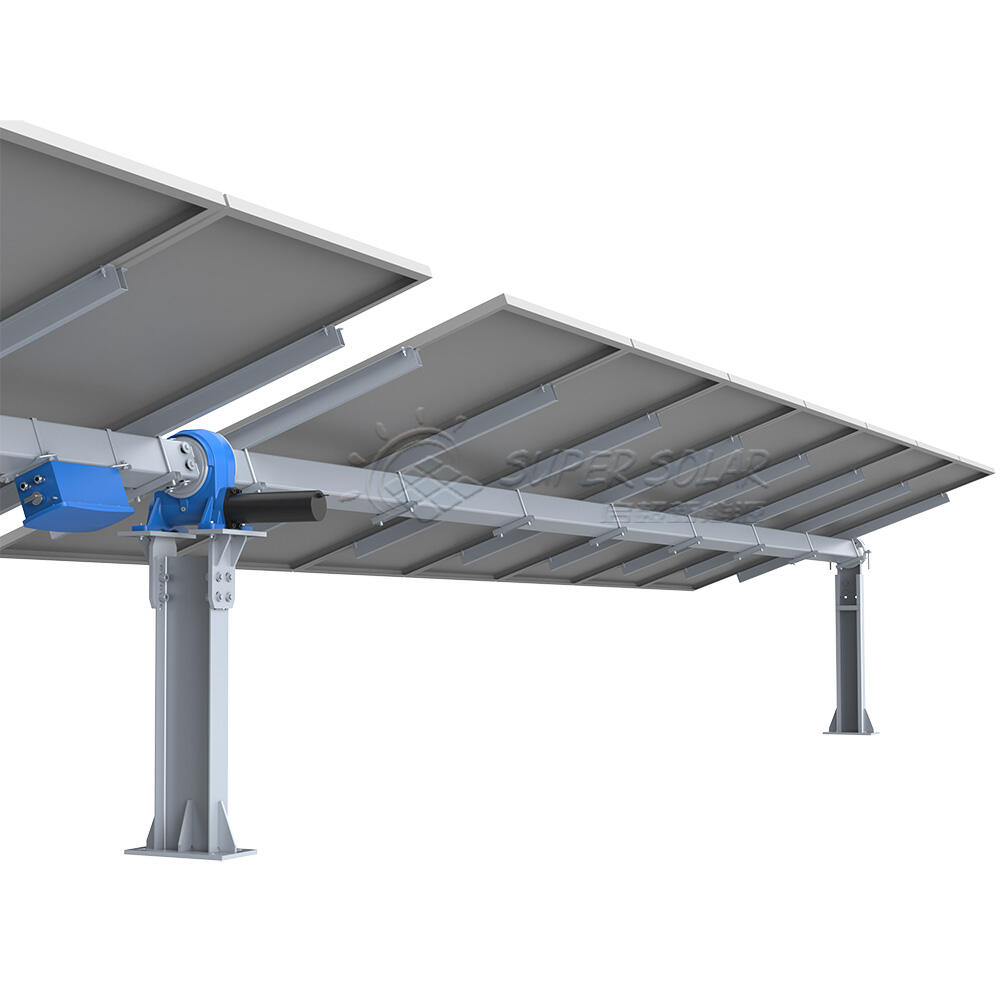
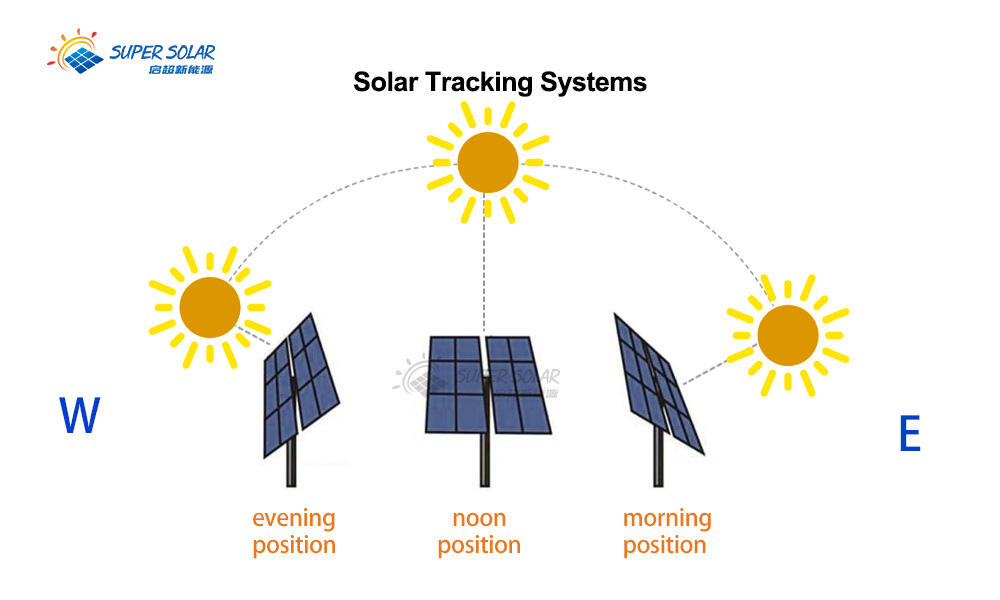
Solar ground mount systems equipped with tracking technology represent the pinnacle of photovoltaic efficiency, delivering up to 35% more energy production compared to fixed-mount alternatives. Single-axis tracking systems rotate panels from east to west throughout the day, following the sun's path to maintain optimal exposure angles. This continuous adjustment ensures panels receive direct sunlight for extended periods, maximizing energy harvest during peak production hours. Dual-axis tracking systems provide even greater efficiency by adjusting both horizontal and vertical panel positioning to account for seasonal sun angle variations. The sophisticated control systems utilize GPS positioning, astronomical algorithms, and real-time weather data to determine precise panel positioning throughout the year. These intelligent systems automatically adjust for daylight saving time changes, seasonal variations, and local latitude considerations without manual intervention. The tracking mechanisms employ durable motors and gearing systems designed to withstand harsh environmental conditions while maintaining precise positioning accuracy. Advanced sensor technology continuously monitors wind conditions and automatically positions panels to minimize wind loading during severe weather events, protecting the investment and ensuring long-term reliability. The increased energy production from tracking systems significantly reduces the payback period for solar ground mount systems, making them particularly attractive for commercial and utility-scale applications. Property owners typically recover the additional investment in tracking technology within three to five years through increased energy savings. The enhanced performance of tracking systems becomes especially valuable in regions with high electricity rates or limited available space for solar installations. Modern tracking systems require minimal maintenance due to sealed bearing assemblies and weather-resistant components designed for decades of reliable operation. Remote monitoring capabilities allow system operators to track performance metrics, identify potential issues, and optimize settings for maximum energy production across different seasons and weather patterns.
Unmatched Installation Flexibility and Land Use Optimization

Unmatched Installation Flexibility and Land Use Optimization

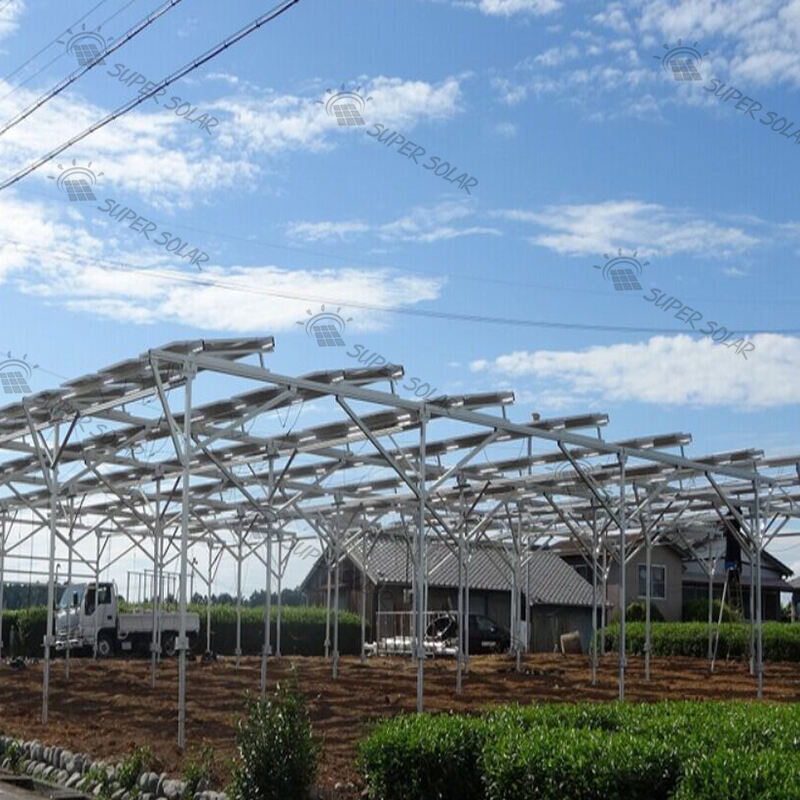
Solar ground mount systems provide unparalleled installation flexibility that accommodates diverse site conditions, terrain variations, and land use requirements. Unlike rooftop installations constrained by building orientation, structural limitations, and shading obstacles, ground mount systems can be positioned for optimal solar exposure regardless of existing structures. This flexibility extends to challenging terrains including sloped land, irregular surfaces, and areas with varying soil conditions through adjustable foundation systems and customized racking solutions. The adaptability of solar ground mount systems enables installations in previously unusable areas such as brownfields, agricultural margins, and degraded lands, effectively transforming these spaces into productive energy-generating assets. Agrivoltaic applications demonstrate the remarkable dual-use potential of solar ground mount systems, allowing continued agricultural activities beneath elevated panel arrays. This innovative approach provides farmers with additional revenue streams while maintaining crop production, creating win-win scenarios for rural communities. The elevated panel design enables farm equipment operation, livestock grazing, and crop cultivation in the same footprint, maximizing land productivity and economic returns. Solar ground mount systems accommodate varying setback requirements, local zoning restrictions, and aesthetic preferences through customizable designs and configurations. Property owners can select from numerous mounting styles including fixed-tilt, adjustable seasonal tilt, or tracking systems based on specific site conditions and performance objectives. The modular design philosophy enables phased installation approaches where initial systems can be expanded incrementally as energy needs grow or financial resources become available. This scalability proves particularly valuable for businesses experiencing growth or residential properties planning future expansion. Ground mount systems eliminate concerns about roof age, structural integrity, or building modifications that often complicate rooftop installations. The independence from building characteristics allows for system optimization purely based on energy production goals rather than structural constraints. Installation timing becomes more flexible since ground mount projects can proceed regardless of building renovation schedules or roof replacement needs.

Superior Durability and Long-Term Performance Reliability

Superior Durability and Long-Term Performance Reliability

Solar ground mount systems deliver exceptional long-term value through robust construction engineered to withstand decades of harsh environmental conditions while maintaining peak performance characteristics. The structural components utilize premium materials including high-grade aluminum alloys and galvanized steel frameworks that resist corrosion, UV degradation, and thermal cycling effects that can compromise system integrity over time. Advanced engineering analysis ensures these systems meet or exceed local building codes and wind load requirements, providing property owners with confidence in their investment's longevity. The elevated positioning of solar ground mount systems promotes superior thermal management through enhanced air circulation around panel surfaces, preventing heat buildup that reduces efficiency and accelerates component degradation. This natural cooling effect extends panel lifespan while maintaining optimal energy production throughout the system's operational life. Ground installations eliminate exposure to roof-related issues such as membrane damage, structural settling, or building maintenance activities that can impact rooftop systems. The accessibility advantages of solar ground mount systems translate into more effective maintenance programs that preserve system performance and extend equipment life. Technicians can easily inspect connections, clean panels, and perform preventive maintenance without specialized safety equipment or complex access procedures required for rooftop installations. This accessibility enables more frequent maintenance intervals and thorough system inspections that identify potential issues before they impact performance or require costly repairs. The foundation systems for solar ground mount systems utilize proven engineering principles including driven pile, concrete pier, or ballasted configurations selected based on specific soil conditions and local requirements. These foundations provide stable support that resists frost heaving, settling, and seismic forces while maintaining precise panel alignment throughout varying environmental conditions. The drainage characteristics of ground mount systems prevent water accumulation and ice formation that can stress mounting components or create safety hazards. Advanced monitoring systems integrated into modern solar ground mount systems provide comprehensive performance tracking and predictive maintenance capabilities that optimize system reliability and energy production. These systems continuously monitor electrical output, environmental conditions, and component status to identify performance variations or maintenance needs before they impact system operation.

Leave Message

Our representative will contact you soon.
Email
Name
Company Name
Message
0/1000