solar panels ground mounts
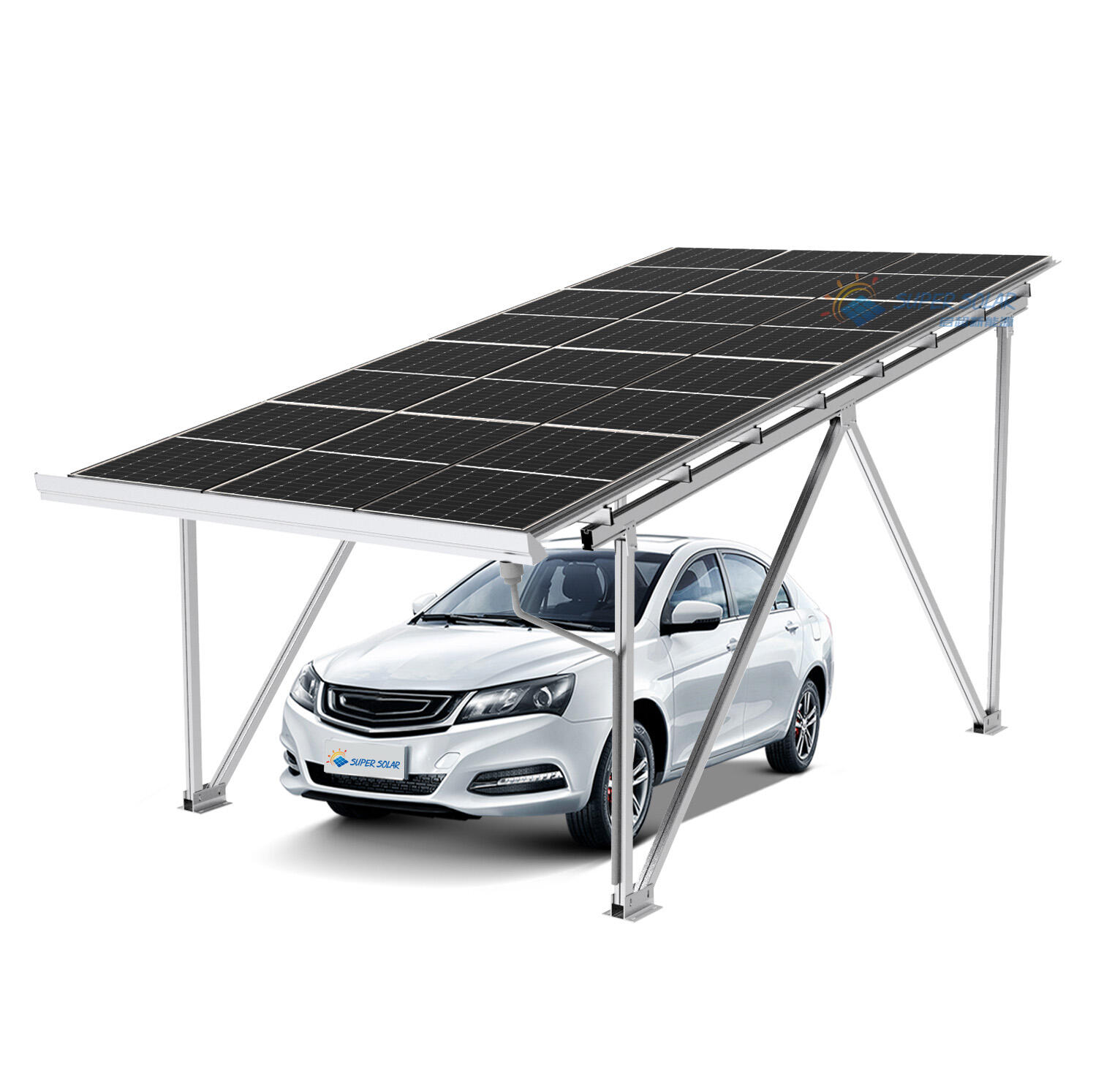
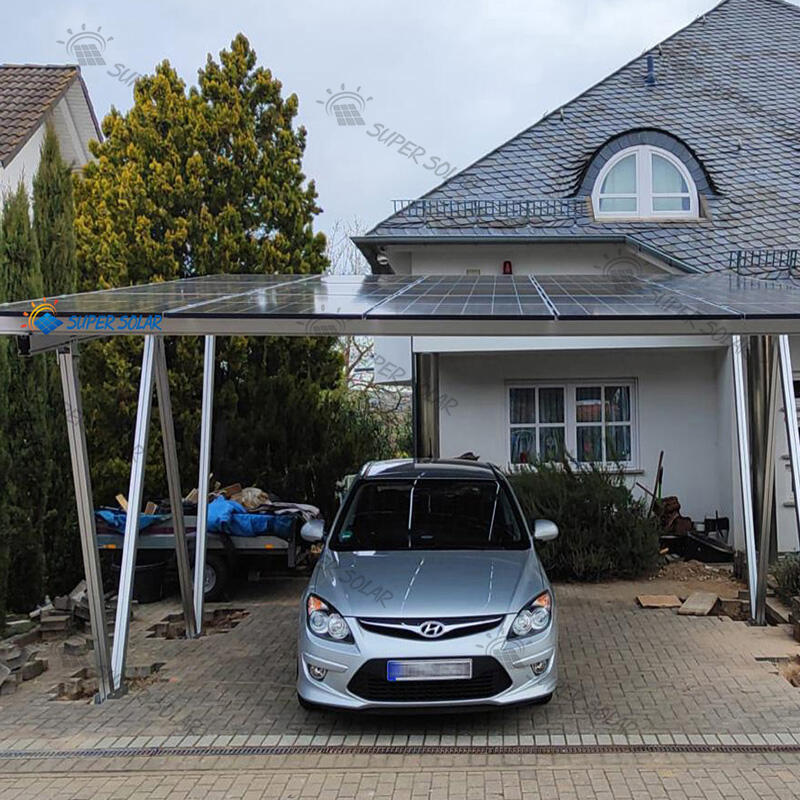
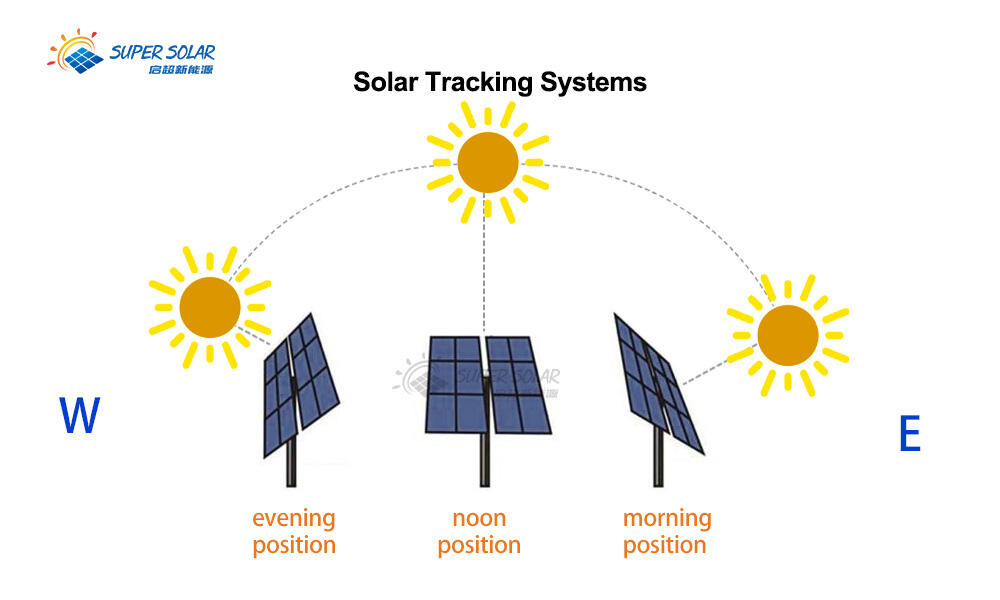
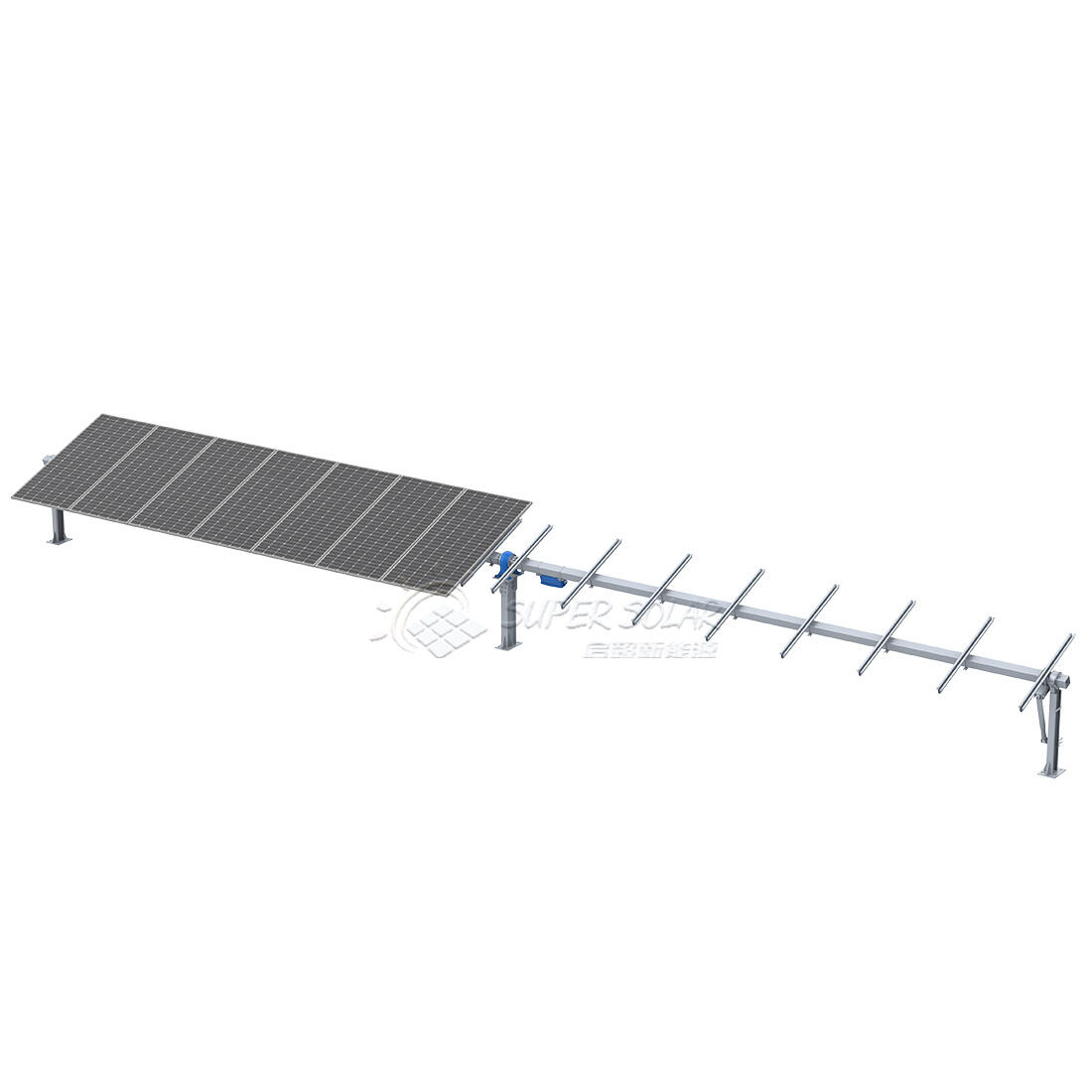
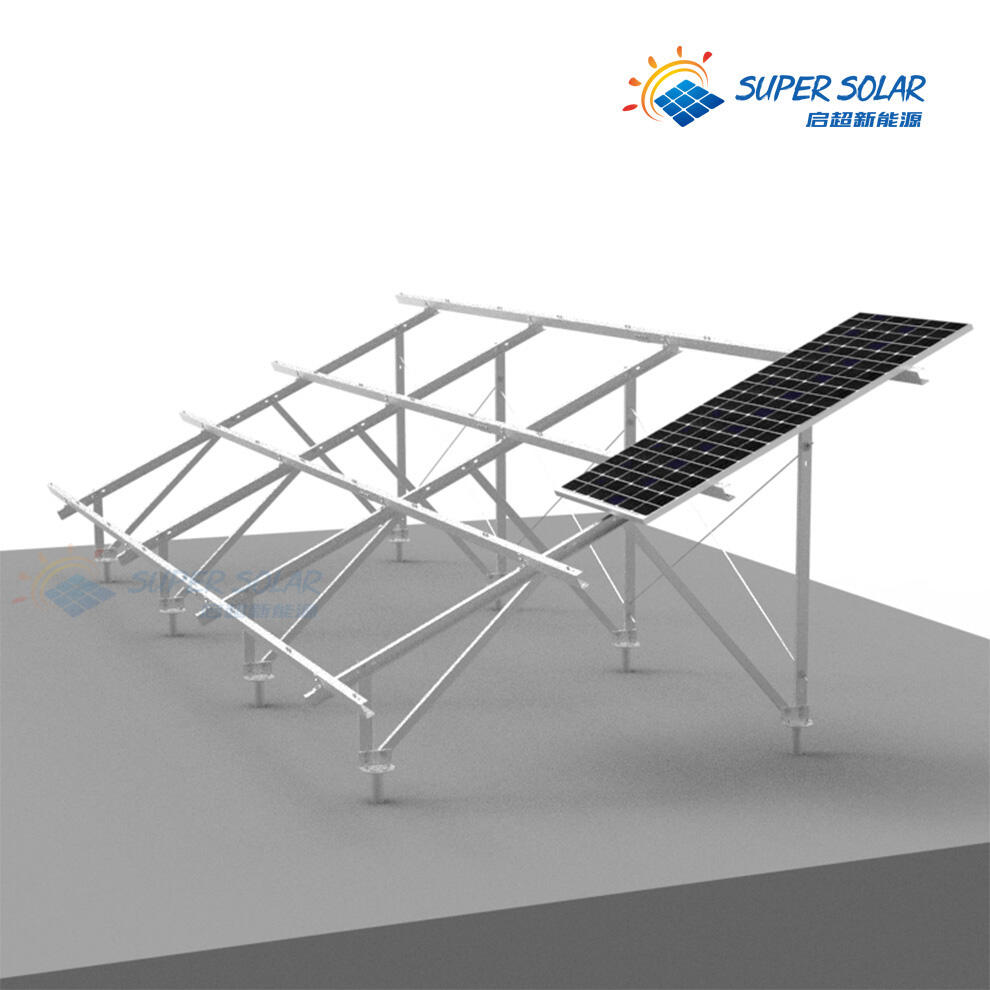
Solar panels ground mounts represent a fundamental infrastructure solution for establishing renewable energy systems on terrestrial surfaces. These mounting structures serve as the backbone for photovoltaic installations, providing secure anchoring and optimal positioning for solar arrays across diverse landscapes and commercial properties. Ground-mounted solar systems offer exceptional versatility compared to rooftop installations, enabling property owners to harness solar energy regardless of roof conditions or structural limitations. The primary function of solar panels ground mounts involves creating stable platforms that maintain proper panel angles and orientations throughout varying weather conditions. Advanced engineering ensures these systems withstand wind loads, snow accumulation, and seismic activity while maintaining electrical connections and structural integrity. Modern ground mount technologies incorporate adjustable tracking mechanisms that automatically follow the sun's path, maximizing energy production throughout daylight hours. Fixed-tilt systems provide cost-effective solutions for standard installations, while single-axis and dual-axis tracking systems deliver enhanced performance through dynamic positioning capabilities. Material composition typically features galvanized steel or aluminum construction, offering corrosion resistance and longevity in outdoor environments. Installation flexibility allows for various foundation types, including concrete footings, helical piles, and ballasted systems depending on soil conditions and local regulations. Solar panels ground mounts accommodate different panel sizes and configurations, supporting both residential-scale arrays and utility-grade installations spanning multiple acres. The modular design facilitates scalable deployment, allowing systems to expand incrementally as energy needs grow or budgets permit. Professional installation ensures compliance with electrical codes and structural requirements while optimizing system performance through precise alignment and spacing calculations.
 EN
EN