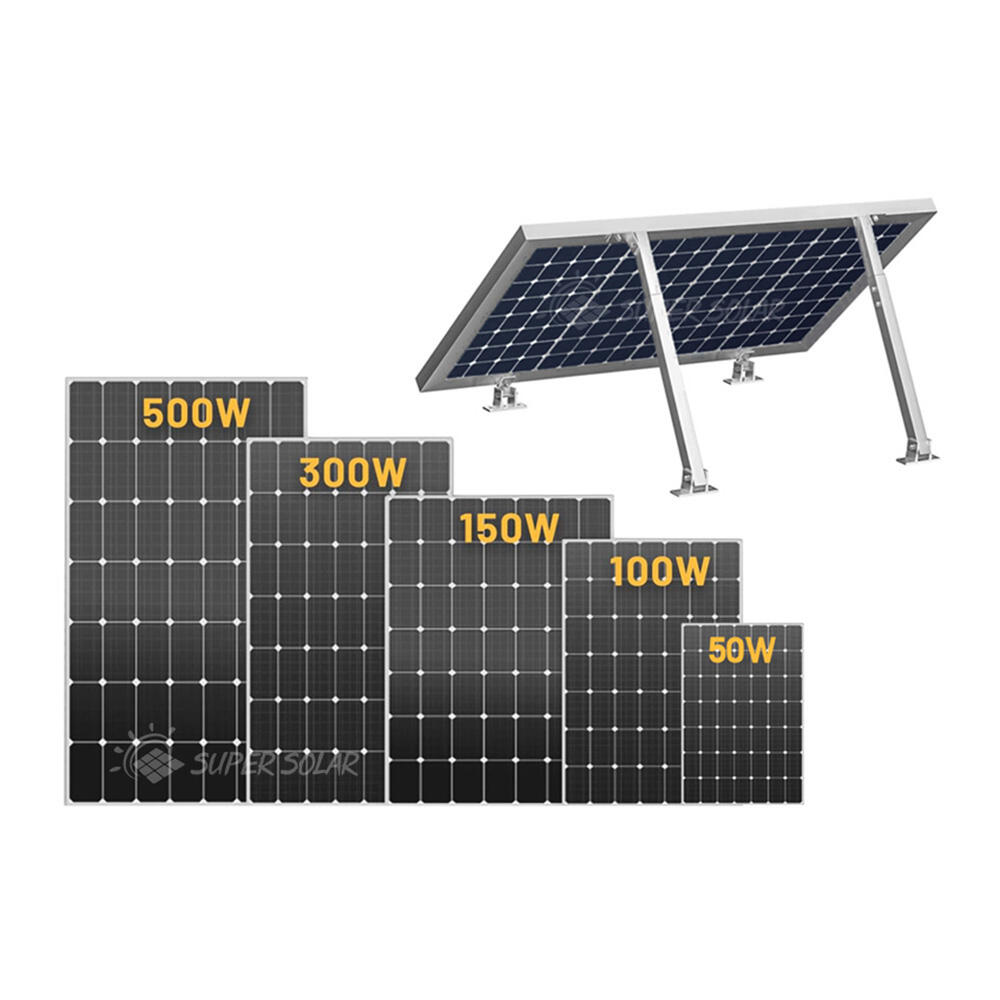
Universal Compatibility and Streamlined Installation Process
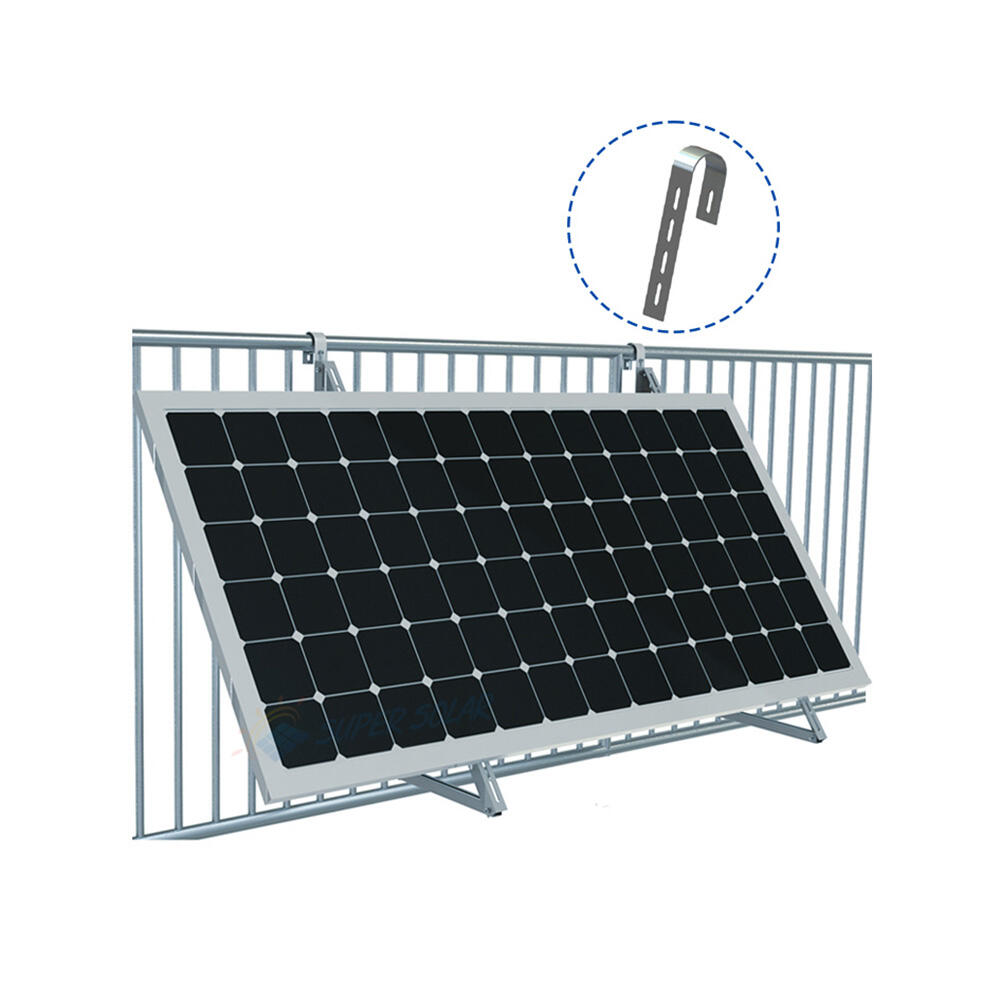
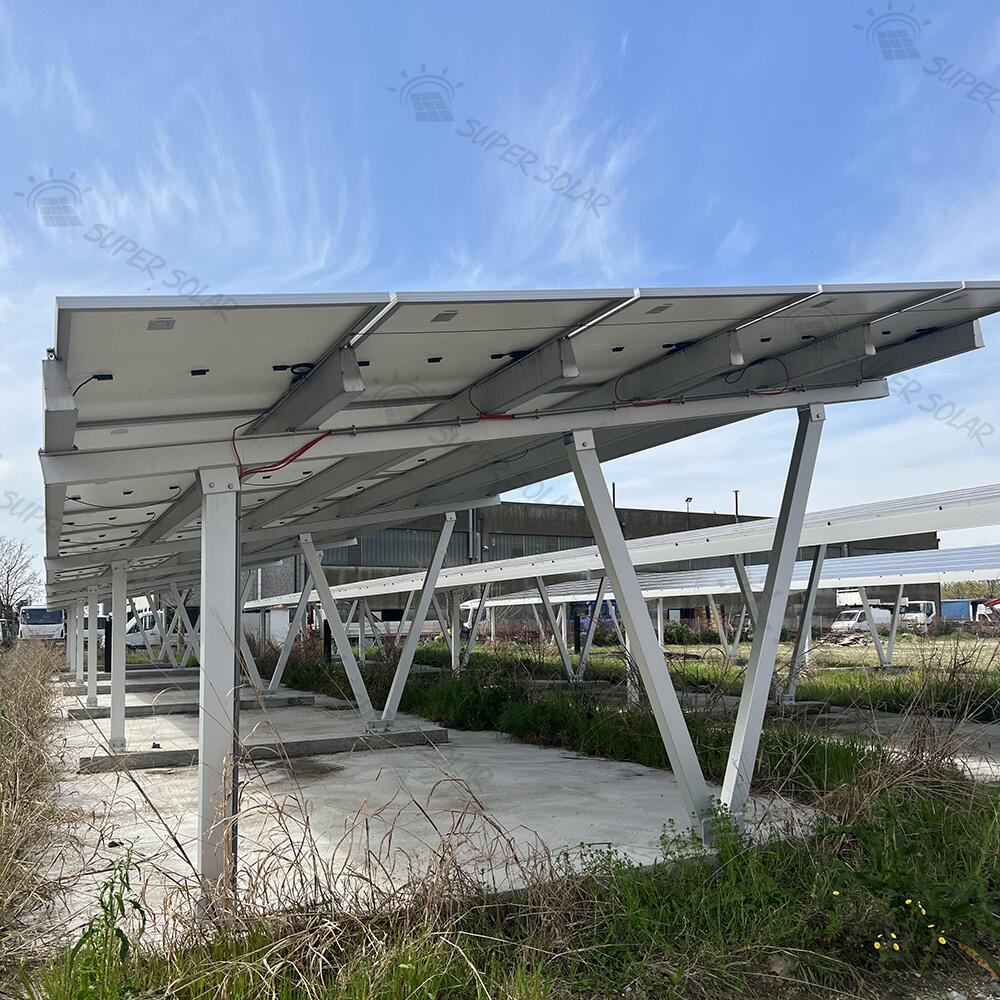
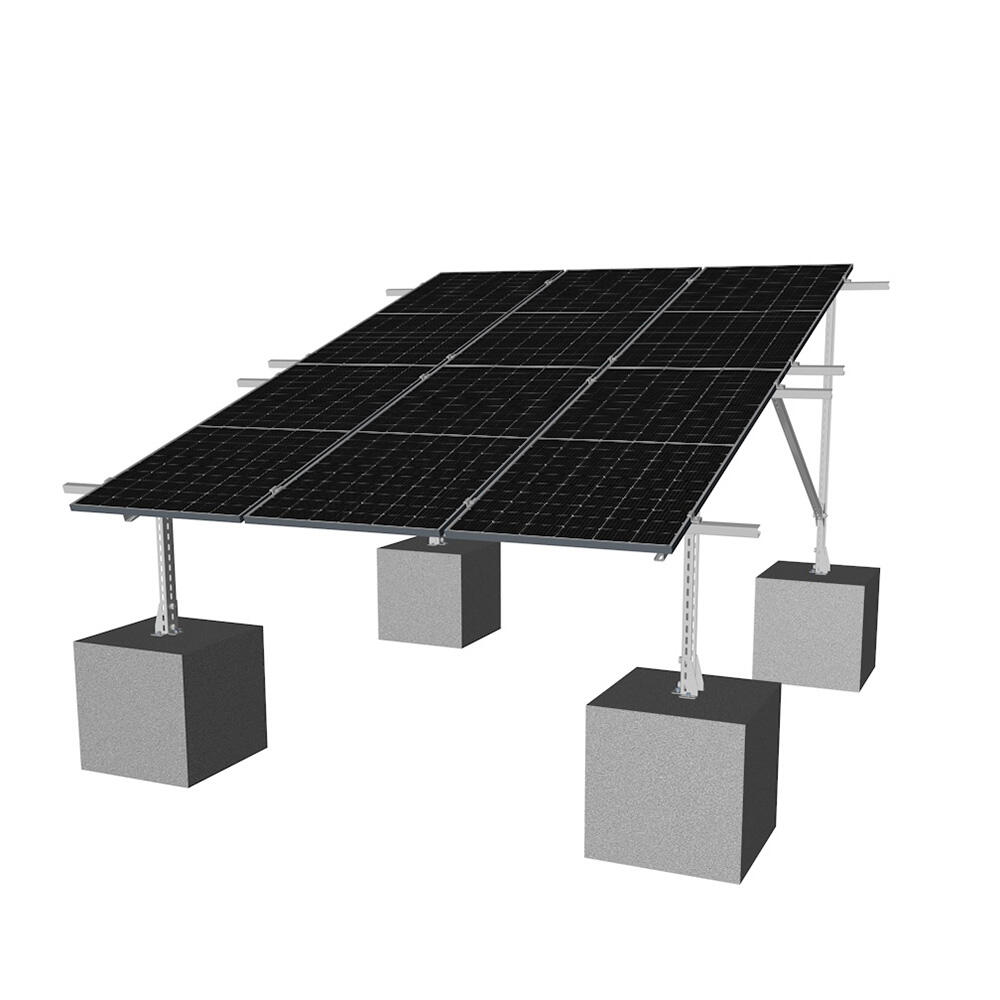
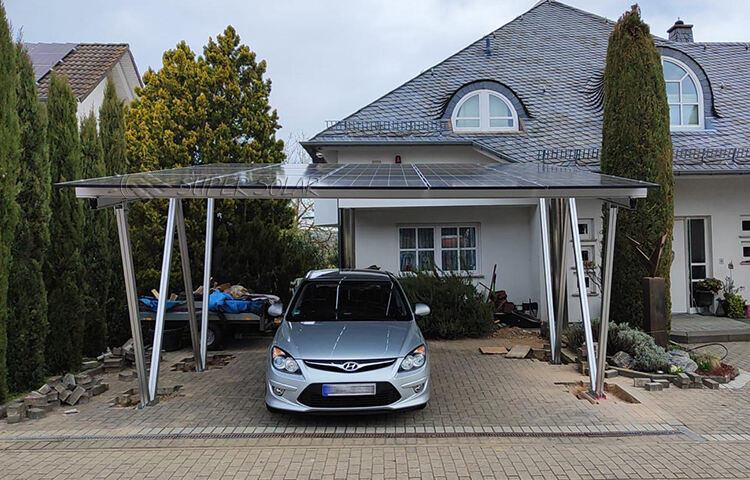
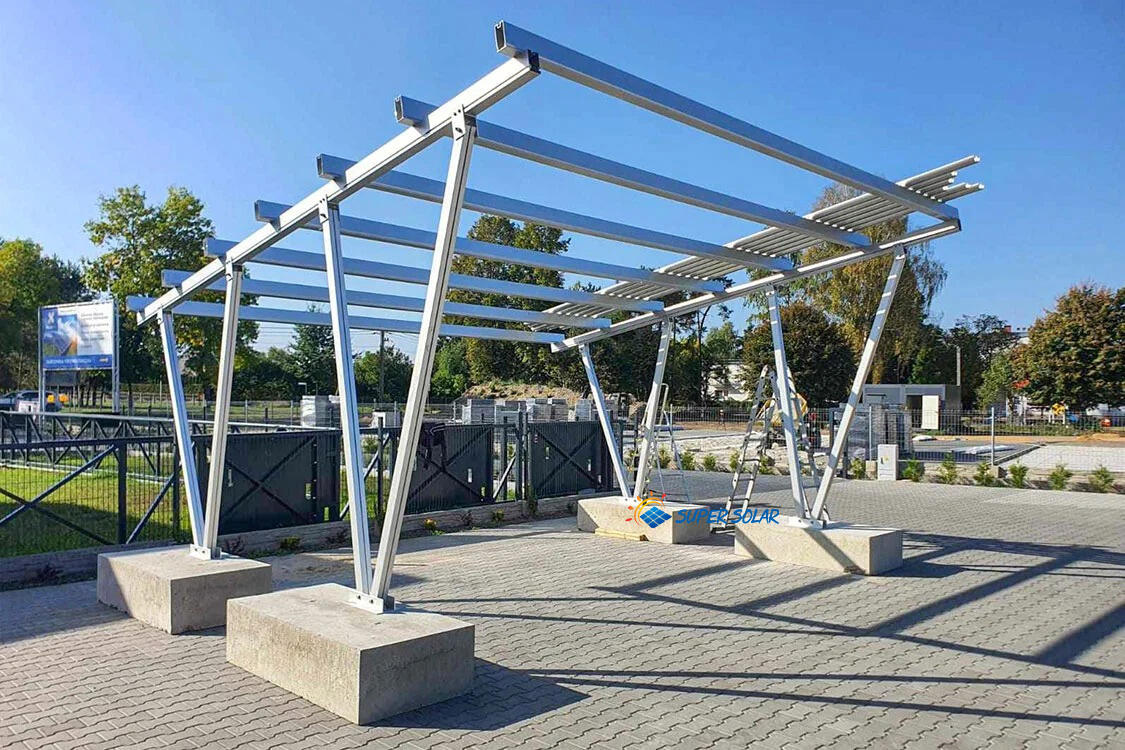
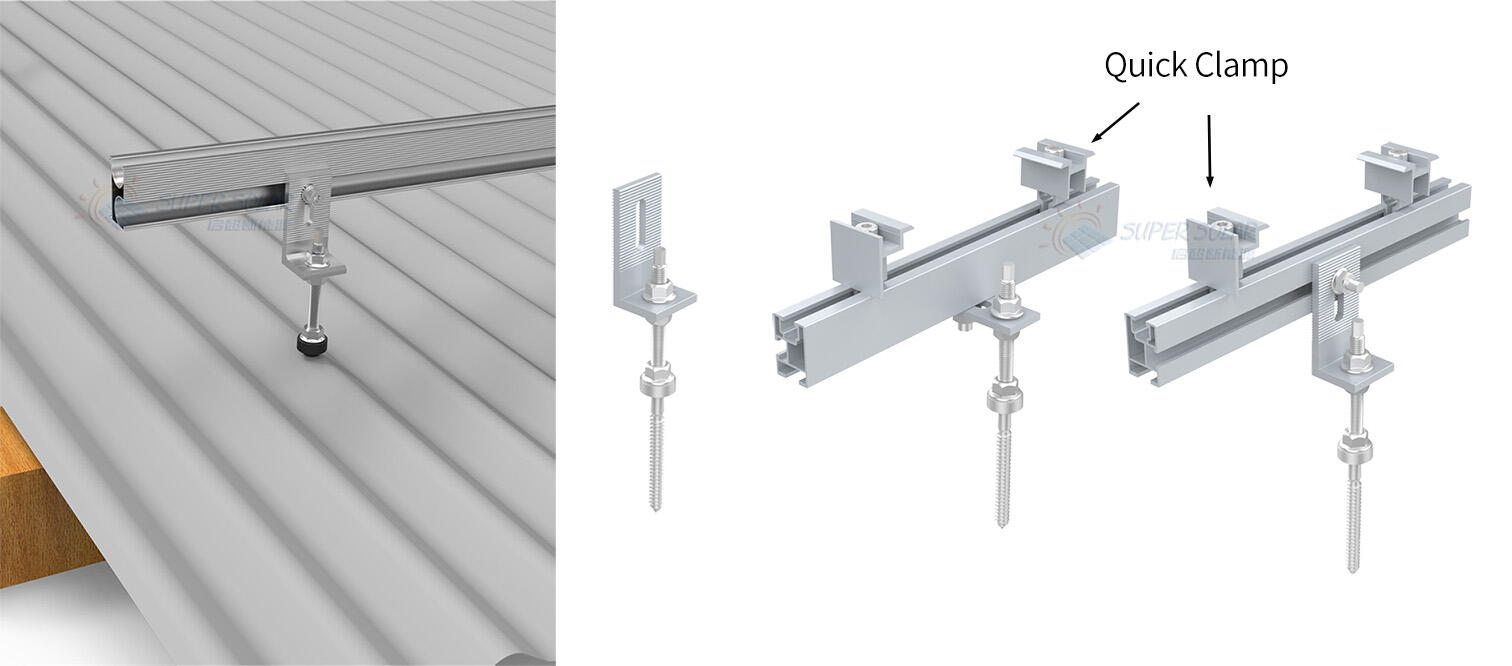
Solar panel angle mounts demonstrate exceptional versatility through universal compatibility features that accommodate diverse panel manufacturers, varying module dimensions, and different installation environments while maintaining optimal performance characteristics. This compatibility extends across residential, commercial, and utility-scale applications, providing flexibility for system designers and installers working with mixed equipment specifications or future expansion requirements. The universal design philosophy incorporates adjustable mounting points, variable spacing configurations, and standardized connection methods that eliminate the need for custom fabrication or specialized components when working with different panel brands or sizes. Installation efficiency represents a critical advantage, with pre-engineered mounting systems that include comprehensive hardware packages, detailed instruction documentation, and color-coded components that accelerate deployment timelines while reducing potential installation errors. Professional installers benefit from streamlined processes that minimize required tools, reduce crew size requirements, and eliminate complex assembly procedures that could introduce safety risks or performance compromises. The compatibility features extend to different foundation types including concrete pads, driven piles, ballasted systems, and integrated roof mounting applications, providing flexibility for various site conditions and structural requirements. Modular construction methods enable scalable installations where individual mounting units can be combined to support large solar arrays while maintaining consistent performance characteristics across the entire system. Quality assurance protocols ensure that universal compatibility does not compromise structural integrity or long-term reliability, with standardized testing procedures that verify performance across different configuration options. Future-proofing aspects of universal compatibility allow for system modifications, panel upgrades, or configuration changes without requiring complete mounting system replacement, protecting the initial infrastructure investment while enabling technology improvements. Installation training programs and technical support resources help contractors maximize the benefits of streamlined installation processes while ensuring proper implementation of safety procedures and performance optimization techniques.
 EN
EN