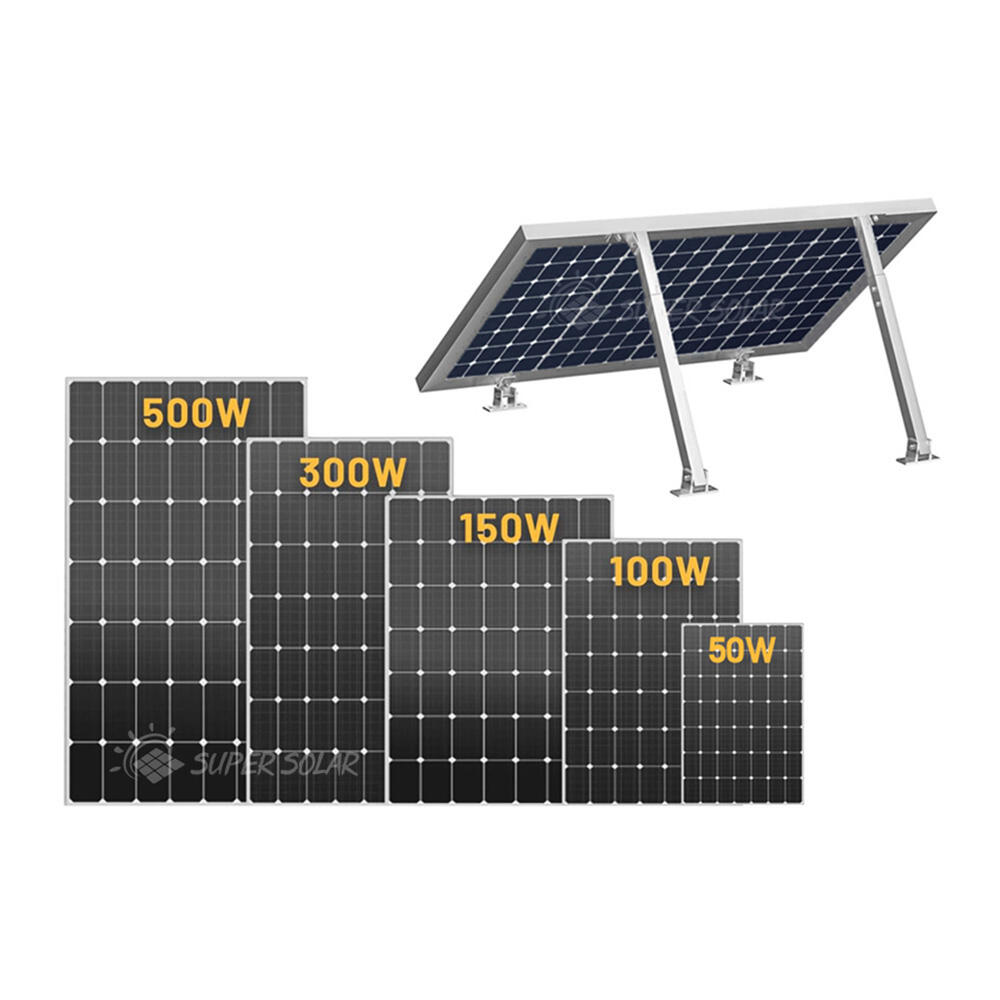
adjustable solar panel mounting rack
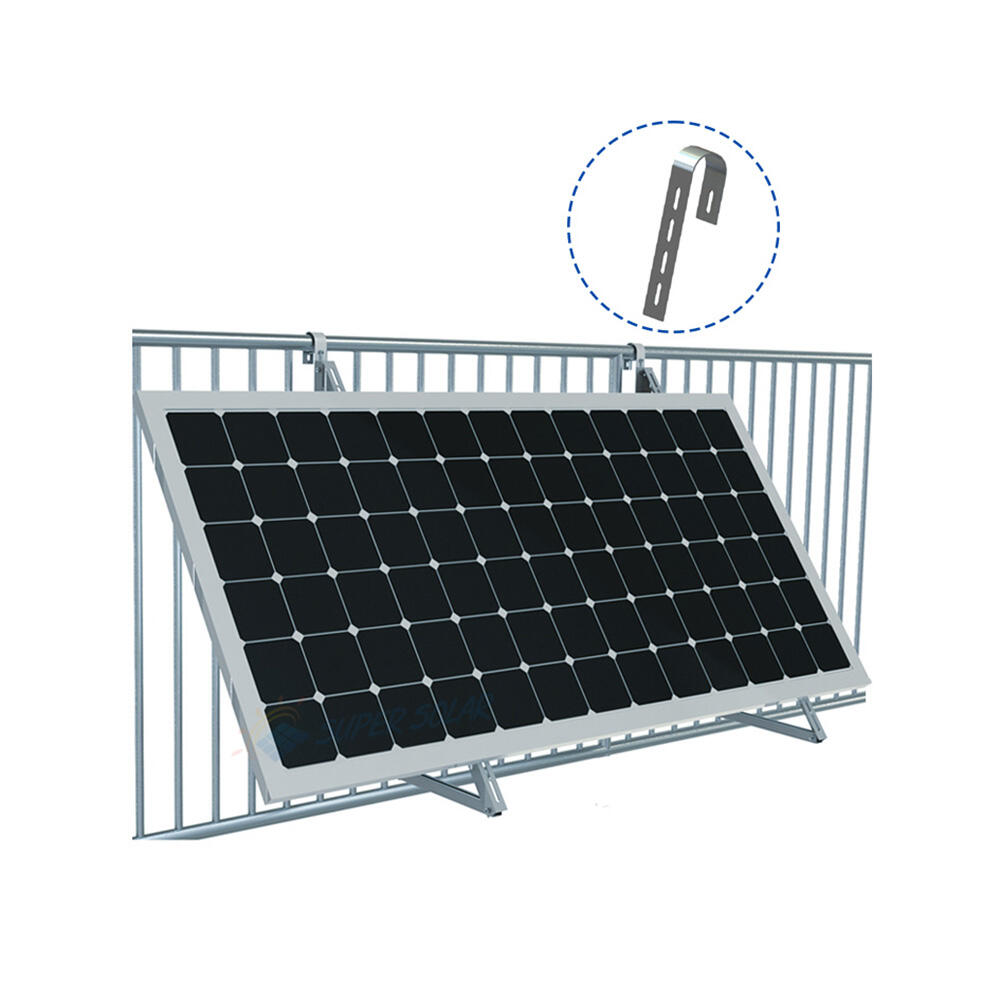
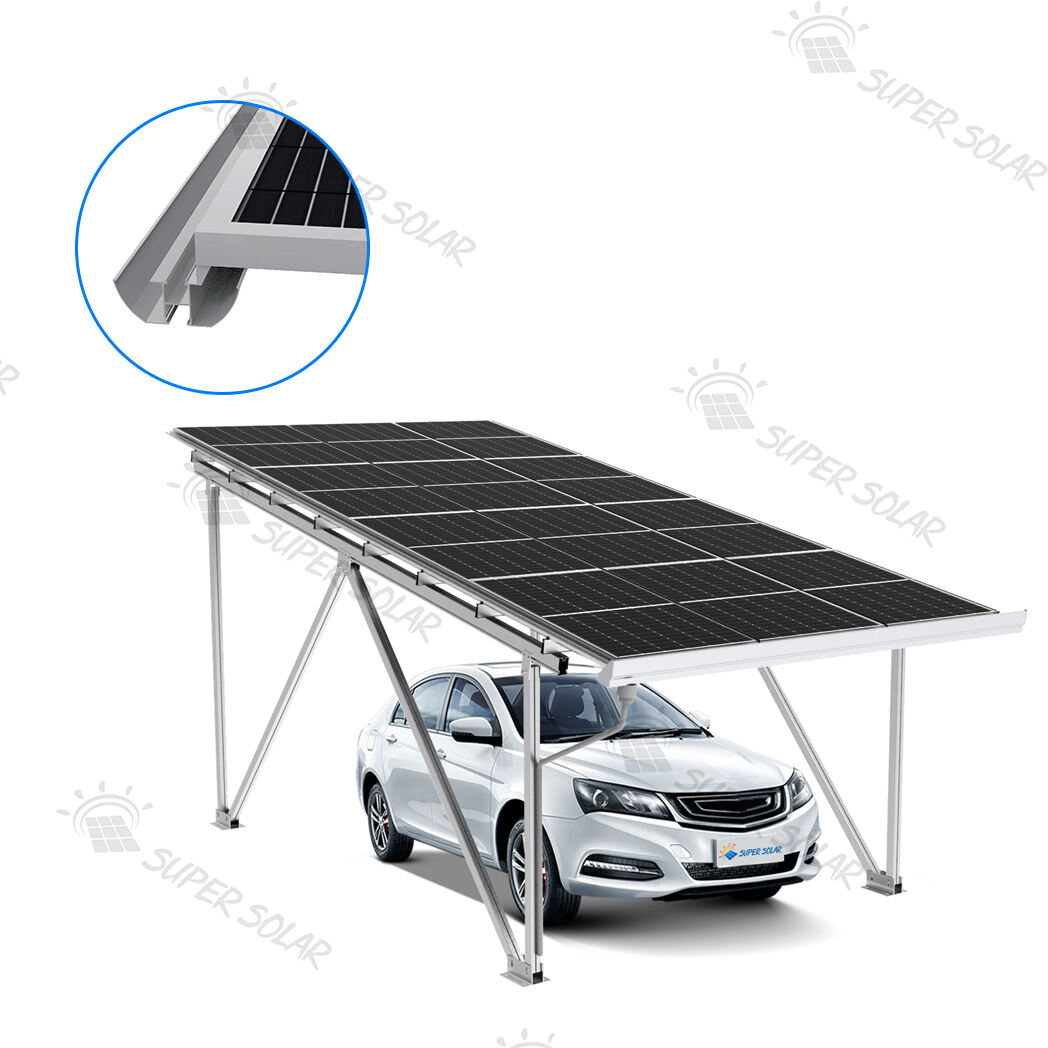
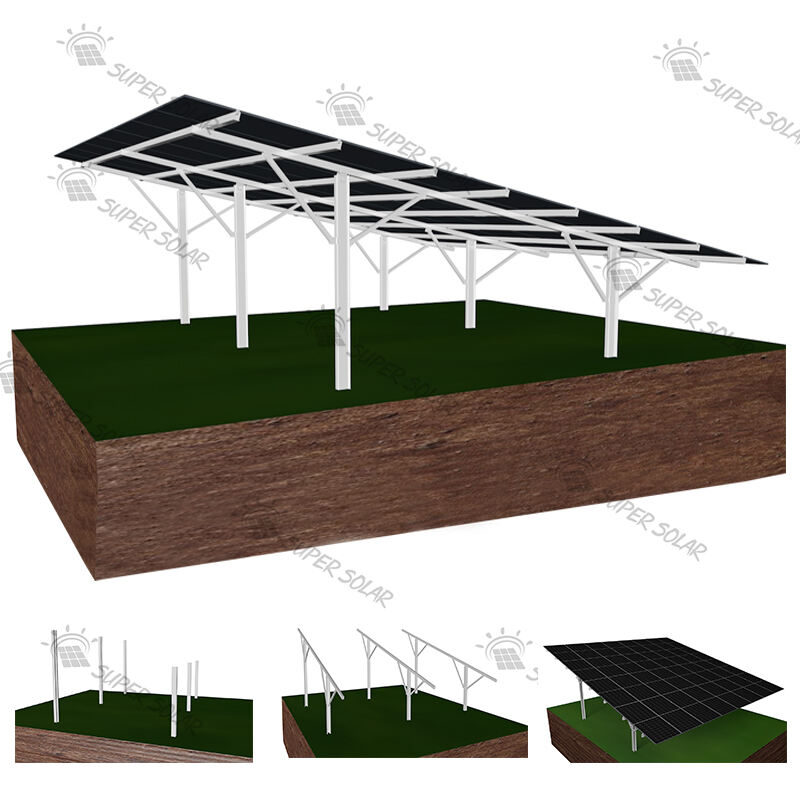
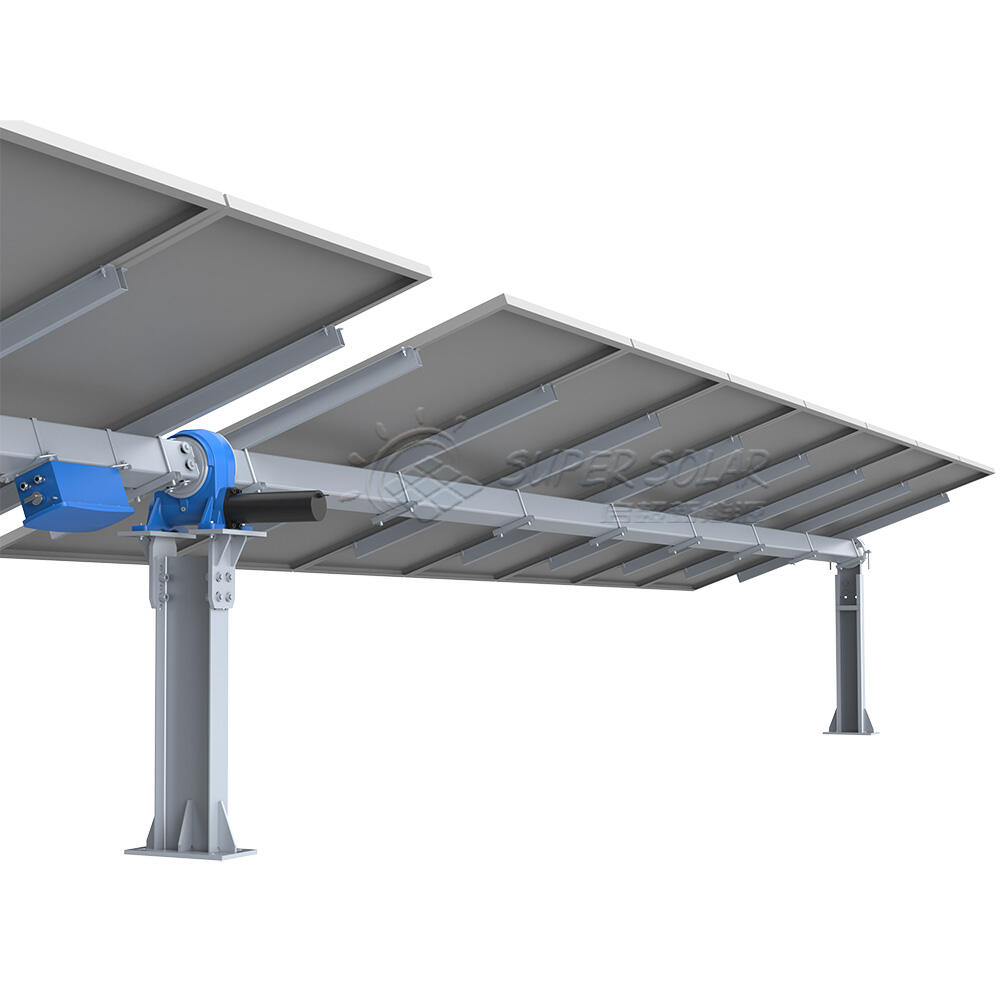
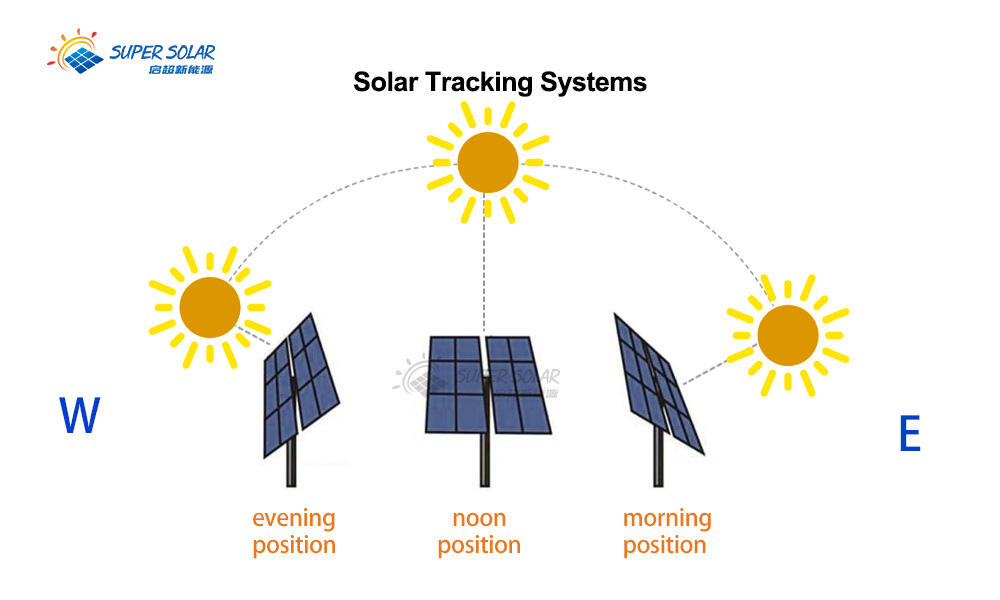
The adjustable solar panel mounting rack represents a revolutionary advancement in solar energy infrastructure, designed to optimize photovoltaic system performance through intelligent positioning capabilities. This sophisticated mounting solution enables solar panels to track the sun's movement throughout the day, significantly enhancing energy capture efficiency compared to traditional fixed installations. The adjustable solar panel mounting rack incorporates precision engineering with weather-resistant materials, ensuring long-term durability while maintaining operational flexibility. These systems feature robust aluminum or steel construction with corrosion-resistant coatings, designed to withstand extreme weather conditions including high winds, snow loads, and temperature fluctuations. The technological foundation of adjustable solar panel mounting rack systems includes advanced servo motors, GPS tracking sensors, and intelligent control algorithms that automatically calculate optimal panel positioning based on solar trajectory data. Installation versatility stands as a key characteristic, with configurations suitable for ground-mounted arrays, rooftop installations, and commercial solar farms. The adjustable solar panel mounting rack accommodates various panel sizes and weights, supporting both residential and industrial applications. Modern versions integrate smart monitoring capabilities, allowing remote system management through mobile applications or web interfaces. Safety features include automatic storm protection modes that reposition panels to minimize wind resistance during severe weather events. The modular design of adjustable solar panel mounting rack systems facilitates easy expansion and maintenance, reducing long-term operational costs. Energy output improvements typically range from fifteen to thirty-five percent compared to fixed installations, depending on geographic location and seasonal variations. These mounting solutions support sustainable energy goals while providing measurable return on investment through increased power generation efficiency and reduced energy costs over the system's operational lifetime.
 EN
EN