Professional Solar Panel Mounting Systems - Durable Installation Solutions for Maximum Energy Efficiency

All Categories

solar panel mounting

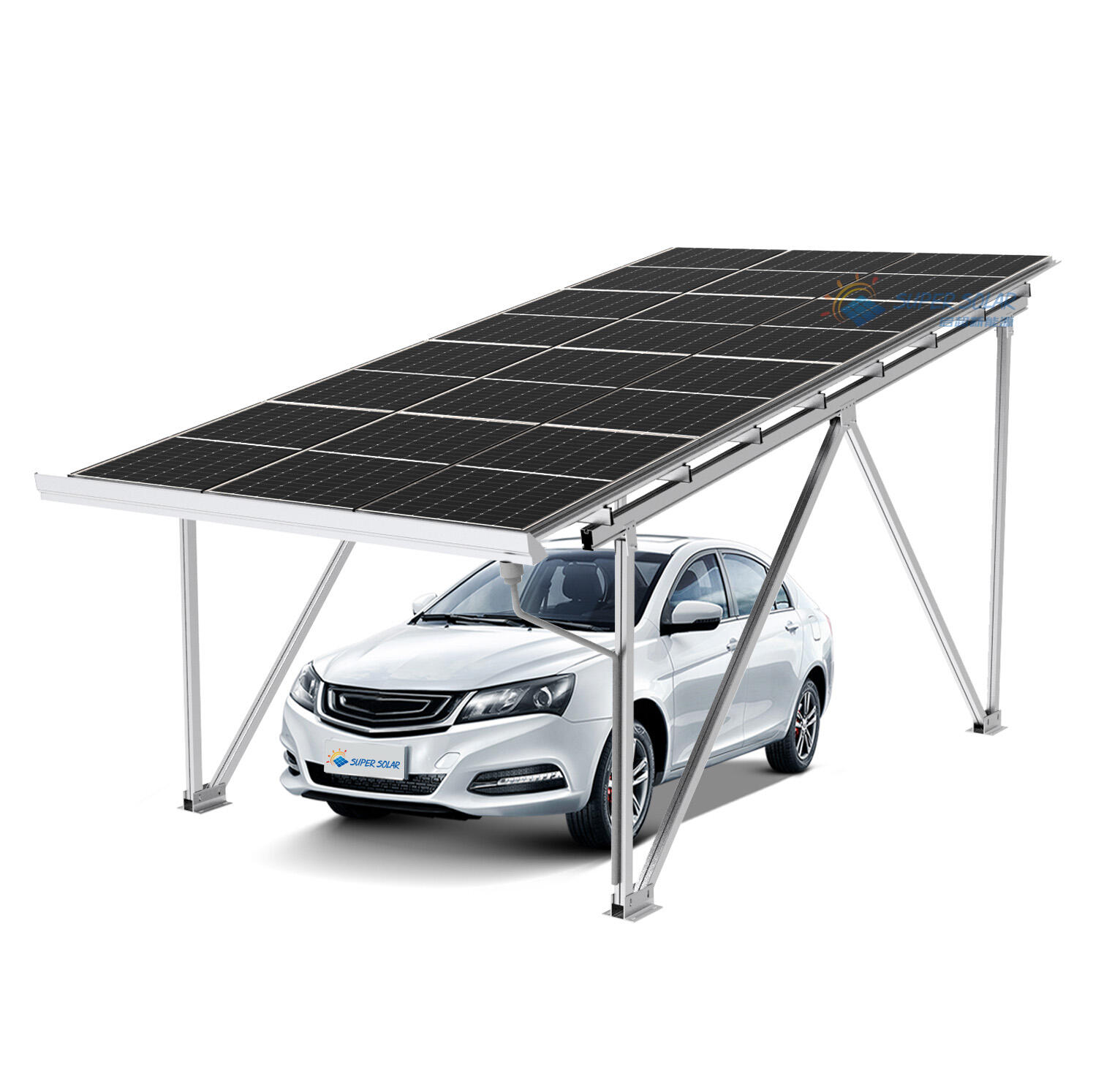
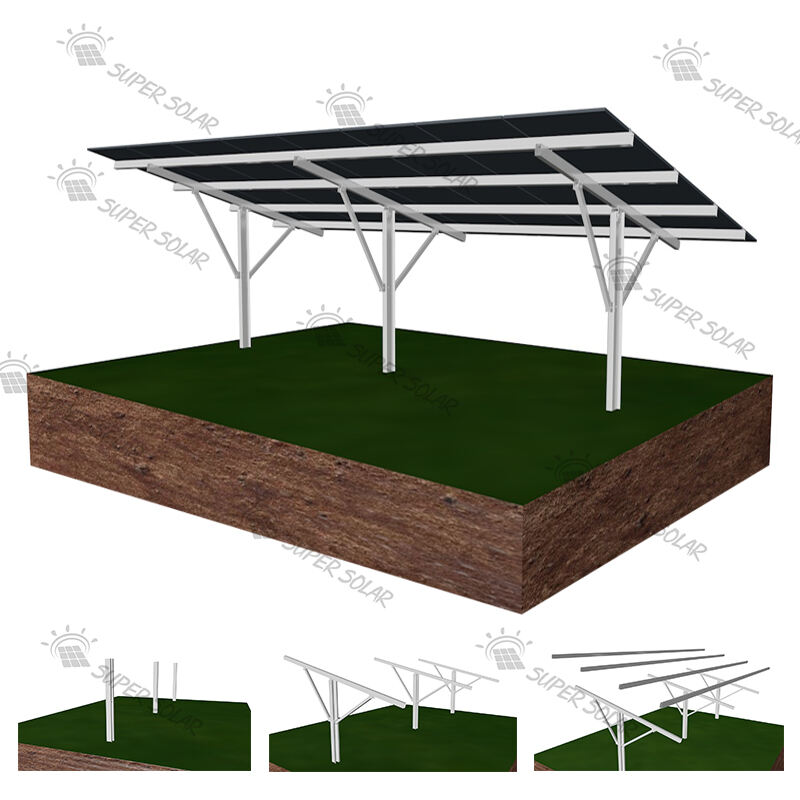
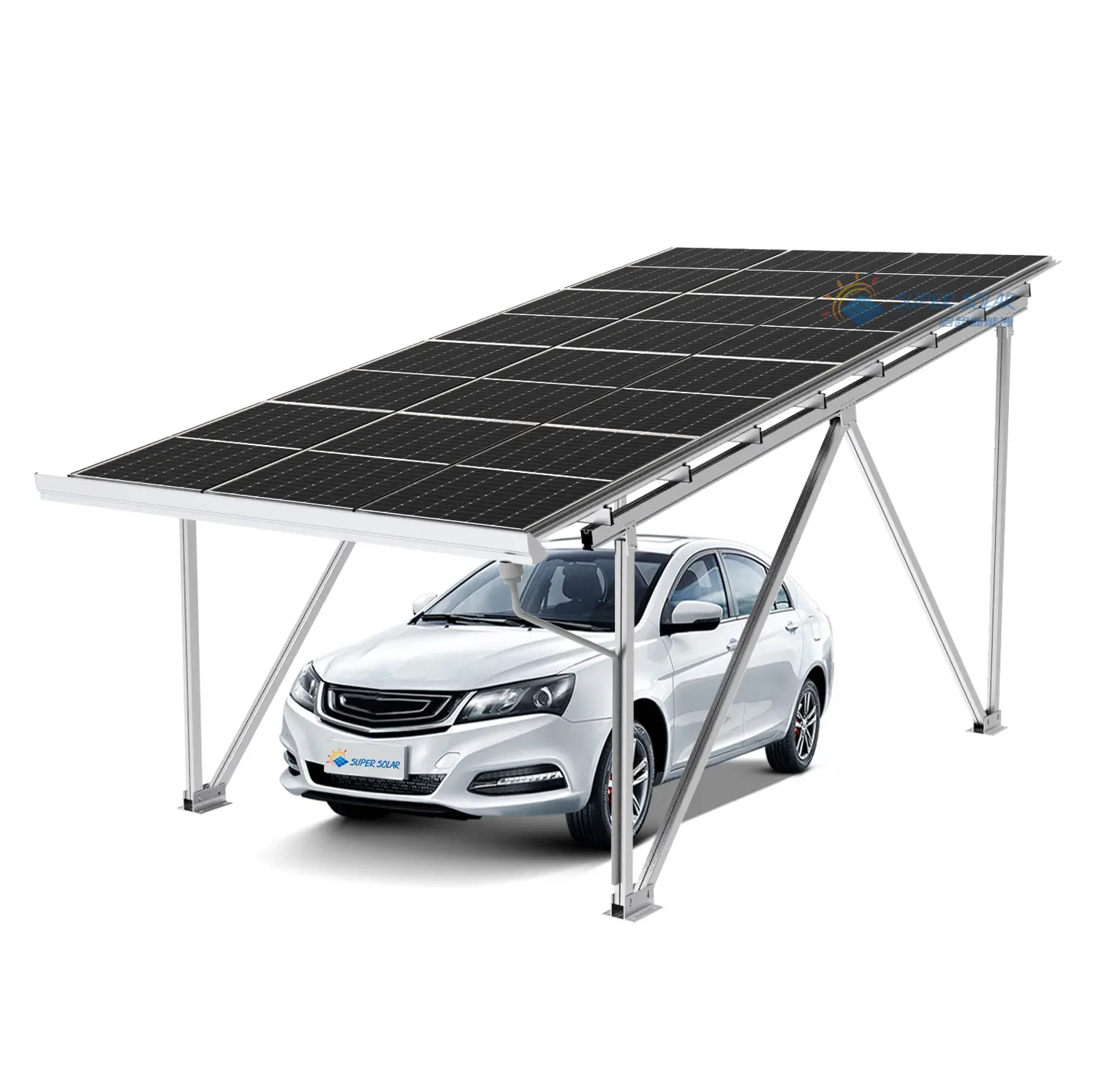
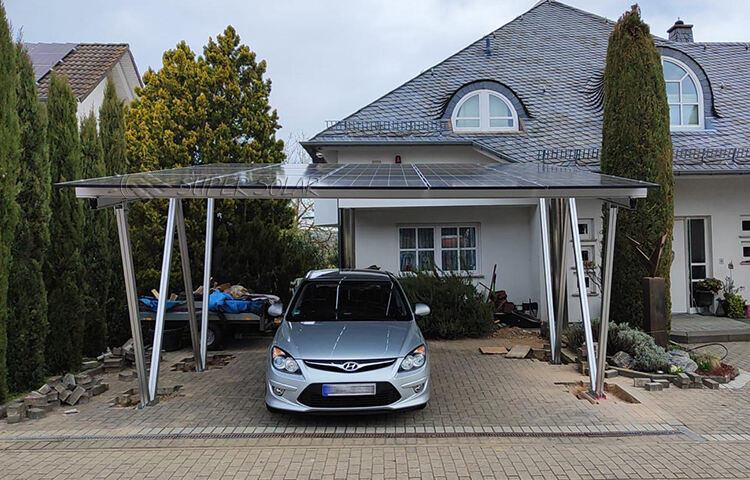
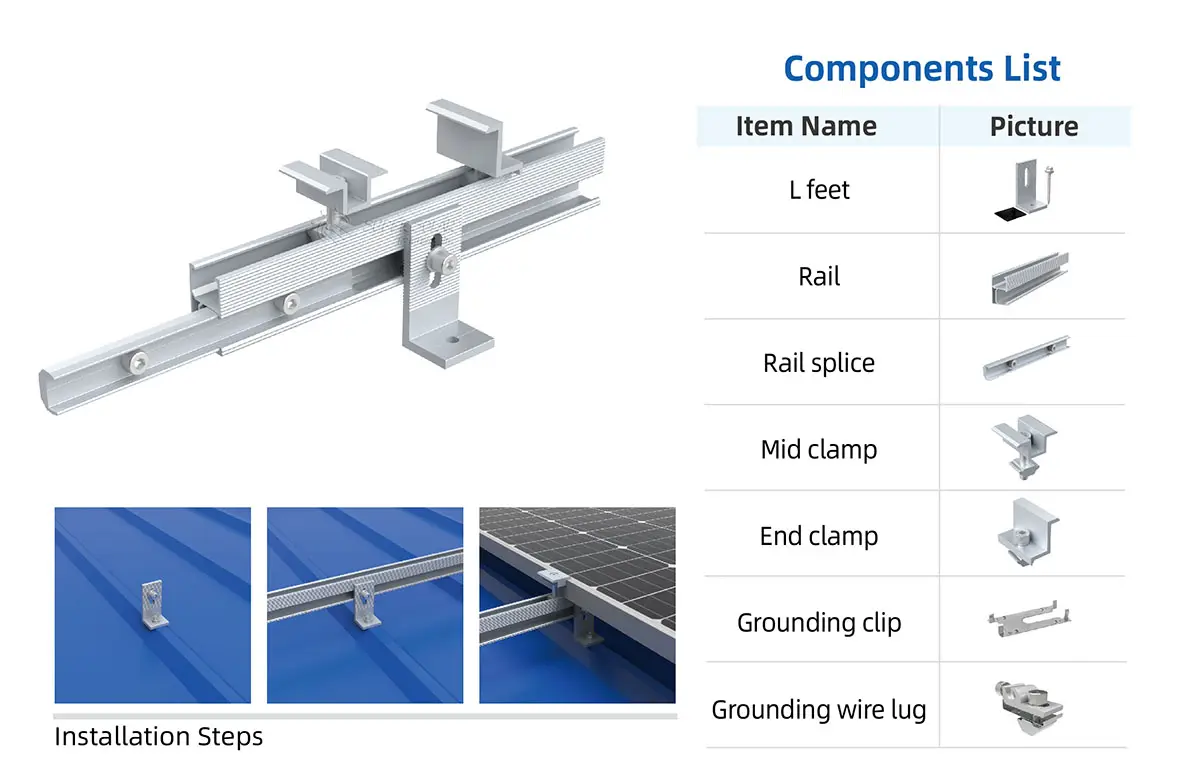
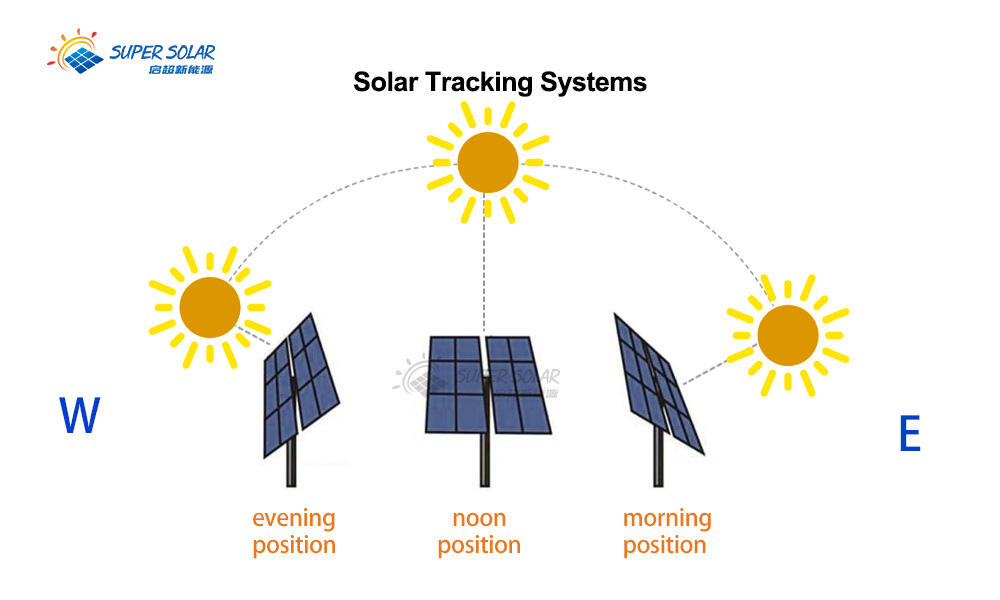
Solar panel mounting systems serve as the critical foundation that securely attaches photovoltaic panels to various surfaces, ensuring optimal energy generation and long-term stability. These essential components act as the bridge between renewable energy technology and practical installation, enabling property owners to harness solar power effectively across residential, commercial, and industrial applications. The primary function of solar panel mounting involves creating a robust structural connection that withstands environmental challenges while positioning panels at the correct angle for maximum sun exposure. Modern mounting systems incorporate advanced engineering principles to distribute weight evenly, prevent water infiltration, and accommodate thermal expansion that occurs during temperature fluctuations. Technological features of contemporary solar panel mounting include corrosion-resistant materials such as anodized aluminum and stainless steel hardware, which provide decades of reliable performance without degradation. Many systems feature adjustable tilt mechanisms that allow installers to optimize panel orientation based on geographic location and seasonal variations. Quick-connect components streamline installation processes, reducing labor costs and minimizing roof penetrations. Grounding provisions ensure electrical safety compliance while maintaining system integrity. Applications span diverse environments including pitched rooftops, flat commercial buildings, ground-mounted arrays, and specialized installations like carports or tracking systems. Agricultural applications utilize mounting solutions for agrivoltaic projects that combine farming with solar energy production. Floating solar installations employ specialized mounting technology for water-based projects. The versatility of solar panel mounting systems enables adaptation to virtually any surface or structure, from residential homes to large-scale utility projects. Advanced designs incorporate features like integrated cable management, pre-assembled components, and compatibility with various panel sizes and weights. Installation flexibility allows for both portrait and landscape panel orientations, accommodating different aesthetic preferences and structural requirements.

New Product Recommendations

Solar panel mounting systems deliver substantial cost savings by protecting your initial investment through secure, weather-resistant installation that prevents expensive damage from wind, rain, or snow loads. Property owners experience reduced maintenance expenses because quality mounting hardware requires minimal upkeep while ensuring panels remain properly positioned for optimal energy production throughout their 25-year lifespan. Professional installation using appropriate mounting equipment typically completes faster than alternative methods, reducing labor costs and minimizing disruption to daily activities. The structural integrity provided by engineered mounting solutions protects both panels and building surfaces from damage, eliminating costly repairs that result from inadequate support systems. Energy efficiency improvements occur when mounting systems position panels at optimal angles, increasing electricity generation by up to 30 percent compared to suboptimal installations. This enhanced performance translates directly into higher energy bill savings and faster return on investment. Durability represents another significant advantage, as premium mounting materials resist corrosion, UV degradation, and thermal cycling that would otherwise compromise system performance over time. Warranty protection extends to mounting components, providing peace of mind and financial security for decades. Flexibility in design allows mounting systems to accommodate future expansion, enabling property owners to add panels without reinstalling existing hardware. Universal compatibility means mounting solutions work with most panel brands and sizes, preventing obsolescence and simplifying replacement procedures. Safety benefits include proper grounding systems that protect against electrical hazards while secure attachment prevents panels from becoming projectiles during severe weather events. Professional mounting systems meet building codes and insurance requirements, avoiding potential coverage issues or legal complications. Environmental advantages emerge through recycled aluminum construction and end-of-life recyclability that supports sustainability goals. Aesthetic improvements result from clean, streamlined installations that enhance property appearance rather than detracting from architectural design. Quick installation processes minimize roof exposure time, reducing weather-related risks during setup. Modular components allow for easy service access without disturbing adjacent panels, streamlining maintenance procedures when required.

Practical Tips

Top Carport Solar Design Ideas for 2025

24

Nov

Top Carport Solar Design Ideas for 2025

Exploring the Rise of Carport Solar The growing interest in clean energy is reshaping how people view everyday spaces, and one of the most versatile solutions emerging today is Carport Solar. Unlike traditional panels installed solely on rooftops, C...
View More
Why Choose a Carport Photovoltaique for Residential Solar Solutions?

22

Jul

Why Choose a Carport Photovoltaique for Residential Solar Solutions?

Environmental Impact of Carport Photovoltaique Systems Reducing Carbon Footprint with Solar Energy Carport photovoltaic systems are instrumental in significantly diminishing our reliance on fossil fuels, which in turn lowers greenhouse gas emissions...
View More
Why L Feet Are the Most Cost-Effective Solar Mounting Solution for Metal Roofs

23

Sep

Why L Feet Are the Most Cost-Effective Solar Mounting Solution for Metal Roofs

Cost comparison with other mounting systems Comparing material costs across different solutions When evaluating solar mounting systems, one of the first considerations is material cost. L Feet stand out because they use less material while maintaini...
View More
Smart Control in One Axis Trackers: Boosting Solar Efficiency

24

Nov

Smart Control in One Axis Trackers: Boosting Solar Efficiency

Revolutionizing Solar Energy Generation Through Intelligent Tracking Systems The solar energy industry continues to evolve rapidly, with one axis trackers emerging as a game-changing technology that maximizes energy capture and system efficiency. The...
View More

Leave Message

Our representative will contact you soon.
Email
Name
Company Name
Message
0/1000

solar panel mounting

Advanced Weather Protection Technology

Advanced Weather Protection Technology

Solar panel mounting systems incorporate sophisticated weather protection technology that ensures reliable performance under extreme environmental conditions, providing property owners with confidence in their renewable energy investment regardless of climate challenges. Engineering innovations include specialized drainage channels that prevent water accumulation around mounting points, eliminating the risk of ice damage during freeze-thaw cycles that can compromise structural integrity. Anti-corrosion treatments applied to all metal components resist salt spray, acid rain, and industrial pollutants that would otherwise degrade mounting hardware over time. Wind load calculations built into mounting design accommodate hurricane-force winds exceeding 150 mph, ensuring panels remain securely attached during severe weather events that might damage improperly mounted systems. Thermal expansion joints accommodate the natural growth and contraction of materials during temperature fluctuations, preventing stress fractures that could lead to mounting failure. Waterproof sealing technology protects roof penetrations from moisture infiltration, maintaining building envelope integrity while supporting heavy solar installations. Snow load engineering ensures mounting systems support accumulated winter precipitation without compromising structural stability or panel positioning. UV-resistant materials maintain mounting system integrity despite decades of intense sunlight exposure that degrades inferior products. Lightning protection integration provides safe electrical pathways that protect both mounting hardware and connected panels from surge damage during thunderstorms. Seismic engineering considerations enable mounting systems to flex appropriately during ground movement, preventing rigid connections that might fail during earthquakes. Quality mounting systems undergo rigorous testing protocols that simulate decades of weather exposure in accelerated laboratory conditions, validating performance claims before market introduction. Professional installation techniques create weatherproof assemblies that maintain protection standards throughout the system's operational lifetime, ensuring consistent performance regardless of environmental challenges.
Precision Engineering for Maximum Efficiency

Precision Engineering for Maximum Efficiency

Precision engineering in solar panel mounting systems optimizes energy production through carefully calculated angles, spacing, and orientation that maximize photovoltaic performance while minimizing installation complexity and long-term maintenance requirements. Mathematical modeling determines optimal tilt angles based on geographic latitude, ensuring panels capture maximum solar radiation throughout seasonal variations that affect energy generation potential. Adjustable mounting mechanisms enable fine-tuning of panel positions after installation, allowing for performance optimization as vegetation grows or nearby structures change the solar access profile. Precision spacing calculations prevent self-shading between panel rows while maximizing array density within available space, increasing overall system capacity without expanding installation footprint. Engineered tracking compatibility allows mounting systems to accommodate motorized tracking mechanisms that follow the sun's path, increasing energy production by up to 25 percent compared to fixed installations. Micro-inverter integration provisions enable optimized electrical connections that maximize energy harvest from each individual panel, preventing single panel issues from affecting entire array performance. Aerodynamic design principles minimize wind resistance that could create uplift forces, reducing structural loading requirements while maintaining secure attachment under high-wind conditions. Thermal management features include ventilation channels that promote air circulation behind panels, preventing overheating that reduces electrical efficiency and shortens component lifespan. Precision manufacturing tolerances ensure consistent fit and finish across all mounting components, eliminating installation delays caused by mismatched parts or requiring field modifications. Quality control processes verify dimensional accuracy and material properties before shipping, guaranteeing mounting systems meet strict performance specifications. Ground-fault protection integration enables rapid electrical disconnection if mounting system integrity becomes compromised, preventing safety hazards while protecting equipment from damage. Professional design software assists installers in creating optimal layouts that balance aesthetic considerations with maximum energy production potential, ensuring customer satisfaction with both performance and appearance of completed installations.
Versatile Installation Compatibility

Versatile Installation Compatibility

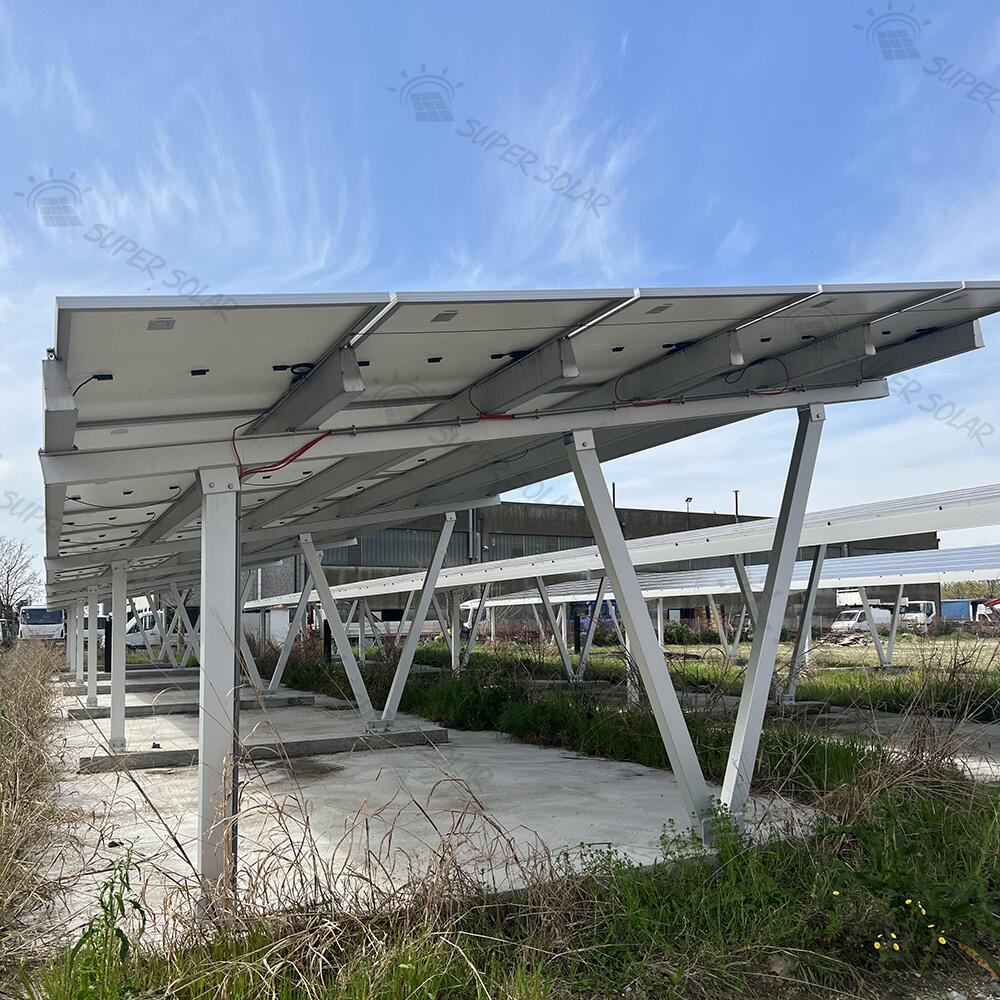
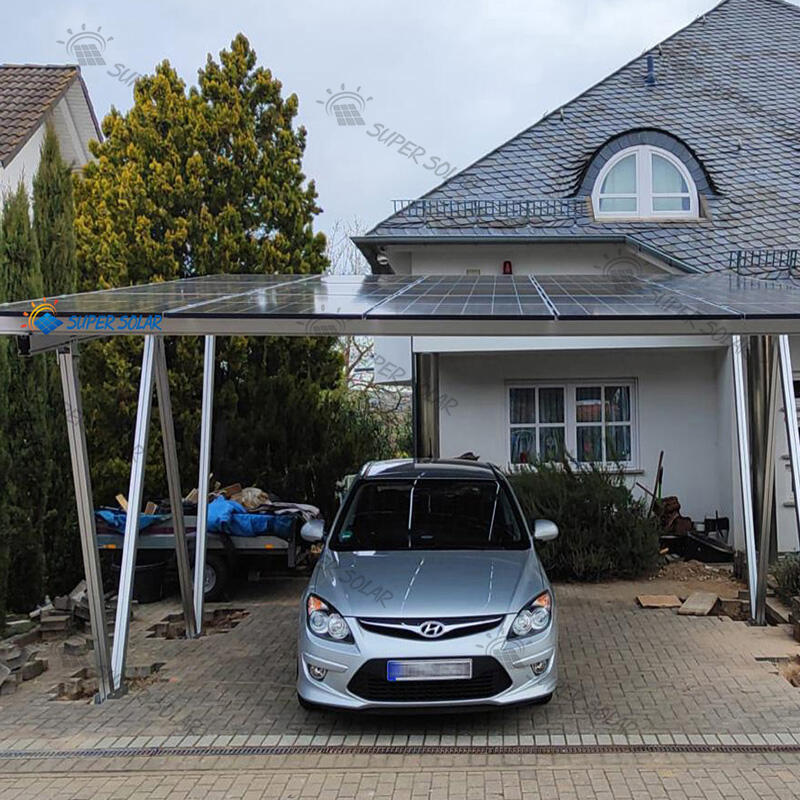
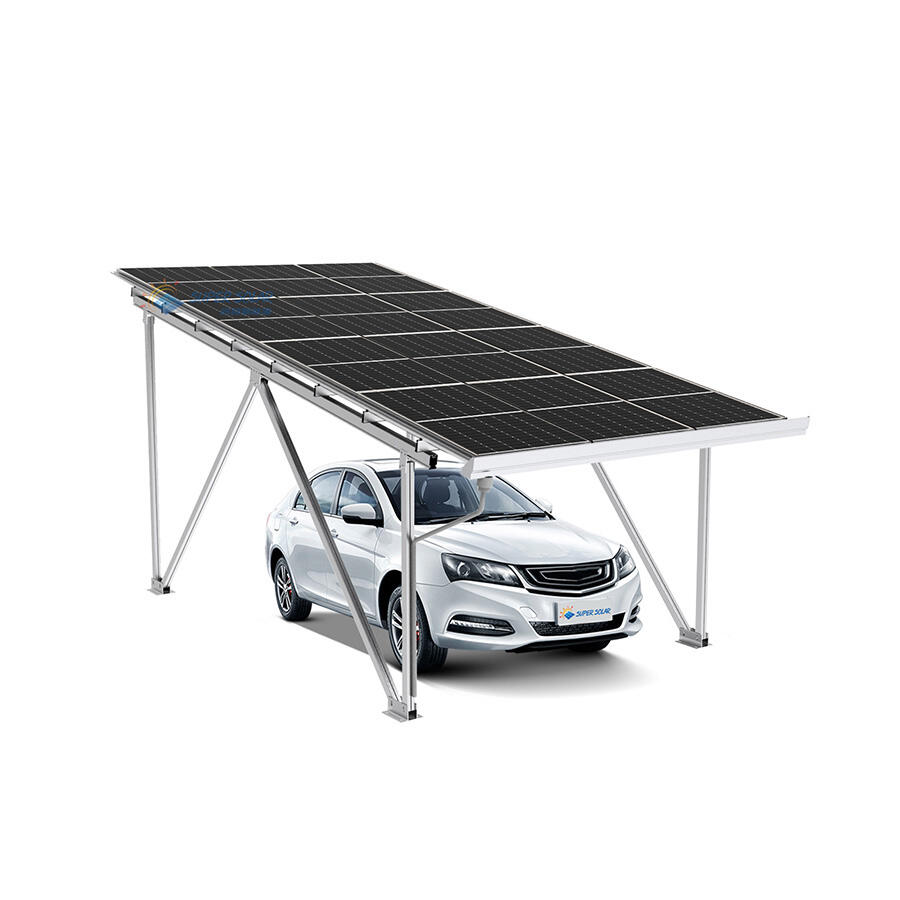
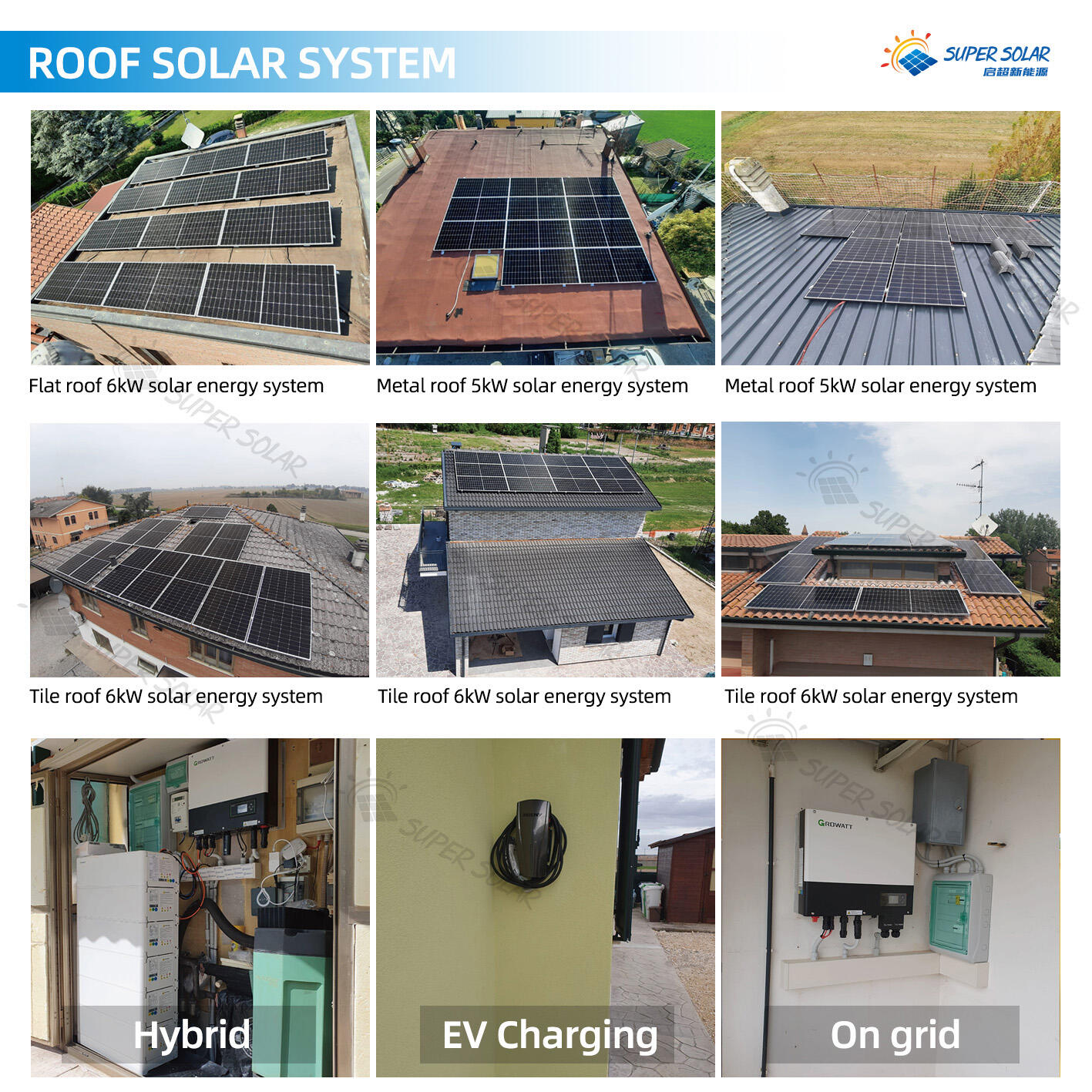
Solar panel mounting systems demonstrate exceptional versatility through compatibility with diverse roof types, panel configurations, and installation environments, enabling renewable energy adoption across virtually any building or property type without compromising performance or structural integrity. Roof compatibility spans composition shingles, metal roofing, tile installations, flat membrane systems, and standing seam profiles, with specialized mounting solutions designed for each surface type's unique requirements and attachment methods. Structural adaptation capabilities accommodate buildings with varying load-bearing capacities, from lightweight residential construction to heavy commercial buildings, ensuring safe installation regardless of existing building characteristics. Panel compatibility extends across all major manufacturer specifications, including different frame sizes, thicknesses, and mounting hole patterns, preventing obsolescence when panels require replacement or systems need expansion. Ground-mounting versatility enables installations on diverse terrain types, from level yards to sloped hillsides, using adjustable foundations that accommodate uneven surfaces without extensive site preparation. Ballasted mounting options eliminate roof penetrations entirely for flat commercial roofs where structural attachment might void warranties or create waterproofing concerns. Carport integration transforms parking areas into dual-purpose structures that provide weather protection while generating renewable energy, maximizing property utility without consuming additional land area. Agricultural mounting solutions enable agrivoltaic installations that maintain farming operations beneath elevated panel arrays, creating dual land use that generates both food and energy revenue streams. Retrofit compatibility allows mounting systems to integrate with existing electrical infrastructure and building systems, minimizing installation complexity and reducing upgrade costs. Expansion flexibility enables future system growth through modular mounting designs that accommodate additional panels without reinstalling existing hardware or disrupting established electrical connections. Aesthetic customization options include various color finishes and profiles that complement architectural styles, ensuring solar installations enhance rather than detract from property appearance. Professional installation training and support ensure mounting systems perform optimally regardless of installer experience level, maintaining consistent quality across diverse installation teams and geographic regions while meeting all applicable building codes and safety requirements.

Leave Message

Our representative will contact you soon.
Email
Name
Company Name
Message
0/1000