solar panel mounting rails
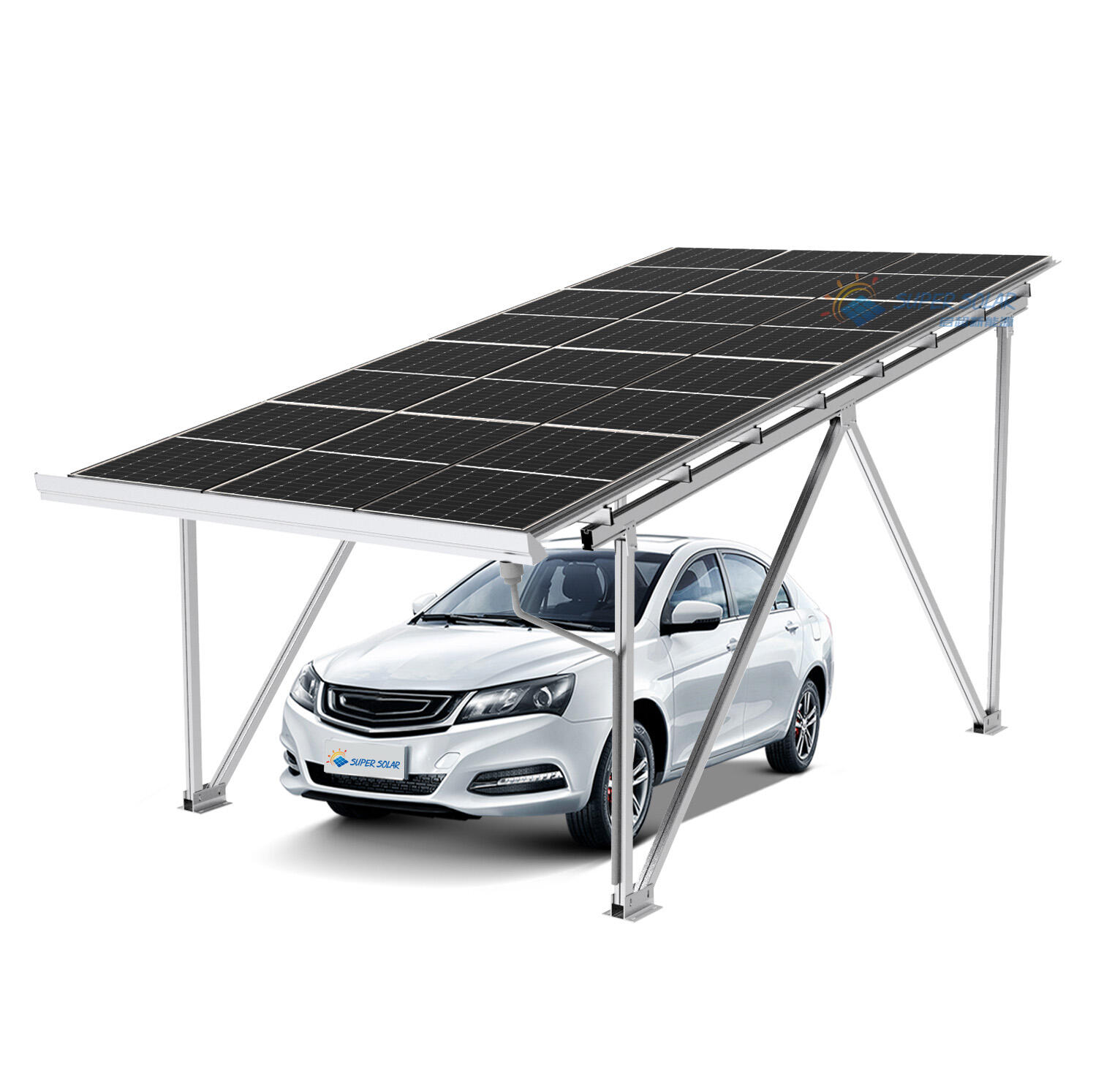
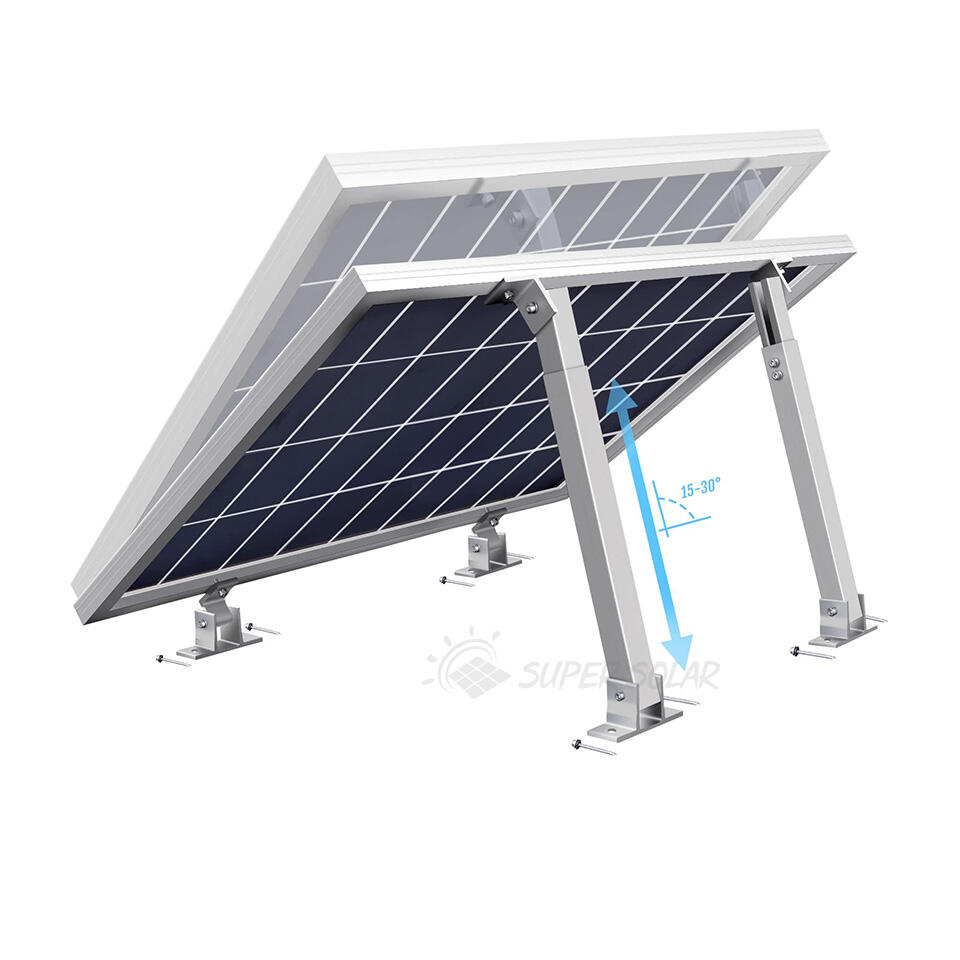
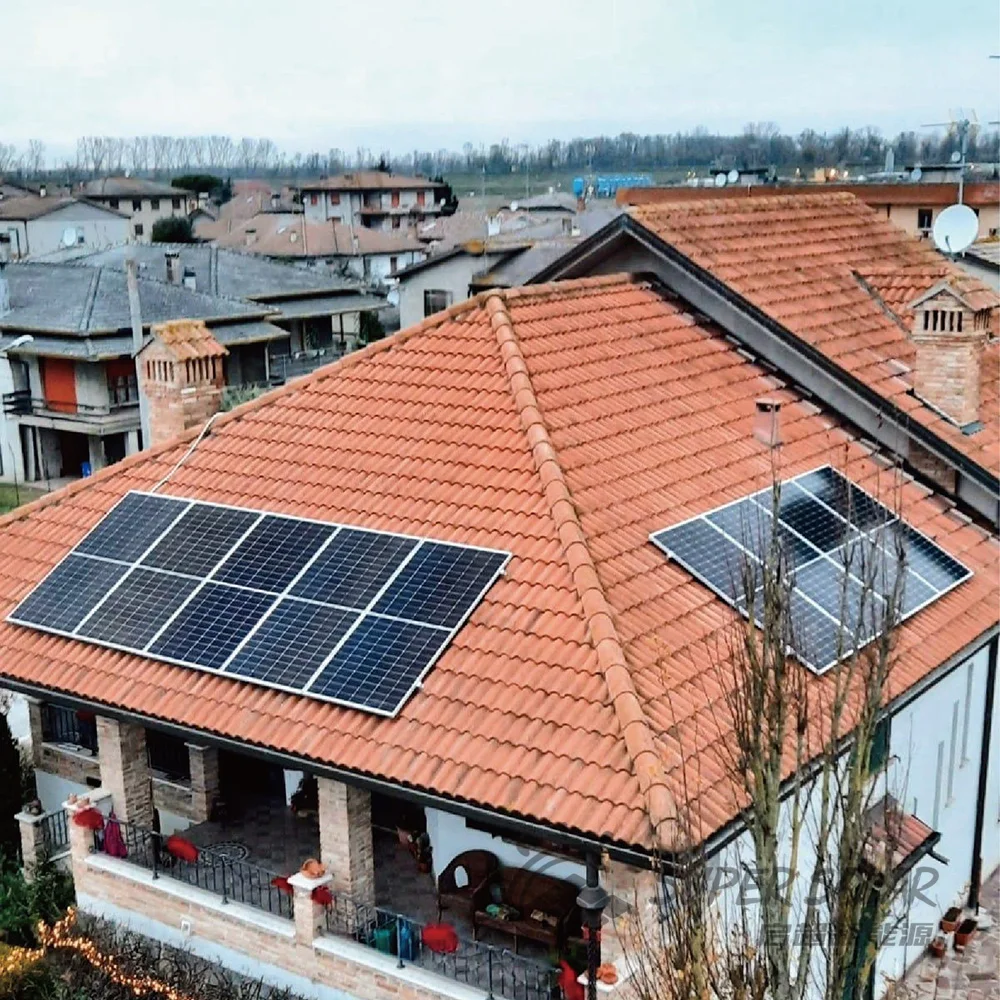
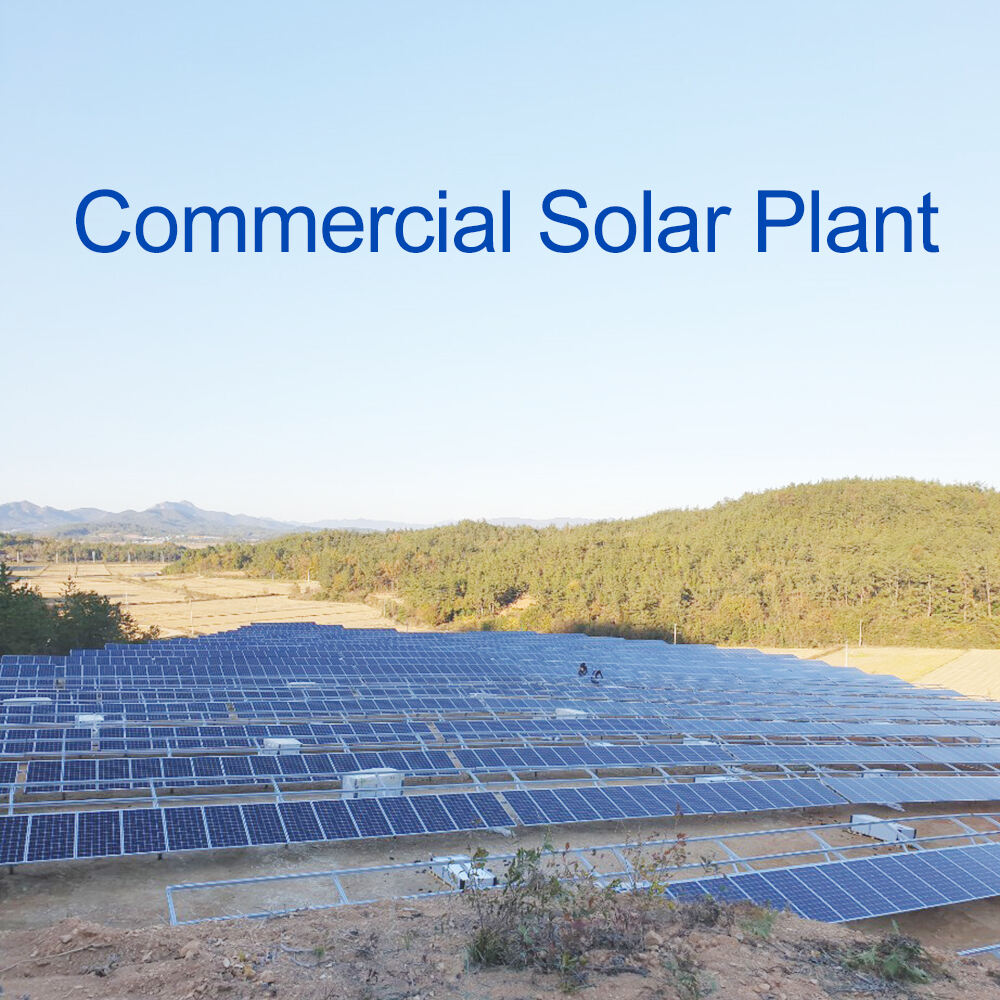
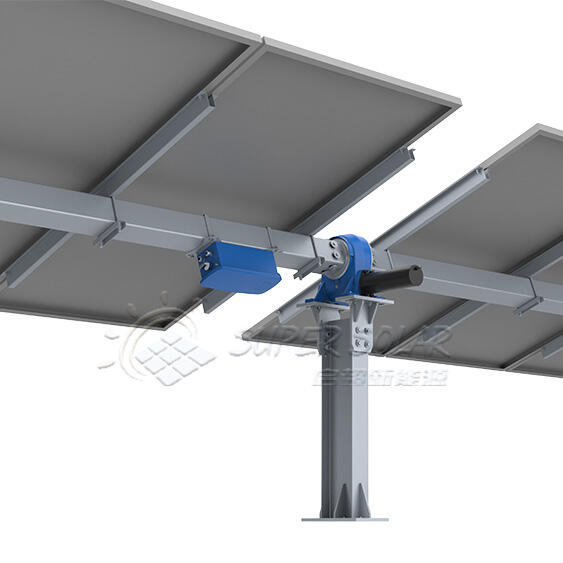
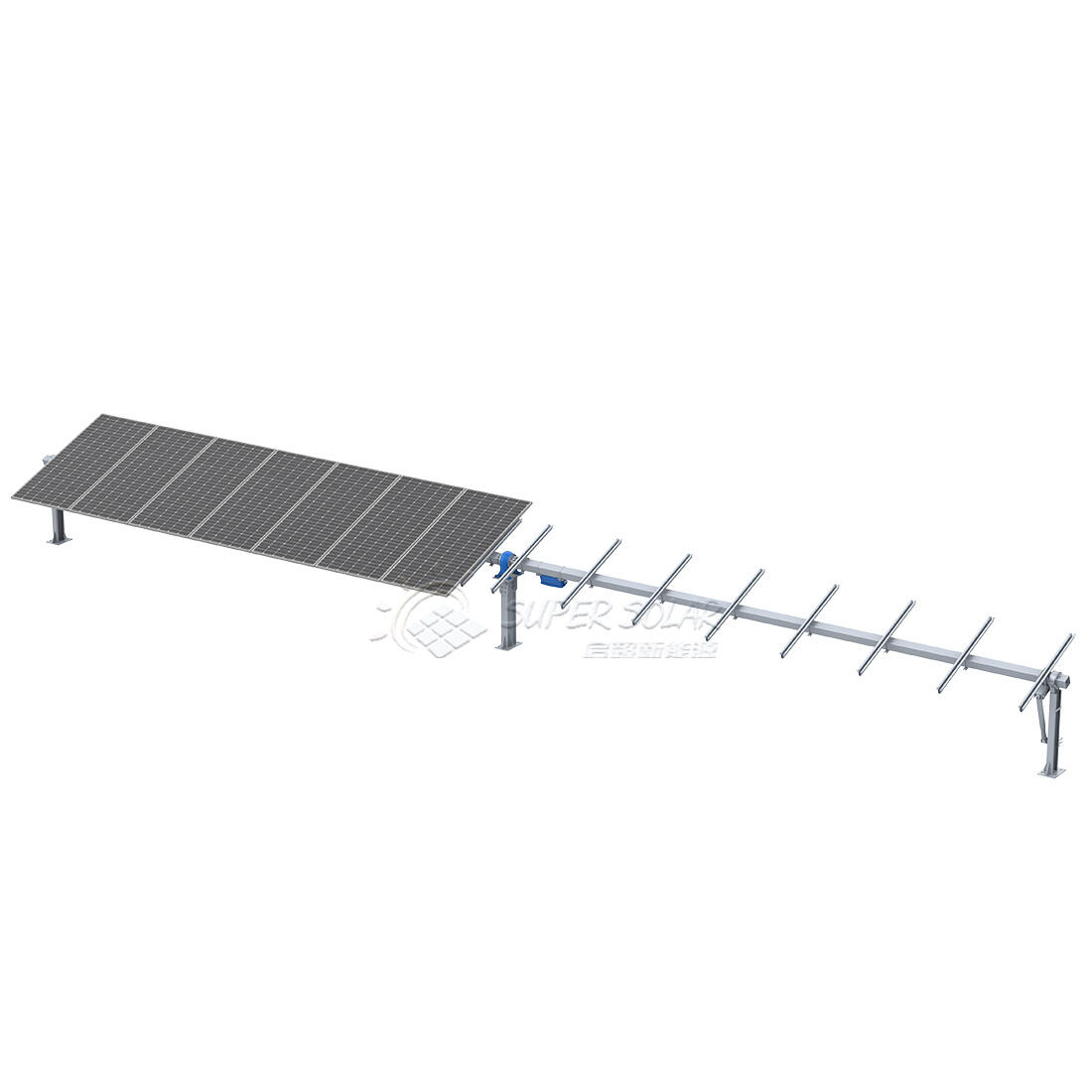
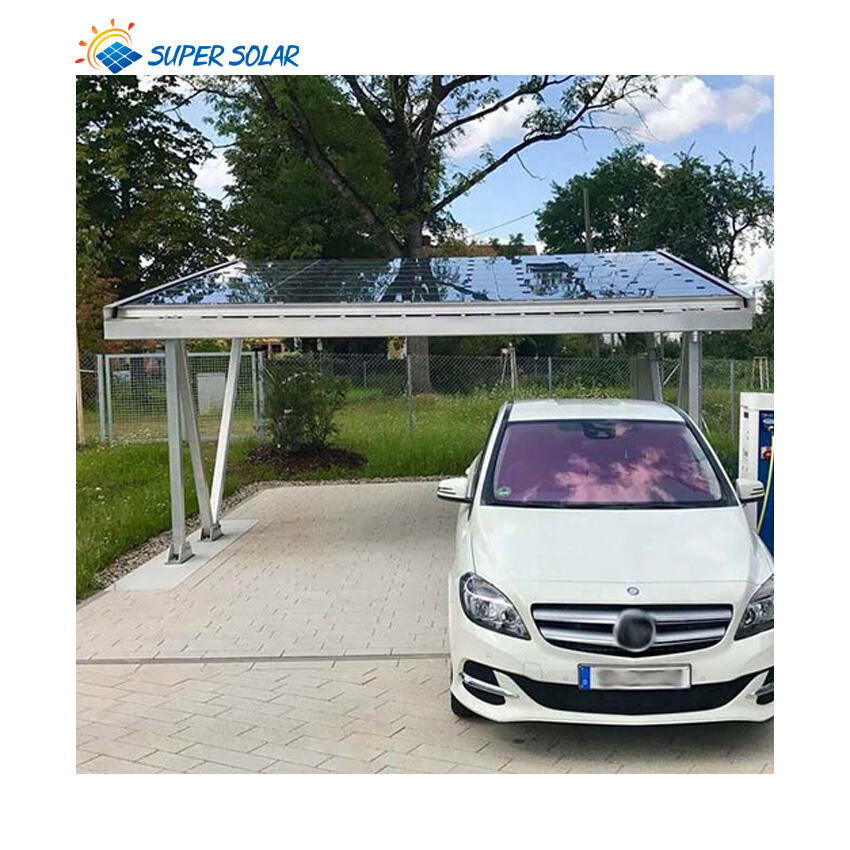
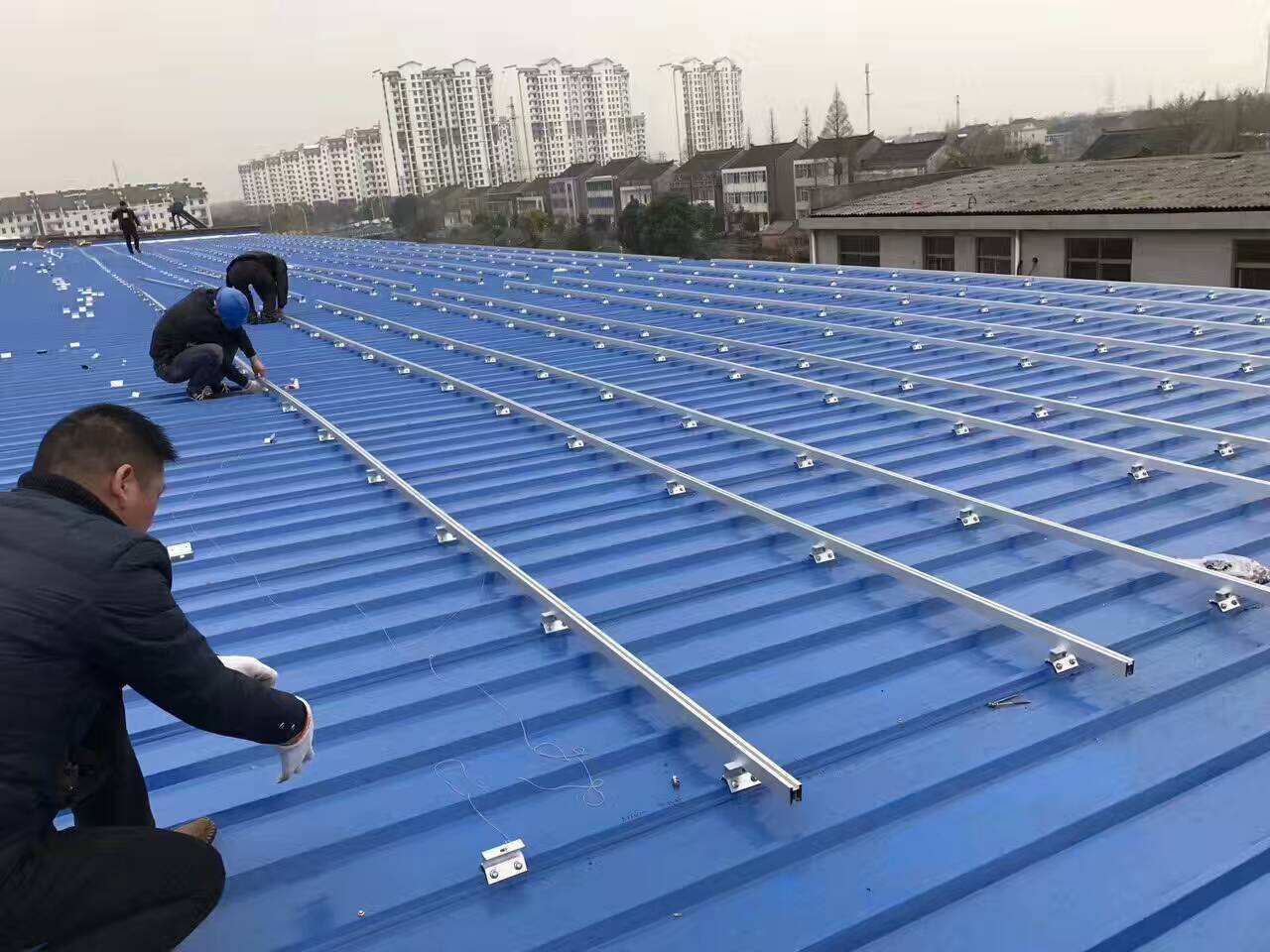
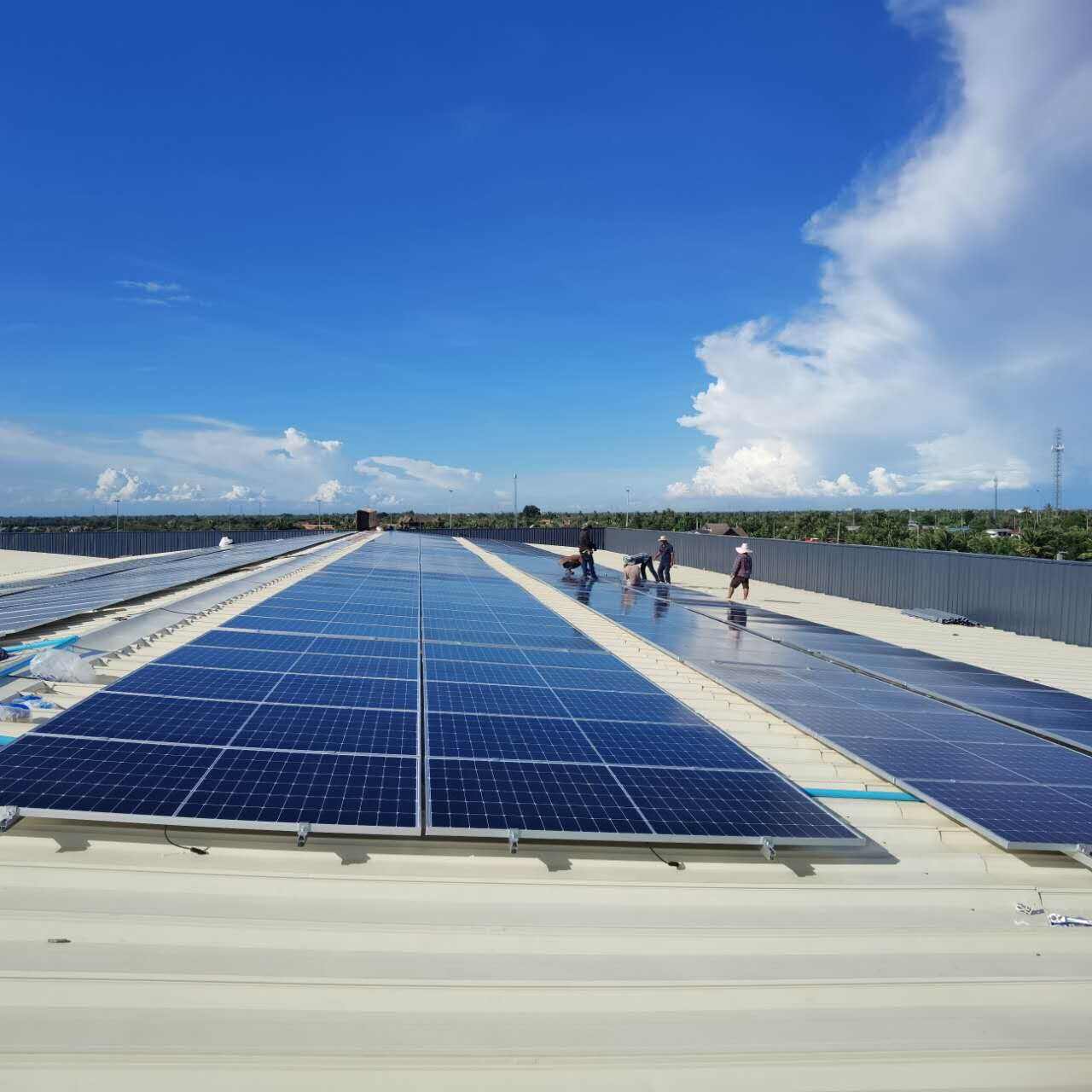
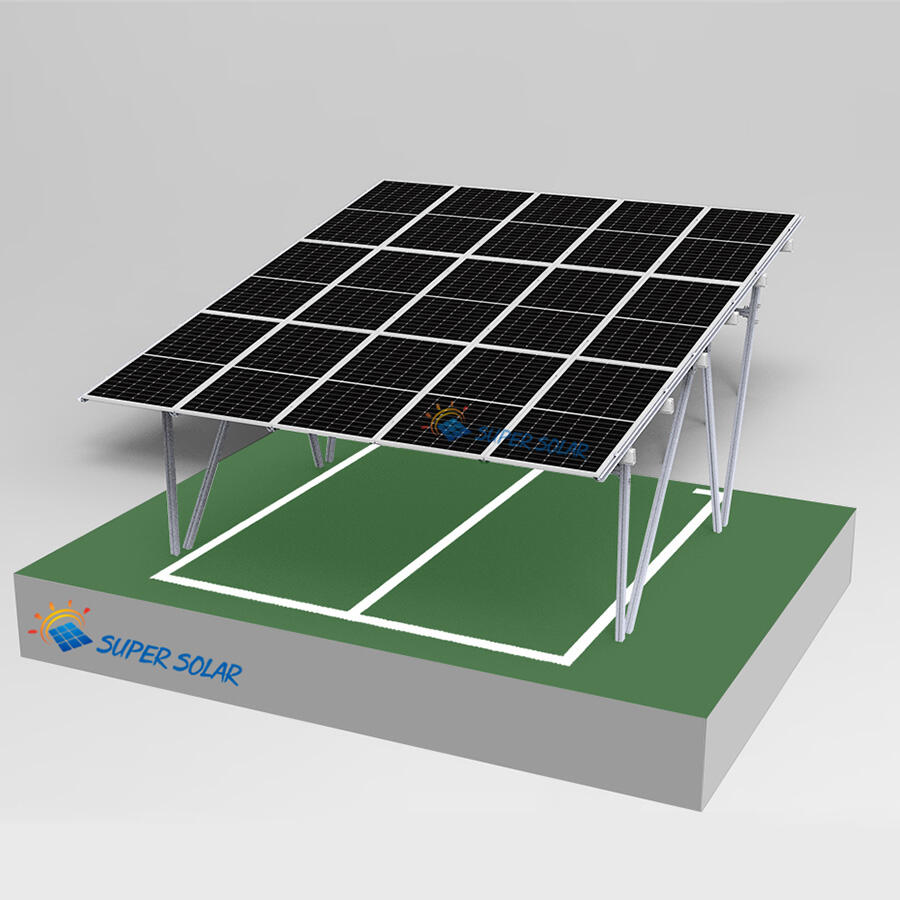
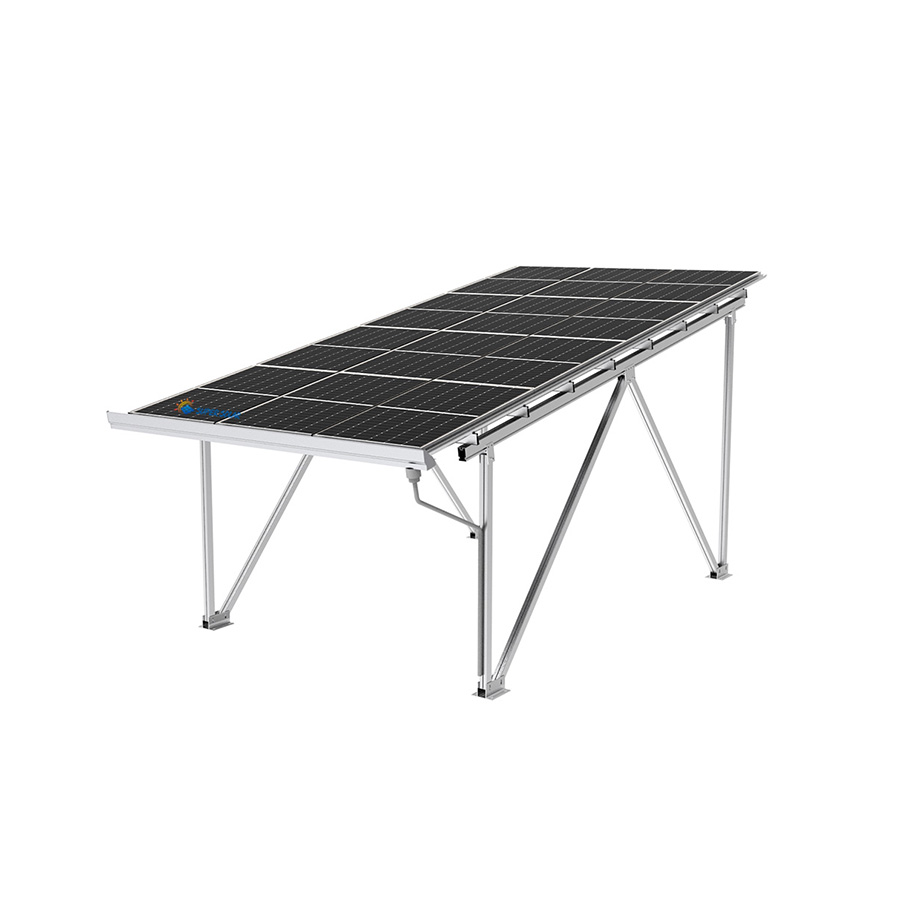
Solar panel mounting rails serve as the backbone of photovoltaic installation systems, providing essential structural support for solar panels across residential, commercial, and industrial applications. These critical components create a secure framework that connects individual solar panels to the underlying mounting structure, whether installed on rooftops, ground-mounted systems, or specialized solar tracking mechanisms. The primary function of solar panel mounting rails involves distributing the weight of solar panels evenly while maintaining proper spacing and alignment for optimal energy generation. These rails are engineered to withstand extreme weather conditions including high winds, heavy snow loads, seismic activity, and temperature fluctuations that could otherwise compromise system integrity. Modern solar panel mounting rails incorporate advanced materials such as anodized aluminum or stainless steel, offering superior corrosion resistance and longevity that matches the 25-year warranty period typical of solar panel systems. The technological features of these mounting rails include precision-engineered slots and channels that accommodate various clamp designs, ensuring compatibility with different solar panel frame dimensions and mounting hardware configurations. Many contemporary solar panel mounting rails feature integrated grounding provisions that simplify electrical connections and ensure compliance with safety codes and regulations. The modular design of these rails allows for flexible system configurations, enabling installers to accommodate irregular roof shapes, varying panel orientations, and future system expansions. Installation efficiency is enhanced through pre-drilled mounting points and standardized connection methods that reduce labor costs and installation time. Quality solar panel mounting rails undergo rigorous testing protocols including load testing, corrosion resistance evaluation, and thermal cycling to ensure long-term performance reliability. These components play a crucial role in maintaining the structural warranty of solar installations while facilitating proper drainage and ventilation around solar panels to prevent moisture accumulation and maximize energy output efficiency.
 EN
EN