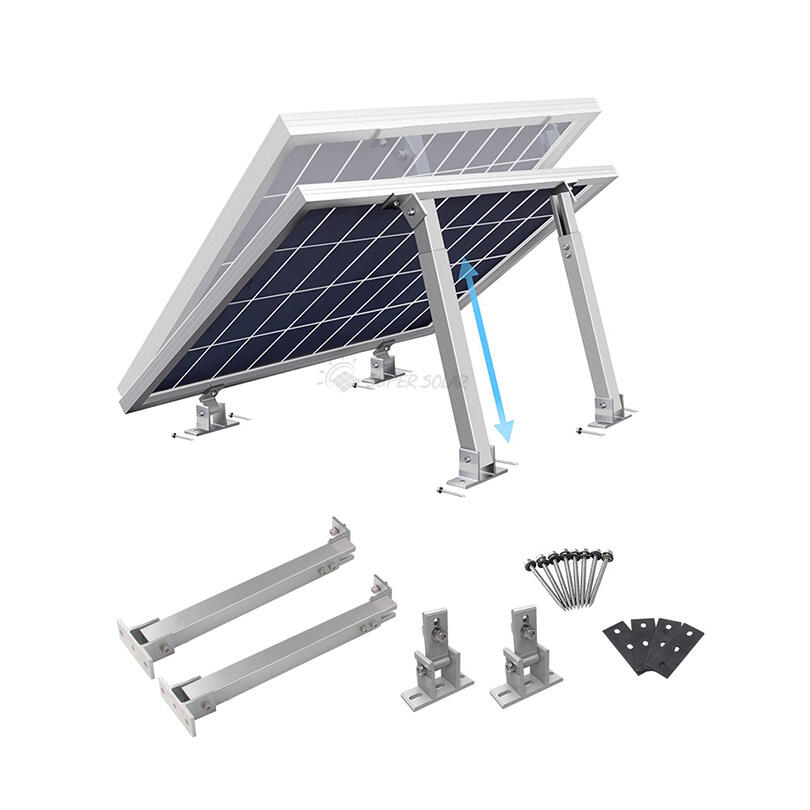
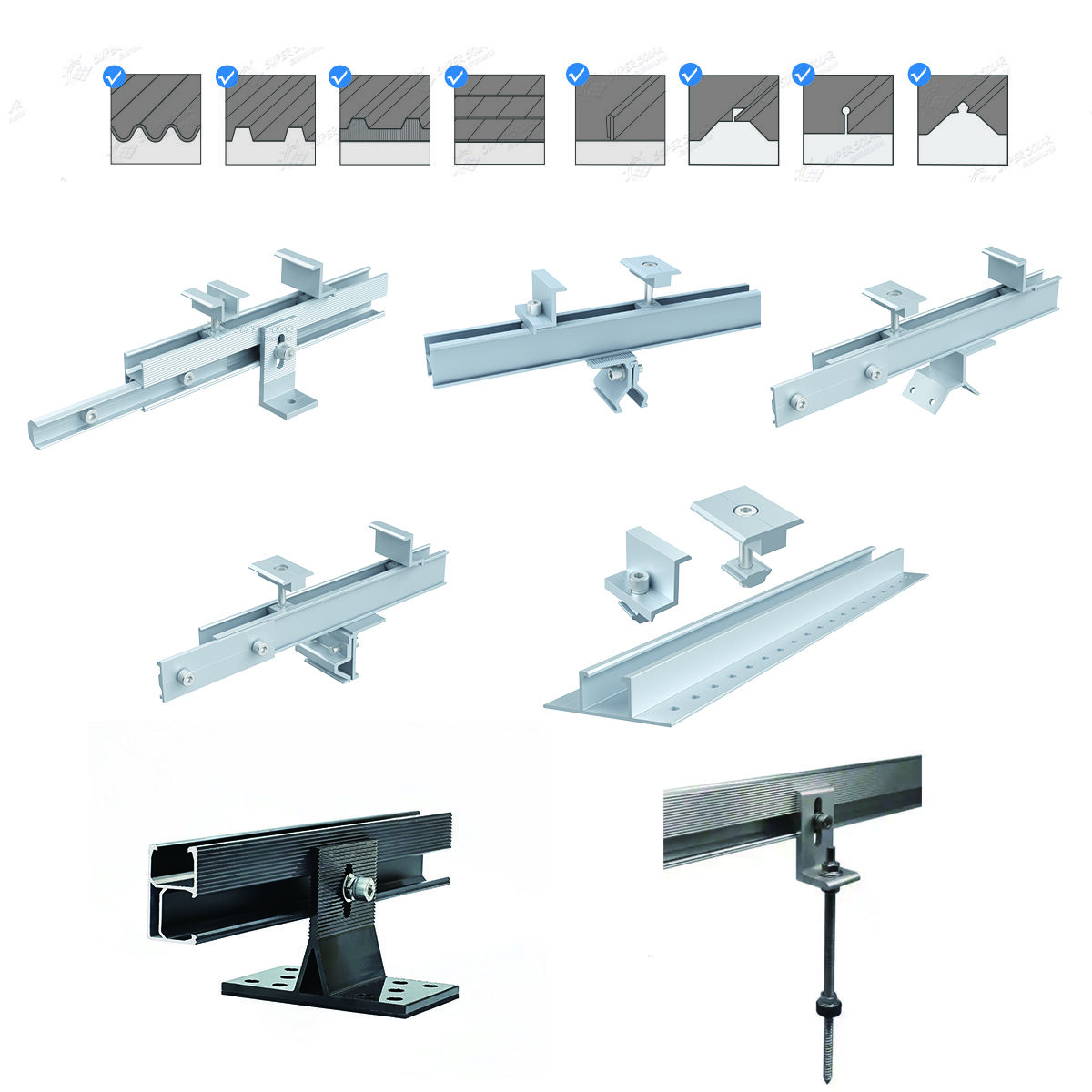
solar roof mounting system with mini rail design
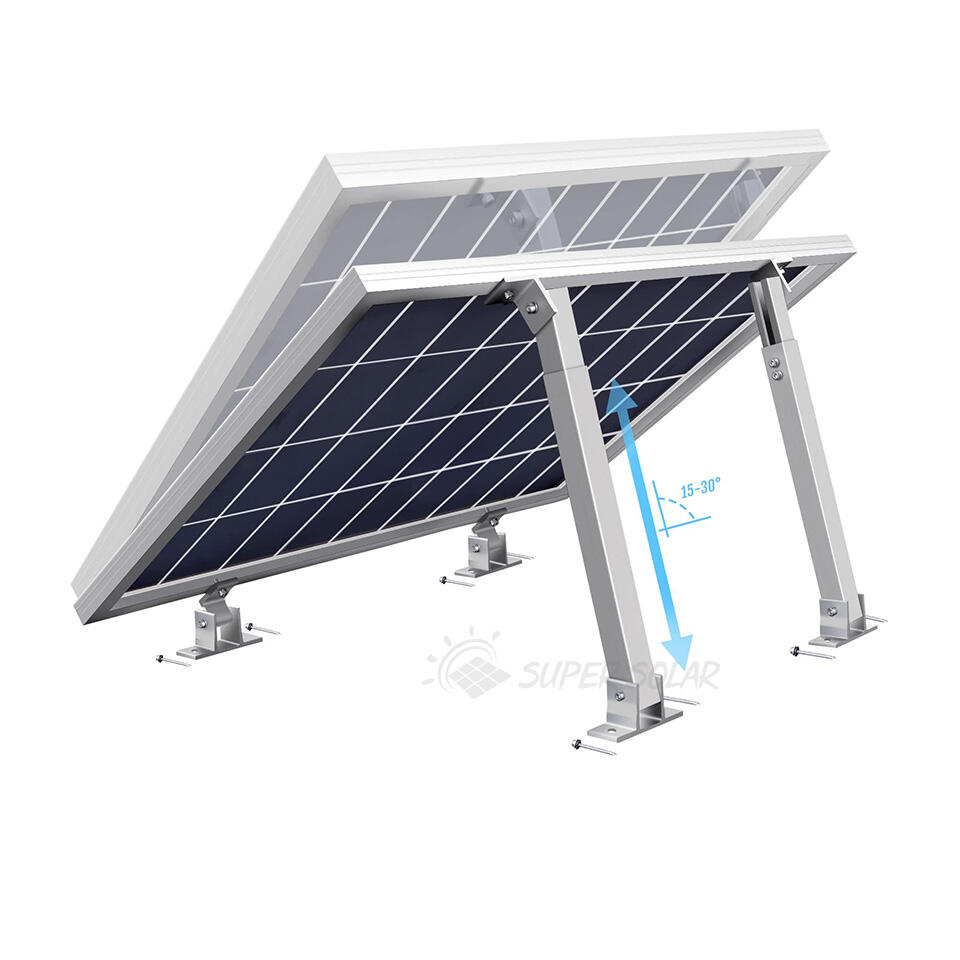
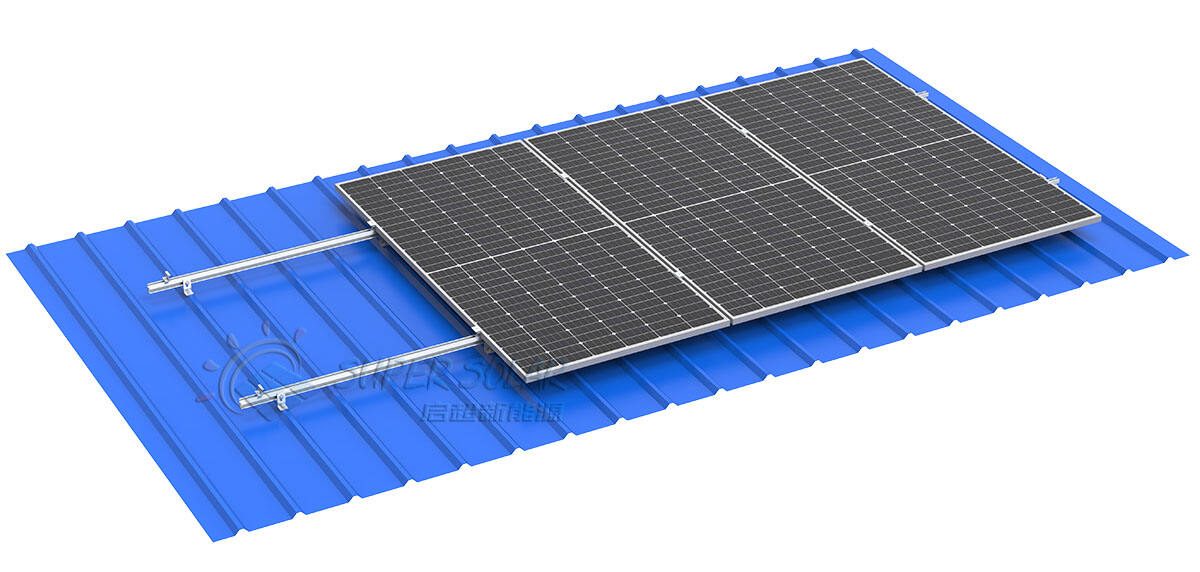
The solar roof mounting system with mini rail design represents a revolutionary advancement in photovoltaic installation technology, engineered to provide superior structural support while maintaining aesthetic appeal and installation efficiency. This innovative mounting solution incorporates compact rail components that significantly reduce the visual footprint of solar installations while delivering robust performance across diverse roofing applications. The system's primary function centers on securely anchoring solar panels to various roof types, including asphalt shingles, metal roofing, and tile surfaces, ensuring optimal energy generation through precise panel positioning and ventilation management. The technological framework of the solar roof mounting system with mini rail design integrates advanced aluminum alloy construction with precision-engineered connection points that distribute load forces evenly across the roof structure. This design philosophy minimizes potential stress concentrations while maximizing the system's load-bearing capacity under extreme weather conditions. The mini rail configuration allows for streamlined cable management, reducing installation complexity and enhancing overall system reliability. Key technological features include corrosion-resistant materials that withstand decades of environmental exposure, adjustable mounting angles for optimal solar panel orientation, and universal compatibility with standard photovoltaic modules. The system incorporates innovative grounding solutions that ensure electrical safety compliance while simplifying the connection process for installers. Applications span residential installations where homeowners prioritize both energy efficiency and curb appeal, commercial buildings requiring scalable solar solutions, and industrial facilities demanding robust mounting systems capable of supporting large-scale photovoltaic arrays. The solar roof mounting system with mini rail design proves particularly valuable in retrofitting existing structures, as its low-profile configuration minimizes structural modifications while maximizing energy output potential across various architectural styles and regional climate conditions.
 EN
EN