Complete Solar System Ground Mount Guide: Benefits, Features & Installation Solutions

All Categories

solar system ground mount

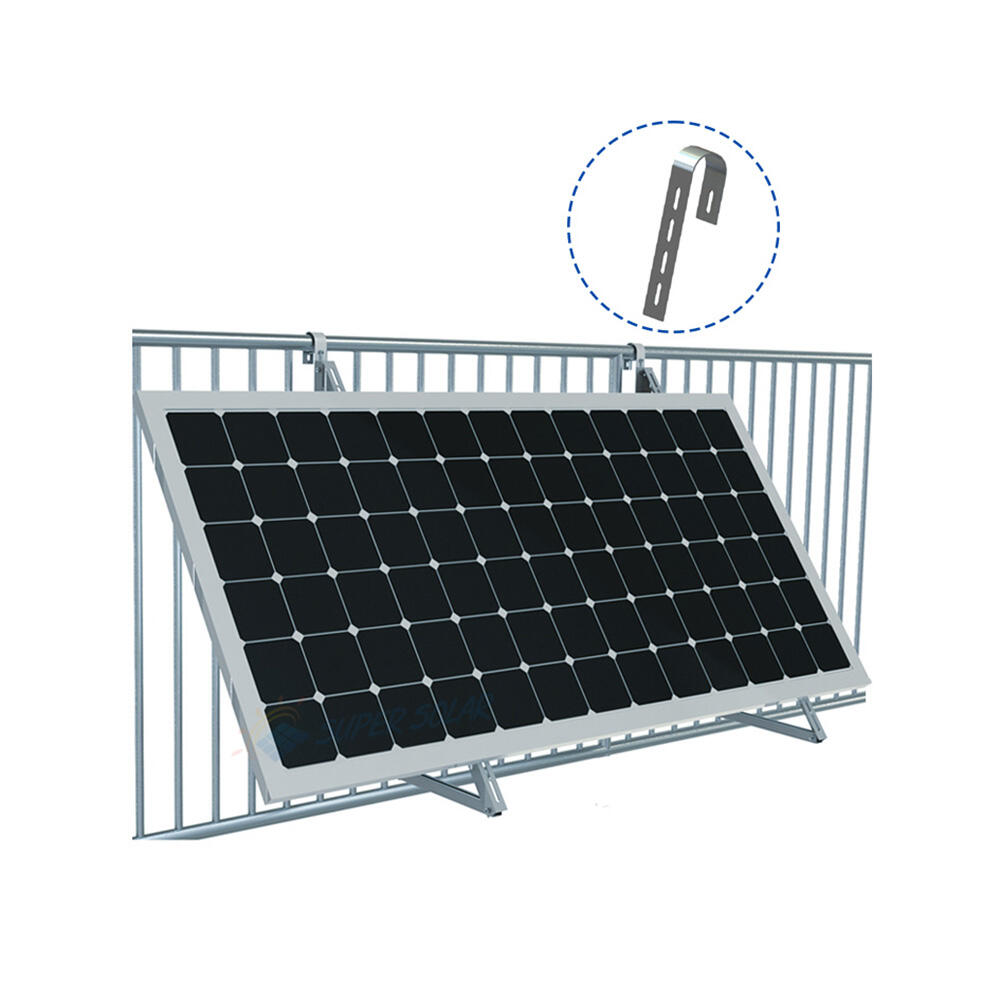
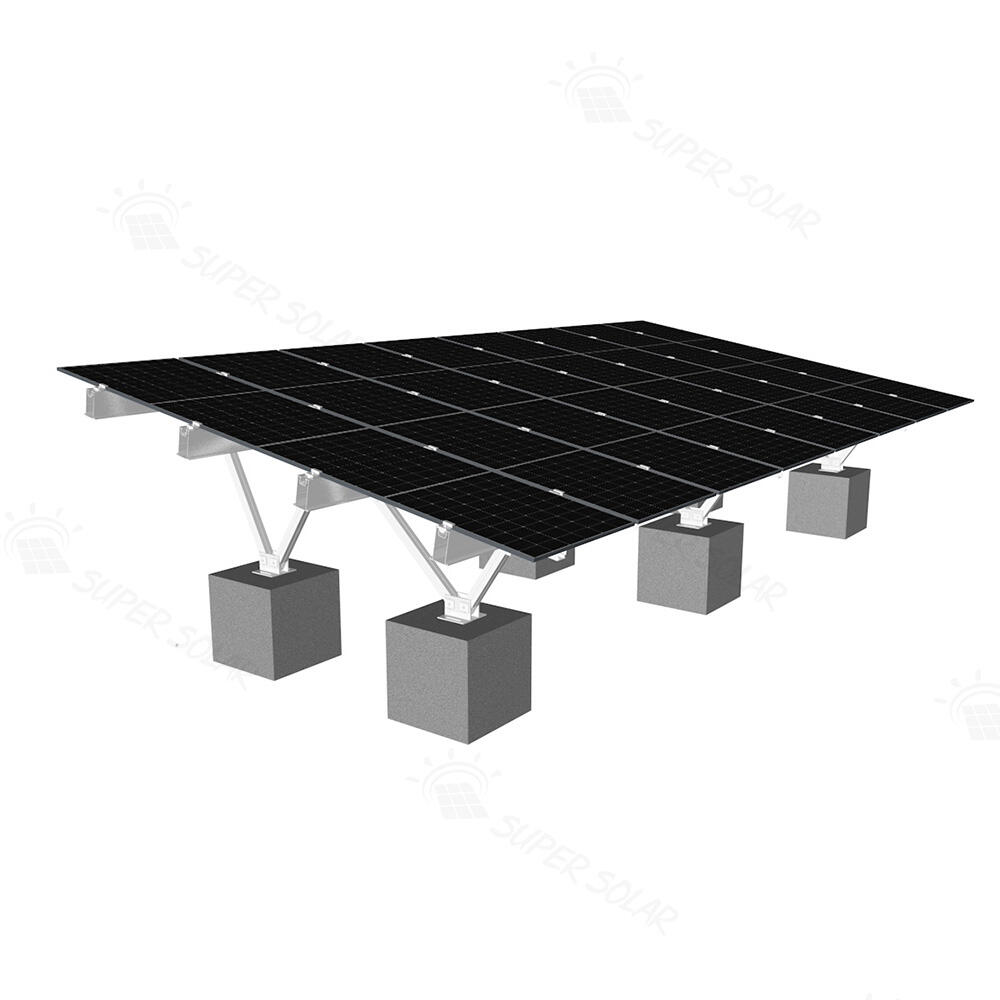
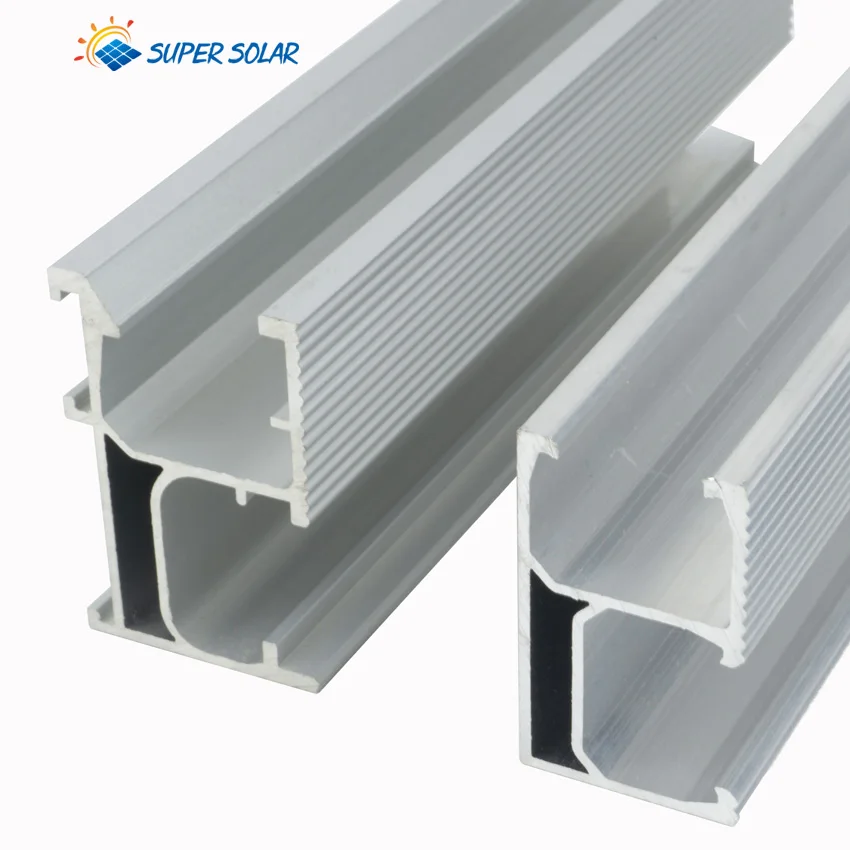
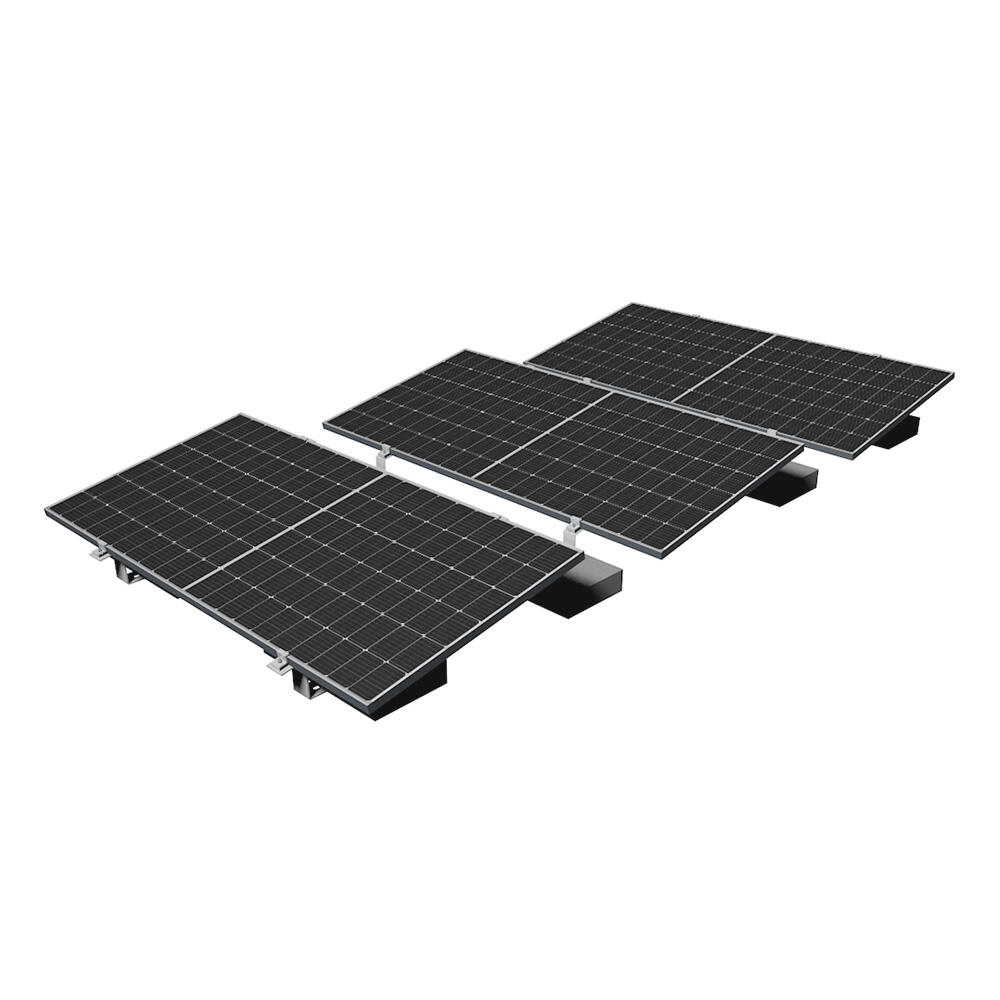
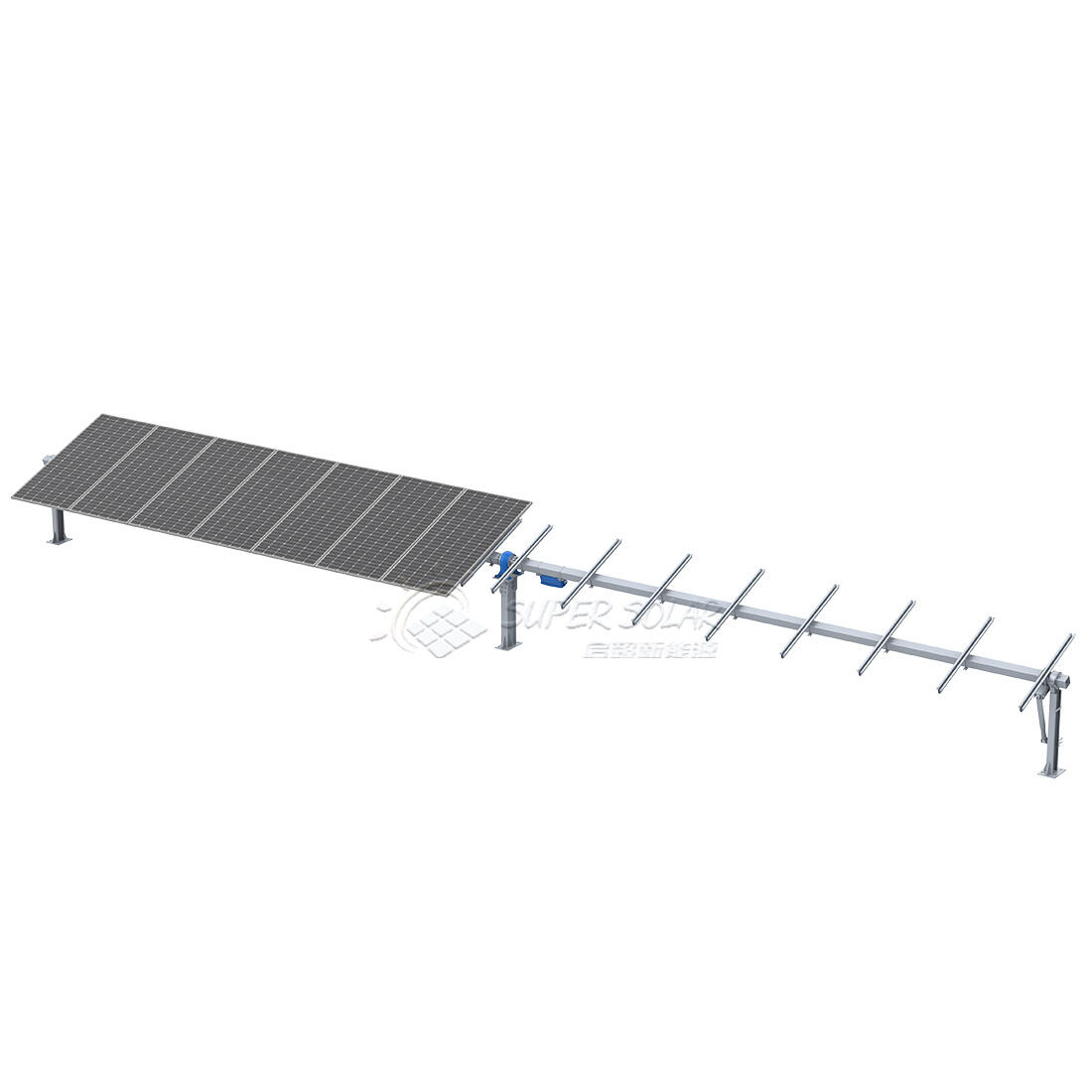
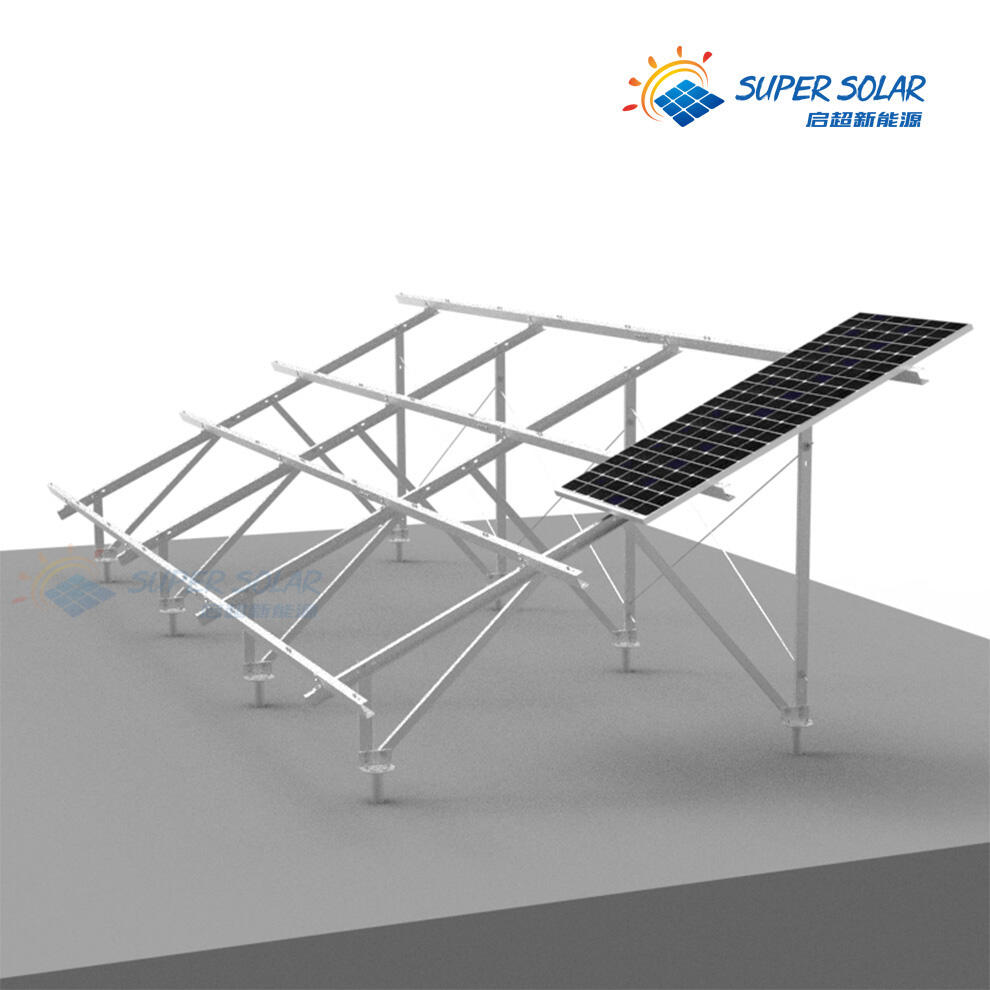
A solar system ground mount represents a robust foundation solution specifically engineered for installing photovoltaic panels directly on terrestrial surfaces. This mounting infrastructure serves as the critical structural backbone that secures solar panels at optimal angles and positions to maximize energy generation efficiency. The solar system ground mount consists of multiple components including galvanized steel rails, aluminum brackets, concrete footings, and adjustable tilt mechanisms that work together to create a stable platform for solar panel arrays. The primary function of these mounting systems involves anchoring solar panels securely to the earth while maintaining precise positioning for optimal sun exposure throughout different seasons. These structures accommodate various terrain types, from flat commercial properties to slightly sloped residential areas, making them versatile solutions for diverse installation environments. The technological framework incorporates weather-resistant materials that withstand extreme environmental conditions including high winds, heavy snow loads, and temperature fluctuations. Advanced engineering ensures that each solar system ground mount can support substantial weight loads while maintaining structural integrity over decades of operation. The modular design allows for scalable installations, enabling property owners to start with smaller arrays and expand their solar capacity over time. Installation flexibility represents another key characteristic, as these mounting systems can be configured in multiple orientations including south-facing, east-west tracking, or custom angles based on specific site requirements. The foundation typically involves either concrete piers driven deep into the ground or ballasted systems that rest on surface-level concrete blocks. Modern solar system ground mount designs incorporate cable management features that protect electrical connections from environmental exposure while maintaining easy access for maintenance activities. These mounting solutions prove particularly valuable for properties with limited roof space, structural roof limitations, or situations where ground installation offers superior solar exposure compared to rooftop alternatives.

Popular Products

Solar system ground mount installations deliver exceptional value through superior accessibility and maintenance convenience. Unlike rooftop installations that require ladders and specialized safety equipment, ground-mounted systems allow technicians to perform routine cleaning, inspections, and repairs safely from ground level. This accessibility translates directly into reduced maintenance costs and improved system longevity since owners can easily monitor performance and address issues promptly. The flexibility of ground mounting enables optimal panel positioning regardless of building orientation or roof angle limitations. Property owners can position their solar system ground mount arrays to face true south or implement tracking systems that follow the sun's path throughout the day, maximizing energy production potential by up to thirty percent compared to fixed rooftop installations. Ground mounting systems accommodate larger solar arrays than typical residential rooftops can support, making them ideal for properties with high energy consumption or commercial applications requiring substantial power generation. The installation process proves less invasive since it avoids potential roof penetrations that could compromise building waterproofing or structural integrity. Property owners maintain complete roof functionality for other uses while dedicating unused land areas to energy production. Ground-mounted systems offer superior cooling performance since air circulates freely around panels, preventing overheating that can reduce efficiency in rooftop installations where panels sit close to hot roof surfaces. The modular nature of solar system ground mount systems enables phased installations, allowing property owners to expand their solar capacity gradually as budget permits or energy needs increase. These systems provide excellent return on investment through increased energy production, reduced maintenance requirements, and potential property value enhancement. Ground mounting eliminates concerns about roof age, condition, or structural capacity that often complicate rooftop solar decisions. The systems integrate seamlessly with various landscape designs and can incorporate features like covered parking areas or agricultural applications where panels provide beneficial shading. Installation timing becomes more flexible since ground mounting avoids weather-related roof work restrictions and can proceed year-round in most climates.

Tips And Tricks

What Is a Single-Axis Solar Tracker?

22

Jul

What Is a Single-Axis Solar Tracker?

What Is a Single-Axis Solar Tracker? Definition and Basic Functionality A single-axis solar tracker is a sophisticated device designed to enhance the efficiency of solar energy systems by orienting solar panels toward the sun as it moves across the ...
View More
Why Choose a Carport Photovoltaique for Residential Solar Solutions?

22

Jul

Why Choose a Carport Photovoltaique for Residential Solar Solutions?

Environmental Impact of Carport Photovoltaique Systems Reducing Carbon Footprint with Solar Energy Carport photovoltaic systems are instrumental in significantly diminishing our reliance on fossil fuels, which in turn lowers greenhouse gas emissions...
View More
Why L Feet Are the Most Cost-Effective Solar Mounting Solution for Metal Roofs

23

Sep

Why L Feet Are the Most Cost-Effective Solar Mounting Solution for Metal Roofs

Cost comparison with other mounting systems Comparing material costs across different solutions When evaluating solar mounting systems, one of the first considerations is material cost. L Feet stand out because they use less material while maintaini...
View More
L-Foot Solar Mounts Explained: Simple & Affordable

24

Nov

L-Foot Solar Mounts Explained: Simple & Affordable

Understanding the Fundamentals of Solar Panel Mounting Systems The solar industry continues to evolve rapidly, and mounting solutions play a crucial role in successful installations. L-foot solar mounts have emerged as one of the most reliable and co...
View More

Leave Message

Our representative will contact you soon.
Email
Name
Company Name
Message
0/1000

solar system ground mount

Exceptional Durability and Weather Resistance

Exceptional Durability and Weather Resistance

The engineering excellence of solar system ground mount structures centers on their remarkable ability to withstand harsh environmental conditions while maintaining structural integrity for decades. These mounting systems utilize premium-grade galvanized steel and marine-grade aluminum components that resist corrosion, rust, and degradation even in coastal environments with salt air exposure. The foundation design incorporates deep concrete footings or engineered ballast systems that anchor the structure against wind uplift forces exceeding 150 miles per hour, ensuring stability during severe weather events. Advanced metallurgy and protective coatings extend the operational lifespan of solar system ground mount installations to match or exceed the 25-year warranty periods of solar panels themselves. The structural engineering accounts for significant snow loads, with many systems rated to support over 50 pounds per square foot of additional weight from accumulated precipitation. This robust construction eliminates concerns about system failure during extreme weather while protecting the substantial investment in solar panel equipment. The mounting rails feature precision-engineered profiles that distribute loads evenly across the entire array structure, preventing stress concentrations that could lead to premature failure. Quality solar system ground mount manufacturers subject their products to rigorous testing protocols including cyclic loading tests, salt spray corrosion tests, and thermal cycling evaluations that simulate decades of environmental exposure. The resulting durability means property owners can confidently invest in ground-mounted solar systems knowing their mounting infrastructure will perform reliably throughout the system's operational lifetime. Professional installation techniques ensure proper drainage around foundation elements, preventing water accumulation that could compromise long-term stability. The combination of superior materials, engineered design, and proven installation methods creates mounting systems that often outlast the solar panels they support, providing excellent long-term value and peace of mind for property owners making significant investments in renewable energy infrastructure.
Optimal Energy Production Through Precise Positioning

Optimal Energy Production Through Precise Positioning

Solar system ground mount installations excel at maximizing energy production through precise positioning capabilities that rooftop systems cannot match. The fundamental advantage lies in the ability to orient panels at the mathematically optimal angle and azimuth for any geographic location, regardless of building orientation or architectural constraints. Professional installers can calculate the exact tilt angle that maximizes annual energy production based on latitude, local weather patterns, and seasonal sun paths. This optimization typically increases energy yield by 15-25 percent compared to suboptimal rooftop orientations. Advanced solar system ground mount designs incorporate adjustable tilt mechanisms that enable seasonal angle adjustments, allowing property owners to capture maximum solar radiation during both summer and winter months. Some systems feature single-axis or dual-axis tracking capabilities that automatically follow the sun's movement throughout the day, potentially increasing energy production by up to 35 percent compared to fixed installations. The ground-level positioning eliminates shading issues from roof features, chimneys, or nearby structures that commonly reduce rooftop system performance. Proper spacing between panel rows in ground-mounted arrays prevents inter-row shading while maximizing land utilization efficiency. The enhanced air circulation around ground-mounted panels maintains lower operating temperatures, improving photovoltaic efficiency since solar panels lose approximately 0.4 percent of their power output for each degree Celsius above their optimal operating temperature. Solar system ground mount arrays can incorporate micro-inverters or power optimizers more easily than rooftop systems, enabling panel-level monitoring and optimization that identifies and mitigates performance issues quickly. The accessibility of ground-mounted systems facilitates regular cleaning and maintenance that keeps panels operating at peak efficiency. Dust, debris, and snow removal becomes straightforward when panels are positioned at comfortable working heights. This combination of optimal positioning, superior cooling, advanced monitoring capabilities, and easy maintenance creates the ideal environment for maximum solar energy production throughout the system's operational lifetime.
Scalable Design for Future Expansion and Versatility

Scalable Design for Future Expansion and Versatility

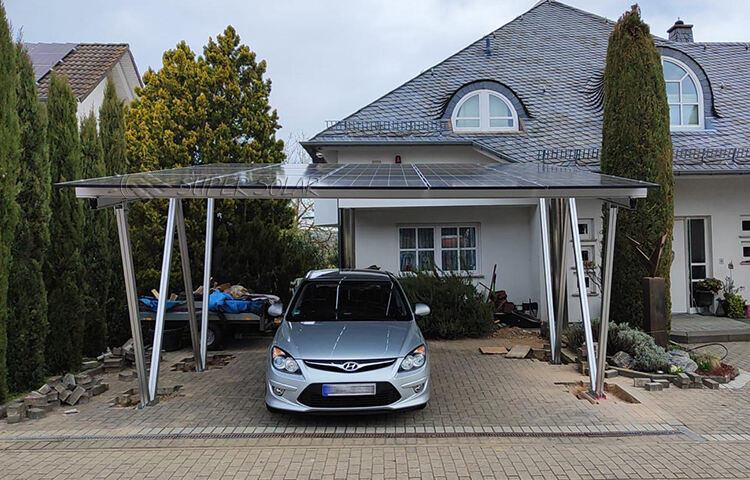
The modular architecture of solar system ground mount installations provides unparalleled flexibility for future expansion and diverse application requirements. Unlike rooftop systems constrained by available roof area and structural limitations, ground-mounted arrays can be designed with expansion capabilities that accommodate growing energy needs or increased investment capacity over time. The standardized rail and bracket systems enable seamless integration of additional panel strings without requiring complete system redesign or major infrastructure modifications. Property owners can start with smaller installations that meet immediate energy requirements and budget constraints, then expand their solar system ground mount arrays as financial resources permit or energy consumption increases. This phased approach makes solar energy accessible to a broader range of property owners while providing a clear growth path toward energy independence. The versatile design accommodates various panel technologies and sizes, ensuring compatibility with future solar innovations and efficiency improvements. Modern mounting systems support both traditional silicon panels and emerging technologies like bifacial modules that capture sunlight from both sides. The structural framework can integrate battery storage systems, electric vehicle charging stations, and smart grid technologies as these components become more prevalent in residential and commercial energy systems. Solar system ground mount installations adapt to diverse terrain conditions including slight slopes, irregular ground surfaces, and challenging soil conditions through adjustable foundation systems and flexible rail configurations. The mounting infrastructure can serve dual purposes, incorporating features like covered parking areas, agricultural shading structures, or recreational spaces that add value beyond energy production. Professional design services can optimize array layouts for specific site conditions while preserving landscaping features and maintaining property aesthetics. The standardized components and proven installation methods ensure that expansion projects proceed efficiently with minimal disruption to existing system operations. This scalability and versatility make solar system ground mount installations ideal long-term energy solutions that can evolve with changing technology, regulations, and property requirements while maintaining excellent return on investment throughout their operational lifetime.

Leave Message

Our representative will contact you soon.
Email
Name
Company Name
Message
0/1000