Intelligent Automation and Smart Control Systems
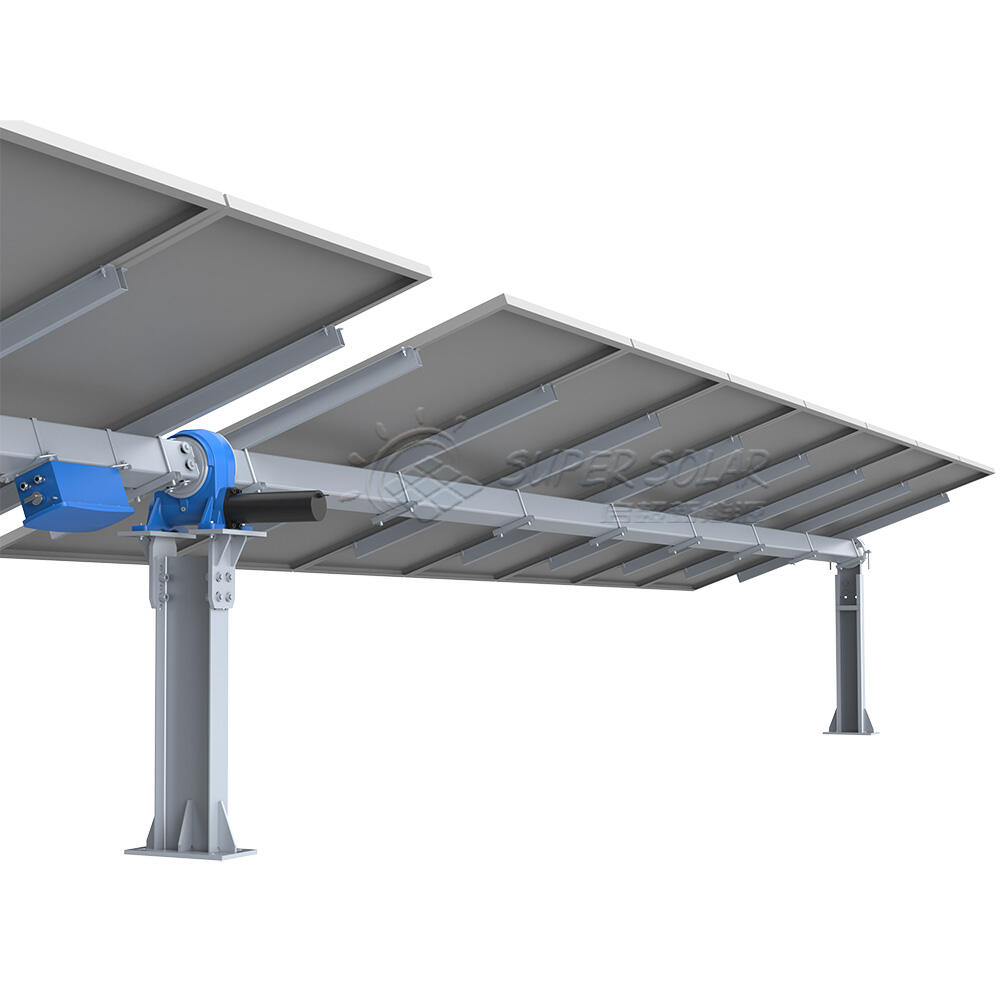
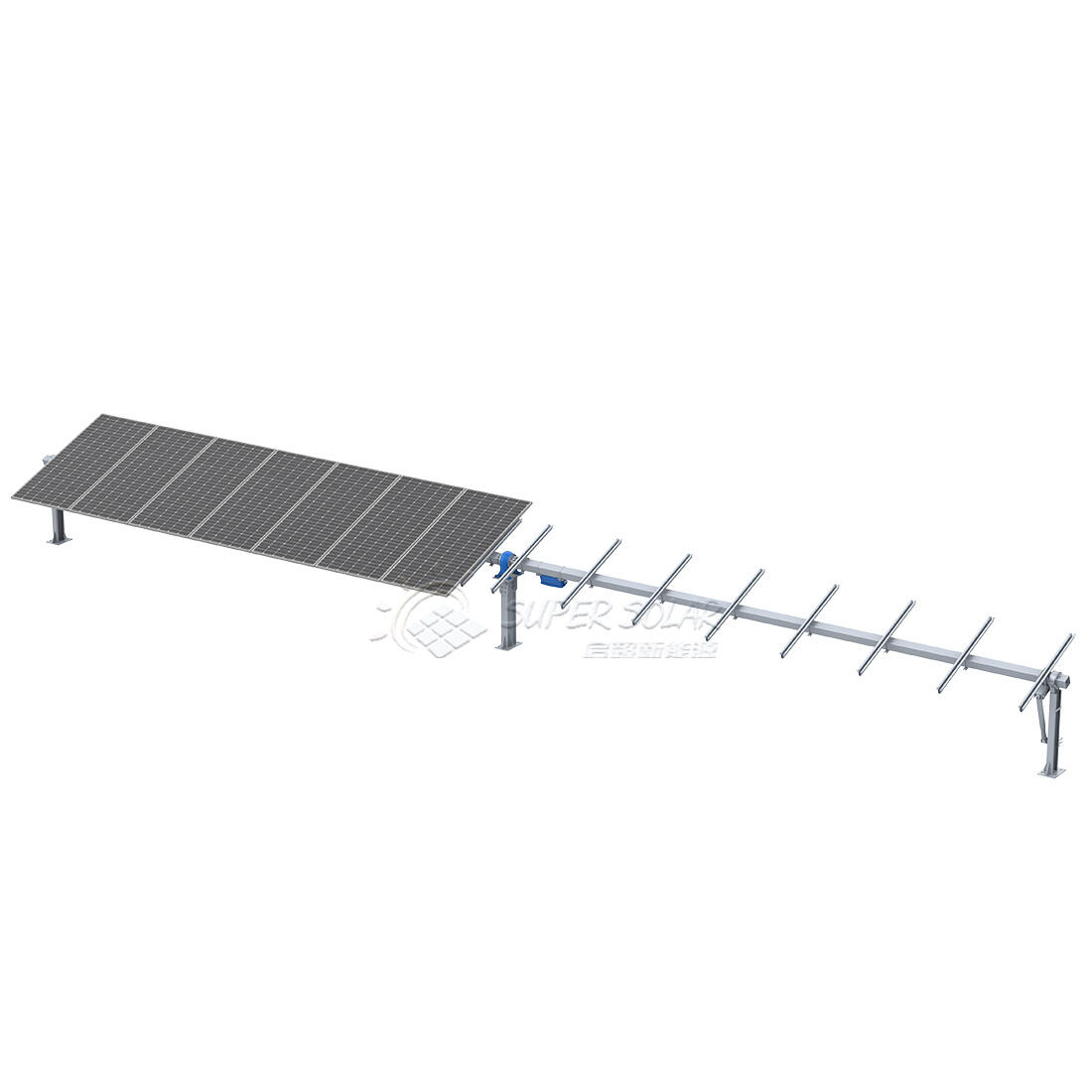
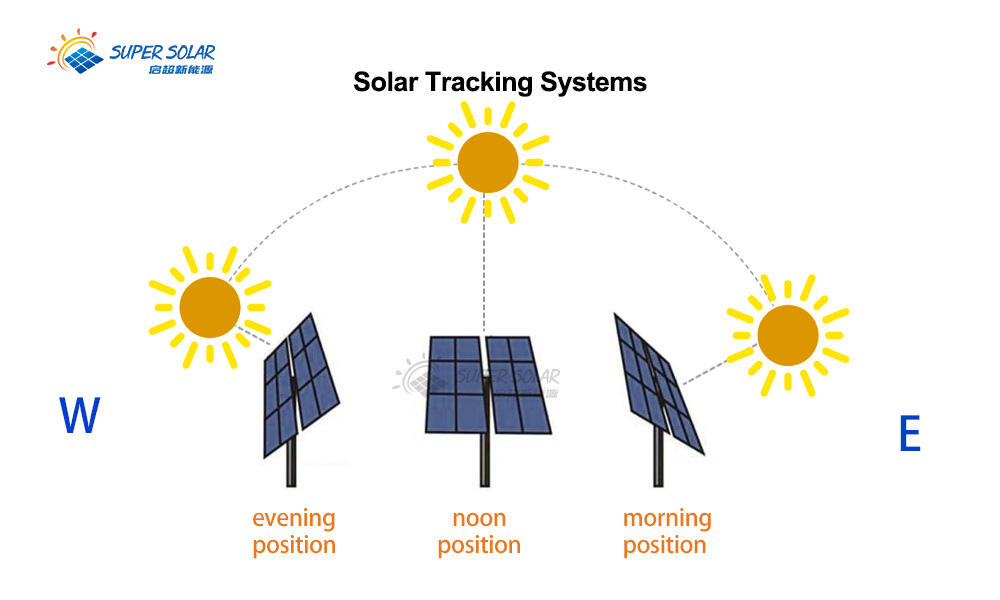
The sophisticated intelligent automation integrated into tilting solar panel mounting brackets revolutionizes solar energy management through cutting-edge control systems that optimize performance while minimizing operational complexity and maintenance requirements. These smart control platforms utilize artificial intelligence algorithms that learn from historical performance data, weather patterns, and local environmental conditions to predict optimal positioning strategies that maximize energy generation while protecting equipment from adverse conditions. The advanced automation eliminates human error and inconsistent manual adjustments that plague traditional solar installations, ensuring panels maintain peak efficiency throughout their operational lifespan. Remote monitoring capabilities enable property owners and system operators to oversee multiple installations from centralized control centers, accessing real-time performance metrics, diagnostic information, and predictive maintenance alerts through intuitive web-based interfaces or mobile applications. The intelligent systems automatically schedule maintenance routines, calibrate tracking accuracy, and generate comprehensive performance reports that demonstrate return on investment and system optimization opportunities. Integration capabilities allow tilting solar panel mounting brackets to communicate with existing building management systems, smart grid infrastructure, and energy storage solutions for coordinated energy management that maximizes economic benefits while supporting grid stability. The automation features include automatic snow removal functions that gently shake panels to clear accumulated snow, debris cleaning cycles that optimize panel surface cleanliness, and storm protection modes that secure panels in safe positions during severe weather events. Predictive analytics capabilities analyze performance trends to identify potential issues before they impact energy generation, enabling proactive maintenance scheduling that minimizes system downtime and maximizes long-term reliability. The user-friendly interfaces require minimal technical expertise to operate effectively, while advanced diagnostic tools provide detailed system health monitoring for professional installers and maintenance technicians. Energy optimization algorithms continuously adjust tracking parameters based on changing environmental conditions, seasonal variations, and local weather forecasts to ensure maximum power generation efficiency under all operating conditions.
 EN
EN