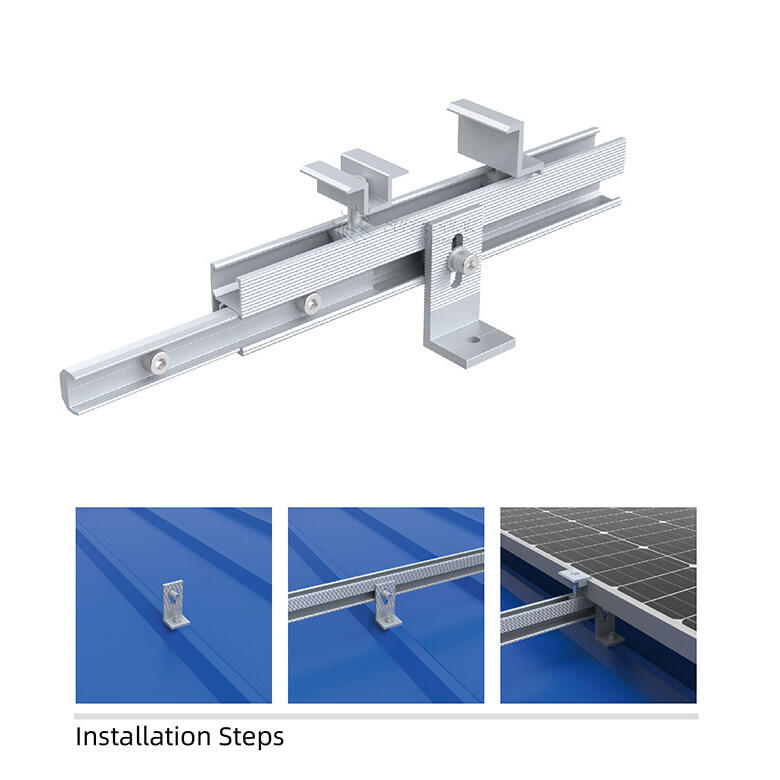
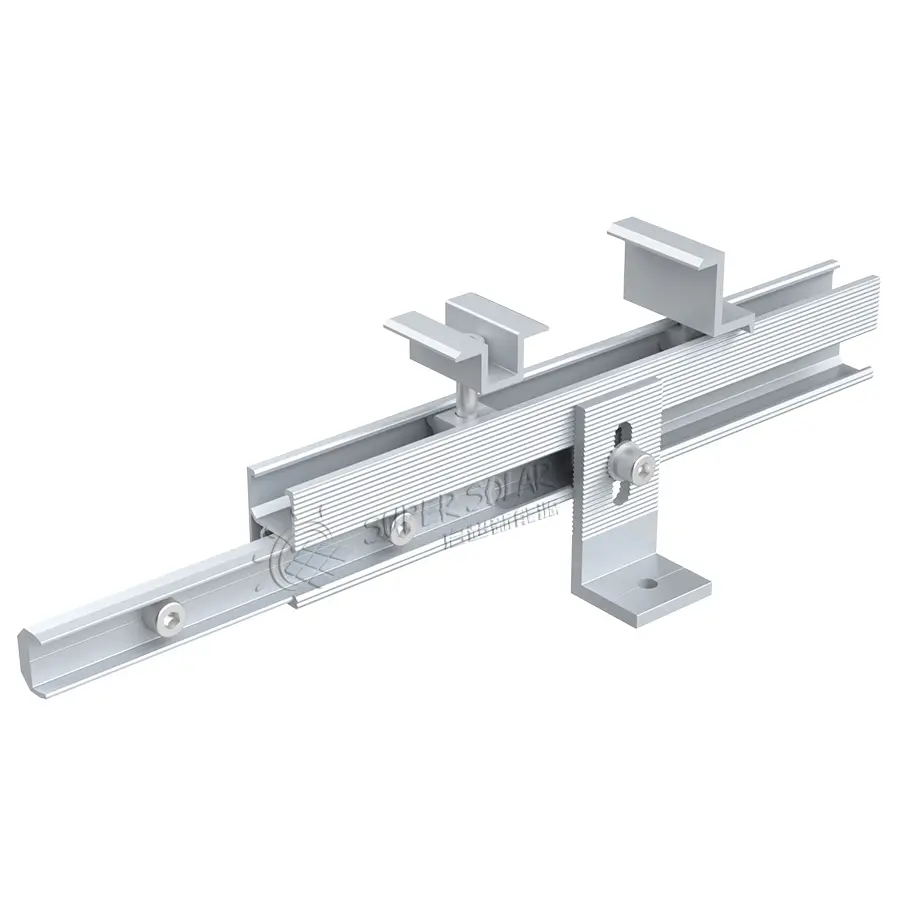
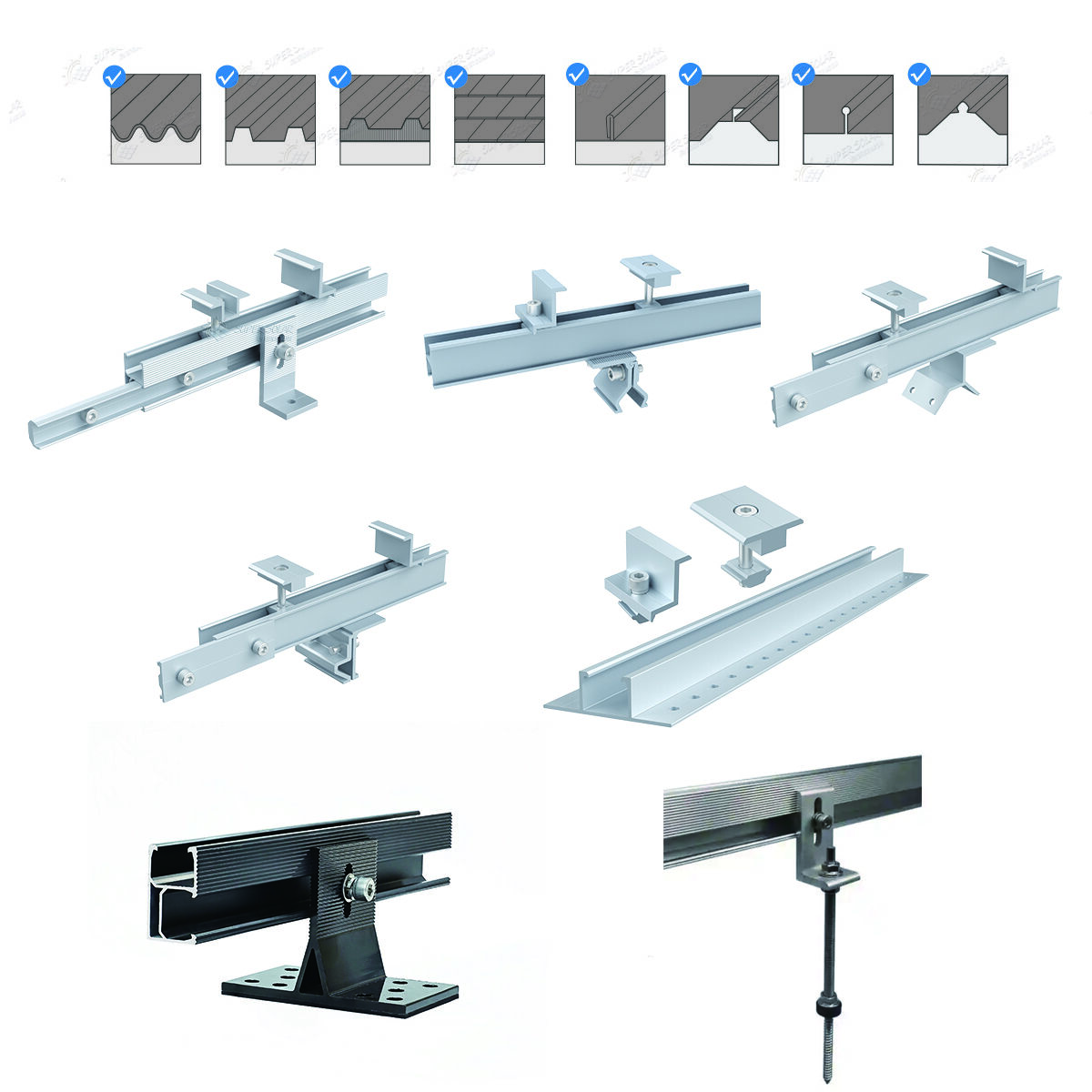
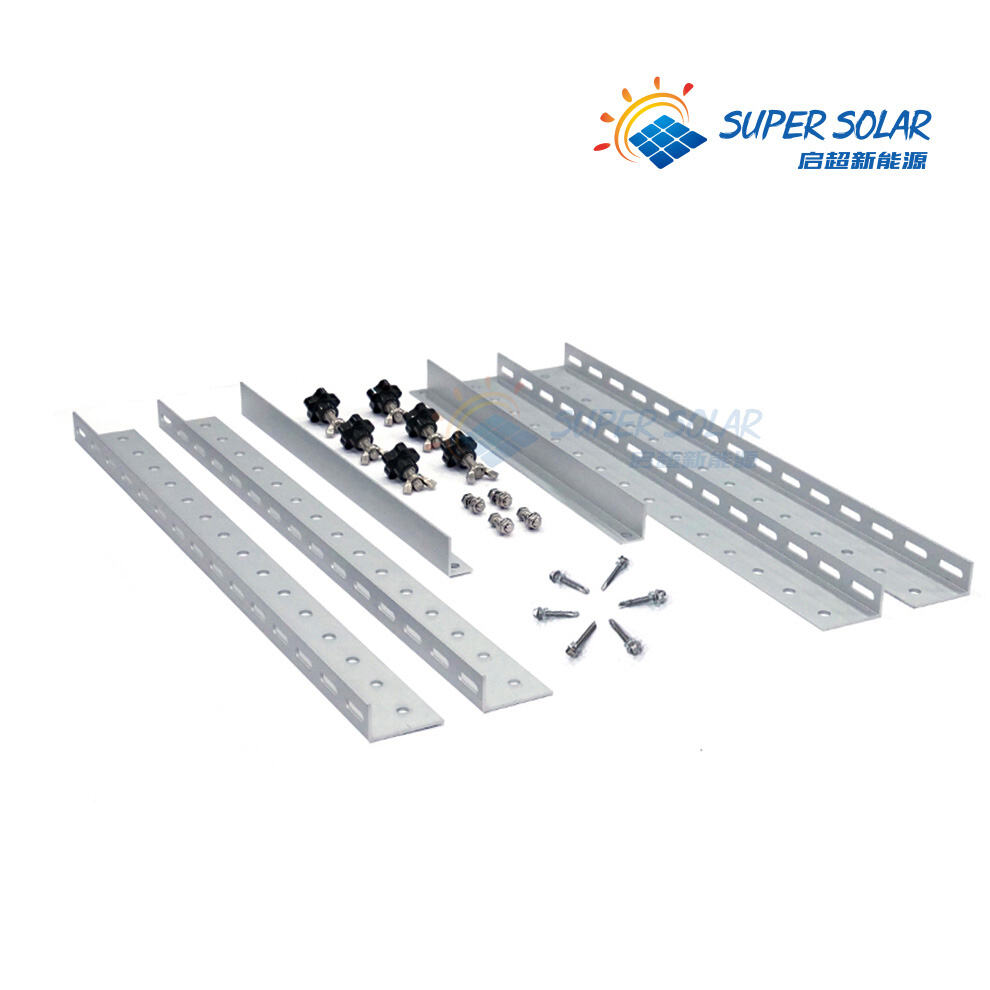
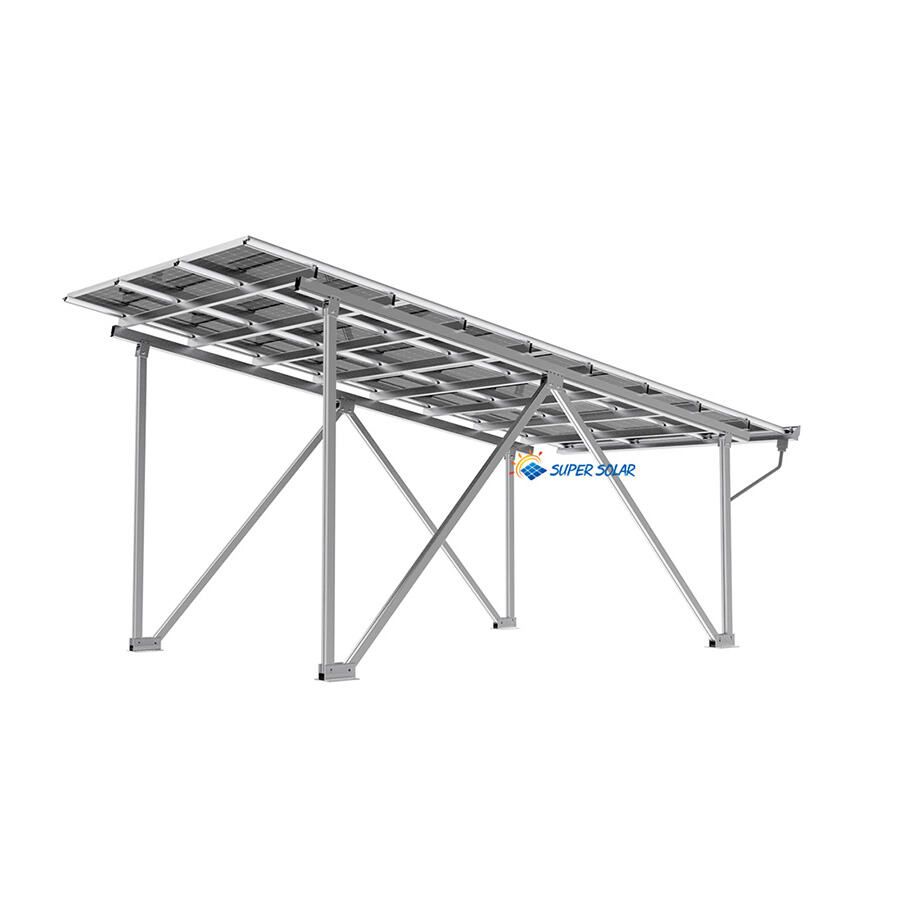
adjustable ground solar mounting system
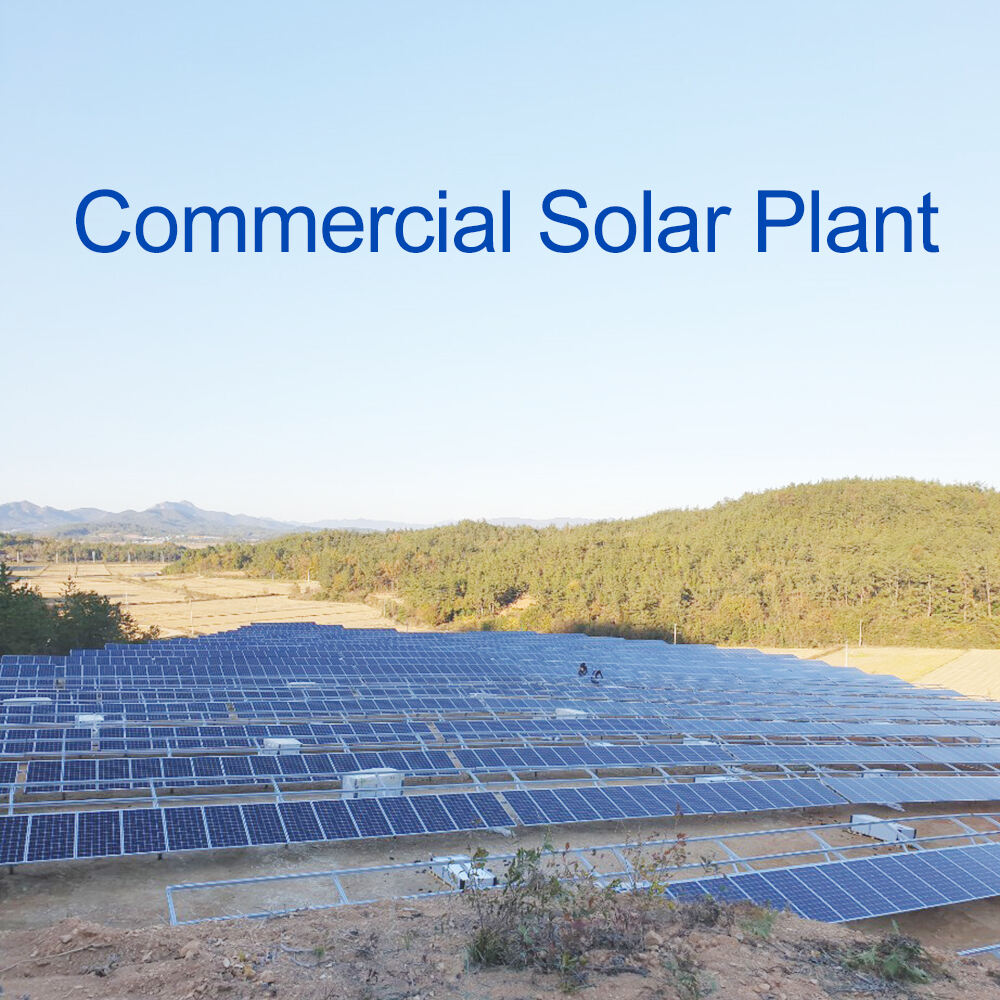
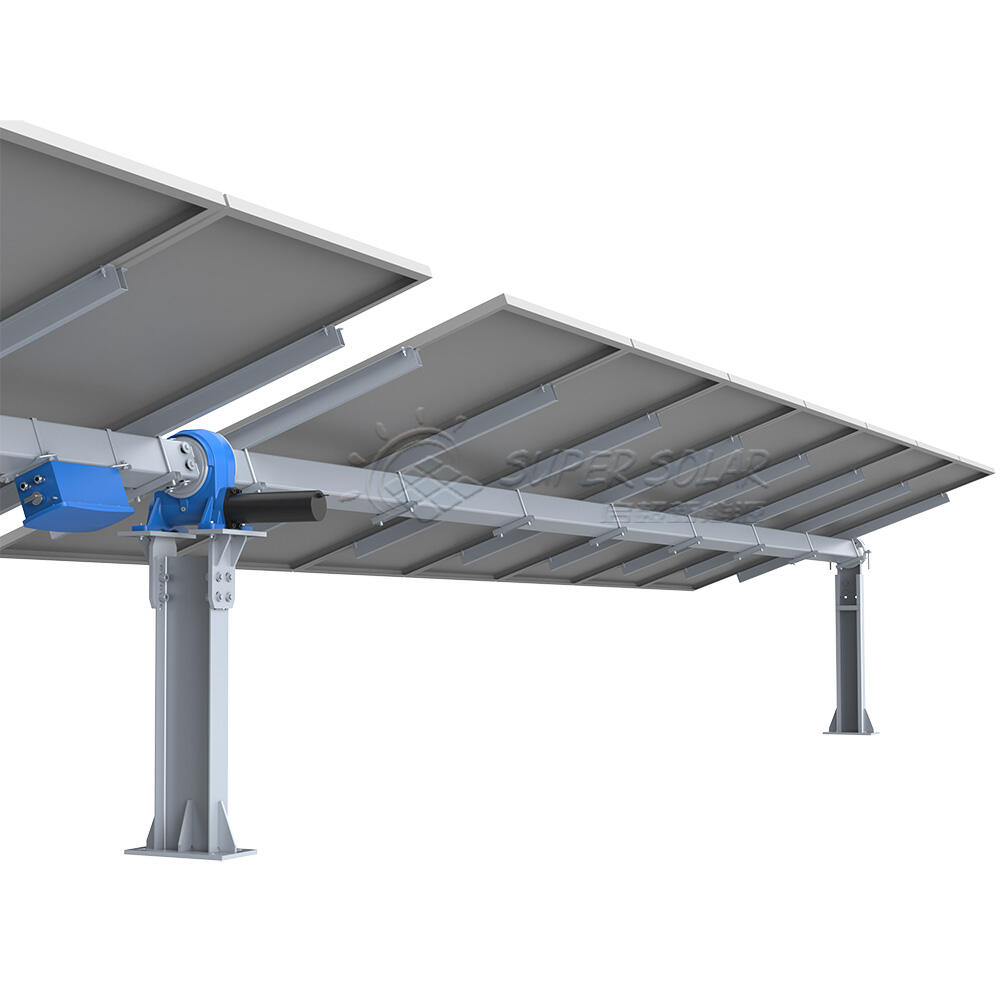
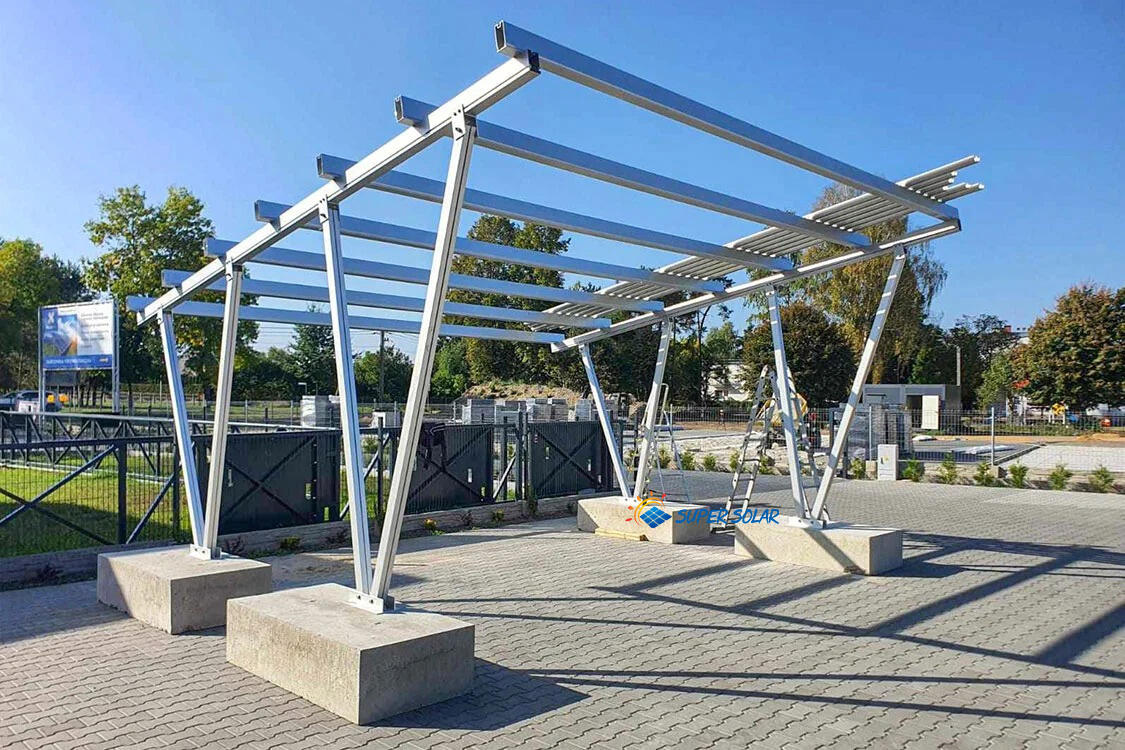
An adjustable ground solar mounting system represents a sophisticated solution for optimizing solar panel installations on ground-based locations. This innovative mounting technology enables property owners and businesses to position solar panels at variable angles and orientations, maximizing energy generation throughout different seasons and weather conditions. The adjustable ground solar mounting system features a robust framework constructed from high-grade aluminum or galvanized steel materials, ensuring long-term durability and resistance to environmental factors. The system incorporates precision-engineered adjustment mechanisms that allow for both tilt angle modifications and azimuth positioning changes. These mounting structures typically accommodate various panel sizes and configurations, supporting both residential and commercial solar installations. The technological framework includes corrosion-resistant hardware, weatherproof fastening components, and engineered foundation systems designed for different soil conditions. Installation flexibility remains a core characteristic of the adjustable ground solar mounting system, as it can be deployed on various terrain types including flat surfaces, slopes, and uneven ground conditions. The system's modular design facilitates scalable installations, enabling users to expand their solar arrays progressively. Advanced models incorporate tracking capabilities that automatically follow the sun's path throughout the day, significantly enhancing energy production efficiency. The adjustable ground solar mounting system finds extensive applications in utility-scale solar farms, commercial installations, agricultural settings, and residential properties with adequate land space. Educational institutions, government facilities, and industrial complexes frequently utilize these systems for their renewable energy initiatives. The mounting solution proves particularly valuable in regions with varying seasonal sun angles, where static installations would result in suboptimal energy generation. Remote locations and off-grid installations benefit significantly from the enhanced efficiency provided by adjustable positioning capabilities.
 EN
EN