Solar Ground Support Systems - Advanced Mounting Solutions for Maximum Energy Generation

All Categories

solar ground support system

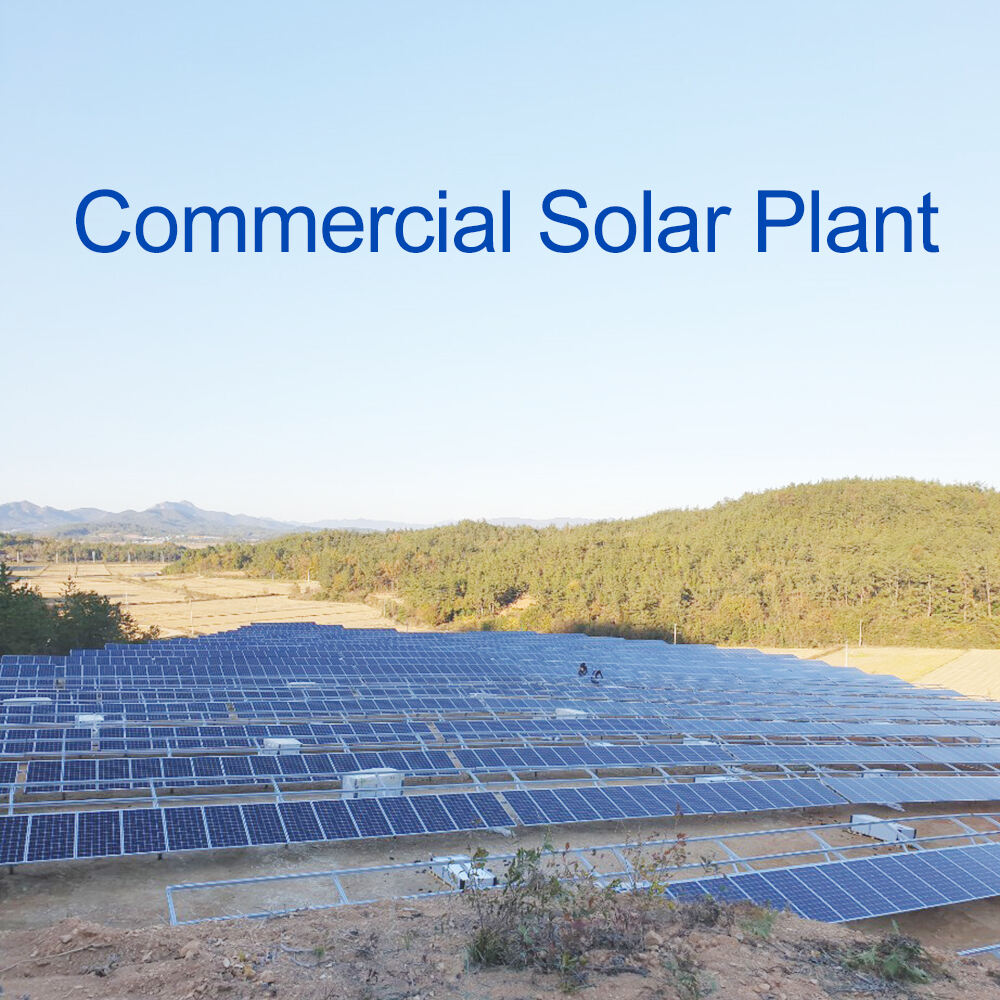
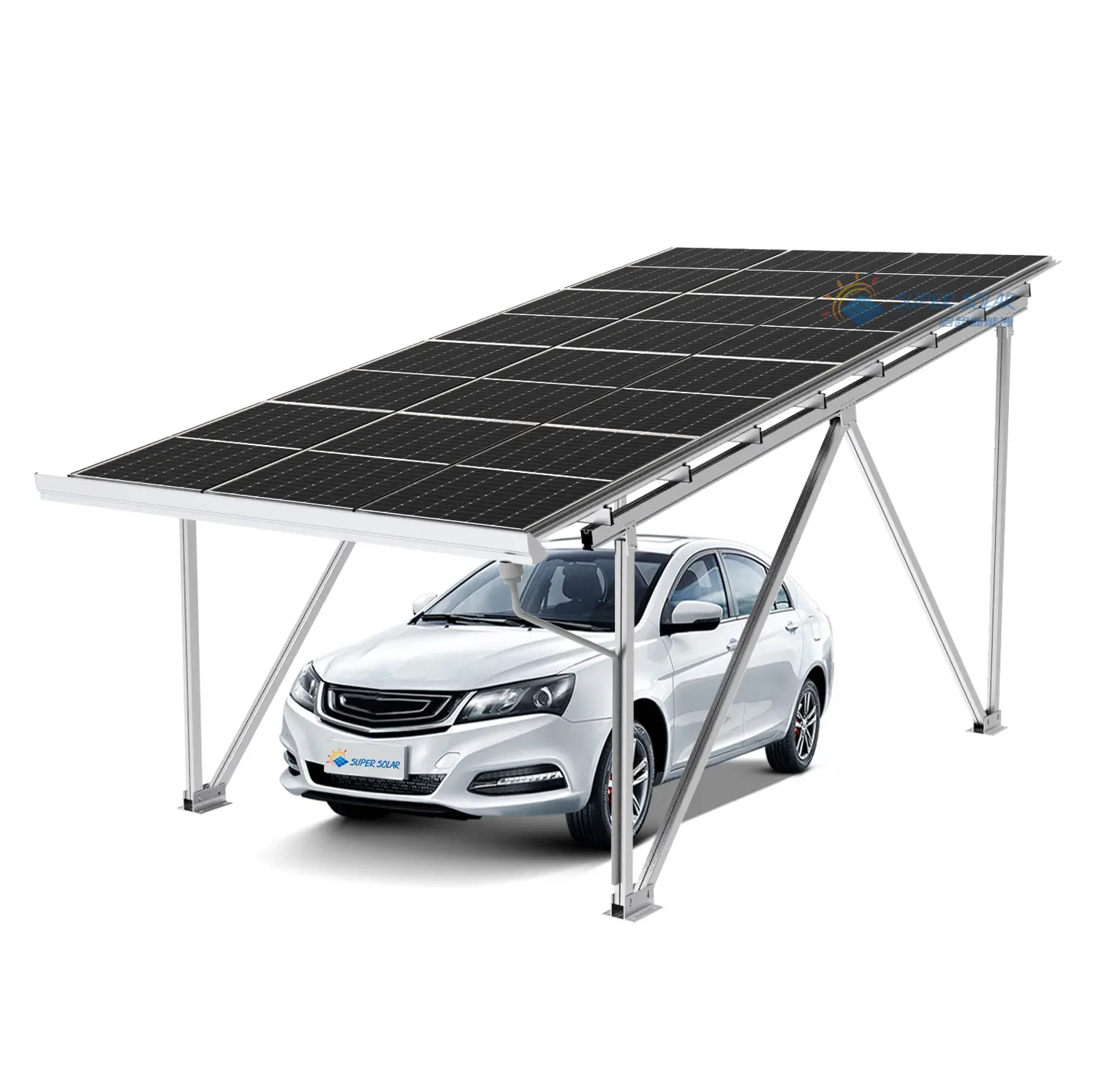
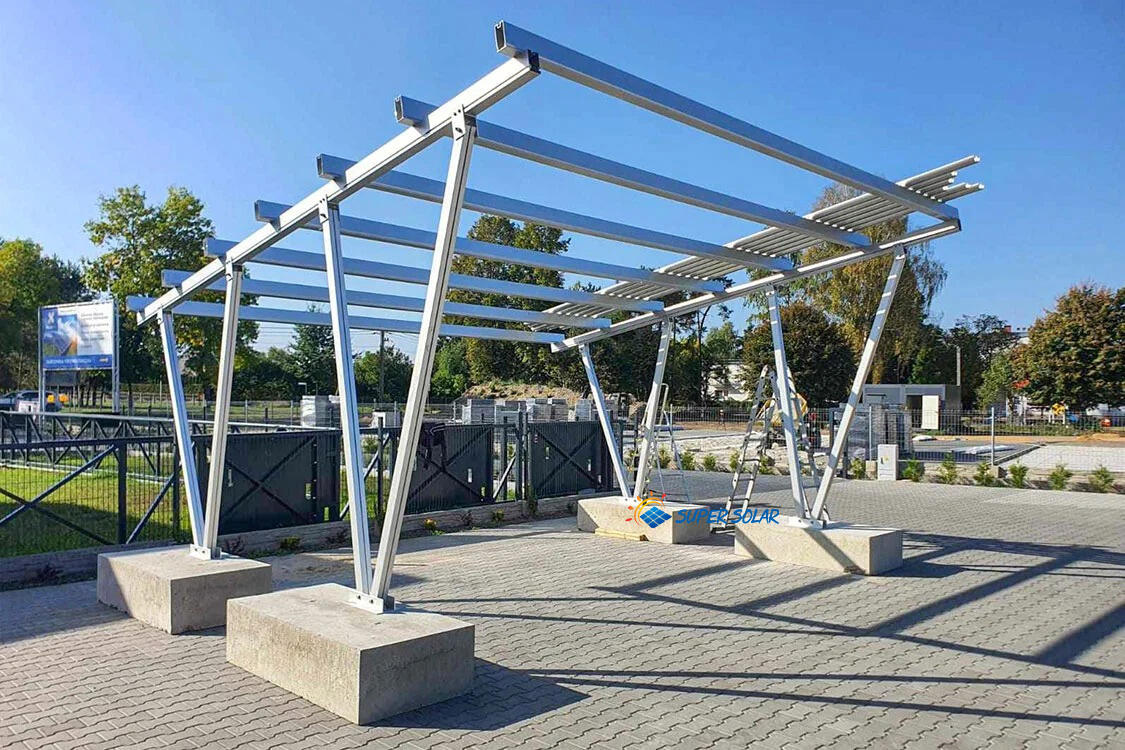
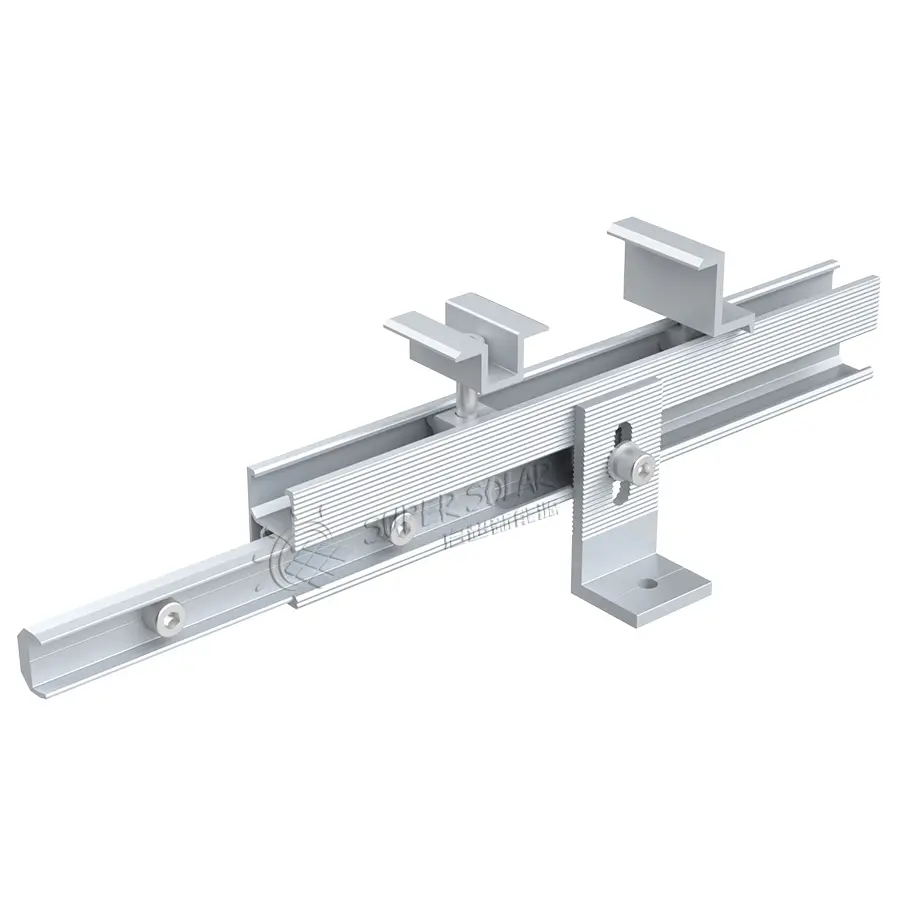
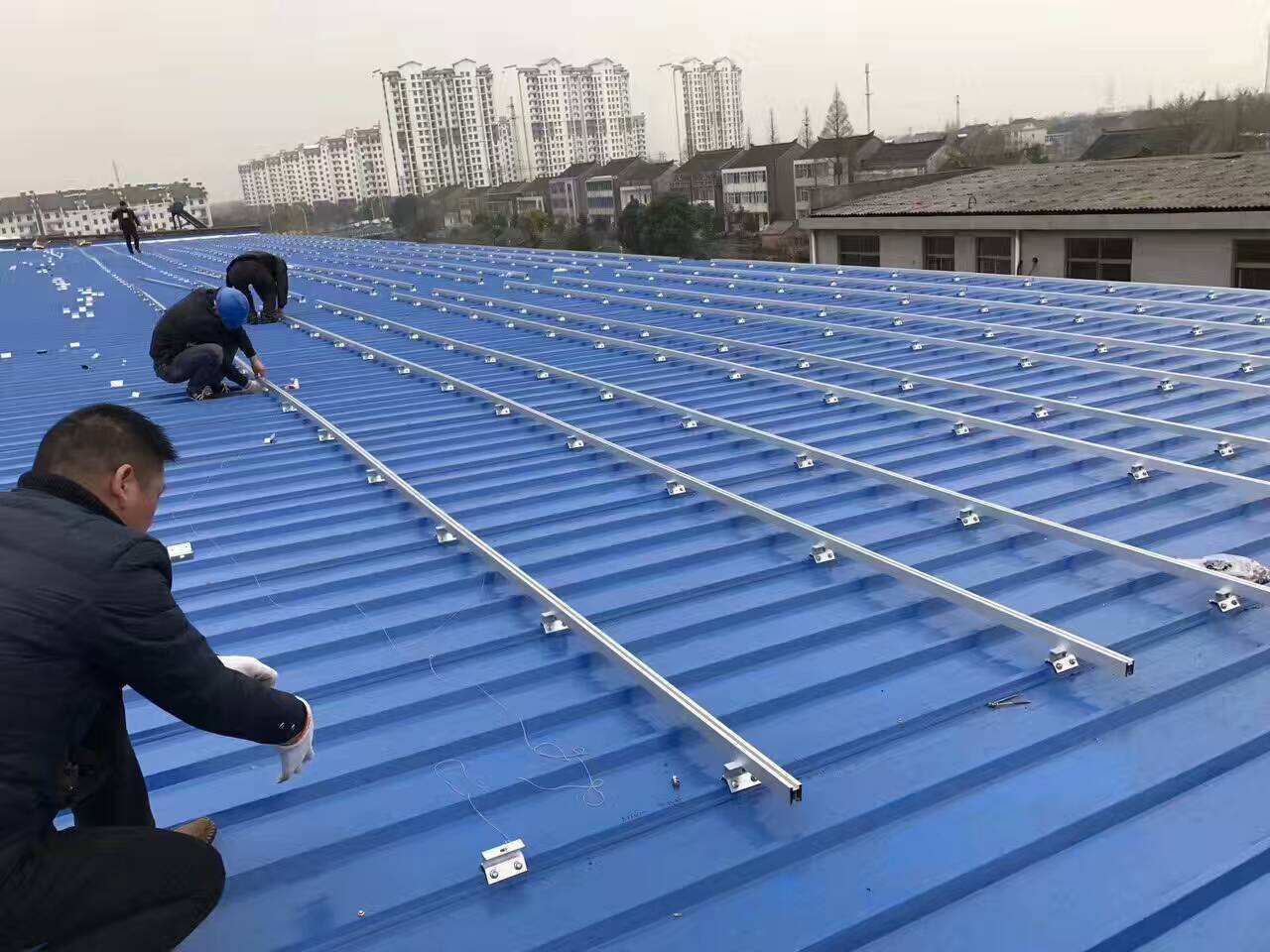
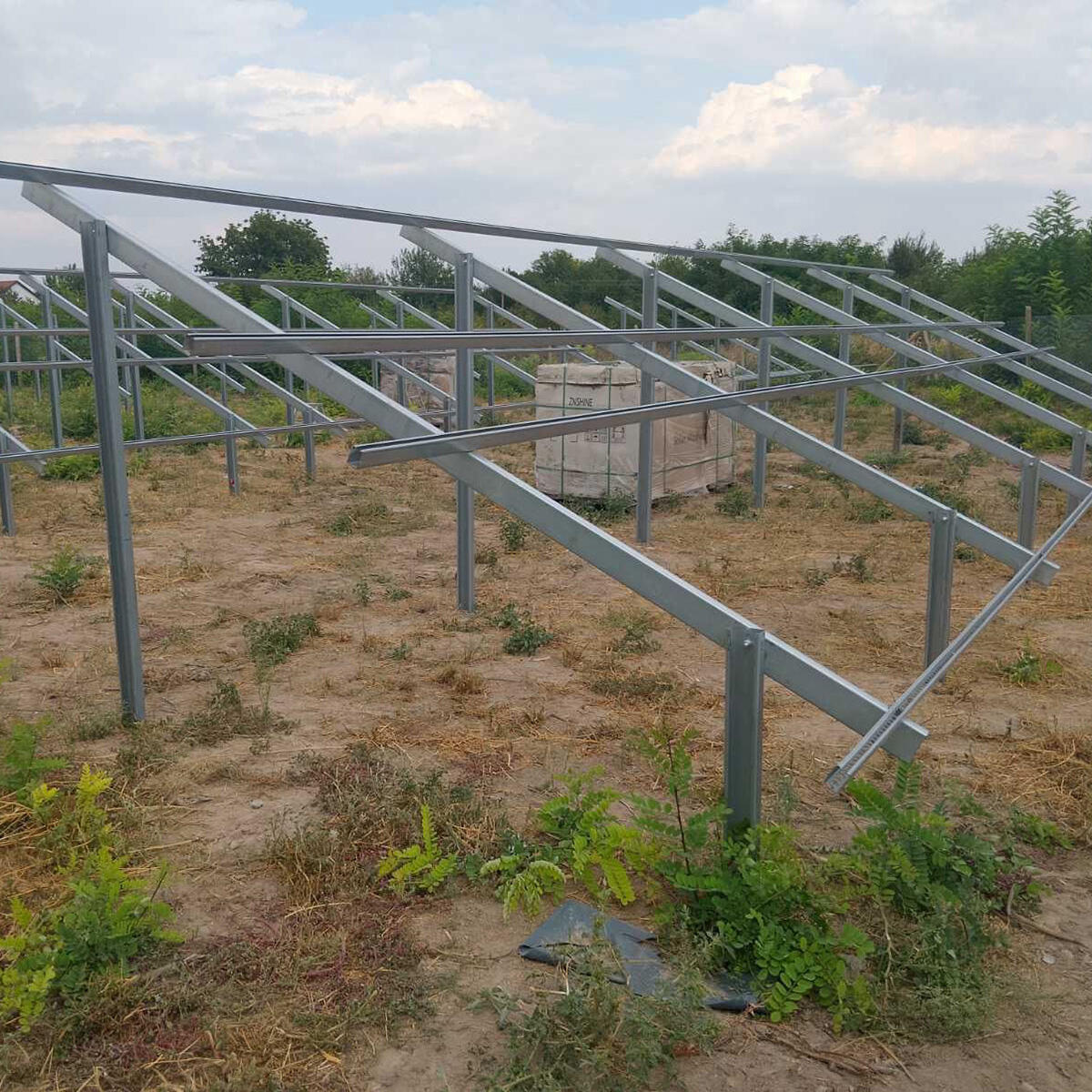
The solar ground support system represents a critical infrastructure component that enables the efficient installation and operation of photovoltaic arrays on various terrains. This comprehensive mounting solution serves as the foundation for solar panel installations, providing structural integrity and optimal positioning for maximum energy generation. The solar ground support system encompasses a range of engineered components including steel or aluminum rails, adjustable brackets, pile foundations, and specialized hardware designed to withstand environmental challenges while maintaining precise panel alignment. These systems accommodate different ground conditions, from soft soil to rocky terrain, ensuring versatile deployment options for solar projects. The primary function of a solar ground support system involves securely anchoring solar panels at predetermined angles and orientations to maximize solar exposure throughout the day. Advanced tracking mechanisms integrated within modern solar ground support systems enable panels to follow the sun's path, significantly increasing energy output compared to fixed installations. The technological features of contemporary solar ground support systems include corrosion-resistant materials, modular designs for easy assembly, and compatibility with various panel sizes and weights. Wind load calculations and seismic considerations are incorporated into the engineering specifications, ensuring long-term stability and performance. Applications for solar ground support systems span utility-scale solar farms, commercial installations, agricultural solar projects, and residential ground-mounted arrays. The flexibility of these systems allows for installation on previously unusable land, converting marginal agricultural areas or brownfield sites into productive energy-generating facilities. Environmental considerations are paramount in solar ground support system design, with minimal ground disturbance and reversible installation methods becoming increasingly important for project approval and environmental compliance.

New Product Releases

Solar ground support systems offer numerous compelling advantages that make them an attractive investment for property owners and energy developers. The most significant benefit is the substantial reduction in electricity costs, as these systems generate clean energy directly from sunlight without ongoing fuel expenses. Once installed, a solar ground support system operates with minimal maintenance requirements, providing decades of reliable energy production with warranty periods often extending 20-25 years. The flexibility of ground-mounted installations allows for optimal panel positioning regardless of roof orientation or structural limitations, ensuring maximum energy generation potential. Unlike rooftop installations, solar ground support systems provide easy access for maintenance, cleaning, and system expansion, reducing long-term operational costs and improving system performance. The scalability of ground-mounted solar installations enables property owners to start with smaller systems and expand capacity as energy needs grow or budget allows. Environmental benefits include zero greenhouse gas emissions during operation, reduced dependence on fossil fuels, and minimal water consumption compared to traditional power generation methods. Property values typically increase with solar installations, providing additional financial returns beyond energy savings. Solar ground support systems can be installed on unused or marginal land areas, transforming unproductive spaces into valuable energy assets without compromising existing land uses. The durability of modern solar ground support systems ensures long-term performance even in challenging weather conditions, with engineered designs capable of withstanding high winds, snow loads, and seismic activity. Financial incentives, including federal tax credits, state rebates, and net metering programs, significantly improve the return on investment for solar ground support system installations. Energy independence achieved through solar generation protects against rising utility rates and power outages, providing both economic and practical security. The modular nature of solar ground support systems allows for customized configurations that accommodate specific site conditions and energy requirements, ensuring optimal performance for each unique installation.

Tips And Tricks

Top Carport Solar Design Ideas for 2025

24

Nov

Top Carport Solar Design Ideas for 2025

Exploring the Rise of Carport Solar The growing interest in clean energy is reshaping how people view everyday spaces, and one of the most versatile solutions emerging today is Carport Solar. Unlike traditional panels installed solely on rooftops, C...
View More
What Is a Solar Carport for Residential Homes and Why Use It?

20

Aug

What Is a Solar Carport for Residential Homes and Why Use It?

The Growing Popularity of Residential Solar Carports As homeowners increasingly look for ways to reduce energy costs and embrace sustainable living, the solar carport has emerged as a smart solution. A solar carport not only provides shelter for vehi...
View More
Solar Mounting Solutions for Metal Roofs: A Complete Guide for Installers and Distributors

23

Sep

Solar Mounting Solutions for Metal Roofs: A Complete Guide for Installers and Distributors

Introduction Growing demand for solar on metal roofs in commercial & industrial projects The demand for Solar Mounting Solutions for Metal Roofs has increased rapidly across commercial and industrial projects. Metal roofs offer durability, strength,...
View More
L-Foot Solar Mounts Explained: Simple & Affordable

24

Nov

L-Foot Solar Mounts Explained: Simple & Affordable

Understanding the Fundamentals of Solar Panel Mounting Systems The solar industry continues to evolve rapidly, and mounting solutions play a crucial role in successful installations. L-foot solar mounts have emerged as one of the most reliable and co...
View More

Leave Message

Our representative will contact you soon.
Email
Name
Company Name
Message
0/1000

solar ground support system

Advanced Tracking Technology Integration

Advanced Tracking Technology Integration

The integration of advanced tracking technology represents one of the most significant innovations in modern solar ground support systems, delivering unprecedented energy generation efficiency and return on investment. Single-axis and dual-axis tracking mechanisms built into sophisticated solar ground support systems automatically adjust panel orientation throughout the day, following the sun's path across the sky to maintain optimal angles for maximum solar exposure. This technological advancement can increase energy production by 25-35% compared to fixed-tilt installations, translating directly into higher revenue generation and faster payback periods for system owners. The precision engineering behind tracking-enabled solar ground support systems incorporates weather-resistant motors, advanced control algorithms, and real-time positioning sensors that continuously optimize panel alignment while protecting equipment during adverse weather conditions. Smart tracking systems integrated within solar ground support systems utilize astronomical calculations and GPS positioning to predict optimal panel orientations, while also incorporating feedback from irradiance sensors to adjust for local weather conditions and seasonal variations. The robust mechanical design of tracking solar ground support systems includes reinforced foundations and enhanced structural components capable of safely repositioning heavy panel arrays while maintaining system stability and longevity. Maintenance requirements for tracking solar ground support systems remain minimal due to sealed bearing systems, corrosion-resistant materials, and automated diagnostic capabilities that identify potential issues before they impact system performance. The economic benefits of tracking technology in solar ground support systems extend beyond increased energy production, as the higher capacity factors and improved performance metrics often qualify projects for enhanced financing terms and power purchase agreements with utilities.
Versatile Ground Conditions Adaptability

Versatile Ground Conditions Adaptability

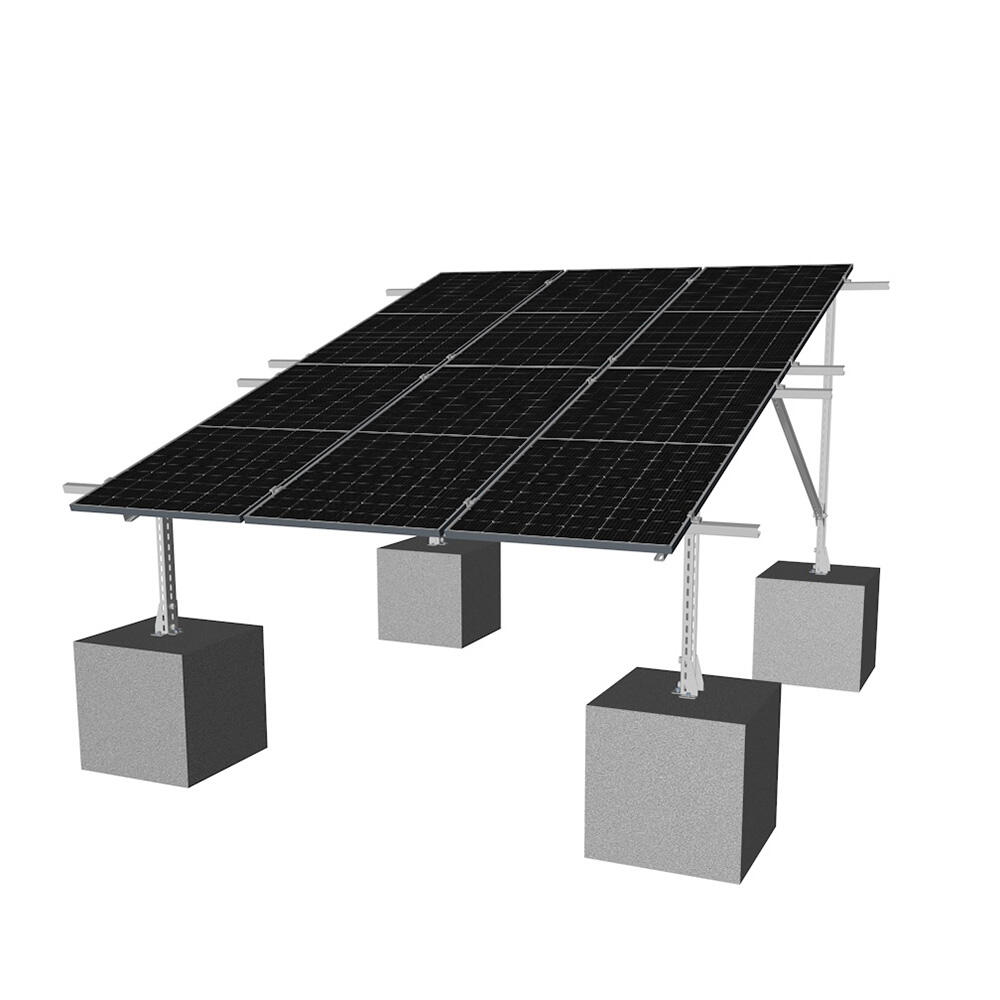
The exceptional adaptability of modern solar ground support systems to diverse ground conditions represents a crucial advantage that expands installation possibilities and reduces project development constraints across various terrain types and geographical locations. Engineers have developed innovative solar ground support system designs that accommodate everything from sandy soils and clay foundations to rocky terrain and sloped landscapes, eliminating the need for extensive site preparation and reducing overall project costs. Pile-driven foundations used in many solar ground support systems can be installed in challenging soil conditions without concrete footings, minimizing environmental impact while providing secure anchoring that meets stringent engineering requirements for wind and seismic loads. The modular design philosophy of contemporary solar ground support systems allows for field adjustments and custom configurations that accommodate irregular terrain features, existing infrastructure, and environmental constraints such as drainage patterns or vegetation preservation requirements. Specialized foundation options within solar ground support systems include helical piers for areas with poor soil bearing capacity, ballasted systems for locations where ground penetration is restricted, and hybrid solutions that combine multiple anchoring methods to address site-specific challenges. The flexibility of solar ground support systems extends to slope installations, where adjustable mounting hardware and variable foundation depths enable successful deployment on hillsides and uneven terrain that would otherwise be unsuitable for development. Soil analysis and geotechnical engineering incorporated into solar ground support system design ensure optimal foundation selection and proper load distribution, preventing settlement issues and maintaining long-term structural integrity across diverse geological conditions. The ability of solar ground support systems to adapt to various ground conditions opens development opportunities on previously unusable land, including brownfield sites, agricultural areas with marginal soil quality, and industrial properties where traditional construction would be challenging or cost-prohibitive.
Cost-Effective Long-Term Performance

Cost-Effective Long-Term Performance

The exceptional cost-effectiveness and long-term performance characteristics of solar ground support systems create compelling economic advantages that deliver sustained value and reliable returns throughout the system's operational lifetime. Initial installation costs for solar ground support systems are often lower than rooftop alternatives due to simplified mounting procedures, reduced structural reinforcement requirements, and easier equipment access during construction phases. The durability engineering incorporated into quality solar ground support systems utilizes corrosion-resistant materials such as hot-dip galvanized steel and marine-grade aluminum alloys that maintain structural integrity and appearance for decades without requiring costly replacements or major repairs. Maintenance advantages inherent in solar ground support systems include ground-level access for cleaning, inspection, and component replacement, eliminating the safety hazards and additional costs associated with rooftop work while enabling more thorough and frequent maintenance procedures that optimize system performance. Performance monitoring capabilities built into modern solar ground support systems provide real-time data on energy production, system health, and component status, enabling proactive maintenance scheduling and rapid identification of issues before they impact revenue generation. The modular expansion capability of solar ground support systems allows property owners to increase capacity incrementally as energy needs grow or financing becomes available, spreading capital investment over time while maintaining design consistency and operational efficiency. Warranty protection for quality solar ground support systems typically extends 20-25 years for structural components and includes comprehensive coverage for mounting hardware, foundation systems, and mechanical components, providing financial security and peace of mind throughout the system's operational life. The proven track record of well-designed solar ground support systems includes installations that have operated successfully for over two decades with minimal maintenance requirements and sustained performance levels, demonstrating the long-term viability and economic benefits of investing in quality ground-mounted solar infrastructure.

Leave Message

Our representative will contact you soon.
Email
Name
Company Name
Message
0/1000