Ground Mounted Solar Structure Solutions - Durable, Efficient & Cost-Effective Solar Systems

All Categories

ground mounted solar structure

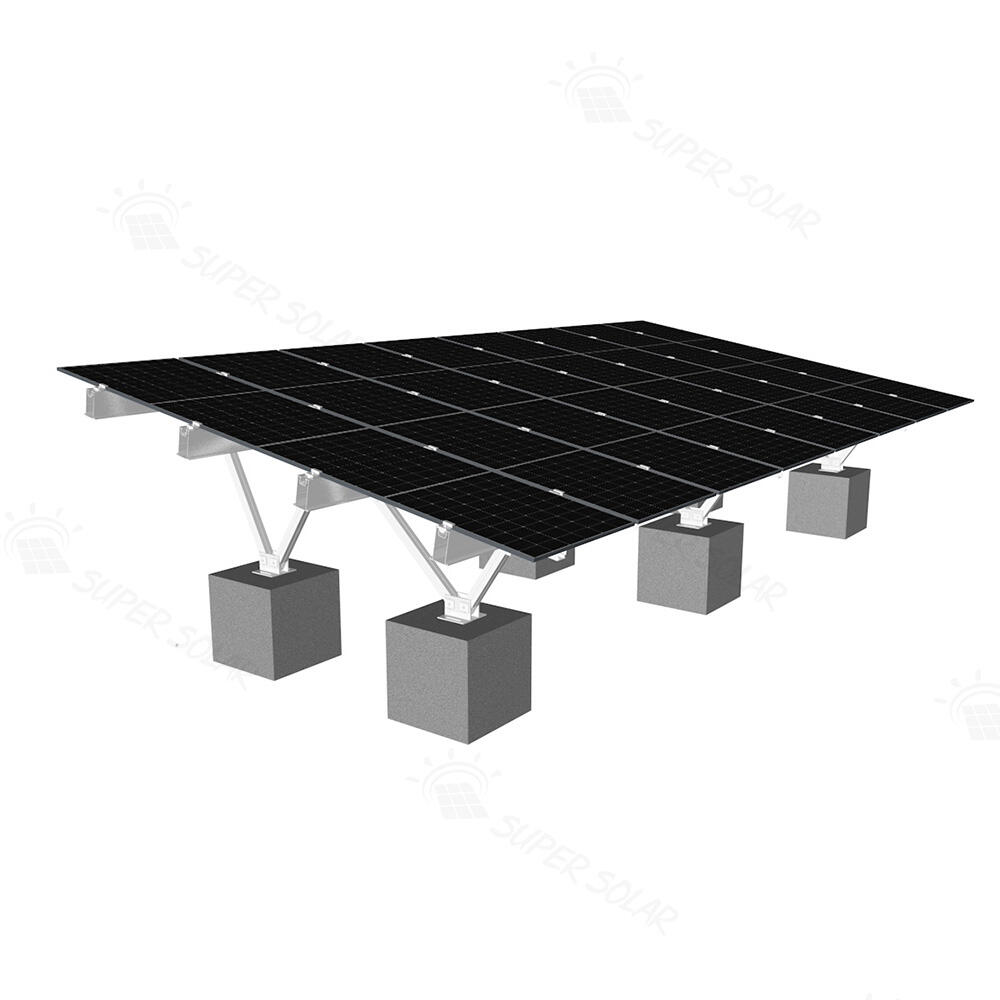
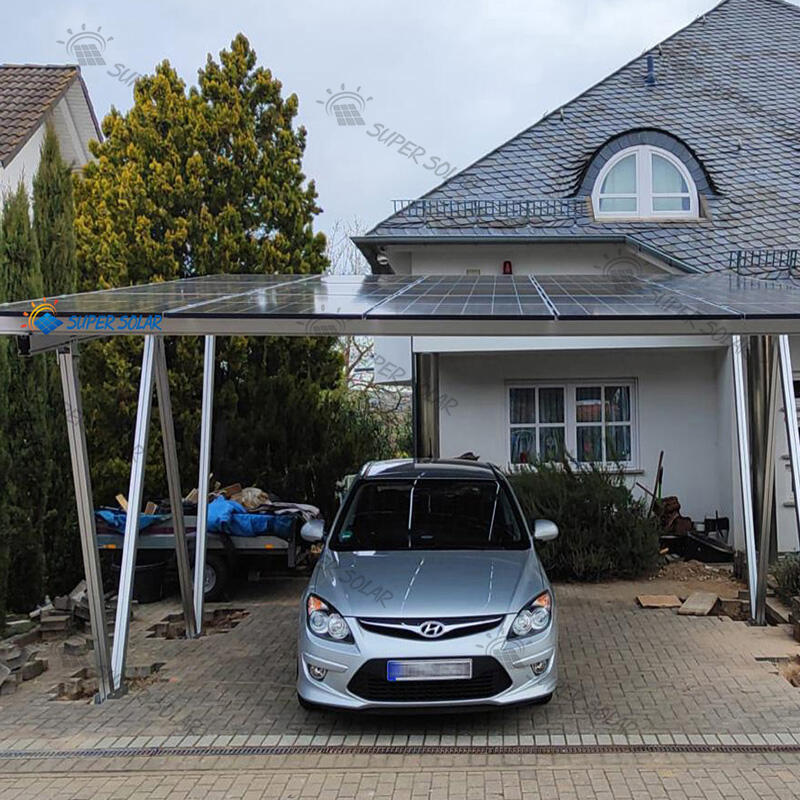
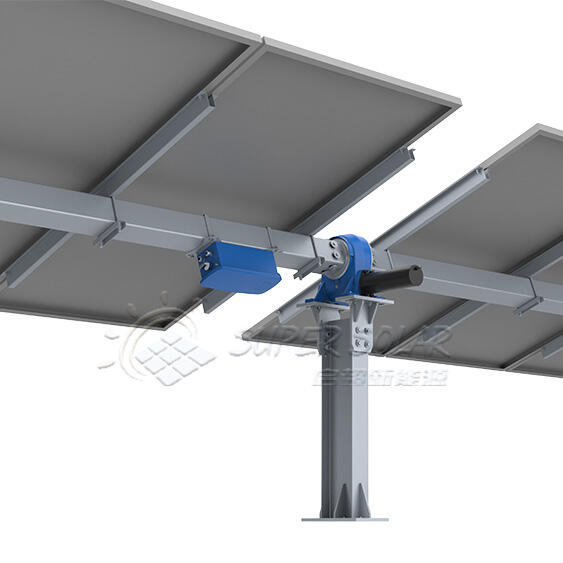
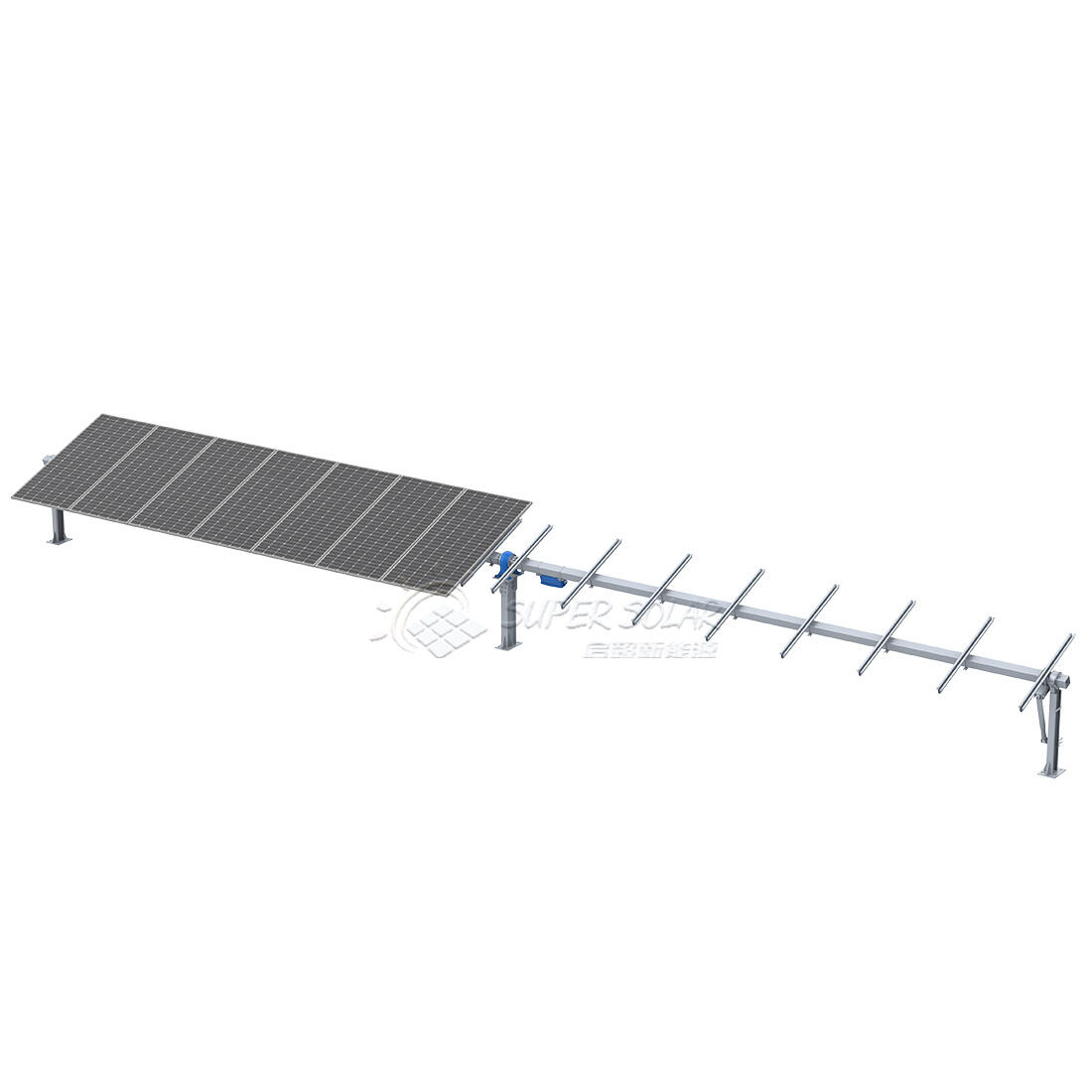
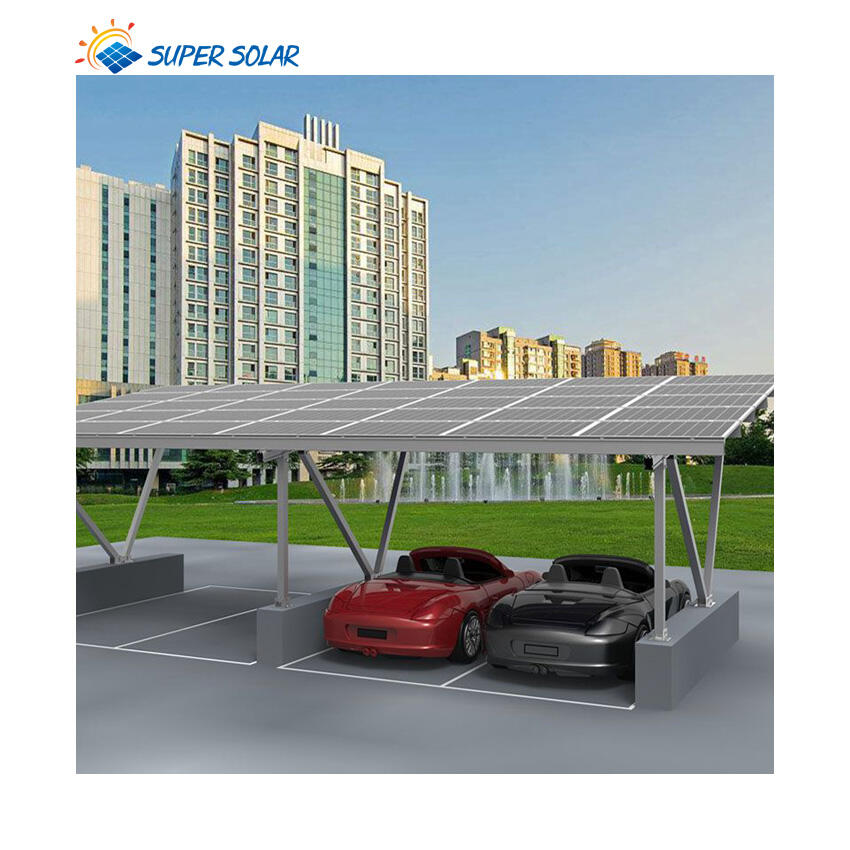
A ground mounted solar structure represents a sophisticated foundation system designed to support photovoltaic panels directly on the earth's surface rather than on rooftops or other elevated platforms. This robust infrastructure serves as the backbone for large-scale solar installations, providing essential stability and optimal positioning for maximum energy generation. The primary function of a ground mounted solar structure involves securely anchoring solar panels while maintaining precise angles and orientations that capture sunlight most effectively throughout the day. These structures incorporate advanced engineering principles to withstand various environmental conditions including high winds, snow loads, and seismic activity. The technological features of modern ground mounted solar structures include adjustable tilt mechanisms that allow seasonal optimization of panel angles, corrosion-resistant materials such as galvanized steel or aluminum alloys, and modular designs that facilitate rapid installation and future expansion. Advanced drainage systems integrated within the structure prevent water accumulation and ensure long-term durability. Many ground mounted solar structures also feature tracking capabilities that automatically adjust panel positions to follow the sun's path, significantly increasing energy output compared to fixed installations. The applications for ground mounted solar structures span across residential properties with sufficient land area, commercial and industrial facilities, utility-scale solar farms, and agricultural operations seeking dual land use through agrivoltaics. These structures prove particularly valuable in regions with ample available land where rooftop installations are impractical or insufficient for energy needs. Educational institutions, government facilities, and community solar projects frequently utilize ground mounted solar structures to achieve sustainability goals while providing educational opportunities and community benefits. The versatility of ground mounted solar structures makes them suitable for various terrain types, from flat agricultural fields to gently sloping hillsides, with proper engineering adaptations ensuring optimal performance regardless of geographic location.

New Product Releases

Ground mounted solar structures deliver exceptional value through their superior accessibility and maintenance advantages. Unlike rooftop installations, these systems allow technicians to perform routine cleaning, inspection, and repairs without navigating complex roof structures or safety hazards associated with elevated work. This accessibility translates directly into reduced maintenance costs and improved system reliability over the installation's 25-year lifespan. Property owners benefit from enhanced safety protocols as ground-level maintenance eliminates risks associated with roof work, resulting in lower insurance costs and reduced liability concerns. The installation flexibility offered by ground mounted solar structures enables optimal positioning regardless of building orientation or roof condition. Property owners can select the most advantageous locations on their land, avoiding shadows from trees or structures while maximizing southern exposure for peak energy production. This positioning freedom often results in 10-25% higher energy output compared to compromised rooftop installations. Ground mounted solar structures accommodate larger system sizes than typical residential rooftops, enabling property owners to generate surplus energy for sale back to utility companies through net metering programs. The expandability of ground mounted systems allows incremental capacity increases as energy needs grow or budgets permit, providing long-term scalability that rooftop systems cannot match. Economic benefits extend beyond energy savings through increased property values and potential agricultural income from dual land use arrangements. Ground mounted solar structures preserve roof integrity by eliminating penetrations and structural modifications required for rooftop installations. This preservation prevents potential leak issues and maintains existing warranties while avoiding costly roof reinforcements. The longevity of ground mounted solar structures exceeds rooftop alternatives due to superior ventilation that prevents overheating and reduces thermal stress on components. Enhanced airflow around panels maintains optimal operating temperatures, extending equipment life and maintaining peak efficiency. Installation costs often prove more economical for ground mounted solar structures in larger applications due to simplified electrical runs, reduced safety requirements, and faster installation times. The absence of complex roof work and specialized equipment requirements streamlines the installation process, reducing overall project costs and timelines.

Tips And Tricks

What Is a Solar Tracker?

22

Jul

What Is a Solar Tracker?

Understanding Solar Trackers: Definition and Core Functions What Does a Solar Tracker Do? A solar tracker is a sophisticated device crucial for optimizing the performance of solar panels by orienting them towards the sun throughout the day. Its prim...
View More
What Is a Single-Axis Solar Tracker?

22

Jul

What Is a Single-Axis Solar Tracker?

What Is a Single-Axis Solar Tracker? Definition and Basic Functionality A single-axis solar tracker is a sophisticated device designed to enhance the efficiency of solar energy systems by orienting solar panels toward the sun as it moves across the ...
View More
Why Choose a Carport Photovoltaique for Residential Solar Solutions?

22

Jul

Why Choose a Carport Photovoltaique for Residential Solar Solutions?

Environmental Impact of Carport Photovoltaique Systems Reducing Carbon Footprint with Solar Energy Carport photovoltaic systems are instrumental in significantly diminishing our reliance on fossil fuels, which in turn lowers greenhouse gas emissions...
View More
The Ultimate Guide to Installing Solar L Feet on Metal Roofs

23

Sep

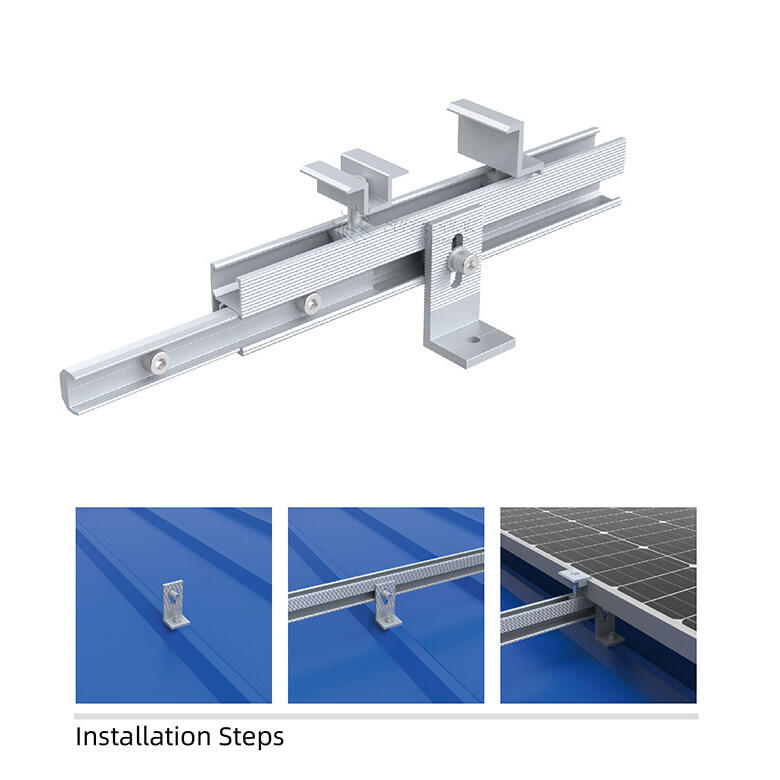
The Ultimate Guide to Installing Solar L Feet on Metal Roofs

Pre-installation preparation (roof inspection, tools needed) Conducting a roof inspection before installation Before starting any metal roof project, the roof must be carefully inspected. Installers should check for rust, loose panels, or structural ...
View More

Leave Message

Our representative will contact you soon.
Email
Name
Company Name
Message
0/1000

ground mounted solar structure

Optimal Energy Performance Through Advanced Positioning Technology

Optimal Energy Performance Through Advanced Positioning Technology

Ground mounted solar structures excel in energy generation efficiency through sophisticated positioning technologies that maximize solar exposure throughout the year. Unlike fixed rooftop installations limited by building orientation and structural constraints, ground mounted solar structures provide complete flexibility in panel placement and angle optimization. This positioning advantage allows property owners to achieve optimal south-facing orientations with ideal tilt angles ranging from 30-45 degrees depending on geographic latitude, resulting in significantly higher energy yields compared to suboptimal rooftop placements. Advanced ground mounted solar structures incorporate single-axis or dual-axis tracking systems that automatically follow the sun's daily and seasonal movements, increasing energy production by 15-35% compared to fixed installations. The tracking technology utilizes precision motors and sensors to continuously adjust panel positions, ensuring perpendicular sunlight exposure throughout daylight hours. This technological sophistication translates into substantial long-term savings as the increased energy production often justifies the additional investment within 3-5 years through enhanced electricity generation. Property owners benefit from customizable tilt mechanisms that enable seasonal adjustments, optimizing winter and summer performance by accounting for the sun's changing elevation angles. The superior ventilation provided by ground mounted solar structures prevents overheating that commonly affects rooftop installations, maintaining peak efficiency even during hot summer months when cooling is most critical. Enhanced airflow around panels keeps operating temperatures 10-15 degrees cooler than roof-mounted alternatives, directly correlating to improved electrical output and extended equipment lifespan. The positioning flexibility of ground mounted solar structures also enables strategic placement to avoid shadows from buildings, trees, or other obstructions that frequently compromise rooftop installations. Property owners can conduct detailed shade analysis and select locations with maximum sun exposure, ensuring consistent energy production throughout the day and across seasons. This optimization capability proves particularly valuable for properties with complex roof lines, multiple chimneys, or surrounding vegetation that would otherwise limit solar potential.
Exceptional Durability and Weather Resistance Engineering

Exceptional Durability and Weather Resistance Engineering

Ground mounted solar structures demonstrate superior durability through engineered foundations and weather-resistant materials designed to withstand extreme environmental conditions for decades. The foundation systems typically employ deep concrete footings or helical pile foundations that provide exceptional stability against wind uplift forces, seismic activity, and frost heave in cold climates. Professional engineering ensures these structures meet or exceed local building codes for wind and snow loads, often withstanding wind speeds exceeding 120 mph and snow loads surpassing 40 pounds per square foot. The material selection for ground mounted solar structures prioritizes corrosion resistance and longevity, utilizing hot-dip galvanized steel, marine-grade aluminum alloys, or specialized stainless steel components that resist rust and degradation even in coastal environments with salt air exposure. This material quality ensures structural integrity throughout the system's 25-30 year operational life while maintaining aesthetic appeal and property values. Advanced coating technologies provide additional protection against UV radiation, temperature cycling, and chemical exposure from agricultural or industrial environments. The modular design of modern ground mounted solar structures allows for thermal expansion and contraction without compromising structural integrity, accommodating temperature variations from -40°F to 180°F that occur in various climates. Engineered drainage systems integrated into the structure design prevent water accumulation and ice formation that could damage components or create safety hazards. These systems include strategic grading, drainage channels, and waterproof connections that maintain dry conditions around electrical components and foundation elements. Ground mounted solar structures also incorporate lightning protection systems and proper grounding to safeguard against electrical damage during storms, providing comprehensive protection for the substantial investment in solar equipment. The elevated design of ground mounted solar structures prevents flood damage and allows continued operation during moderate flooding events that might disable ground-level equipment. Professional installation includes seismic considerations for earthquake-prone regions, utilizing flexible connections and reinforced anchoring systems that maintain structural integrity during ground movement while protecting valuable solar panels and electrical components.
Comprehensive Maintenance Access and Long-term Cost Efficiency

Comprehensive Maintenance Access and Long-term Cost Efficiency

Ground mounted solar structures provide unmatched maintenance accessibility that directly translates to lower operational costs and extended system lifespan through proper care and timely service interventions. The ground-level access eliminates safety risks and specialized equipment requirements associated with rooftop maintenance, allowing property owners to perform routine cleaning and basic inspections safely without professional assistance. This accessibility proves particularly valuable for snow removal in northern climates where accumulated snow can significantly impact energy production during winter months. Property owners can easily clear snow from ground mounted solar structures using standard tools, maintaining energy generation when rooftop systems remain inaccessible due to safety concerns. Professional maintenance teams benefit from streamlined service procedures that reduce labor costs and service time, enabling more frequent and thorough system inspections that identify potential issues before they become costly repairs. The accessibility of ground mounted solar structures facilitates advanced monitoring system installation and maintenance, including weather stations, performance monitoring equipment, and security systems that protect the investment while optimizing performance. Cleaning procedures for ground mounted solar structures prove more effective and less expensive than rooftop alternatives, as technicians can access all panels safely using conventional cleaning equipment and water sources. Regular cleaning maintains optimal energy production while preventing long-term damage from accumulated dirt, bird droppings, and debris that reduce panel efficiency and can cause permanent staining or etching. Component replacement becomes significantly more manageable with ground mounted solar structures, as technicians can safely transport and install heavy equipment such as inverters, transformers, and replacement panels without crane services or specialized rigging equipment required for rooftop installations. The cost savings extend to electrical system maintenance, as ground-level junction boxes, disconnects, and monitoring equipment remain easily accessible for troubleshooting and repairs. Long-term financial benefits include reduced insurance premiums due to lower risk profiles associated with ground-level installations and elimination of roof warranty concerns that often arise with rooftop penetrations. Property owners enjoy peace of mind knowing their solar investment remains easily serviceable throughout its operational life, protecting long-term returns on investment while maintaining optimal energy production efficiency through proper maintenance accessibility.

Leave Message

Our representative will contact you soon.
Email
Name
Company Name
Message
0/1000