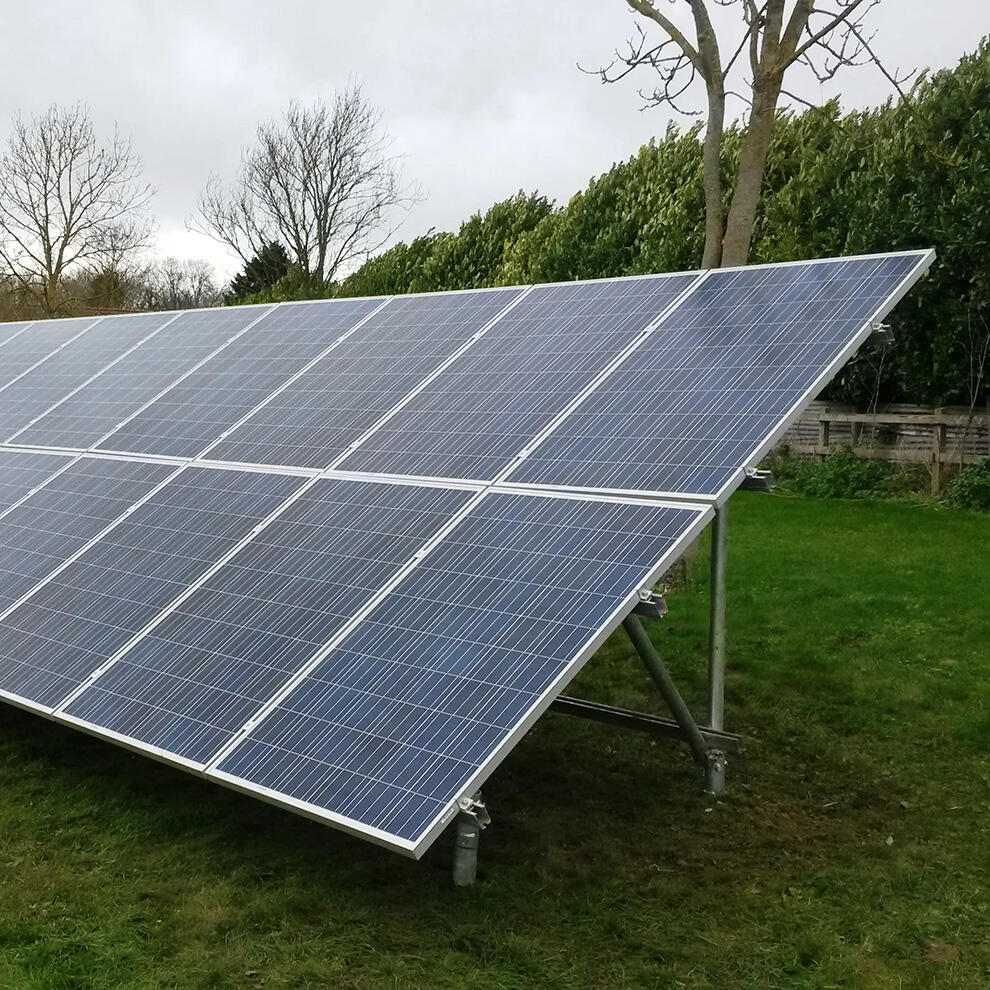
ground solar mounting with concrete foundation
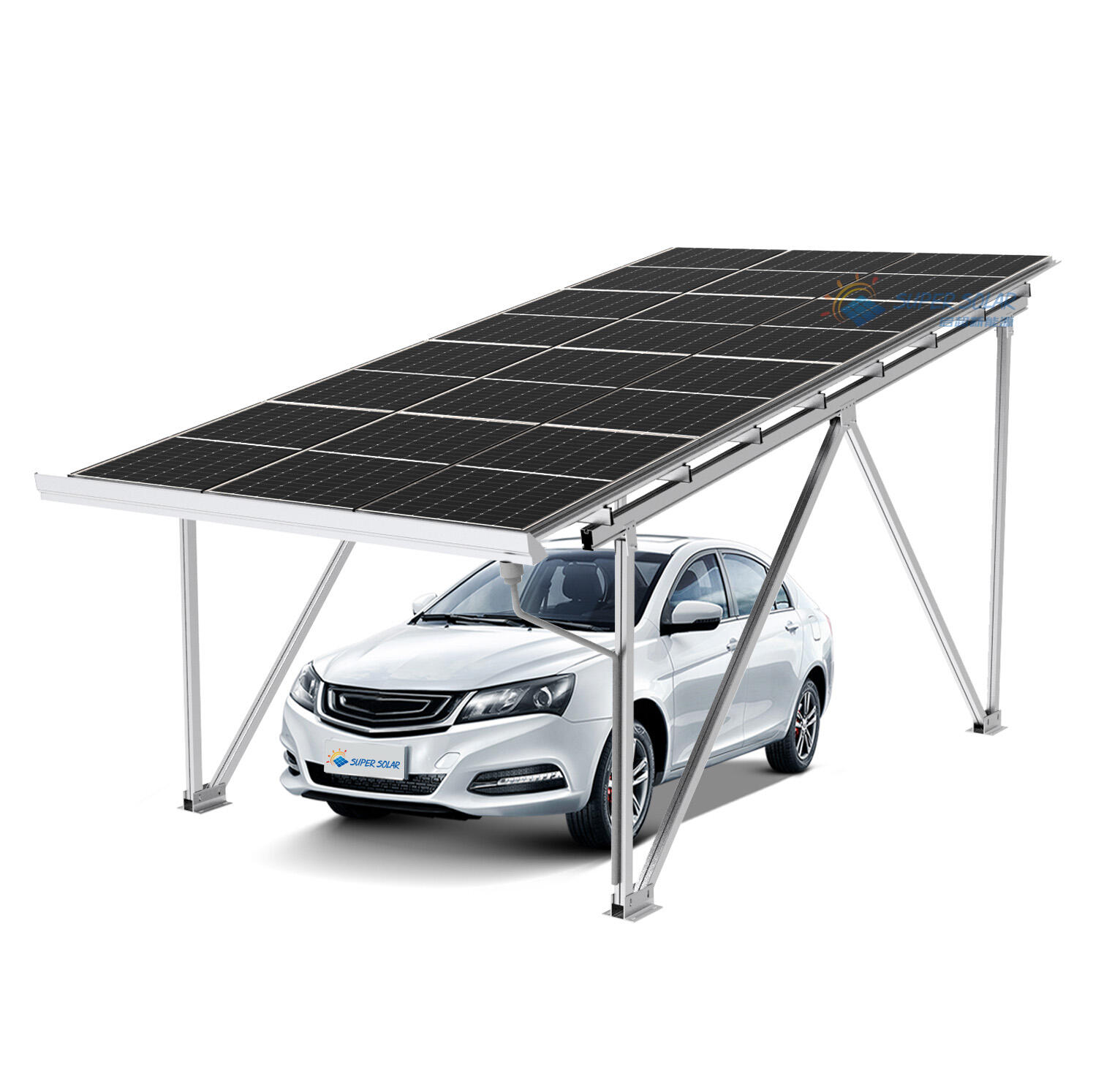
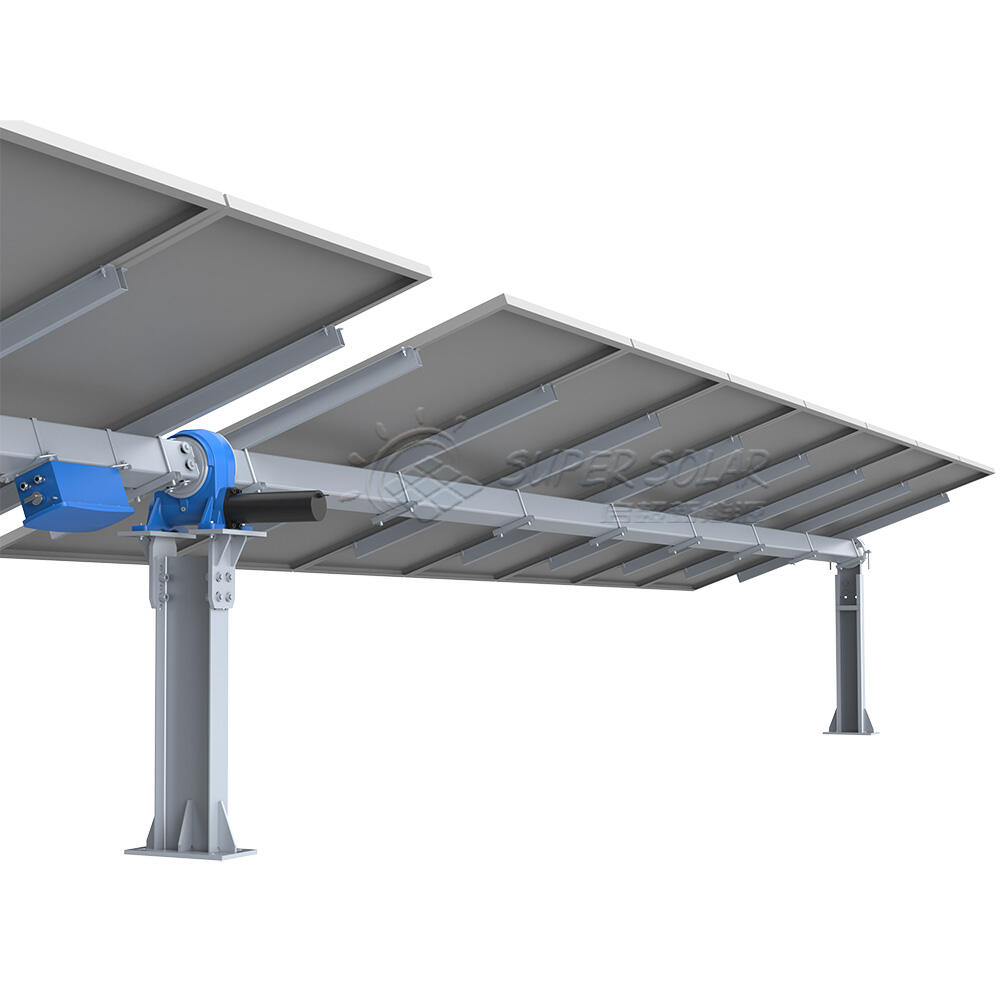
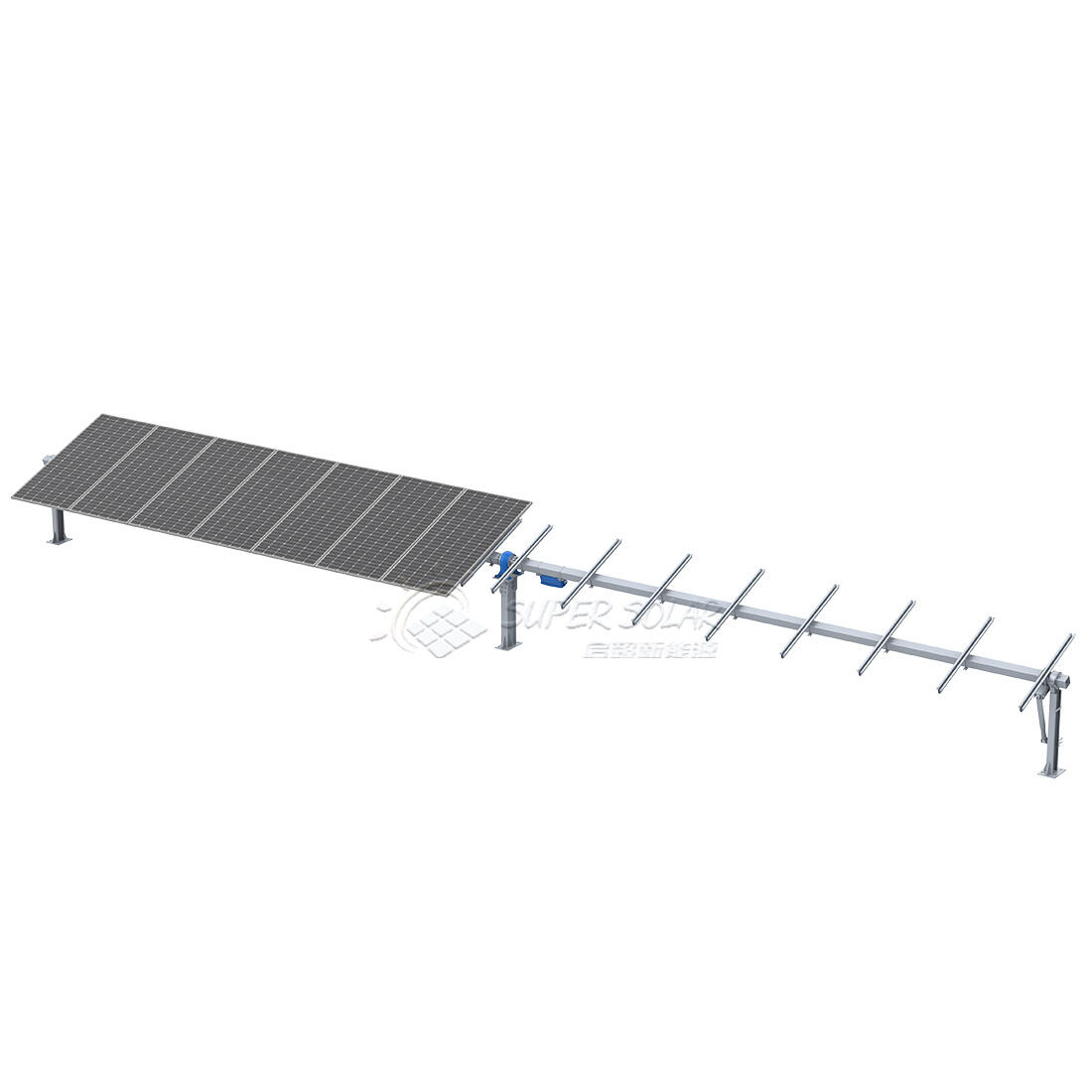
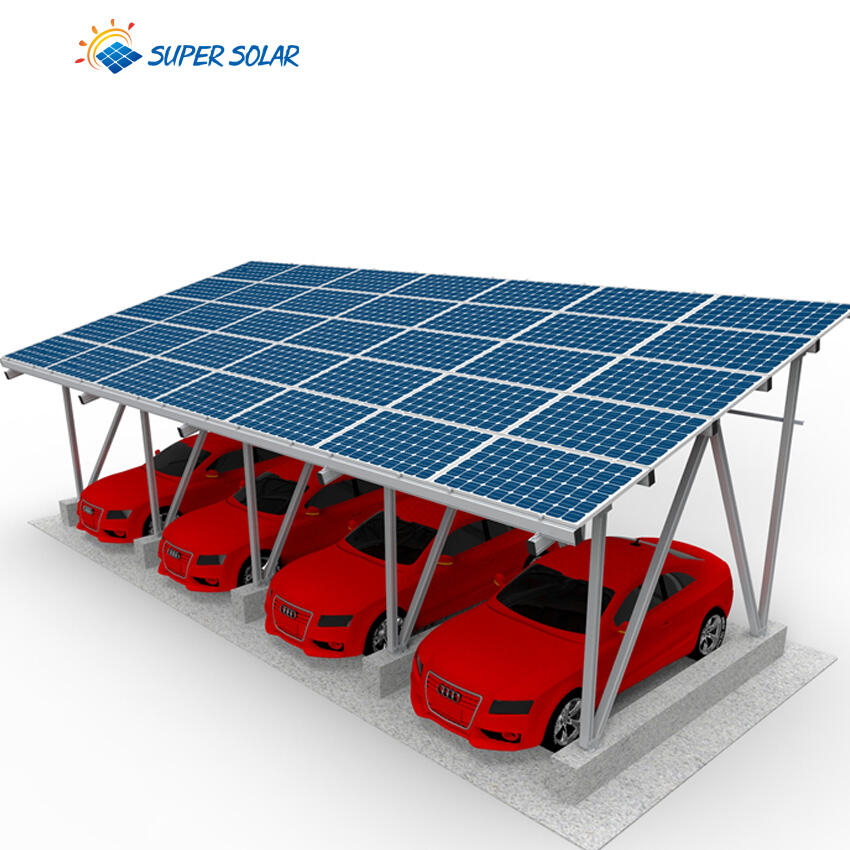
Ground solar mounting with concrete foundation represents a robust and dependable solution for large-scale photovoltaic installations that require exceptional stability and longevity. This mounting system utilizes poured concrete foundations to anchor solar panels securely to the ground, creating an immovable base that withstands extreme weather conditions and environmental challenges. The concrete foundation system eliminates the need for deep excavation or specialized soil conditions, making it suitable for diverse terrain types and ground compositions. The primary function of ground solar mounting with concrete foundation involves supporting solar panel arrays at optimal angles for maximum energy generation while ensuring structural integrity throughout the system's operational lifetime. The technological features include precision-engineered aluminum or steel mounting rails that connect to concrete-embedded anchor bolts, creating a seamless integration between foundation and superstructure. These systems incorporate advanced drainage mechanisms to prevent water accumulation and corrosion protection coatings that extend component lifespan. The concrete foundation typically consists of reinforced concrete pads or continuous footings designed to distribute loads evenly across the ground surface. Applications for ground solar mounting with concrete foundation span commercial solar farms, utility-scale installations, industrial facilities, and residential properties with substantial energy requirements. The system proves particularly valuable in areas with challenging soil conditions, high wind loads, or seismic activity where traditional pile-driven foundations may not provide adequate stability. Manufacturing facilities, warehouses, agricultural operations, and municipal projects frequently choose ground solar mounting with concrete foundation for its reliability and long-term performance characteristics. The mounting system accommodates various panel orientations, including fixed-tilt configurations and seasonal adjustment capabilities, allowing operators to optimize energy production based on geographic location and seasonal sun patterns. Installation teams appreciate the standardized connection methods and modular design elements that streamline construction processes while maintaining quality control standards across large project deployments.
 EN
EN