commercial solar carports canopy price
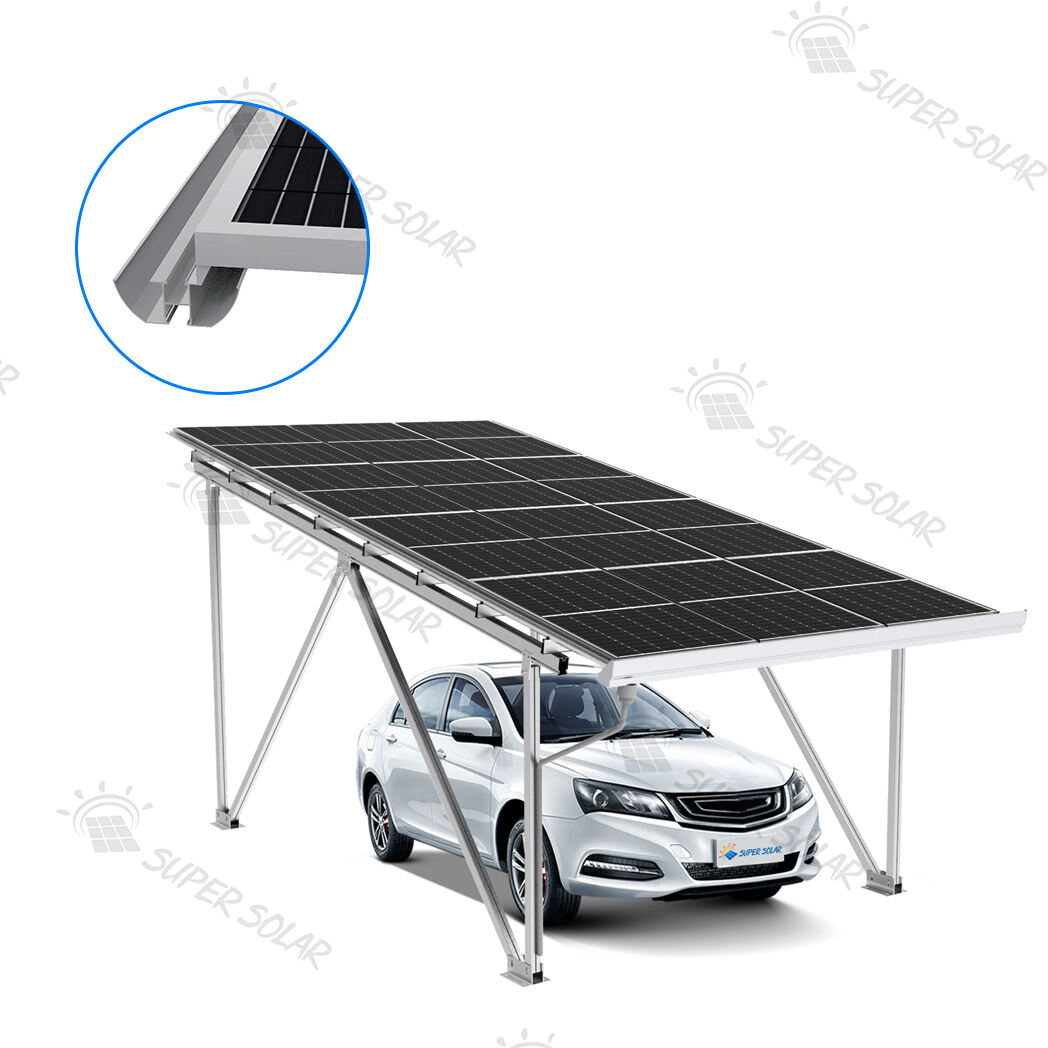
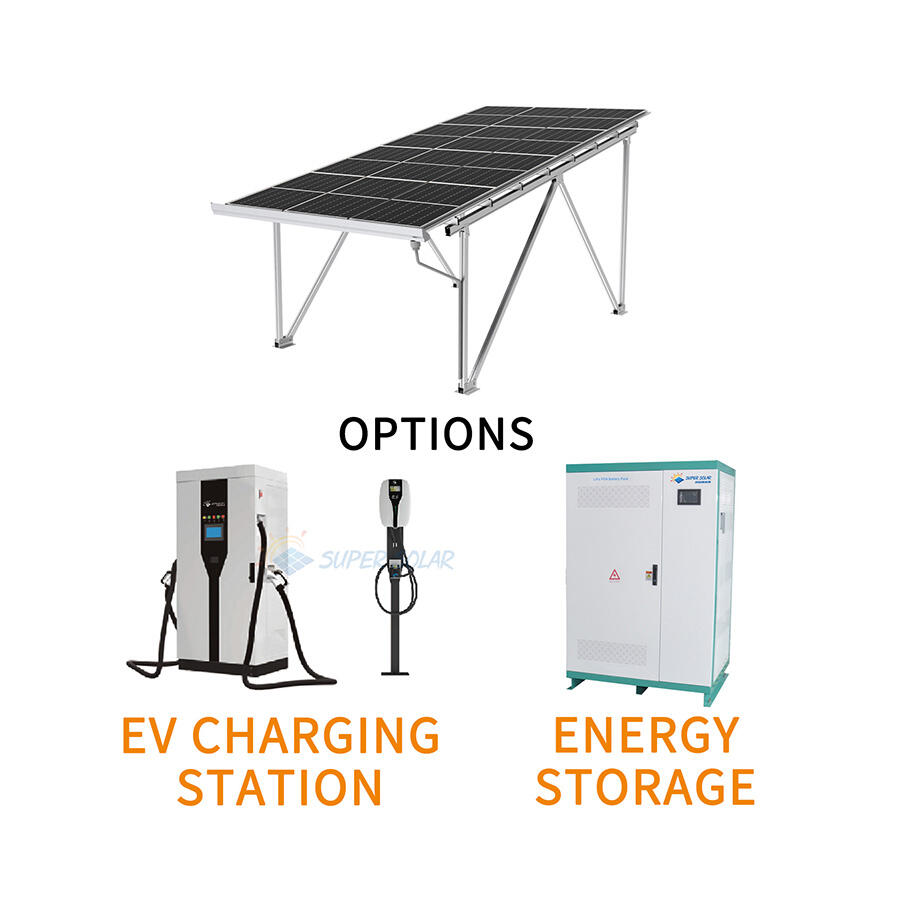
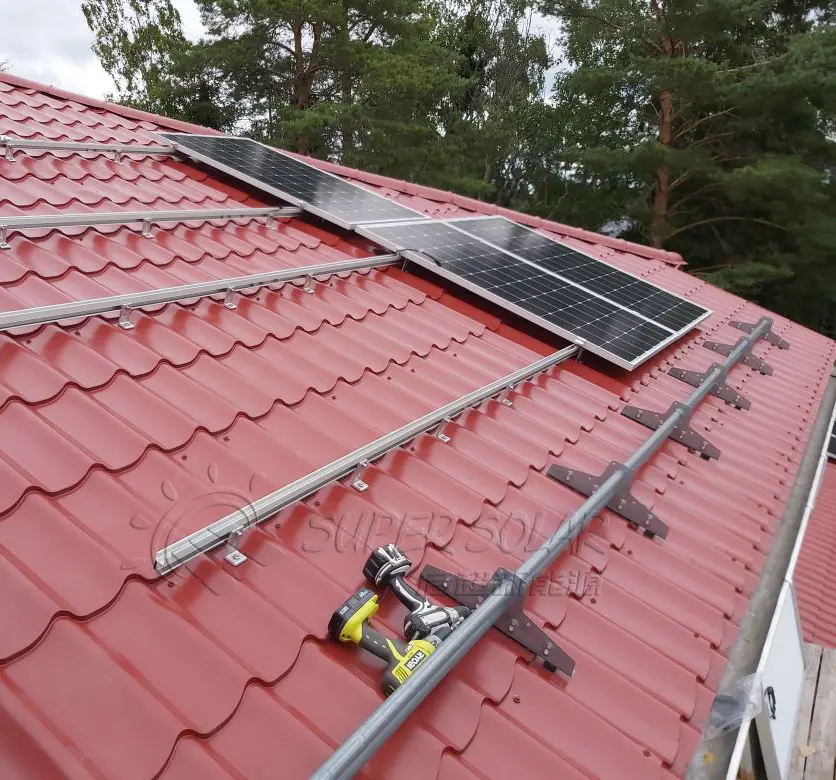
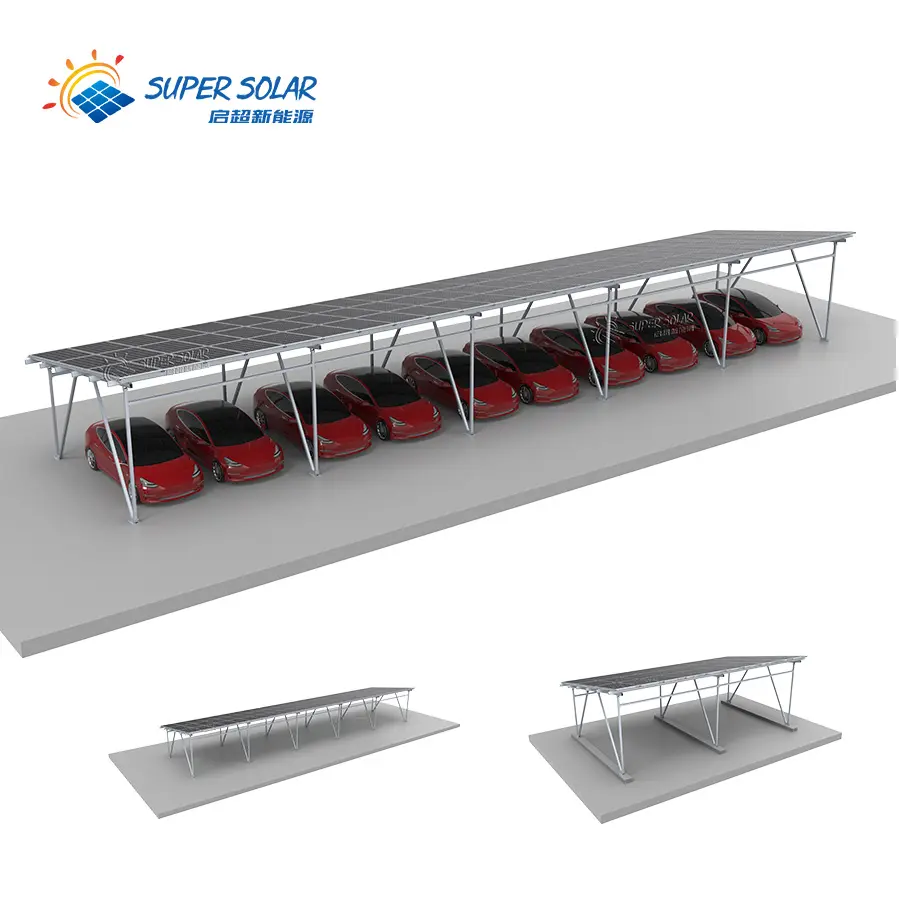
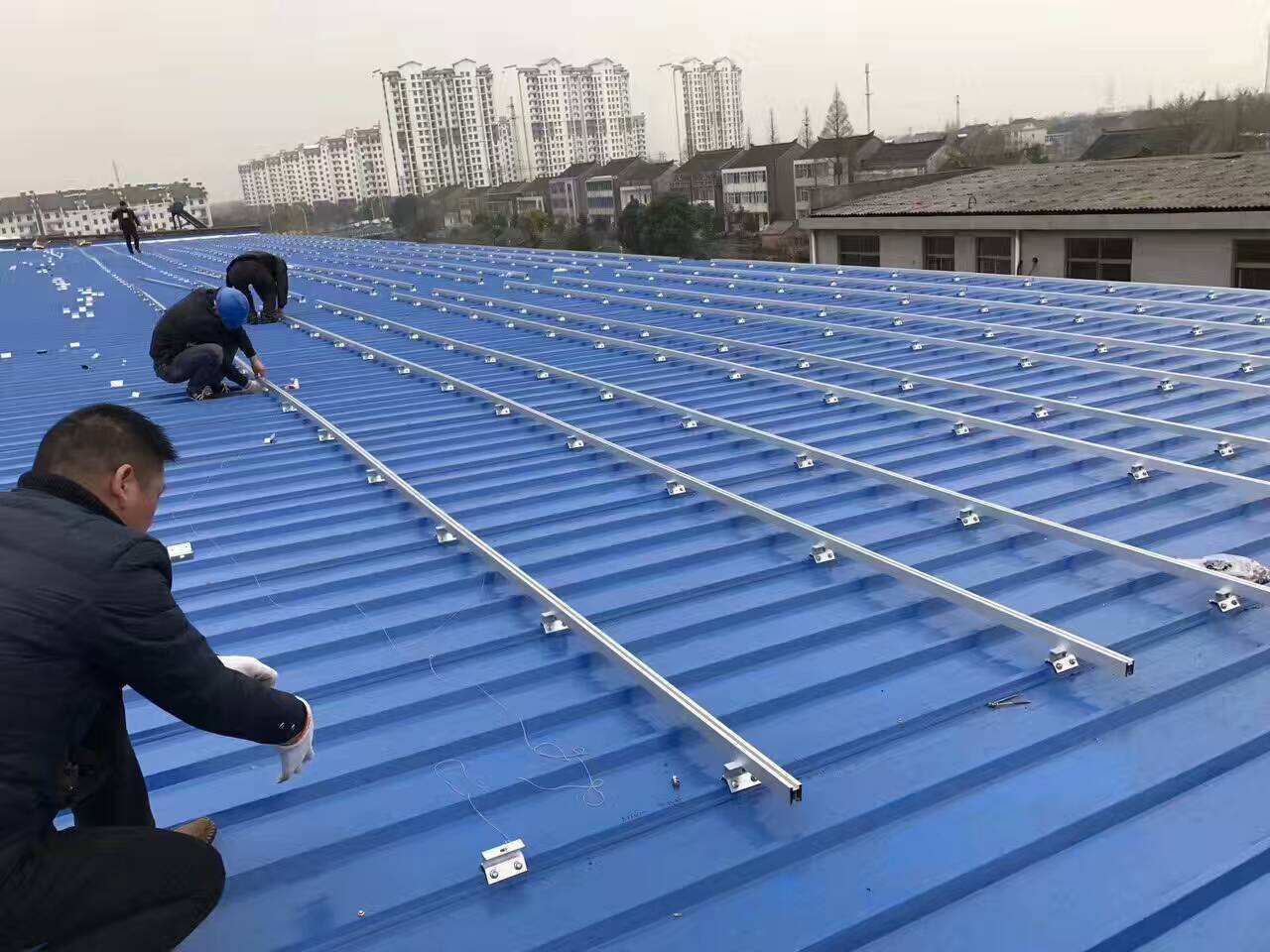
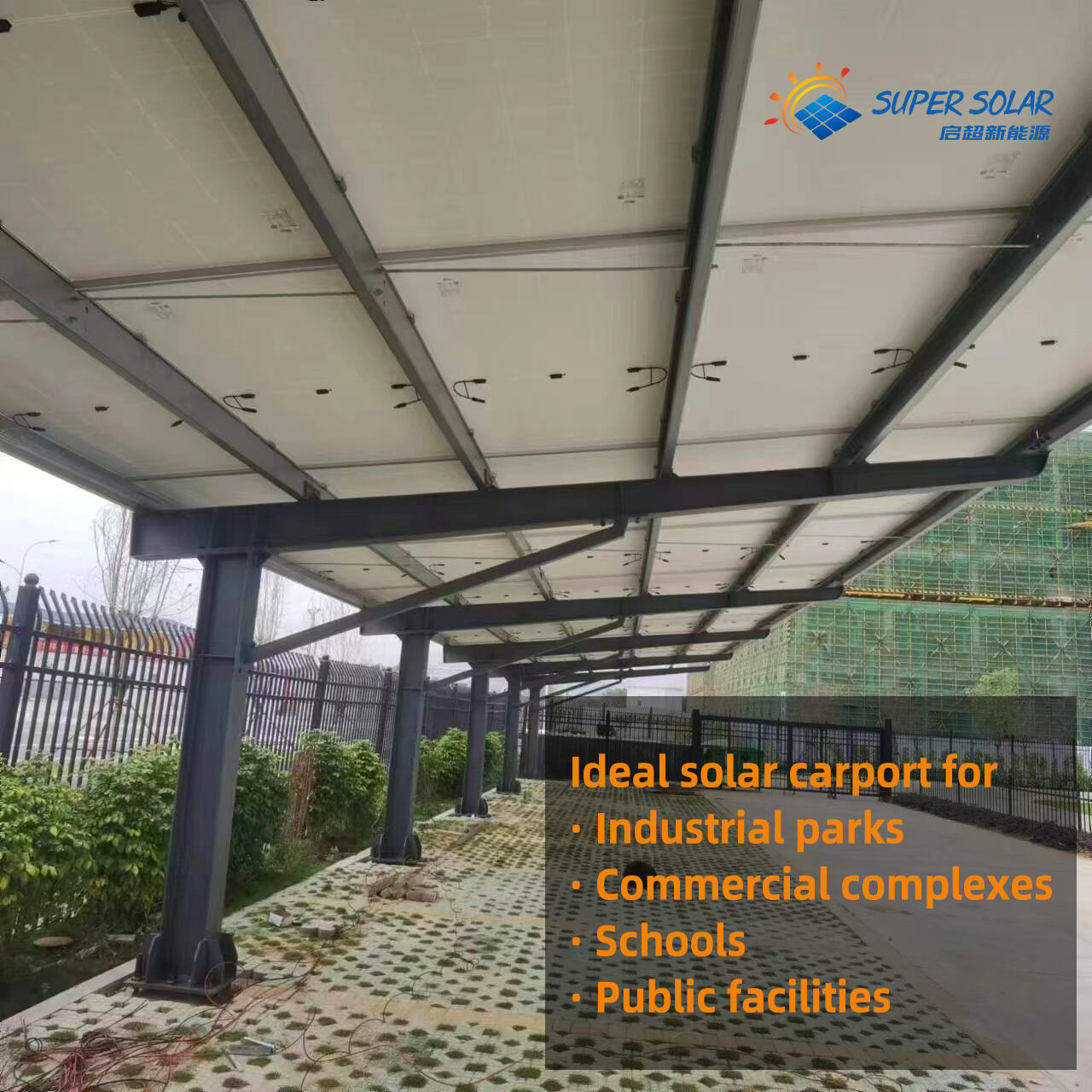
Commercial solar carports canopy price represents a strategic investment in sustainable infrastructure that combines parking solutions with renewable energy generation. These innovative structures provide dual functionality by offering weather protection for vehicles while simultaneously generating clean electricity through integrated photovoltaic panels. The commercial solar carports canopy price varies significantly based on system size, installation complexity, geographic location, and specific technological specifications. Understanding the comprehensive pricing structure helps businesses make informed decisions about implementing these advanced energy solutions. The main functions of commercial solar carports extend beyond basic vehicle protection. They generate substantial electricity output that can offset facility energy costs, reduce carbon footprint, and potentially create revenue through net metering programs. The elevated design maximizes land utilization efficiency by creating valuable covered parking spaces without requiring additional ground area for separate solar installations. Technological features include high-efficiency photovoltaic modules, robust aluminum or steel framework systems, integrated electrical components, and advanced monitoring capabilities. Modern installations incorporate smart inverters, real-time performance tracking, and remote diagnostics to optimize energy production. The structural engineering ensures wind resistance, snow load capacity, and seismic stability while maintaining architectural aesthetics. Applications span across retail centers, corporate campuses, educational institutions, healthcare facilities, and municipal properties. Commercial solar carports canopy price considerations include equipment costs, installation labor, electrical infrastructure, permitting fees, and ongoing maintenance requirements. The total investment typically ranges from fifteen to twenty-five dollars per square foot of coverage area. However, federal tax incentives, state rebates, and accelerated depreciation benefits significantly reduce net project costs. Long-term financial benefits include reduced utility bills, stable energy pricing, increased property values, and enhanced corporate sustainability profiles. The payback period generally ranges from six to ten years, followed by decades of virtually free electricity generation and substantial operational savings for forward-thinking businesses.
 EN
EN