ground pv mounting structure
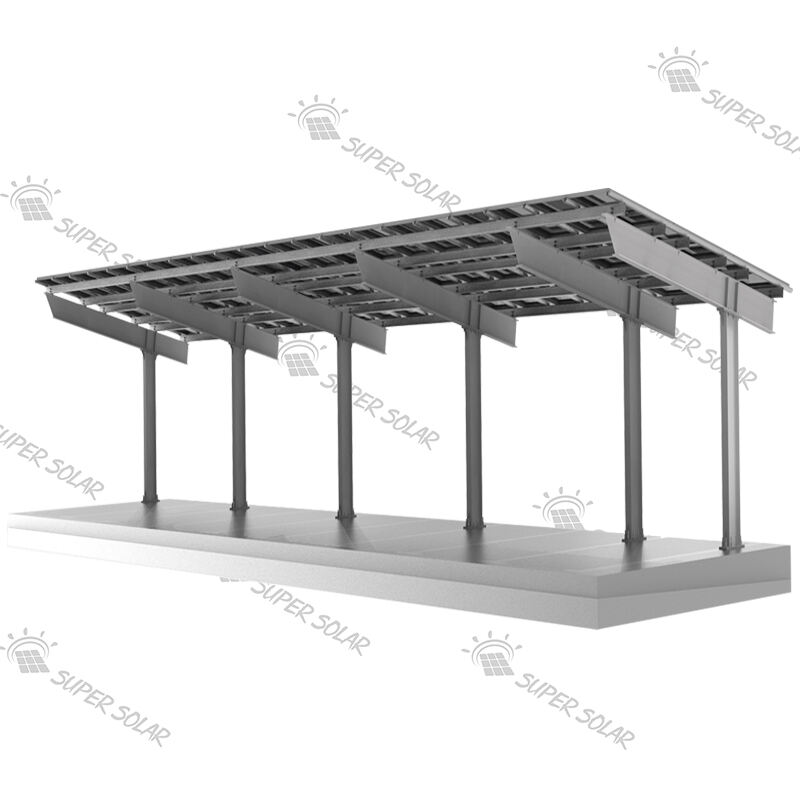
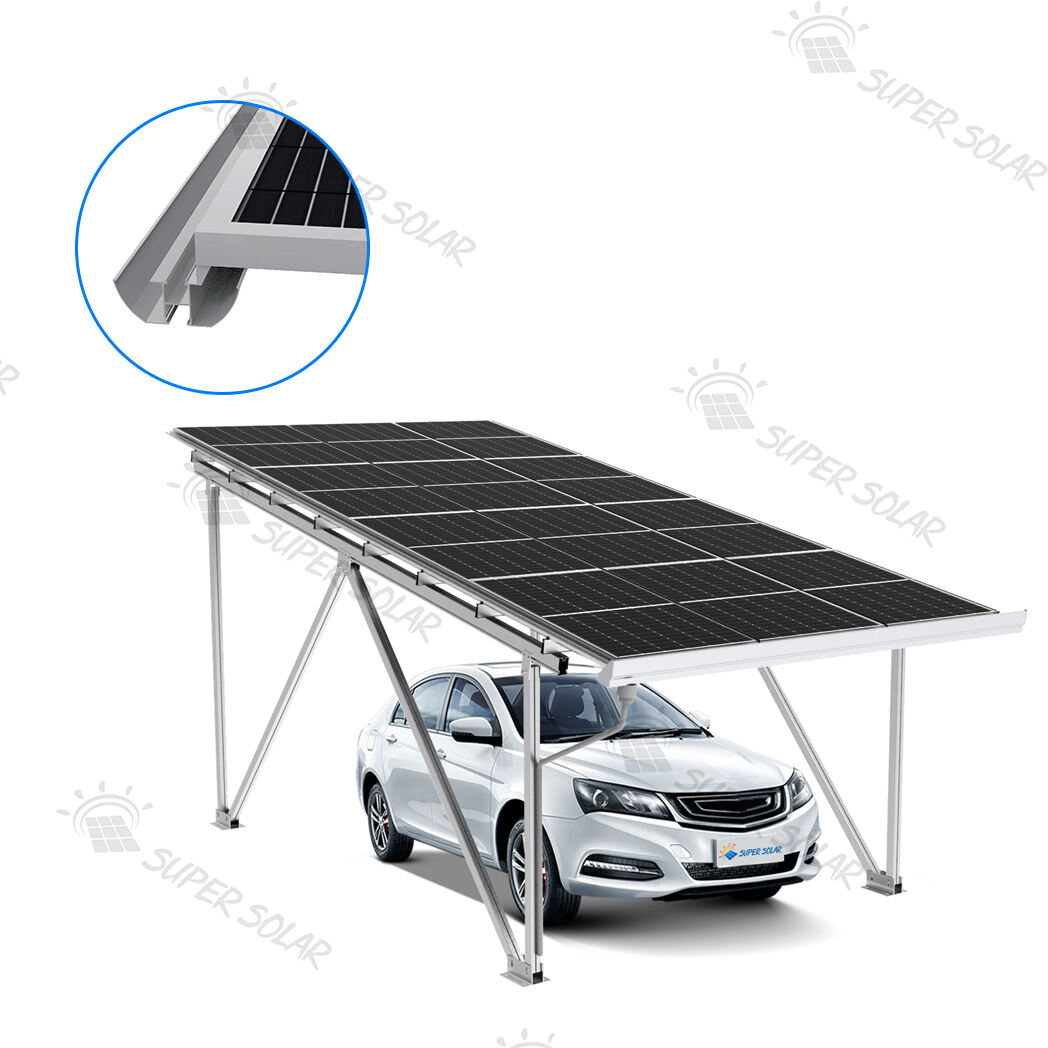
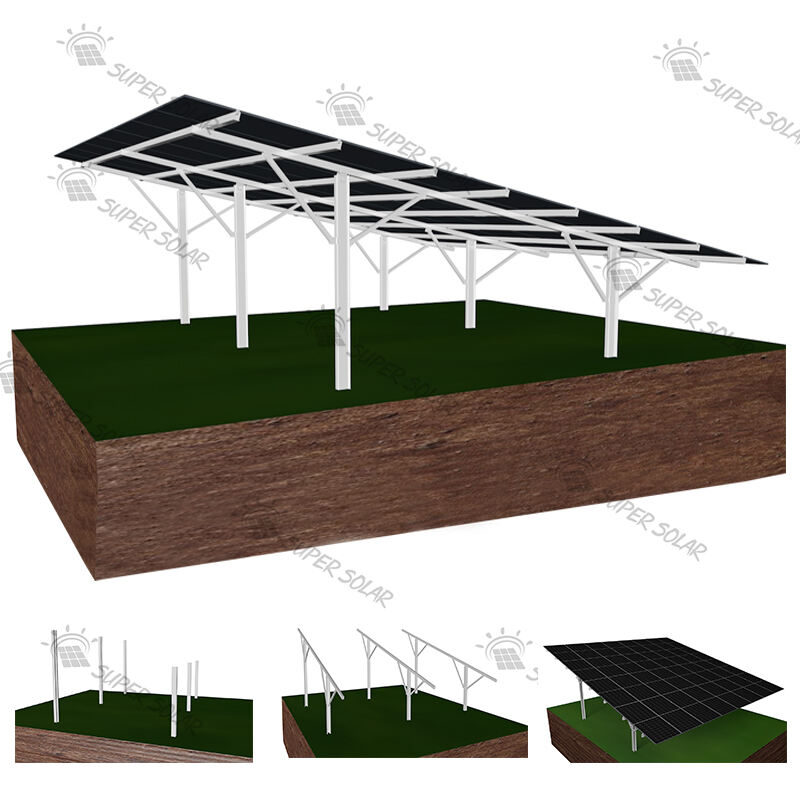
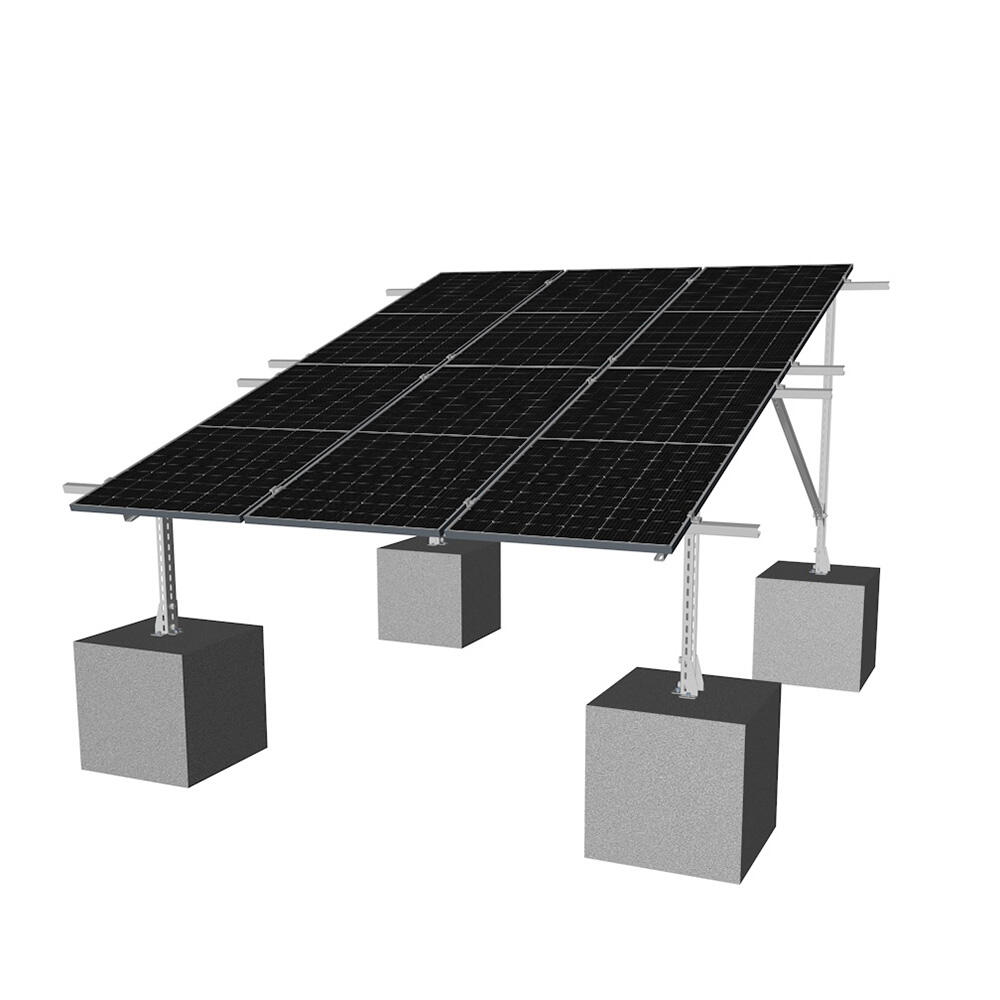
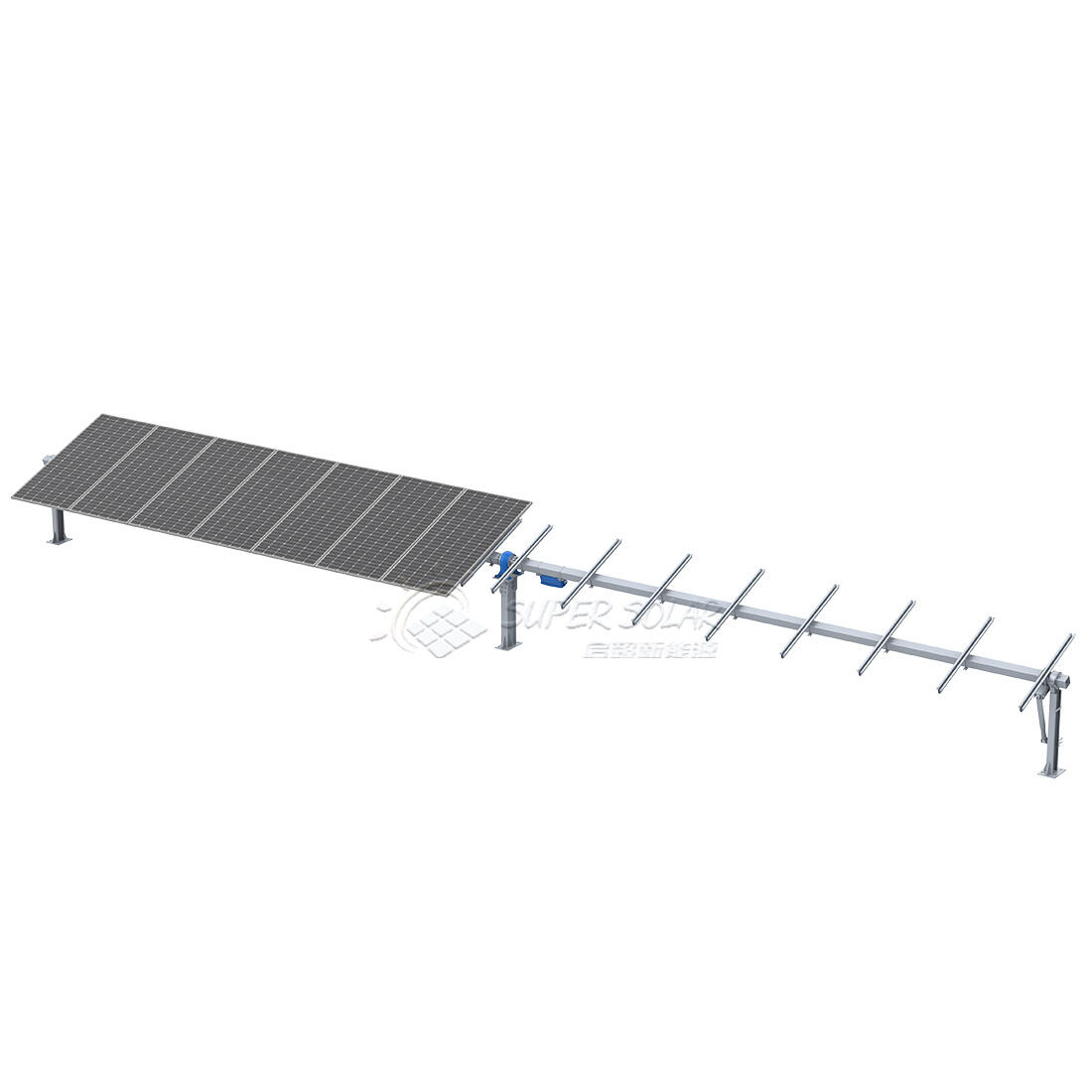
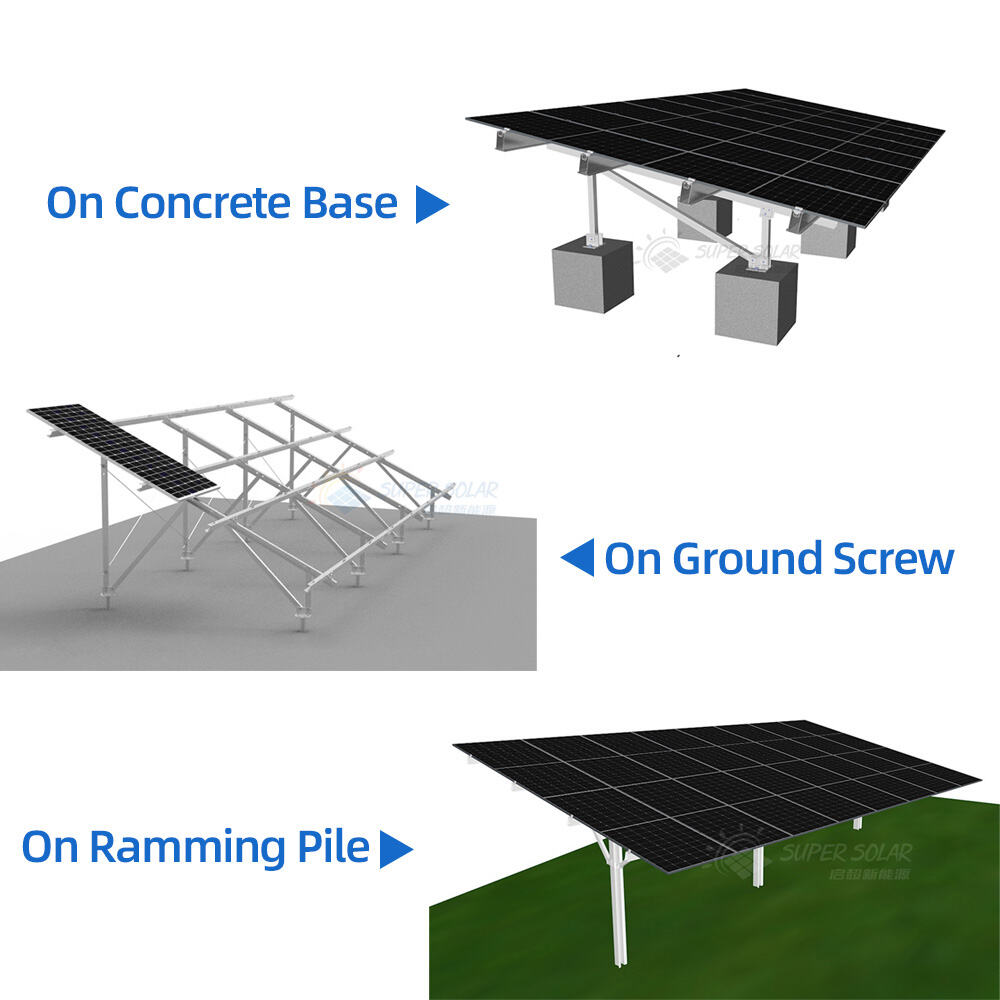
The ground pv mounting structure represents a fundamental component in solar energy installations, serving as the essential foundation that secures photovoltaic panels to terrestrial surfaces. This specialized mounting system functions as the critical interface between solar panels and the earth, ensuring optimal positioning, stability, and performance throughout the system's operational lifespan. Ground pv mounting structure systems are engineered to withstand environmental challenges while maximizing energy capture efficiency through precise panel orientation and spacing. The primary function of a ground pv mounting structure involves providing secure anchoring for solar panels at predetermined angles and heights above ground level. These structures incorporate advanced engineering principles to accommodate various soil conditions, weather patterns, and geographic locations. The technological framework includes galvanized steel or aluminum components that resist corrosion and maintain structural integrity over decades of exposure to outdoor elements. Modern ground pv mounting structure designs feature modular construction methods that facilitate rapid installation while ensuring consistent quality across large-scale solar farms. The structures typically incorporate adjustable tilt mechanisms that enable seasonal optimization of solar panel angles, maximizing energy production throughout different periods of the year. Additionally, these mounting systems include integrated cable management solutions that protect electrical connections from environmental damage while maintaining accessibility for maintenance operations. Ground pv mounting structure applications span residential, commercial, and utility-scale installations across diverse geographic regions. These systems accommodate various panel types, including crystalline silicon and thin-film technologies, while providing flexibility for future system expansions or modifications. The structural design considers local building codes, wind loads, seismic requirements, and snow accumulation factors to ensure compliance with regional safety standards. Advanced ground pv mounting structure systems often incorporate tracking mechanisms that automatically adjust panel positions throughout the day to follow the sun's path, significantly increasing energy yield compared to fixed installations.
 EN
EN