Premium Adjustable Solar Panel Mounting Brackets - Maximum Efficiency & Durability

All Categories

adjustable solar panel mounting brackets

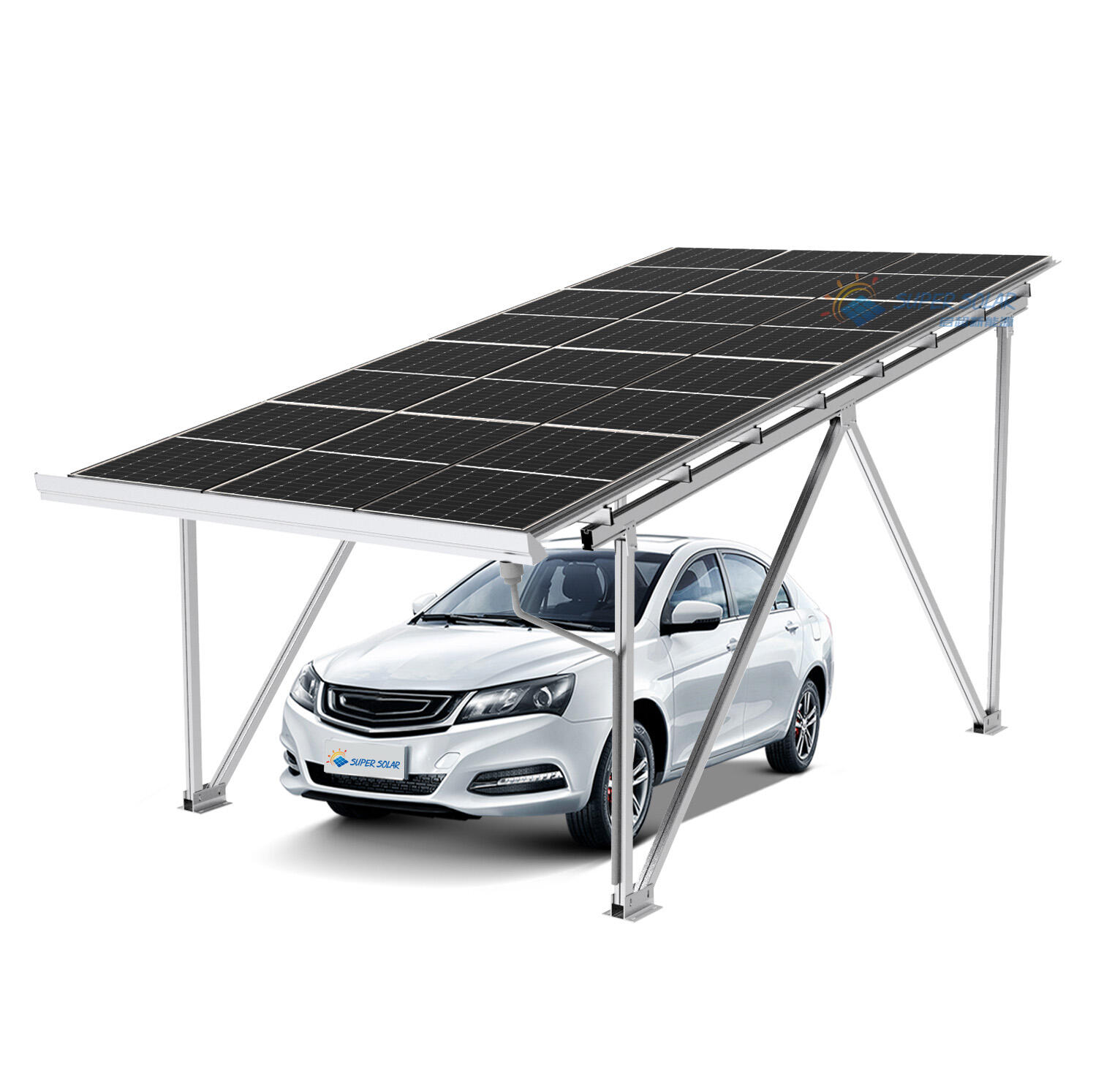
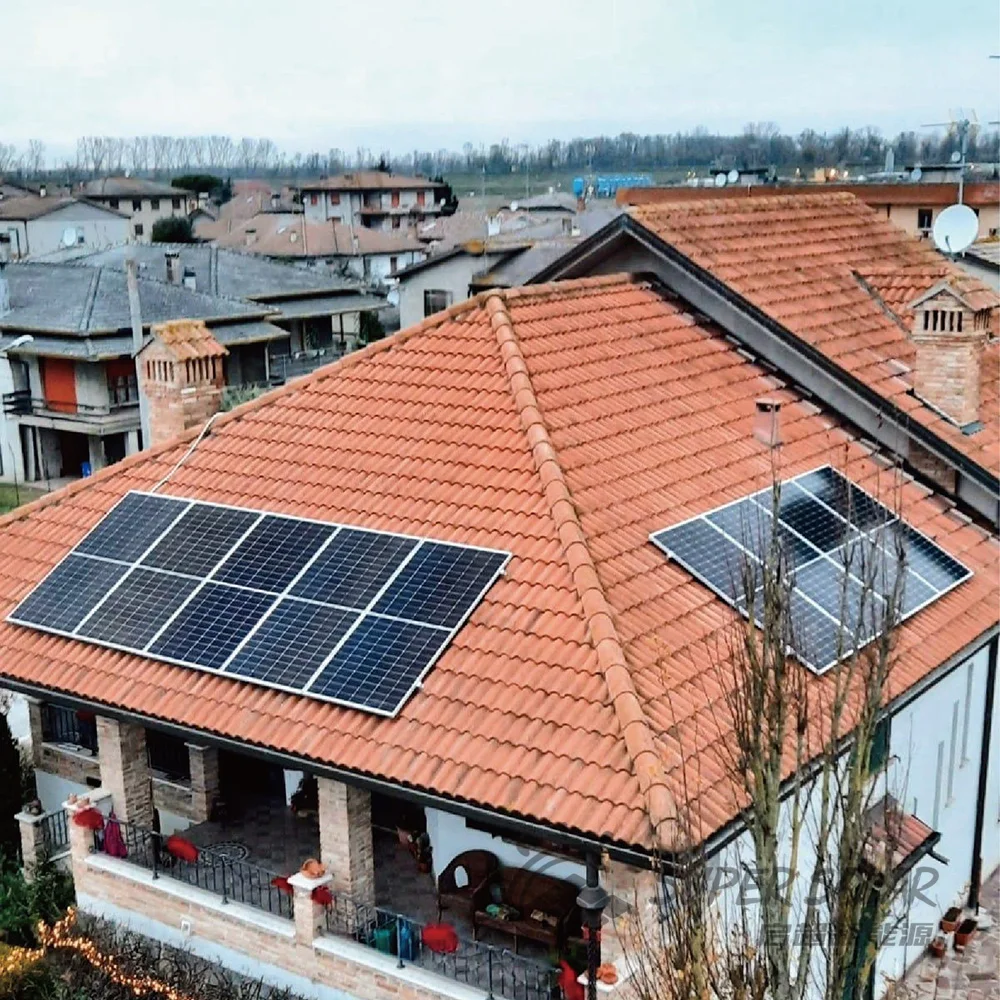
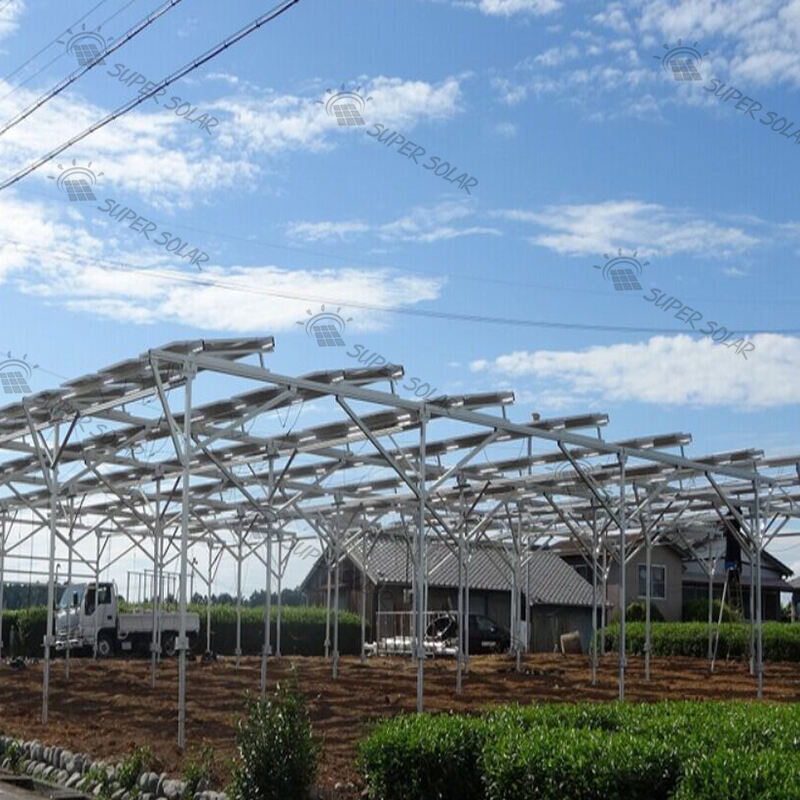
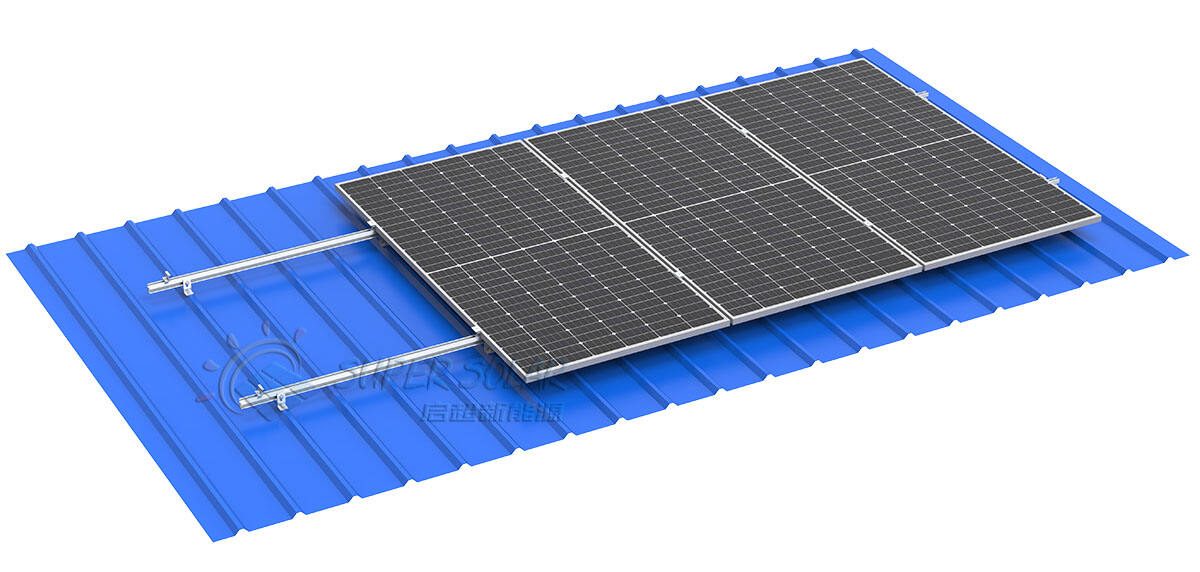
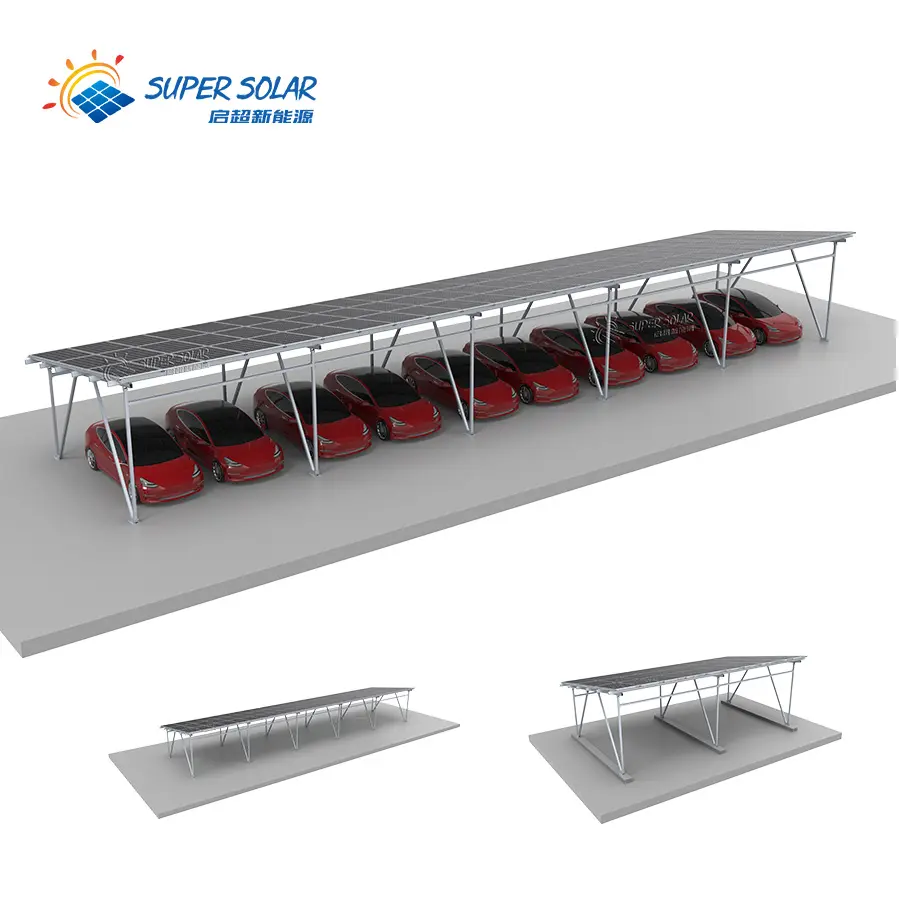
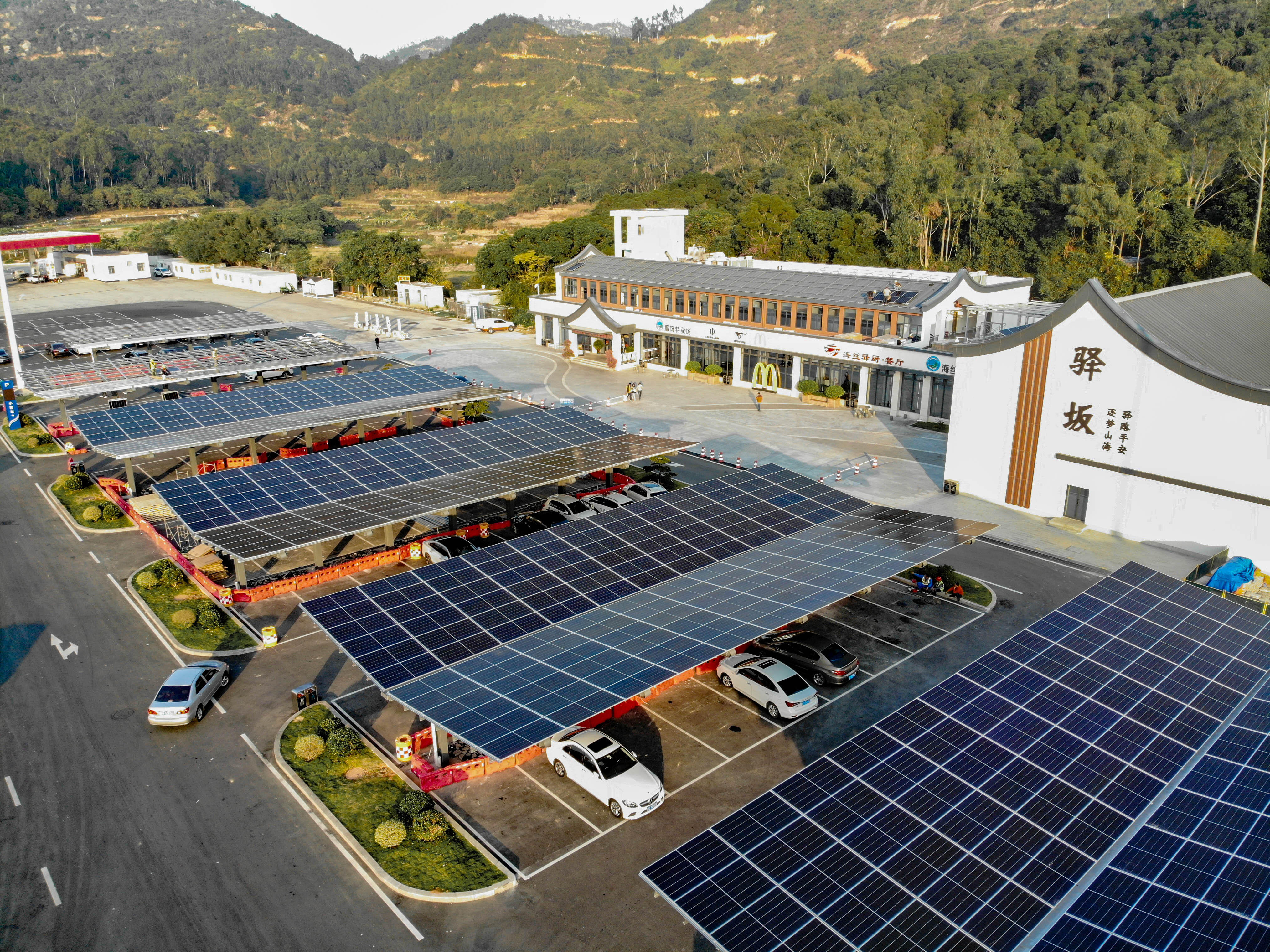
Adjustable solar panel mounting brackets represent a crucial component in modern photovoltaic installations, providing the foundation for secure and efficient solar energy systems. These mounting solutions are engineered to accommodate various panel sizes, installation environments, and specific energy requirements while maintaining optimal positioning for maximum solar exposure. The primary function of adjustable solar panel mounting brackets centers on securing panels at precise angles and orientations that capture sunlight most effectively throughout different seasons and weather conditions. These brackets feature sophisticated adjustment mechanisms that allow installers to modify tilt angles, typically ranging from 10 to 60 degrees, ensuring panels receive optimal solar radiation regardless of geographical location or seasonal variations. The technological architecture incorporates corrosion-resistant materials such as anodized aluminum alloy and stainless steel hardware, designed to withstand harsh environmental conditions including high winds, snow loads, and temperature fluctuations. Advanced engineering ensures these mounting systems distribute weight evenly across roof structures while providing secure attachment points that meet strict building codes and safety standards. The versatile design accommodates multiple installation scenarios including residential rooftops, commercial buildings, ground-mounted arrays, and specialized applications such as carports or agricultural installations. Modern adjustable solar panel mounting brackets integrate innovative features like micro-adjustability for precise positioning, quick-release mechanisms for maintenance access, and modular components that simplify installation processes. These systems support various panel technologies including crystalline silicon, thin-film, and emerging photovoltaic technologies while maintaining compatibility with different frame sizes and mounting configurations. The application scope extends beyond basic installations to include tracking systems, bifacial panel configurations, and specialized mounting requirements for unique architectural designs or challenging installation environments.

Popular Products

Adjustable solar panel mounting brackets deliver significant benefits that directly impact system performance, installation efficiency, and long-term reliability. The flexibility these brackets provide allows installers to optimize panel angles for specific geographic locations and seasonal requirements, resulting in increased energy production that can improve overall system efficiency by 15-25% compared to fixed installations. This adaptability proves especially valuable in regions with varying sun paths throughout the year, enabling users to maximize their solar investment returns through enhanced power generation capabilities. The robust construction quality ensures decades of reliable service with minimal maintenance requirements, protecting the substantial investment in solar technology while reducing ongoing operational costs. Installation teams benefit from streamlined mounting processes that reduce labor time and complexity, as these brackets accommodate various roof types and panel configurations without requiring extensive modifications or specialized tools. The adjustable design eliminates many common installation challenges by providing flexibility to work around roof obstacles, structural limitations, or aesthetic requirements that might otherwise compromise system placement or performance. Users gain peace of mind through enhanced system reliability, as these mounting solutions undergo rigorous testing for wind loads, seismic activity, and thermal cycling that exceeds industry standards. The modular approach simplifies future system expansions or modifications, allowing property owners to adapt their solar installations as energy needs change or technology advances. Cost-effectiveness emerges through reduced installation time, fewer specialized components, and the ability to achieve optimal positioning without expensive custom solutions. The universal compatibility with major panel brands and sizes eliminates inventory complexity for installers while providing customers with broader equipment choices. Maintenance accessibility becomes significantly improved through design features that allow panel access without complete system disassembly, reducing service costs and system downtime. These advantages combine to create a mounting solution that maximizes solar investment value while minimizing installation challenges and long-term operational concerns for residential and commercial applications.

Tips And Tricks

Top Carport Solar Design Ideas for 2025

24

Nov

Top Carport Solar Design Ideas for 2025

Exploring the Rise of Carport Solar The growing interest in clean energy is reshaping how people view everyday spaces, and one of the most versatile solutions emerging today is Carport Solar. Unlike traditional panels installed solely on rooftops, C...
View More
5 Reasons Installers Prefer Solar L Feet for Metal Roof Projects

23

Sep

5 Reasons Installers Prefer Solar L Feet for Metal Roof Projects

Why metal roof projects are growing The rise of the metal roof project is no accident. More property owners and businesses are turning to this type of roofing for its durability, aesthetics, and ability to support solar energy systems. Unlike traditi...
View More
Commercial Solar Carport Solutions for Parking and Power

24

Nov

Commercial Solar Carport Solutions for Parking and Power

Transforming Parking Infrastructure into Clean Energy Assets The evolution of commercial parking spaces has taken a remarkable turn with the introduction of solar carports. These innovative structures represent the perfect fusion of functionality and...
View More
L-Foot Solar Mounts Explained: Simple & Affordable

24

Nov

L-Foot Solar Mounts Explained: Simple & Affordable

Understanding the Fundamentals of Solar Panel Mounting Systems The solar industry continues to evolve rapidly, and mounting solutions play a crucial role in successful installations. L-foot solar mounts have emerged as one of the most reliable and co...
View More

Leave Message

Our representative will contact you soon.
Email
Name
Company Name
Message
0/1000

adjustable solar panel mounting brackets

Superior Weather Resistance and Durability Engineering

Superior Weather Resistance and Durability Engineering

The exceptional weather resistance of adjustable solar panel mounting brackets stems from advanced materials engineering and comprehensive environmental testing that ensures reliable performance across diverse climate conditions. These mounting systems utilize marine-grade aluminum alloys and specialized surface treatments that provide outstanding corrosion resistance, even in coastal environments with high salt content or industrial areas with chemical exposure. The anodized aluminum construction creates a protective oxide layer that prevents degradation from UV radiation, temperature extremes, and moisture infiltration that could compromise structural integrity over time. Stainless steel hardware components undergo additional passivation treatments to enhance corrosion resistance while maintaining the mechanical strength necessary for secure panel attachment under dynamic load conditions. The engineering process incorporates extensive wind tunnel testing and structural analysis to validate performance under extreme weather events including hurricane-force winds, hail storms, and heavy snow accumulation that could stress mounting components beyond normal operating parameters. Thermal expansion considerations are integrated into the design through strategic use of expansion joints and flexible mounting points that accommodate material movement without creating stress concentrations that could lead to fatigue failures. The robust construction methodology ensures these brackets maintain structural integrity throughout temperature cycles ranging from -40°F to 180°F, accommodating the thermal stress variations common in different geographic regions and seasonal conditions. Quality assurance protocols include accelerated aging tests that simulate decades of environmental exposure in compressed timeframes, validating long-term performance predictions and ensuring customer investments remain protected throughout the expected 25-30 year system lifespan. This comprehensive approach to durability engineering provides customers with confidence in their solar installations while minimizing the risk of premature failures or costly maintenance interventions that could compromise system economics.
Precision Angle Adjustment for Maximum Energy Harvesting

Precision Angle Adjustment for Maximum Energy Harvesting

The precision angle adjustment capability of adjustable solar panel mounting brackets enables users to optimize energy harvest through scientifically-calculated positioning that accounts for seasonal sun path variations and site-specific conditions. This adjustment system incorporates graduated positioning markers and secure locking mechanisms that allow installers to set precise tilt angles based on latitude-specific calculations and seasonal optimization strategies. The mechanical design provides smooth adjustment across the full range of motion while maintaining rigid positioning once locked, ensuring panels maintain their optimal orientation despite wind loading and thermal cycling effects. Advanced mounting brackets feature micro-adjustment capabilities that enable fine-tuning within one-degree increments, allowing installers to achieve the exact positioning required for maximum energy production based on detailed solar analysis and shading studies. The adjustment mechanism utilizes high-strength pivot points and reinforced locking systems that prevent unwanted movement while providing easy access for seasonal adjustments that can increase annual energy production by significant percentages. Research demonstrates that proper angle optimization can improve energy harvest by 20-35% compared to sub-optimal fixed installations, making the precision adjustment capability a critical factor in maximizing return on solar investments. The system accommodates both manual adjustment for periodic optimization and compatibility with automated tracking systems for installations requiring dynamic positioning throughout the day. Installation teams benefit from clear angle indicators and standardized adjustment procedures that ensure consistent positioning across large commercial installations while maintaining the flexibility to address site-specific requirements or obstacles. The mechanical reliability of adjustment components undergoes extensive cycle testing to validate performance through thousands of adjustment operations without degradation in positioning accuracy or locking security. This precision engineering approach ensures that customers can maintain optimal system performance throughout the installation lifecycle while adapting to changing energy needs or site conditions that might require repositioning for maximum effectiveness.
Universal Compatibility and Streamlined Installation Process

Universal Compatibility and Streamlined Installation Process

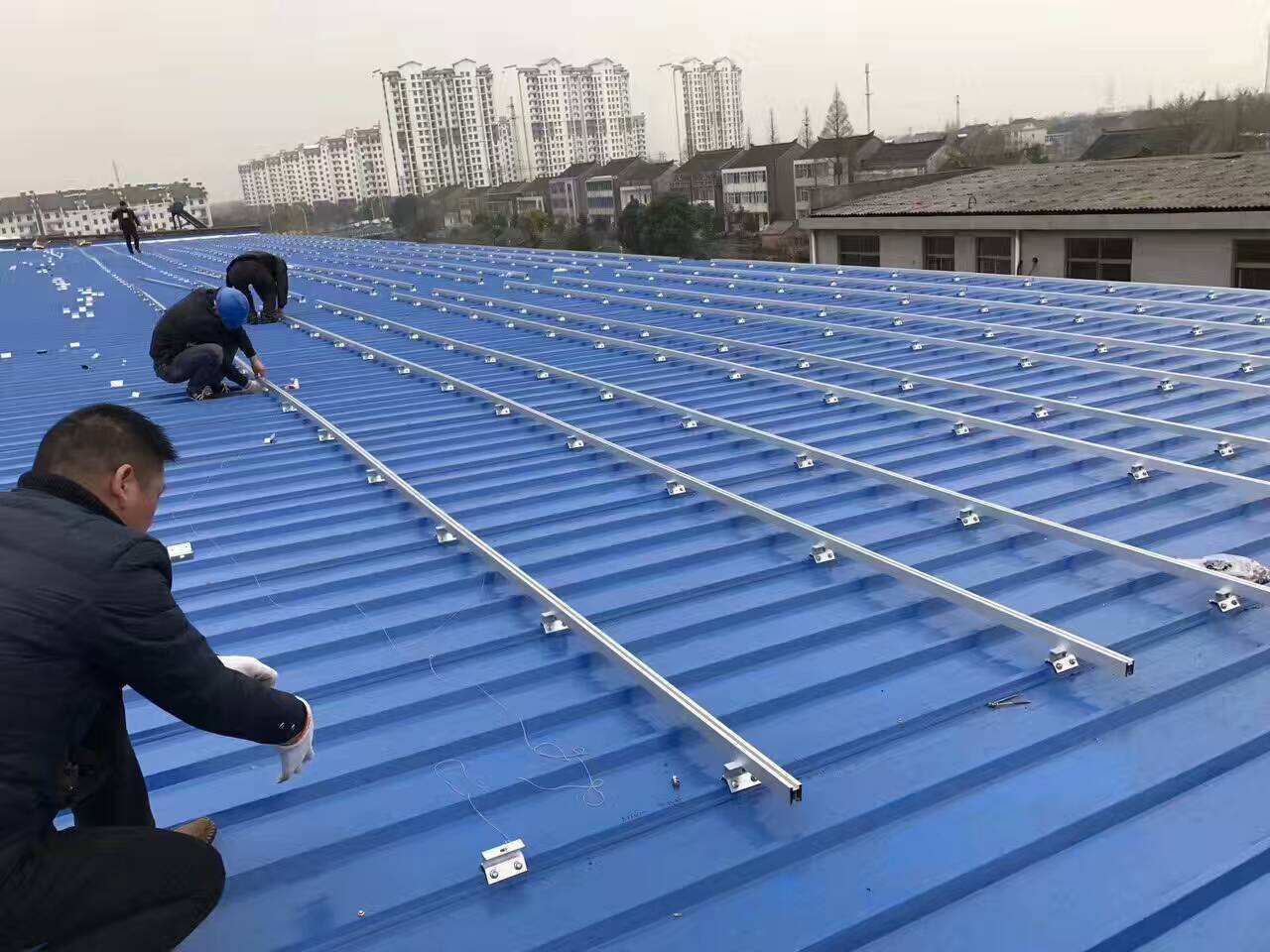
The universal compatibility design of adjustable solar panel mounting brackets eliminates installation complexity while accommodating diverse panel types, roof configurations, and structural requirements that characterize modern solar installations. This versatile approach incorporates standardized mounting interfaces that work seamlessly with panels from major manufacturers, regardless of frame dimensions or mounting hole patterns, simplifying inventory management for installers while providing customers with broader equipment selection options. The modular component architecture allows installers to configure mounting systems for various roof types including composition shingle, metal standing seam, tile, and flat roof applications without requiring specialized brackets for each installation scenario. Pre-engineered attachment methods accommodate different structural materials and load requirements while maintaining compliance with local building codes and engineering standards that govern solar installations. The installation process benefits from intuitive component design that reduces assembly time and minimizes the potential for installation errors that could compromise system performance or structural integrity. Color-coded components and clear assembly instructions guide installers through efficient mounting procedures while built-in safety features prevent incorrect assembly configurations that might create hazardous conditions. The system design incorporates common tools and standard hardware that eliminate the need for specialized equipment or extensive training, making installations more accessible for qualified contractors while reducing project costs. Quality control measures include pre-assembled component packages and detailed installation documentation that ensure consistent results across different installation teams and project sites. The compatibility extends to various panel technologies including standard crystalline modules, thin-film panels, and emerging technologies like bifacial panels that require specialized mounting considerations. Future-proofing features accommodate evolving panel technologies and installation methods while maintaining backward compatibility with existing system components. This comprehensive compatibility approach reduces project complexity, minimizes installation time, and provides customers with confidence that their mounting system will accommodate current equipment while supporting future system modifications or expansions as technology advances and energy requirements change.

Leave Message

Our representative will contact you soon.
Email
Name
Company Name
Message
0/1000