solar panels mounting systems
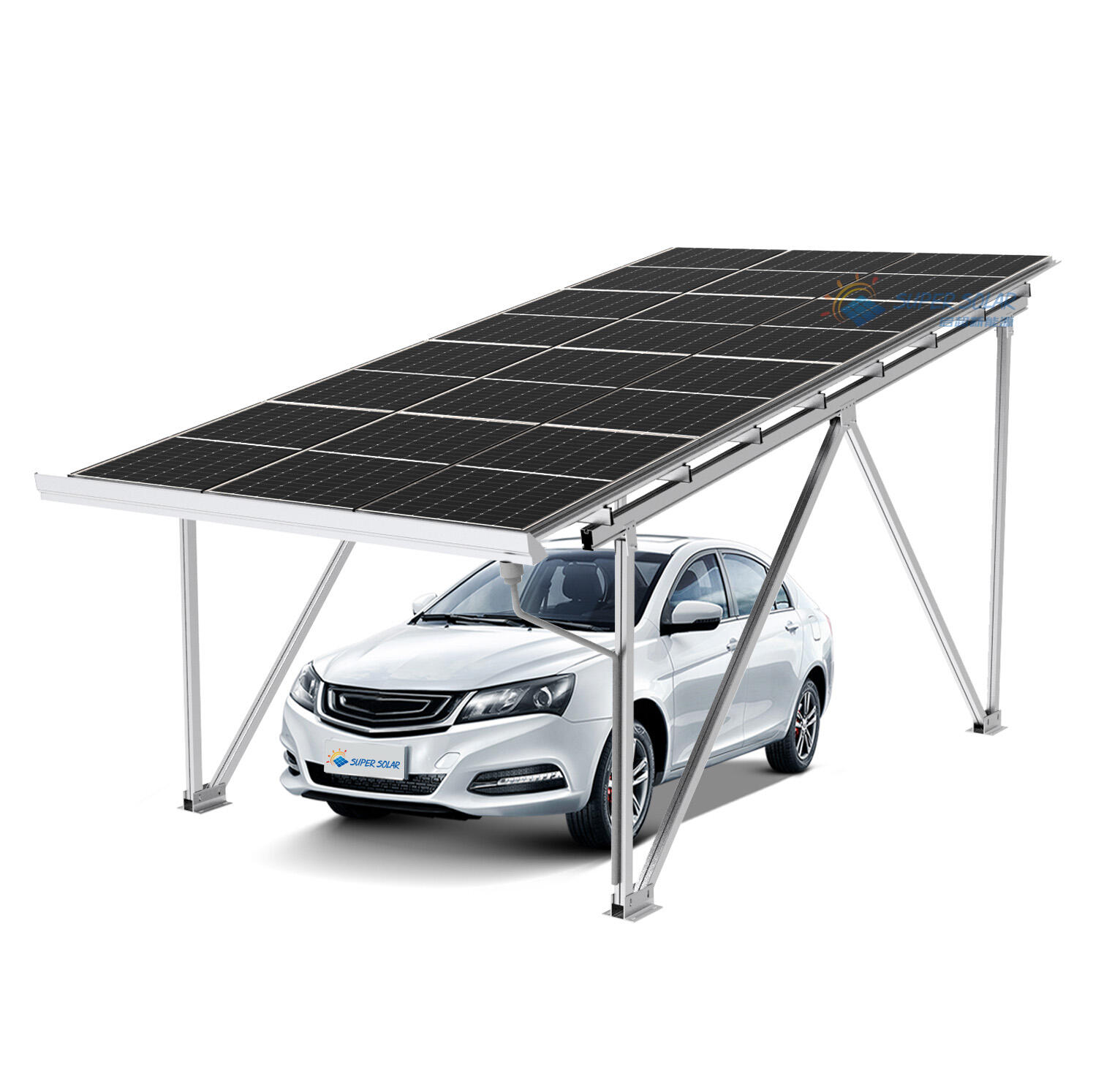
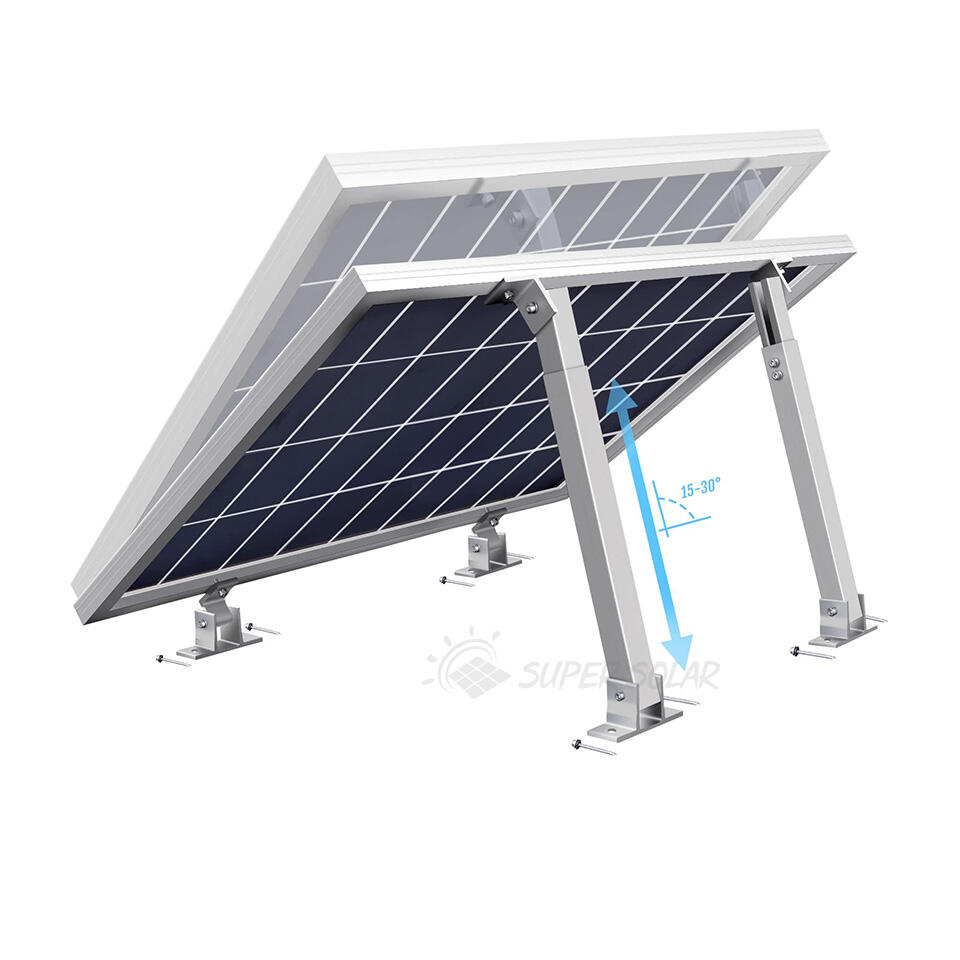
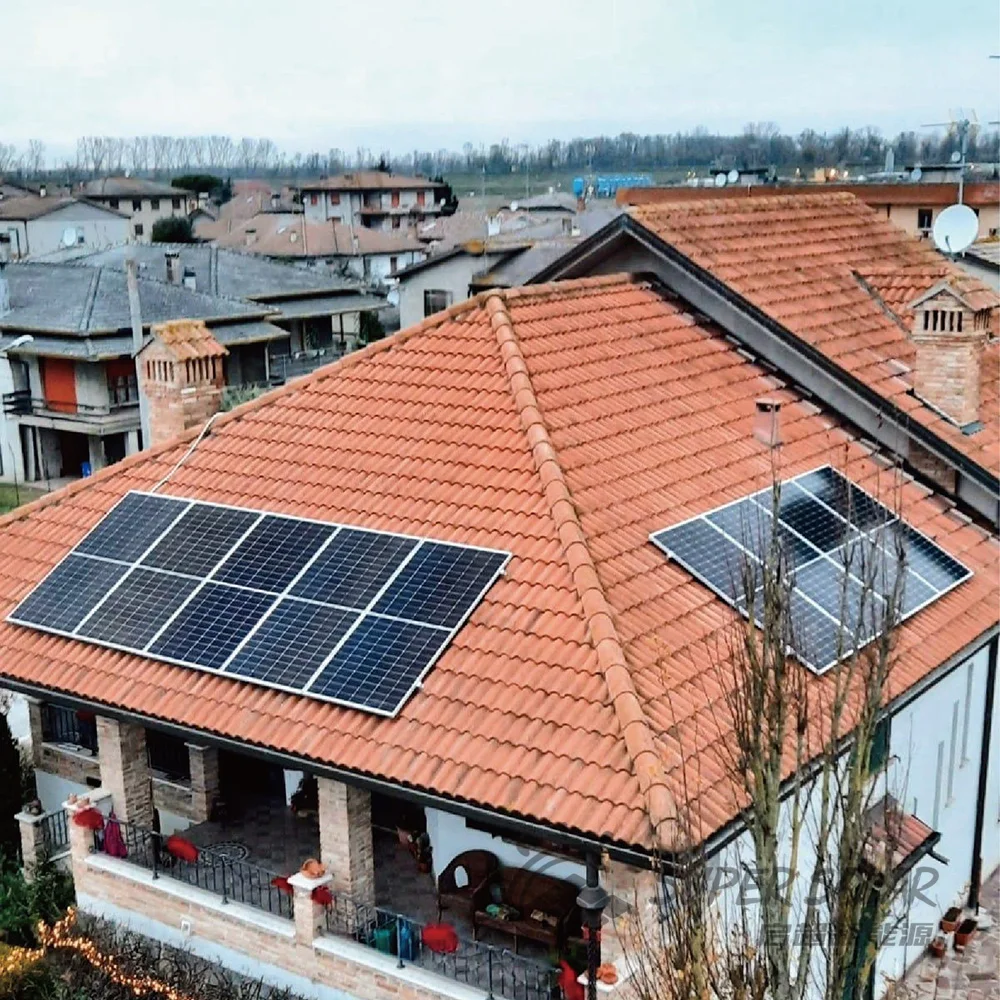
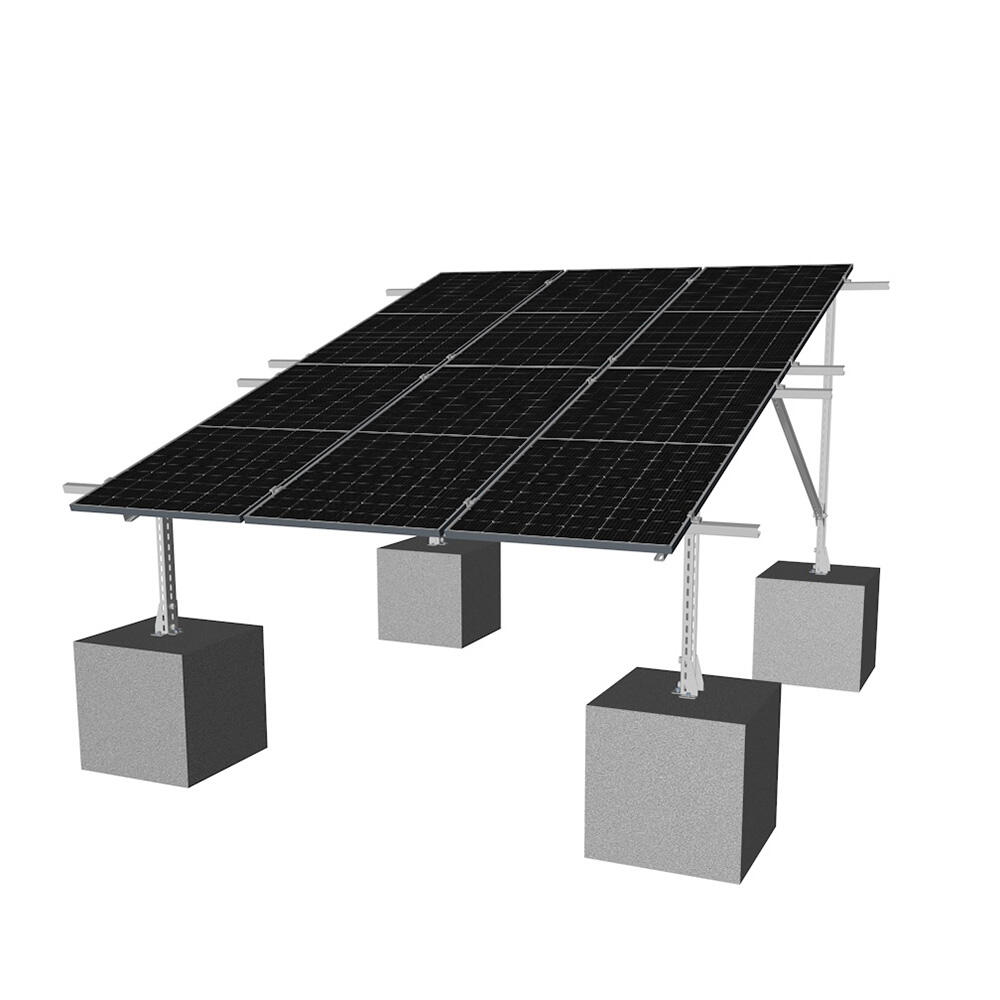
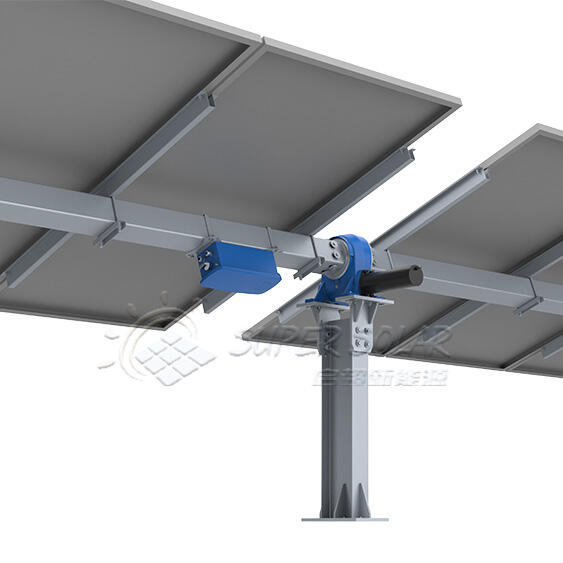
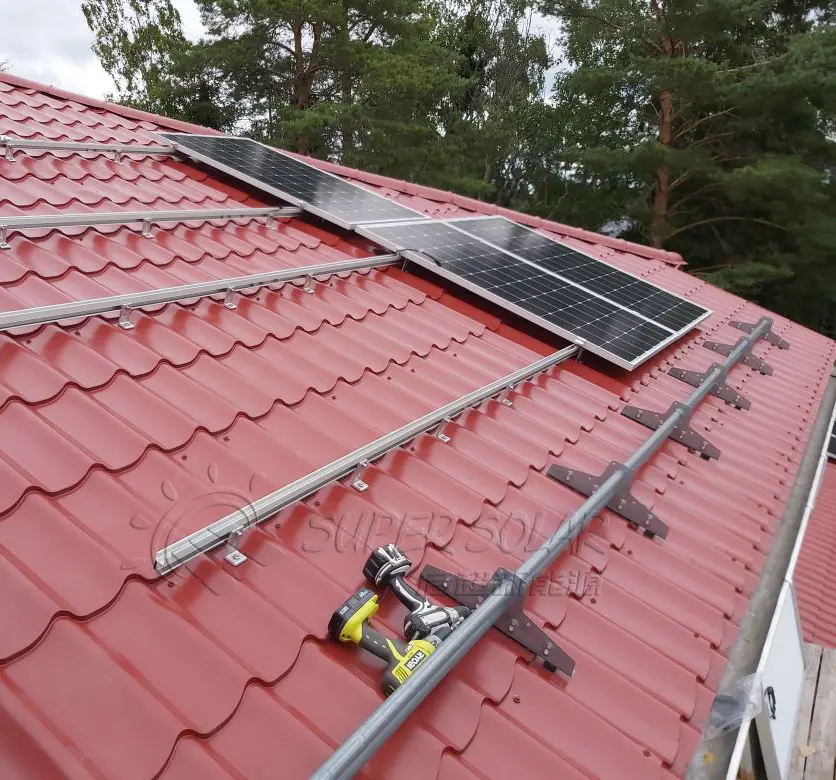
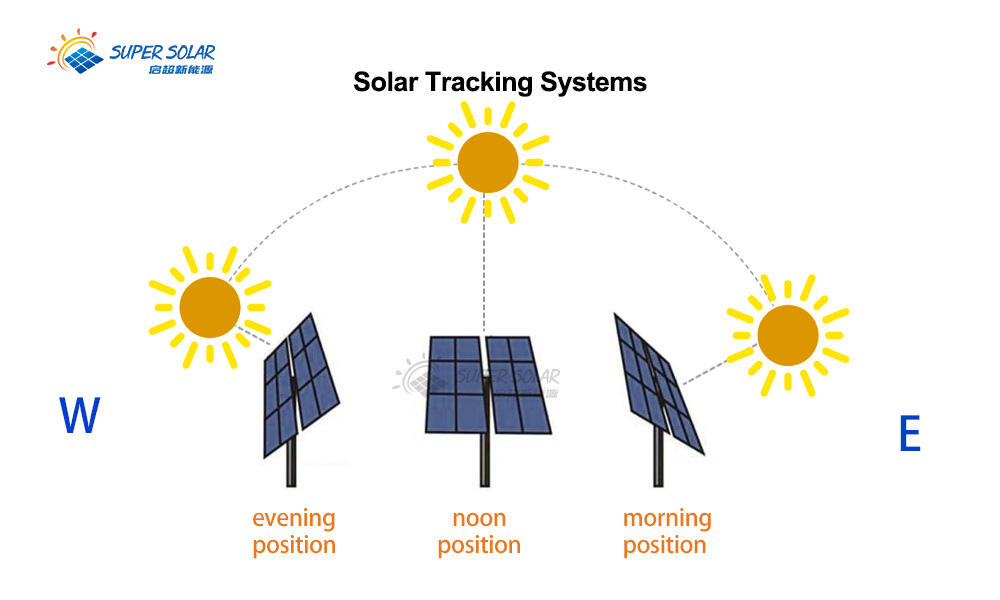
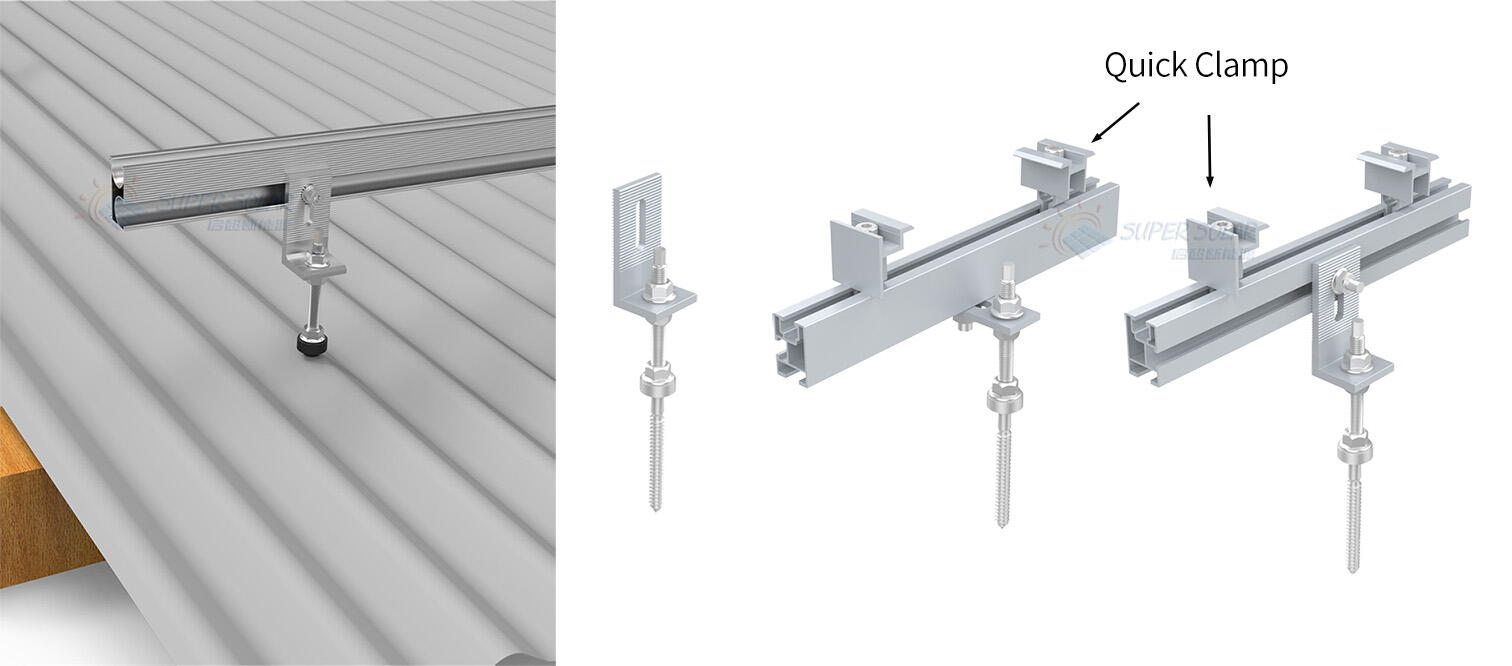
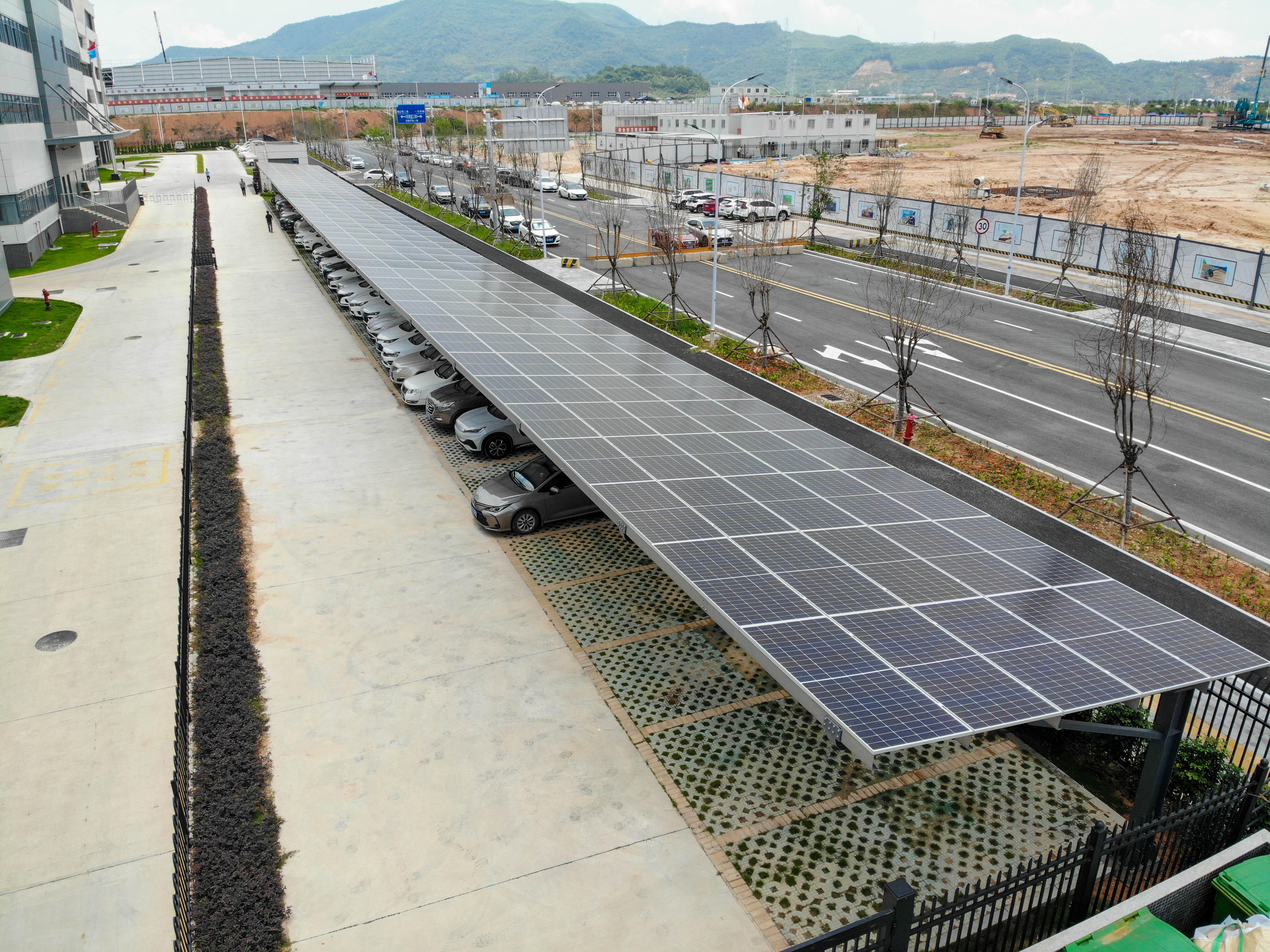
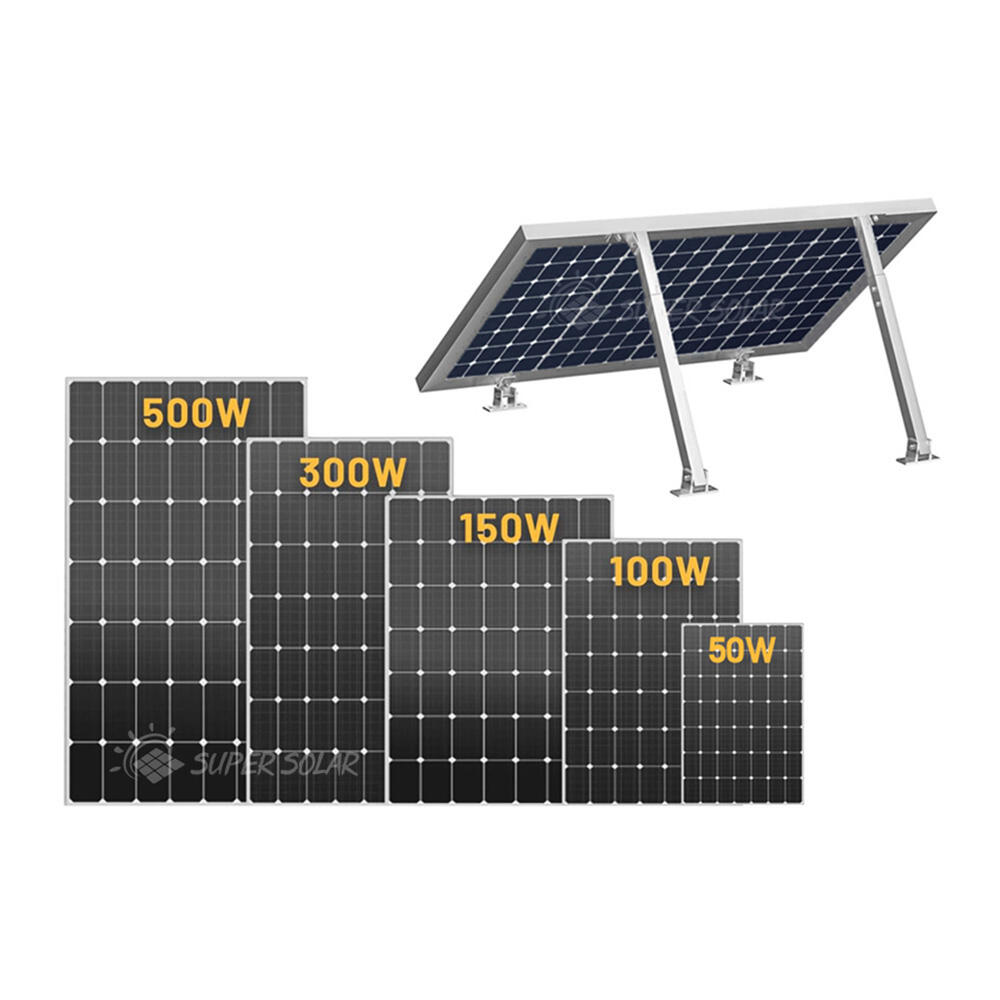
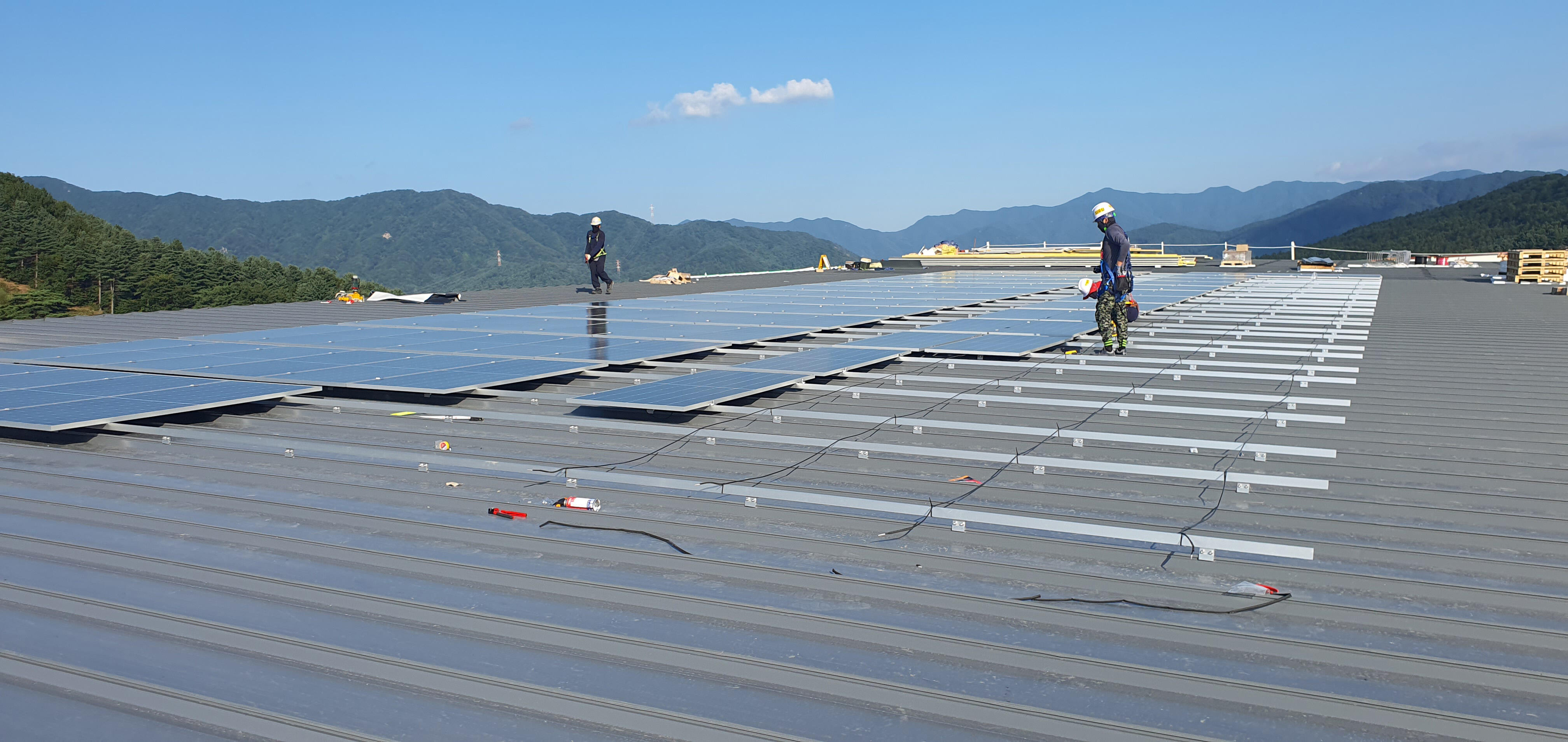
Solar panels mounting systems serve as the critical foundation that secures photovoltaic panels to various surfaces, ensuring optimal energy generation and long-term structural integrity. These sophisticated frameworks are engineered to withstand environmental challenges while maximizing solar exposure throughout different seasons and weather conditions. The primary function of solar panels mounting systems involves creating a stable platform that positions panels at precise angles for maximum sunlight capture, while simultaneously providing weatherproof protection against wind loads, snow accumulation, and seismic activities. Modern solar panels mounting systems incorporate advanced materials such as anodized aluminum rails, stainless steel hardware, and corrosion-resistant coatings that guarantee decades of reliable performance. The technological features of contemporary solar panels mounting systems include adjustable tilt mechanisms, integrated grounding solutions, and modular designs that accommodate various panel sizes and configurations. These systems utilize precision-engineered clamps and brackets that distribute weight evenly across supporting structures, preventing stress concentrations that could compromise panel performance or building integrity. Advanced solar panels mounting systems feature quick-connect components that streamline installation processes while maintaining exceptional structural reliability. The applications of solar panels mounting systems span residential rooftops, commercial buildings, ground-mounted arrays, and specialized installations such as carports and canopies. Each application requires specific mounting configurations tailored to local building codes, environmental conditions, and energy production requirements. Residential solar panels mounting systems typically focus on roof integration and aesthetic appeal, while commercial installations prioritize scalability and maintenance accessibility. Ground-mounted solar panels mounting systems offer flexibility in positioning and orientation, making them ideal for utility-scale projects and properties with limited roof space. These versatile systems accommodate various terrain conditions and can be configured for seasonal adjustability to optimize energy capture throughout the year.
 EN
EN