carport solar preço
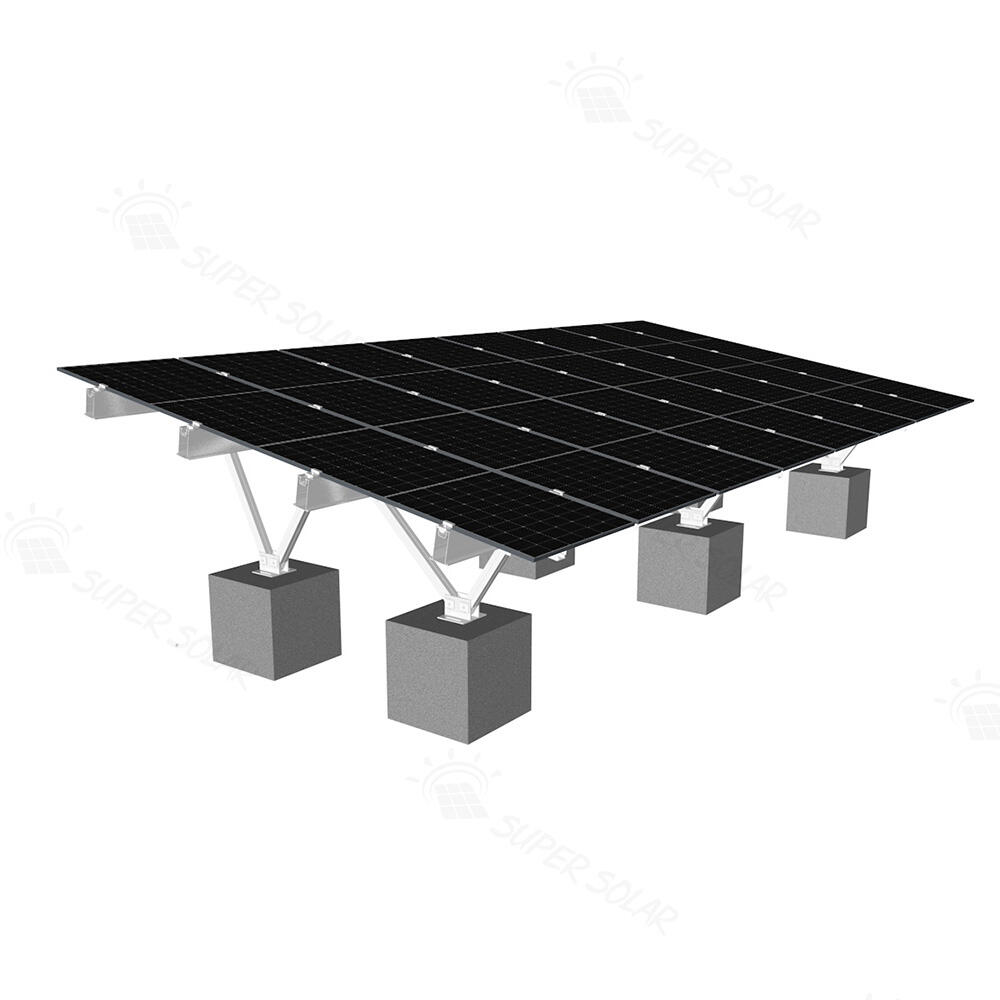
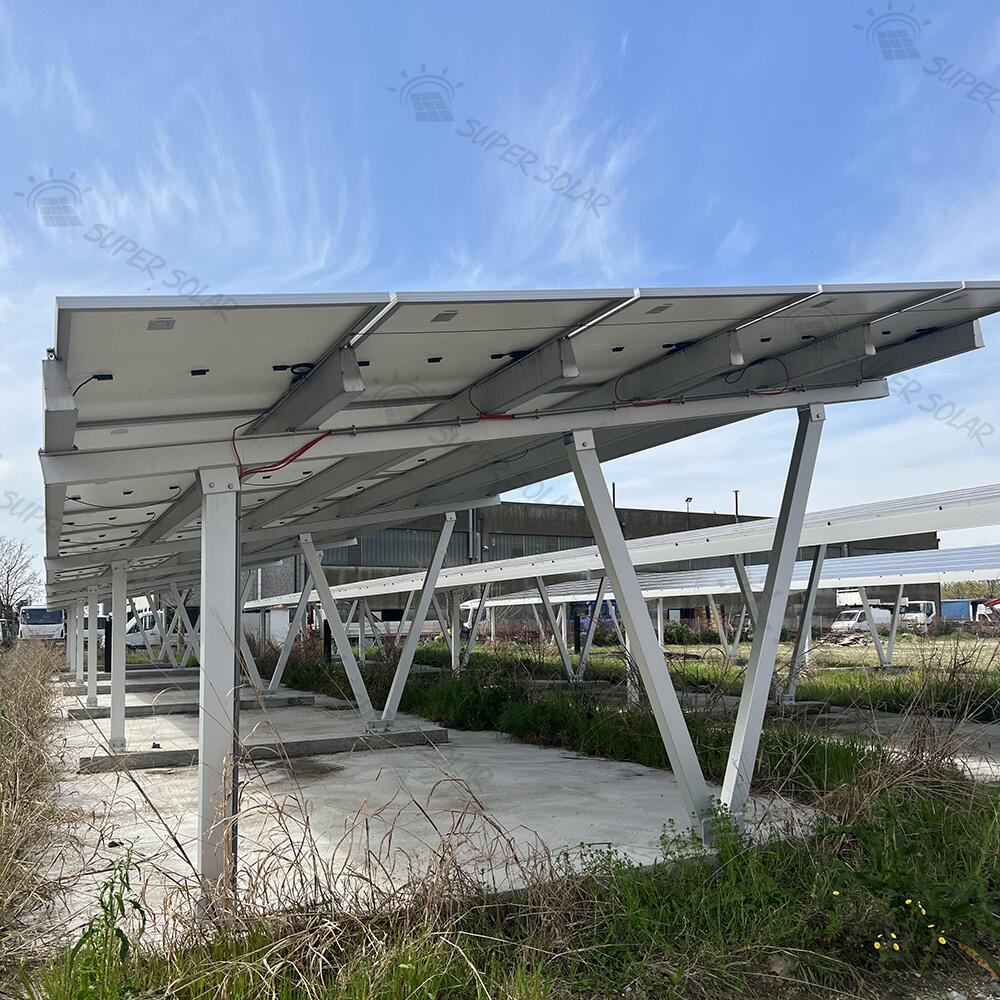
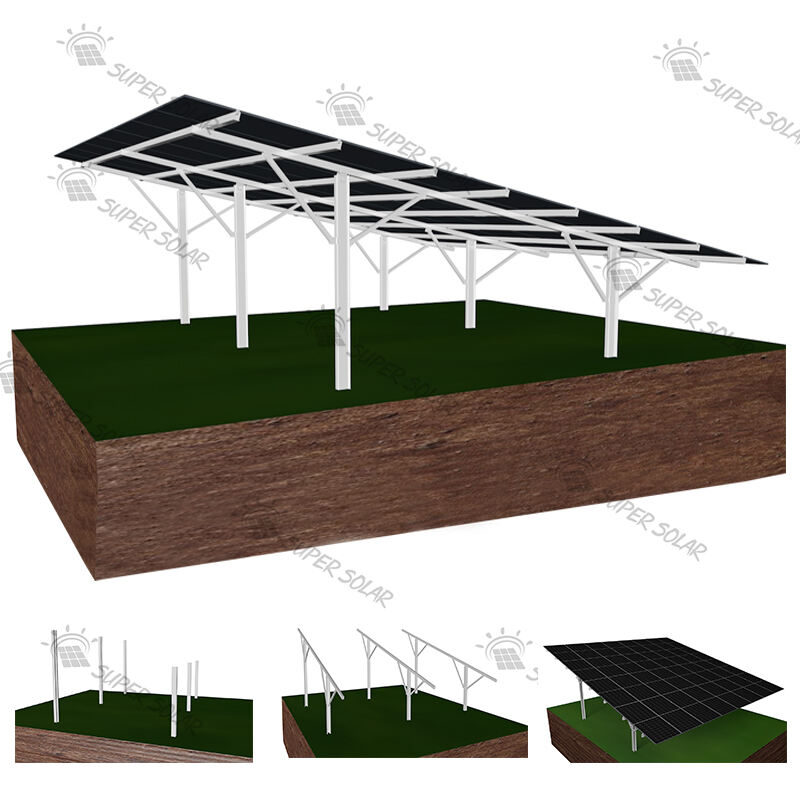
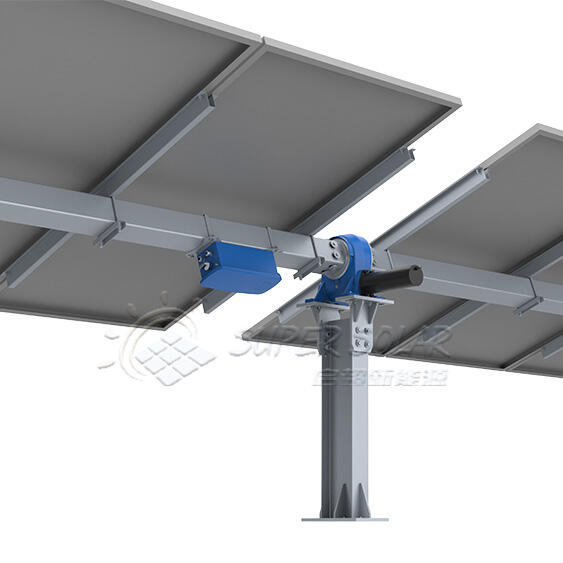
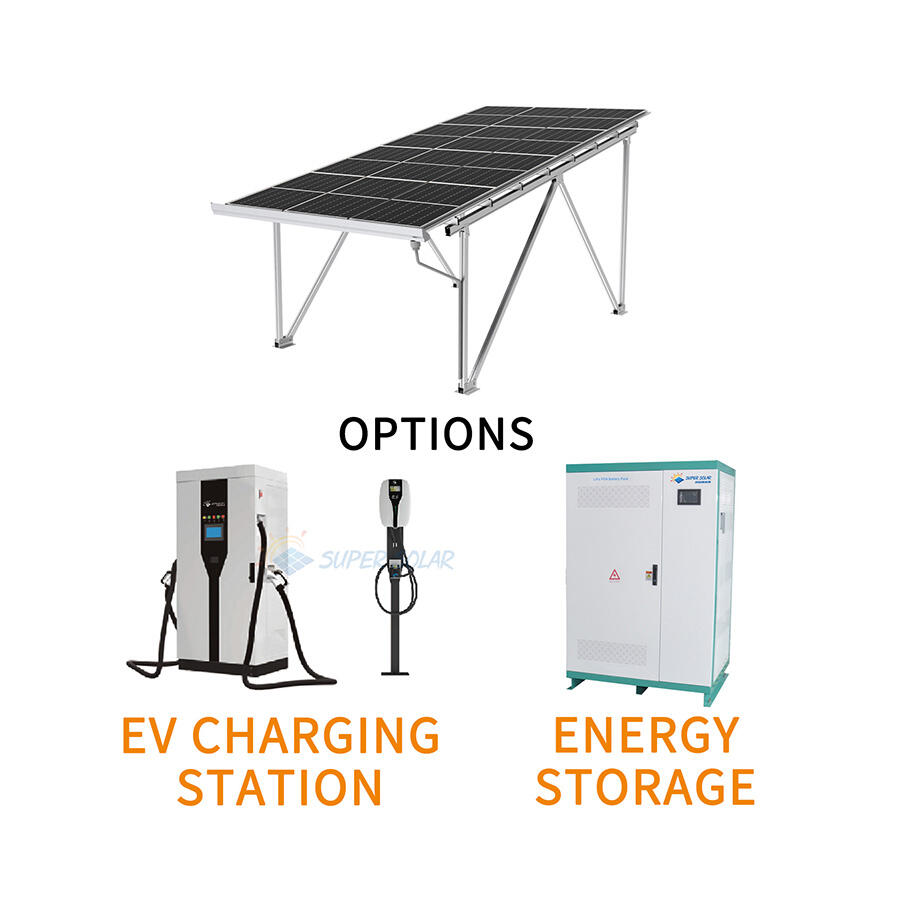
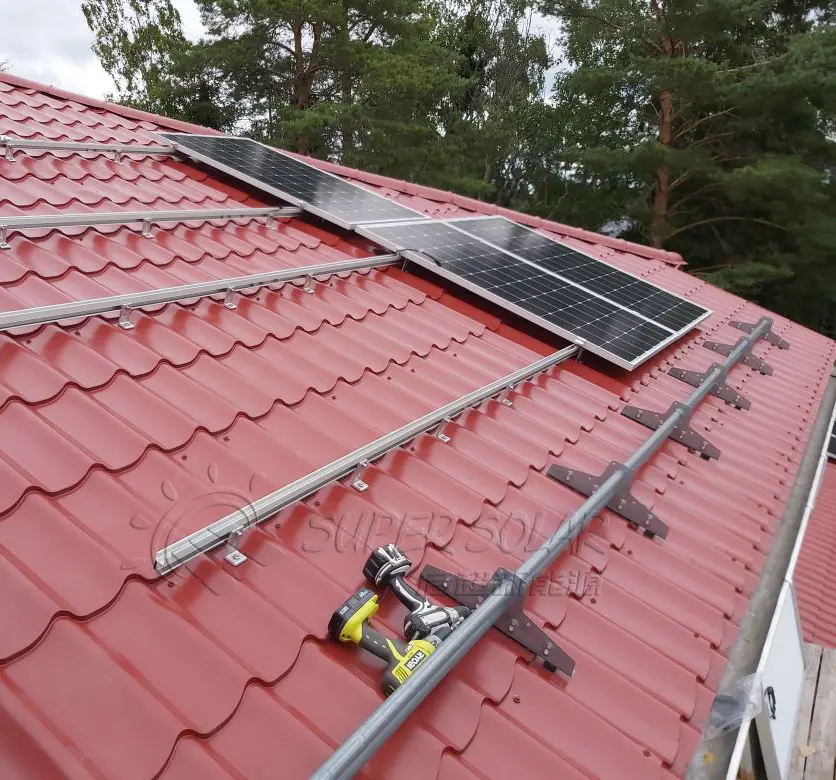
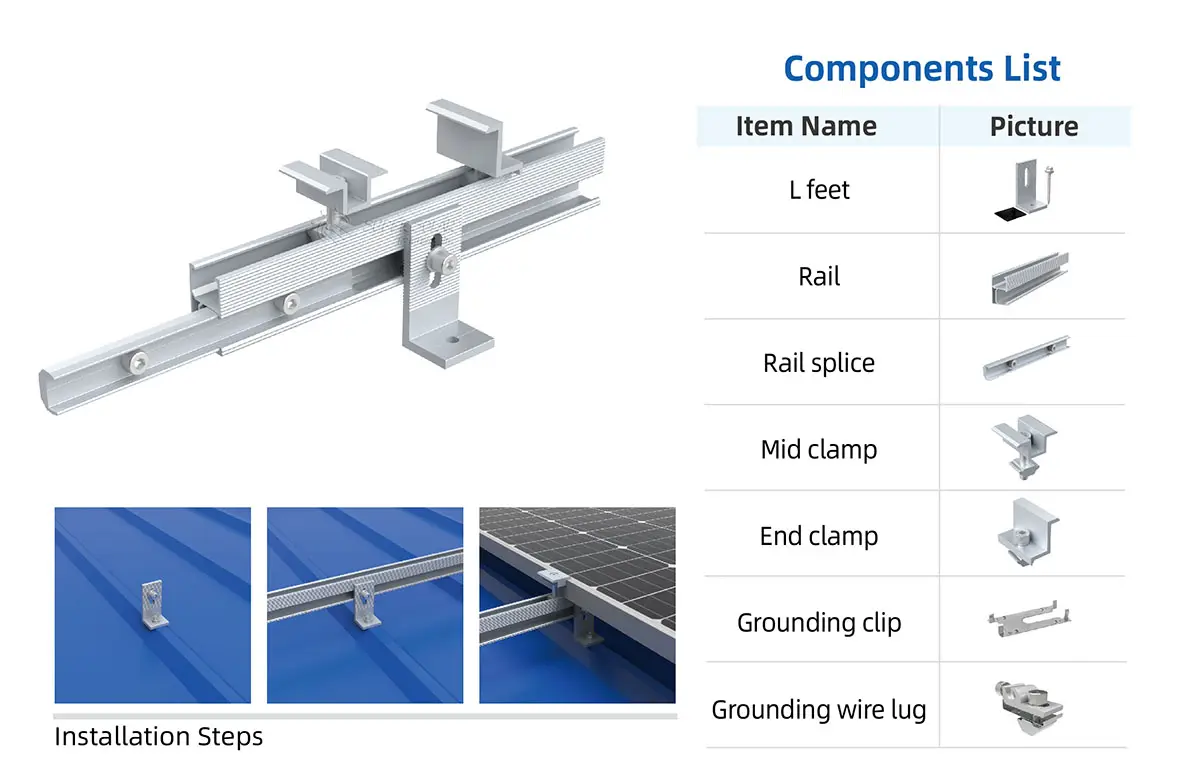
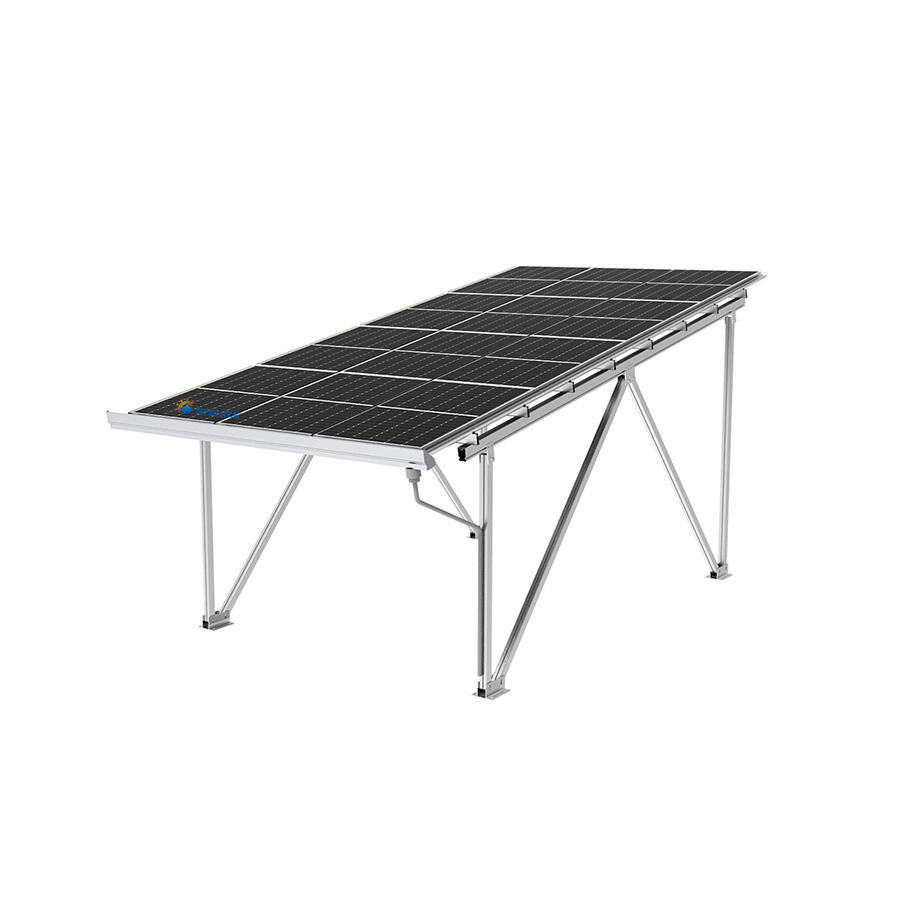
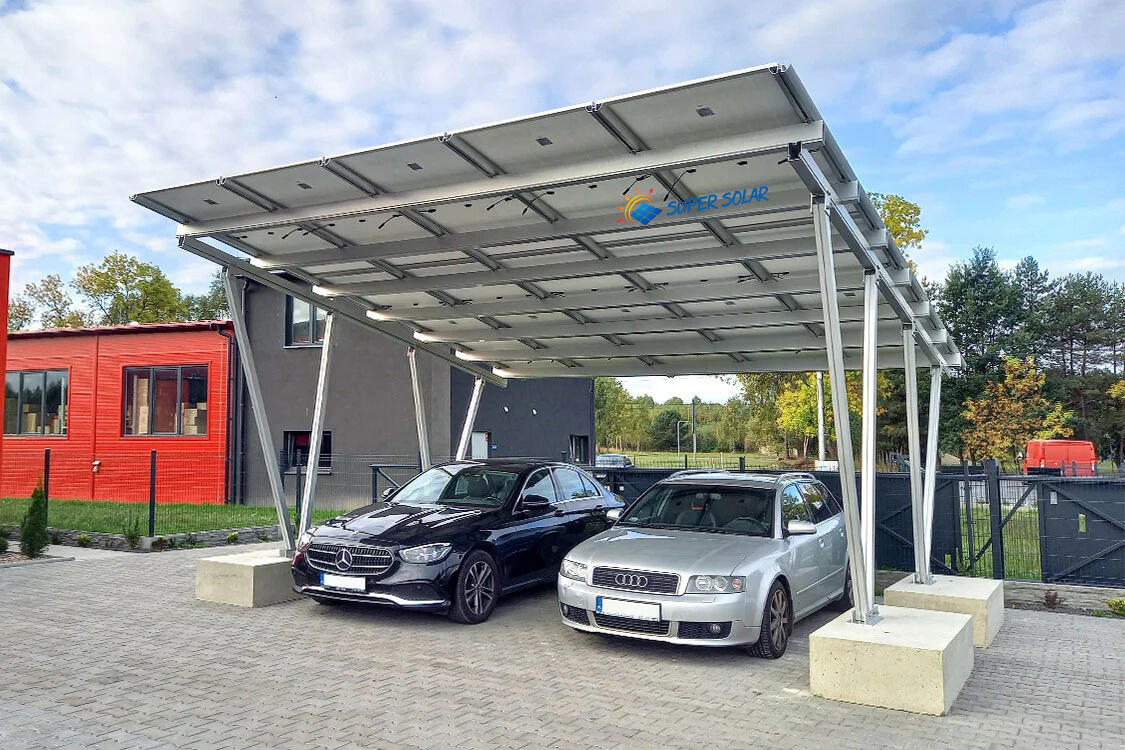
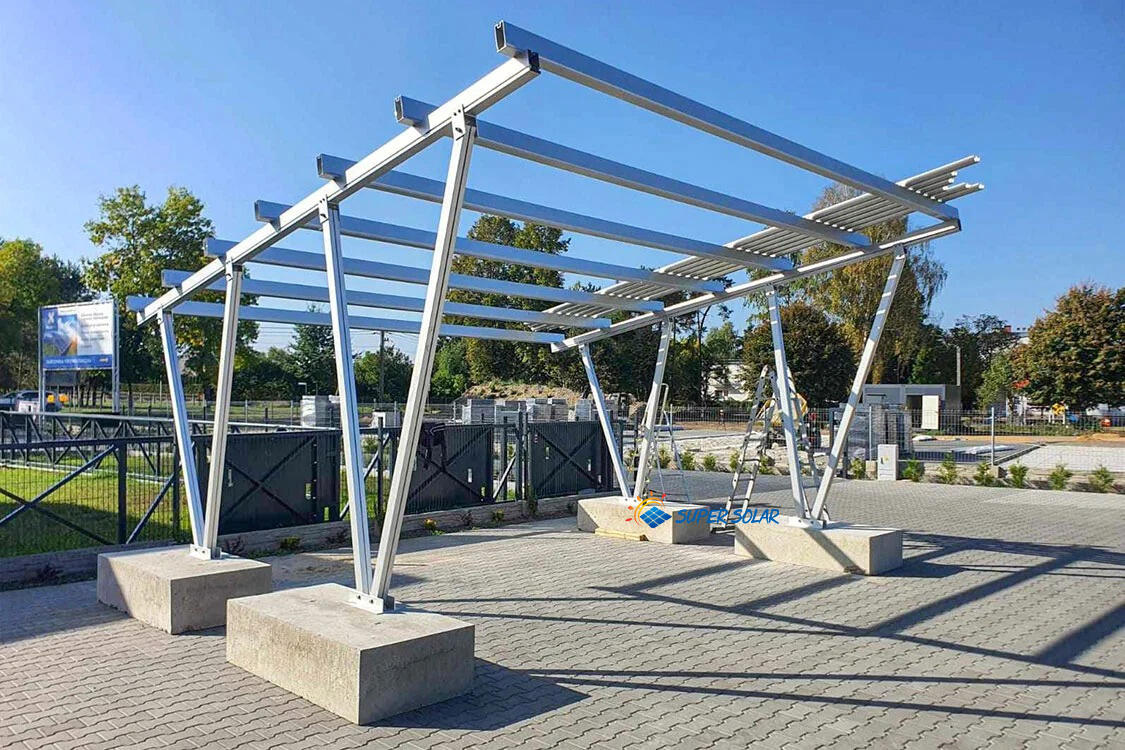
Carport solar preço represents a revolutionary approach to sustainable energy solutions that combines vehicle protection with renewable electricity generation. These innovative structures serve as covered parking spaces while simultaneously housing photovoltaic panels on their rooftops, creating a dual-purpose infrastructure that maximizes land utilization. The carport solar preço system transforms ordinary parking areas into productive energy-generating facilities, making them ideal for commercial establishments, residential complexes, and public spaces. The technological foundation of carport solar preço relies on high-efficiency solar panels mounted on sturdy aluminum or steel frameworks designed to withstand various weather conditions. These structures typically feature tilt-optimized panel angles that ensure maximum solar exposure throughout the day, enhancing energy production capabilities. Modern carport solar preço installations incorporate advanced inverter technology that converts direct current from solar panels into alternating current suitable for grid connection or immediate consumption. Smart monitoring systems enable real-time performance tracking, allowing users to optimize energy output and identify maintenance requirements promptly. The applications of carport solar preço extend across multiple sectors, including shopping centers, office complexes, schools, hospitals, and residential communities. These installations provide substantial shade coverage for vehicles, protecting them from harmful UV radiation, hail damage, and extreme weather conditions while generating clean electricity. The modular design of carport solar preço systems allows for scalable implementations, accommodating various parking lot sizes and configurations. Installation processes are typically faster than traditional ground-mounted solar farms, requiring minimal site preparation and causing less disruption to existing operations. The structural engineering of carport solar preço ensures long-term durability, with many systems designed to withstand wind loads exceeding 150 mph and snow loads appropriate for local climate conditions.
 EN
EN