Ground Mounted Solar Photovoltaic Systems: Complete Guide to Installation, Benefits, and Performance

All Categories

ground mounted solar photovoltaic systems

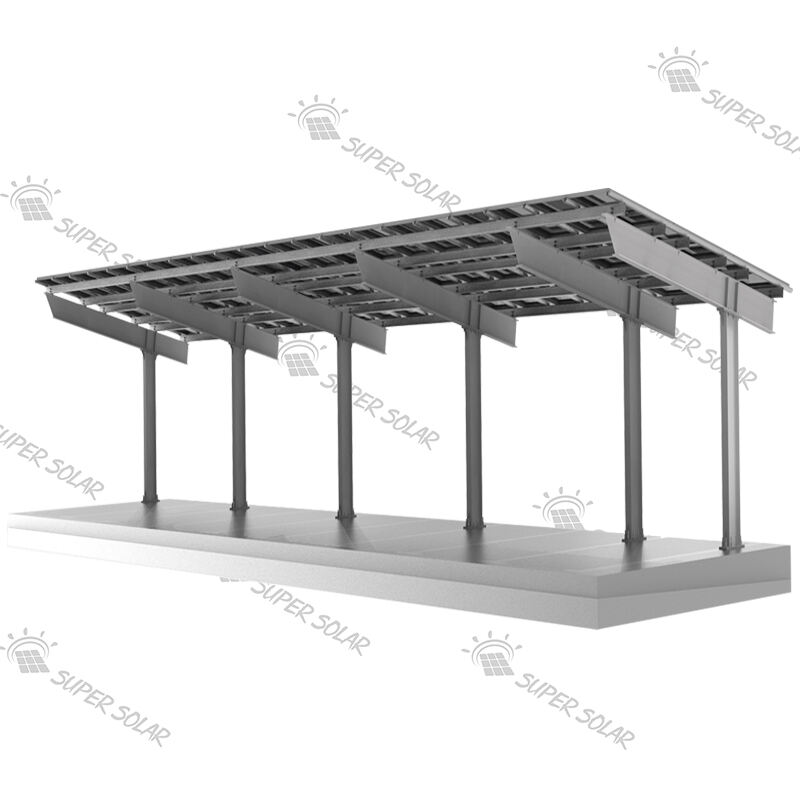
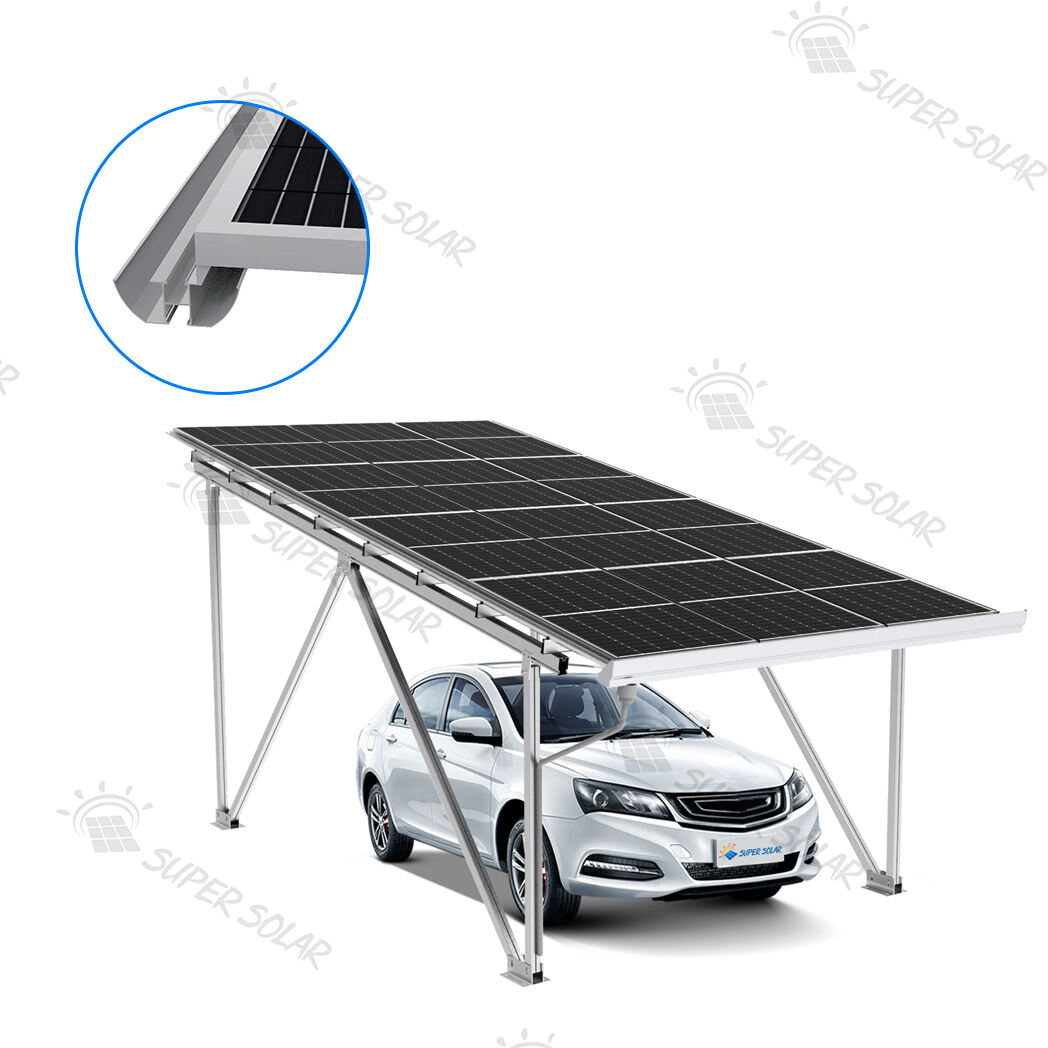
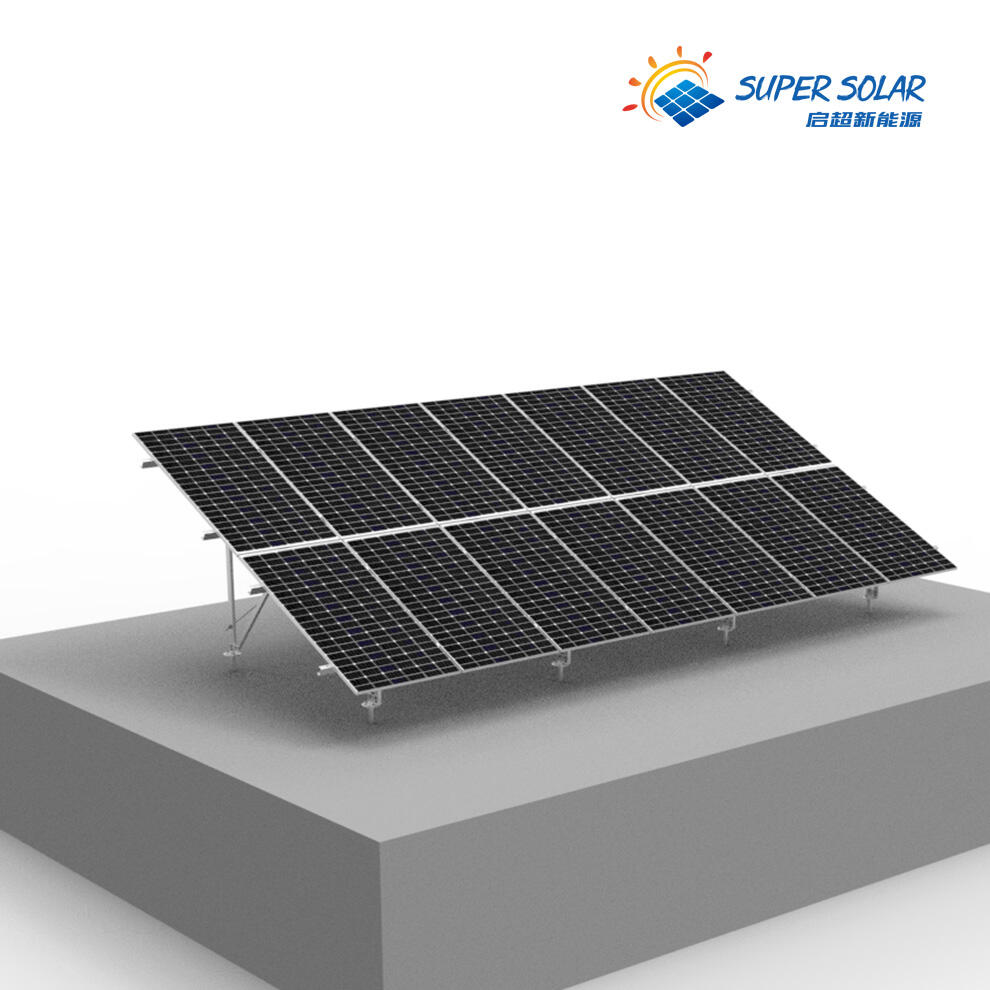
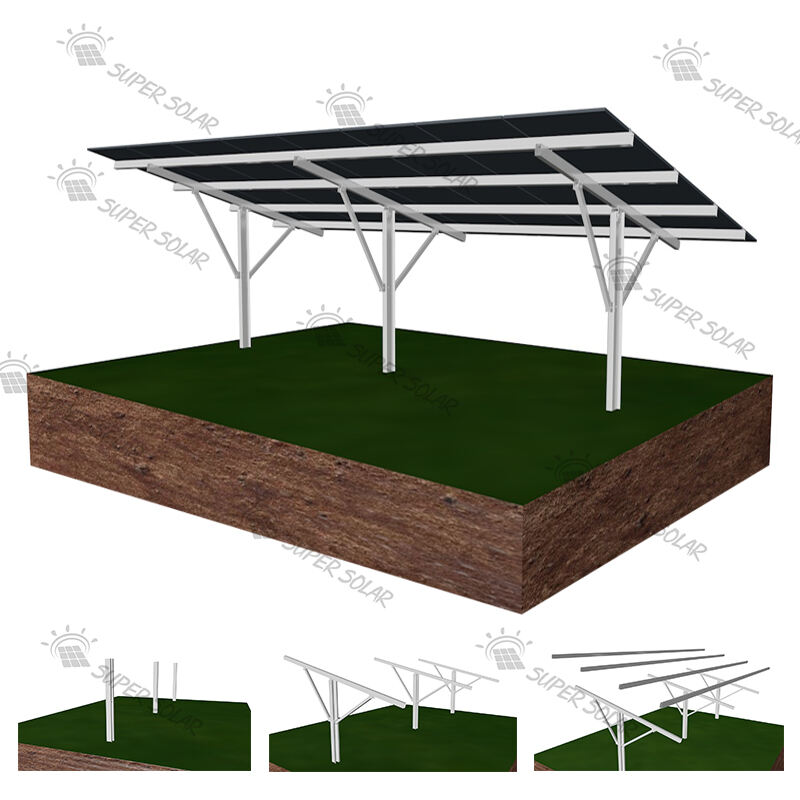
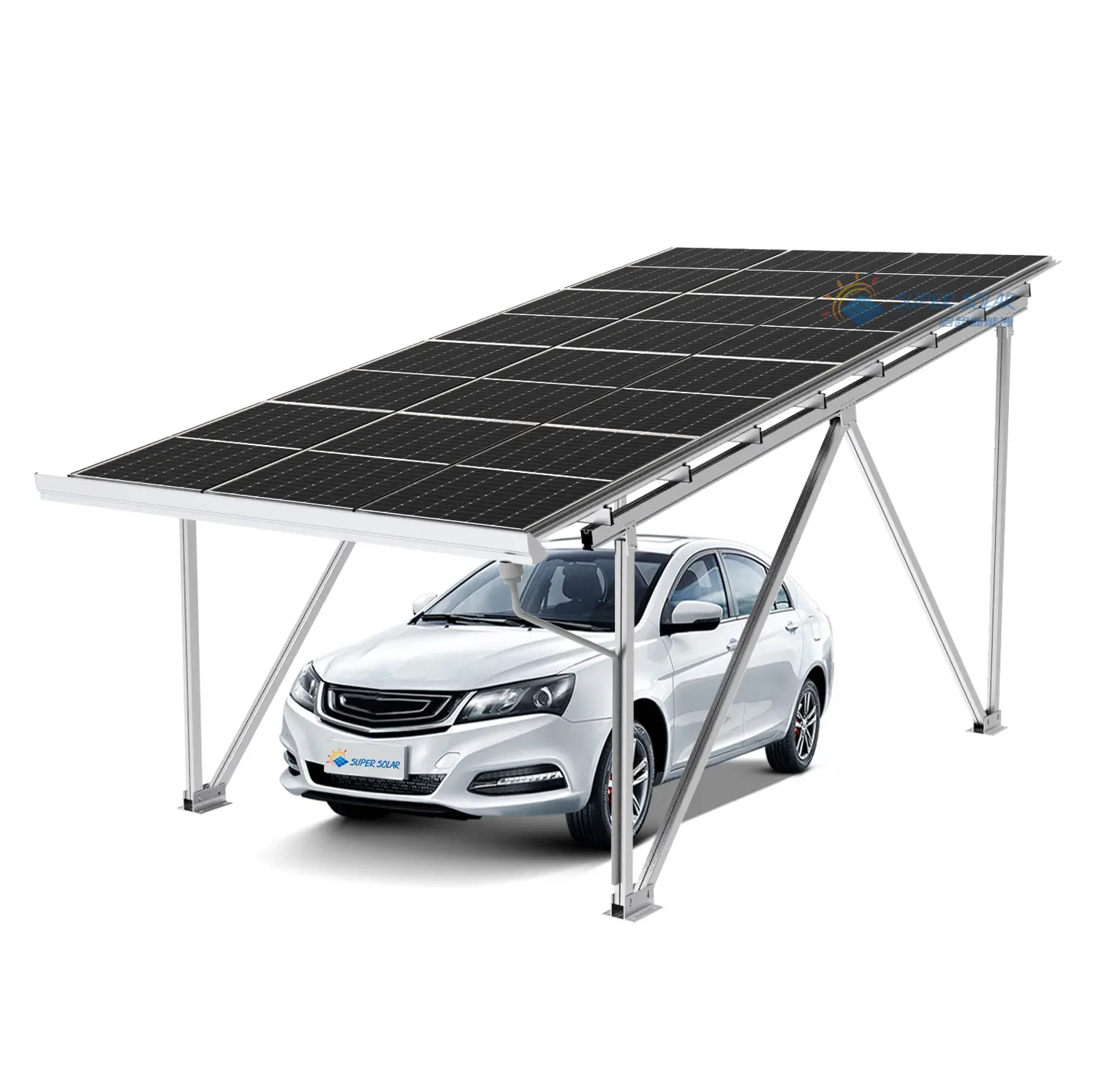
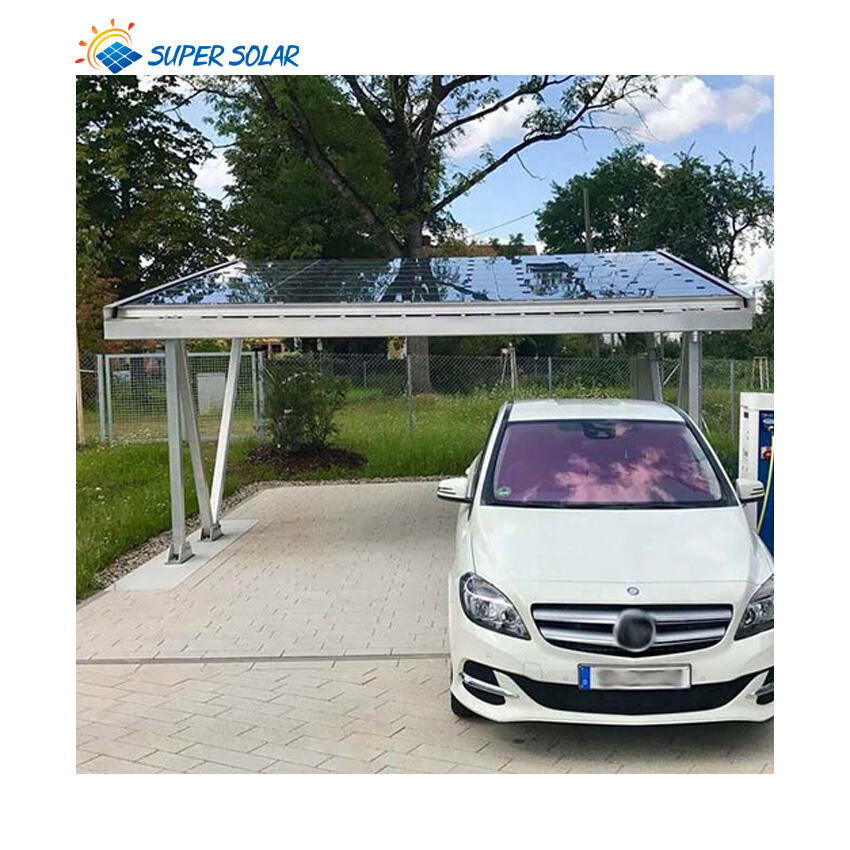
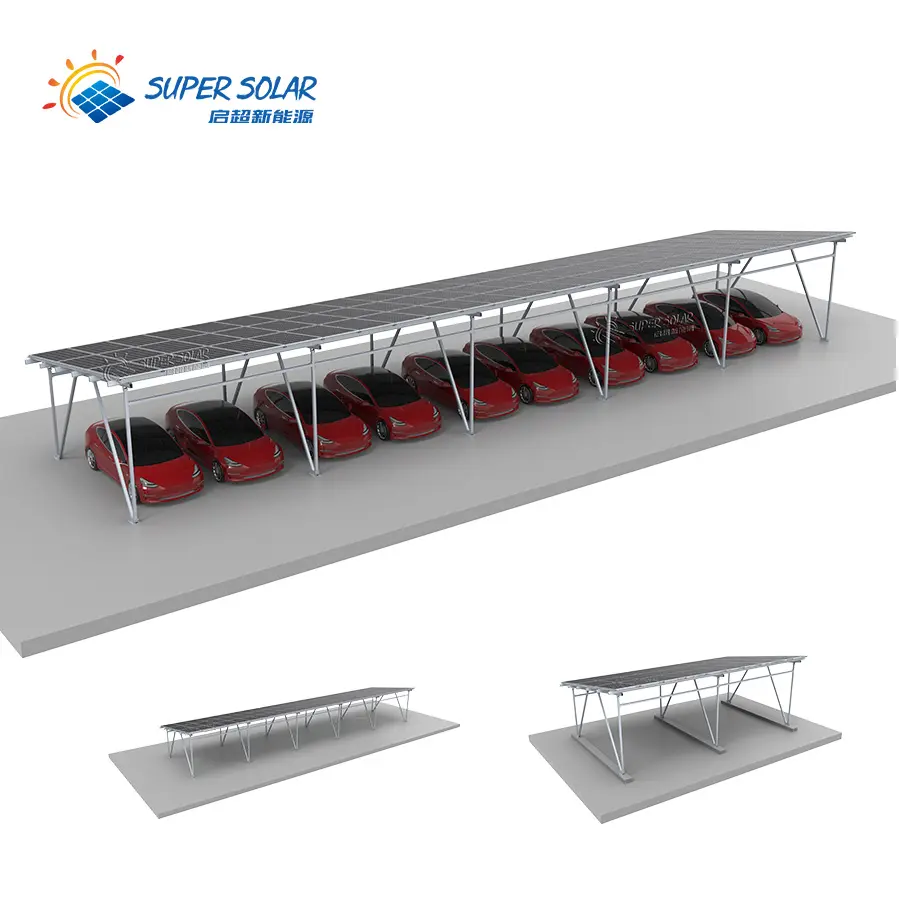
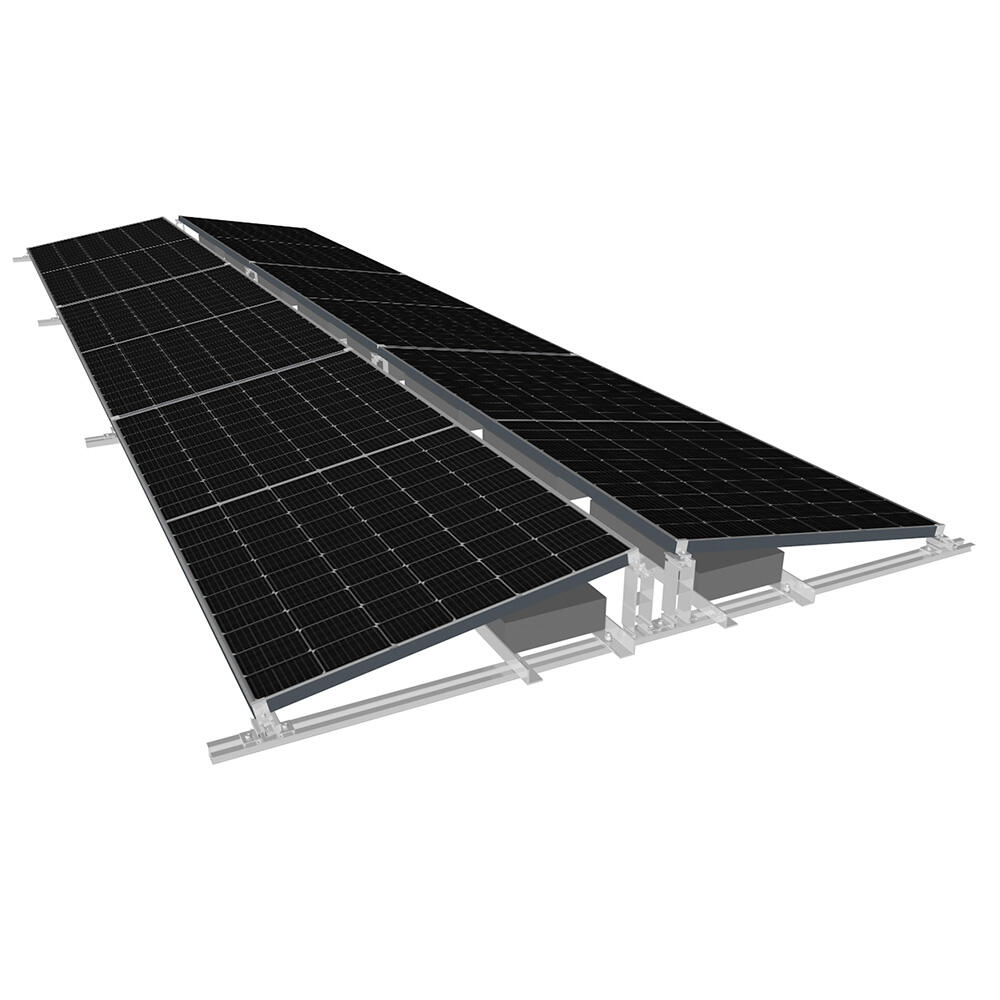
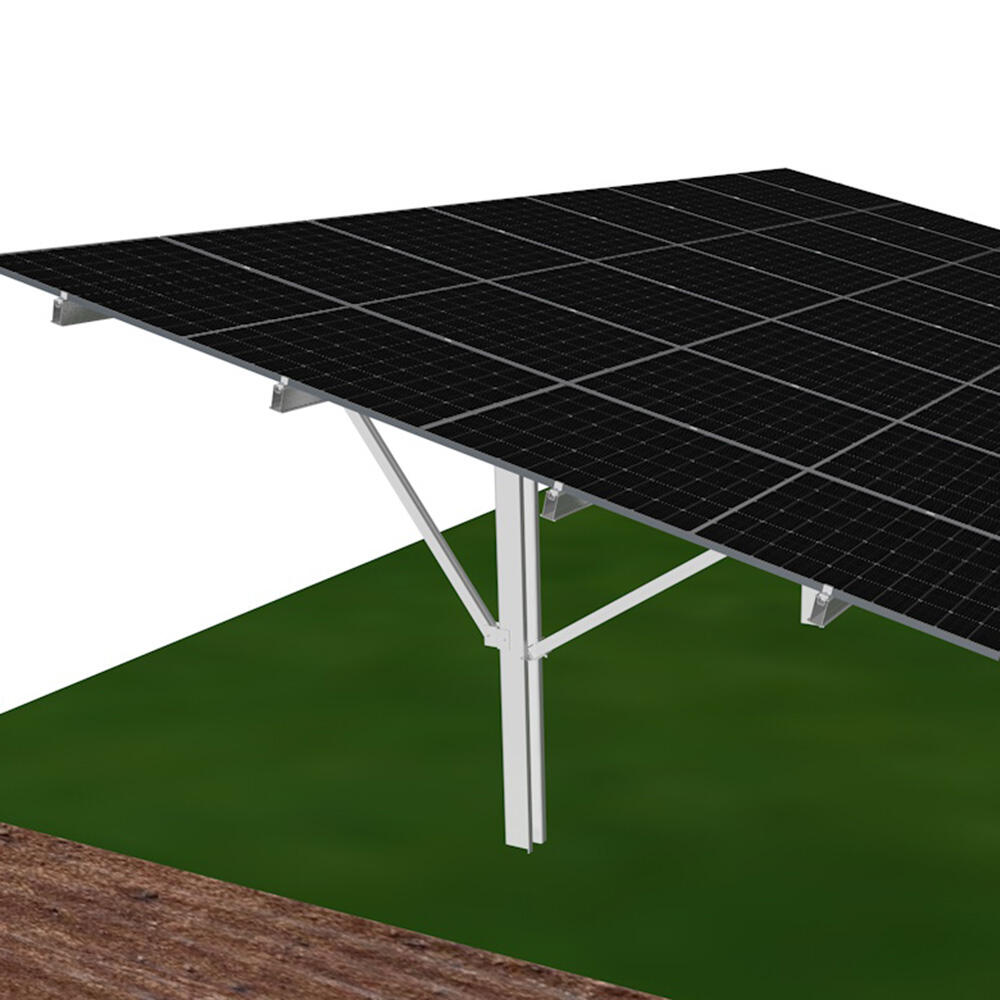
Ground mounted solar photovoltaic systems represent a versatile and scalable solution for harnessing solar energy across various applications. These systems consist of solar panels installed on structural frameworks positioned directly on the ground rather than on building surfaces. The primary function involves converting sunlight into electricity through photovoltaic cells, delivering clean renewable energy for residential, commercial, and utility-scale projects. The technological foundation relies on crystalline silicon or thin-film solar modules mounted on tracking or fixed-tilt racking systems designed to optimize solar irradiance capture throughout the day. Ground mounted solar photovoltaic systems incorporate advanced inverters that transform direct current electricity into alternating current suitable for grid connection or local consumption. Modern installations feature sophisticated monitoring systems enabling real-time performance tracking and predictive maintenance capabilities. The structural design accommodates various soil conditions and environmental factors while ensuring long-term stability and weather resistance. Applications span from small residential installations supplementing household energy needs to massive utility-scale solar farms generating hundreds of megawatts. Agricultural implementations include agrivoltaics where ground mounted solar photovoltaic systems coexist with farming operations, maximizing land utilization efficiency. Commercial applications often utilize these systems for parking lot canopies, providing dual benefits of energy generation and vehicle protection. The modular nature allows flexible system sizing based on available space and energy requirements. Installation typically involves concrete foundations or driven pile systems depending on local geological conditions. Ground mounted solar photovoltaic systems integrate seamlessly with existing electrical infrastructure through appropriate inverters and grid-tie equipment. Advanced tracking systems can increase energy output by following the sun's path, enhancing overall system efficiency compared to static installations.

New Products

Ground mounted solar photovoltaic systems offer exceptional installation flexibility compared to rooftop alternatives, allowing optimal positioning for maximum solar exposure without structural limitations. Property owners gain complete control over panel orientation, tilt angles, and spacing configurations, optimizing energy production throughout seasonal variations. These systems eliminate concerns about roof condition, age, or load-bearing capacity that often complicate rooftop installations. Maintenance accessibility represents a significant practical advantage, as technicians can easily inspect, clean, and service panels at ground level without safety risks or specialized equipment. This accessibility translates to lower maintenance costs and more frequent cleaning schedules, directly improving energy output and system longevity. Ground mounted solar photovoltaic systems accommodate larger installations than roof constraints typically allow, enabling property owners to generate substantial energy quantities that can completely offset electrical consumption or create surplus energy for sale back to utilities. The modular design supports future expansion, allowing customers to add panels as energy needs grow or budgets permit additional investment. Installation timing becomes more flexible since ground mounted solar photovoltaic systems avoid weather-related delays common with rooftop projects and eliminate coordination complexities with roofing contractors. These systems often achieve superior performance due to improved airflow around panels, reducing operating temperatures that can decrease efficiency in rooftop installations. Ground placement allows incorporation of advanced tracking systems that follow solar movement, potentially increasing energy generation by twenty-five percent compared to fixed installations. Property values typically increase more significantly with ground mounted solar photovoltaic systems since they represent permanent infrastructure improvements visible to potential buyers. Environmental benefits extend beyond clean energy generation, as these installations can incorporate native landscaping that supports local ecosystems while providing natural screening. The separation from building structures eliminates electrical fire risks associated with rooftop systems, enhancing overall property safety. Customers enjoy greater design freedom, creating aesthetically pleasing installations that complement landscape architecture while delivering substantial energy savings and environmental benefits.

Latest News

Top Carport Solar Design Ideas for 2025

24

Nov

Top Carport Solar Design Ideas for 2025

Exploring the Rise of Carport Solar The growing interest in clean energy is reshaping how people view everyday spaces, and one of the most versatile solutions emerging today is Carport Solar. Unlike traditional panels installed solely on rooftops, C...
View More
How Commercial Solar Carport Structures Benefit Large Properties

20

Aug

How Commercial Solar Carport Structures Benefit Large Properties

The Growing Demand for Solar Carport Solutions on Large Properties Across commercial landscapes, the solar carport has become one of the most practical and forward-looking investments for businesses, institutions, and property developers. Unlike trad...
View More
Commercial Solar Carport Solutions for Parking and Power

24

Nov

Commercial Solar Carport Solutions for Parking and Power

Transforming Parking Infrastructure into Clean Energy Assets The evolution of commercial parking spaces has taken a remarkable turn with the introduction of solar carports. These innovative structures represent the perfect fusion of functionality and...
View More
Smart Control in One Axis Trackers: Boosting Solar Efficiency

24

Nov

Smart Control in One Axis Trackers: Boosting Solar Efficiency

Revolutionizing Solar Energy Generation Through Intelligent Tracking Systems The solar energy industry continues to evolve rapidly, with one axis trackers emerging as a game-changing technology that maximizes energy capture and system efficiency. The...
View More

Leave Message

Our representative will contact you soon.
Email
Name
Company Name
Message
0/1000

ground mounted solar photovoltaic systems

Superior Energy Output and Performance Optimization

Superior Energy Output and Performance Optimization

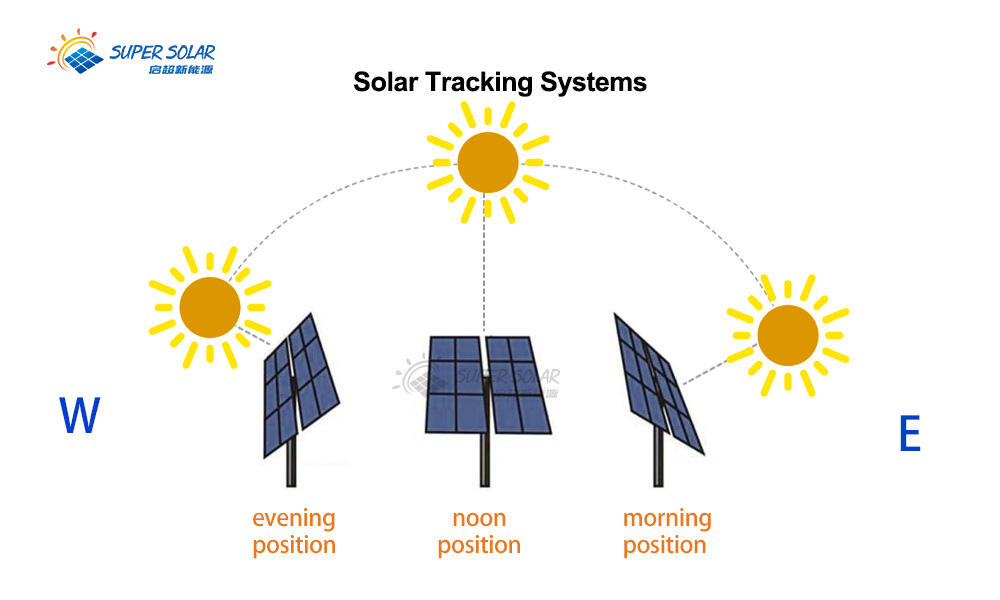
Ground mounted solar photovoltaic systems deliver exceptional energy output through optimized positioning and advanced technological features that maximize solar irradiance capture throughout the day. Unlike rooftop installations constrained by existing building angles and orientations, these systems allow precise adjustment of panel tilt and azimuth angles to match local solar conditions perfectly. The optimal tilt angle varies by geographic location and seasonal requirements, and ground mounted solar photovoltaic systems can accommodate these variations through adjustable mounting structures or seasonal repositioning capabilities. This flexibility translates directly into increased energy production, often generating fifteen to twenty-five percent more electricity compared to suboptimally positioned rooftop systems. Enhanced airflow circulation around ground-level panels prevents overheating issues that commonly reduce photovoltaic efficiency in roof-mounted installations where panels sit close to hot roofing materials. Ground mounted solar photovoltaic systems can incorporate single-axis or dual-axis tracking mechanisms that automatically follow the sun's path across the sky, dramatically increasing daily energy capture. Single-axis tracking systems typically improve annual energy production by twenty to thirty percent, while dual-axis systems can achieve gains up to forty percent in optimal conditions. The improved performance stems from maintaining perpendicular panel orientation to solar rays throughout daylight hours rather than fixed positioning that only optimizes energy capture during specific times. Ground mounted solar photovoltaic systems also benefit from easier integration of advanced monitoring and optimization technologies, including micro-inverters, power optimizers, and real-time performance analytics that identify and address efficiency issues immediately. The accessibility of ground-level installations enables more frequent cleaning and maintenance, removing dust, debris, and snow that can significantly impact energy production. Professional maintenance teams can quickly access all system components for inspection, repairs, and upgrades without specialized equipment or safety concerns associated with rooftop work, ensuring consistent peak performance throughout the system's operational lifetime.
Flexible Design and Scalability Advantages

Flexible Design and Scalability Advantages

Ground mounted solar photovoltaic systems provide unmatched design flexibility and scalability options that adapt to diverse property configurations, energy requirements, and future expansion needs. Property owners can strategically position these systems in optimal locations with maximum solar exposure while avoiding shading from buildings, trees, or other obstructions that might compromise energy production. The modular design philosophy enables customers to start with smaller installations that meet immediate energy needs and systematically expand capacity as budgets allow or consumption patterns change. This scalability advantage makes ground mounted solar photovoltaic systems particularly attractive for growing businesses, expanding residential properties, or agricultural operations with evolving energy demands. Design flexibility extends to aesthetic considerations, allowing integration with landscape architecture through creative positioning, screening vegetation, or dual-purpose applications like carport structures or agricultural shade systems. Ground mounted solar photovoltaic systems can accommodate irregular terrain through specialized mounting solutions that work with slopes, uneven surfaces, or challenging soil conditions that would make other installation types impractical. The freedom from structural limitations enables larger panel arrays that can generate substantial energy quantities, often exceeding total property consumption and creating opportunities for net metering benefits or energy sales back to utility companies. Seasonal adjustability represents another significant design advantage, as manually adjustable mounting systems can optimize tilt angles for summer and winter sun positions, maximizing annual energy production. Ground mounted solar photovoltaic systems integrate seamlessly with energy storage solutions, electric vehicle charging stations, and smart home technologies through accessible electrical connections and equipment housing options. Future technology upgrades become more feasible with ground-level access, allowing customers to incorporate new inverter technologies, monitoring systems, or panel improvements without complex rooftop logistics. The design flexibility also accommodates specific local requirements such as setback regulations, height restrictions, or aesthetic guidelines that vary by municipality, ensuring compliance while maximizing system performance and property integration.

Cost-Effectiveness and Long-Term Investment Value

Cost-Effectiveness and Long-Term Investment Value

Ground mounted solar photovoltaic systems deliver exceptional long-term investment value through reduced installation costs, lower maintenance expenses, and superior durability compared to alternative solar installation methods. Installation costs often prove more economical than rooftop systems because ground mounted solar photovoltaic systems avoid complex roof penetrations, structural assessments, and coordination with roofing contractors that can add significant project expenses. The straightforward installation process reduces labor time and eliminates specialized roofing expertise requirements, translating into lower overall project costs despite potentially higher material costs for ground-mounting hardware. Maintenance cost advantages accumulate substantially over the system's twenty-five to thirty-year operational lifetime, as ground-level access eliminates expensive aerial equipment rentals and specialized safety procedures required for rooftop maintenance. Property owners can perform routine cleaning, visual inspections, and minor maintenance tasks themselves, reducing dependence on professional service contracts and associated costs. Ground mounted solar photovoltaic systems typically demonstrate superior longevity because panels operate at lower temperatures with better airflow cooling, reducing thermal stress that can degrade photovoltaic cells over time. The separation from building structures eliminates exposure to roof-related issues such as leaks, structural settling, or roof replacement projects that can necessitate costly system removal and reinstallation. Insurance benefits often favor ground mounted solar photovoltaic systems since they pose lower fire risks compared to rooftop installations and may qualify for reduced premiums or favorable coverage terms. Property value improvements associated with these systems tend to be more substantial and permanent because they represent visible infrastructure improvements that potential buyers can easily assess and appreciate. The investment return accelerates through higher energy production enabled by optimal positioning and tracking capabilities, generating more electricity and greater utility bill savings throughout the system's operational lifetime. Federal and local incentive programs often provide more favorable terms for ground mounted solar photovoltaic systems, particularly for larger installations that qualify for commercial solar tax credits or agricultural renewable energy programs, further enhancing the financial benefits and return on investment calculations for property owners considering this sustainable energy solution.

Leave Message

Our representative will contact you soon.
Email
Name
Company Name
Message
0/1000