Professional Ground Solar Mounting Systems - Maximum Efficiency & Durability

All Categories

ground solar mounting

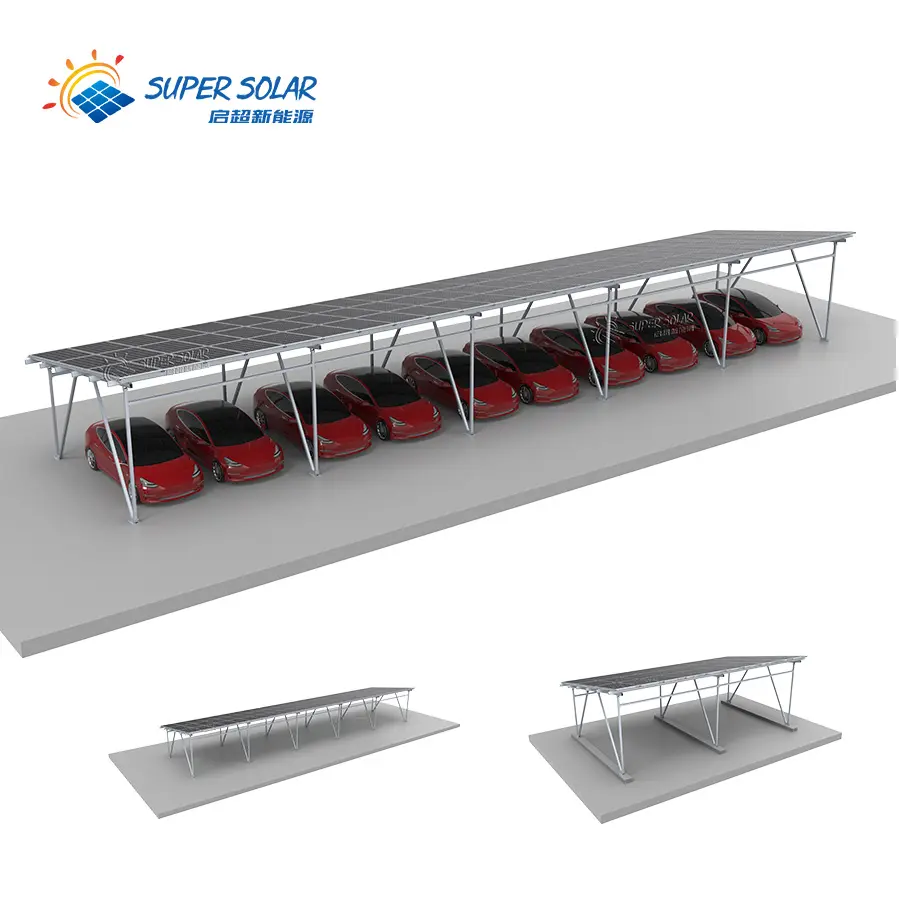
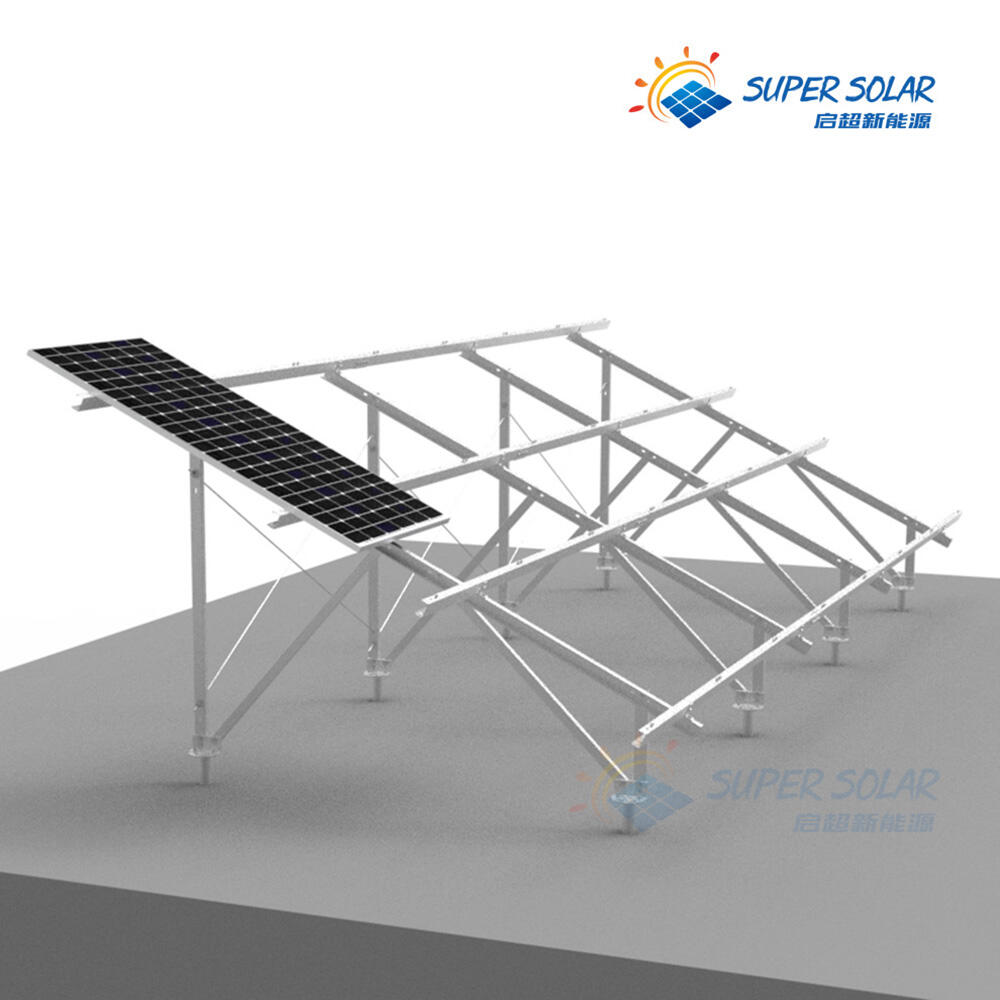
Ground solar mounting systems represent a fundamental infrastructure solution for large-scale photovoltaic installations, providing the essential framework that secures solar panels to the earth's surface. These robust mounting structures serve as the backbone for ground-mounted solar arrays, transforming vacant land into productive renewable energy generation sites. The primary function of ground solar mounting systems involves creating a stable, elevated platform that positions solar panels at optimal angles to capture maximum sunlight throughout the day. These systems incorporate sophisticated engineering principles to withstand environmental stresses including wind loads, snow accumulation, and seismic activity while maintaining precise panel alignment over decades of operation. Ground solar mounting technology features modular construction methods that enable rapid deployment across diverse terrain types, from flat agricultural fields to gently sloping hillsides. The structural framework typically consists of galvanized steel or aluminum components designed for corrosion resistance and longevity in outdoor environments. Advanced ground solar mounting systems integrate tracking capabilities, allowing panels to follow the sun's path across the sky for enhanced energy production. Fixed-tilt ground solar mounting configurations provide cost-effective solutions for utility-scale projects, while adjustable systems offer seasonal optimization opportunities. These mounting solutions accommodate various panel sizes and configurations, supporting both crystalline silicon and thin-film photovoltaic technologies. Ground solar mounting applications span commercial solar farms, utility-scale renewable energy projects, agricultural solar installations, and distributed generation facilities. The versatility of ground solar mounting systems makes them suitable for brownfield redevelopment, landfill cap applications, and dual-use agricultural projects where solar generation complements farming activities. Professional installation teams utilize specialized equipment to ensure proper foundation preparation and precise system alignment, maximizing long-term performance and reliability of ground solar mounting installations.

New Product Recommendations

Ground solar mounting systems deliver exceptional value through their ability to maximize energy production while minimizing installation complexity and long-term maintenance requirements. These systems provide superior flexibility in panel positioning, allowing installers to optimize tilt angles and orientations based on specific geographic locations and seasonal sun patterns. Unlike rooftop installations, ground solar mounting eliminates structural load concerns and building integration challenges, enabling faster project completion and reduced installation costs. Property owners benefit from the scalability of ground solar mounting systems, which can accommodate future expansion without requiring additional roof space or structural modifications. The accessibility advantage of ground solar mounting cannot be overstated, as technicians can easily perform routine maintenance, cleaning, and repairs without specialized equipment or safety concerns associated with elevated work. Ground solar mounting systems offer enhanced cooling benefits for solar panels, as natural air circulation beneath elevated panels improves efficiency compared to roof-mounted alternatives that may experience heat buildup. The durability of professionally installed ground solar mounting systems extends far beyond typical warranty periods, with galvanized steel frameworks designed to withstand decades of weather exposure without degradation. Cost-effectiveness emerges as a primary advantage, particularly for large installations where ground solar mounting achieves economies of scale through standardized components and streamlined installation processes. Environmental benefits include the preservation of existing roof structures and the potential for dual land use applications where ground solar mounting coexists with agricultural activities or natural habitat preservation. Ground solar mounting systems provide superior electrical safety through proper grounding techniques and improved access for electrical inspections and upgrades. The modular nature of ground solar mounting components facilitates inventory management and replacement part availability, reducing long-term operational costs. Installation teams appreciate the predictable working conditions associated with ground solar mounting projects, leading to more accurate project timelines and budget estimates. Property values often increase with properly installed ground solar mounting systems, as they represent permanent infrastructure improvements that generate ongoing revenue streams. The versatility of ground solar mounting enables installation on previously unusable land, transforming marginal properties into productive renewable energy assets while preserving prime real estate for other development purposes.

Tips And Tricks

What Is a Solar Carport for Residential Homes and Why Use It?

20

Aug

What Is a Solar Carport for Residential Homes and Why Use It?

The Growing Popularity of Residential Solar Carports As homeowners increasingly look for ways to reduce energy costs and embrace sustainable living, the solar carport has emerged as a smart solution. A solar carport not only provides shelter for vehi...
View More
The Ultimate Guide to Installing Solar L Feet on Metal Roofs

23

Sep

The Ultimate Guide to Installing Solar L Feet on Metal Roofs

Pre-installation preparation (roof inspection, tools needed) Conducting a roof inspection before installation Before starting any metal roof project, the roof must be carefully inspected. Installers should check for rust, loose panels, or structural ...
View More
Commercial Solar Carport Solutions for Parking and Power

24

Nov

Commercial Solar Carport Solutions for Parking and Power

Transforming Parking Infrastructure into Clean Energy Assets The evolution of commercial parking spaces has taken a remarkable turn with the introduction of solar carports. These innovative structures represent the perfect fusion of functionality and...
View More
L-Foot Solar Mounts Explained: Simple & Affordable

24

Nov

L-Foot Solar Mounts Explained: Simple & Affordable

Understanding the Fundamentals of Solar Panel Mounting Systems The solar industry continues to evolve rapidly, and mounting solutions play a crucial role in successful installations. L-foot solar mounts have emerged as one of the most reliable and co...
View More

Leave Message

Our representative will contact you soon.
Email
Name
Company Name
Message
0/1000

ground solar mounting

Advanced Foundation Technology for Maximum Stability

Advanced Foundation Technology for Maximum Stability

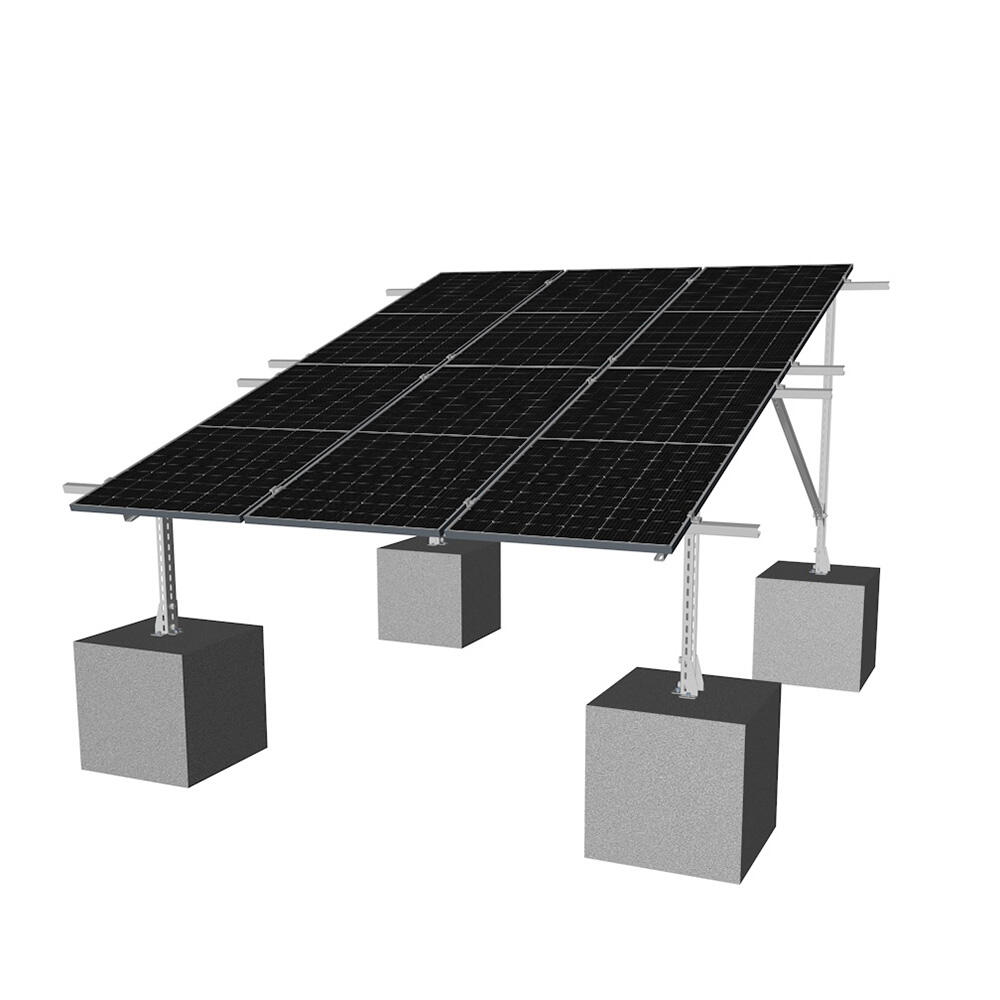
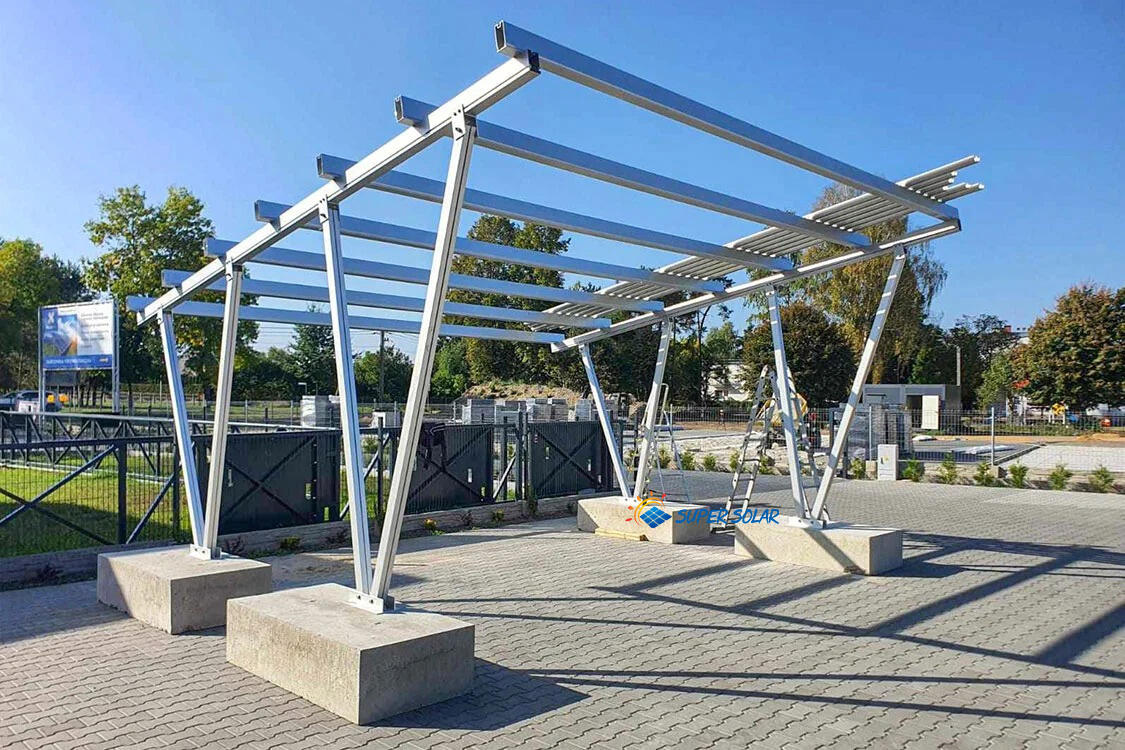
Ground solar mounting systems incorporate cutting-edge foundation technology that ensures exceptional structural stability and longevity across diverse soil conditions and environmental challenges. The foundation system represents the critical interface between the earth and the solar array, requiring precise engineering to transfer structural loads safely into the ground while maintaining optimal panel positioning over decades of operation. Modern ground solar mounting foundations utilize driven pile technology, concrete ballast systems, or hybrid approaches that combine multiple anchoring methods for superior performance. Driven pile foundations feature galvanized steel posts that penetrate deep into the subsurface, creating secure anchor points that resist uplift forces generated by wind loads and thermal expansion cycles. These foundations eliminate the need for extensive concrete work, reducing installation time and environmental impact while providing exceptional holding power in various soil types. Concrete ballast foundations offer advantages in areas with shallow bedrock or restricted excavation requirements, utilizing pre-engineered concrete blocks that provide gravitational resistance to overturning forces. The engineering team designs foundation systems based on comprehensive geotechnical analysis, ensuring that each ground solar mounting installation meets or exceeds local building codes and structural requirements. Advanced foundation technology incorporates corrosion-resistant materials and protective coatings that extend system life beyond 30 years, even in challenging environments with high moisture content or chemical exposure. The precision manufacturing of foundation components ensures consistent installation quality and simplified field assembly procedures that reduce labor costs and project timelines. Ground solar mounting foundations accommodate thermal expansion and contraction through engineered connection details that maintain structural integrity while allowing natural movement of the framework. Quality control procedures during foundation installation include torque specifications for mechanical connections, alignment tolerances for structural members, and load testing protocols that verify design performance. The foundation technology enables ground solar mounting systems to achieve industry-leading warranty terms while providing property owners with confidence in long-term system reliability and performance consistency.
Optimized Panel Positioning for Maximum Energy Yield

Optimized Panel Positioning for Maximum Energy Yield

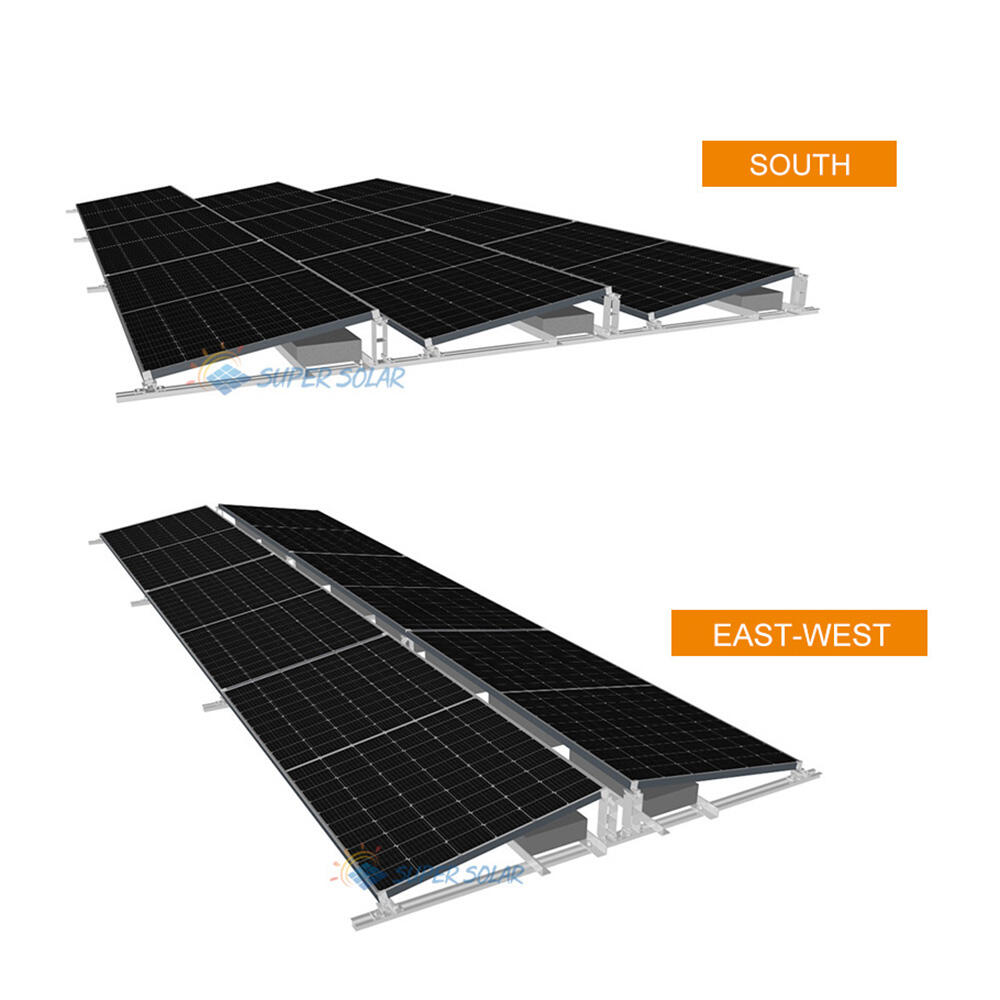
Ground solar mounting systems excel in their ability to position solar panels at precisely calculated angles and orientations that maximize energy production throughout the year, delivering superior performance compared to constrained rooftop installations. The optimization of panel positioning represents a complex engineering challenge that considers multiple variables including latitude, seasonal sun angles, shading patterns, and local weather conditions to determine the ideal configuration for each specific site. Ground solar mounting enables precise tilt angle adjustment that can be customized for each installation location, ensuring panels capture the maximum amount of direct sunlight during peak production hours while minimizing losses from suboptimal positioning. Professional system designers utilize sophisticated modeling software to calculate optimal panel spacing within ground solar mounting arrays, preventing inter-row shading while maximizing land utilization efficiency for large-scale installations. The flexibility of ground solar mounting systems accommodates various tracking technologies, including single-axis and dual-axis systems that automatically adjust panel positions to follow the sun's movement across the sky, increasing energy production by up to 25 percent compared to fixed installations. Fixed-tilt ground solar mounting configurations can be optimized for specific applications, such as winter peak demand or year-round energy production, by adjusting the panel angle to match local solar irradiance patterns and utility rate structures. The elevated positioning of panels in ground solar mounting systems promotes natural air circulation that keeps modules cooler than roof-mounted alternatives, improving electrical efficiency and extending panel lifespan through reduced thermal stress. Ground solar mounting allows for strategic panel orientation adjustments that account for local terrain features, nearby structures, and vegetation that might create shading issues at certain times of day or year. Advanced ground solar mounting systems incorporate micro-positioning capabilities that enable fine-tuning of individual panel angles to compensate for slight variations in terrain elevation or drainage requirements. The accessibility of ground solar mounting installations facilitates regular maintenance activities that preserve optimal panel positioning over time, including cleaning, adjustment, and realignment procedures that maintain peak energy production performance throughout the system's operational life.
Streamlined Installation Process with Reduced Complexity

Streamlined Installation Process with Reduced Complexity

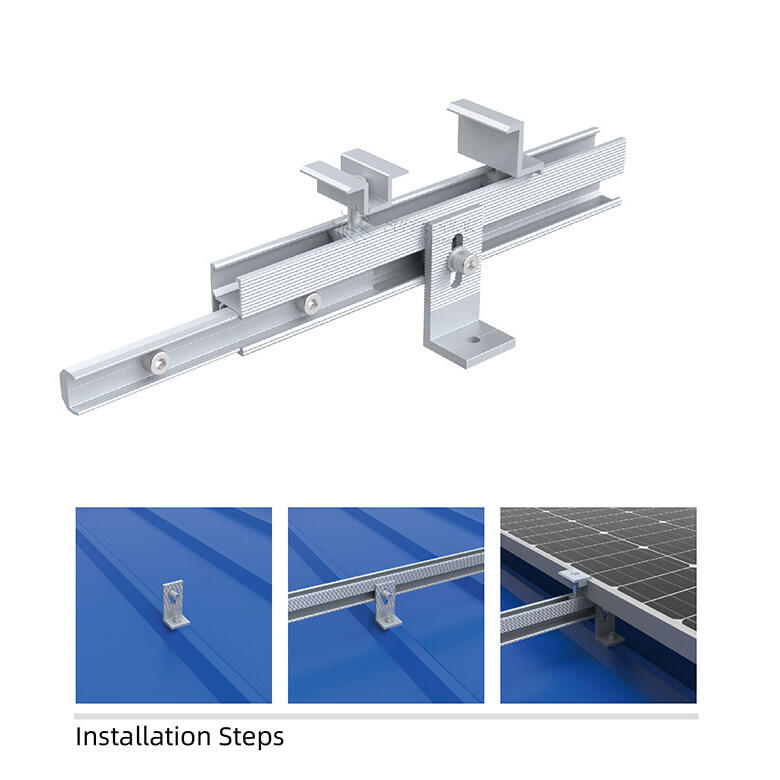
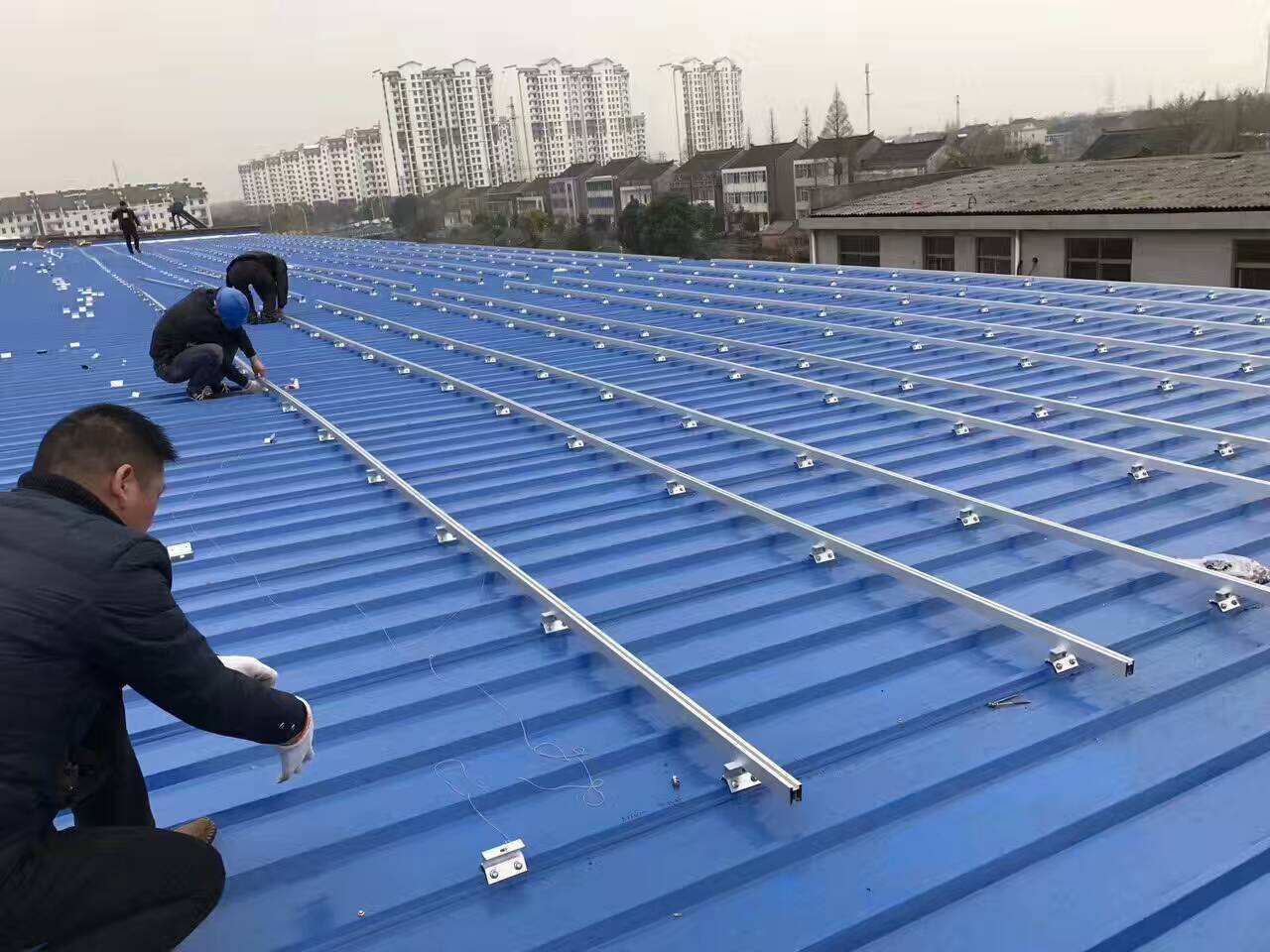
Ground solar mounting systems feature carefully engineered installation processes that significantly reduce project complexity, labor requirements, and construction timelines compared to alternative mounting solutions. The streamlined approach begins with standardized foundation preparation procedures that utilize common construction equipment and techniques familiar to local contractors, eliminating the need for specialized tools or extensive training programs. Pre-engineered ground solar mounting components arrive at project sites with detailed assembly instructions and quality control checklists that guide installation teams through systematic procedures designed to ensure consistent results across multiple installations. The modular design philosophy of ground solar mounting systems enables parallel installation activities where foundation work, structural assembly, and electrical preparation can proceed simultaneously, dramatically reducing overall project completion times. Installation teams benefit from the accessibility of ground solar mounting projects, as all work occurs at or near ground level, eliminating safety concerns and specialized equipment requirements associated with elevated installations. The standardization of ground solar mounting components creates economies of scale in procurement, inventory management, and logistics coordination that reduce material costs and simplify project planning for developers and contractors. Quality assurance procedures integrated into ground solar mounting installation processes include pre-installation site surveys, foundation verification protocols, and final system commissioning tests that ensure optimal performance from day one of operation. The installation process accommodates various weather conditions and seasonal constraints, as ground solar mounting work can continue during periods when rooftop installations might be suspended due to safety concerns or access limitations. Professional installation crews develop expertise through repetitive exposure to standardized ground solar mounting procedures, leading to improved productivity, reduced error rates, and enhanced quality outcomes for property owners. The simplified electrical integration of ground solar mounting systems reduces installation complexity through accessible cable management solutions, centralized combiner locations, and standardized grounding procedures that meet electrical codes while minimizing labor requirements. Documentation and permitting processes for ground solar mounting installations benefit from established precedents and standardized design approaches that expedite regulatory approval and utility interconnection procedures, reducing project development timelines and associated costs.

Leave Message

Our representative will contact you soon.
Email
Name
Company Name
Message
0/1000