Lightweight Solar Roof Mounting System - Advanced Installation Solutions for Efficient Solar Energy

All Categories

lightweight solar roof mounting system

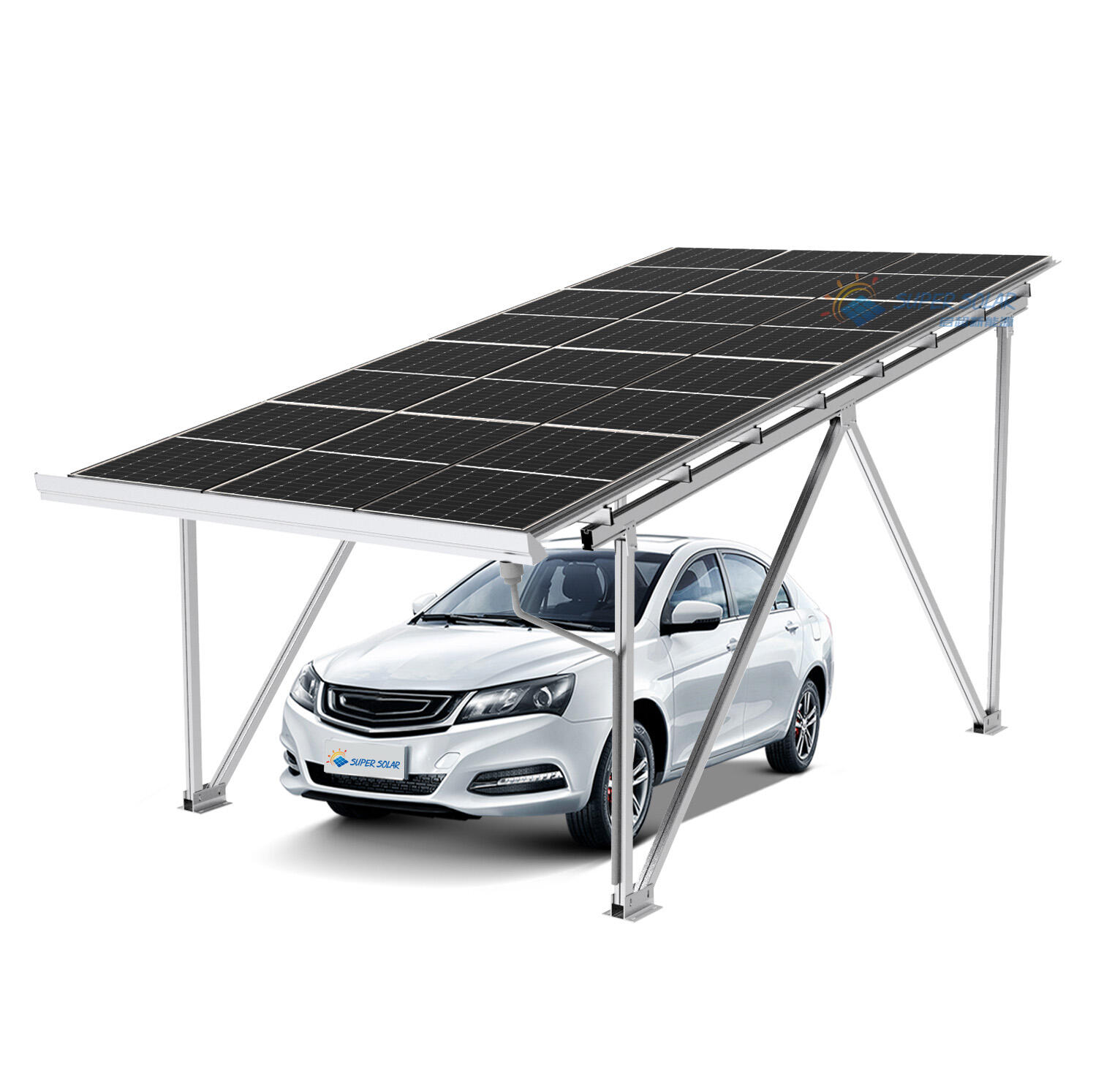
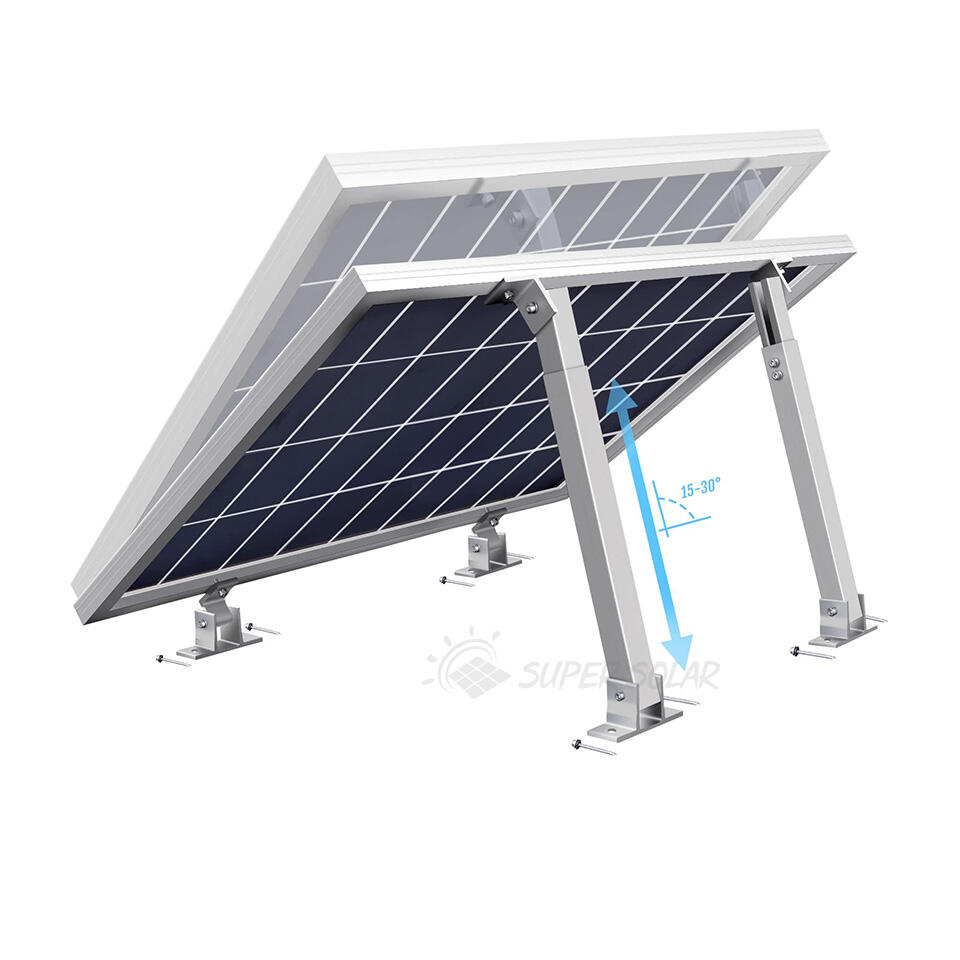
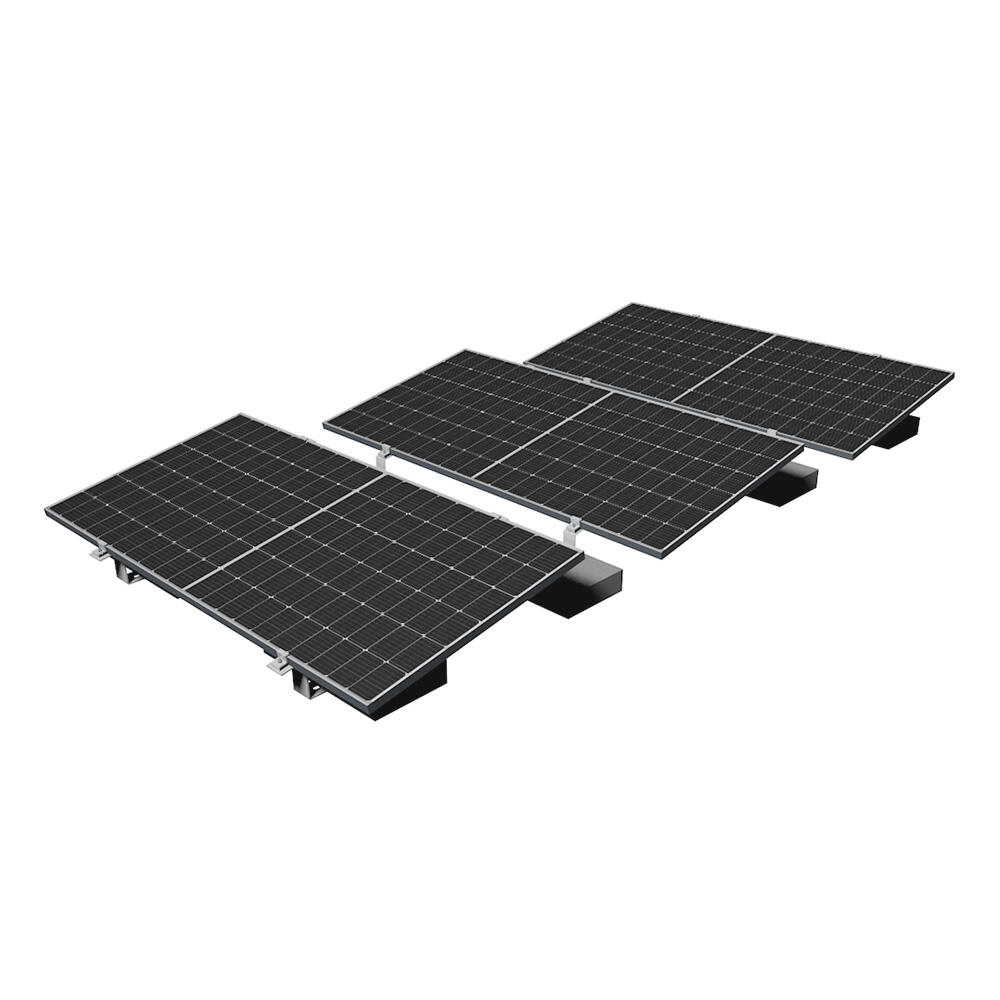
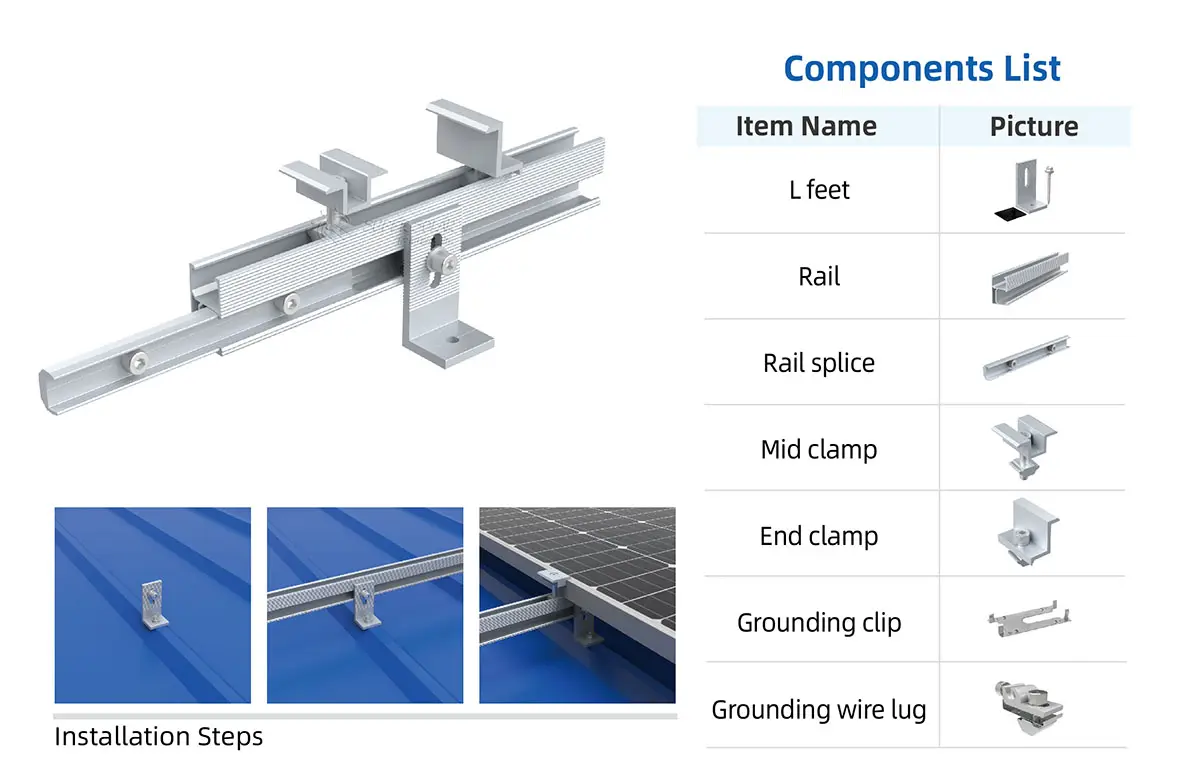
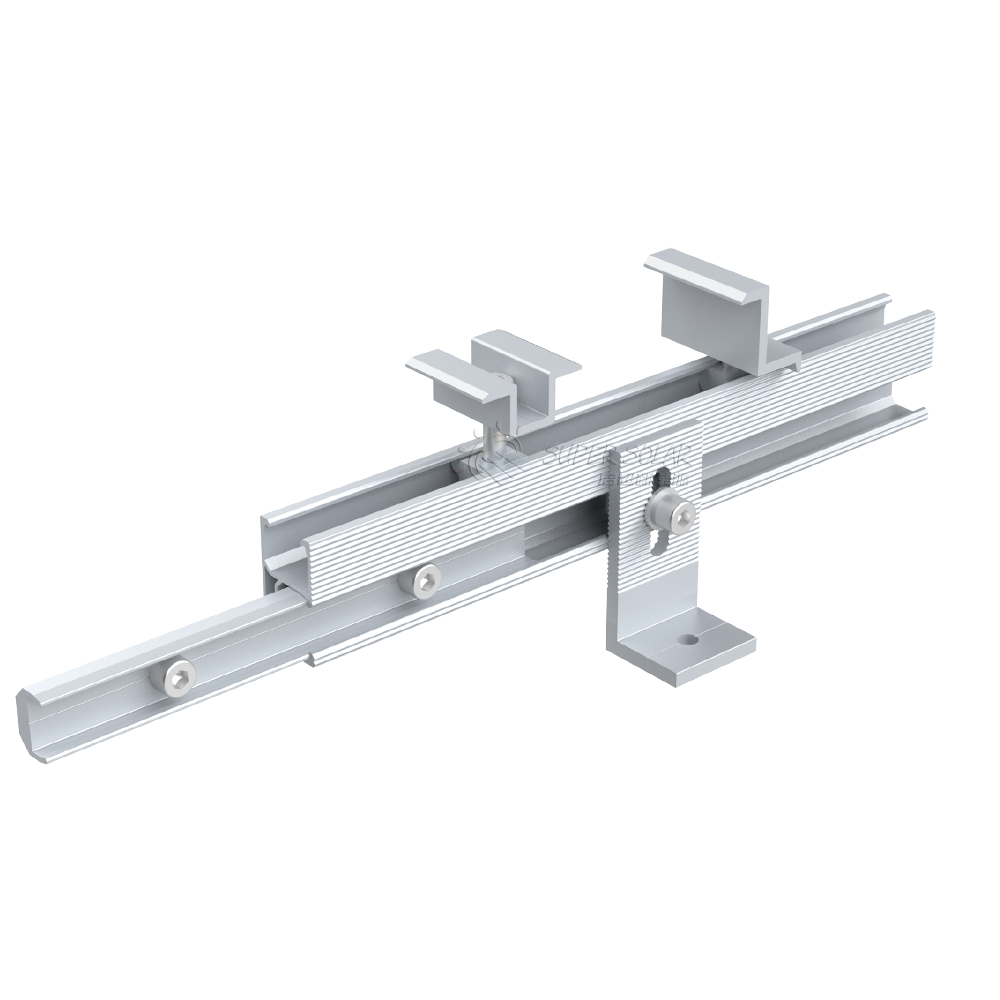
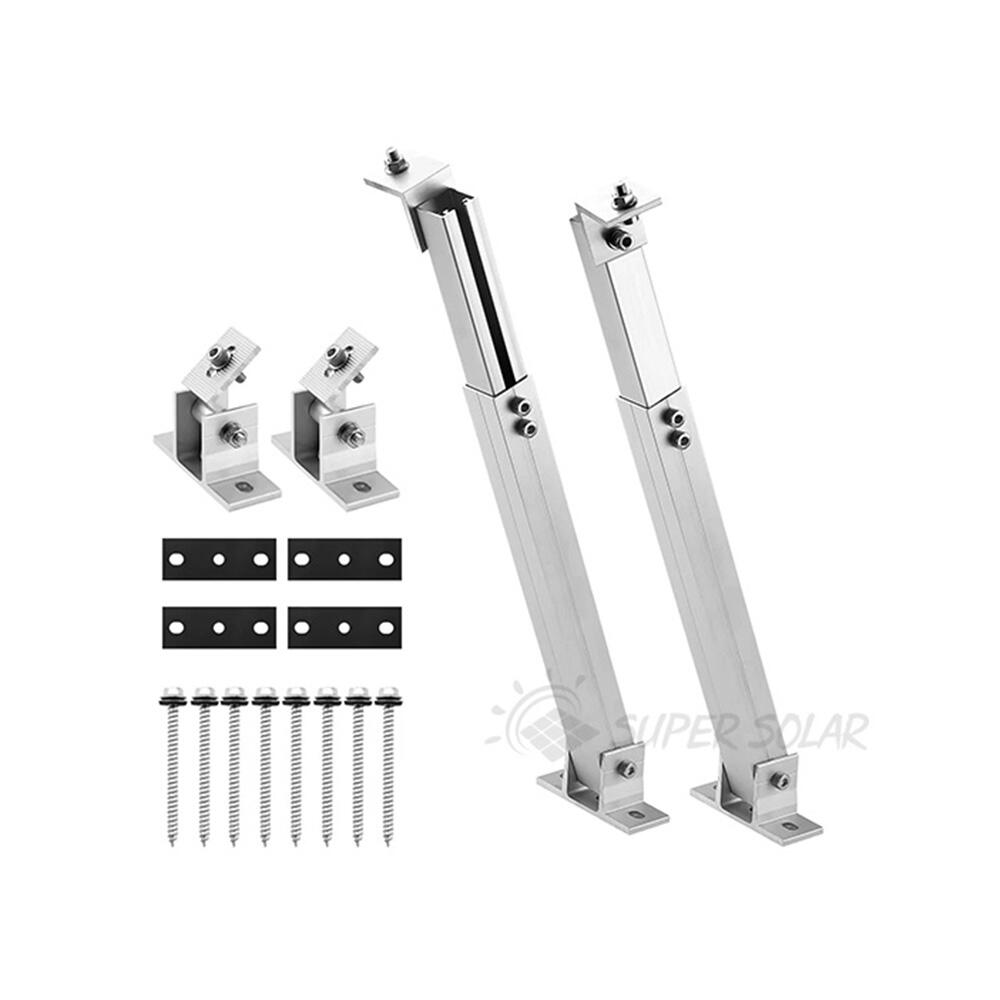
A lightweight solar roof mounting system represents a revolutionary approach to solar panel installation that prioritizes efficiency, durability, and ease of deployment. This innovative mounting solution is specifically engineered to minimize structural load while maximizing energy generation potential on residential and commercial rooftops. The lightweight solar roof mounting system incorporates advanced materials such as high-grade aluminum alloys and reinforced polymers that deliver exceptional strength-to-weight ratios, ensuring robust performance without compromising the integrity of existing roof structures. The primary function of this mounting system centers on securely fastening photovoltaic panels to various roof types while maintaining optimal positioning for maximum solar exposure throughout the day. Technological features include pre-assembled components that significantly reduce installation time, adjustable tilt mechanisms that accommodate different roof angles and geographic locations, and corrosion-resistant finishes that withstand harsh weather conditions for decades. The system utilizes a ballast-free design for many applications, eliminating the need for heavy concrete blocks or extensive roof penetrations that can create potential leak points. Advanced wind load calculations and aerodynamic profiles ensure the lightweight solar roof mounting system maintains stability even in high-wind environments. Applications span across diverse sectors including residential homes, commercial buildings, industrial facilities, and agricultural structures. The modular design allows for scalable installations from small residential arrays to large commercial solar farms. Compatible with various panel types and sizes, this mounting system accommodates both framed and frameless solar modules. Integration capabilities extend to different roof materials including metal, tile, membrane, and composite surfaces, making the lightweight solar roof mounting system a versatile solution for virtually any building type seeking to harness clean solar energy efficiently and cost-effectively.

New Product Releases

The lightweight solar roof mounting system delivers numerous practical benefits that make solar installation more accessible and cost-effective for property owners. Weight reduction stands as the most significant advantage, with these systems typically weighing 60-70% less than traditional mounting solutions. This dramatic weight decrease means existing roof structures often require no additional reinforcement, saving thousands of dollars in structural engineering costs and construction modifications. Property owners can proceed with solar installations on buildings that previously could not support heavier mounting systems, expanding solar accessibility to older structures and buildings with weight limitations. Installation speed represents another major benefit, as the lightweight solar roof mounting system features pre-assembled components and simplified attachment methods. Professional installers can complete typical residential installations in half the time required for conventional systems, reducing labor costs and minimizing disruption to daily activities. The streamlined installation process also means faster project completion and quicker return on solar investment. Maintenance advantages become apparent over the system's lifespan, as lighter components are easier to handle during routine inspections and cleaning procedures. Service technicians can work more safely and efficiently when dealing with lightweight solar roof mounting system components, reducing long-term maintenance expenses. The reduced structural stress on roofing materials extends roof life by minimizing potential damage from excessive weight loads. Economic benefits extend beyond installation savings, as many utility companies offer expedited interconnection processes for systems using certified lightweight mounting solutions. Property values typically increase more significantly with lightweight solar installations due to reduced structural concerns and improved aesthetic integration. Environmental advantages include reduced transportation emissions due to lighter shipping weights and smaller carbon footprints during manufacturing processes. The lightweight solar roof mounting system also enables solar installations in geographic regions with strict building codes or seismic requirements where heavier systems would be prohibited. Flexibility in system sizing and expansion becomes easier when weight constraints are minimized, allowing property owners to start with smaller installations and add capacity over time without structural concerns. Weather resistance improvements come from advanced materials that resist corrosion, UV degradation, and thermal cycling better than traditional steel mounting systems, ensuring decades of reliable performance with minimal degradation.

Tips And Tricks

What Is a Solar Carport for Residential Homes and Why Use It?

20

Aug

What Is a Solar Carport for Residential Homes and Why Use It?

The Growing Popularity of Residential Solar Carports As homeowners increasingly look for ways to reduce energy costs and embrace sustainable living, the solar carport has emerged as a smart solution. A solar carport not only provides shelter for vehi...
View More
Can a Solar Carport Power Your Entire Home Efficiently?

20

Aug

Can a Solar Carport Power Your Entire Home Efficiently?

The Rising Popularity of Solar Carports in Residential Homes As the demand for renewable energy solutions continues to grow, the solar carport has become one of the most practical and efficient ways for homeowners to generate electricity. Unlike trad...
View More
Why L Feet Are the Most Cost-Effective Solar Mounting Solution for Metal Roofs

23

Sep

Why L Feet Are the Most Cost-Effective Solar Mounting Solution for Metal Roofs

Cost comparison with other mounting systems Comparing material costs across different solutions When evaluating solar mounting systems, one of the first considerations is material cost. L Feet stand out because they use less material while maintaini...
View More
Smart Control in One Axis Trackers: Boosting Solar Efficiency

24

Nov

Smart Control in One Axis Trackers: Boosting Solar Efficiency

Revolutionizing Solar Energy Generation Through Intelligent Tracking Systems The solar energy industry continues to evolve rapidly, with one axis trackers emerging as a game-changing technology that maximizes energy capture and system efficiency. The...
View More

Leave Message

Our representative will contact you soon.
Email
Name
Company Name
Message
0/1000

lightweight solar roof mounting system

Revolutionary Weight Reduction Technology

Revolutionary Weight Reduction Technology

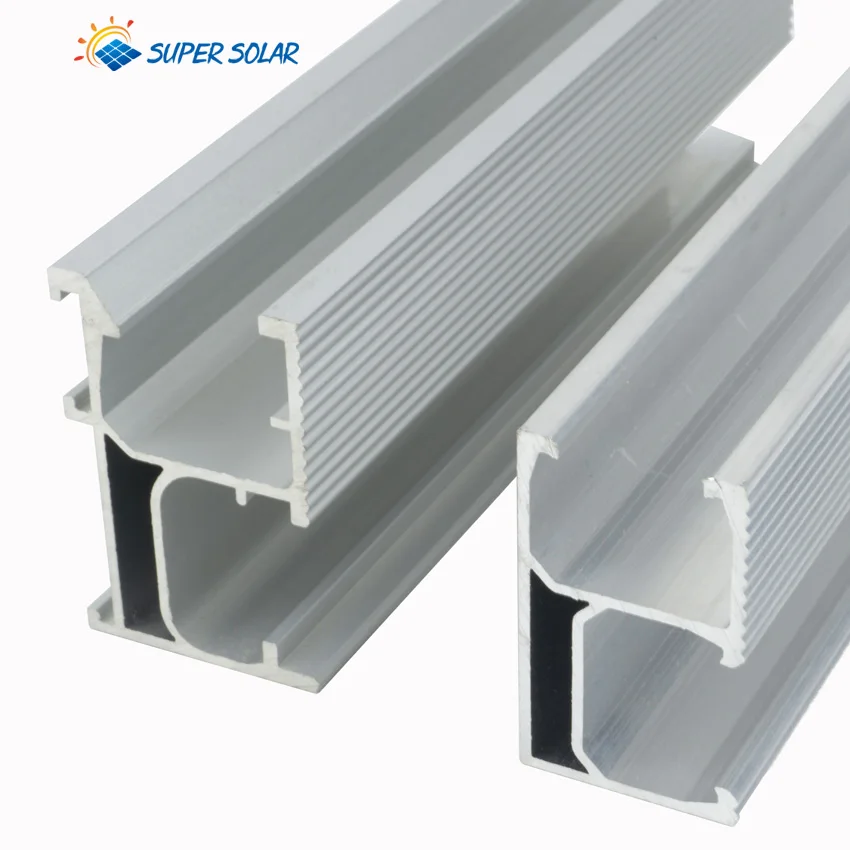
The lightweight solar roof mounting system incorporates cutting-edge materials engineering that achieves unprecedented weight reduction without compromising structural integrity or performance standards. This breakthrough technology utilizes aerospace-grade aluminum alloys combined with advanced polymer composites to create mounting rails and hardware that weigh significantly less than traditional steel alternatives. The engineering process involves computational fluid dynamics modeling to optimize component shapes for both weight reduction and wind resistance, resulting in profiles that are both lighter and more aerodynamically efficient. Manufacturing techniques include precision extrusion processes that create hollow rail designs with internal reinforcement structures, maximizing strength while minimizing material usage. The lightweight solar roof mounting system components undergo rigorous testing protocols that exceed industry standards for load bearing, wind uplift, and seismic resistance, ensuring reliability despite reduced weight. Quality control measures include automated inspection systems that verify dimensional accuracy and material consistency throughout production. The weight reduction technology extends beyond primary mounting rails to include innovative clamp designs, hardware assemblies, and connection components that collectively reduce total system weight by up to 70% compared to conventional mounting solutions. This technological advancement enables solar installations on structures previously deemed unsuitable for photovoltaic systems due to weight restrictions. Building owners with older structures, architectural constraints, or specific load limitations can now access solar energy benefits without expensive structural modifications. The reduced weight also translates to lower shipping costs, easier handling during installation, and reduced risk of worker injury during mounting procedures. Installation crews can transport more components per trip and work more efficiently with lighter materials, directly impacting project timelines and costs. The lightweight solar roof mounting system weight reduction technology represents a paradigm shift in solar mounting design philosophy, prioritizing efficiency and accessibility while maintaining the durability and performance standards required for long-term solar energy production.
Streamlined Installation Process

Streamlined Installation Process

The lightweight solar roof mounting system revolutionizes solar installation through its innovative design that prioritizes speed, simplicity, and safety during deployment. This streamlined approach begins with pre-assembled mounting components that arrive at job sites ready for immediate installation, eliminating time-consuming field assembly procedures that traditionally add hours to installation schedules. The system features intuitive connection mechanisms that require minimal training for installation crews while maintaining professional-grade security and reliability. Quick-connect hardware assemblies snap together without specialized tools, reducing the complexity typically associated with solar mounting installations. The lightweight solar roof mounting system incorporates color-coded components and clear installation guides that minimize errors and rework, ensuring first-time installation success rates exceed 95%. Rail systems feature pre-marked spacing indicators and alignment guides that accelerate positioning accuracy, eliminating measurement errors that can cause costly delays and adjustments. The installation process benefits from reduced crew requirements, as lighter components allow single-person handling for most assembly tasks, reducing labor costs and scheduling complexity. Safety improvements are substantial, with lighter materials reducing strain injuries and minimizing risks associated with handling heavy mounting hardware at elevation. The lightweight solar roof mounting system installation typically requires 40-60% less time than conventional mounting approaches, translating directly to reduced labor expenses and faster project completion. Weather resilience during installation improves due to the system's modular design, allowing crews to complete sections incrementally and secure partial installations against weather interruptions. The streamlined process extends to roof attachment procedures, with simplified flashing systems and standardized penetration methods that maintain weatherproofing integrity while reducing installation complexity. Quality assurance becomes more manageable through built-in verification features that provide visual confirmation of proper installation at each step. Training requirements for installation crews are minimized through the lightweight solar roof mounting system's intuitive design, reducing certification time and enabling faster crew deployment for installation companies. The overall installation experience improves for property owners through reduced noise, shorter work periods, and minimal disruption to daily activities, creating higher customer satisfaction and more positive solar adoption experiences.
Enhanced Durability and Performance

Enhanced Durability and Performance

The lightweight solar roof mounting system delivers exceptional durability and performance through advanced material science and engineering innovations that exceed traditional mounting system capabilities. Corrosion resistance represents a primary durability feature, with specialized aluminum alloys and protective coatings that resist degradation from environmental exposure, salt air, industrial pollutants, and extreme weather conditions. The surface treatment processes include multi-layer anodization and polymer coating applications that create barriers against oxidation and wear, ensuring the lightweight solar roof mounting system maintains structural integrity and appearance throughout its operational lifespan. Thermal expansion management incorporates engineered tolerances and flexible connection points that accommodate temperature fluctuations without creating stress concentrations or connection failures. The system design accounts for thermal cycling across geographic regions, from desert heat to arctic cold, maintaining consistent performance regardless of climate conditions. Wind resistance capabilities surpass industry requirements through aerodynamic profiling and advanced attachment methodologies that distribute loads evenly across roof structures. Testing protocols include wind tunnel validation and computer modeling that simulate extreme weather events, ensuring the lightweight solar roof mounting system performs reliably during hurricanes, tornadoes, and severe thunderstorms. Seismic performance enhancements include flexible mounting points and controlled movement capabilities that allow the system to flex with building motion during earthquakes without compromising panel security or electrical connections. Material fatigue resistance comes from precision manufacturing processes that eliminate stress concentrators and incorporate strain relief features in critical connection areas. The lightweight solar roof mounting system undergoes accelerated aging tests that simulate decades of exposure in compressed timeframes, validating long-term performance predictions and warranty coverage. Quality materials include UV-stable polymers and fade-resistant finishes that maintain appearance and functionality throughout 25+ year operational periods. Electrical performance benefits from optimized grounding systems and corrosion-resistant electrical connections that maintain system efficiency over time. The enhanced durability translates to reduced maintenance requirements, lower lifecycle costs, and improved return on investment for solar installations. Performance monitoring capabilities integrated into the lightweight solar roof mounting system design enable real-time assessment of structural integrity and early identification of potential maintenance needs, ensuring optimal operation throughout the system's extended lifespan.

Leave Message

Our representative will contact you soon.
Email
Name
Company Name
Message
0/1000