Premium Roof Mounting Systems for Solar - Secure Installation & Maximum Energy Production

All Categories

roof mounting systems for solar

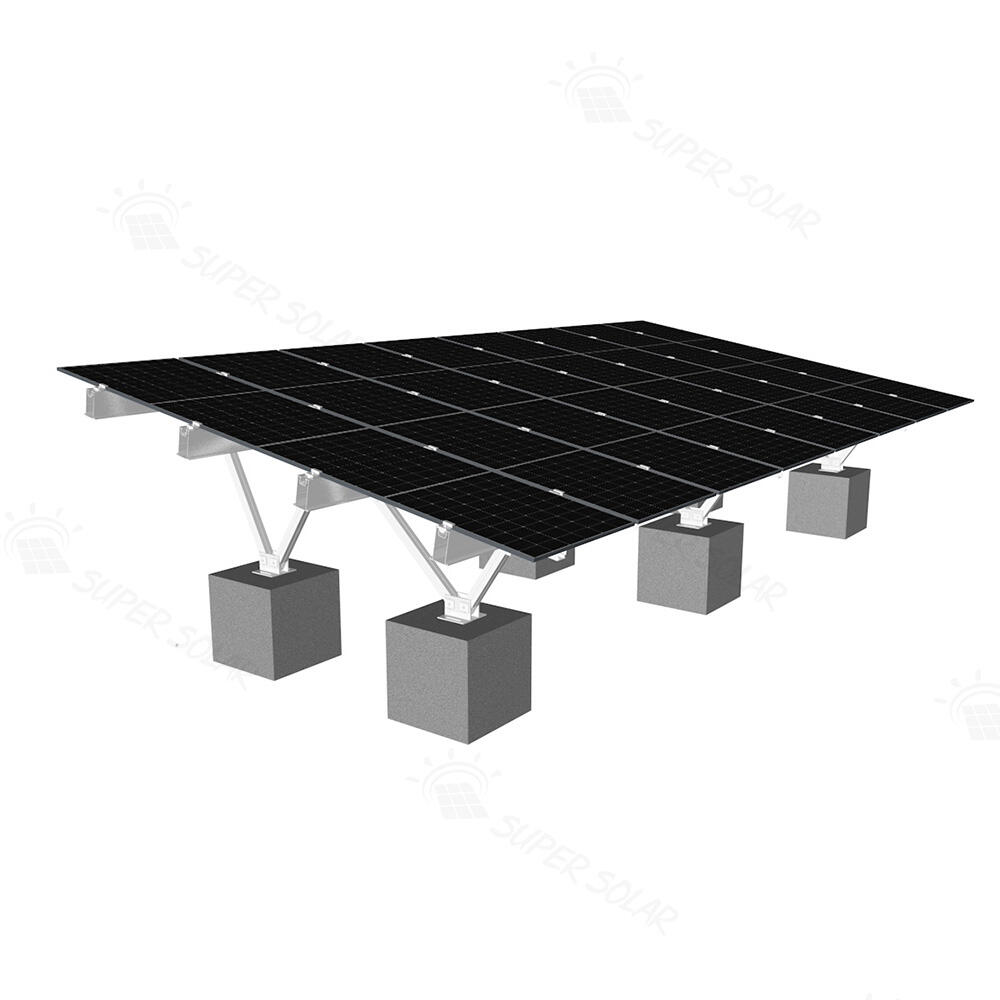
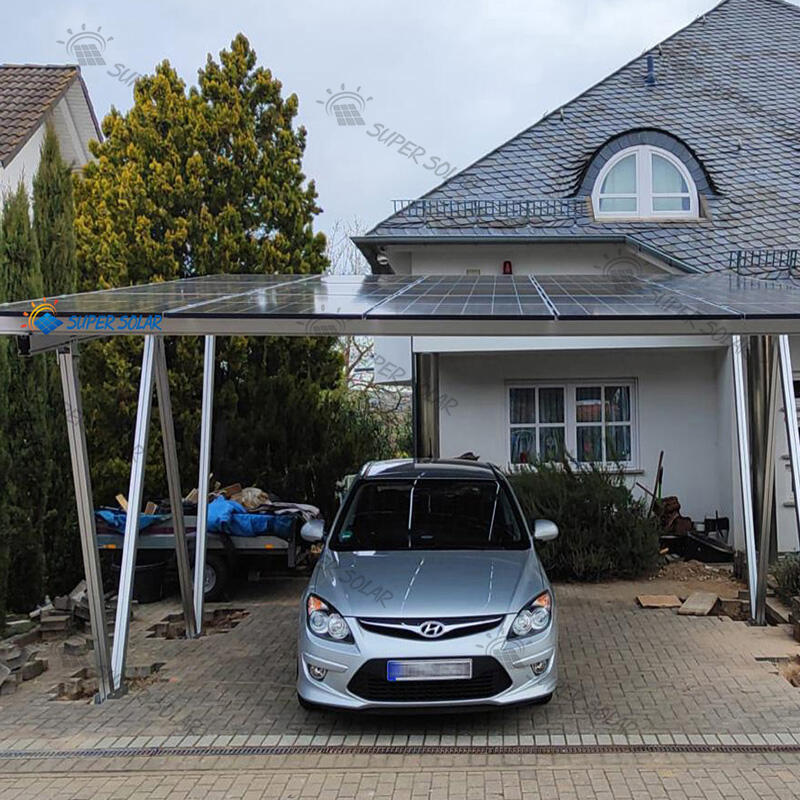
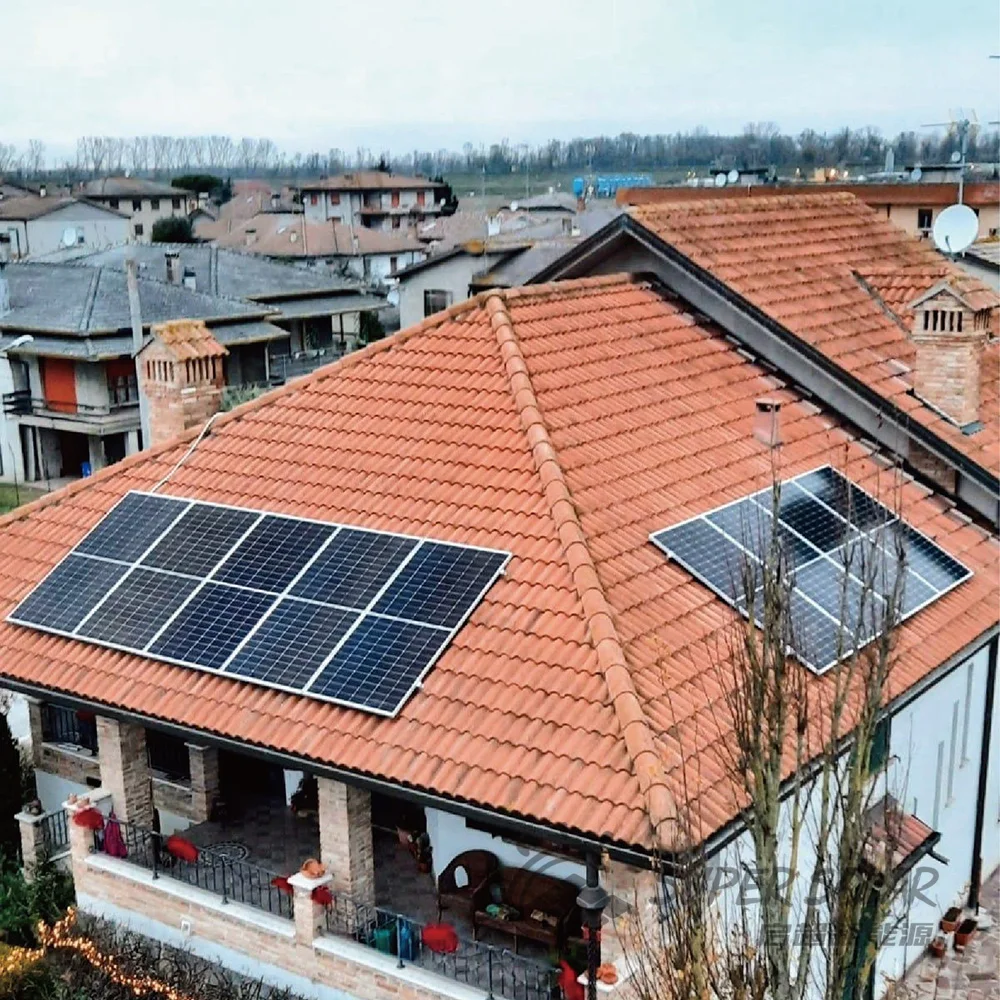
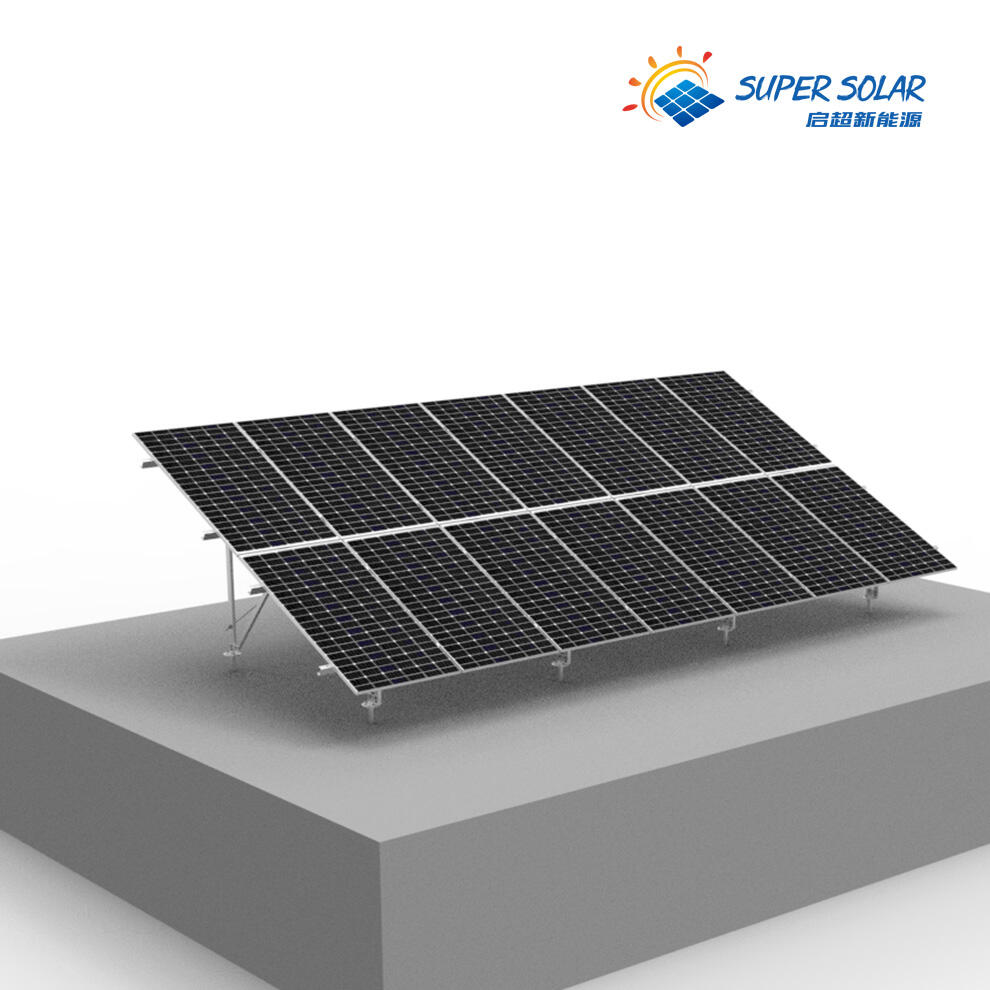
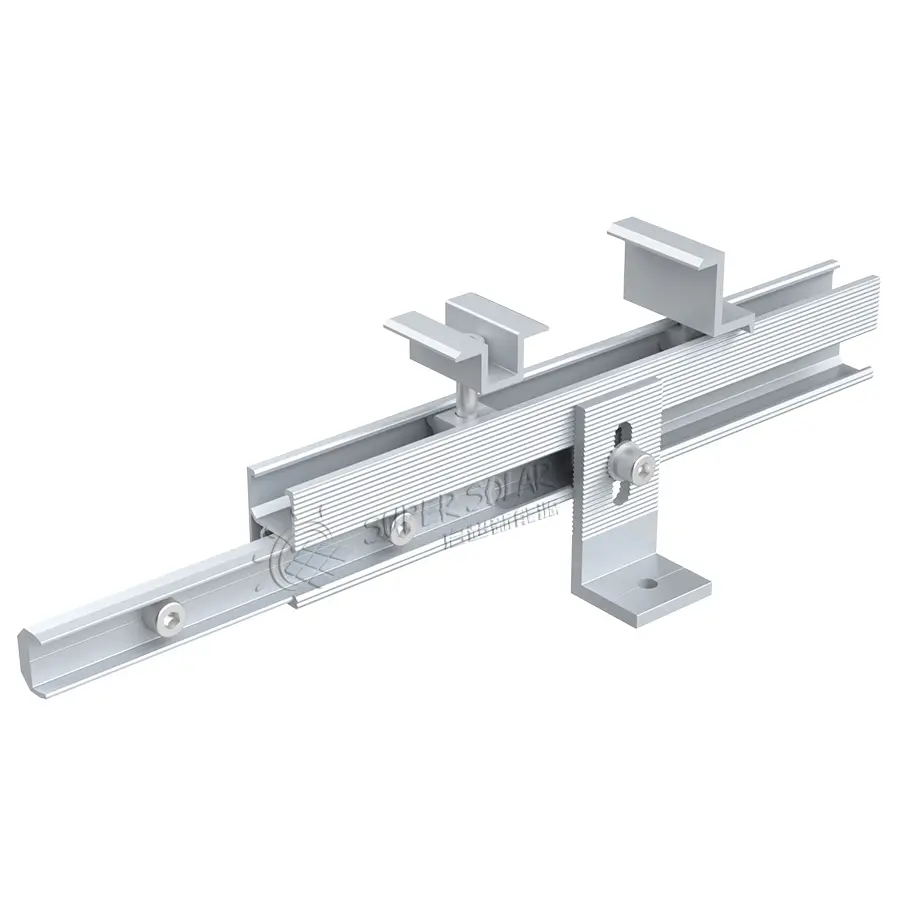
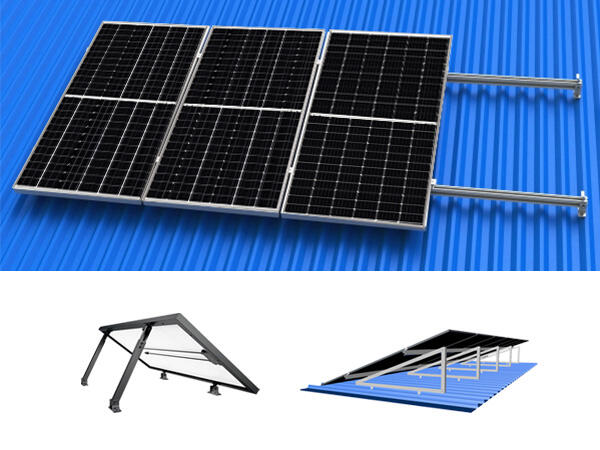
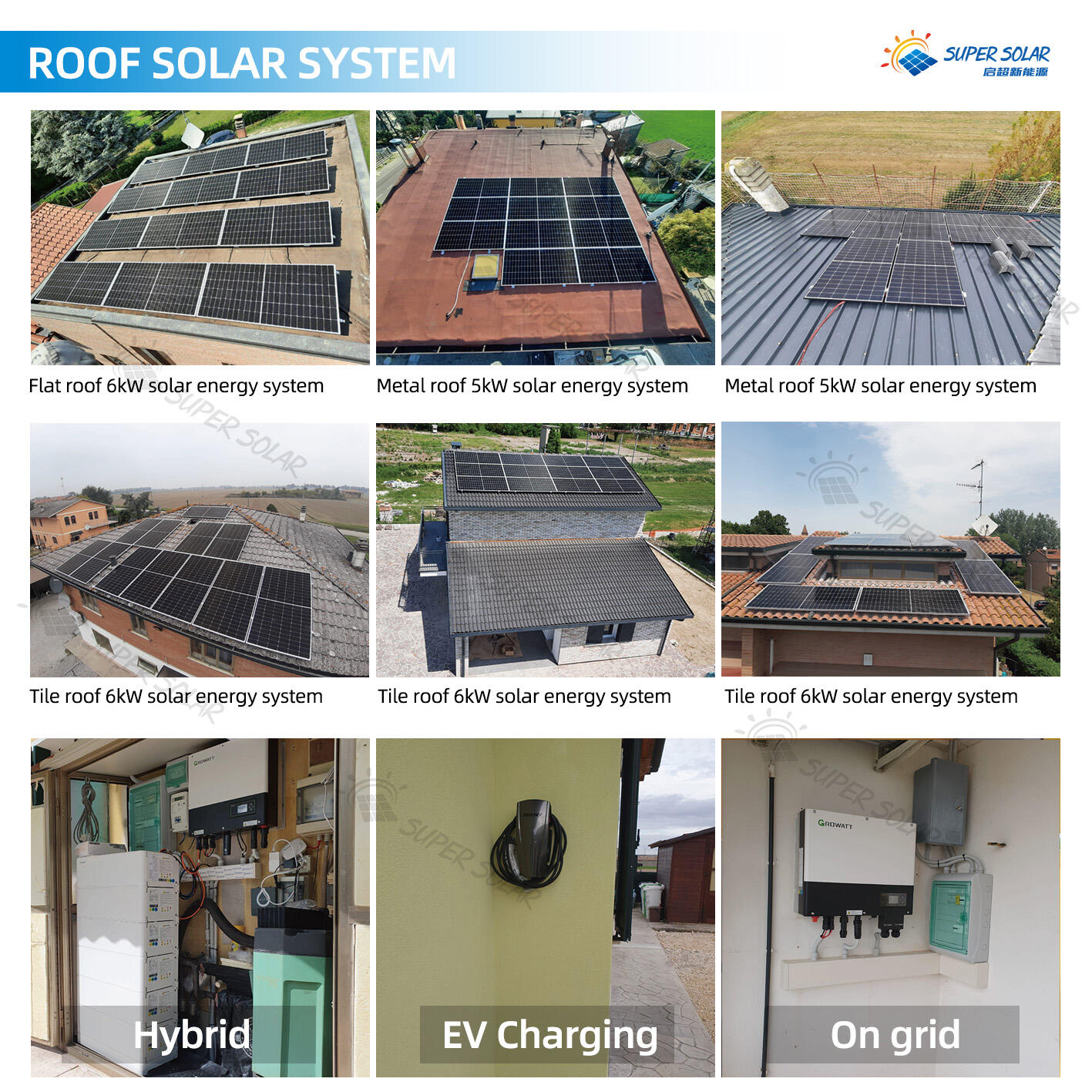
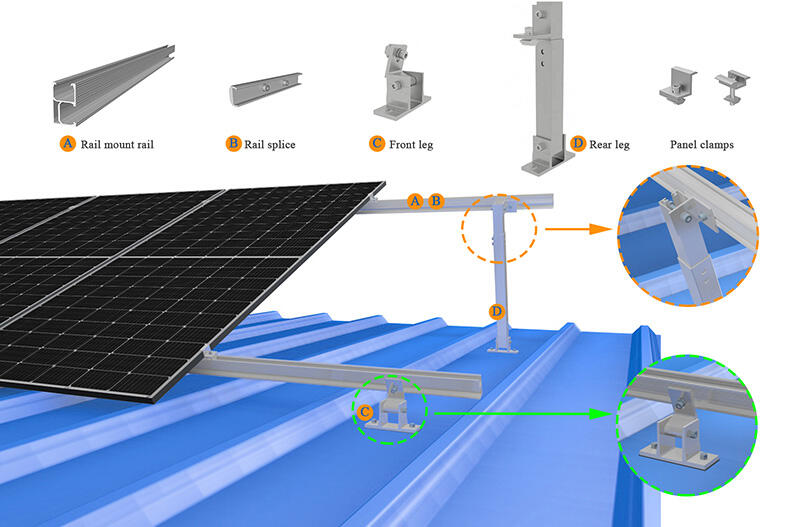
Roof mounting systems for solar panels represent a critical infrastructure component that enables the secure installation of photovoltaic arrays on residential and commercial rooftops. These engineered solutions serve as the foundation for solar energy systems, providing the structural connection between solar panels and building structures. The main functions of roof mounting systems for solar include distributing wind and snow loads across the roof structure, maintaining proper panel orientation and spacing, and ensuring weatherproof installation that protects the building envelope. Modern roof mounting systems for solar incorporate advanced materials like anodized aluminum rails, stainless steel hardware, and EPDM rubber sealing components that resist corrosion and environmental degradation. The technological features of these systems include adjustable tilt mechanisms that optimize solar panel angles for maximum energy production, integrated grounding pathways that meet electrical safety codes, and modular designs that accommodate various roof configurations. Contemporary roof mounting systems for solar utilize innovative clamping technologies that grip panels securely without penetrating the panel frames, while quick-connect hardware reduces installation time significantly. These systems accommodate different roof types including asphalt shingle, tile, metal standing seam, and flat membrane roofing. Applications span across residential installations on single-family homes, commercial deployments on warehouses and office buildings, and industrial projects on manufacturing facilities. The versatility of roof mounting systems for solar allows for both portrait and landscape panel orientations, enabling designers to maximize available roof space efficiently. Advanced engineering ensures these systems withstand extreme weather conditions including high winds, heavy snow loads, and seismic activity, while maintaining structural integrity throughout the system's operational lifespan of 25 years or more.

New Product Recommendations

Roof mounting systems for solar deliver substantial cost savings by eliminating the need for ground-level installations that require expensive land preparation and trenching. Property owners benefit from maximized energy production as these systems position panels at optimal angles and orientations that capture maximum sunlight throughout the day. The elevated positioning provided by roof mounting systems for solar prevents shading from ground-level obstacles like vegetation, fences, and buildings, ensuring consistent energy generation. Installation efficiency represents another significant advantage, as experienced technicians can complete typical residential roof mounting systems for solar in just one to two days, minimizing disruption to daily activities. These systems preserve valuable ground space that can be used for landscaping, recreation, or additional construction, making them ideal for properties with limited available land. Roof mounting systems for solar protect the underlying roof structure by creating a barrier against UV radiation and weather exposure, potentially extending roof lifespan and reducing maintenance requirements. The streamlined appearance of roof-mounted solar arrays enhances property aesthetics compared to bulky ground-mounted alternatives, often increasing home values by 3-4 percent according to real estate studies. Security benefits include reduced theft risk since roof-mounted panels are less accessible to unauthorized individuals compared to ground-level installations. Maintenance accessibility improves with modern roof mounting systems for solar that incorporate walkways and service platforms, enabling safe cleaning and inspection procedures. Energy independence increases as roof mounting systems for solar typically generate 15-20 percent more electricity per square foot compared to ground installations due to improved air circulation and cooling. The modular nature of contemporary roof mounting systems for solar allows for easy system expansion when energy needs grow or additional roof space becomes available. Long-term durability ensures decades of reliable service, with most roof mounting systems for solar backed by comprehensive warranties that protect the investment and guarantee performance standards throughout the system's operational life.

Latest News

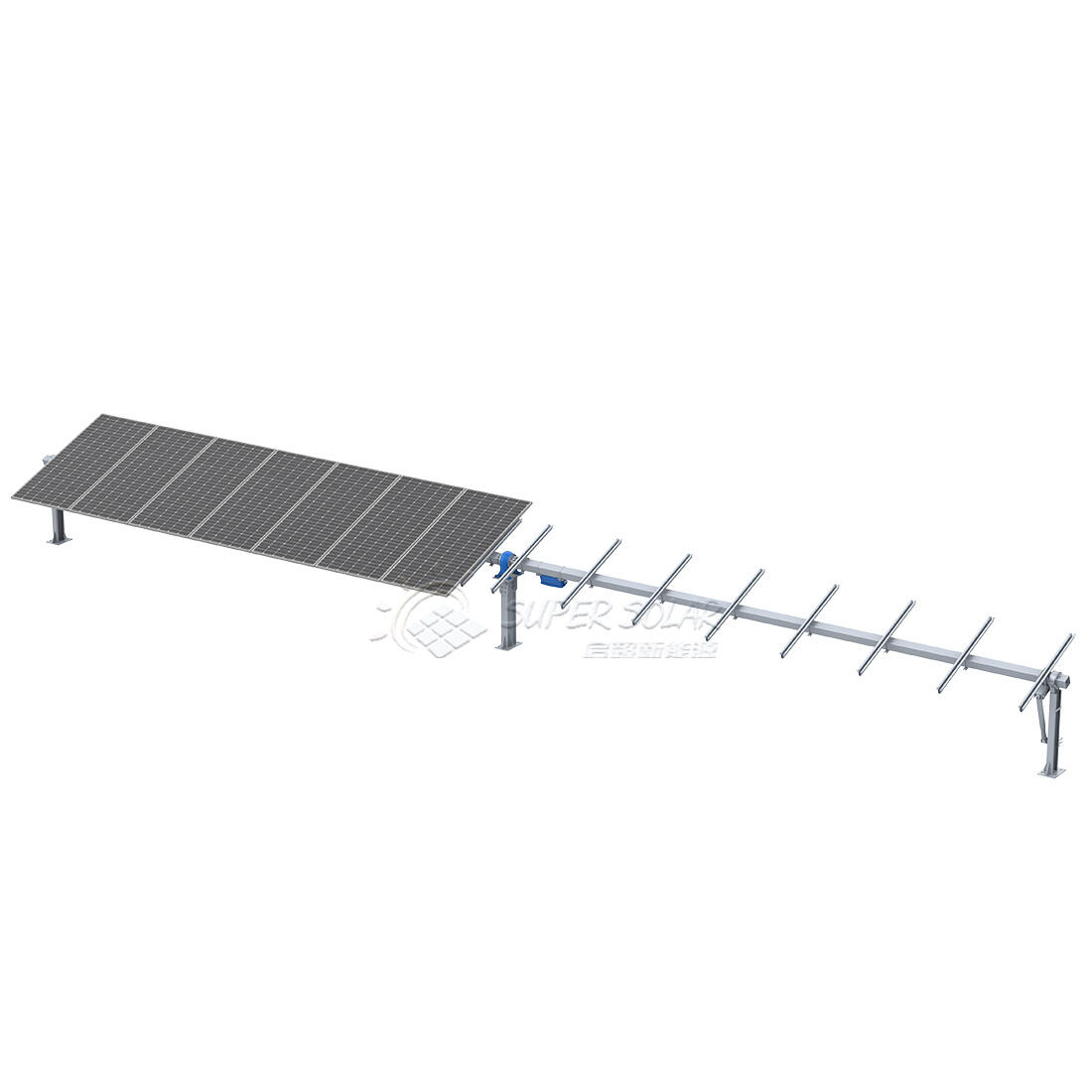
What Is a Single-Axis Solar Tracker?

22

Jul

What Is a Single-Axis Solar Tracker?

What Is a Single-Axis Solar Tracker? Definition and Basic Functionality A single-axis solar tracker is a sophisticated device designed to enhance the efficiency of solar energy systems by orienting solar panels toward the sun as it moves across the ...
View More
How Commercial Solar Carport Structures Benefit Large Properties

20

Aug

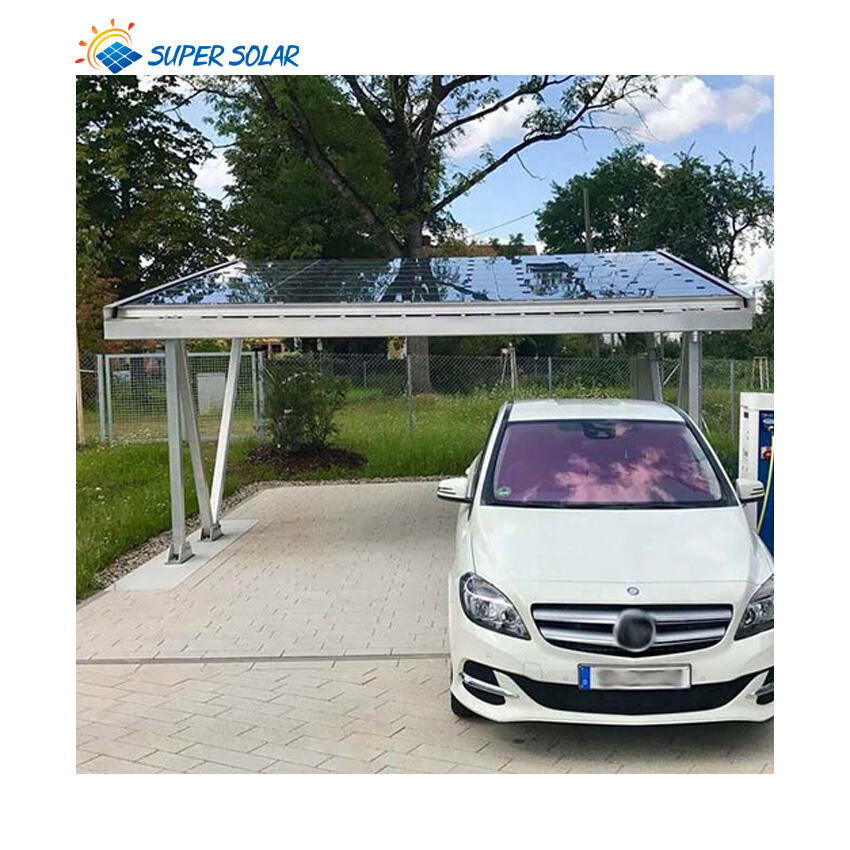
How Commercial Solar Carport Structures Benefit Large Properties

The Growing Demand for Solar Carport Solutions on Large Properties Across commercial landscapes, the solar carport has become one of the most practical and forward-looking investments for businesses, institutions, and property developers. Unlike trad...
View More
The Ultimate Guide to Installing Solar L Feet on Metal Roofs

23

Sep

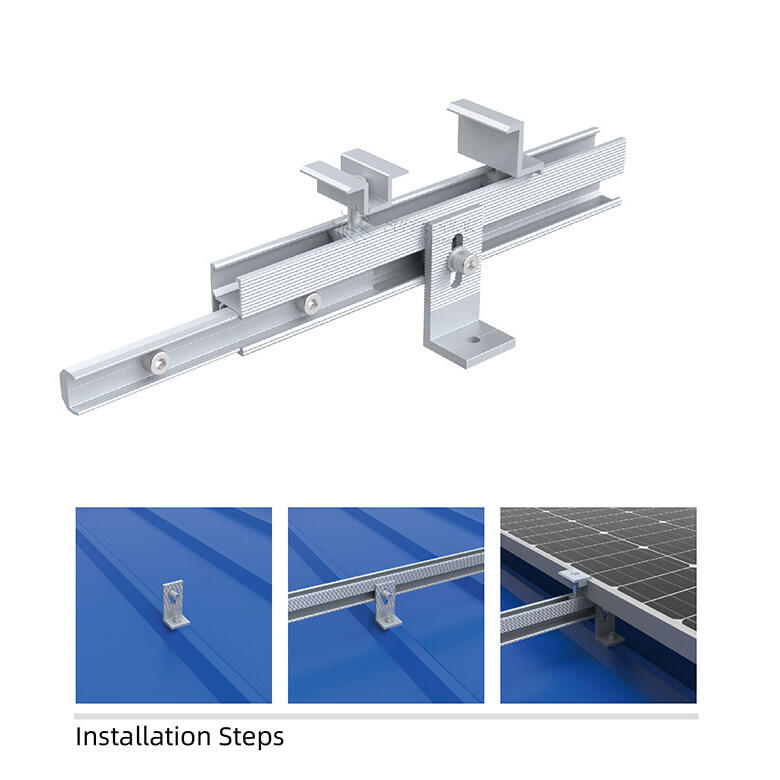
The Ultimate Guide to Installing Solar L Feet on Metal Roofs

Pre-installation preparation (roof inspection, tools needed) Conducting a roof inspection before installation Before starting any metal roof project, the roof must be carefully inspected. Installers should check for rust, loose panels, or structural ...
View More
Solar Mounting Solutions for Metal Roofs: A Complete Guide for Installers and Distributors

23

Sep

Solar Mounting Solutions for Metal Roofs: A Complete Guide for Installers and Distributors

Introduction Growing demand for solar on metal roofs in commercial & industrial projects The demand for Solar Mounting Solutions for Metal Roofs has increased rapidly across commercial and industrial projects. Metal roofs offer durability, strength,...
View More

Leave Message

Our representative will contact you soon.
Email
Name
Company Name
Message
0/1000

roof mounting systems for solar

Advanced Weather Resistance Technology

Advanced Weather Resistance Technology

Modern roof mounting systems for solar incorporate cutting-edge materials and engineering techniques specifically designed to withstand extreme weather conditions that challenge traditional mounting solutions. The aluminum alloy rails used in premium roof mounting systems for solar undergo specialized anodization processes that create protective oxide layers, preventing corrosion even in coastal environments with high salt content. These systems feature integrated drainage channels that direct water away from mounting points, preventing ice dam formation during winter months that could damage both the solar installation and underlying roof structure. Wind resistance capabilities of advanced roof mounting systems for solar exceed industry standards through aerodynamic profiling that reduces uplift forces, while reinforced connection points distribute loads across multiple attachment locations. The stainless steel hardware components resist rust and degradation for decades, maintaining structural integrity even when exposed to acid rain, industrial pollutants, and temperature cycling. Sealing technologies in modern roof mounting systems for solar utilize advanced EPDM rubber compounds that remain flexible across temperature ranges from -40°F to 180°F, ensuring watertight seals that protect roof penetrations throughout all seasons. UV-resistant polymeric components maintain their properties despite constant sun exposure, preventing brittleness and cracking that compromise system integrity. The thermal expansion compensation built into quality roof mounting systems for solar accommodates the natural movement of materials during temperature changes, preventing stress concentrations that could lead to failure. Snow load calculations for these systems consider regional weather patterns and building codes, ensuring safe operation even under heavy accumulation conditions. Lightning protection features integrate with building grounding systems, providing safe pathways for electrical discharge that protect both the solar installation and building occupants. Testing protocols for roof mounting systems for solar include accelerated aging studies, vibration testing, and extreme temperature cycling that simulate decades of real-world exposure in laboratory conditions.
Simplified Installation Process

Simplified Installation Process

Contemporary roof mounting systems for solar revolutionize installation efficiency through innovative pre-assembled components and intuitive connection mechanisms that reduce labor time by up to 40 percent compared to traditional mounting methods. The plug-and-play design philosophy eliminates complex field assembly procedures, as most components arrive pre-configured from the factory with precise tolerances that ensure perfect alignment during installation. Quick-connect rail splicing systems in modern roof mounting systems for solar use spring-loaded mechanisms that create secure connections without requiring specialized tools or extensive technical training. Color-coded hardware and detailed installation guides streamline the process further, reducing the likelihood of errors that could compromise system performance or safety. Pre-drilled mounting points and standardized spacing eliminate guesswork during layout, while integrated measuring systems ensure accurate panel positioning that maximizes energy production. The modular approach of advanced roof mounting systems for solar allows installers to work in sections, completing portions of the installation even when weather conditions temporarily interrupt progress. Lightweight aluminum construction reduces physical strain on installation crews while maintaining structural strength requirements, improving workplace safety and productivity. Universal compatibility features enable single roof mounting systems for solar to accommodate multiple panel manufacturers and sizes, reducing inventory requirements for installation companies and simplifying project planning. Integrated wire management systems eliminate separate conduit runs and complex cable routing, as modern roof mounting systems for solar include built-in pathways that organize DC wiring safely and efficiently. Quality control measures include factory pre-assembly testing and batch quality verification that ensures every component meets performance standards before shipment. The reduction in installation complexity translates directly to cost savings for customers, as simplified roof mounting systems for solar require fewer labor hours and reduce the skill level needed for successful installation. Comprehensive installation training programs provided by manufacturers ensure that certified installers maintain expertise with evolving roof mounting systems for solar technologies, guaranteeing professional installation quality that protects long-term system performance and warranty coverage.
Optimal Energy Production Maximization

Optimal Energy Production Maximization

Precision-engineered roof mounting systems for solar optimize energy generation through advanced positioning technologies and intelligent design features that extract maximum performance from photovoltaic installations. Adjustable tilt mechanisms allow installers to fine-tune panel angles based on geographic location, seasonal sun paths, and specific site conditions, increasing energy production by 15-25 percent compared to fixed horizontal installations. The elevated positioning achieved by quality roof mounting systems for solar promotes natural convection cooling that maintains optimal operating temperatures, as solar panels lose approximately 0.4 percent efficiency for every degree of temperature increase above 77°F. Micro-spacing adjustments between panels prevent inter-row shading while maximizing panel density per available roof area, ensuring every square foot contributes to energy generation. Advanced roof mounting systems for solar incorporate reflective surfaces and optimized geometries that direct additional sunlight toward panel surfaces, capturing energy that would otherwise be lost to absorption by dark roofing materials. Wind flow optimization through strategic panel positioning reduces dust accumulation and promotes self-cleaning during rain events, maintaining peak performance with minimal maintenance intervention. The structural stability provided by engineered roof mounting systems for solar prevents panel movement and vibration that can damage electrical connections and reduce long-term reliability. Grounding pathways integrated into modern roof mounting systems for solar eliminate electrical resistance that can decrease system efficiency while ensuring safety compliance with National Electrical Code requirements. Thermal isolation features prevent heat transfer from roof surfaces to panel mounting points, maintaining cooler operating temperatures that improve electrical output throughout peak production hours. Quality roof mounting systems for solar enable precise south-facing orientation adjustments that account for magnetic declination and local geographical factors, optimizing solar exposure throughout the year. Performance monitoring capabilities built into some advanced roof mounting systems for solar provide real-time feedback on individual panel performance, enabling proactive maintenance and immediate identification of efficiency losses. The long-term stability of properly installed roof mounting systems for solar ensures consistent energy production for 25-30 years, protecting the return on investment while maximizing cumulative energy generation over the system's operational lifetime.

Leave Message

Our representative will contact you soon.
Email
Name
Company Name
Message
0/1000