roof solar mounts
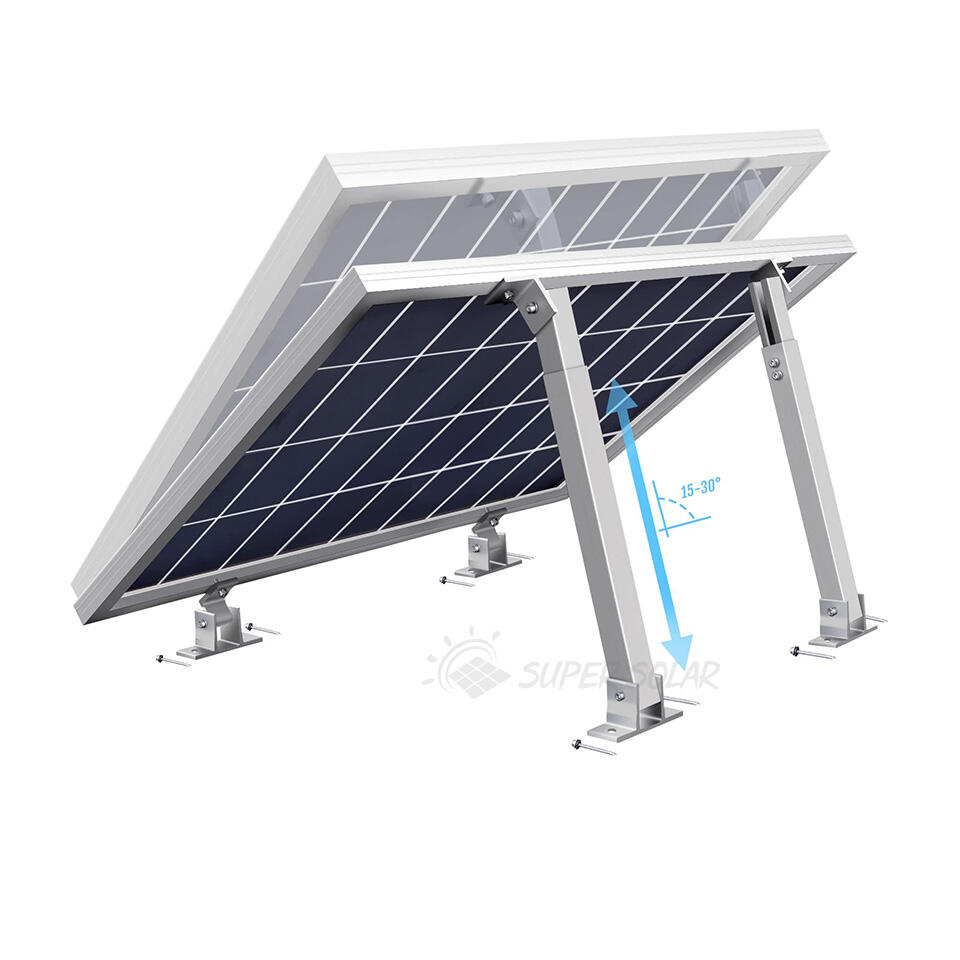
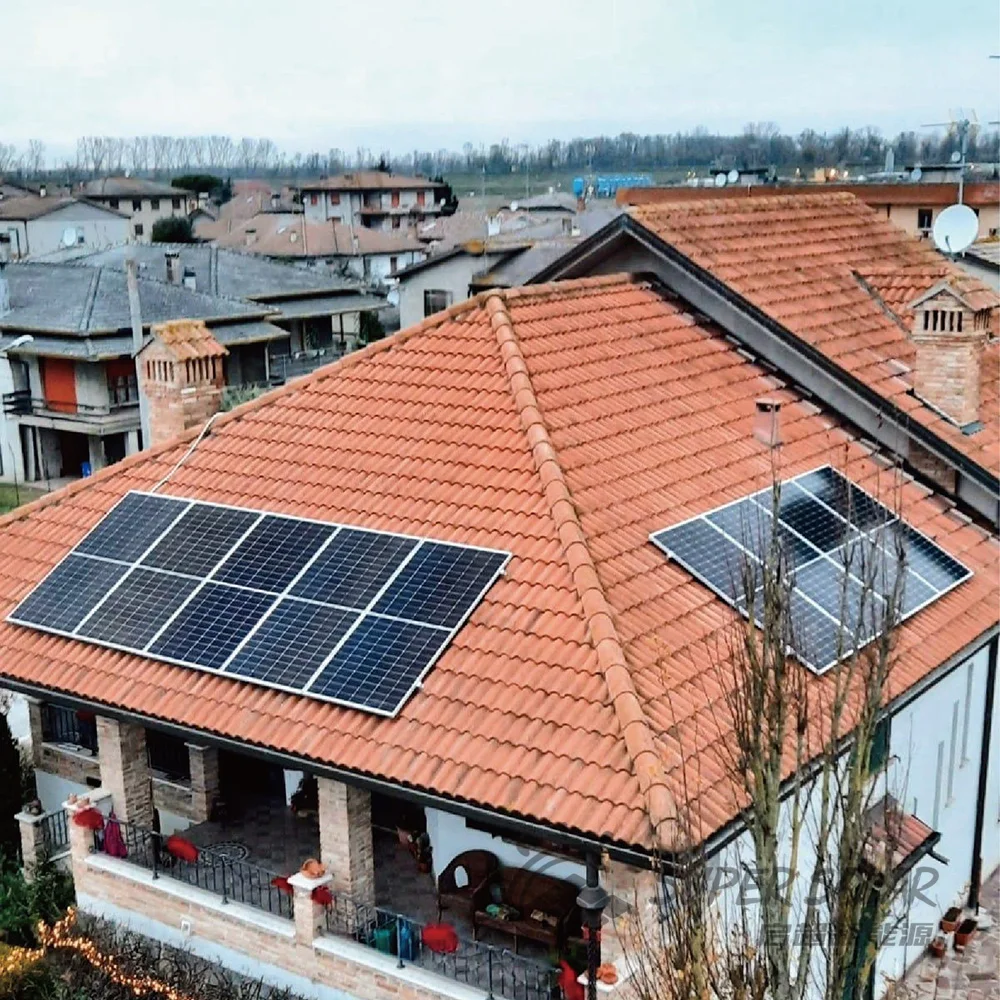
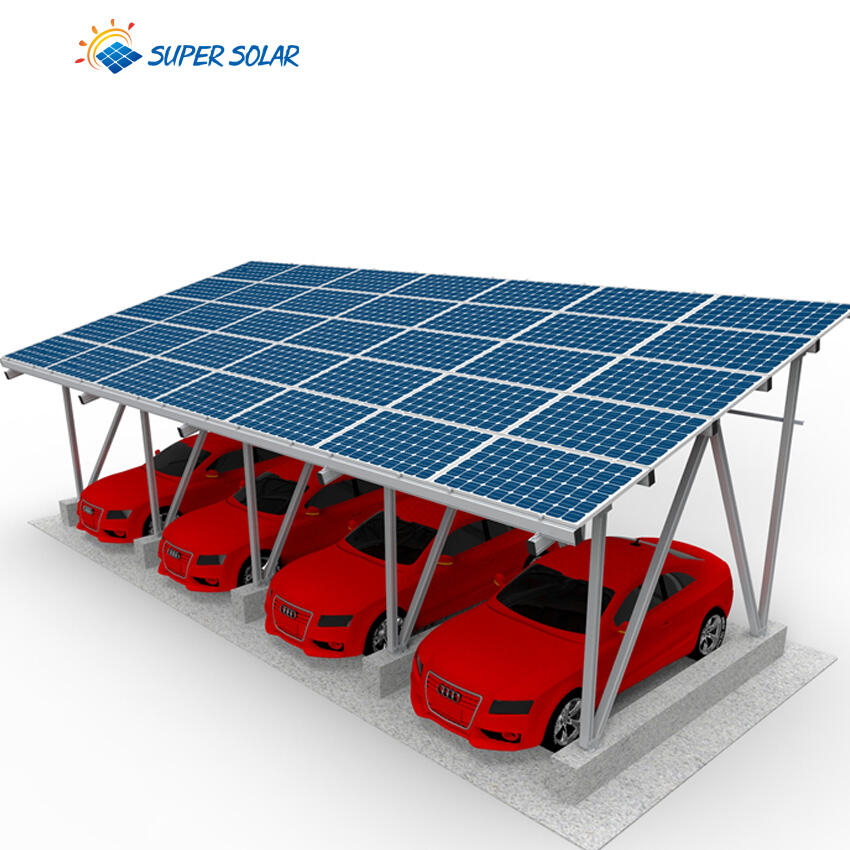
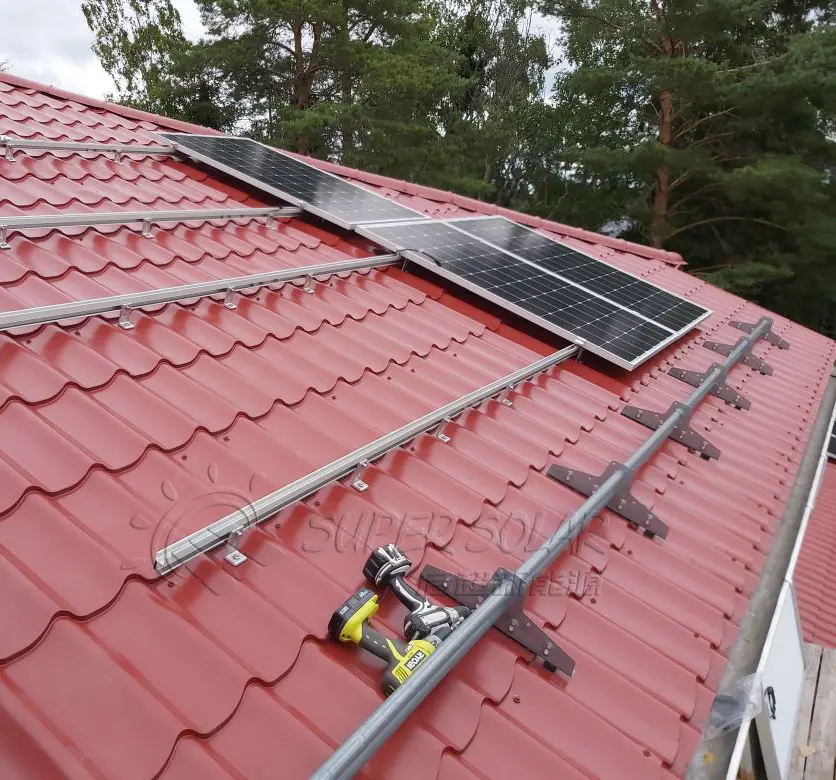
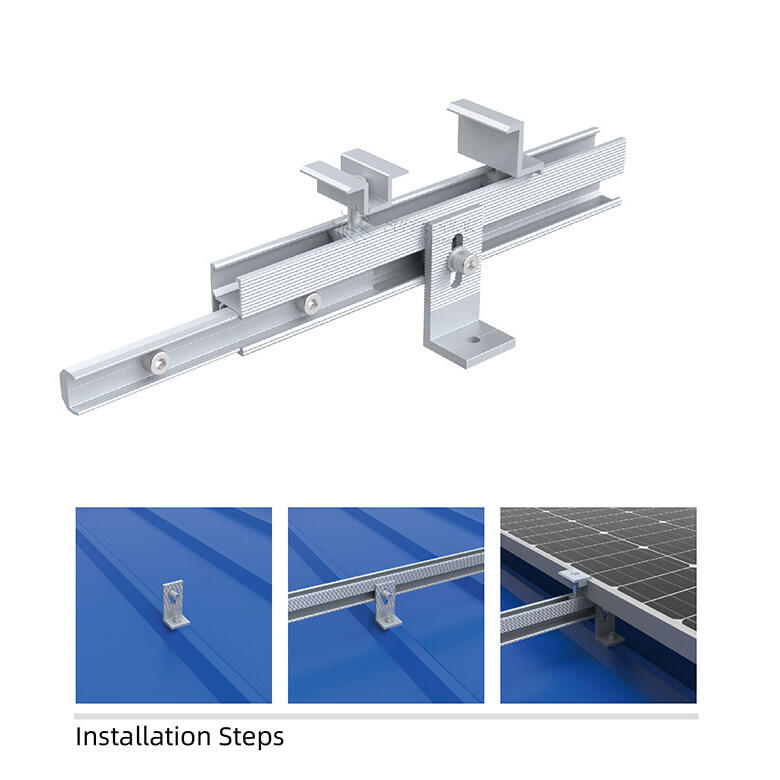
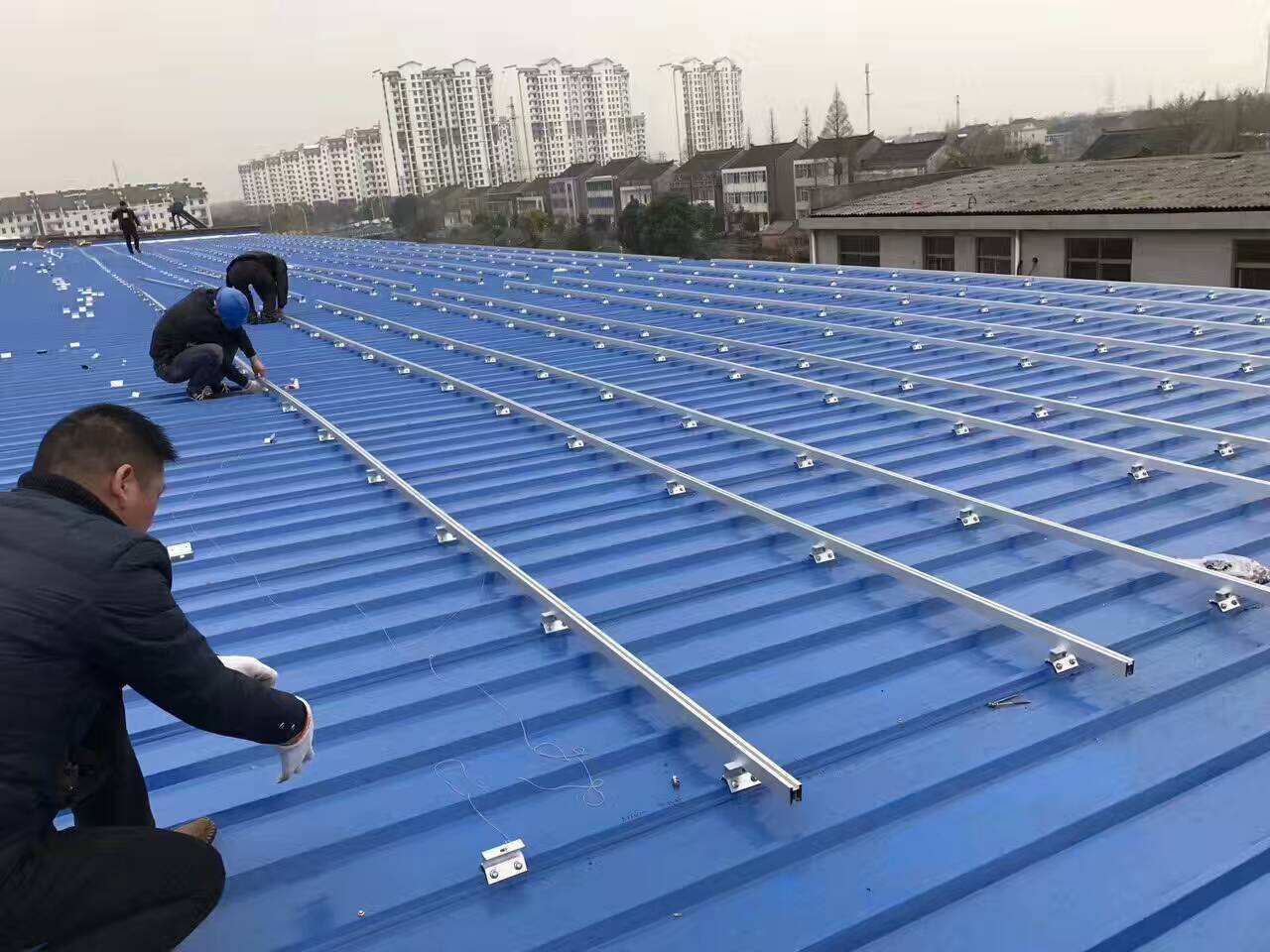
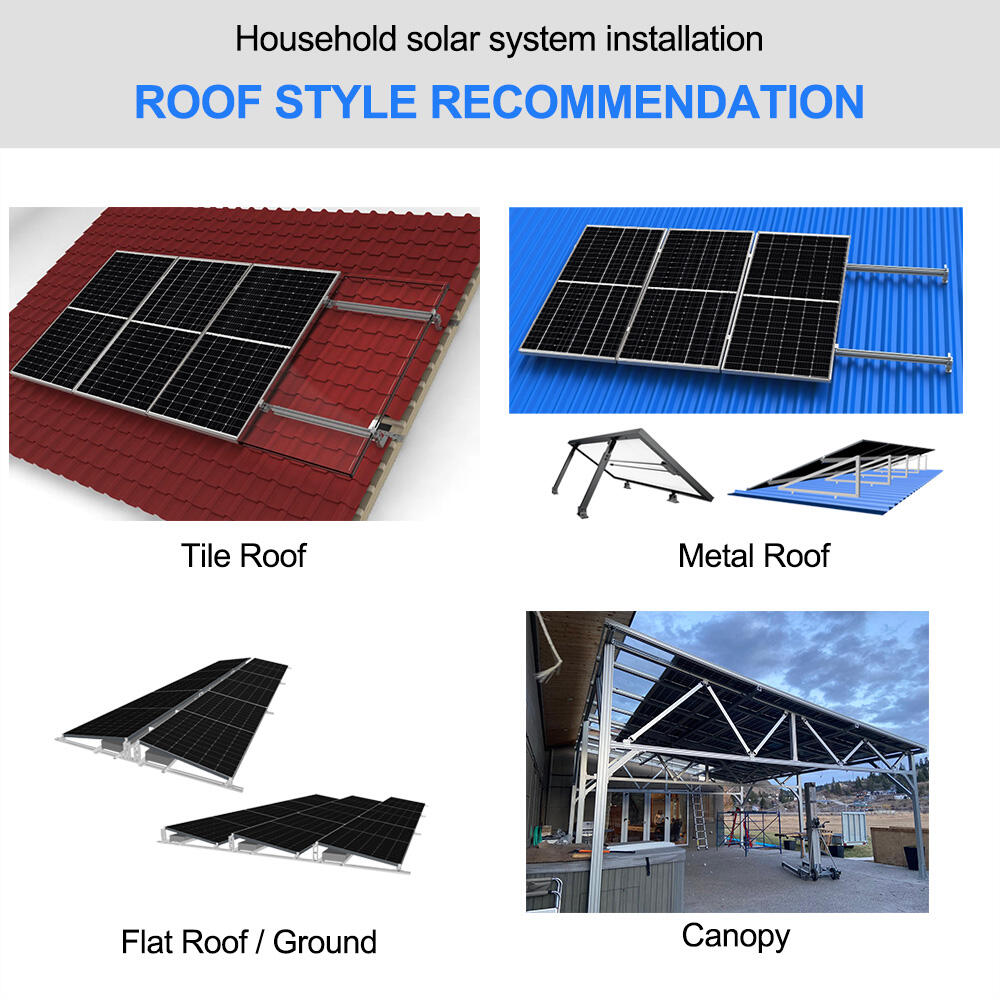
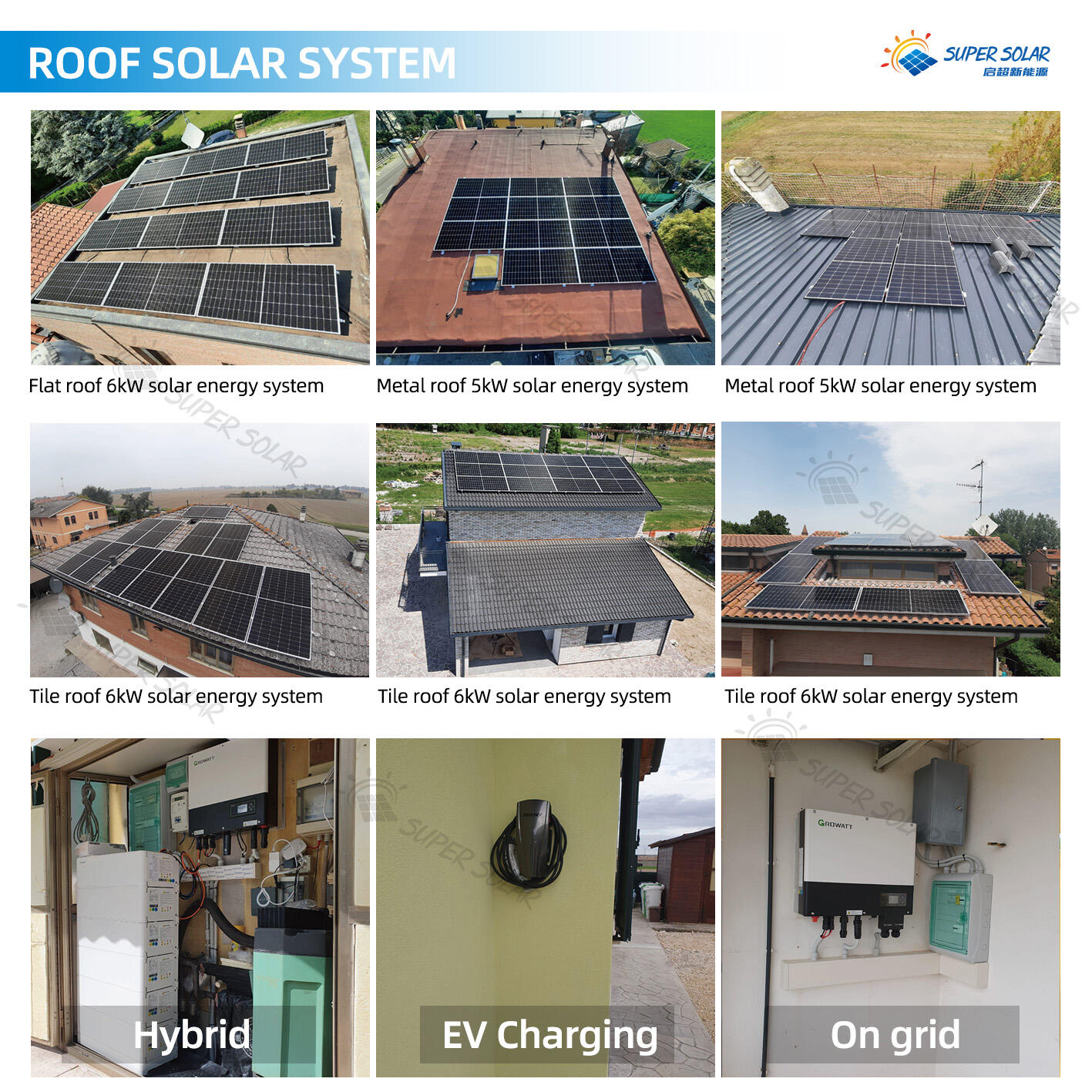
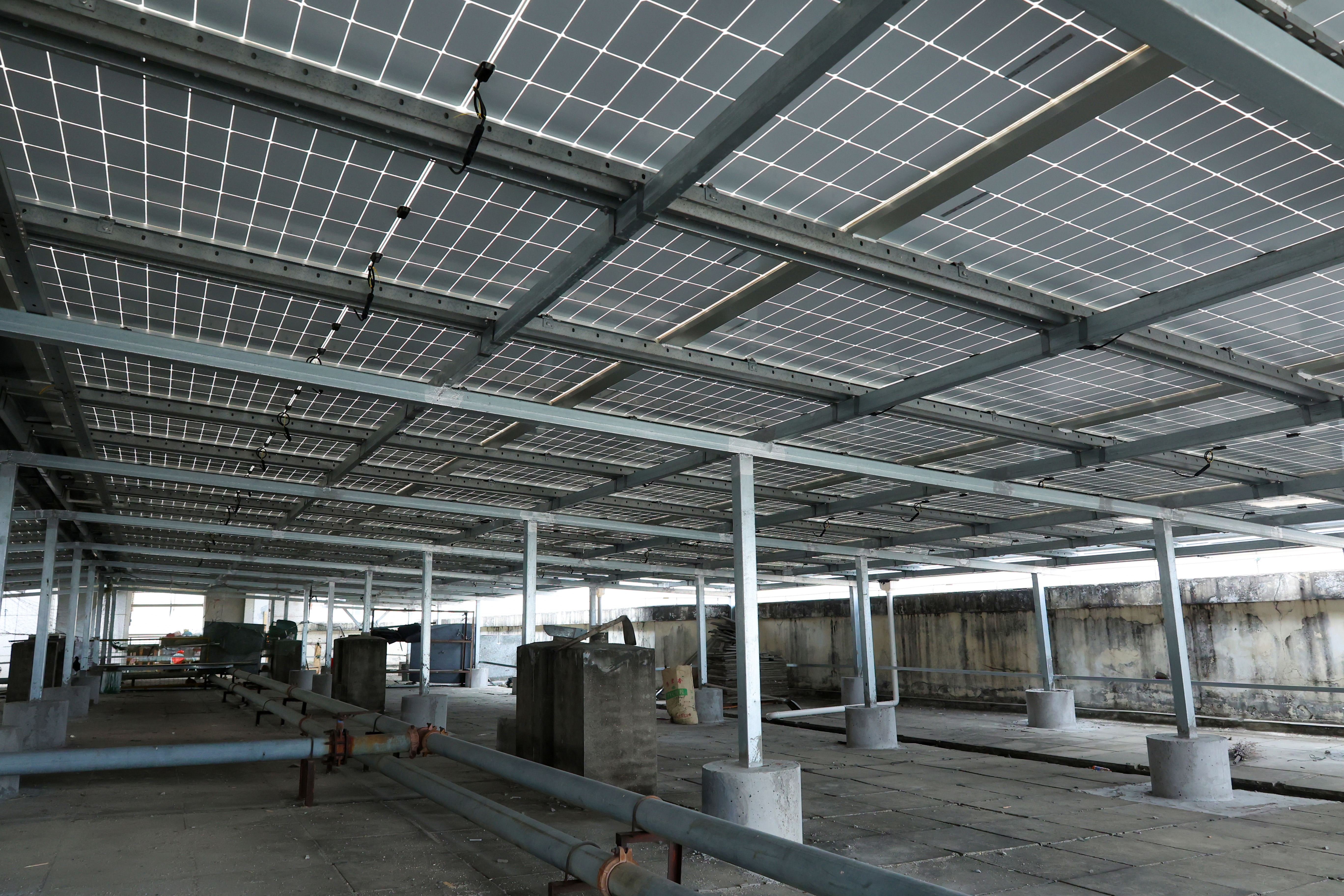
Roof solar mounts represent a critical infrastructure component that enables the secure installation of photovoltaic systems on residential and commercial buildings. These specialized mounting systems serve as the foundation for solar panels, providing structural support while maintaining the integrity of roofing materials. Roof solar mounts are engineered to withstand various environmental conditions including wind loads, snow accumulation, and seismic activities, ensuring long-term stability and performance of solar installations. The primary function of roof solar mounts involves creating a reliable connection between solar panels and rooftop surfaces without compromising waterproofing or structural safety. Modern roof solar mounts incorporate advanced materials such as aluminum alloys and stainless steel components that resist corrosion and maintain dimensional stability across temperature fluctuations. These systems feature adjustable tilt angles that optimize solar panel positioning for maximum energy capture throughout different seasons and geographic locations. The technological features of roof solar mounts include integrated grounding systems that ensure electrical safety compliance with national and local building codes. Many contemporary roof solar mounts utilize ballasted designs for flat roofs or penetrating attachment methods for sloped surfaces, each tailored to specific architectural requirements. Applications for roof solar mounts span across diverse building types including single-family homes, multi-story apartment complexes, warehouses, manufacturing facilities, and institutional buildings. The versatility of roof solar mounts allows for customization based on roof materials such as asphalt shingles, metal roofing, tile surfaces, or membrane systems. Professional installers rely on roof solar mounts to create scalable solar arrays that can expand over time as energy needs increase or budgets allow for system growth.
 EN
EN