Superior Weather Resistance and Longevity
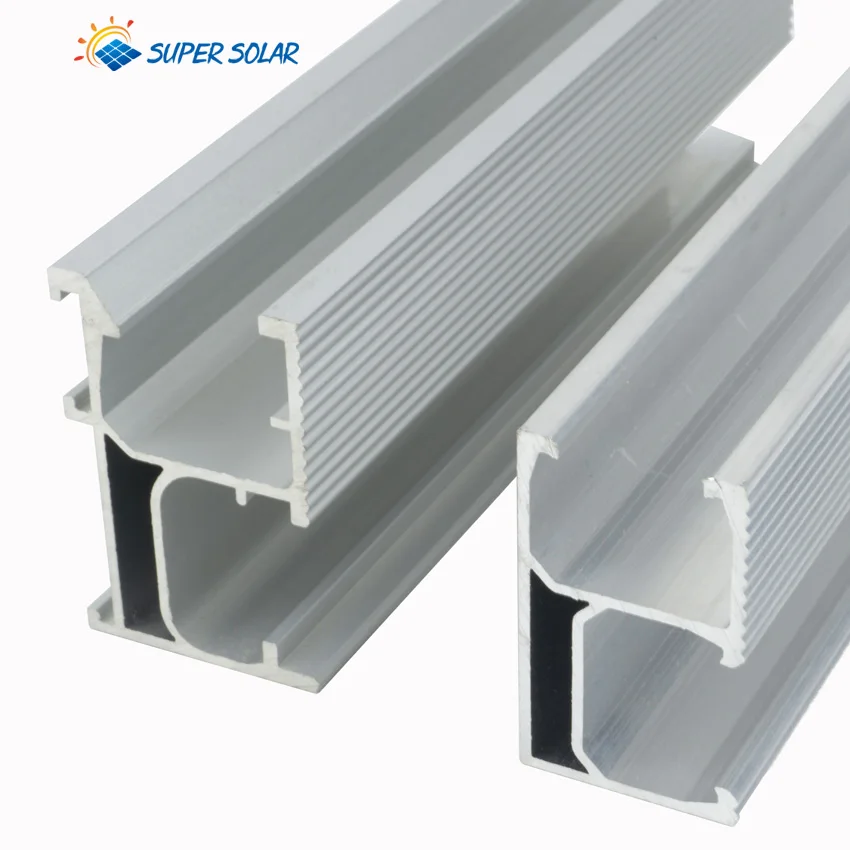
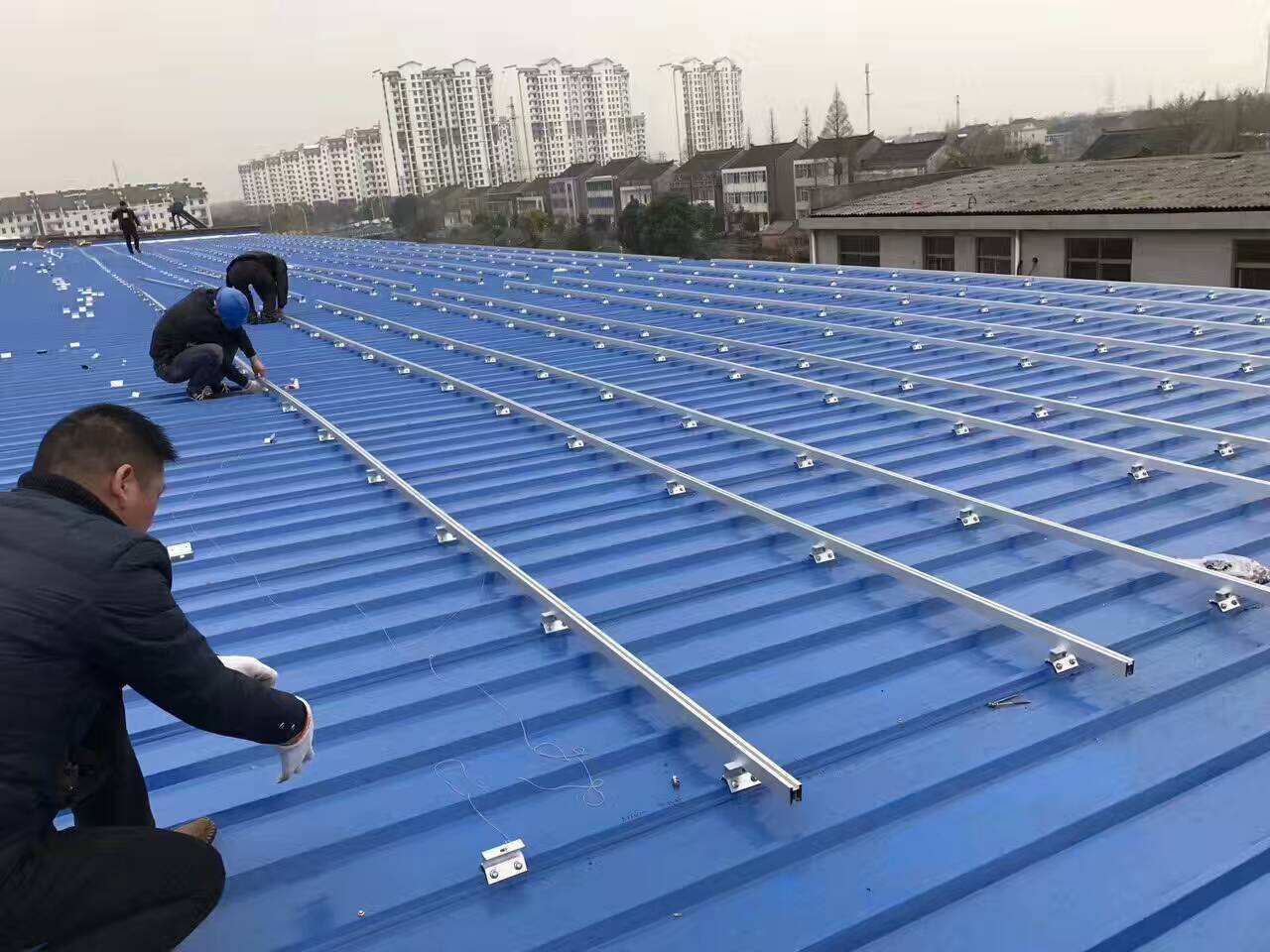
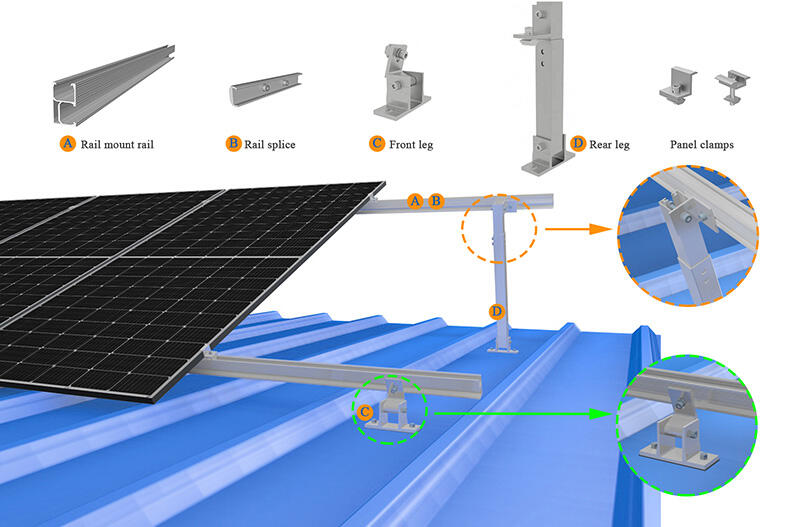
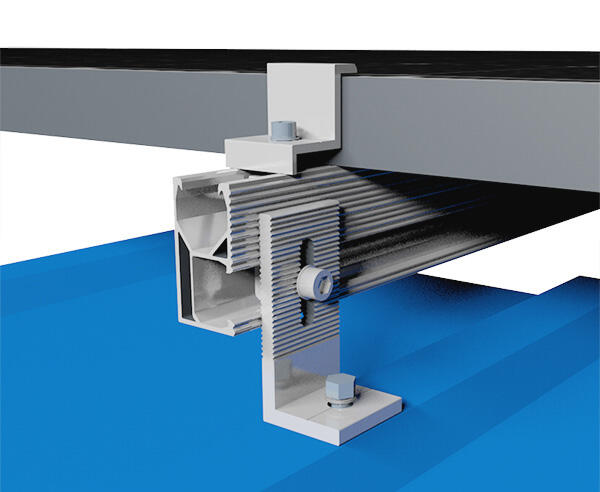
The pitched roof solar mount demonstrates unmatched durability through advanced materials engineering and precision manufacturing processes that create mounting systems capable of withstanding extreme environmental conditions for decades. The foundation of this weather resistance begins with marine-grade aluminum rails that resist corrosion, oxidation, and degradation even in coastal environments where salt air accelerates material deterioration. These aluminum components undergo specialized anodization treatments that create protective surface layers, extending operational lifespan far beyond standard mounting alternatives. Stainless steel hardware elements provide additional corrosion resistance while maintaining structural integrity under heavy wind and snow loads that challenge inferior mounting systems. The pitched roof solar mount incorporates advanced weatherproofing technologies at every roof penetration point, utilizing multi-layer flashing systems and premium sealants that create watertight barriers protecting against moisture infiltration. These sealing solutions remain flexible across temperature ranges, preventing cracking and separation that commonly plague lower-quality installations. Engineering standards require comprehensive testing protocols that simulate decades of weather exposure, including thermal cycling, UV radiation, moisture exposure, and mechanical stress testing that validates long-term performance expectations. The mounting system accommodates natural building movement caused by temperature fluctuations, wind loading, and settling, preventing stress concentrations that could compromise installation integrity. Quality manufacturers back their pitched roof solar mount products with extensive warranties covering material defects, corrosion resistance, and structural performance, demonstrating confidence in long-term durability. Professional installations include detailed weatherproofing procedures that ensure proper sealing and drainage, preventing water damage that could affect both solar system performance and underlying roof structures. The investment protection provided by superior weather resistance translates into reduced maintenance costs, extended system lifespan, and consistent energy production that maximizes financial returns over the installation lifetime.
 EN
EN