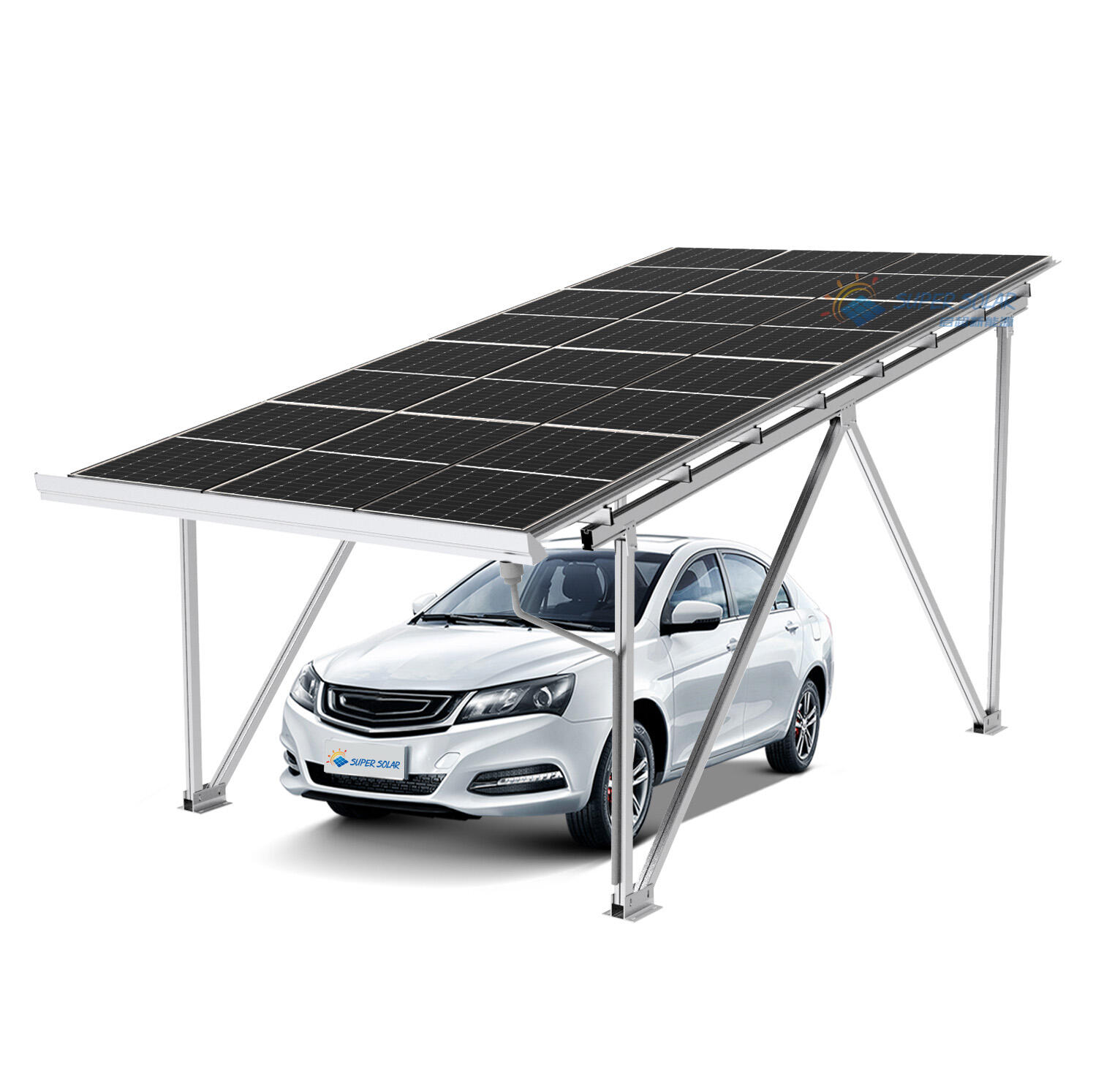
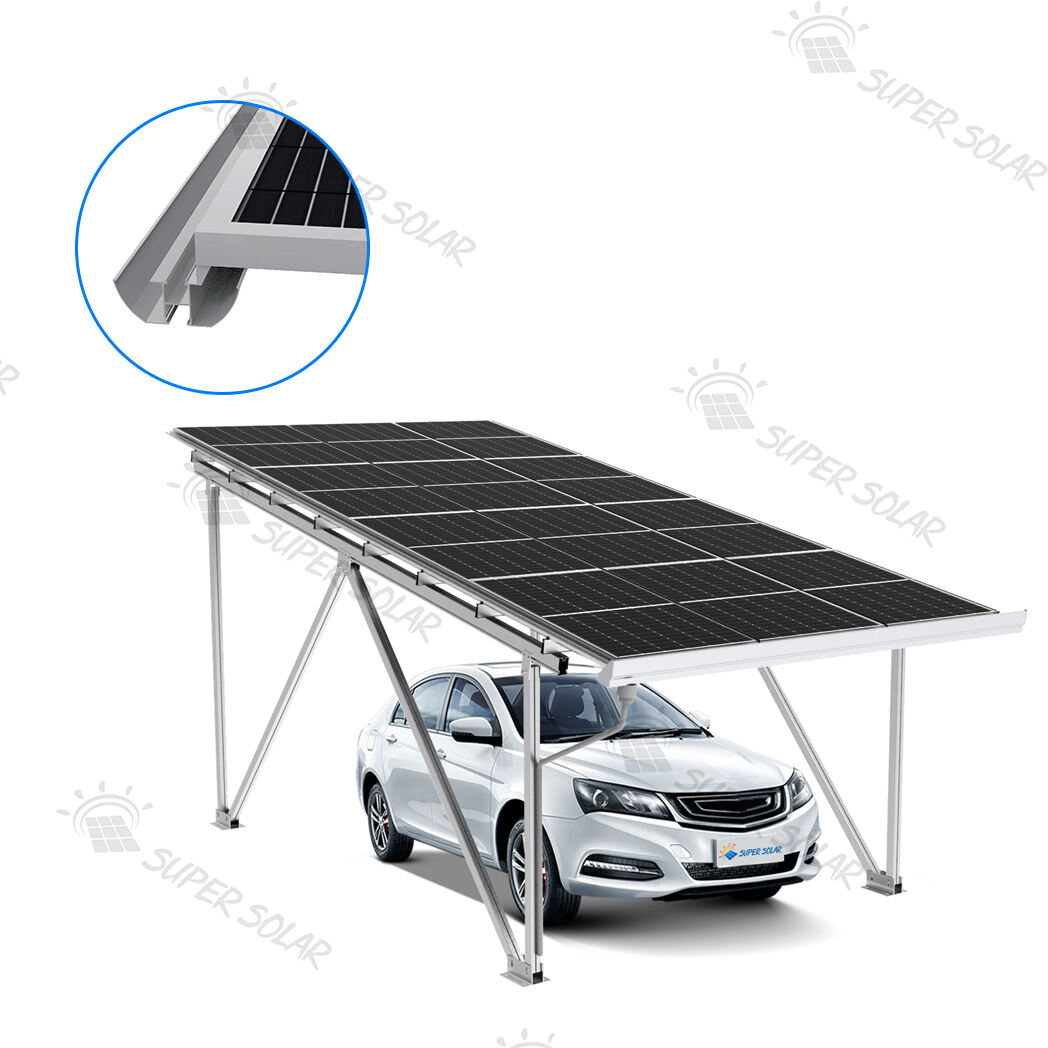
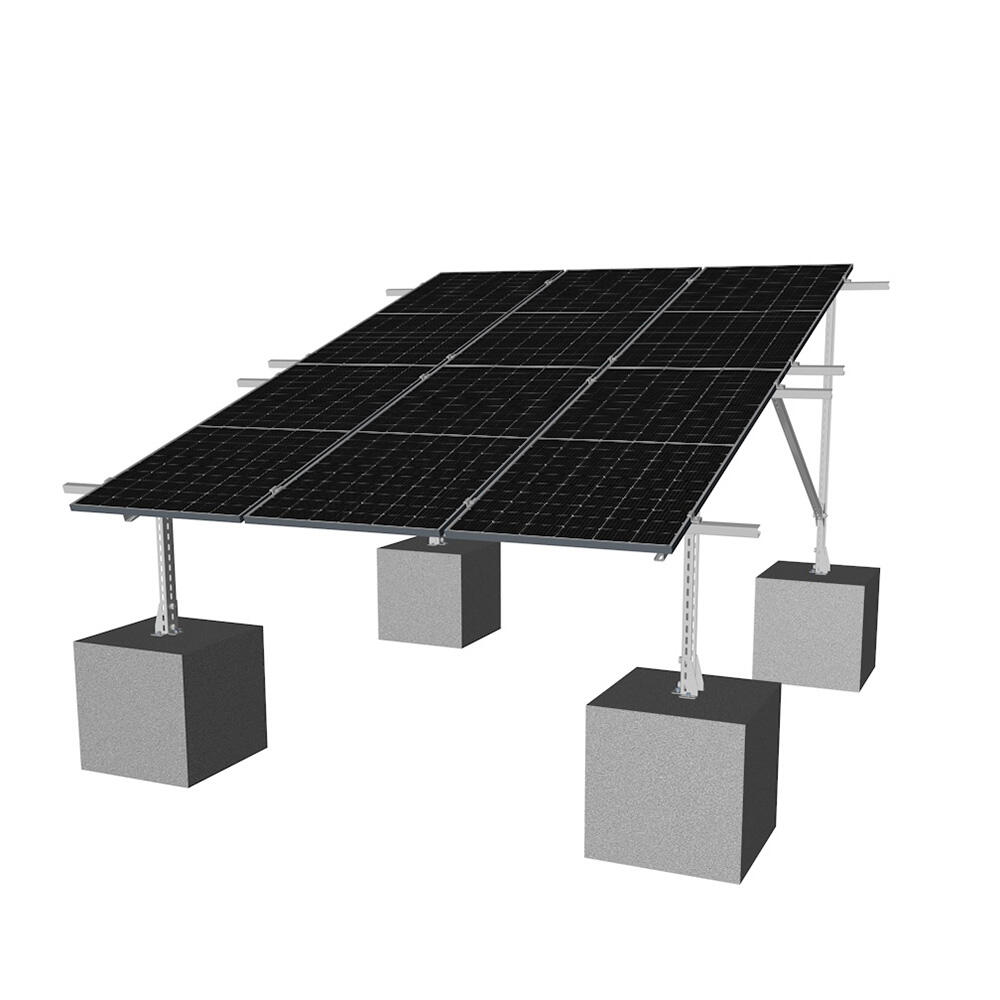
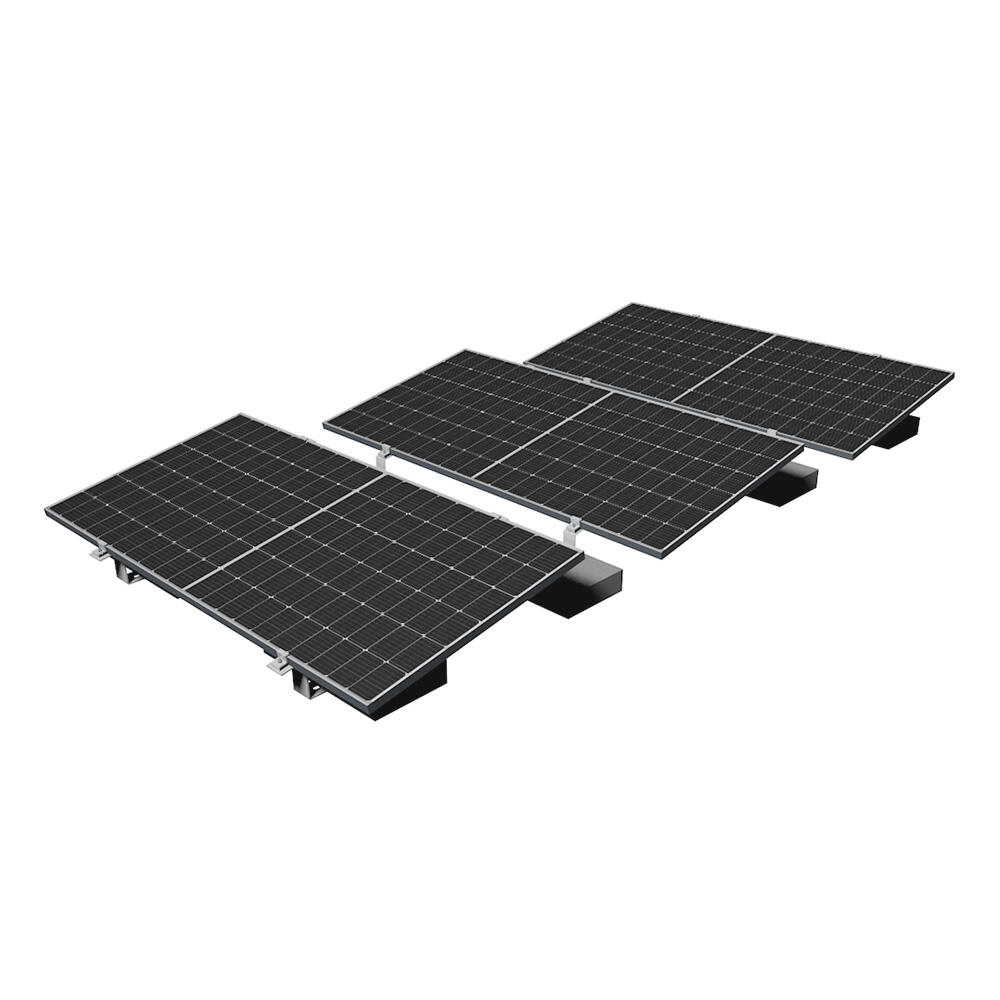
solar pv roof mounting systems
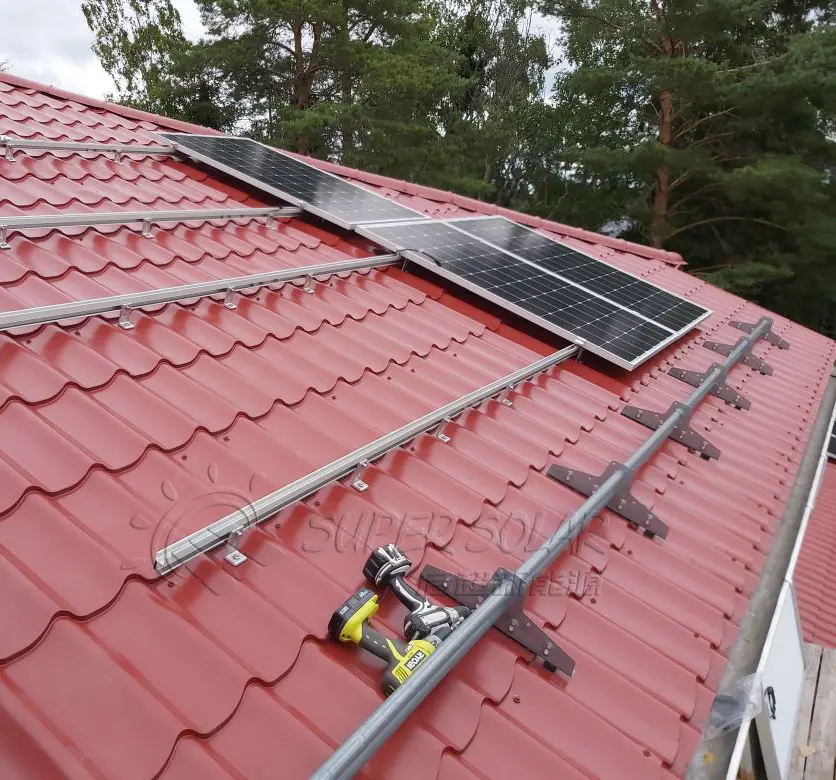
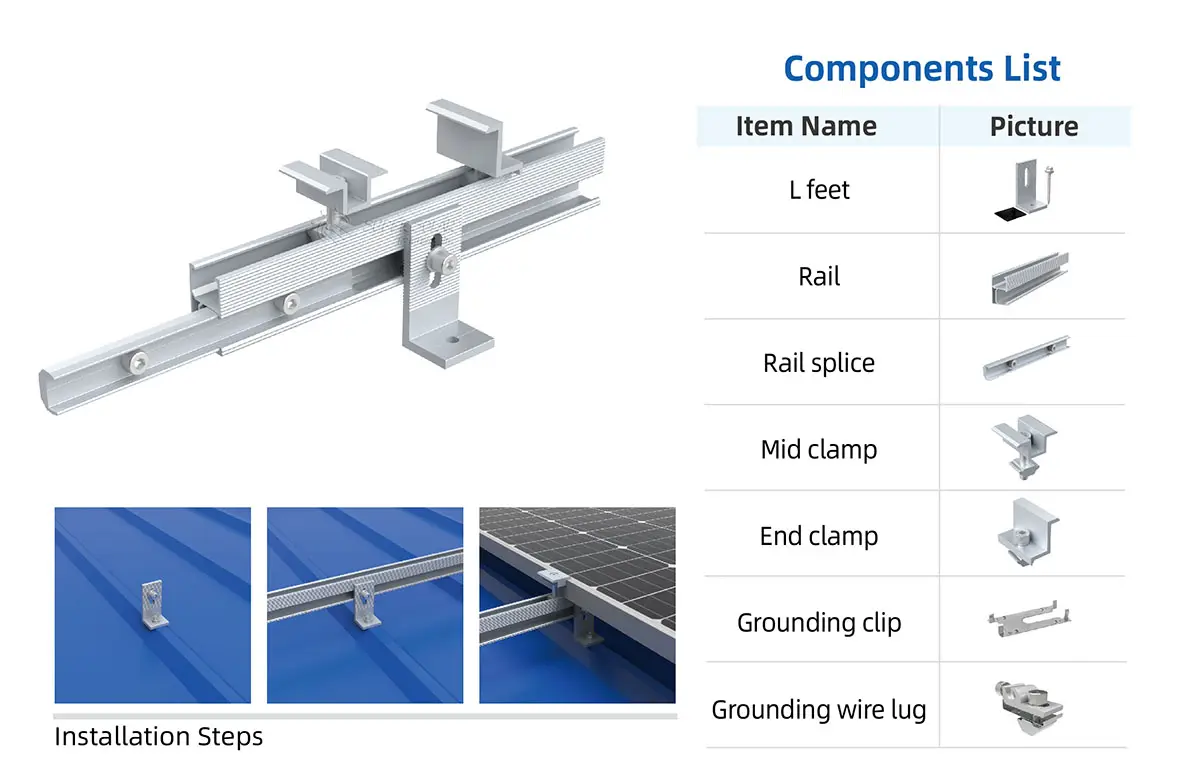
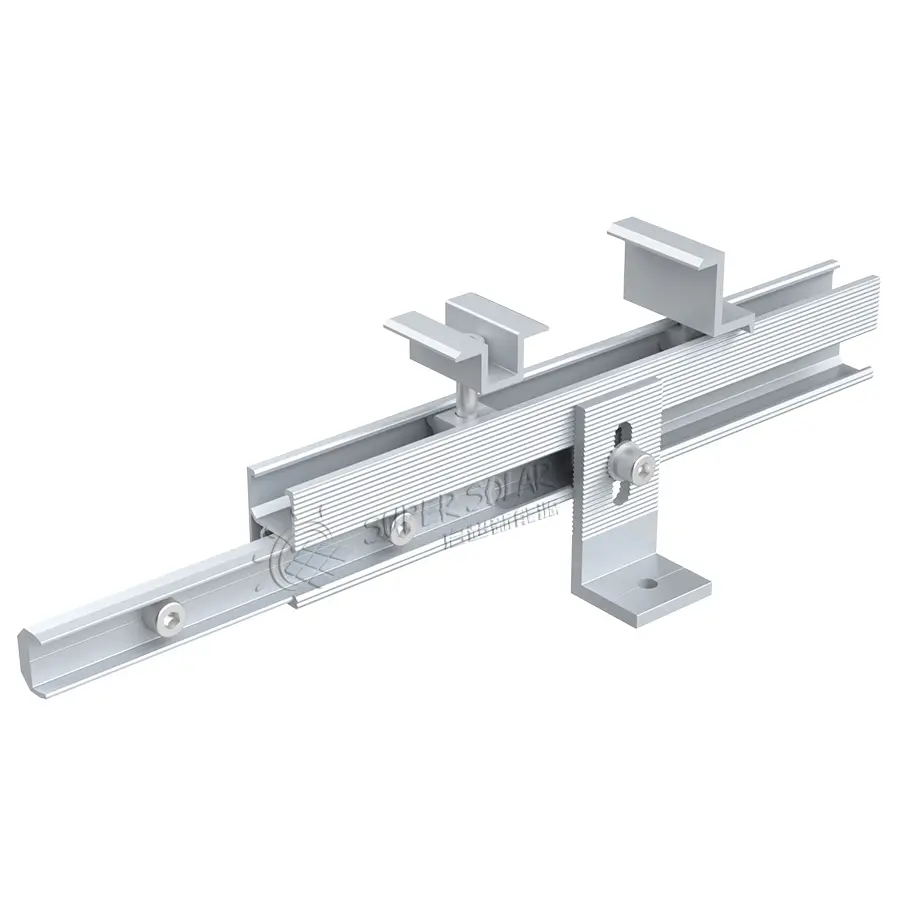
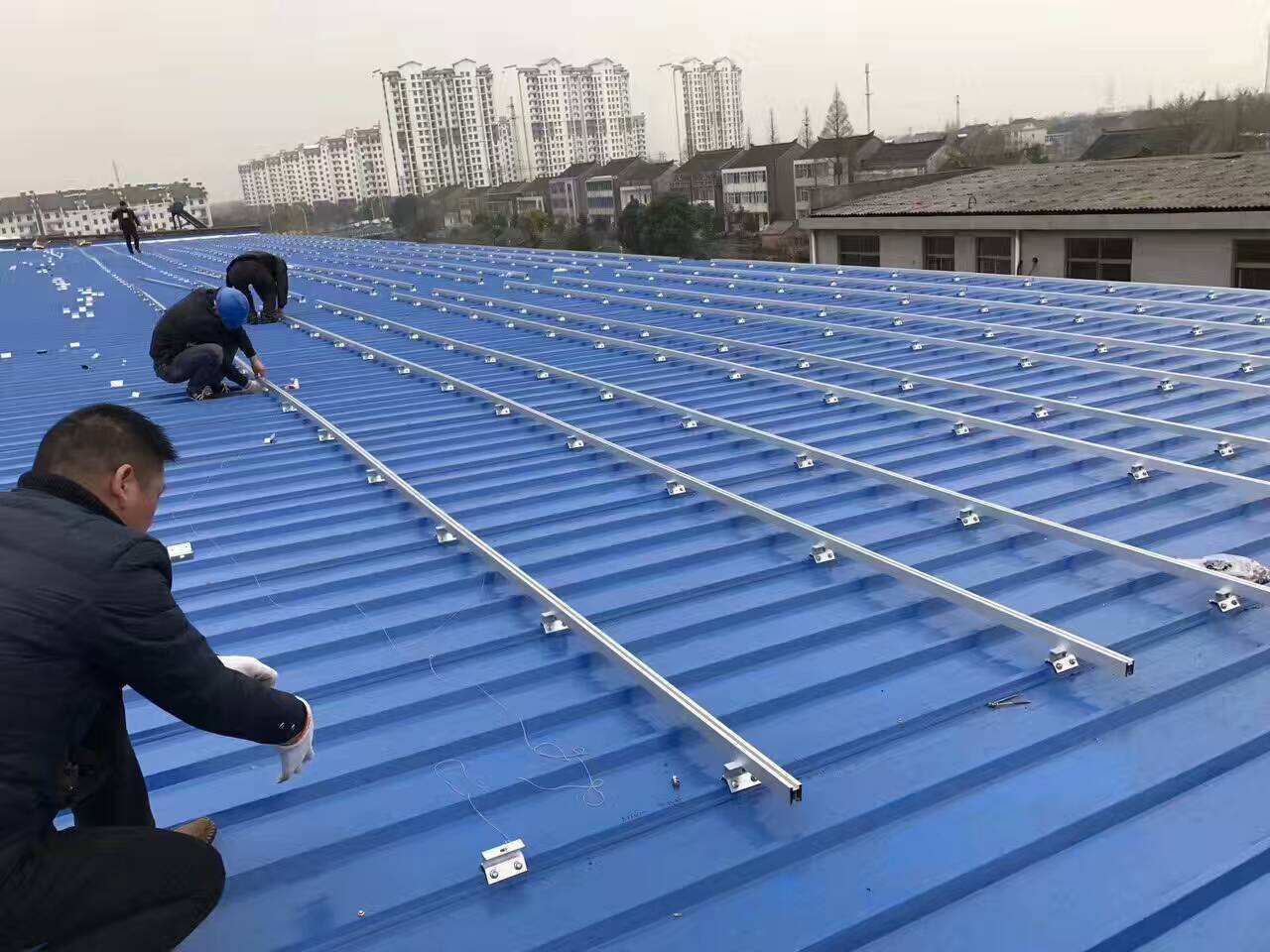
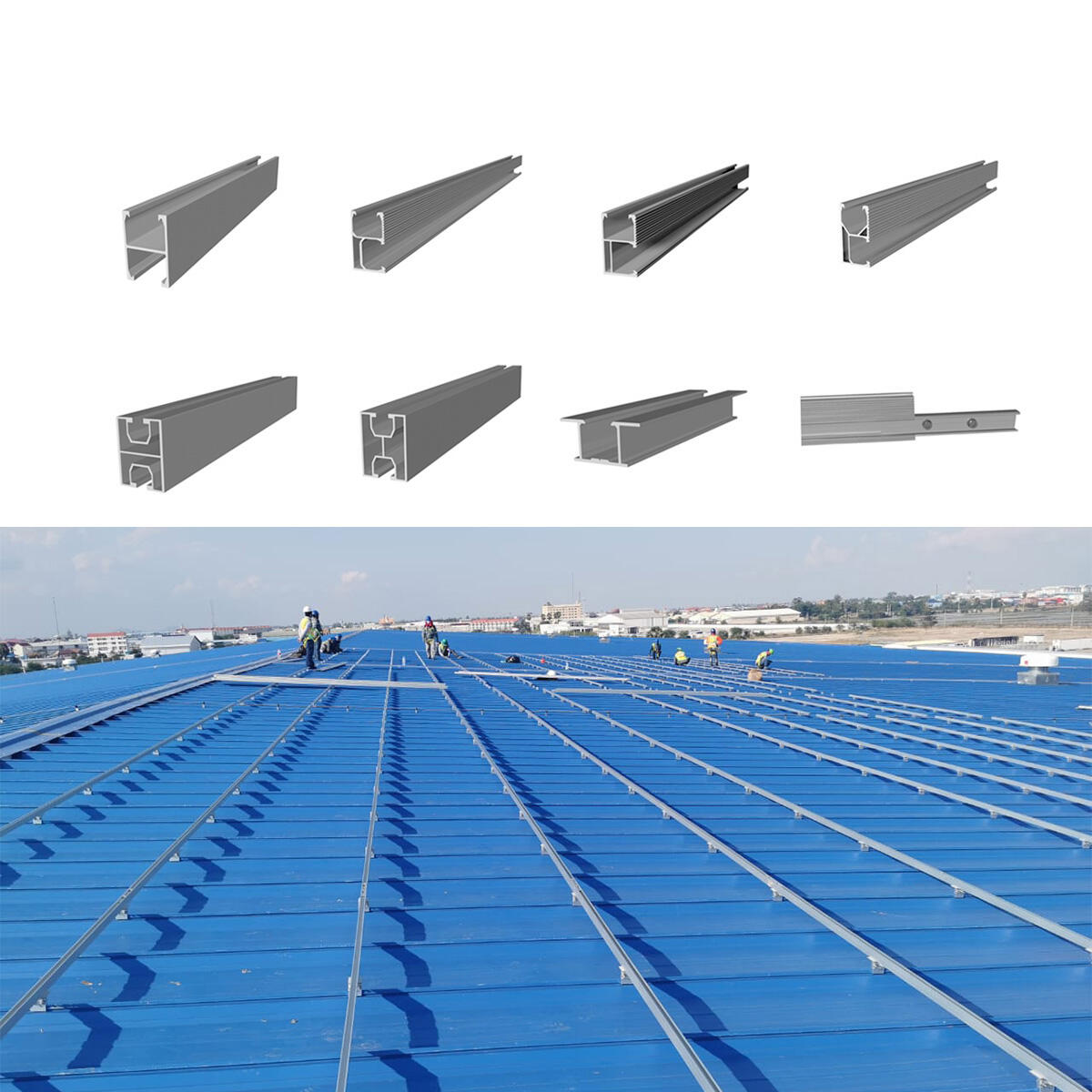
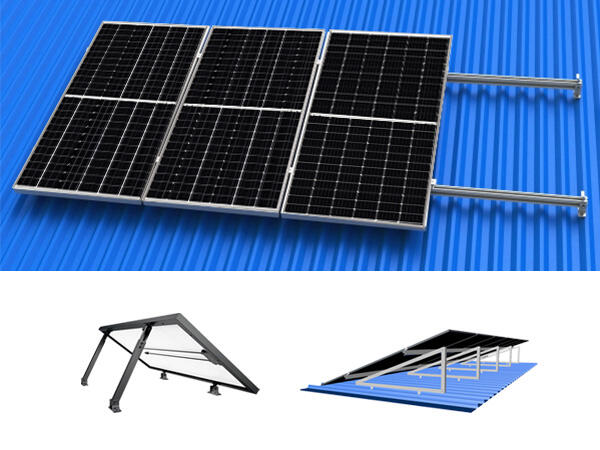
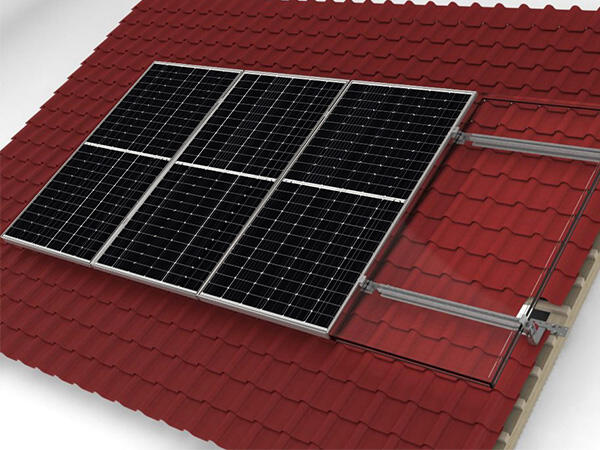
Solar PV roof mounting systems serve as the critical foundation that securely attaches photovoltaic panels to residential and commercial rooftops, transforming ordinary buildings into clean energy generators. These sophisticated mounting solutions provide the structural backbone necessary to harness solar power effectively while maintaining building integrity and safety standards. The primary function of solar PV roof mounting systems involves creating a stable, weather-resistant platform that positions solar panels at optimal angles for maximum energy production. These systems accommodate various roof types including pitched, flat, metal, and tile surfaces through specialized attachment mechanisms. Modern solar PV roof mounting systems incorporate advanced materials such as anodized aluminum rails, stainless steel hardware, and corrosion-resistant coatings that ensure decades of reliable performance under extreme weather conditions. The technological features of these mounting solutions include adjustable tilt mechanisms that optimize panel orientation, integrated grounding systems for electrical safety, and modular designs that simplify installation processes. Professional-grade solar PV roof mounting systems utilize precision-engineered clamps, brackets, and rails that distribute panel weight evenly across roof structures, preventing localized stress points that could compromise building integrity. Applications span across residential homes, commercial buildings, industrial facilities, and agricultural structures where roof space provides ideal solar exposure. These mounting systems enable property owners to maximize available roof area while maintaining aesthetic appeal through low-profile designs that complement architectural styles. Advanced solar PV roof mounting systems feature tool-free assembly components, pre-assembled modules, and color-matched finishes that streamline installation while ensuring professional appearance. The engineering behind these systems considers wind uplift forces, snow loads, seismic activity, and thermal expansion to guarantee long-term structural stability and panel performance optimization.
 EN
EN