solar panels tilt mount
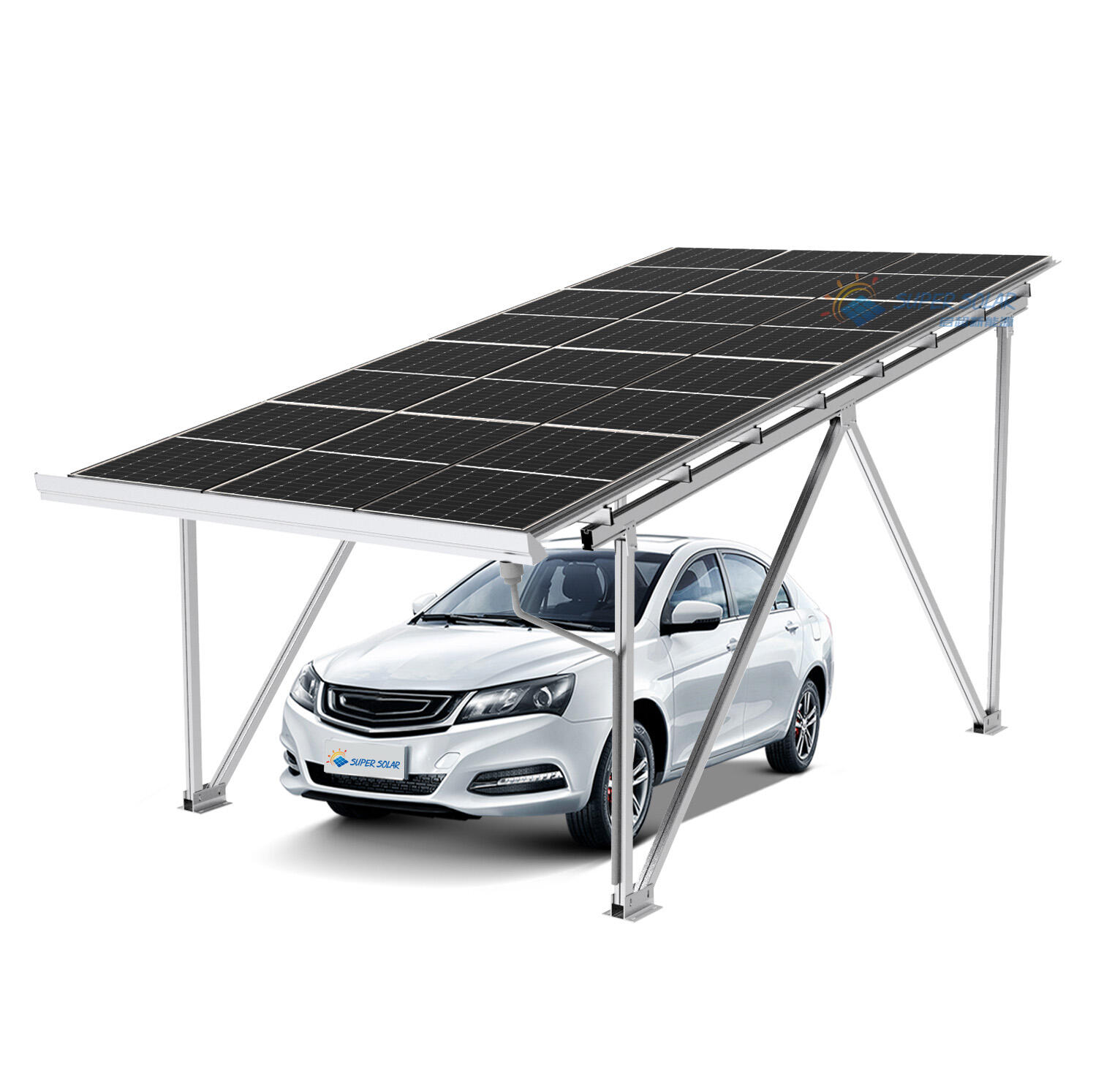
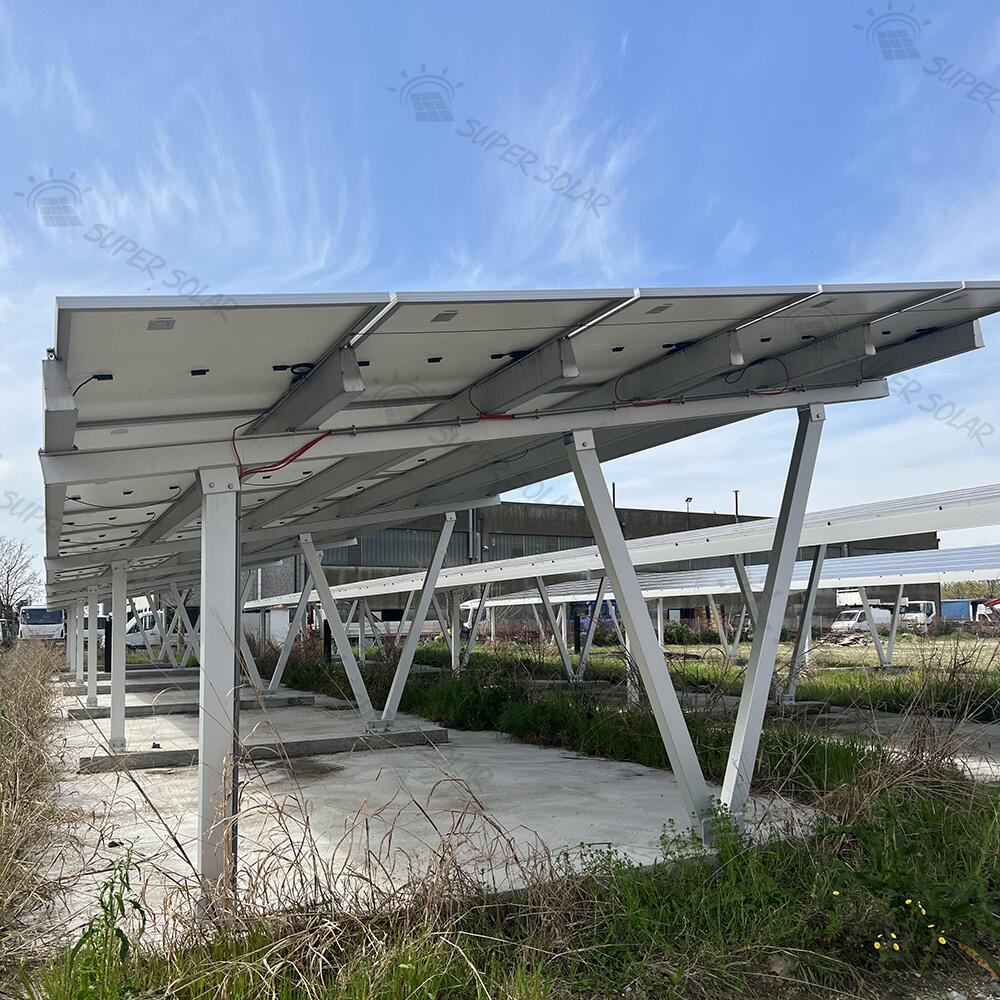
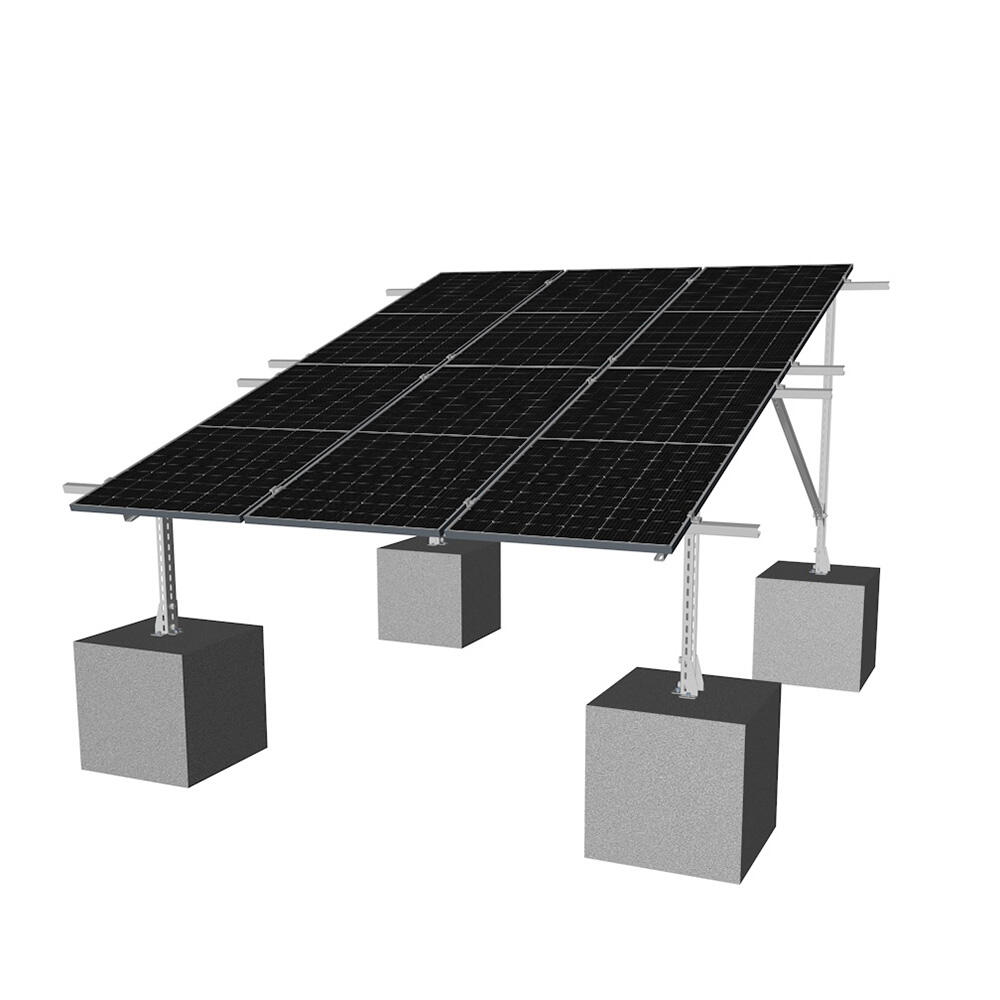
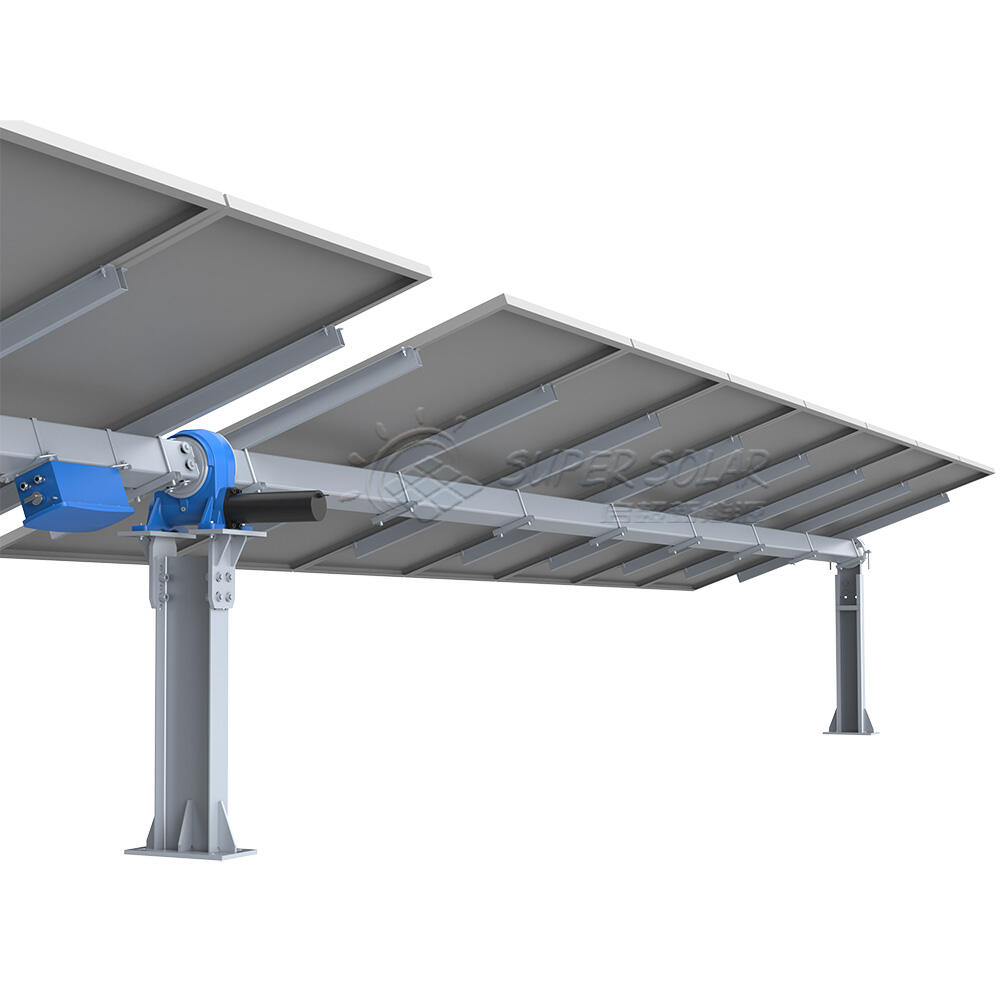
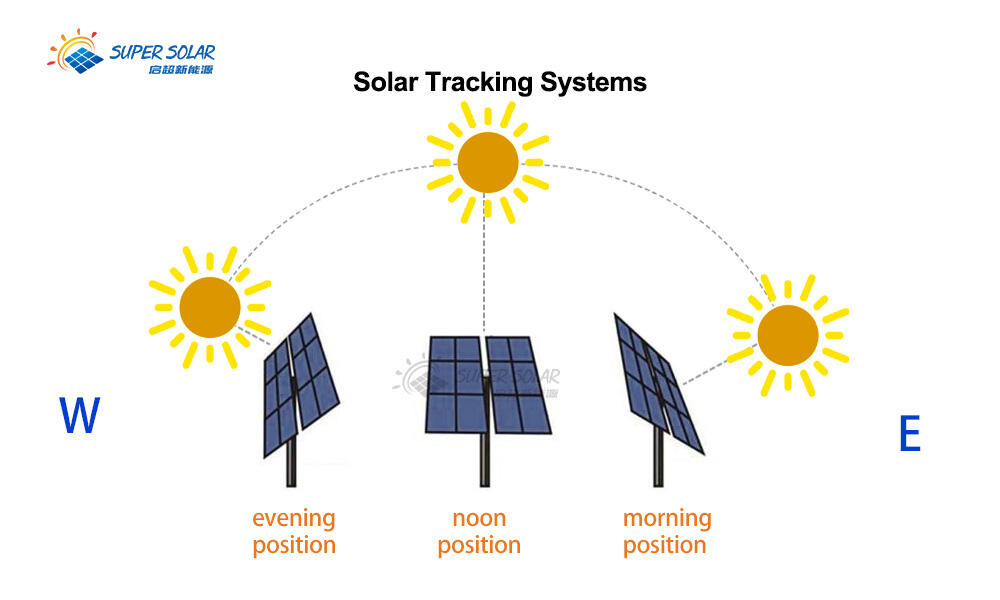
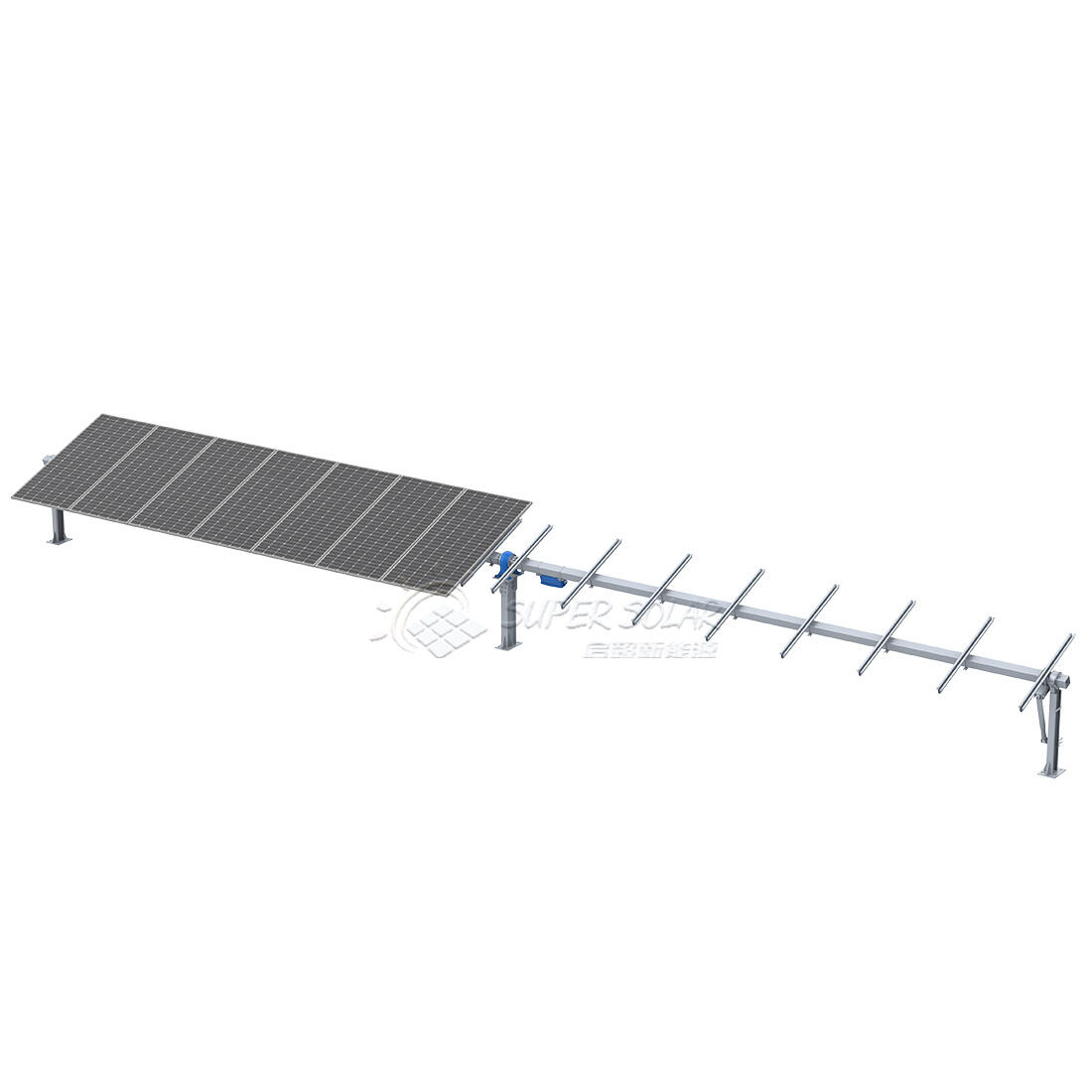
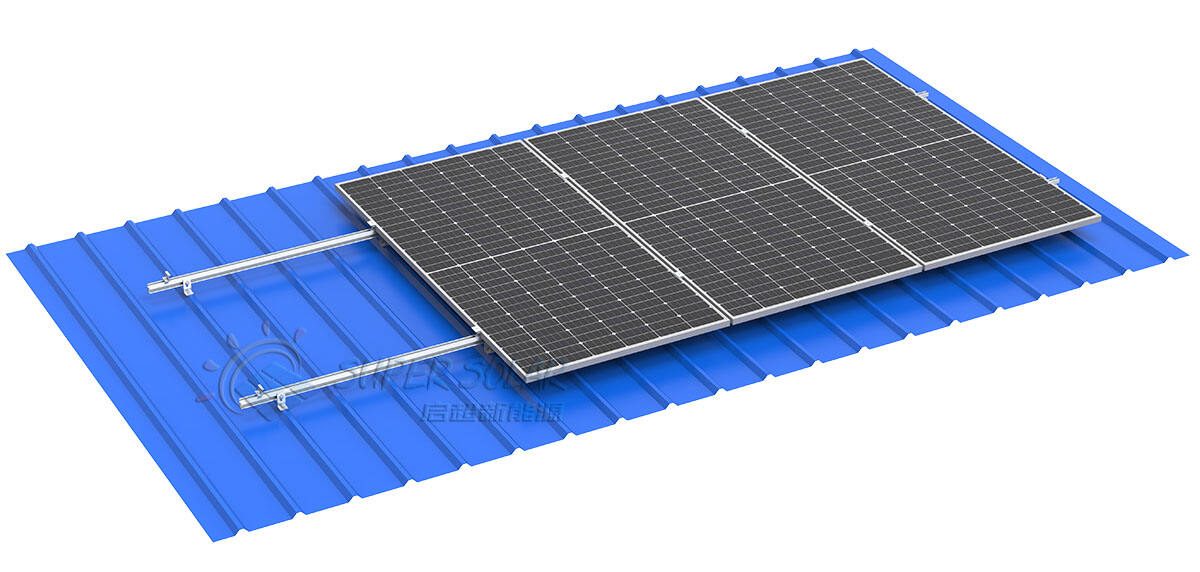
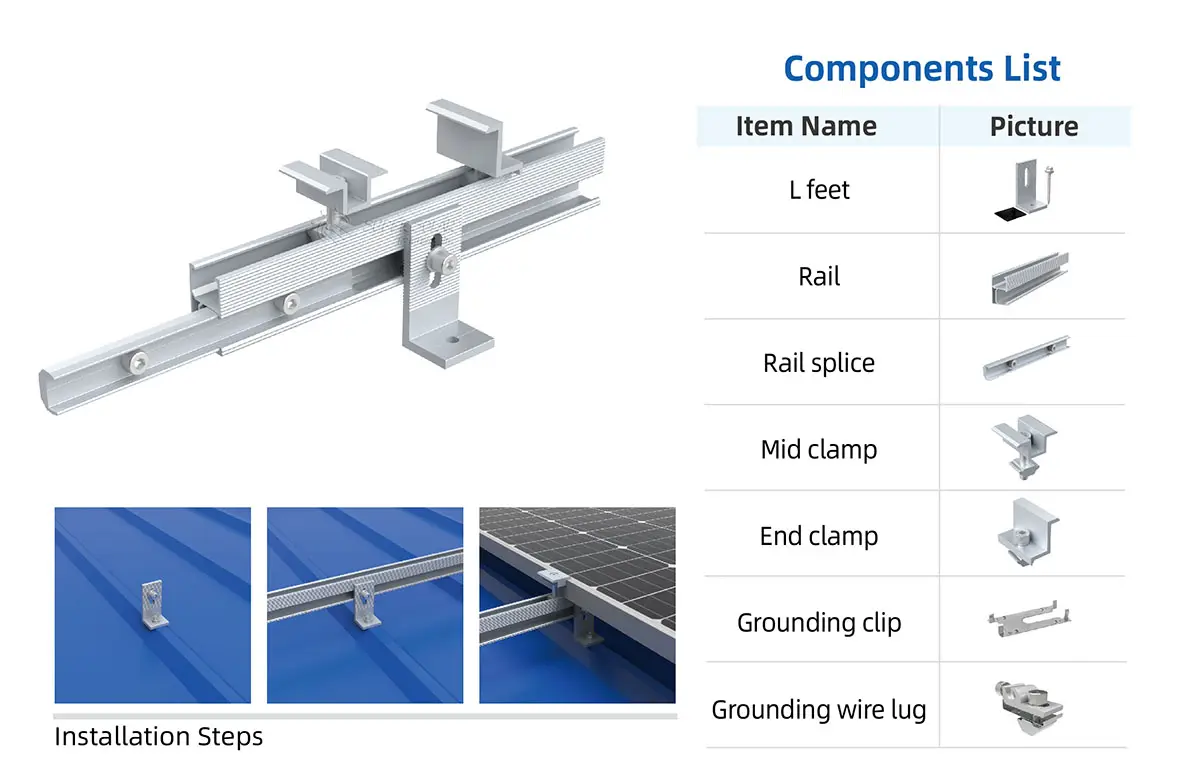
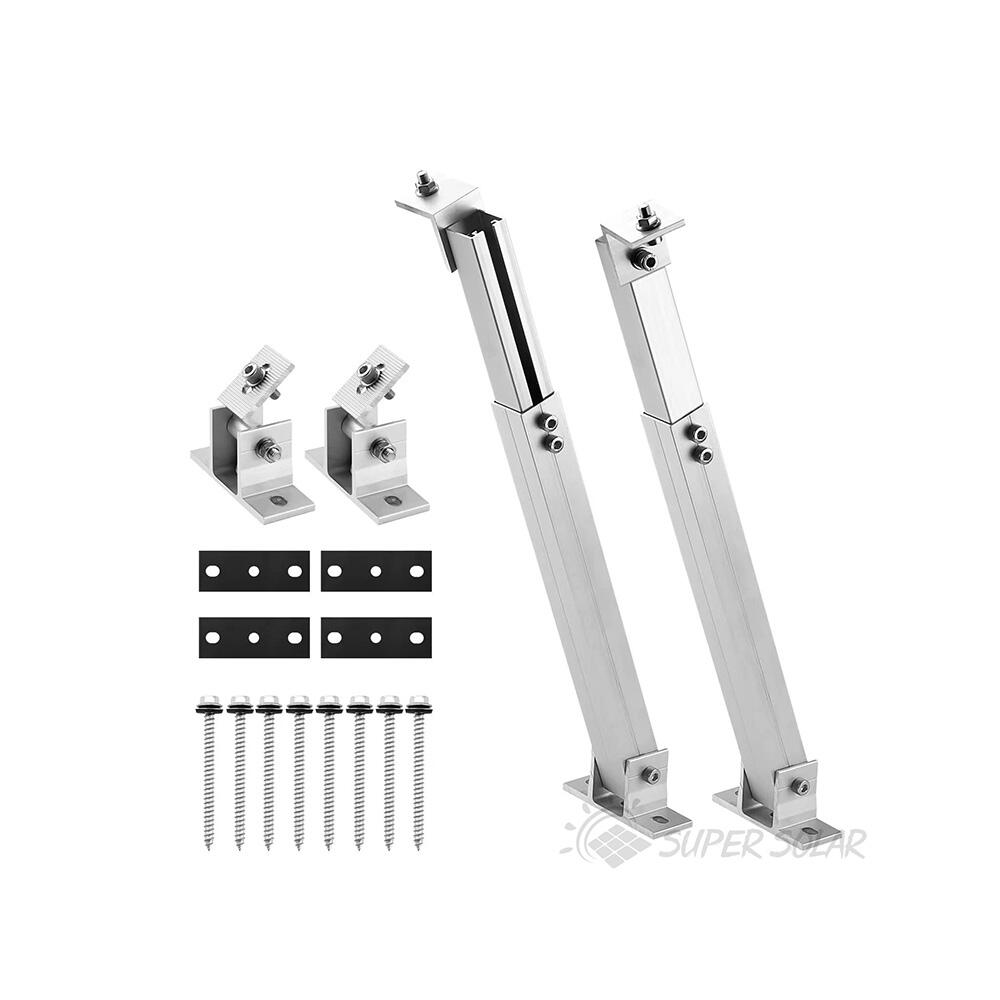
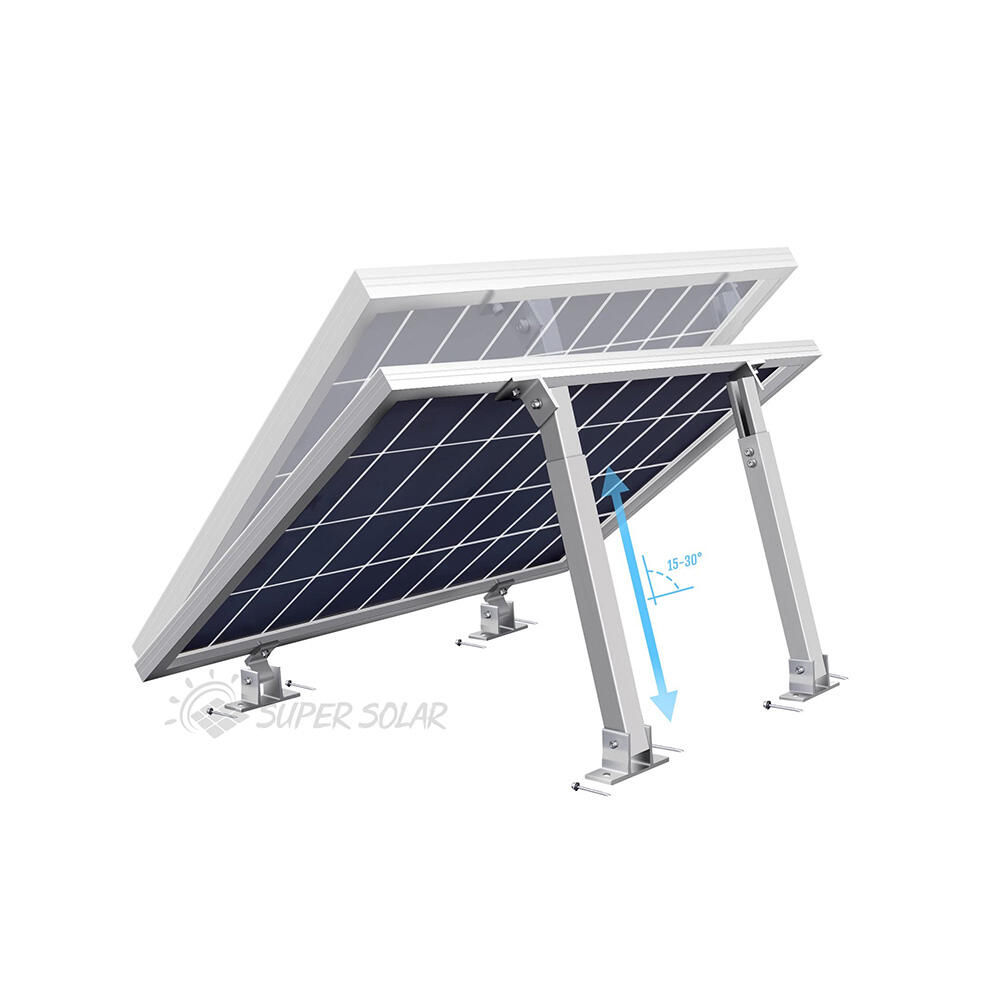
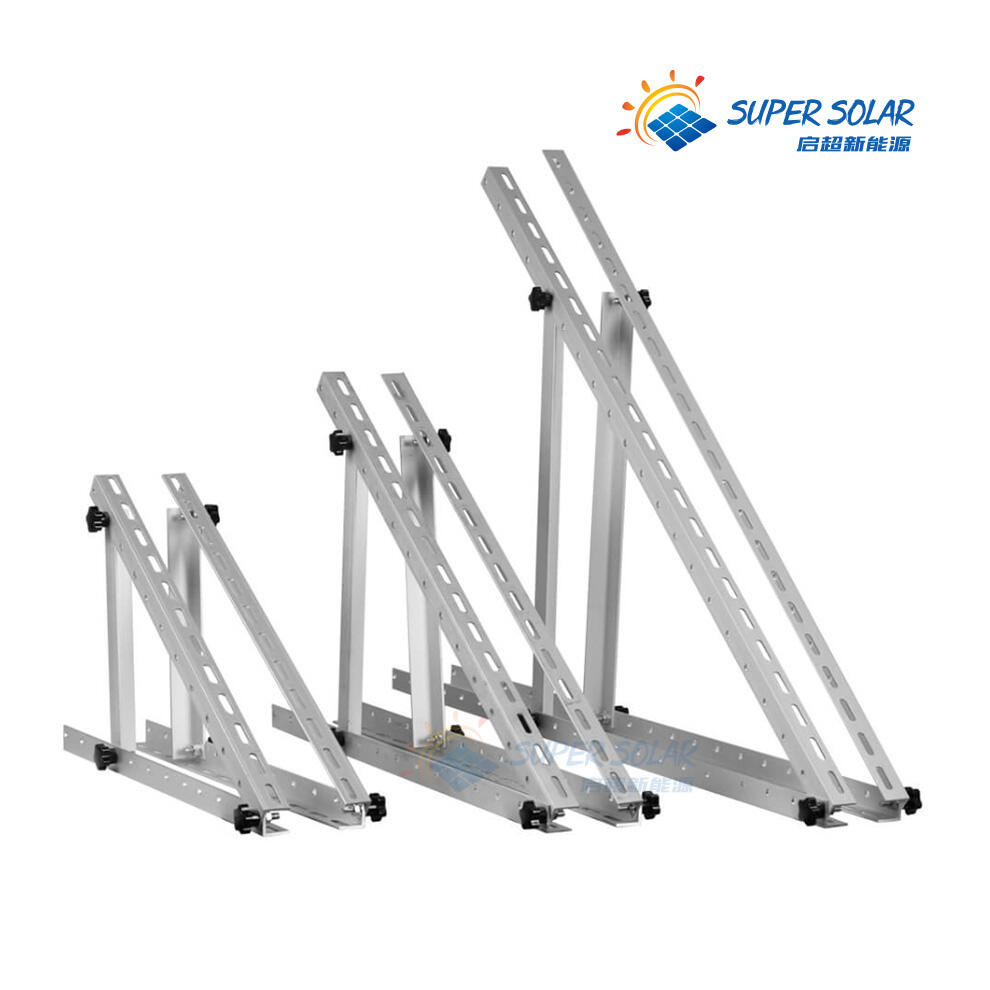
Solar panels tilt mount systems represent a revolutionary advancement in photovoltaic installation technology, designed to maximize energy capture through precise angle adjustment capabilities. These sophisticated mounting solutions enable solar panels to be positioned at optimal angles throughout the year, significantly enhancing power generation efficiency compared to fixed installations. The solar panels tilt mount mechanism incorporates robust engineering principles that accommodate seasonal sun path variations, ensuring consistent peak performance across different weather conditions and geographic locations. Modern tilt mount systems feature durable aluminum or galvanized steel construction, providing exceptional structural integrity while maintaining lightweight characteristics essential for rooftop applications. The primary function of a solar panels tilt mount involves dynamic angle adjustment, typically ranging from 0 to 60 degrees, allowing installers to customize positioning based on latitude, seasonal requirements, and specific energy production goals. Advanced models incorporate weather-resistant components, corrosion-proof hardware, and reinforced connection points that withstand extreme environmental conditions including high winds, snow loads, and temperature fluctuations. The technological features of contemporary solar panels tilt mount systems include precision-engineered pivot mechanisms, secure locking systems, and streamlined installation processes that reduce labor costs and installation time. These mounts accommodate various panel sizes and weights, from residential installations to large commercial arrays, demonstrating remarkable versatility across diverse project scales. Applications span residential rooftops, commercial buildings, ground-mounted solar farms, and specialized installations such as RV systems or remote off-grid locations. The solar panels tilt mount technology has evolved to include smart automation features in premium models, enabling remote adjustment capabilities through mobile applications or automated seasonal positioning systems. Installation compatibility extends across different roof types including metal, tile, and composition materials, with specialized mounting hardware designed for each specific application scenario.
 EN
EN