solar panel tilt mounting brackets
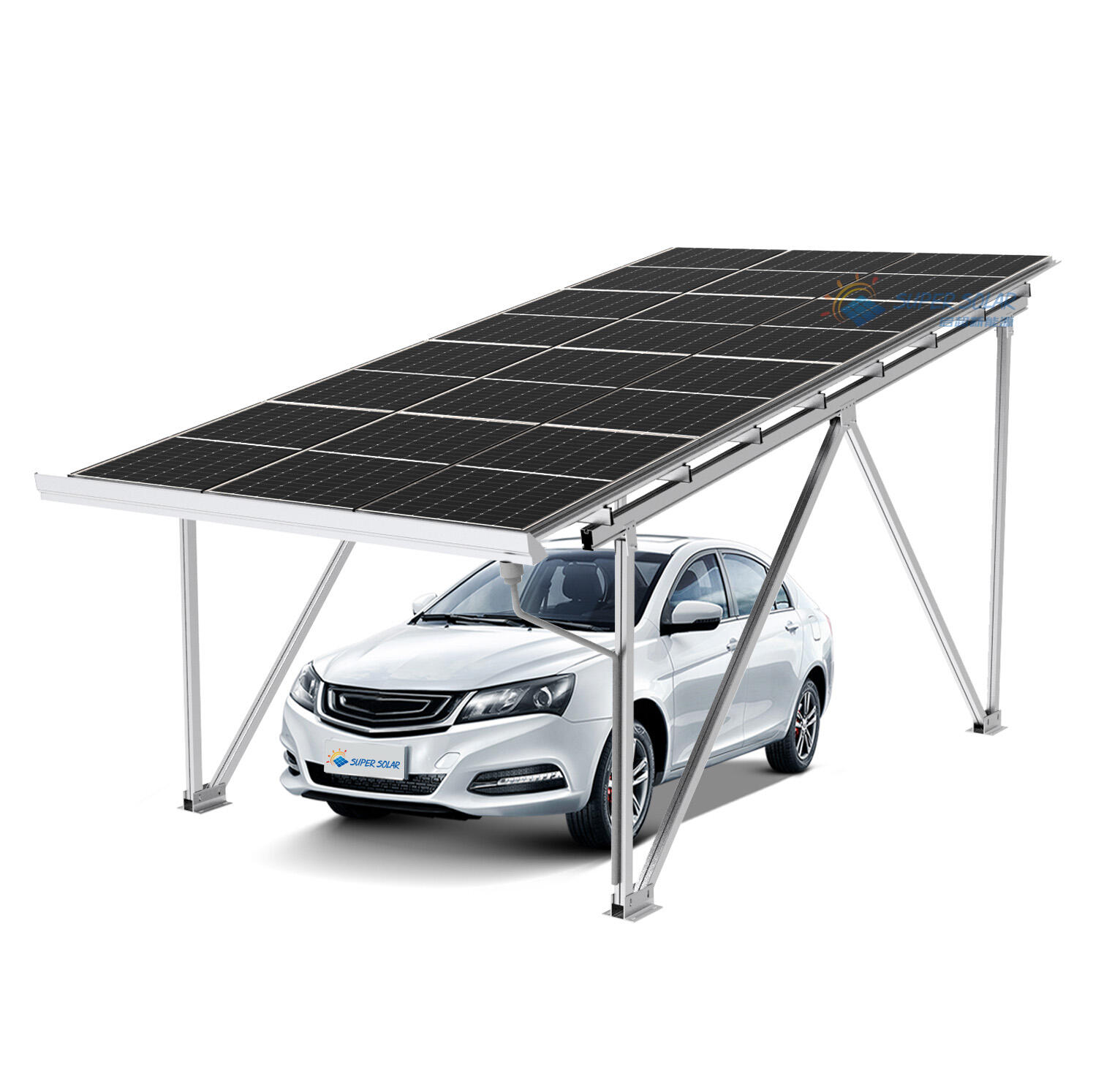
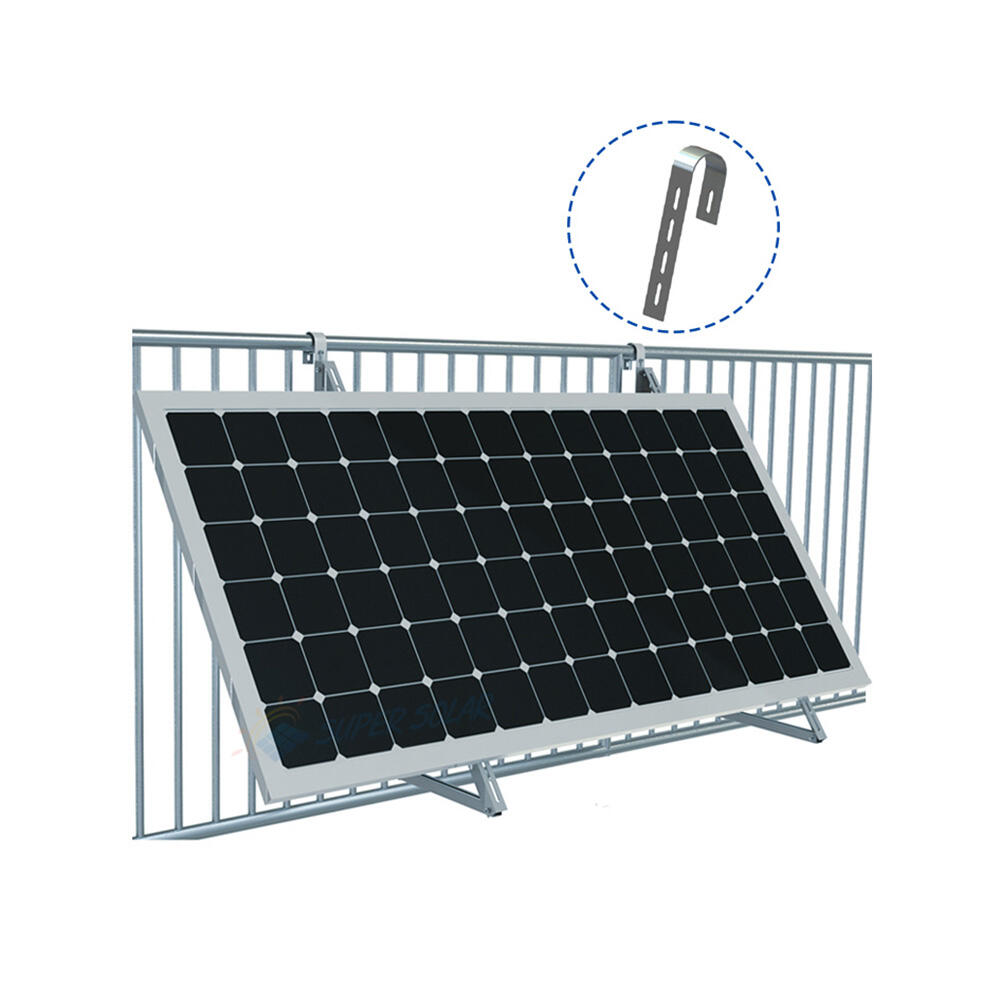
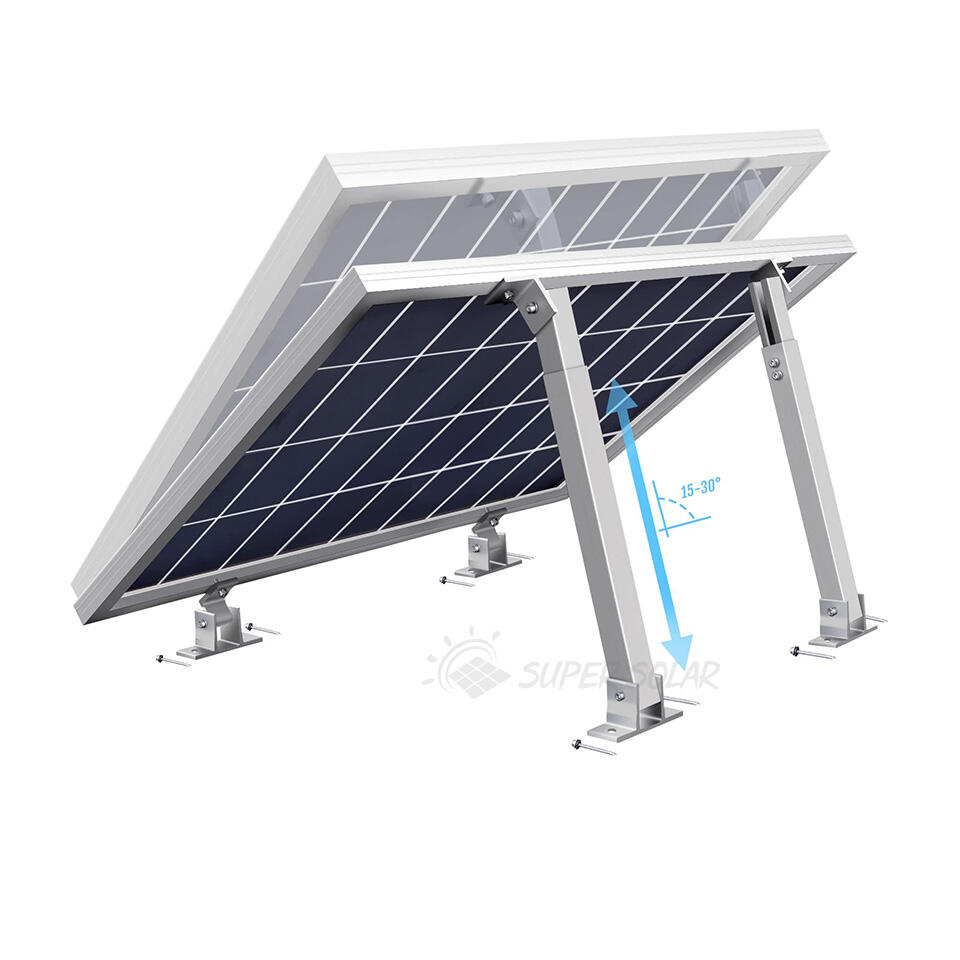
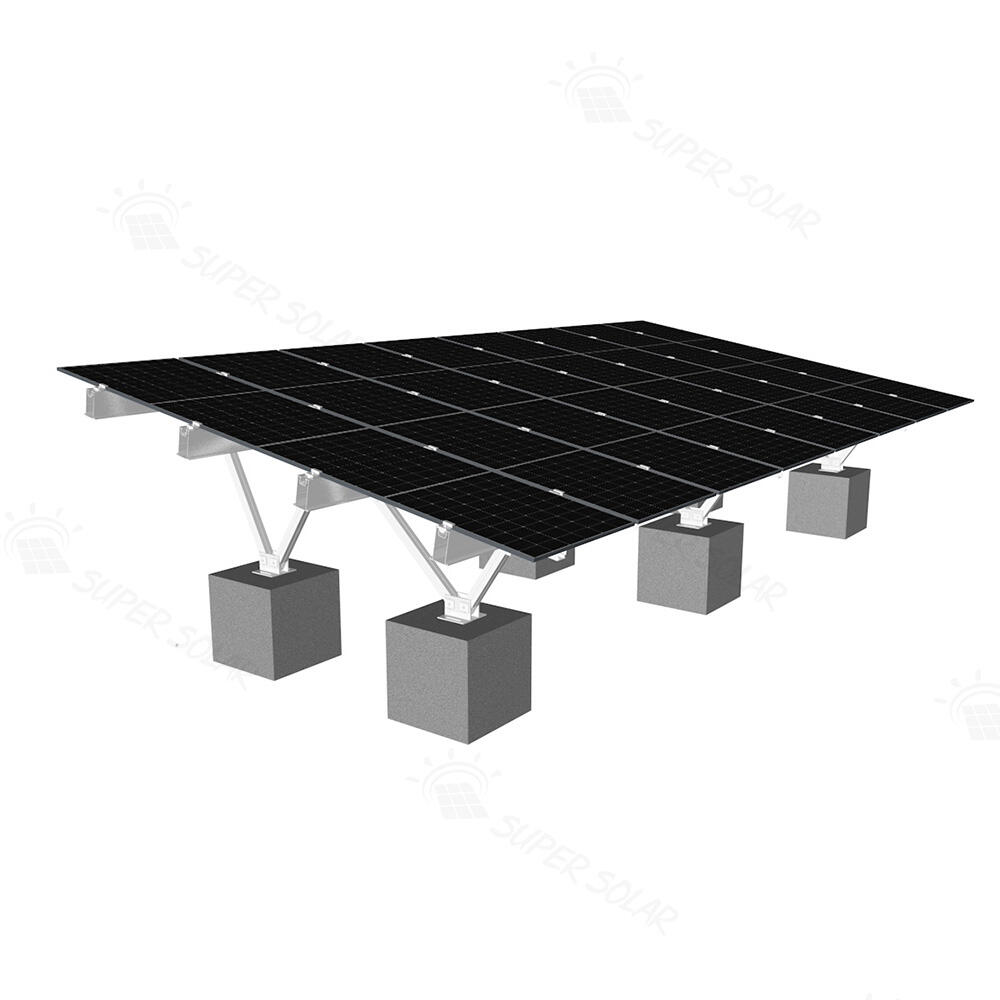
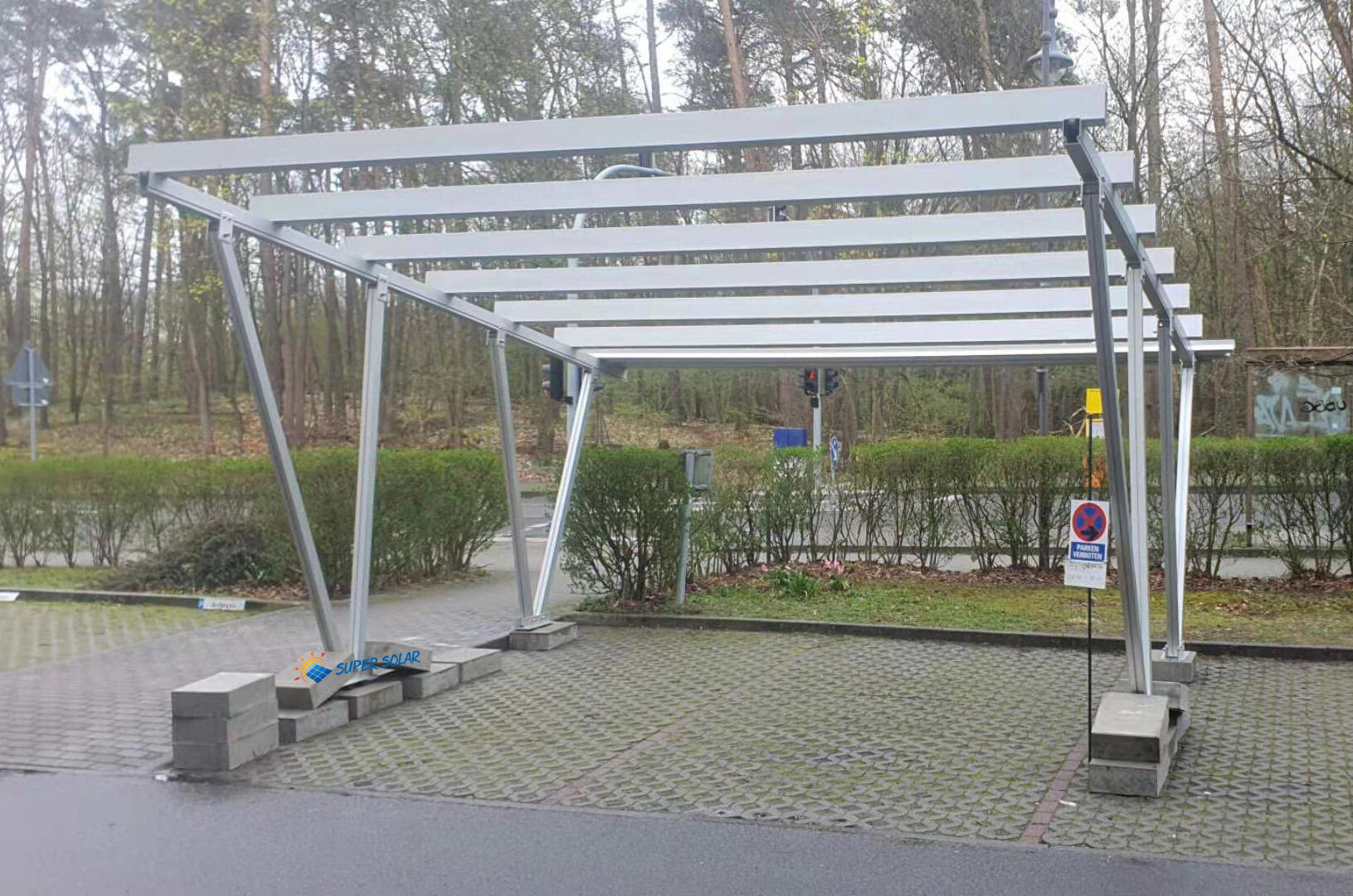
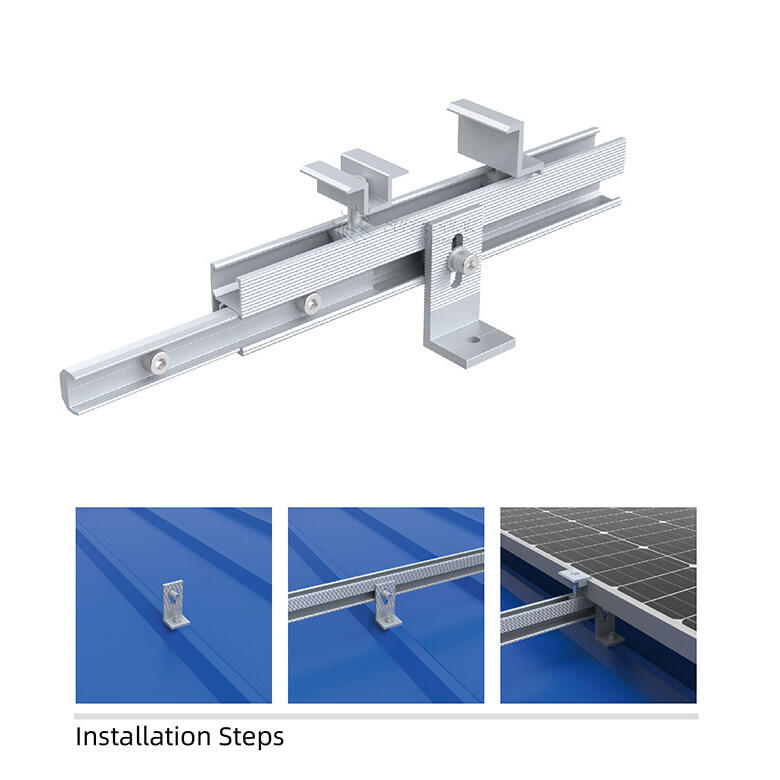
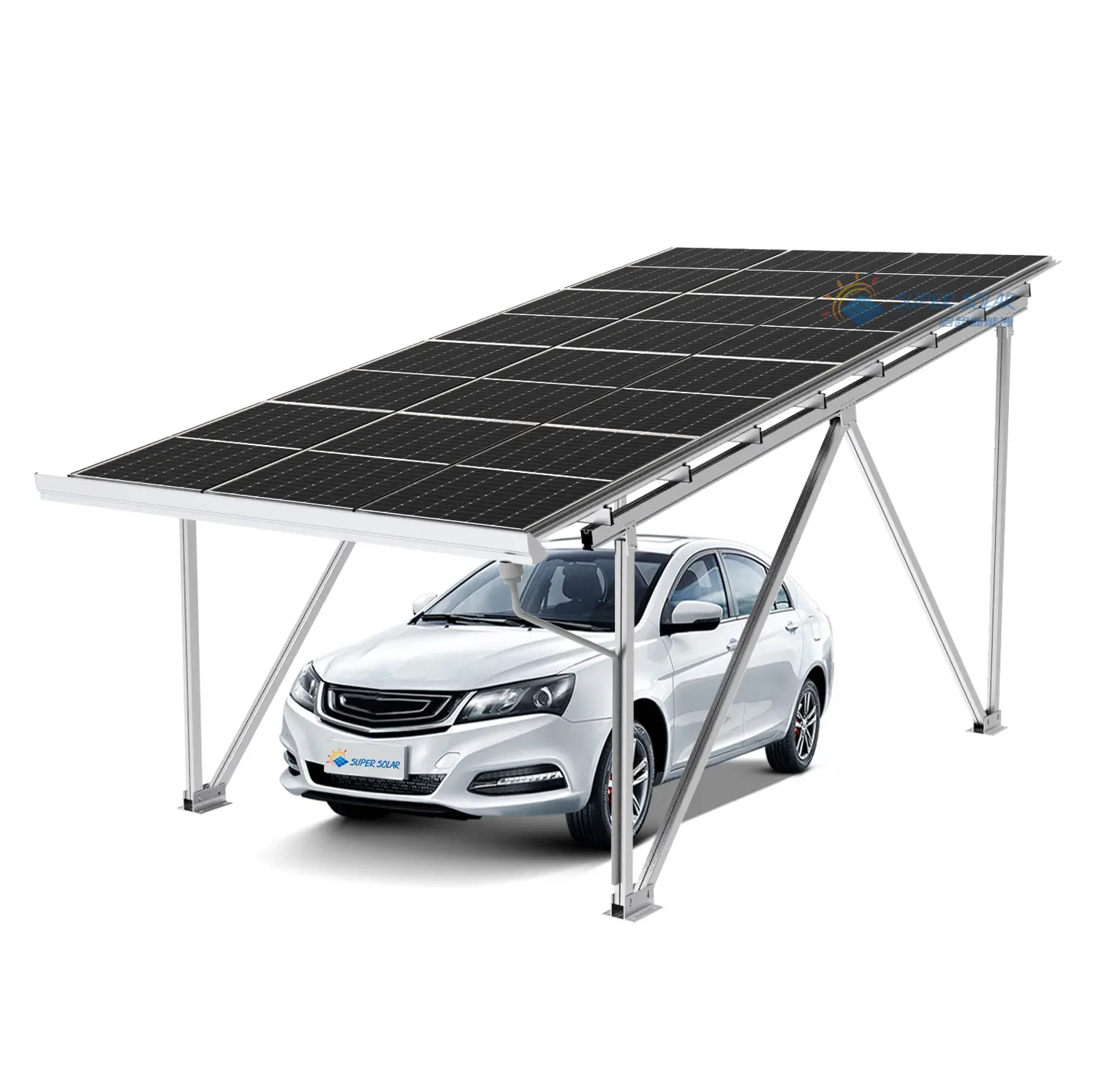
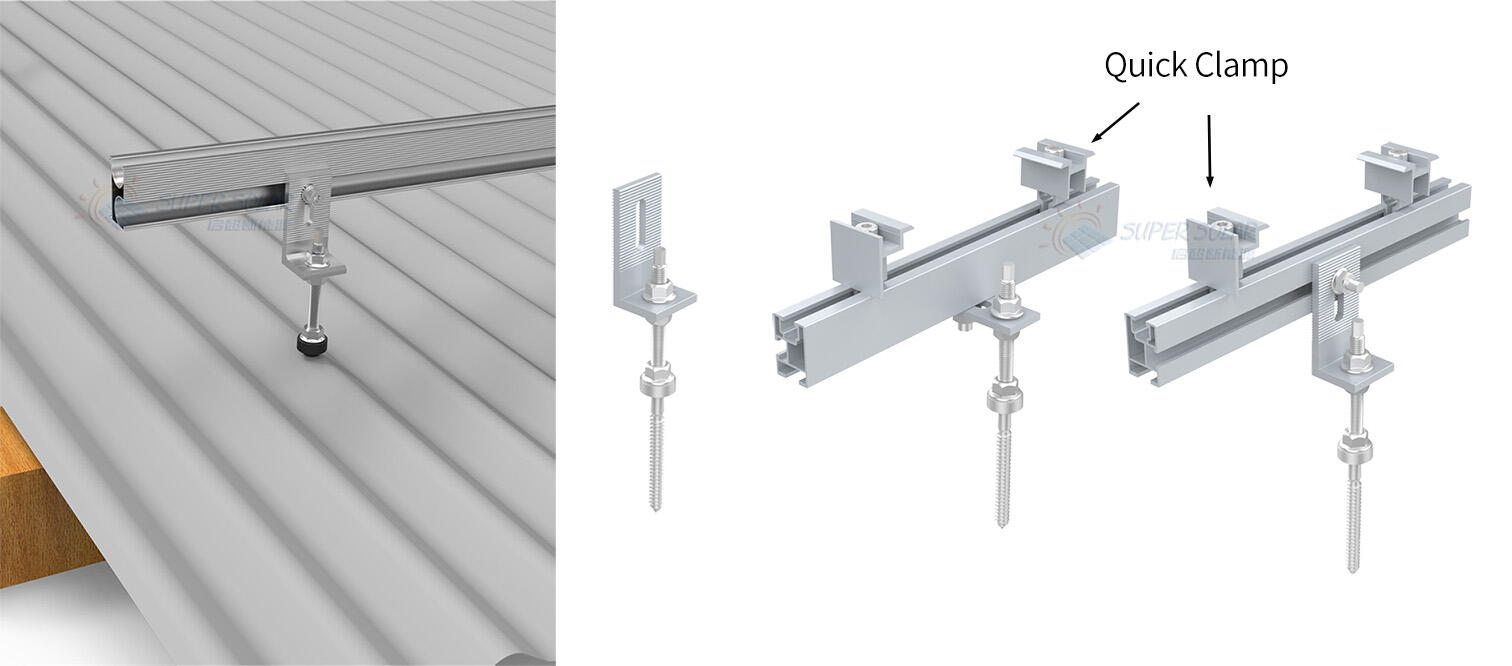
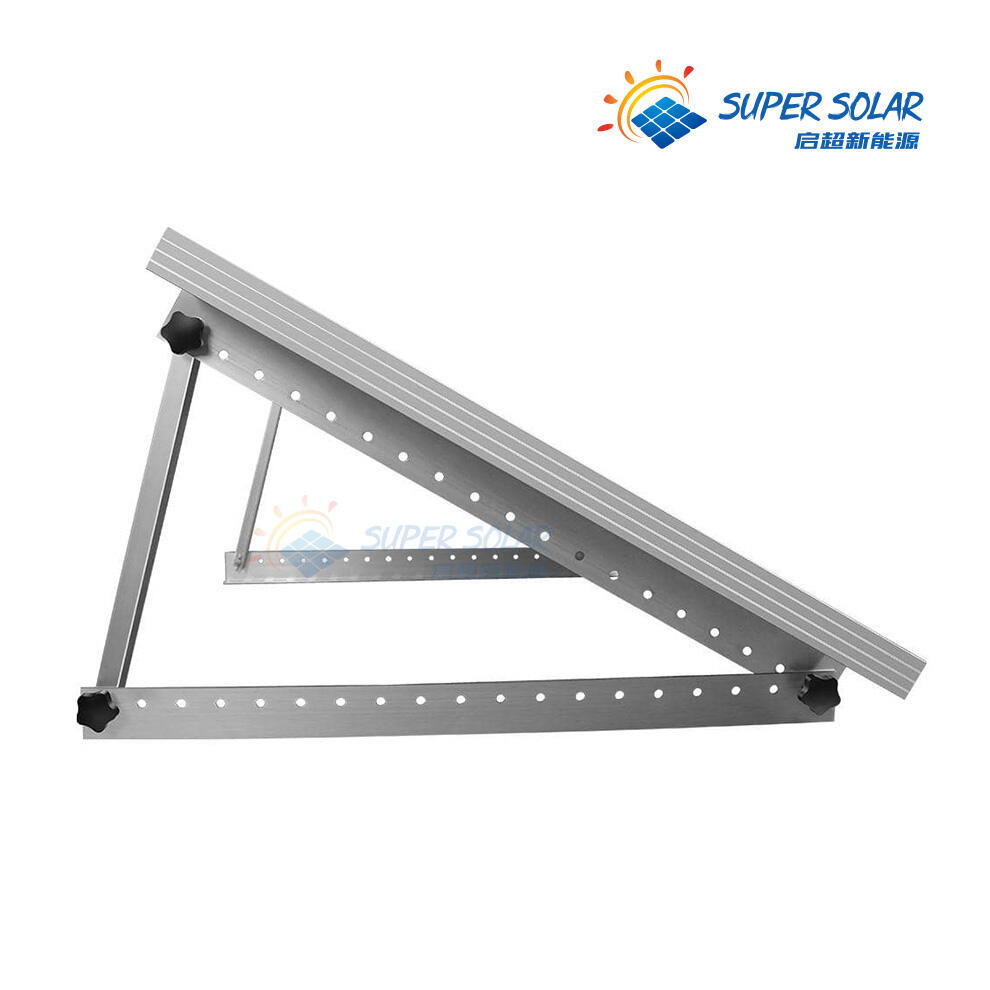
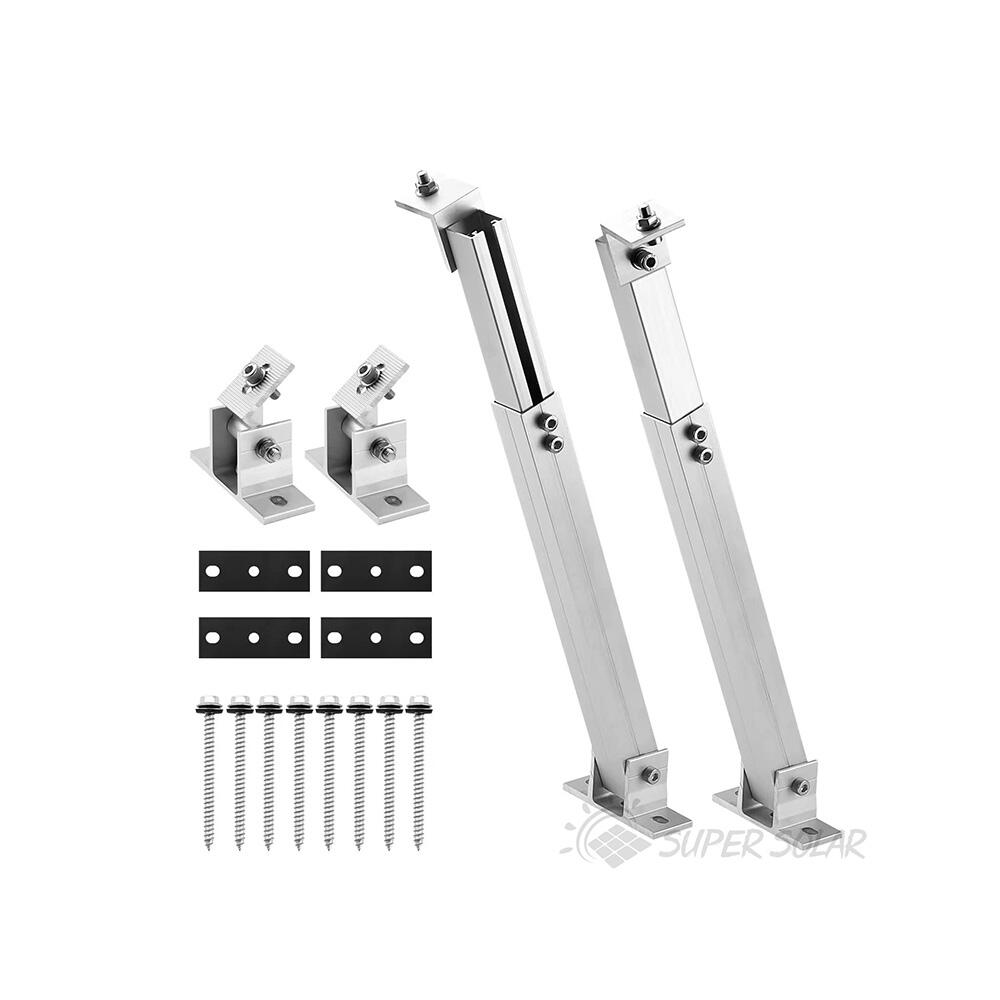
Solar panel tilt mounting brackets represent a crucial component in photovoltaic system installations, designed to optimize energy generation by positioning solar panels at the most effective angles for sunlight capture. These specialized mounting solutions enable installers and property owners to achieve maximum solar exposure regardless of roof pitch or ground installation requirements. The primary function of solar panel tilt mounting brackets involves securing photovoltaic modules while maintaining precise angular positioning that maximizes solar irradiance throughout different seasons and daily sun paths. These brackets incorporate advanced engineering principles to withstand environmental stresses including wind loads, snow accumulation, and thermal expansion cycles. The technological features of modern solar panel tilt mounting brackets include corrosion-resistant aluminum alloy construction, stainless steel hardware components, and precision-engineered adjustment mechanisms that allow for fine-tuning of panel angles. Many systems feature pre-assembled components that streamline installation processes while maintaining structural integrity. The brackets typically accommodate various panel sizes and weights, with load-bearing capacities engineered to meet stringent safety standards. Applications for solar panel tilt mounting brackets span residential rooftops, commercial buildings, ground-mount solar farms, and specialized installations such as carports and canopies. These mounting systems prove particularly valuable in regions where optimal solar angles differ significantly from existing roof slopes, enabling property owners to achieve peak energy production regardless of architectural constraints. The brackets facilitate seasonal angle adjustments in some configurations, allowing users to optimize energy capture during different times of the year when sun angles vary substantially. Professional installers appreciate the versatility these mounting solutions provide, as they can adapt to diverse installation scenarios while maintaining code compliance and warranty requirements. The robust construction ensures long-term reliability matching the operational lifespan of solar panels themselves, typically spanning 25 years or more of continuous outdoor exposure.
 EN
EN