Solar Tracking Systems for Agricultural PV: Advanced Dual-Use Technology for Maximum Farm Efficiency

All Categories

solar tracking system for agricultural pv systems

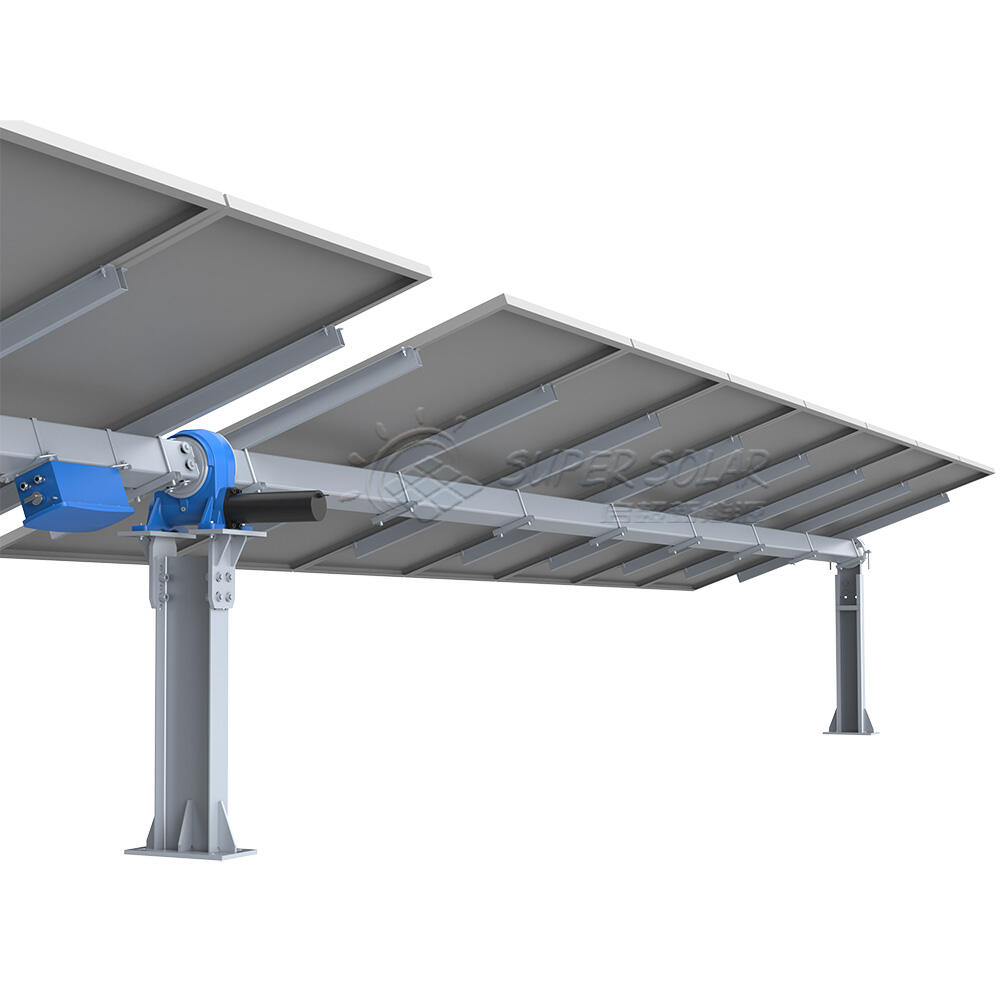
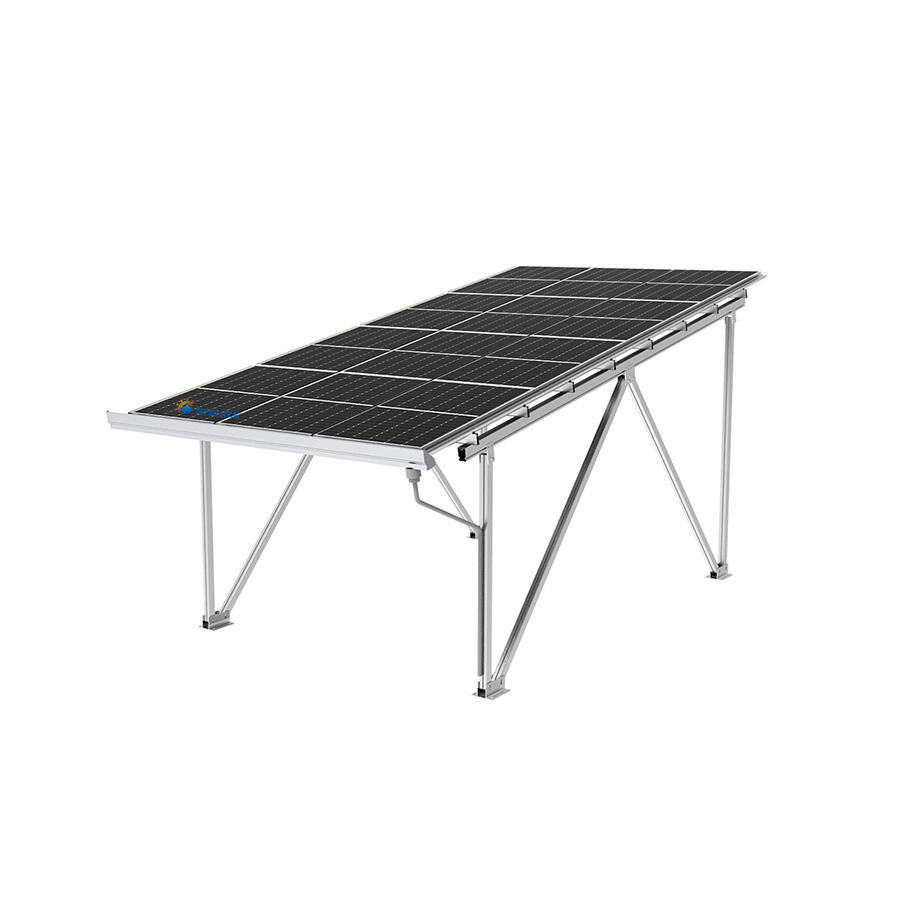
The solar tracking system for agricultural PV systems represents a revolutionary advancement in sustainable farming technology, seamlessly combining renewable energy generation with agricultural production. This innovative dual-use approach maximizes land efficiency while providing farmers with multiple revenue streams. The solar tracking system for agricultural PV systems operates by continuously adjusting solar panel orientation throughout the day to follow the sun's path, ensuring optimal energy capture while maintaining suitable growing conditions for crops beneath. The main functions include automated sun tracking through advanced sensors and control mechanisms, remote monitoring capabilities, and precise positioning adjustments that optimize both energy production and agricultural yields. Technological features encompass weather-resistant components designed for outdoor agricultural environments, integrated climate monitoring systems, and smart grid connectivity for seamless energy distribution. The tracking mechanism utilizes GPS coordinates, astronomical algorithms, and real-time weather data to calculate optimal panel positioning, while sophisticated control systems manage the balance between energy generation and crop protection. These systems incorporate dual-axis or single-axis tracking capabilities, depending on specific agricultural requirements and geographical locations. Applications span across various agricultural sectors including crop cultivation, livestock farming, and greenhouse operations. The solar tracking system for agricultural PV systems proves particularly effective in regions with high solar irradiance, where the combination of energy generation and agricultural protection creates synergistic benefits. Modern implementations feature IoT integration for remote monitoring and control, allowing farmers to manage both energy production and crop conditions from mobile devices. The system's modular design enables scalable installation across different farm sizes, from small family operations to large commercial agricultural enterprises. Additionally, these systems contribute to sustainable farming practices by reducing water evaporation, providing crop shade during peak heat hours, and generating clean energy for on-farm operations such as irrigation pumps, cooling systems, and processing equipment.

New Product Releases

The solar tracking system for agricultural PV systems delivers substantial economic benefits by creating dual income sources for farmers through both crop sales and energy generation. This innovative approach increases overall farm profitability by optimizing land usage efficiency, allowing agricultural operations to generate significant additional revenue without sacrificing productive farmland. Energy production costs decrease substantially as farmers become less dependent on expensive grid electricity, while excess energy can be sold back to utility companies through net metering programs. The tracking capability enhances energy output by 25-35% compared to fixed solar installations, maximizing return on investment and reducing payback periods. Land preservation becomes a key advantage as the solar tracking system for agricultural PV systems eliminates the need for separate dedicated solar farms, maintaining agricultural productivity while generating clean energy. Crops benefit from partial shading provided by solar panels, reducing heat stress and water evaporation rates, which leads to improved yields and reduced irrigation costs. This microclimate modification protects sensitive crops from extreme weather conditions including hail, excessive heat, and strong winds. Environmental benefits include significant carbon footprint reduction through clean energy generation and improved soil conservation through reduced erosion and moisture retention. The system requires minimal maintenance due to robust construction and automated operation, reducing long-term operational costs and labor requirements. Smart monitoring capabilities enable real-time performance tracking and predictive maintenance scheduling, preventing costly breakdowns and ensuring optimal system performance. Installation flexibility allows adaptation to various farm layouts and crop types, with customizable panel heights and spacing to accommodate different agricultural machinery and farming practices. The solar tracking system for agricultural PV systems supports grid stability through distributed energy generation, reducing transmission losses and improving local energy security. Water conservation becomes enhanced through reduced evaporation beneath panels, particularly beneficial in arid regions where water scarcity affects agricultural productivity. Government incentives and subsidies for renewable energy adoption further improve financial returns, while property values increase due to sustainable infrastructure additions. Risk diversification occurs as farmers reduce dependence on volatile crop markets through stable energy revenue streams, providing financial stability during challenging agricultural seasons.

Practical Tips

What Is a Solar Carport for Residential Homes and Why Use It?

20

Aug

What Is a Solar Carport for Residential Homes and Why Use It?

The Growing Popularity of Residential Solar Carports As homeowners increasingly look for ways to reduce energy costs and embrace sustainable living, the solar carport has emerged as a smart solution. A solar carport not only provides shelter for vehi...
View More
Can a Solar Carport Power Your Entire Home Efficiently?

20

Aug

Can a Solar Carport Power Your Entire Home Efficiently?

The Rising Popularity of Solar Carports in Residential Homes As the demand for renewable energy solutions continues to grow, the solar carport has become one of the most practical and efficient ways for homeowners to generate electricity. Unlike trad...
View More
A Guide to Choosing the Best Residential Solar Carport System

20

Aug

A Guide to Choosing the Best Residential Solar Carport System

The Rising Popularity of Solar Carports in Residential Homes As the demand for renewable energy solutions continues to grow, the solar carport has become one of the most practical and efficient ways for homeowners to generate electricity. Unlike trad...
View More
How to Choose the Right Solar L Foot for Your Metal Roof

23

Sep

How to Choose the Right Solar L Foot for Your Metal Roof

Common roof sheet types (trapezoidal, corrugated, standing seam) When planning a solar mounting system on a metal roof project, understanding the roof sheet profile is essential. Trapezoidal, corrugated, and standing seam roofs each have unique desig...
View More

Leave Message

Our representative will contact you soon.
Email
Name
Company Name
Message
0/1000

solar tracking system for agricultural pv systems

Advanced Dual-Axis Tracking Technology Maximizes Energy Efficiency

Advanced Dual-Axis Tracking Technology Maximizes Energy Efficiency

The sophisticated dual-axis tracking technology integrated into the solar tracking system for agricultural PV systems represents the pinnacle of renewable energy optimization for agricultural applications. This cutting-edge mechanism continuously adjusts solar panel positioning along both horizontal and vertical axes, ensuring maximum solar exposure throughout the day and across seasonal variations. The system employs precision motors, high-grade bearings, and weather-resistant components specifically engineered for agricultural environments where dust, moisture, and temperature fluctuations present unique challenges. Advanced GPS positioning combined with astronomical calculations enables the system to predict optimal panel angles with remarkable accuracy, while integrated sensors provide real-time feedback to fine-tune positioning based on actual weather conditions. This technology delivers 35% higher energy output compared to fixed installations, translating directly into increased revenue generation for agricultural operations. The tracking system seamlessly integrates with existing farm infrastructure, requiring minimal structural modifications while providing maximum energy generation potential. Smart algorithms optimize panel positioning to balance energy production with agricultural needs, automatically adjusting angles to provide appropriate shading for crop protection during extreme heat events. The robust construction withstands harsh outdoor conditions including high winds, hail, and temperature extremes, ensuring reliable long-term performance with minimal maintenance requirements. Remote monitoring capabilities allow farmers to track energy production, system performance, and maintenance needs through user-friendly mobile applications, providing complete transparency and control over their investment. The system's modular design enables easy expansion as farm operations grow, while standardized components ensure cost-effective maintenance and replacement procedures. Energy storage integration capabilities allow excess power to be stored for use during peak demand periods or sold to utility companies at premium rates, maximizing economic returns and providing energy security for critical farm operations such as irrigation, refrigeration, and processing equipment.
Optimized Agricultural Compatibility Enhances Crop Production

Optimized Agricultural Compatibility Enhances Crop Production

The solar tracking system for agricultural PV systems incorporates innovative agricultural compatibility features that actually enhance crop production while generating clean energy, creating a truly symbiotic relationship between renewable energy and sustainable farming. Carefully calibrated panel spacing and height adjustments allow sufficient sunlight penetration for photosynthesis while providing beneficial shade that reduces crop stress during peak heat periods. This microclimate modification proves particularly valuable for heat-sensitive crops, extending growing seasons and improving overall yield quality. The system's design accommodates various agricultural machinery including tractors, harvesters, and irrigation equipment, ensuring farming operations continue without disruption. Adjustable panel configurations enable customization for different crop types, with taller clearances for vine crops and lower profiles for ground-level vegetables. Water conservation becomes a significant benefit as panels reduce evaporation rates by up to 40%, particularly crucial in drought-prone regions where water scarcity threatens agricultural productivity. The partial shading effect protects crops from hail damage, excessive UV radiation, and temperature extremes, reducing crop loss and improving harvest consistency. Soil temperature regulation beneath panels creates more favorable growing conditions, extending root development periods and enhancing nutrient uptake efficiency. The solar tracking system for agricultural PV systems supports precision agriculture practices through integrated sensors that monitor soil moisture, temperature, and light levels, providing valuable data for optimized irrigation and fertilization schedules. Wind protection offered by properly positioned panels reduces desiccation and physical damage to delicate crops, while the elevated structure provides additional vertical growing space for climbing plants. Research demonstrates that certain crops, including lettuce, spinach, and tomatoes, show improved yields and quality when grown under partial solar panel coverage. The system's foundation design minimizes soil disruption during installation, preserving valuable topsoil and maintaining agricultural drainage patterns. Strategic placement enables efficient farm vehicle navigation while maximizing both energy generation and agricultural productivity across the entire operation.
Smart Grid Integration and Energy Management Solutions

Smart Grid Integration and Energy Management Solutions

The comprehensive smart grid integration capabilities of the solar tracking system for agricultural PV systems provide farmers with sophisticated energy management solutions that optimize both production and consumption patterns for maximum economic benefit. Advanced inverter technology enables seamless connection to existing electrical infrastructure while maintaining grid stability through power quality regulation and frequency support functions. Real-time energy monitoring systems track production, consumption, and export patterns, providing detailed analytics that help farmers make informed decisions about energy usage and sales strategies. The system supports net metering arrangements, automatically routing excess energy to the grid during peak production periods while drawing power during high-demand situations, creating optimal revenue opportunities. Battery storage integration capabilities allow farmers to store excess energy for use during peak rate periods or emergency situations, providing energy security and reducing dependence on utility companies. Smart load management features automatically prioritize critical farm operations such as irrigation pumps, refrigeration systems, and livestock facilities, ensuring essential functions maintain power even during grid outages. The solar tracking system for agricultural PV systems incorporates predictive analytics that forecast energy production based on weather patterns, enabling proactive energy trading and storage decisions that maximize profitability. Mobile applications provide remote monitoring and control capabilities, allowing farmers to adjust system parameters, monitor performance metrics, and receive maintenance alerts from anywhere with internet connectivity. Grid-tie functionality enables participation in demand response programs where utilities compensate users for reducing consumption during peak periods, creating additional revenue streams beyond energy sales. Advanced cybersecurity measures protect system integrity and data privacy while ensuring compliance with utility interconnection standards and regulations. The system supports multiple rate structures including time-of-use pricing, peak demand charges, and seasonal variations, automatically optimizing energy usage patterns to minimize costs and maximize savings. Integration with farm management systems enables coordinated operation of irrigation schedules, processing equipment, and climate control systems based on energy availability and pricing signals. Emergency backup capabilities ensure critical farm operations continue during power outages, while automatic islanding features protect utility workers during grid maintenance procedures. The scalable architecture allows gradual system expansion as energy needs grow, with modular components that integrate seamlessly with existing infrastructure.

Leave Message

Our representative will contact you soon.
Email
Name
Company Name
Message
0/1000