solar tracking system for commercial solar farms
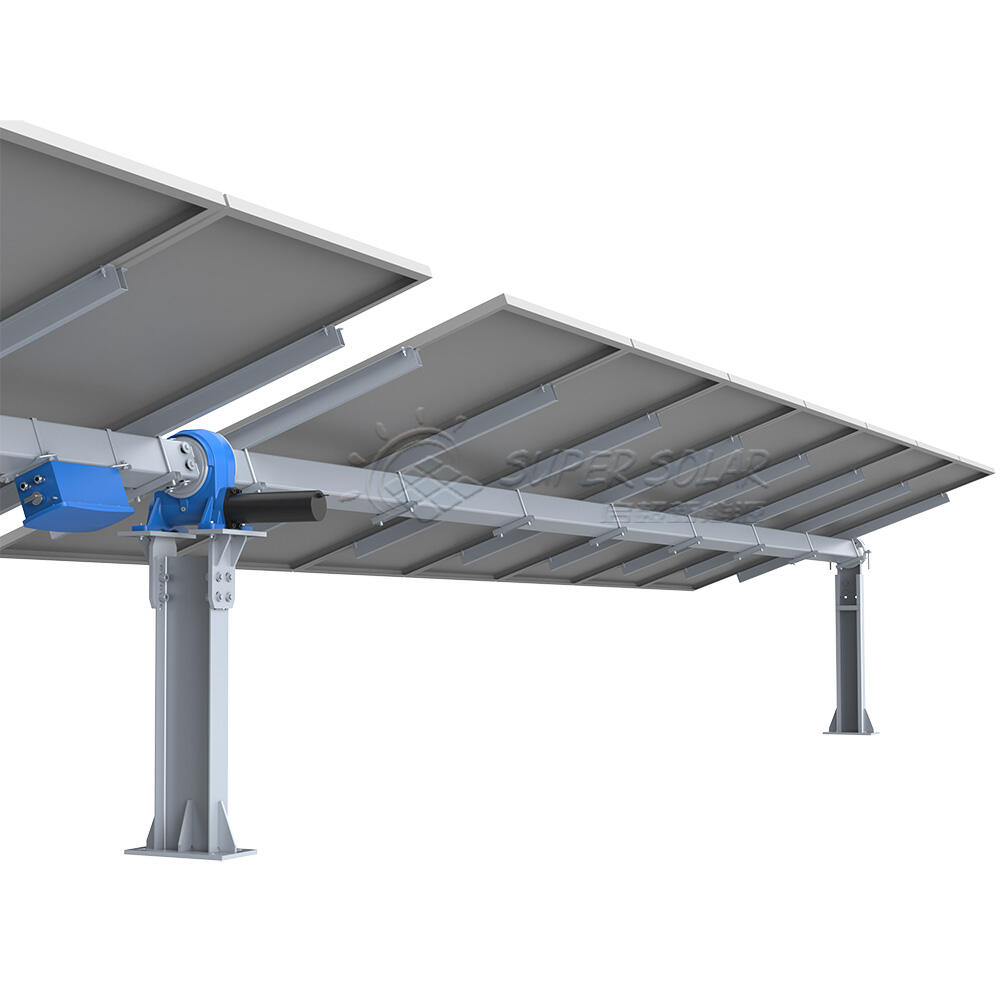
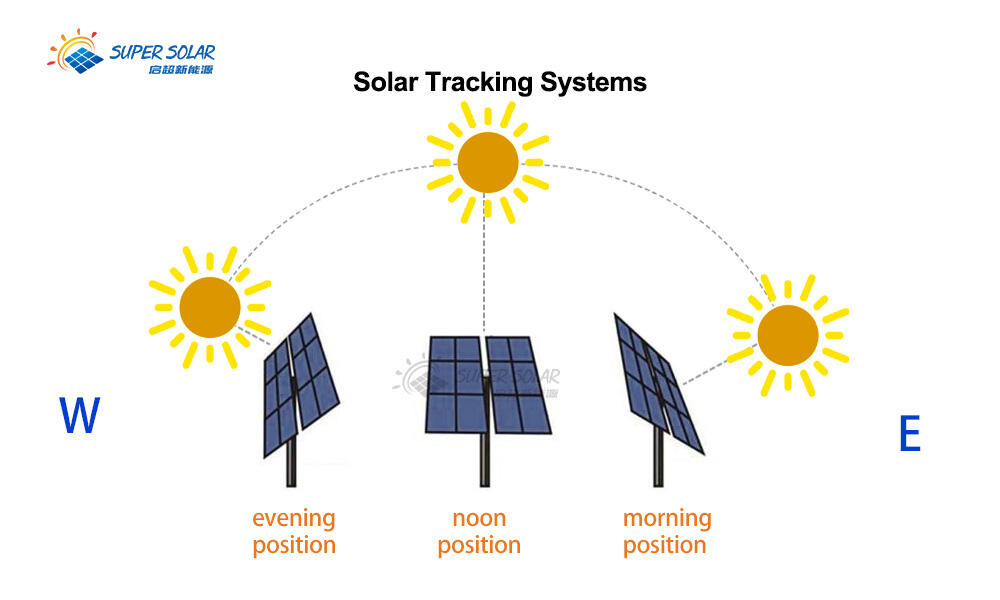
A solar tracking system for commercial solar farms represents a sophisticated technology that automatically adjusts solar panels to follow the sun's path throughout the day, maximizing energy capture and improving overall system performance. These advanced systems utilize precision motors, control algorithms, and sensor technology to rotate photovoltaic arrays from east to west, ensuring optimal panel positioning for maximum solar irradiance exposure. The primary function of a solar tracking system for commercial solar farms involves continuously monitoring the sun's position and adjusting panel angles accordingly, typically increasing energy production by 20-35% compared to fixed-tilt installations. The technological features include robust steel construction designed to withstand harsh weather conditions, intelligent control systems with GPS positioning, weather monitoring capabilities, and remote diagnostic tools. Most commercial solar tracking systems employ single-axis tracking, rotating panels along a horizontal north-south axis, though dual-axis systems exist for specialized applications. The control mechanisms integrate advanced software that calculates optimal positioning based on geographical location, time of year, and weather conditions. Safety features include automatic stowing positions during high winds and emergency shutdown protocols. Modern solar tracking system for commercial solar farms incorporates IoT connectivity, enabling real-time monitoring and performance analytics through cloud-based platforms. Applications span across utility-scale solar installations, commercial rooftops, agricultural solar projects, and ground-mounted solar arrays. The systems accommodate various panel types and configurations, making them versatile for different project requirements. Installation typically involves concrete foundations, mechanical drive systems, and electrical connections integrated with existing grid infrastructure. Maintenance requirements remain minimal due to robust engineering and self-diagnostic capabilities, while the modular design allows for scalable deployment across large commercial solar farms.
 EN
EN