Advanced Solar Tracking System for Bifacial Solar Panels - Maximum Energy Generation

All Categories

solar tracking system for bifacial solar panels

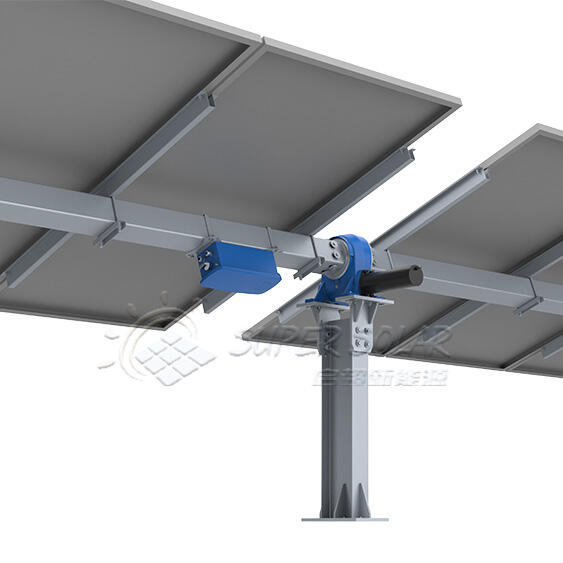
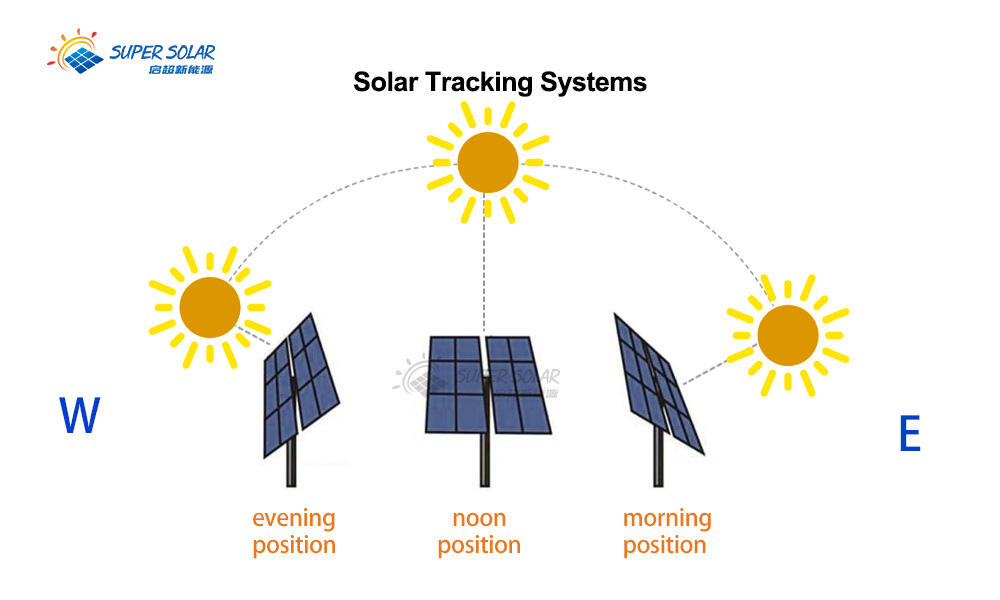
Solar tracking system for bifacial solar panels represents a revolutionary advancement in renewable energy technology, combining the benefits of dual-sided electricity generation with intelligent sun-following capabilities. This sophisticated system automatically adjusts the orientation of bifacial solar panels throughout the day, ensuring optimal positioning to capture maximum sunlight from both the front and rear surfaces of the panels. The primary function of a solar tracking system for bifacial solar panels involves continuous monitoring of solar position and automatic adjustment of panel angles to maintain perpendicular alignment with incoming solar radiation. The technological features include precision motors, advanced control algorithms, weather-resistant sensors, and robust mechanical components designed to withstand various environmental conditions. These systems typically employ either single-axis or dual-axis tracking mechanisms, with single-axis trackers following the sun's east-to-west movement and dual-axis systems additionally adjusting for seasonal elevation changes. The integration of smart monitoring technology allows real-time performance optimization and remote system management. Applications for solar tracking system for bifacial solar panels span across utility-scale solar farms, commercial installations, industrial facilities, and agricultural settings where agrivoltaics combines solar energy generation with farming activities. The system's versatility makes it suitable for various geographical locations and climate conditions, from desert installations to temperate regions. Modern solar tracking system for bifacial solar panels incorporate weather protection features, automatically positioning panels to minimize wind resistance and hail damage during adverse conditions. The combination of bifacial technology with tracking systems maximizes energy yield by capturing direct sunlight on the front surface while simultaneously collecting reflected light from the ground and surrounding environment on the rear surface, resulting in significantly higher electricity generation compared to fixed installations.

New Products

Solar tracking system for bifacial solar panels delivers substantial energy production increases, typically generating 25-35% more electricity compared to fixed bifacial installations and up to 45% more than traditional single-sided fixed panels. This enhanced performance directly translates to improved return on investment and faster payback periods for system owners. The increased electricity generation capability means fewer panels are required to meet specific energy targets, reducing overall system costs including mounting hardware, electrical components, and installation labor. Operational efficiency represents another significant advantage, as the solar tracking system for bifacial solar panels automatically optimizes panel positioning without human intervention, ensuring consistent peak performance throughout daylight hours across all seasons. The system's intelligent algorithms continuously calculate optimal positioning angles, accounting for seasonal sun path variations and local weather conditions to maximize energy capture. Maintenance requirements remain minimal due to robust engineering and weather-resistant components, with most systems requiring only periodic cleaning and basic mechanical inspections. The dual-surface energy generation capability of bifacial panels combined with tracking technology proves particularly beneficial in areas with high ground reflectivity, such as sandy or snowy environments, where reflected light significantly contributes to overall energy production. Economic benefits extend beyond increased electricity generation, as solar tracking system for bifacial solar panels often qualify for enhanced renewable energy incentives and can command premium rates in power purchase agreements due to superior performance characteristics. The technology's scalability accommodates projects ranging from small commercial installations to multi-megawatt utility developments, providing flexible solutions for diverse energy requirements. Environmental advantages include reduced land usage per megawatt of generating capacity, as higher energy density allows more power generation from smaller footprints. The system's ability to automatically adjust to optimal angles throughout the year ensures consistent high performance regardless of seasonal variations, providing reliable electricity generation that helps stabilize energy costs and reduces dependence on grid electricity. Long-term reliability and durability characteristics ensure decades of consistent performance, with many manufacturers offering extended warranties that guarantee system performance and mechanical reliability.

Practical Tips

What Is a Solar Tracker?

22

Jul

What Is a Solar Tracker?

Understanding Solar Trackers: Definition and Core Functions What Does a Solar Tracker Do? A solar tracker is a sophisticated device crucial for optimizing the performance of solar panels by orienting them towards the sun throughout the day. Its prim...
View More
Why Choose a Carport Photovoltaique for Residential Solar Solutions?

22

Jul

Why Choose a Carport Photovoltaique for Residential Solar Solutions?

Environmental Impact of Carport Photovoltaique Systems Reducing Carbon Footprint with Solar Energy Carport photovoltaic systems are instrumental in significantly diminishing our reliance on fossil fuels, which in turn lowers greenhouse gas emissions...
View More
How to Choose the Right Solar L Foot for Your Metal Roof

23

Sep

How to Choose the Right Solar L Foot for Your Metal Roof

Common roof sheet types (trapezoidal, corrugated, standing seam) When planning a solar mounting system on a metal roof project, understanding the roof sheet profile is essential. Trapezoidal, corrugated, and standing seam roofs each have unique desig...
View More
Smart Control in One Axis Trackers: Boosting Solar Efficiency

24

Nov

Smart Control in One Axis Trackers: Boosting Solar Efficiency

Revolutionizing Solar Energy Generation Through Intelligent Tracking Systems The solar energy industry continues to evolve rapidly, with one axis trackers emerging as a game-changing technology that maximizes energy capture and system efficiency. The...
View More

Leave Message

Our representative will contact you soon.
Email
Name
Company Name
Message
0/1000

solar tracking system for bifacial solar panels

Maximum Energy Harvesting Through Intelligent Dual-Surface Optimization

Maximum Energy Harvesting Through Intelligent Dual-Surface Optimization

Solar tracking system for bifacial solar panels represents the pinnacle of energy harvesting efficiency through its intelligent dual-surface optimization capabilities. This advanced technology maximizes electricity generation by simultaneously capturing direct sunlight on the front panel surface while leveraging reflected and diffused light on the rear surface. The system's sophisticated tracking algorithms continuously calculate the optimal panel angle to ensure maximum solar irradiance exposure throughout daylight hours, significantly outperforming fixed installations. The dual-surface energy collection capability proves especially valuable in environments with high albedo surfaces such as snow, sand, concrete, or water bodies, where ground reflection can contribute an additional 10-20% energy boost to overall generation. The intelligent optimization system considers multiple variables including solar elevation angle, azimuth position, weather conditions, and ground reflectivity to determine precise positioning for maximum energy capture. Advanced sensor technology continuously monitors environmental conditions and solar intensity, enabling real-time adjustments that maintain optimal performance even during partially cloudy conditions. The tracking mechanism ensures that bifacial panels maintain the ideal angle of incidence for incoming solar radiation, minimizing reflection losses and maximizing photon absorption on both surfaces. This comprehensive approach to energy harvesting results in dramatically improved capacity factors, with many installations achieving 35-40% higher annual energy yields compared to fixed bifacial systems. The technology's ability to extend peak generation periods throughout the day provides valuable grid stability benefits and reduces the need for energy storage systems. Furthermore, the optimized energy harvesting capability translates directly to improved project economics, enabling faster payback periods and higher internal rates of return for solar investments, making the solar tracking system for bifacial solar panels an increasingly attractive option for both commercial and utility-scale applications.
Advanced Weather-Adaptive Protection and Operational Intelligence

Advanced Weather-Adaptive Protection and Operational Intelligence

The solar tracking system for bifacial solar panels incorporates sophisticated weather-adaptive protection mechanisms and operational intelligence that ensure reliable performance and equipment longevity under diverse environmental conditions. This comprehensive protection system utilizes multiple sensors and predictive algorithms to automatically respond to weather threats, protecting valuable solar assets while maintaining optimal energy production during favorable conditions. Wind speed sensors continuously monitor environmental conditions and automatically position panels to minimize wind loading during high-wind events, preventing structural damage while maintaining system integrity. The intelligent stow position feature secures panels in aerodynamically optimal orientations during severe weather, significantly reducing wind-induced stress on mechanical components and panel frames. Advanced hail detection systems can identify approaching severe weather and automatically position panels to minimize hail impact damage, with some systems capable of rotating panels to near-vertical positions to deflect hail stones. Temperature monitoring ensures optimal performance across extreme climate conditions, with automatic adjustments to compensate for thermal expansion and contraction of mechanical components. The operational intelligence extends to predictive maintenance capabilities, where continuous monitoring of mechanical performance parameters enables early identification of potential issues before they result in system failures or reduced performance. Smart algorithms analyze historical performance data to predict optimal maintenance schedules and identify components approaching end-of-life conditions. Remote monitoring capabilities allow system operators to track performance metrics, receive real-time alerts about system status, and make adjustments without on-site visits, reducing operational costs and improving response times. The weather-adaptive features also include snow load management, where the system can automatically adjust panel angles to facilitate snow shedding and prevent excessive loading that could damage equipment. Integration with local weather forecasting services enables proactive positioning adjustments based on predicted conditions, optimizing both energy generation and equipment protection. This comprehensive approach to weather adaptation and operational intelligence ensures that the solar tracking system for bifacial solar panels maintains high availability and performance reliability, critical factors for commercial viability and long-term investment success.
Scalable Installation Flexibility and Grid Integration Benefits

Scalable Installation Flexibility and Grid Integration Benefits

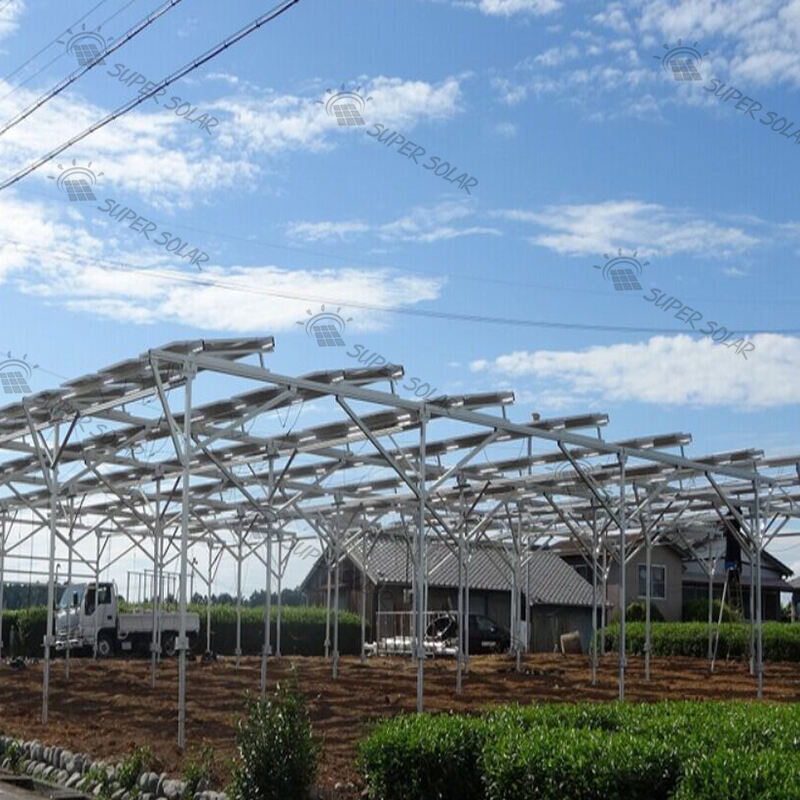
Solar tracking system for bifacial solar panels offers exceptional scalability and installation flexibility that accommodates diverse project requirements while providing significant grid integration benefits for modern energy infrastructure. The modular design approach enables seamless scaling from small commercial installations to multi-hundred megawatt utility projects, with standardized components and installation procedures that reduce complexity and costs across all project sizes. Installation flexibility extends to various terrain conditions, with tracking systems engineered to accommodate slopes up to 20% grade and adapt to irregular ground conditions that would challenge fixed mounting systems. The distributed tracking architecture allows independent operation of individual tracking units, ensuring that mechanical issues or maintenance activities on one tracker don't affect overall system performance. This distributed approach also enables phased construction and commissioning, allowing project developers to bring portions of large installations online progressively, improving cash flow and reducing construction risks. The solar tracking system for bifacial solar panels provides valuable grid integration benefits through enhanced generation profiles that better match utility demand patterns. The extended daily generation period created by tracking technology produces more consistent power output throughout daylight hours, reducing grid stress during peak demand periods and providing valuable capacity during morning and evening hours when fixed systems show reduced output. The predictable generation patterns enable improved grid planning and reduce the need for peaking power plants, contributing to overall grid stability and reducing energy costs. Advanced grid-tie capabilities include power factor correction, voltage regulation support, and frequency response features that help maintain grid stability as renewable energy penetration increases. The system's ability to provide firm capacity during peak demand periods makes it increasingly valuable for utility procurement strategies and power purchase agreements. Integration with energy storage systems creates hybrid installations that provide dispatchable renewable energy, combining the high energy yield of tracked bifacial technology with the grid services capabilities of battery storage. The flexible installation options accommodate various land use scenarios, including agrivoltaics applications where elevated tracking systems allow continued agricultural activities beneath the panels. This land use efficiency proves particularly valuable in regions where available land is limited or expensive, enabling solar development without competing directly with agricultural or commercial land uses.

Leave Message

Our representative will contact you soon.
Email
Name
Company Name
Message
0/1000