Advanced Solar Tracking System for Hybrid Energy Solutions - Maximize Power Generation Efficiency

All Categories

solar tracking system for hybrid energy solutions

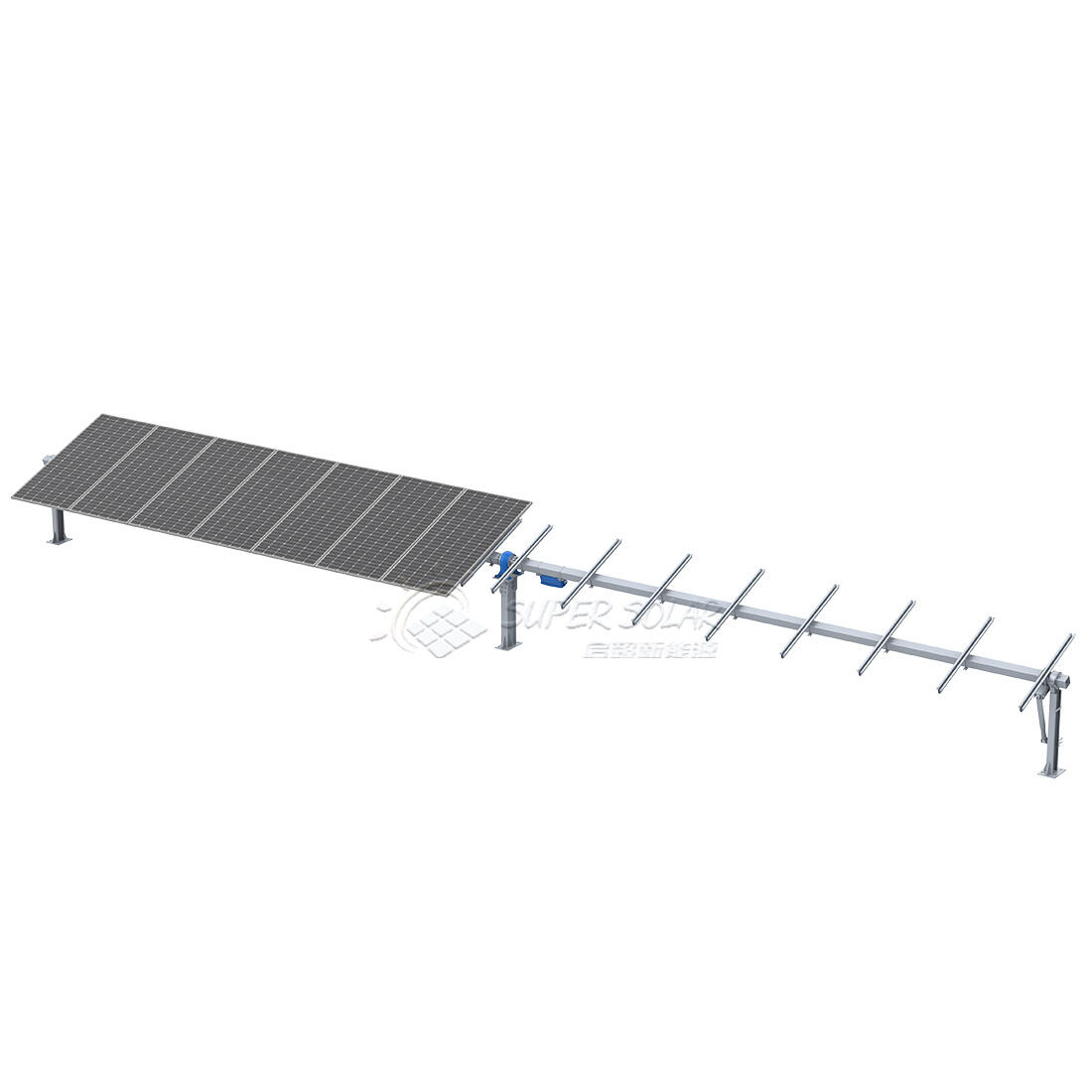
The solar tracking system for hybrid energy solutions represents a cutting-edge technology that maximizes renewable energy generation by intelligently positioning solar panels to follow the sun's path throughout the day. This sophisticated system combines photovoltaic panels with advanced tracking mechanisms, creating an integrated approach that significantly enhances energy capture efficiency compared to fixed solar installations. The primary function of this solar tracking system for hybrid energy solutions involves automatically adjusting panel orientation to maintain optimal sun exposure angles, ensuring maximum solar irradiance absorption from sunrise to sunset. The technological framework incorporates precision motors, weather-resistant sensors, and intelligent control systems that work seamlessly together to optimize energy production. These systems utilize dual-axis or single-axis tracking mechanisms, with dual-axis configurations providing superior performance by adjusting both horizontal and vertical positioning throughout seasonal changes. The solar tracking system for hybrid energy solutions integrates seamlessly with existing power infrastructure, including battery storage systems, grid connections, and backup generators, creating comprehensive energy management solutions. Advanced microprocessor controls enable real-time monitoring and adjustment capabilities, while built-in safety features protect equipment during adverse weather conditions. The system's modular design allows for scalable implementations, making it suitable for residential, commercial, and industrial applications. Weather compensation algorithms ensure optimal performance across various environmental conditions, while predictive maintenance features minimize downtime and extend system longevity. Remote monitoring capabilities enable users to track performance metrics, energy production data, and system health status through web-based interfaces or mobile applications. The solar tracking system for hybrid energy solutions incorporates smart grid compatibility, enabling bidirectional energy flow and grid stabilization support. Applications span across agricultural operations, telecommunications facilities, remote installations, and utility-scale power generation projects, demonstrating versatility across multiple sectors.

New Product Recommendations

The solar tracking system for hybrid energy solutions delivers substantial benefits that transform renewable energy investment returns and operational efficiency. Users experience dramatically increased energy production, with tracking systems generating 25-35% more electricity compared to stationary panel installations. This enhanced output directly translates to faster return on investment and reduced payback periods, making renewable energy projects more financially attractive. The system automatically optimizes panel positioning throughout daylight hours, eliminating manual adjustments and reducing labor costs associated with maintenance activities. Advanced weather monitoring capabilities protect valuable equipment by automatically positioning panels in safe configurations during high winds, hail storms, or extreme weather events, significantly reducing insurance costs and equipment replacement expenses. The solar tracking system for hybrid energy solutions maximizes land utilization efficiency by generating more power per square foot of installation area, particularly valuable for properties with limited space availability. Integration capabilities with existing electrical infrastructure minimize installation complexity and reduce overall project costs, while maintaining compatibility with various inverter types and battery storage solutions. Users benefit from enhanced grid independence through improved energy generation consistency, reducing reliance on utility power during peak demand periods when electricity rates are highest. The system's intelligent control features enable predictive maintenance scheduling, preventing costly breakdowns and extending equipment lifespan through proactive component monitoring. Remote diagnostic capabilities allow technicians to identify and resolve issues quickly, minimizing system downtime and maintaining optimal performance levels. Energy production forecasting features help users plan consumption patterns and optimize battery charging schedules, maximizing self-consumption rates and reducing grid dependency. The solar tracking system for hybrid energy solutions provides scalable expansion options, allowing users to add capacity incrementally as energy needs grow without requiring complete system redesigns. Automated cleaning cycles and debris removal features reduce maintenance requirements while ensuring consistent performance throughout seasonal changes. Advanced data analytics provide detailed insights into energy production patterns, helping users optimize consumption habits and identify additional efficiency opportunities. The system's modular architecture ensures easy component replacement and upgrades, protecting long-term investment value and enabling technology advancement adoption without complete system replacement.

Tips And Tricks

What Is a Single-Axis Solar Tracker?

22

Jul

What Is a Single-Axis Solar Tracker?

What Is a Single-Axis Solar Tracker? Definition and Basic Functionality A single-axis solar tracker is a sophisticated device designed to enhance the efficiency of solar energy systems by orienting solar panels toward the sun as it moves across the ...
View More
A Guide to Choosing the Best Residential Solar Carport System

20

Aug

A Guide to Choosing the Best Residential Solar Carport System

The Rising Popularity of Solar Carports in Residential Homes As the demand for renewable energy solutions continues to grow, the solar carport has become one of the most practical and efficient ways for homeowners to generate electricity. Unlike trad...
View More
5 Reasons Installers Prefer Solar L Feet for Metal Roof Projects

23

Sep

5 Reasons Installers Prefer Solar L Feet for Metal Roof Projects

Why metal roof projects are growing The rise of the metal roof project is no accident. More property owners and businesses are turning to this type of roofing for its durability, aesthetics, and ability to support solar energy systems. Unlike traditi...
View More
L-Foot Solar Mounts Explained: Simple & Affordable

24

Nov

L-Foot Solar Mounts Explained: Simple & Affordable

Understanding the Fundamentals of Solar Panel Mounting Systems The solar industry continues to evolve rapidly, and mounting solutions play a crucial role in successful installations. L-foot solar mounts have emerged as one of the most reliable and co...
View More

Leave Message

Our representative will contact you soon.
Email
Name
Company Name
Message
0/1000

solar tracking system for hybrid energy solutions

Advanced Dual-Axis Tracking Technology for Maximum Energy Capture

Advanced Dual-Axis Tracking Technology for Maximum Energy Capture

The solar tracking system for hybrid energy solutions features state-of-the-art dual-axis tracking technology that revolutionizes energy capture efficiency through precise sun-following capabilities. This sophisticated mechanism adjusts panels along both horizontal and vertical axes, maintaining optimal perpendicular positioning relative to solar radiation throughout the entire day and across seasonal variations. Unlike single-axis systems that only track east-west movement, dual-axis tracking compensates for seasonal sun angle changes, delivering consistent peak performance year-round. The precision tracking mechanism utilizes high-resolution sensors and GPS coordinates to calculate optimal positioning algorithms, ensuring panels maintain ideal angles within one-degree accuracy. Advanced motor control systems provide smooth, quiet operation while consuming minimal parasitic power, typically less than 3% of total energy production. Weather-adaptive algorithms automatically adjust tracking parameters based on cloud cover conditions, atmospheric visibility, and seasonal solar patterns, optimizing energy capture even during partially overcast days. The system incorporates fail-safe positioning features that secure panels in optimal stationary positions during maintenance periods or adverse weather conditions, protecting equipment integrity while maintaining energy production capabilities. Intelligent tracking schedules minimize mechanical wear by reducing unnecessary movements during low-light conditions, extending system lifespan and reducing maintenance requirements. The dual-axis configuration enables the solar tracking system for hybrid energy solutions to capture early morning and late evening sunlight that fixed installations typically miss, extending daily production hours significantly. Precision backlash compensation eliminates tracking errors caused by mechanical tolerances, ensuring accurate positioning throughout the system's operational lifetime. Advanced calibration procedures automatically maintain tracking accuracy over time, compensating for foundation settling, thermal expansion, and component aging effects that could compromise performance in conventional systems.
Seamless Hybrid Energy Integration with Smart Grid Compatibility

Seamless Hybrid Energy Integration with Smart Grid Compatibility

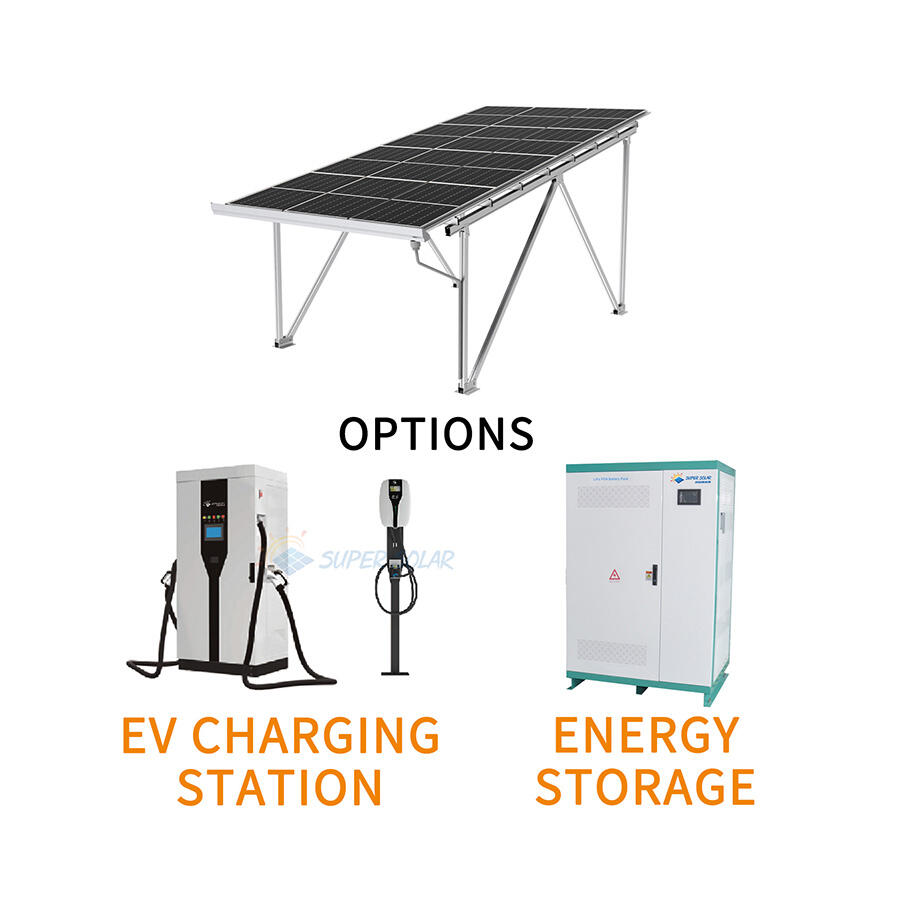
The solar tracking system for hybrid energy solutions excels in seamlessly integrating multiple energy sources through intelligent management systems that optimize power generation, storage, and distribution across hybrid configurations. This comprehensive integration capability allows the system to work harmoniously with battery storage arrays, backup generators, wind turbines, and grid connections, creating unified energy ecosystems that maximize efficiency and reliability. Smart inverter technology enables bidirectional power flow management, automatically switching between energy sources based on availability, demand patterns, and economic optimization parameters. The system's advanced energy management software continuously monitors production capacity, storage levels, and consumption patterns, making real-time decisions to optimize energy utilization and minimize costs. Grid-tie capabilities with net metering support enable users to sell excess energy back to utilities during peak production periods while drawing power during high-demand times, maximizing economic benefits. Battery integration features include intelligent charging algorithms that optimize storage cycles based on weather forecasts, electricity rate schedules, and historical consumption data, extending battery life while ensuring adequate backup power availability. The solar tracking system for hybrid energy solutions incorporates load prioritization features that automatically manage power distribution to critical systems during outages or low-production periods. Communication protocols compatible with smart home systems, building management systems, and industrial control networks enable centralized monitoring and control capabilities across entire facility energy infrastructures. Demand response capabilities allow the system to participate in utility programs that provide financial incentives for load shifting and peak demand reduction. Advanced forecasting algorithms predict energy production and consumption patterns up to seven days in advance, enabling proactive energy management decisions and optimal battery charging schedules. Micro-grid formation capabilities enable multiple installations to operate collectively during grid outages, providing community-wide backup power solutions. The system supports various communication standards including Modbus, Ethernet, and wireless protocols, ensuring compatibility with existing monitoring and control infrastructure while enabling remote management capabilities.
Weather-Resistant Design with Predictive Maintenance Intelligence

Weather-Resistant Design with Predictive Maintenance Intelligence

The solar tracking system for hybrid energy solutions incorporates robust weather-resistant engineering combined with predictive maintenance intelligence to ensure reliable operation across diverse environmental conditions while minimizing lifecycle costs. The system's structural design withstands extreme weather events including high winds up to 150 mph, heavy snow loads, and severe temperature fluctuations ranging from -40°F to 180°F, meeting or exceeding international standards for outdoor electrical equipment. Corrosion-resistant materials including marine-grade aluminum alloys and stainless steel components ensure long-term durability in coastal, industrial, and harsh environmental applications. IP65-rated enclosures protect sensitive electronic components from dust, moisture, and environmental contaminants while maintaining optimal operating temperatures through intelligent thermal management systems. Advanced vibration dampening technologies minimize mechanical stress on tracking components, extending operational lifespan and maintaining precision positioning accuracy over decades of operation. The predictive maintenance system continuously monitors component health through embedded sensors that track motor performance, bearing temperatures, gear wear patterns, and electrical system parameters. Machine learning algorithms analyze operational data to identify potential failure patterns weeks or months before actual component failures occur, enabling proactive maintenance scheduling that prevents costly breakdowns. Automated diagnostic routines perform comprehensive system health checks during low-production periods, identifying calibration drift, mechanical wear, and performance degradation trends. Remote monitoring capabilities enable technical support teams to diagnose issues and provide solutions without on-site visits, reducing maintenance costs and minimizing system downtime. The solar tracking system for hybrid energy solutions includes automated cleaning cycles that activate based on dust accumulation sensors and weather conditions, maintaining optimal panel efficiency without manual intervention. Lightning protection systems with surge suppressors and grounding networks protect valuable equipment from electrical damage during storms. Self-diagnostic features continuously verify sensor accuracy, motor performance, and control system functionality, automatically initiating corrective actions or alerting operators to required interventions. Component lifecycle tracking provides detailed maintenance histories and replacement scheduling recommendations, optimizing spare parts inventory and maintenance planning activities.

Leave Message

Our representative will contact you soon.
Email
Name
Company Name
Message
0/1000