Customizable Solar Roof Mounting Systems - Universal Compatibility & Enhanced Performance

All Categories

customizable solar roof mounting

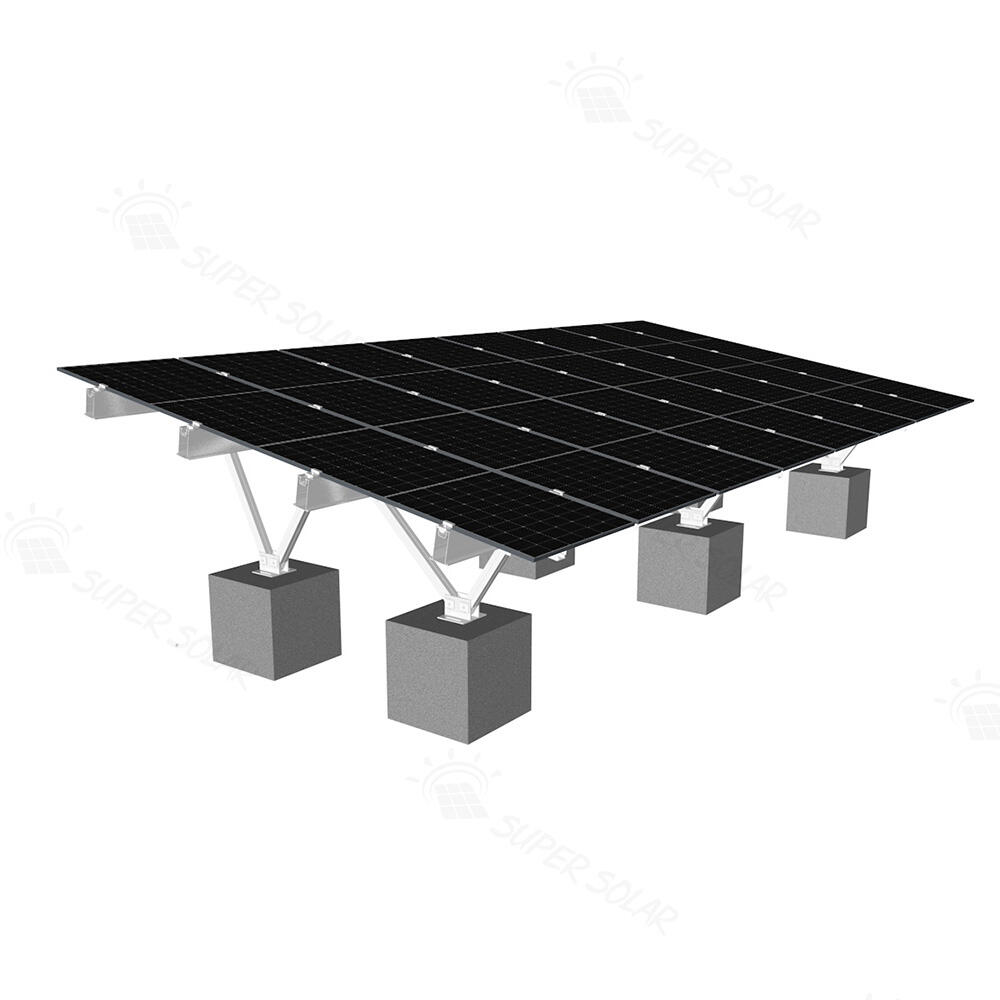
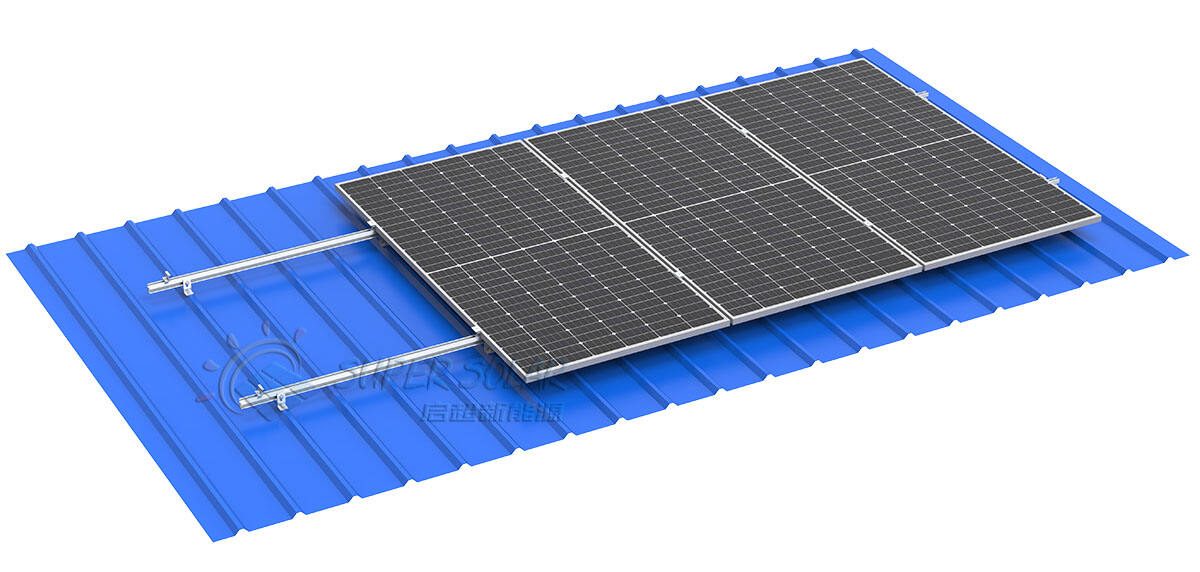
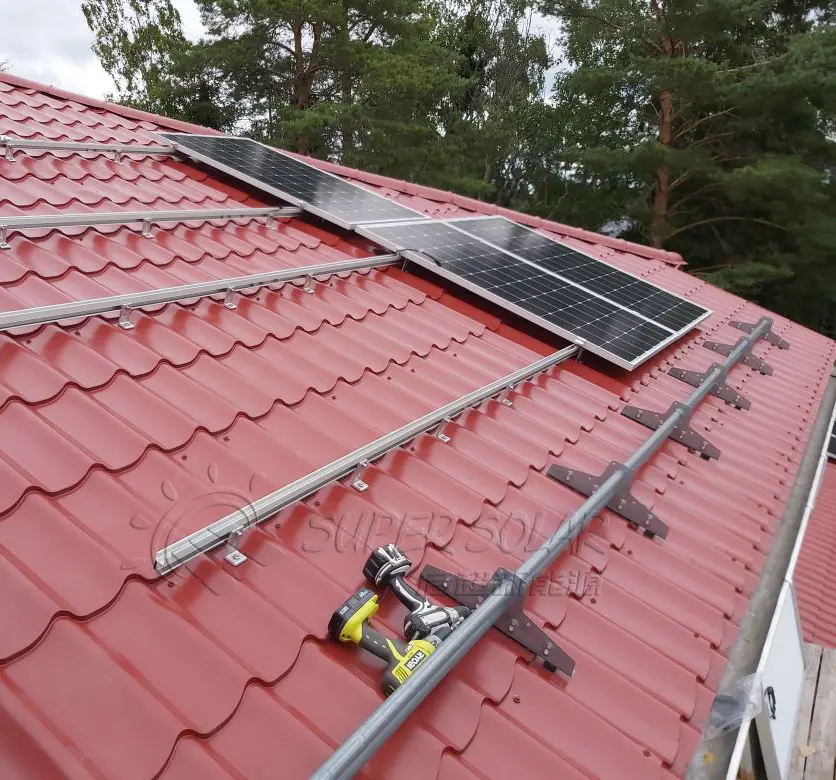
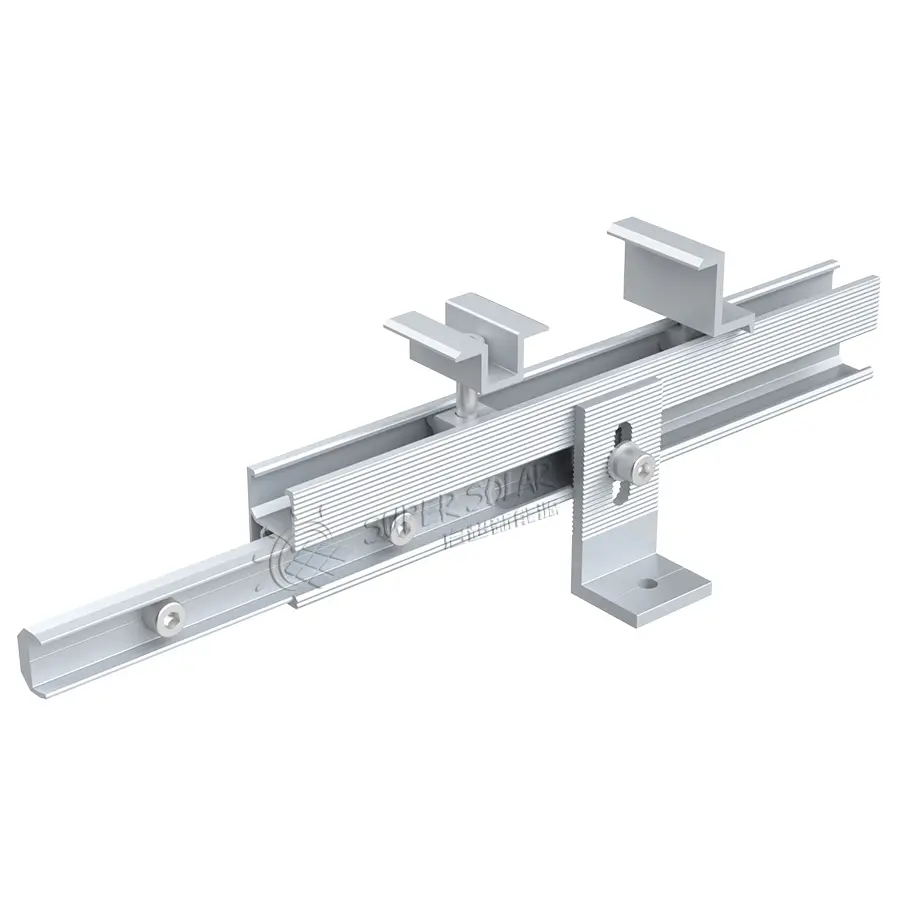
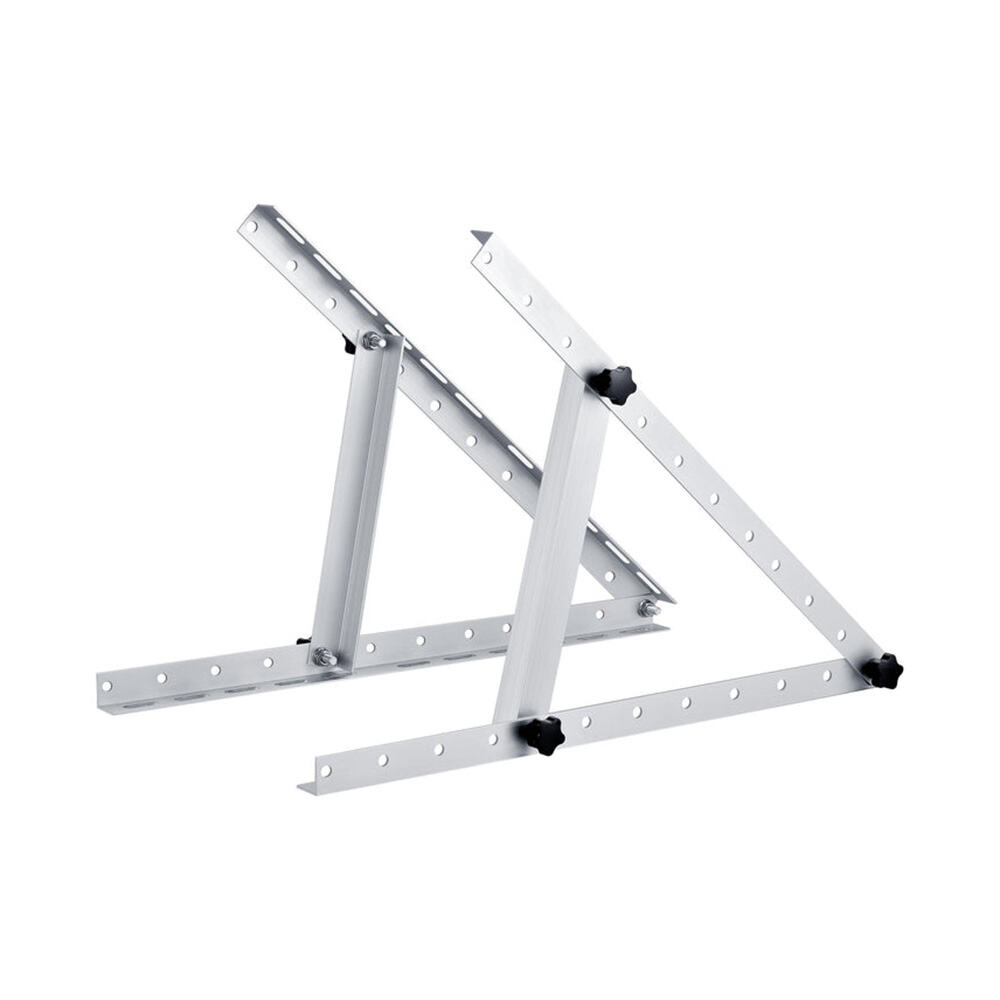
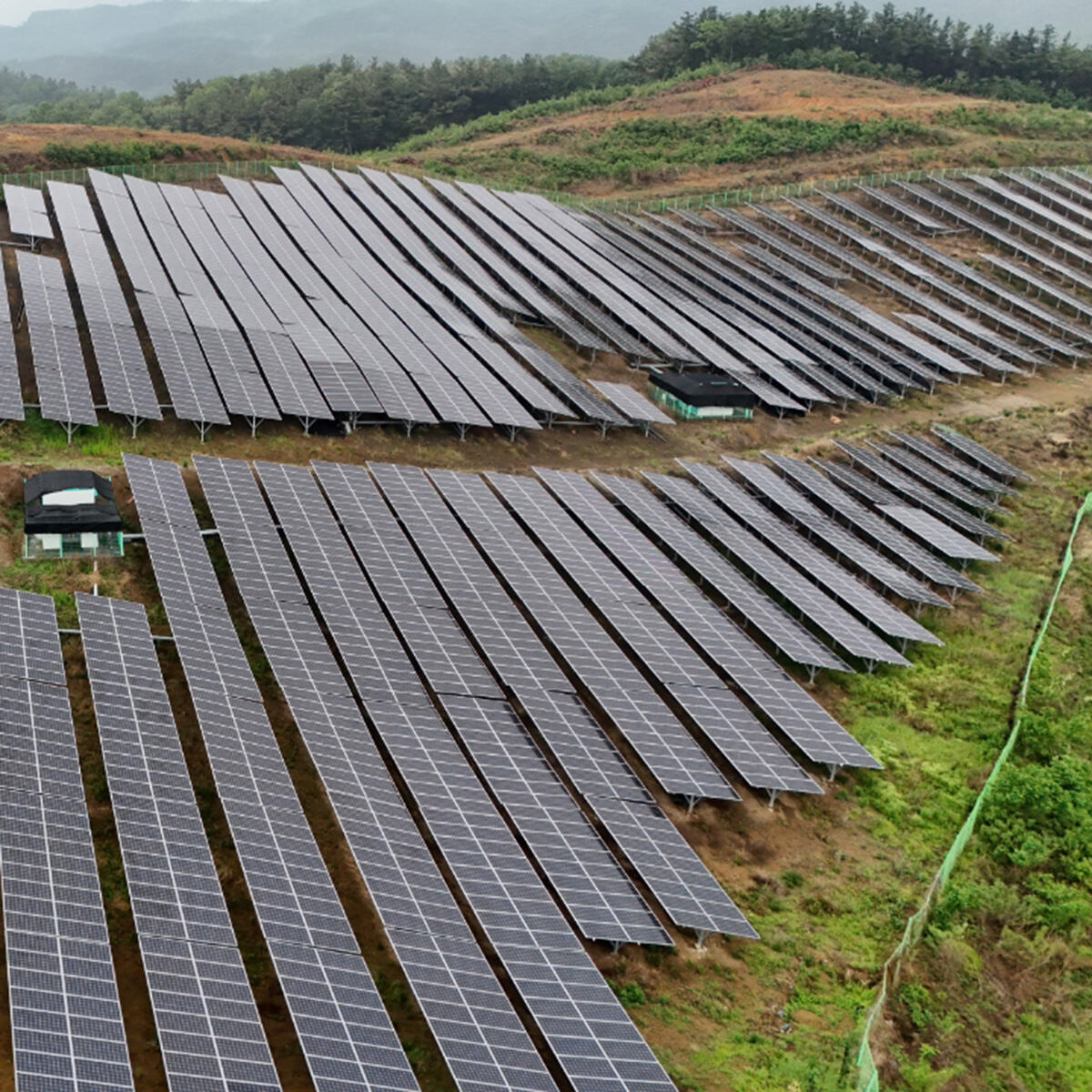
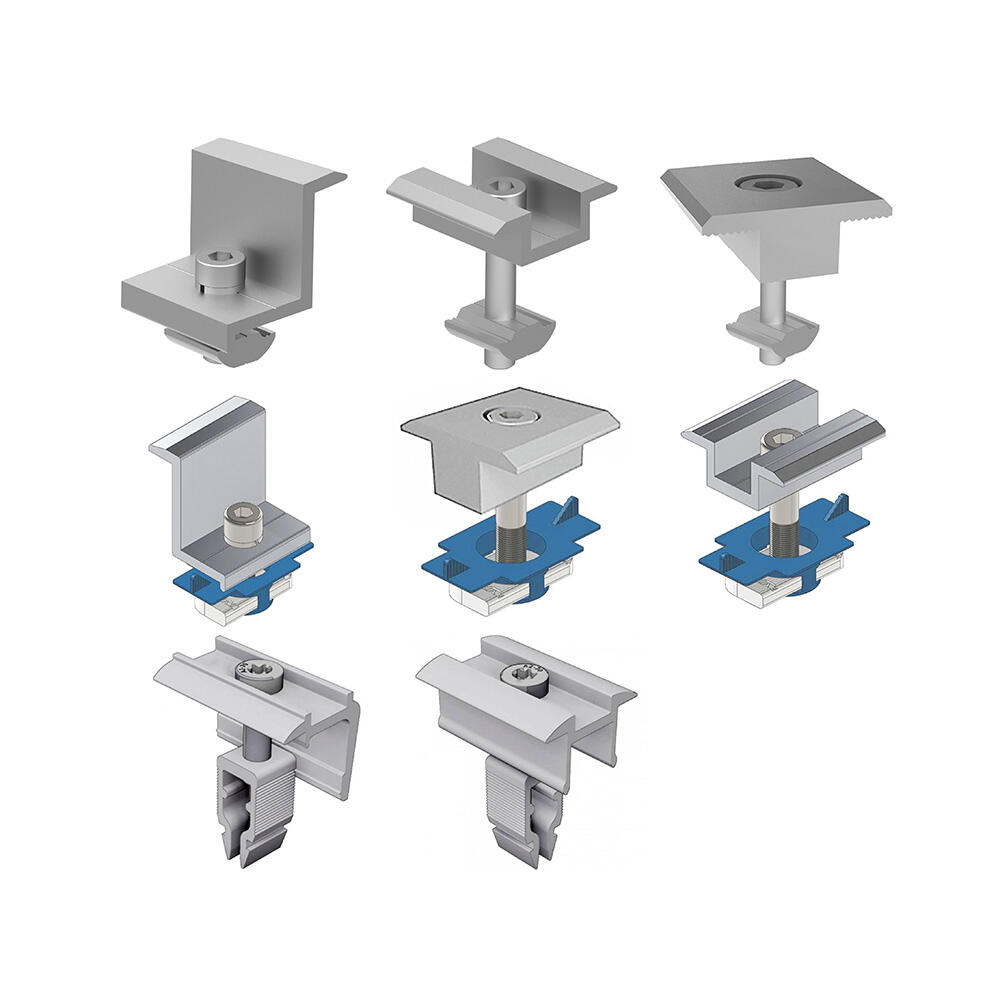
Customizable solar roof mounting systems represent a revolutionary approach to solar energy installation, offering unprecedented flexibility and adaptability for diverse rooftop configurations. These innovative mounting solutions are engineered to accommodate various roof types, angles, and structural requirements while ensuring optimal solar panel performance and long-term durability. The customizable solar roof mounting technology integrates advanced engineering principles with practical installation considerations, providing property owners with tailored solutions that maximize energy generation potential. The primary function of customizable solar roof mounting systems centers on secure panel attachment while maintaining structural integrity of the underlying roof structure. These systems feature adjustable components that can be configured to match specific roof pitch angles, spacing requirements, and load distribution needs. The mounting hardware incorporates weather-resistant materials designed to withstand extreme environmental conditions including high winds, heavy snow loads, and thermal expansion cycles. Advanced rail systems provide versatile positioning options, allowing installers to optimize panel placement for maximum solar exposure throughout the day. The technological features of customizable solar roof mounting include modular design components that can be mixed and matched according to project specifications. Precision-engineered clamps and brackets ensure secure panel attachment while facilitating easy maintenance access. Integrated grounding systems provide electrical safety compliance while streamlined installation processes reduce labor costs and project timelines. Applications for customizable solar roof mounting span residential, commercial, and industrial sectors. Homeowners benefit from systems designed to complement architectural aesthetics while maximizing available roof space. Commercial properties utilize scalable mounting solutions that accommodate large-scale installations across complex roof geometries. Industrial facilities leverage heavy-duty mounting systems capable of supporting extensive solar arrays while meeting stringent structural requirements. The versatility of customizable solar roof mounting makes it suitable for retrofit installations on existing buildings as well as new construction projects where solar integration is planned from the design phase.

New Product Releases

Customizable solar roof mounting systems deliver significant advantages that make solar installations more efficient, cost-effective, and reliable for property owners. The primary benefit lies in the system's ability to adapt to virtually any roof configuration, eliminating the need for expensive structural modifications or compromises in panel placement. This flexibility translates directly into higher energy production because panels can be positioned at optimal angles and orientations regardless of existing roof constraints. Property owners save substantial money during installation because customizable solar roof mounting reduces labor requirements and minimizes the need for specialized tools or equipment. The modular design allows installers to work more efficiently, completing projects faster while maintaining high quality standards. This efficiency reduces overall project costs and allows homeowners and businesses to start generating solar energy sooner. The durability advantages of customizable solar roof mounting ensure long-term performance and minimal maintenance requirements. Premium materials resist corrosion, UV degradation, and thermal stress, protecting both the mounting system and the roof structure over decades of service. This longevity provides excellent return on investment because the mounting system maintains its structural integrity and performance throughout the solar panels' operational lifetime. Safety improvements represent another crucial advantage of customizable solar roof mounting systems. Engineered attachment points distribute loads evenly across roof structures, preventing damage from wind uplift or snow accumulation. Integrated grounding systems ensure electrical safety while secure panel attachment reduces risks associated with loose or improperly mounted equipment. Installation crews benefit from safer working conditions because standardized mounting procedures reduce complexity and potential hazards. Maintenance advantages become apparent over time as customizable solar roof mounting systems provide easy access to panels and electrical components. Modular designs allow for individual component replacement without disturbing the entire array, reducing maintenance costs and system downtime. Regular cleaning and inspection procedures are simplified because mounting systems are designed with service accessibility in mind. The aesthetic advantages of customizable solar roof mounting help property owners maintain architectural integrity while adding solar capabilities. Low-profile designs minimize visual impact while flexible positioning options allow panels to complement existing rooflines and features. This aesthetic consideration is particularly important for residential applications where property values and neighborhood standards must be maintained. Energy production advantages result from the precise positioning capabilities of customizable solar roof mounting systems, which ensure optimal panel angles and spacing for maximum sunlight capture throughout the year.

Practical Tips

5 Reasons Installers Prefer Solar L Feet for Metal Roof Projects

23

Sep

5 Reasons Installers Prefer Solar L Feet for Metal Roof Projects

Why metal roof projects are growing The rise of the metal roof project is no accident. More property owners and businesses are turning to this type of roofing for its durability, aesthetics, and ability to support solar energy systems. Unlike traditi...
View More
How to Choose the Right Solar L Foot for Your Metal Roof

23

Sep

How to Choose the Right Solar L Foot for Your Metal Roof

Common roof sheet types (trapezoidal, corrugated, standing seam) When planning a solar mounting system on a metal roof project, understanding the roof sheet profile is essential. Trapezoidal, corrugated, and standing seam roofs each have unique desig...
View More
The Ultimate Guide to Installing Solar L Feet on Metal Roofs

23

Sep

The Ultimate Guide to Installing Solar L Feet on Metal Roofs

Pre-installation preparation (roof inspection, tools needed) Conducting a roof inspection before installation Before starting any metal roof project, the roof must be carefully inspected. Installers should check for rust, loose panels, or structural ...
View More
Solar Mounting Solutions for Metal Roofs: A Complete Guide for Installers and Distributors

23

Sep

Solar Mounting Solutions for Metal Roofs: A Complete Guide for Installers and Distributors

Introduction Growing demand for solar on metal roofs in commercial & industrial projects The demand for Solar Mounting Solutions for Metal Roofs has increased rapidly across commercial and industrial projects. Metal roofs offer durability, strength,...
View More

Leave Message

Our representative will contact you soon.
Email
Name
Company Name
Message
0/1000

customizable solar roof mounting

Universal Roof Compatibility and Adaptive Design

Universal Roof Compatibility and Adaptive Design

The universal compatibility feature of customizable solar roof mounting systems represents a breakthrough in solar installation technology, enabling seamless integration across diverse roofing materials and architectural styles. This adaptive capability addresses one of the most significant challenges in solar adoption by eliminating compatibility barriers that previously limited installation options for many property owners. The system accommodates tile roofs, metal roofing, asphalt shingles, slate, and even unconventional roofing materials through specialized attachment mechanisms designed for each surface type. The engineering excellence behind this universal compatibility stems from extensive research and development efforts that analyzed thousands of roof configurations and structural requirements. Advanced mounting hardware incorporates adjustable components that can be fine-tuned to match specific roof characteristics including pitch angles ranging from flat installations to steep residential roofs exceeding 45-degree slopes. This flexibility ensures that customizable solar roof mounting systems deliver optimal performance regardless of existing architectural constraints or regional building styles. Property owners benefit tremendously from this universal compatibility because it expands their solar options without requiring expensive roof modifications or structural reinforcements. Traditional mounting systems often force compromises in panel placement or require costly roof alterations to accommodate standard hardware configurations. Customizable solar roof mounting eliminates these limitations by adapting to existing conditions rather than forcing roofs to adapt to mounting requirements. The value proposition extends beyond mere compatibility to encompass enhanced system performance through optimized positioning. When mounting systems can adapt perfectly to roof characteristics, solar panels achieve ideal orientations and spacing that maximize energy capture throughout daily and seasonal cycles. This optimization translates into higher electricity generation and improved return on investment for system owners. Installation professionals appreciate the universal compatibility because it simplifies project planning and reduces the need for custom fabrication or specialized tools. Standardized components that adapt to various applications streamline inventory requirements while reducing training needs for installation crews. This efficiency benefits both installers and property owners through reduced project costs and faster completion timelines. The long-term reliability of universal compatibility ensures that customizable solar roof mounting systems maintain their adaptive advantages throughout their operational lifetime, providing decades of reliable service across any roof type or configuration.
Enhanced Structural Integrity and Load Distribution

Enhanced Structural Integrity and Load Distribution

Enhanced structural integrity represents a cornerstone advantage of customizable solar roof mounting systems, providing superior load distribution and protection for underlying roof structures through advanced engineering and materials science. This critical feature addresses fundamental concerns about adding solar installations to existing buildings while ensuring long-term structural safety and performance. The sophisticated load distribution mechanisms built into customizable solar roof mounting systems prevent concentrated stress points that could compromise roof integrity over time. Traditional mounting approaches often create localized stress concentrations that can lead to structural damage, leaks, or premature roof failure. Customizable solar roof mounting systems distribute panel weights and environmental loads across multiple attachment points, reducing stress on individual roof components while enhancing overall system stability. The engineering principles behind enhanced structural integrity incorporate comprehensive analysis of wind loads, snow accumulation, thermal expansion, and seismic forces that solar installations must withstand throughout their operational lifetime. Customizable solar roof mounting systems are designed with safety factors that exceed industry standards, providing confidence for property owners and building officials who must approve solar installations. Advanced materials selection ensures that mounting components maintain their structural properties under extreme environmental conditions including temperature fluctuations, moisture exposure, and UV radiation. Property owners gain significant peace of mind from the enhanced structural integrity because their roof investments are protected while adding valuable solar capabilities. Insurance companies and building inspectors recognize the superior engineering of customizable solar roof mounting systems, often resulting in smoother approval processes and potential insurance benefits for property owners. The structural integrity advantages extend to earthquake-prone regions where seismic loads require specialized mounting considerations. Customizable solar roof mounting systems incorporate flexible connection details that accommodate building movement while maintaining secure panel attachment and electrical continuity. This seismic resilience protects both the solar investment and the underlying structure during seismic events. Maintenance advantages emerge from the enhanced structural integrity because properly distributed loads reduce wear and stress on mounting components over time. This longevity translates into lower maintenance costs and extended system lifespans that enhance the overall value proposition of solar investments. Installation professionals benefit from working with mounting systems that provide clear load paths and predictable structural behavior, reducing liability concerns and simplifying engineering calculations required for permit approvals.
Streamlined Installation Process and Modular Flexibility

Streamlined Installation Process and Modular Flexibility

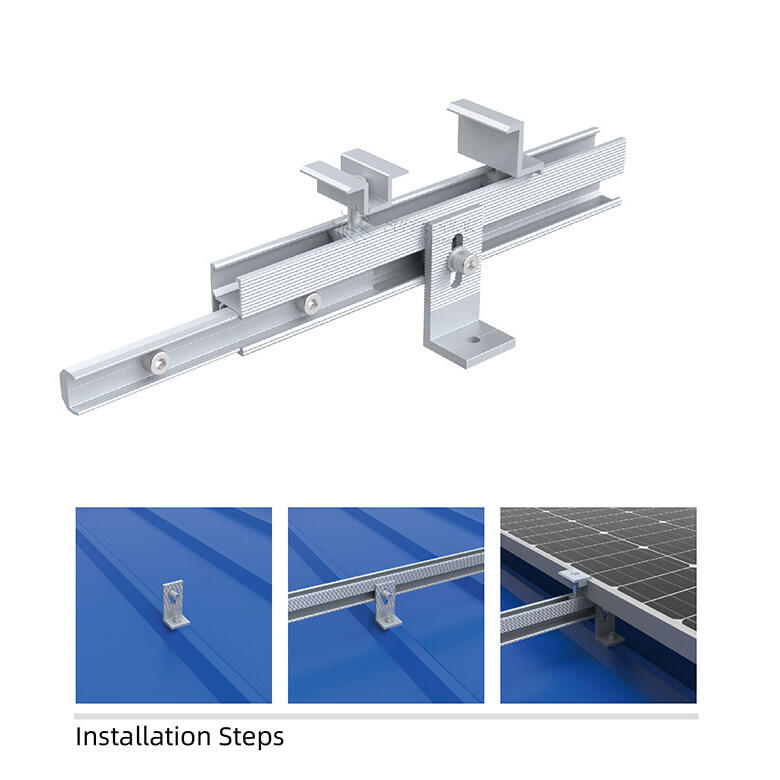
The streamlined installation process enabled by customizable solar roof mounting systems revolutionizes solar deployment through modular flexibility that reduces complexity, labor requirements, and project timelines while maintaining superior quality standards. This innovative approach transforms solar installation from a complex, time-intensive process into an efficient, systematic procedure that benefits installers, property owners, and the broader solar industry. The modular design philosophy underlying customizable solar roof mounting systems breaks complex installations into manageable components that can be assembled systematically on-site. Each module is precision-engineered to integrate seamlessly with other system components, eliminating guesswork and reducing the potential for installation errors that can compromise system performance or safety. This systematic approach enables installation crews to work more efficiently while maintaining consistent quality across diverse project types and scales. Pre-engineered components arrive at installation sites ready for assembly, reducing on-site fabrication requirements and minimizing the specialized tools needed for successful installations. This preparation streamlines the installation process because crews can focus on proper assembly and positioning rather than complex measurements, cutting, or custom modifications that consume time and introduce variability. The efficiency gains translate directly into cost savings for property owners while enabling installation companies to complete more projects with existing crew resources. Training advantages emerge from the streamlined installation process because standardized procedures and modular components simplify skill requirements for installation crews. New technicians can achieve competency faster while experienced installers can work more efficiently across different project types. This training efficiency helps address workforce development challenges in the rapidly growing solar industry while ensuring consistent installation quality. Quality control benefits result from the systematic installation process enabled by modular flexibility in customizable solar roof mounting systems. Standardized procedures and pre-engineered components reduce variables that can affect installation quality while providing clear checkpoints throughout the installation process. This systematic approach minimizes callbacks and warranty issues while enhancing customer satisfaction with their solar investments. Project scheduling advantages become apparent as streamlined installation processes provide more predictable timelines that benefit both installers and property owners. Reduced installation complexity means fewer weather delays and fewer dependencies on specialized equipment or personnel, resulting in more reliable project completion dates and improved customer experiences throughout the solar adoption process.

Leave Message

Our representative will contact you soon.
Email
Name
Company Name
Message
0/1000