Premium Solar Mounting Systems for Tin Roof - Secure, Non-Penetrating Installation Solutions

All Categories

solar mounting system for tin roof

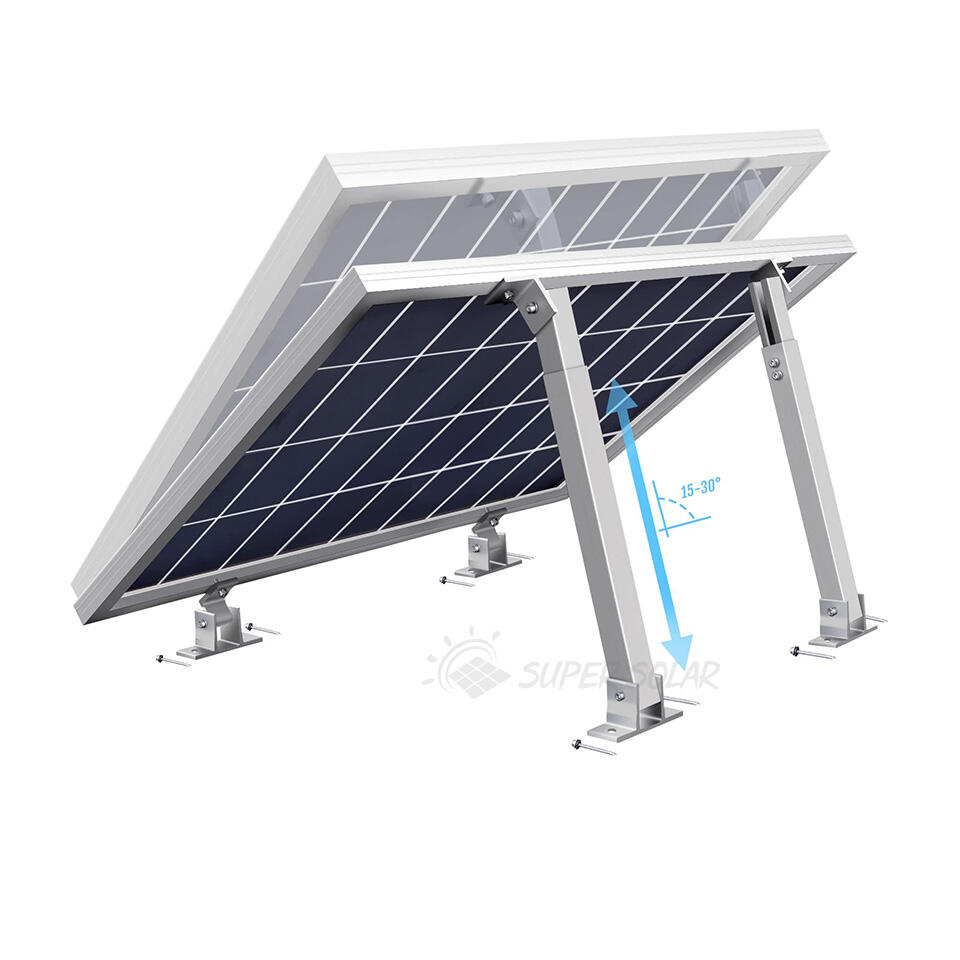
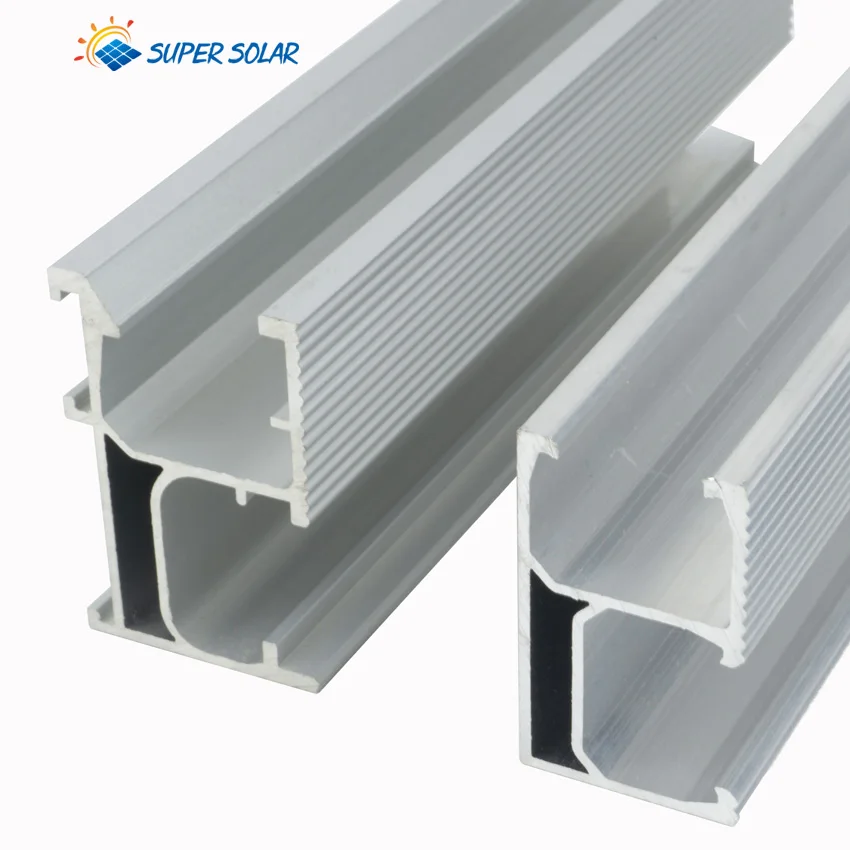
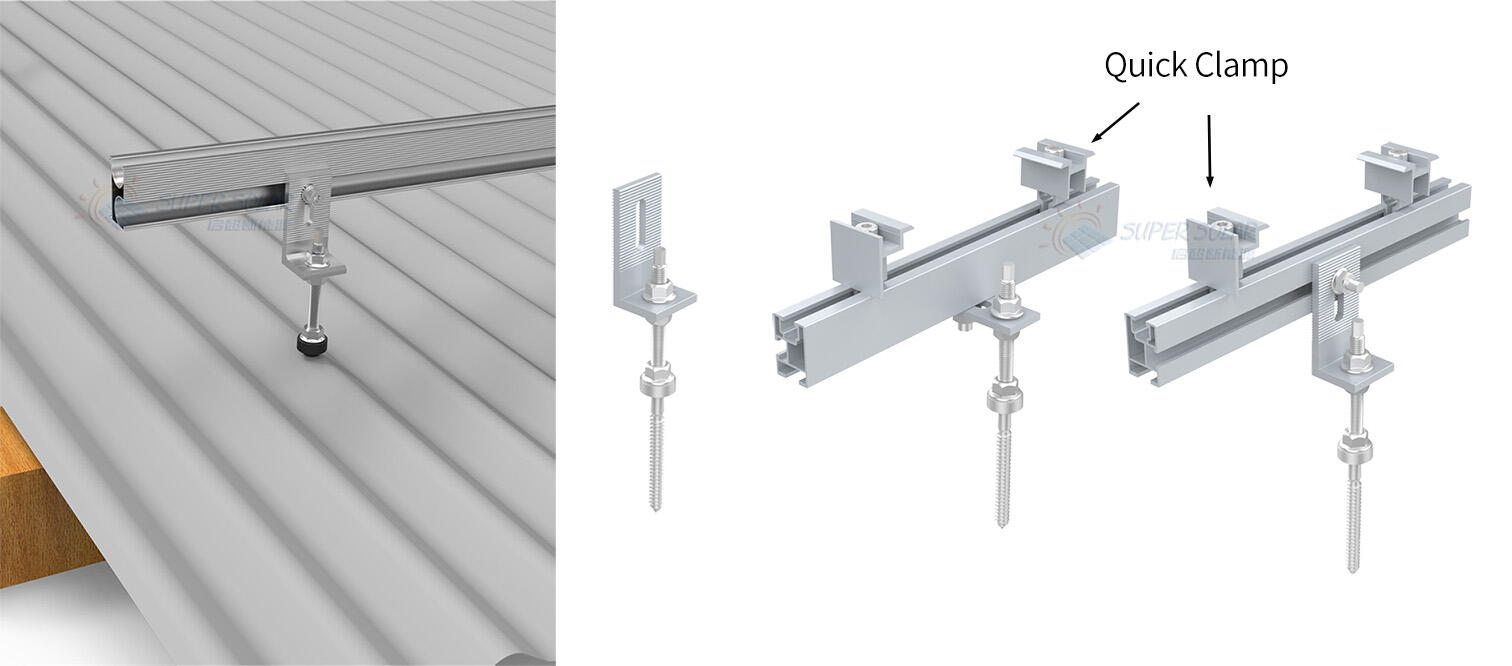
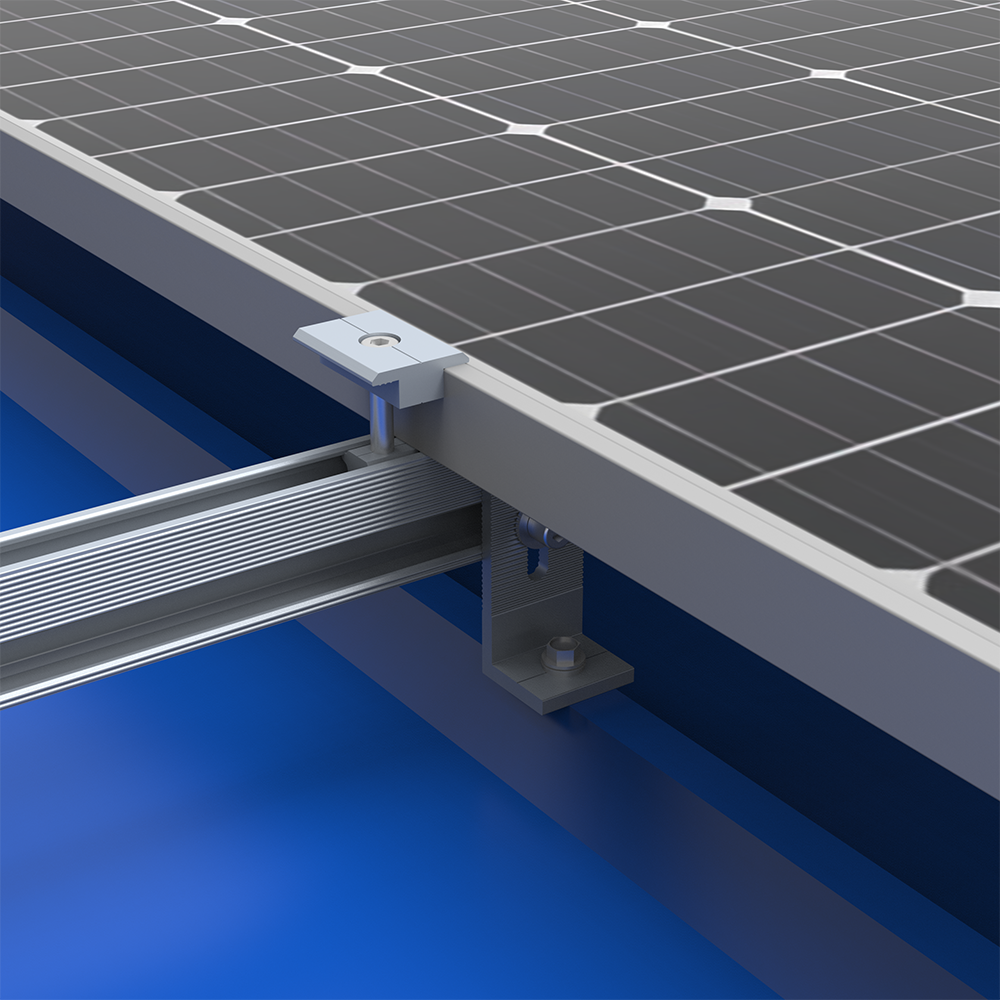
A solar mounting system for tin roof represents a specialized installation solution designed to securely attach solar panels to corrugated metal roofing surfaces. This mounting system serves as the critical interface between photovoltaic panels and the structural integrity of tin roofs, ensuring optimal energy generation while maintaining building safety standards. The primary function of this solar mounting system for tin roof involves creating a stable, weatherproof connection that accommodates the unique characteristics of metal roofing materials. These systems typically incorporate advanced clamping mechanisms that grip the raised ridges of corrugated tin without penetrating the roof surface, eliminating potential leak points. The technological features of modern solar mounting systems for tin roof include corrosion-resistant aluminum alloy construction, adjustable tilt angles for maximum solar exposure, and integrated grounding capabilities for electrical safety. Advanced rail systems distribute panel weight evenly across multiple roof ribs, preventing localized stress concentrations that could damage the roofing material. Many systems incorporate pre-assembled components that streamline installation processes, reducing labor costs and installation time. The applications of solar mounting systems for tin roof span residential, commercial, and industrial sectors where metal roofing is prevalent. Agricultural buildings, warehouses, manufacturing facilities, and rural homes frequently utilize tin roofing, making these mounting systems essential for solar adoption in these markets. The versatility of these systems allows adaptation to various tin roof profiles, including standing seam, corrugated, and trapezoidal configurations. Weather resistance features ensure long-term performance in diverse climatic conditions, from extreme heat to heavy snow loads. The modular design facilitates future system expansion, allowing property owners to increase solar capacity as energy needs grow or budgets allow.

New Product Releases

The solar mounting system for tin roof delivers exceptional value through its non-penetrating installation method, which preserves roof warranty coverage and eliminates water infiltration risks. Property owners benefit from this approach because traditional mounting methods often void manufacturer warranties by creating holes in the roofing material. This innovative clamping technology grips securely to roof ridges without compromising structural integrity, providing peace of mind for long-term installations. Installation speed represents another significant advantage, as these systems require substantially less time compared to conventional mounting approaches. Professional installers can complete projects faster because the solar mounting system for tin roof eliminates the need for complex waterproofing procedures around penetration points. This efficiency translates directly into reduced labor costs for property owners, making solar energy more accessible and affordable. The lightweight design of modern solar mounting systems for tin roof ensures compatibility with existing structural loads, preventing costly reinforcement requirements. Many tin roof buildings were not originally designed to support heavy additional loads, but these specialized mounting systems distribute weight effectively across multiple roof ribs. This distribution prevents localized stress that could cause roof deformation or failure over time. Maintenance advantages emerge from the accessible design that allows easy panel cleaning and system inspection. The elevated mounting configuration promotes air circulation beneath panels, which improves energy efficiency by preventing overheating. This cooling effect can increase power generation by up to fifteen percent compared to systems with restricted airflow. Durability benefits include superior corrosion resistance through marine-grade materials that withstand harsh environmental conditions. The solar mounting system for tin roof typically features powder-coated finishes that resist fading, chalking, and degradation from ultraviolet exposure. This longevity ensures decades of reliable service without requiring replacement or extensive maintenance. Economic benefits extend beyond installation savings to include increased property values and attractive return on investment calculations. Studies demonstrate that properties with properly installed solar systems command higher market prices, while energy savings provide immediate monthly benefits that improve cash flow for residential and commercial property owners.

Tips And Tricks

Top Carport Solar Design Ideas for 2025

24

Nov

Top Carport Solar Design Ideas for 2025

Exploring the Rise of Carport Solar The growing interest in clean energy is reshaping how people view everyday spaces, and one of the most versatile solutions emerging today is Carport Solar. Unlike traditional panels installed solely on rooftops, C...
View More
What Is a Solar Tracker?

22

Jul

What Is a Solar Tracker?

Understanding Solar Trackers: Definition and Core Functions What Does a Solar Tracker Do? A solar tracker is a sophisticated device crucial for optimizing the performance of solar panels by orienting them towards the sun throughout the day. Its prim...
View More
How Commercial Solar Carport Structures Benefit Large Properties

20

Aug

How Commercial Solar Carport Structures Benefit Large Properties

The Growing Demand for Solar Carport Solutions on Large Properties Across commercial landscapes, the solar carport has become one of the most practical and forward-looking investments for businesses, institutions, and property developers. Unlike trad...
View More
How to Install Solar Mounting Systems on Corrugated Metal Roofs?

24

Nov

How to Install Solar Mounting Systems on Corrugated Metal Roofs?

Understanding Solar Panel Installation on Metal Roofing Installing solar mounting systems on corrugated metal roofs requires careful planning, precise execution, and thorough knowledge of both roofing and solar equipment. Metal roofs present unique c...
View More

Leave Message

Our representative will contact you soon.
Email
Name
Company Name
Message
0/1000

solar mounting system for tin roof

Revolutionary Clamp Technology Eliminates Roof Penetrations

Revolutionary Clamp Technology Eliminates Roof Penetrations

The most innovative feature of modern solar mounting systems for tin roof is the revolutionary clamp technology that completely eliminates the need for roof penetrations. This breakthrough engineering solution addresses the primary concern of property owners who worry about maintaining roof integrity while adding solar panels. Traditional mounting methods require drilling holes through roofing materials, creating potential failure points where water can infiltrate and cause extensive damage over time. The advanced clamp design grips securely to the raised ribs of corrugated tin roofing, utilizing the existing structural elements to create an incredibly strong connection point. These clamps undergo rigorous testing to ensure they can withstand extreme weather conditions, including hurricane-force winds and heavy snow loads that often exceed local building code requirements. The engineering behind this technology involves precision-machined components that conform perfectly to various tin roof profiles, ensuring optimal contact area and load distribution. Property owners appreciate how this solar mounting system for tin roof preserves their existing roof warranty coverage, which traditional penetrating systems often void completely. Insurance companies also favor non-penetrating installations because they reduce claim risks associated with water damage from improper sealing around mounting holes. The installation process becomes significantly faster and more reliable because installers do not need to locate structural members, apply waterproof sealants, or coordinate with roofing contractors for warranty compliance. This clamp technology also facilitates easy system removal if necessary, leaving the original roof completely intact without any visible modifications or potential leak points. The versatility of these clamps allows adaptation to different tin roof configurations, from narrow rib spacing to wide corrugations, ensuring compatibility across diverse building types and architectural styles.
Superior Load Distribution Protects Roof Structure

Superior Load Distribution Protects Roof Structure

The sophisticated load distribution capabilities of solar mounting systems for tin roof represent a crucial engineering advancement that protects building structural integrity while supporting substantial solar panel arrays. Unlike point-loaded mounting systems that concentrate forces on small areas, these specialized systems spread panel weight across multiple roof ribs through precision-engineered rail configurations. This distribution methodology prevents localized stress concentrations that could cause roof deformation, rib collapse, or accelerated fatigue in metal roofing materials. The science behind effective load distribution involves calculating the span between support points and the flexural strength of roofing materials to optimize mounting locations. Engineers design these systems to transfer loads through the strongest portions of roof profiles, typically the raised ribs that provide maximum structural capacity. The solar mounting system for tin roof incorporates adjustable spacing mechanisms that accommodate various rib patterns while maintaining optimal load paths to the building frame. This flexibility ensures compatibility with both vintage roofing installations and modern metal roofing systems that may have different dimensional specifications. Property owners benefit from this superior load distribution because it extends roof lifespan by preventing premature wear and deformation. The even stress distribution also maintains proper roof drainage by preserving the original slope and preventing ponding water that could accelerate corrosion or cause leaks. Snow load considerations become particularly important in northern climates where accumulated precipitation can add significant weight to solar installations. The engineered load distribution ensures that combined solar panel and snow loads remain within safe structural limits, preventing catastrophic failures that could damage both the solar system and the building. Professional structural engineers often specify these advanced mounting systems for commercial applications where building codes require detailed load calculations and safety factor compliance.
Streamlined Installation Process Reduces Project Costs

Streamlined Installation Process Reduces Project Costs

The streamlined installation process enabled by modern solar mounting systems for tin roof delivers substantial cost savings through reduced labor requirements, shorter project timelines, and simplified logistics coordination. Traditional solar installations on metal roofs often require coordination between multiple trades, including roofers for penetration sealing, electricians for system connections, and structural engineers for load assessments. The innovative design of contemporary mounting systems consolidates these requirements into a single installation process that certified solar installers can complete efficiently. This consolidation eliminates scheduling delays, reduces labor costs, and minimizes the potential for installation errors that could compromise system performance or building integrity. The pre-engineered components arrive at job sites with comprehensive installation documentation and pre-fabricated assemblies that reduce field assembly time. Installers appreciate the consistent component quality and precision manufacturing that ensures proper fit and function without requiring extensive field modifications. The solar mounting system for tin roof typically includes color-coded components and intuitive assembly sequences that reduce training requirements for installation crews. This standardization also improves installation quality by reducing the variables that could lead to improper mounting or inadequate weather sealing. Project managers benefit from predictable installation schedules because weather delays become less critical when penetration sealing is eliminated from the scope of work. The reduced installation complexity also lowers insurance requirements for contractors, which can translate into cost savings for property owners. Material handling becomes more efficient because these systems typically require fewer specialized tools and eliminate the need for roofing sealants, waterproof membranes, and other weather sealing materials. The modular design facilitates phased installations for property owners who want to expand their solar capacity over time, allowing initial system commissioning while planning future additions. Quality control processes become more straightforward because installers can focus on mechanical connections rather than complex waterproofing procedures that require specialized skills and weather-dependent curing periods.

Leave Message

Our representative will contact you soon.
Email
Name
Company Name
Message
0/1000