Trapezoidal Solar Mounting Systems: Advanced Non-Penetrating Solutions for Metal Roof Solar Installations

All Categories

trapezoidal solar mounting systems

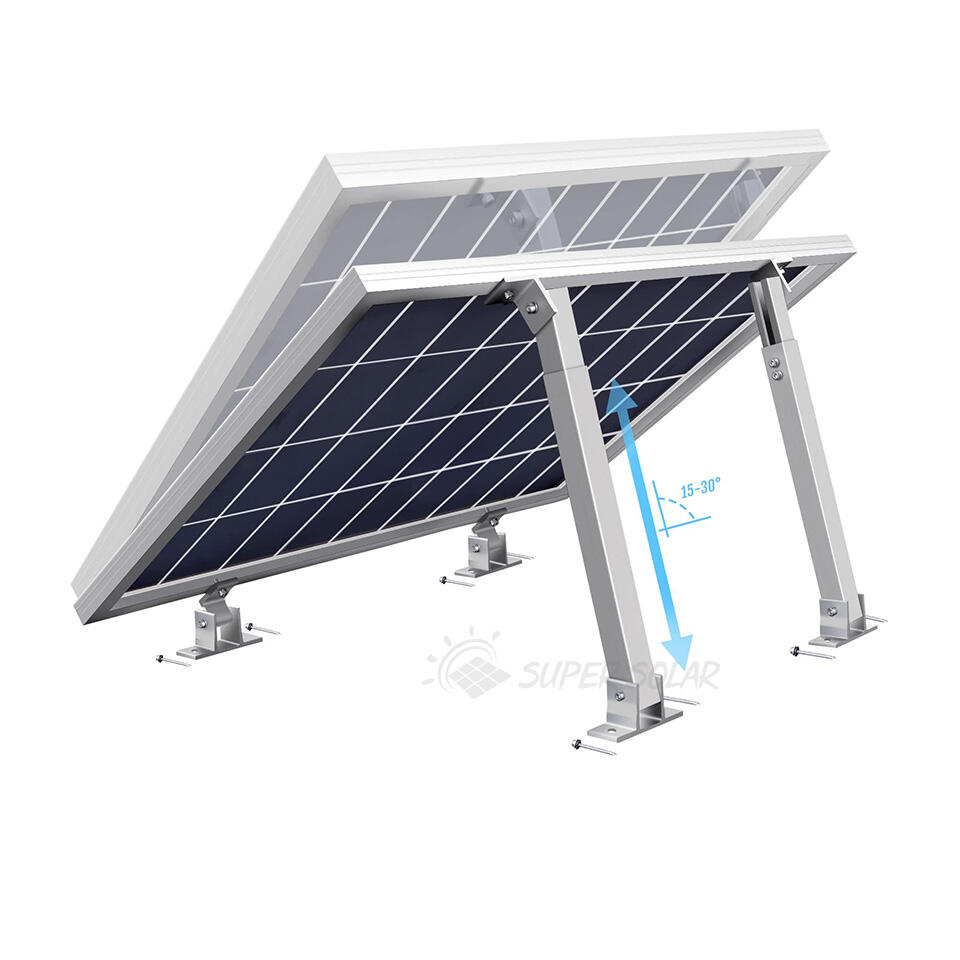
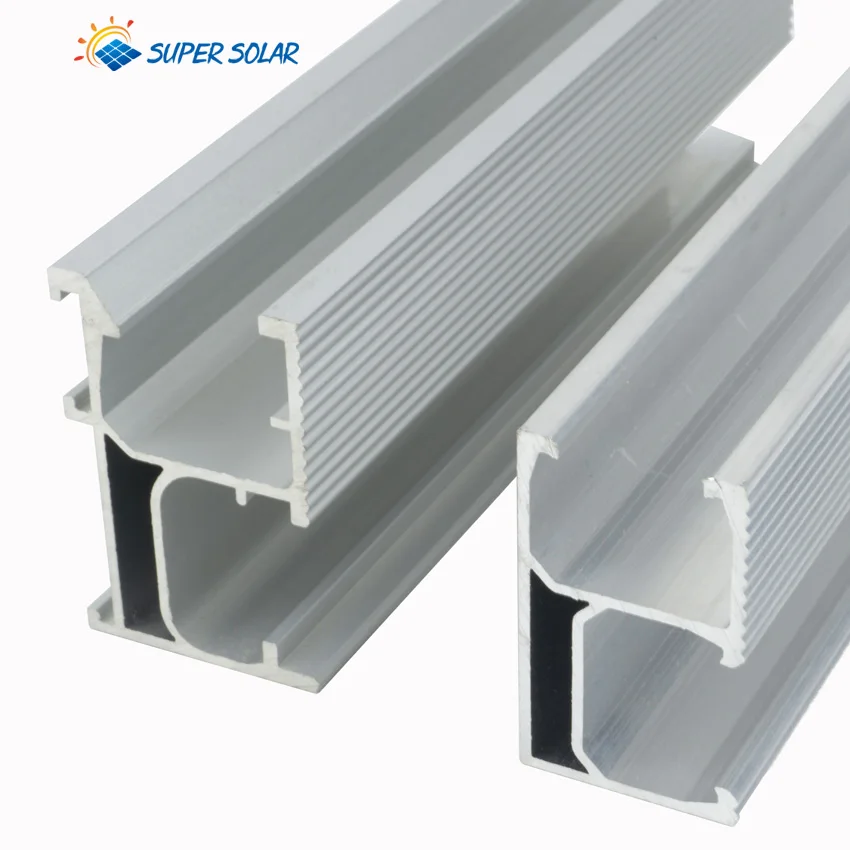
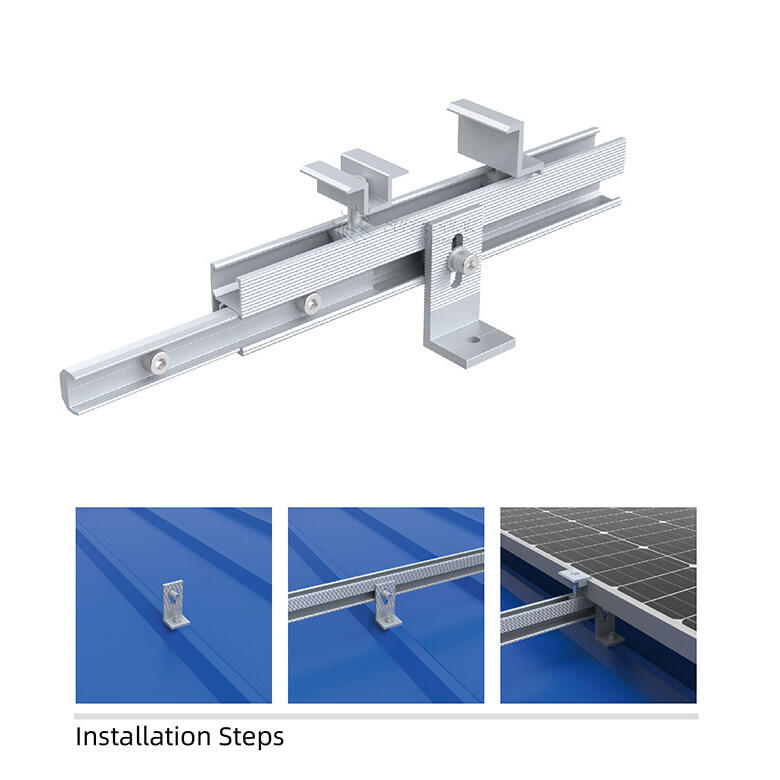
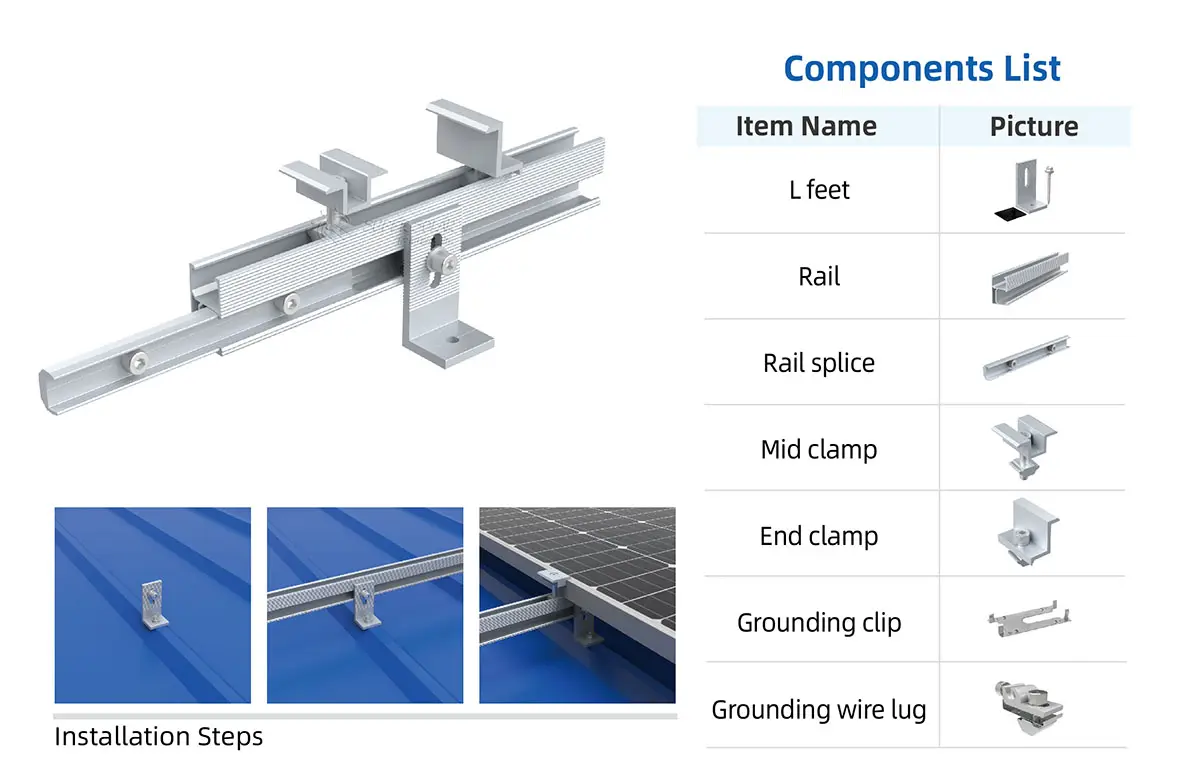
Trapezoidal solar mounting systems represent a specialized solution designed specifically for metal roofing installations with trapezoidal profiles. These innovative mounting frameworks provide secure attachment points for photovoltaic panels on corrugated metal surfaces, ensuring optimal energy generation while maintaining structural integrity. The primary function of trapezoidal solar mounting systems involves creating a stable platform that accommodates the unique geometry of trapezoidal metal roofing, which features alternating peaks and valleys that require precise positioning for proper installation. The technological features of these mounting systems include adjustable clamps that conform to various trapezoidal profiles, corrosion-resistant materials typically made from high-grade aluminum or stainless steel, and pre-engineered rail systems that distribute weight evenly across the roof structure. Advanced weatherproofing mechanisms protect against water infiltration while allowing for thermal expansion and contraction of both the mounting system and the underlying roof material. These systems incorporate specialized sealing components and drainage channels that direct moisture away from penetration points. The engineering design considers wind uplift forces, snow loads, and seismic activity to ensure long-term performance under diverse environmental conditions. Applications for trapezoidal solar mounting systems span across industrial facilities, commercial buildings, agricultural structures, and residential properties featuring metal roofing. Manufacturing plants, warehouses, distribution centers, and retail establishments commonly utilize these systems due to their large roof areas and trapezoidal metal roofing prevalence. The versatility of trapezoidal solar mounting systems makes them suitable for both retrofit installations on existing structures and new construction projects where solar integration is planned from the initial design phase.

New Product Recommendations

Trapezoidal solar mounting systems deliver exceptional cost-effectiveness by eliminating the need for roof penetrations in many installations, which reduces labor costs and installation time significantly. This non-penetrating design approach prevents potential leak points that could compromise building integrity over time, saving property owners from expensive repairs and maintenance issues. The streamlined installation process allows contractors to complete projects faster, reducing overall project costs while minimizing disruption to building operations during installation. These mounting systems provide superior adaptability to various trapezoidal profiles found in different metal roofing manufacturers, ensuring compatibility across diverse building types and roofing specifications. The adjustable nature of the clamps and brackets accommodates slight variations in profile dimensions, eliminating the need for custom fabrication in most applications. This standardization approach reduces inventory requirements for installers while maintaining high-quality results across different project sites. Enhanced structural stability represents another significant advantage, as trapezoidal solar mounting systems distribute panel weight evenly across multiple attachment points rather than concentrating loads on individual fasteners. This weight distribution method reduces stress on the roof structure and extends the lifespan of both the roofing material and the solar installation. The robust engineering behind these systems ensures they can withstand extreme weather conditions including high winds, heavy snow loads, and temperature fluctuations without compromising performance or safety. Maintenance benefits include easy access to both solar panels and roofing components, allowing for routine cleaning, inspection, and servicing without extensive disassembly. The elevated positioning provided by these mounting systems improves air circulation around panels, enhancing their cooling efficiency and overall energy output. Property owners appreciate the long-term value proposition, as these systems maintain their structural integrity and appearance for decades while supporting consistent energy generation. The professional appearance of properly installed trapezoidal solar mounting systems enhances property aesthetics rather than detracting from architectural design, making them suitable for visible commercial installations where appearance matters to business image.

Tips And Tricks

Can a Solar Carport Power Your Entire Home Efficiently?

20

Aug

Can a Solar Carport Power Your Entire Home Efficiently?

The Rising Popularity of Solar Carports in Residential Homes As the demand for renewable energy solutions continues to grow, the solar carport has become one of the most practical and efficient ways for homeowners to generate electricity. Unlike trad...
View More
A Guide to Choosing the Best Residential Solar Carport System

20

Aug

A Guide to Choosing the Best Residential Solar Carport System

The Rising Popularity of Solar Carports in Residential Homes As the demand for renewable energy solutions continues to grow, the solar carport has become one of the most practical and efficient ways for homeowners to generate electricity. Unlike trad...
View More
The Ultimate Guide to Installing Solar L Feet on Metal Roofs

23

Sep

The Ultimate Guide to Installing Solar L Feet on Metal Roofs

Pre-installation preparation (roof inspection, tools needed) Conducting a roof inspection before installation Before starting any metal roof project, the roof must be carefully inspected. Installers should check for rust, loose panels, or structural ...
View More
Why L Feet Are the Most Cost-Effective Solar Mounting Solution for Metal Roofs

23

Sep

Why L Feet Are the Most Cost-Effective Solar Mounting Solution for Metal Roofs

Cost comparison with other mounting systems Comparing material costs across different solutions When evaluating solar mounting systems, one of the first considerations is material cost. L Feet stand out because they use less material while maintaini...
View More

Leave Message

Our representative will contact you soon.
Email
Name
Company Name
Message
0/1000

trapezoidal solar mounting systems

Advanced Non-Penetrating Attachment Technology

Advanced Non-Penetrating Attachment Technology

The revolutionary non-penetrating attachment technology employed in trapezoidal solar mounting systems represents a breakthrough in solar installation methodology that addresses the primary concern of roof integrity while maximizing installation efficiency. This innovative approach utilizes specialized clamps and brackets that securely grip the raised seams and profiles of trapezoidal metal roofing without creating holes or compromising the waterproof barrier that protects the building interior. The engineering behind this technology involves precise mechanical advantage systems that generate substantial holding force through compression and friction, eliminating the need for screws, bolts, or other penetrating fasteners that traditionally create potential failure points. The clamps incorporate weather-resistant sealing materials that form tight barriers against moisture infiltration while allowing for natural thermal movement of the metal roofing material during temperature changes throughout the day and seasons. This flexibility prevents stress cracking and maintains long-term weatherproofing performance that exceeds traditional penetrating mounting methods. Professional installers benefit from the simplified installation process that reduces the risk of improper sealing or structural damage during installation, while building owners gain peace of mind knowing their roof warranty remains intact. The technology accommodates various trapezoidal profiles including standing seam, corrugated, and ribbed metal roofing configurations, making it universally applicable across different building types and roofing specifications. Quality control measures ensure consistent clamping force across all attachment points, preventing uneven stress distribution that could lead to premature failure or roof damage. The non-penetrating design also simplifies future maintenance and system modifications, as panels can be repositioned or removed without leaving permanent holes or requiring roof repairs, providing unprecedented flexibility for changing energy needs or building modifications.
Superior Weather Resistance and Durability Engineering

Superior Weather Resistance and Durability Engineering

Trapezoidal solar mounting systems incorporate advanced weather resistance and durability engineering that ensures reliable performance across diverse climatic conditions and geographical locations, providing exceptional value through extended operational lifespans that often exceed thirty years. The materials selection process prioritizes corrosion-resistant alloys, primarily marine-grade aluminum and stainless steel components, that maintain structural integrity when exposed to salt air, acid rain, industrial pollutants, and extreme temperature variations. Specialized surface treatments including anodizing, powder coating, and galvanization provide additional protective layers that prevent oxidation and material degradation over time. The engineering design accounts for thermal expansion coefficients of both the mounting system components and the underlying metal roofing, incorporating expansion joints and flexible connections that prevent stress concentration and cracking during thermal cycling. Wind load calculations consider local building codes and extreme weather patterns, ensuring the mounting system can withstand hurricane-force winds, tornadoes, and severe thunderstorms without compromising panel security or roof integrity. Snow load engineering addresses regions with significant winter weather, incorporating features that prevent ice dam formation while maintaining accessibility for snow removal when necessary. UV radiation resistance prevents polymer components from degrading under constant sun exposure, maintaining flexibility in gaskets and seals while preserving the mechanical properties of structural elements. Drainage design integrated into the mounting system channels water away from attachment points and prevents pooling that could lead to accelerated corrosion or ice formation. Quality assurance testing includes accelerated weathering protocols that simulate decades of exposure in controlled laboratory environments, validating long-term performance predictions and identifying potential failure modes before products reach the market. The robust construction and engineering excellence translate to reduced maintenance requirements and lower total cost of ownership, making these systems an intelligent investment for property owners seeking reliable renewable energy solutions.

Optimized Energy Output Through Intelligent Design

Optimized Energy Output Through Intelligent Design

The intelligent design principles embedded in trapezoidal solar mounting systems optimize energy output through strategic positioning, airflow management, and panel orientation features that maximize photovoltaic performance while maintaining system reliability and ease of maintenance. Elevated mounting configurations create beneficial air gaps between solar panels and the metal roof surface, promoting natural convection cooling that reduces panel operating temperatures and increases energy conversion efficiency. Research demonstrates that every degree of temperature reduction can improve panel output by approximately 0.4 percent, making this cooling effect a significant contributor to overall system performance over the installation lifespan. The mounting system geometry allows for precise panel tilt angles that optimize sun exposure throughout the day and across seasonal variations, ensuring maximum energy capture during peak solar radiation periods. Adjustable components enable fine-tuning of panel orientation to account for site-specific factors including geographical location, surrounding obstructions, and local weather patterns that influence solar resource availability. The structural design minimizes shading between panel rows while maintaining adequate spacing for maintenance access, preventing energy losses that occur when panels cast shadows on adjacent modules during low sun angle periods. Cable management systems integrated into the mounting framework protect electrical connections from weather exposure while maintaining organized routing that simplifies troubleshooting and system expansion. The stable platform provided by these mounting systems reduces panel vibration and movement that can cause micro-cracks in photovoltaic cells over time, preserving long-term energy generation capacity and preventing gradual performance degradation. Quality materials and precision manufacturing ensure consistent panel positioning that maintains optimal electrical connections and prevents hot spots that can damage individual cells or reduce string performance. Snow shedding characteristics designed into the mounting geometry prevent accumulation that blocks solar radiation while maintaining safe conditions around the building perimeter. The combination of these design elements creates synergistic effects that enhance overall system performance beyond what individual components could achieve independently, delivering superior return on investment through increased energy production and reduced operational costs throughout the system lifecycle.

Leave Message

Our representative will contact you soon.
Email
Name
Company Name
Message
0/1000