Ground Mounted Solar Energy Systems: Complete Guide to Installation Benefits and Optimal Performance

All Categories

ground mounted solar energy systems

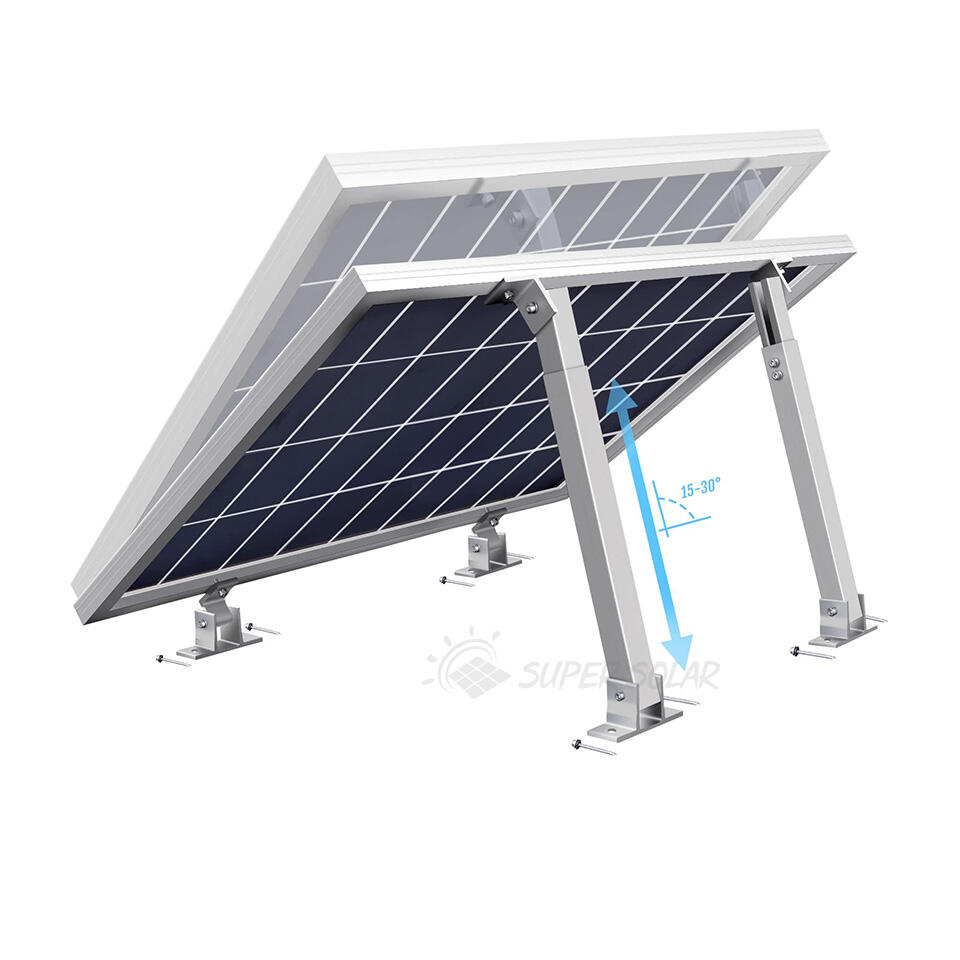
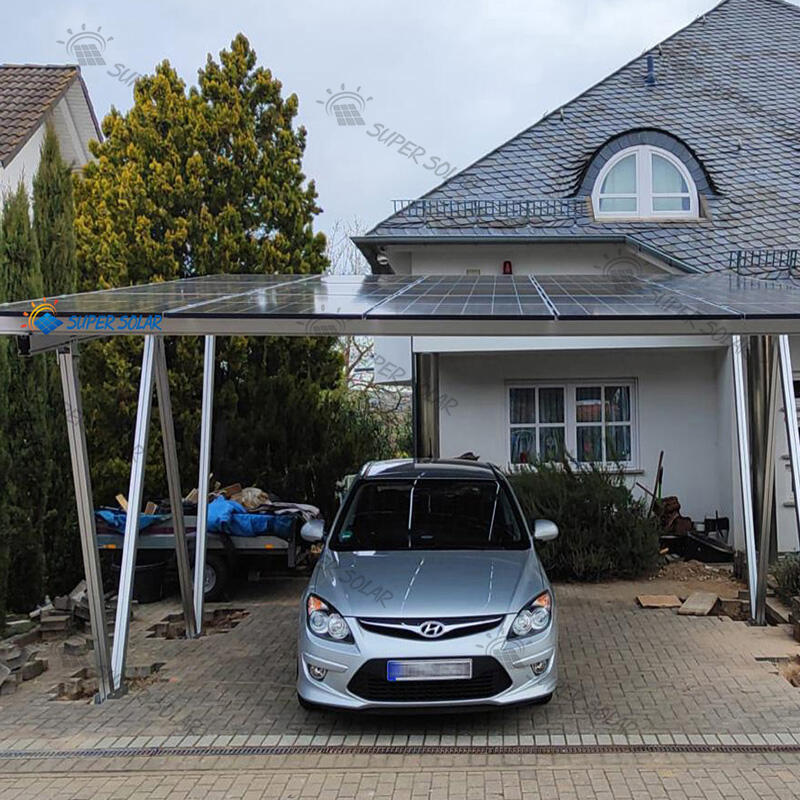
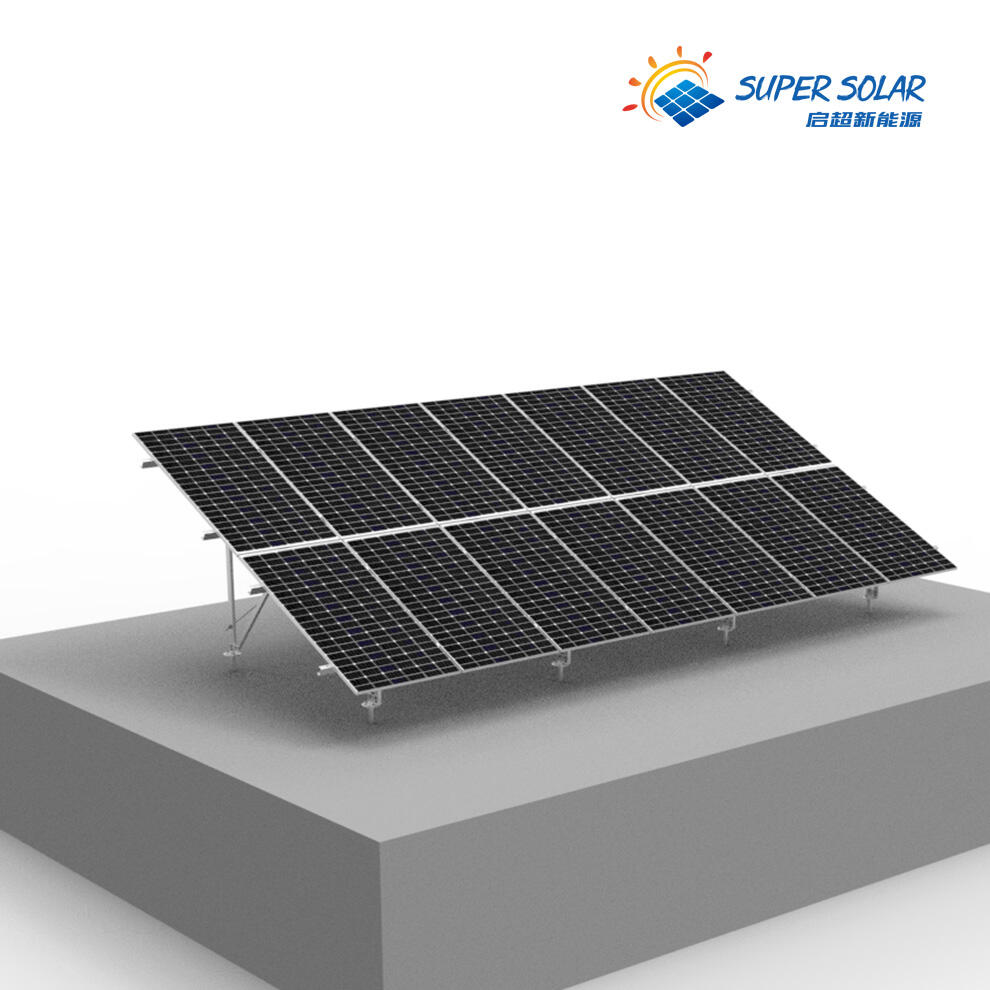
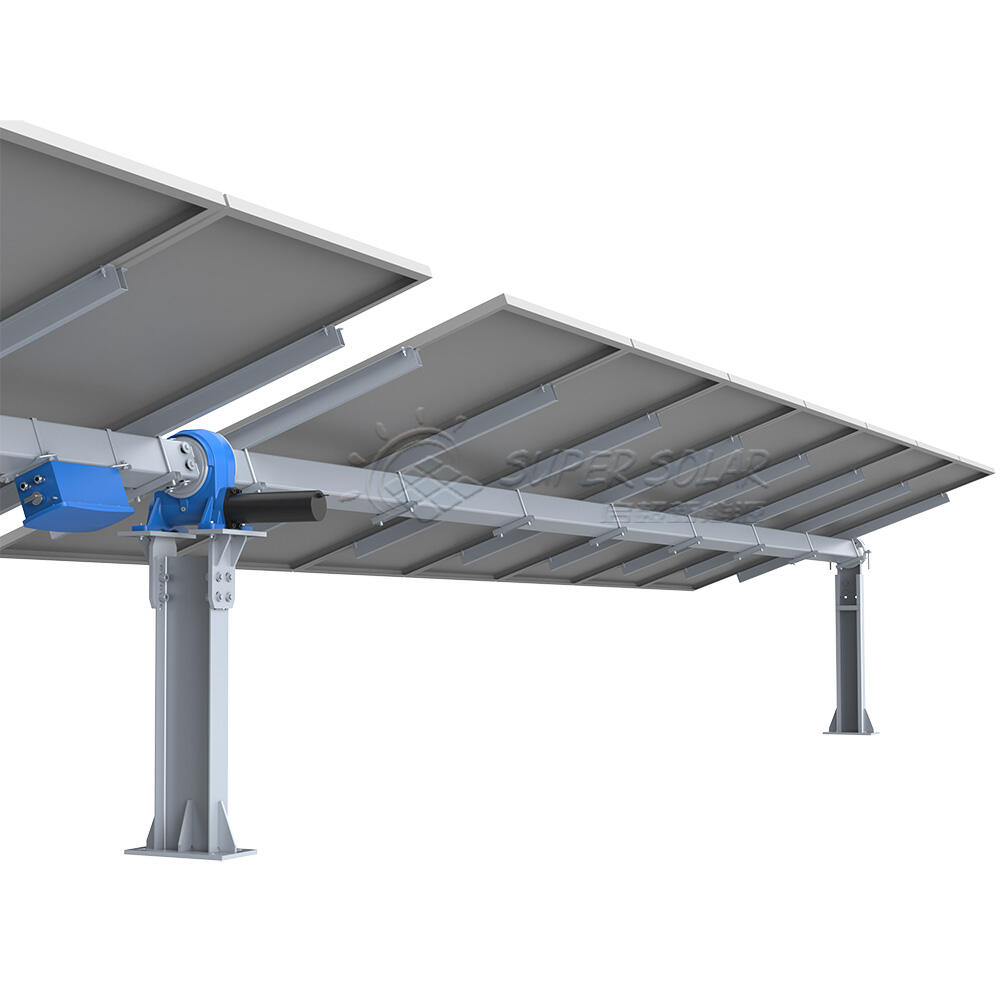
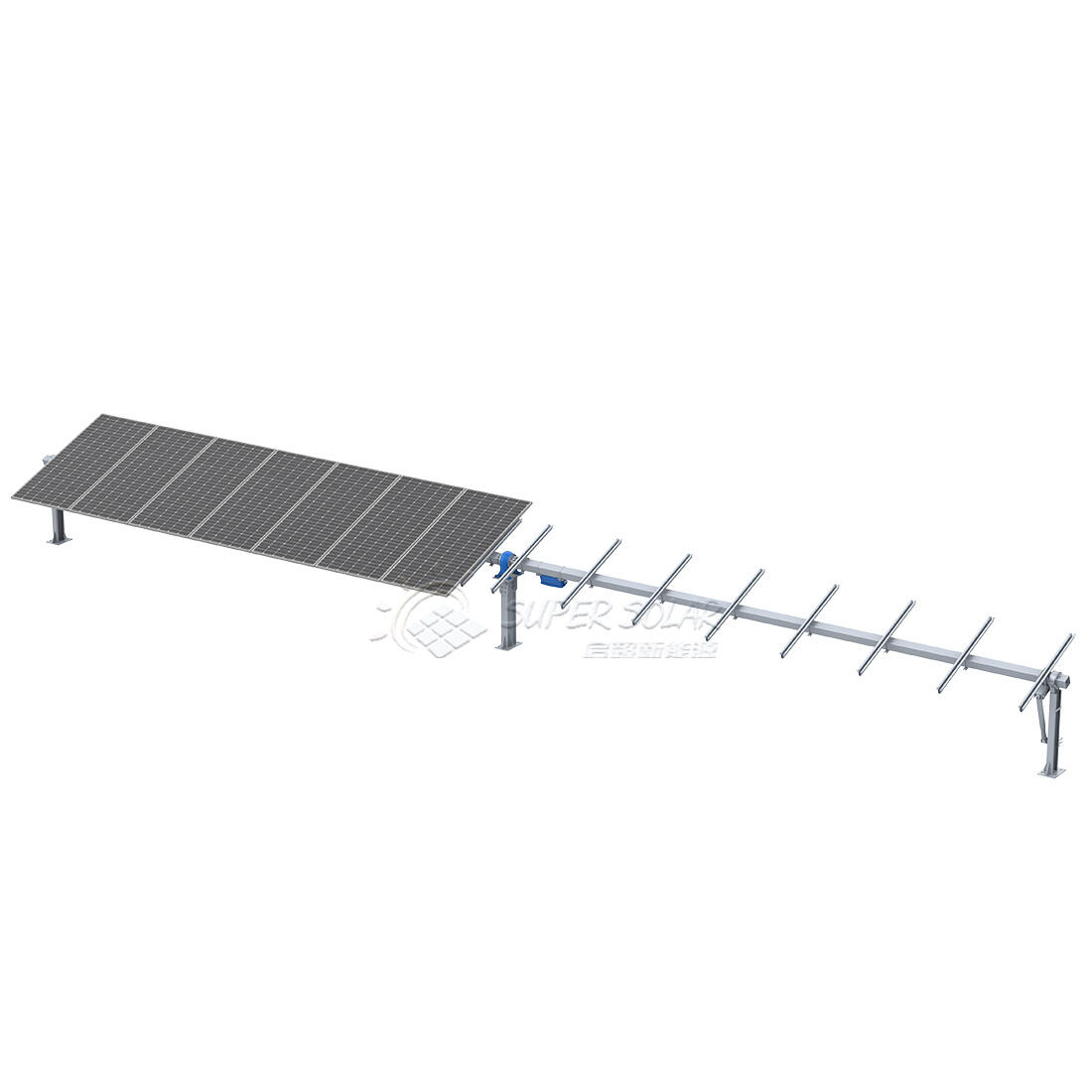
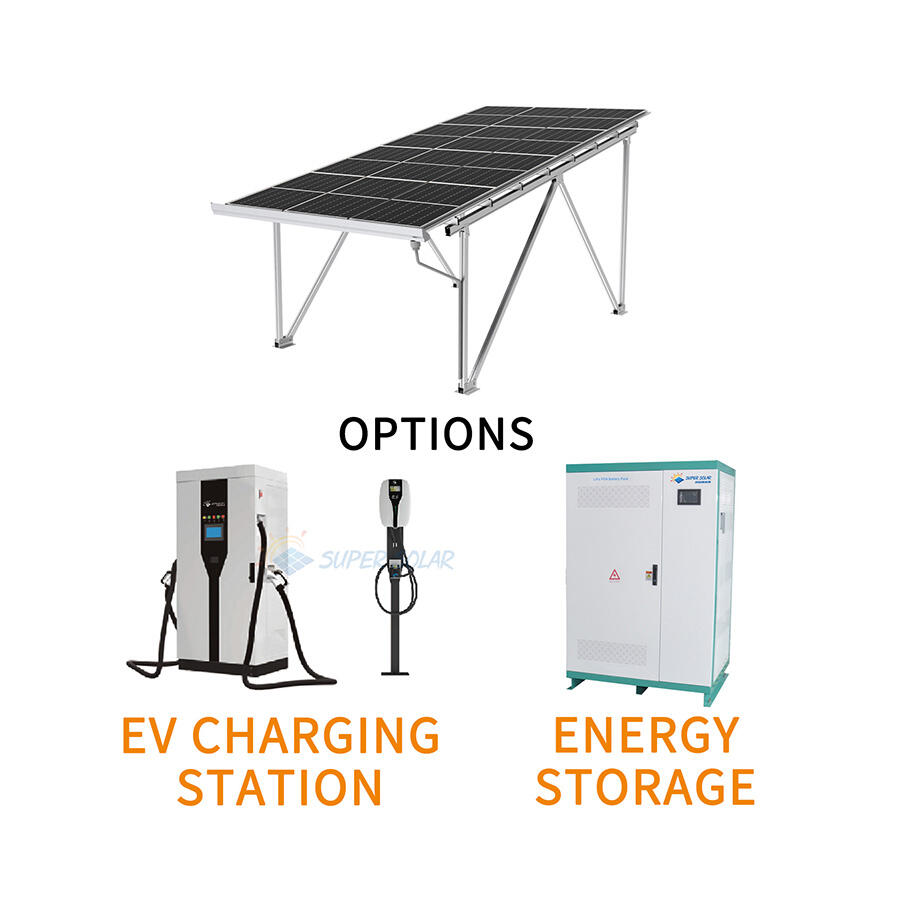
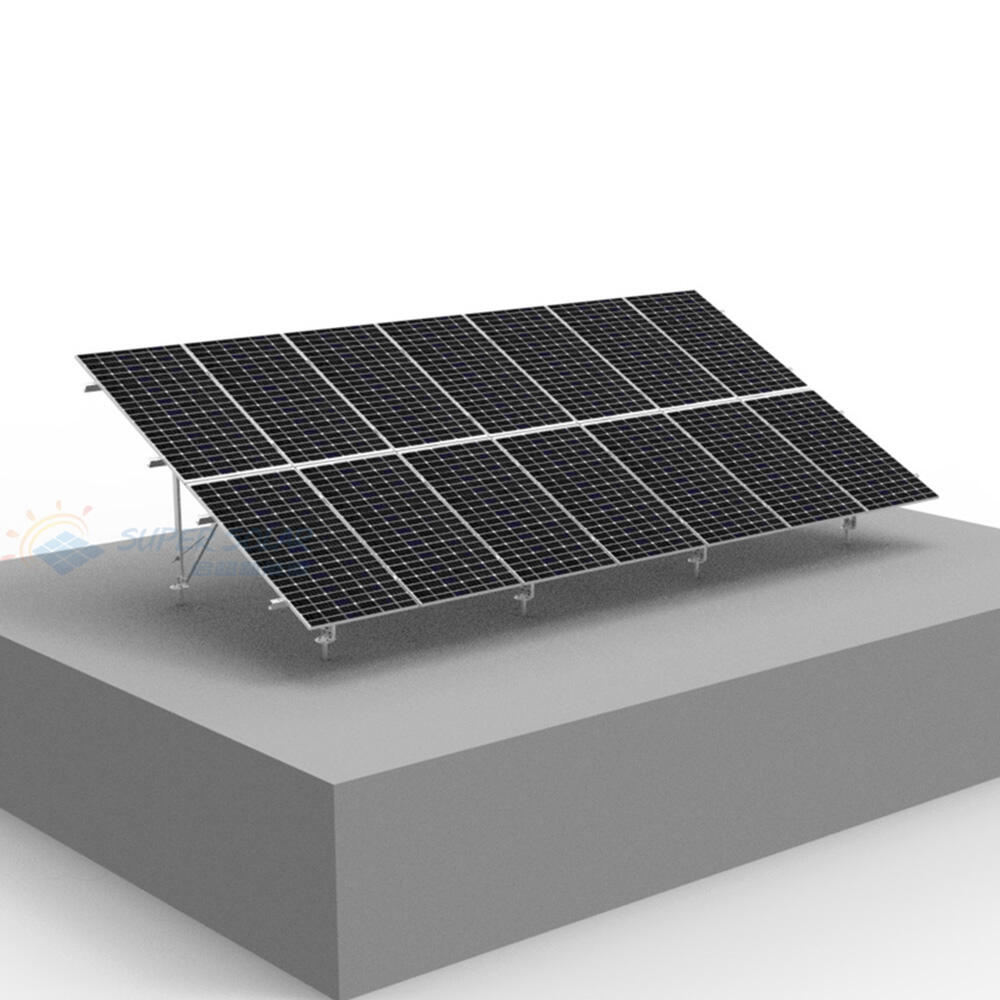
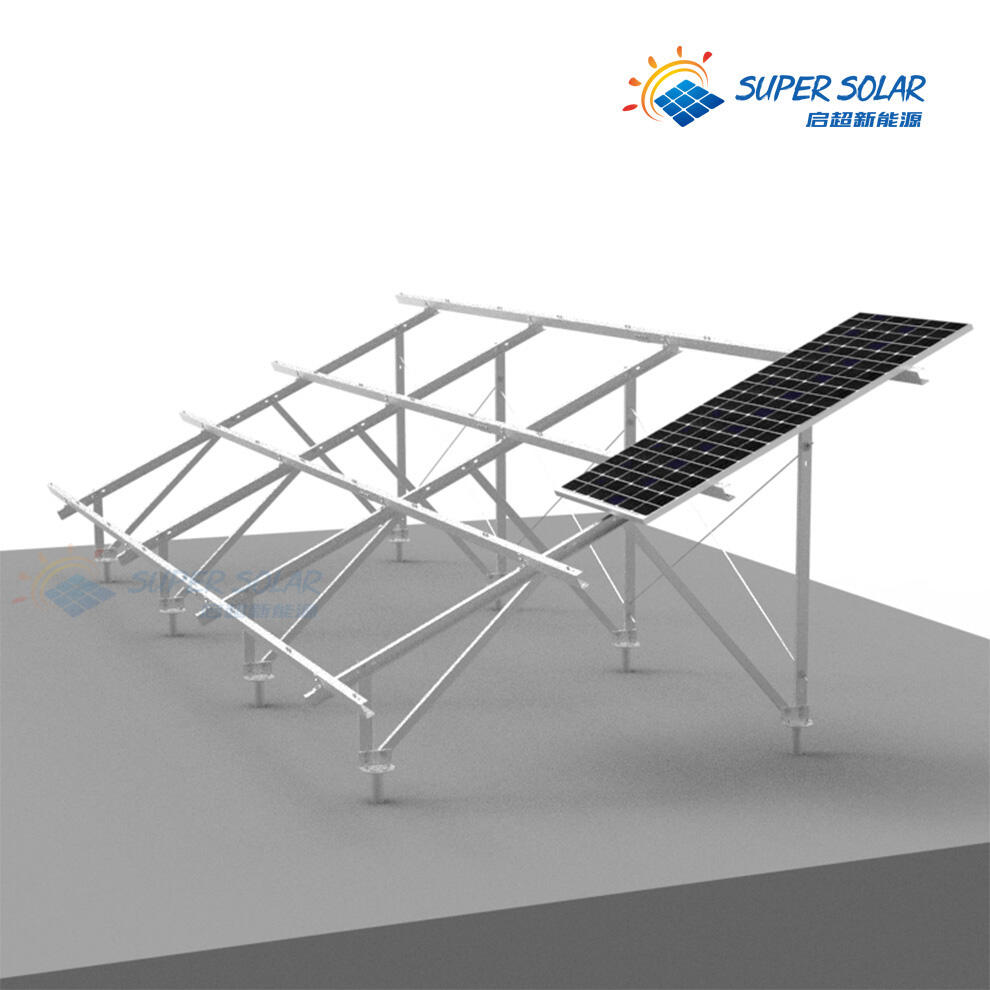
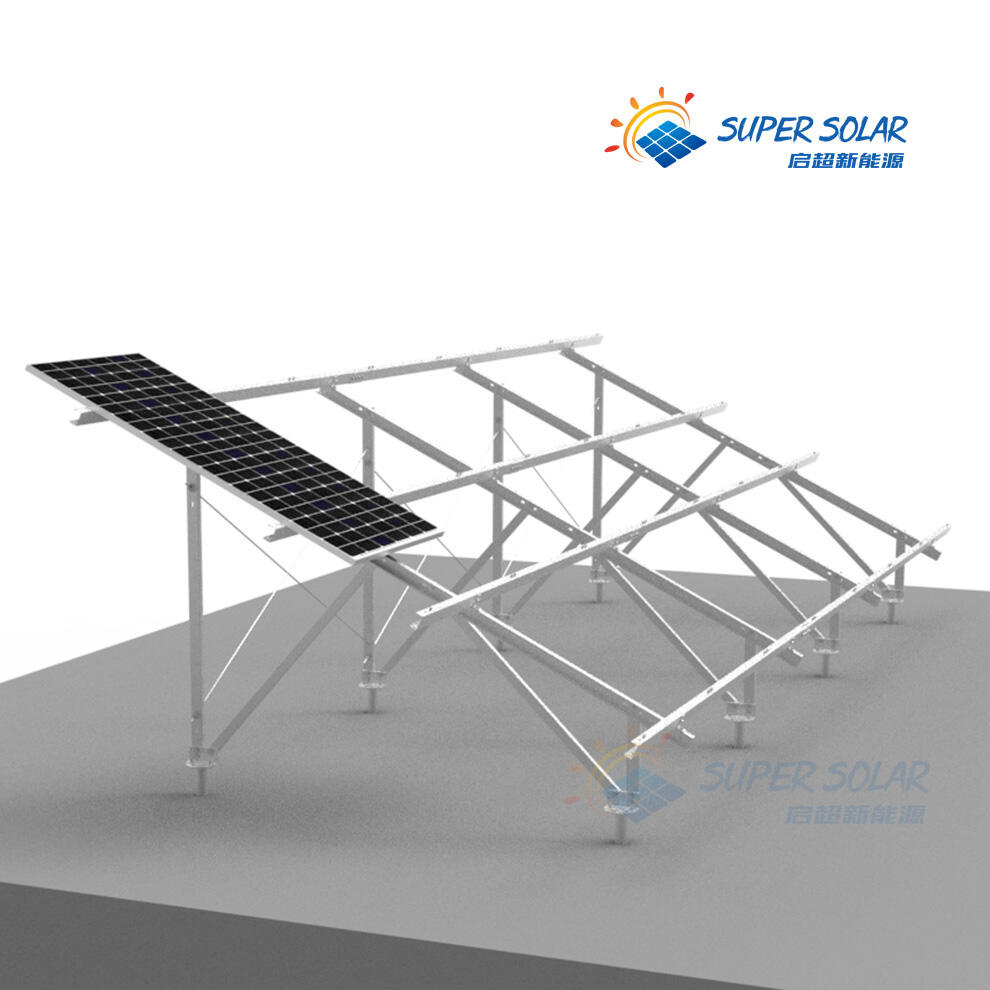
Ground mounted solar energy systems represent a comprehensive renewable energy solution designed to harness sunlight and convert it into clean electricity through photovoltaic technology. These installations feature solar panels positioned on specialized mounting structures that are anchored directly to the earth's surface, creating stable and efficient power generation facilities. The primary function of ground mounted solar energy systems involves capturing solar radiation through crystalline silicon or thin-film photovoltaic cells, which convert sunlight into direct current electricity that subsequently flows through inverters for alternating current conversion. This technological approach enables seamless integration with existing electrical grids and power distribution networks. The core technological features of ground mounted solar energy systems include advanced tracking mechanisms that automatically adjust panel orientation throughout the day to maximize solar exposure, weather-resistant aluminum framing that withstands environmental challenges, and sophisticated monitoring systems that provide real-time performance data. Modern installations incorporate smart inverter technology, enabling remote diagnostics and system optimization capabilities. Ground mounted solar energy systems find extensive applications across residential properties, commercial facilities, agricultural operations, and utility-scale power generation projects. These versatile installations serve homeowners seeking energy independence, businesses aiming to reduce operational costs, farmers requiring irrigation power, and municipalities developing sustainable energy infrastructure. The modular design of ground mounted solar energy systems allows for scalable implementations, accommodating projects ranging from small residential arrays to massive solar farms spanning hundreds of acres. Installation flexibility represents another significant advantage, as ground mounted solar energy systems can be positioned in optimal locations regardless of building constraints, ensuring maximum energy production potential while maintaining accessibility for maintenance and cleaning operations.

New Product Releases

Ground mounted solar energy systems deliver exceptional value through numerous practical benefits that directly impact energy costs and environmental sustainability. These installations eliminate the need for expensive roof modifications or structural reinforcements, saving property owners thousands of dollars in preparation costs while avoiding potential roof damage during installation. The accessibility advantage of ground mounted solar energy systems cannot be overstated, as technicians can easily perform routine maintenance, panel cleaning, and system upgrades without requiring specialized equipment or safety measures associated with rooftop access. This convenience translates to lower maintenance costs and improved system longevity through consistent care and attention. Ground mounted solar energy systems offer superior energy production capabilities due to optimal positioning and orientation possibilities. Unlike rooftop installations constrained by existing roof angles and directions, these systems can be positioned to capture maximum sunlight throughout the day, resulting in significantly higher electricity generation rates. The enhanced ventilation around ground mounted solar energy systems prevents overheating issues common in rooftop installations, maintaining peak efficiency levels even during hot summer months. Property owners gain valuable flexibility through ground mounted solar energy systems, as these installations can be easily expanded or relocated as energy needs change over time. This adaptability proves particularly beneficial for growing businesses or families planning future energy requirements. The installation process for ground mounted solar energy systems typically proceeds faster and more efficiently than rooftop alternatives, reducing labor costs and minimizing disruption to daily activities. Ground mounted solar energy systems also provide excellent return on investment through reduced electricity bills, potential energy credits, and increased property values. Many utility companies offer net metering programs that allow excess electricity generation to be sold back to the grid, creating additional revenue streams for system owners. The environmental benefits of ground mounted solar energy systems extend beyond personal savings, contributing to reduced carbon footprints and supporting community sustainability goals through clean energy production that displaces fossil fuel dependency.

Tips And Tricks

What Is a Single-Axis Solar Tracker?

22

Jul

What Is a Single-Axis Solar Tracker?

What Is a Single-Axis Solar Tracker? Definition and Basic Functionality A single-axis solar tracker is a sophisticated device designed to enhance the efficiency of solar energy systems by orienting solar panels toward the sun as it moves across the ...
View More
A Guide to Choosing the Best Residential Solar Carport System

20

Aug

A Guide to Choosing the Best Residential Solar Carport System

The Rising Popularity of Solar Carports in Residential Homes As the demand for renewable energy solutions continues to grow, the solar carport has become one of the most practical and efficient ways for homeowners to generate electricity. Unlike trad...
View More
5 Reasons Installers Prefer Solar L Feet for Metal Roof Projects

23

Sep

5 Reasons Installers Prefer Solar L Feet for Metal Roof Projects

Why metal roof projects are growing The rise of the metal roof project is no accident. More property owners and businesses are turning to this type of roofing for its durability, aesthetics, and ability to support solar energy systems. Unlike traditi...
View More
How to Choose the Right Solar L Foot for Your Metal Roof

23

Sep

How to Choose the Right Solar L Foot for Your Metal Roof

Common roof sheet types (trapezoidal, corrugated, standing seam) When planning a solar mounting system on a metal roof project, understanding the roof sheet profile is essential. Trapezoidal, corrugated, and standing seam roofs each have unique desig...
View More

Leave Message

Our representative will contact you soon.
Email
Name
Company Name
Message
0/1000

ground mounted solar energy systems

Maximum Energy Production Through Optimal Positioning

Maximum Energy Production Through Optimal Positioning

Ground mounted solar energy systems excel in energy generation efficiency through strategic positioning capabilities that maximize solar exposure throughout daily and seasonal cycles. Unlike constrained rooftop installations, these systems can be oriented at perfect angles to capture optimal sunlight, typically positioned facing true south in northern hemisphere locations with tilt angles calculated for specific geographic coordinates. This precise positioning advantage enables ground mounted solar energy systems to achieve energy production levels up to thirty percent higher than comparable rooftop installations with suboptimal orientations. The tracking technology available in advanced ground mounted solar energy systems further enhances energy capture through automated panel movement that follows the sun's path across the sky. Single-axis tracking systems rotate panels from east to west throughout the day, while dual-axis systems add vertical movement to account for seasonal solar angle variations. This sophisticated positioning capability can increase energy production by twenty to forty percent compared to fixed installations. Ground mounted solar energy systems benefit from superior air circulation that prevents panel overheating, maintaining peak efficiency even during extreme weather conditions. The elevated positioning allows natural airflow beneath panels, reducing operating temperatures and preventing the efficiency losses associated with thermal stress. This cooling advantage becomes particularly significant in hot climates where rooftop installations often suffer from reduced performance due to inadequate ventilation. The spacing flexibility in ground mounted solar energy systems eliminates shading issues between panel rows, ensuring consistent energy production across the entire installation. Engineers can calculate optimal spacing distances that prevent inter-row shading while maximizing land utilization efficiency. This design freedom allows for customized layouts that account for site-specific conditions such as terrain variations, existing vegetation, and local weather patterns. Ground mounted solar energy systems also accommodate easy expansion through modular design approaches that allow additional panels and mounting structures to be integrated seamlessly with existing installations as energy demands grow or budgets allow for system enhancement.
Superior Accessibility and Maintenance Advantages

Superior Accessibility and Maintenance Advantages

Ground mounted solar energy systems provide unparalleled accessibility benefits that significantly reduce maintenance costs and improve system reliability throughout their operational lifespan. The ground-level positioning eliminates safety risks and specialized equipment requirements associated with rooftop maintenance, allowing technicians to perform routine inspections, cleaning, and repairs safely and efficiently. This accessibility advantage translates to lower service costs as maintenance teams can quickly access all system components without expensive lift equipment, safety harnesses, or roof protection measures. Regular cleaning becomes practical and cost-effective with ground mounted solar energy systems, as panels can be easily reached for dust, debris, and snow removal that directly impacts energy production. Studies demonstrate that clean panels produce fifteen to twenty-five percent more electricity than dirty panels, making accessible cleaning capabilities a significant economic advantage. The ability to perform frequent cleaning maintains peak performance levels and extends panel lifespan through reduced stress and improved heat dissipation. Ground mounted solar energy systems enable comprehensive visual inspections that identify potential issues before they become costly problems. Technicians can easily examine mounting hardware, electrical connections, and panel conditions without the limitations imposed by rooftop installations. This thorough inspection capability helps prevent minor issues from developing into major system failures that require expensive emergency repairs or component replacements. The maintenance scheduling flexibility offered by ground mounted solar energy systems allows for convenient service appointments that minimize disruption to daily activities. Property owners can schedule maintenance during optimal weather conditions and convenient times without concerns about roof access limitations or weather-related safety restrictions. This scheduling freedom ensures consistent system maintenance that maximizes energy production and investment protection. Ground mounted solar energy systems also facilitate easy component upgrades and technology improvements as new innovations become available. Inverter replacements, monitoring system upgrades, and panel additions can be accomplished efficiently without structural modifications or complex logistics associated with rooftop access, ensuring that systems remain current with advancing solar technology throughout their operational lifetime.
Flexible Installation and Scalability Benefits

Flexible Installation and Scalability Benefits

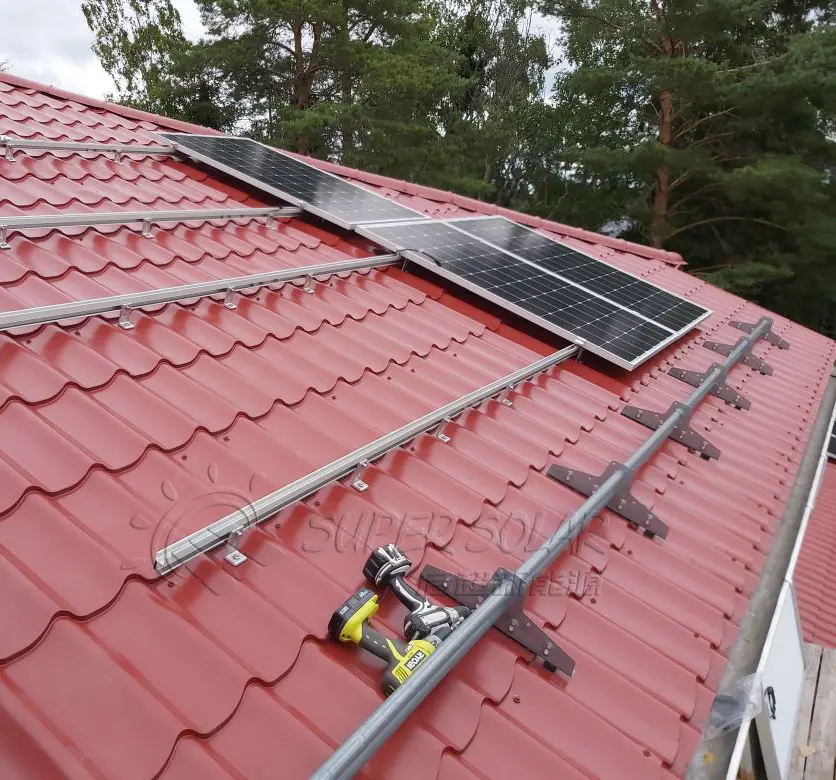
Ground mounted solar energy systems offer exceptional installation flexibility and scalability advantages that accommodate diverse property configurations and evolving energy requirements. The independence from existing roof structures eliminates concerns about roof age, condition, or load-bearing capacity that often complicate rooftop solar installations. Property owners with older roofs, complex architectural features, or inadequate structural support can implement ground mounted solar energy systems without expensive roof modifications or reinforcement projects. This flexibility proves particularly valuable for historical buildings, homes with tile or slate roofing, or structures with multiple roof levels that complicate traditional solar installations. The site selection freedom inherent in ground mounted solar energy systems allows for optimal placement based on solar exposure, soil conditions, and aesthetic preferences rather than being limited to existing roof orientations and angles. Property owners can position systems away from trees, buildings, or other shade-producing obstacles while maintaining convenient access for maintenance and monitoring. This placement flexibility enables maximum energy production potential regardless of home orientation or architectural constraints. Ground mounted solar energy systems excel in modular scalability that allows systems to grow with changing energy needs and financial capabilities. Initial installations can begin with minimal panel quantities and expand systematically as budgets allow or energy consumption increases. This phased implementation approach makes solar energy accessible to property owners who cannot afford large initial investments while providing clear upgrade paths for future expansion. The modular design of ground mounted solar energy systems accommodates various panel technologies and configurations within single installations. Property owners can combine different panel types, add battery storage systems, or integrate additional renewable energy technologies such as small wind turbines or micro-hydroelectric generators. This integration capability creates comprehensive renewable energy systems that maximize sustainability and energy independence. Ground mounted solar energy systems also provide relocation possibilities that protect investments during property transitions. Unlike permanent rooftop installations, these systems can be disassembled and reinstalled at new locations, preserving the investment value and ensuring continued energy production benefits. This portability advantage appeals to property owners who may relocate in the future while maintaining their commitment to renewable energy and environmental responsibility.

Leave Message

Our representative will contact you soon.
Email
Name
Company Name
Message
0/1000