Seamless Integration and Scalable Design for Diverse Off Grid Applications
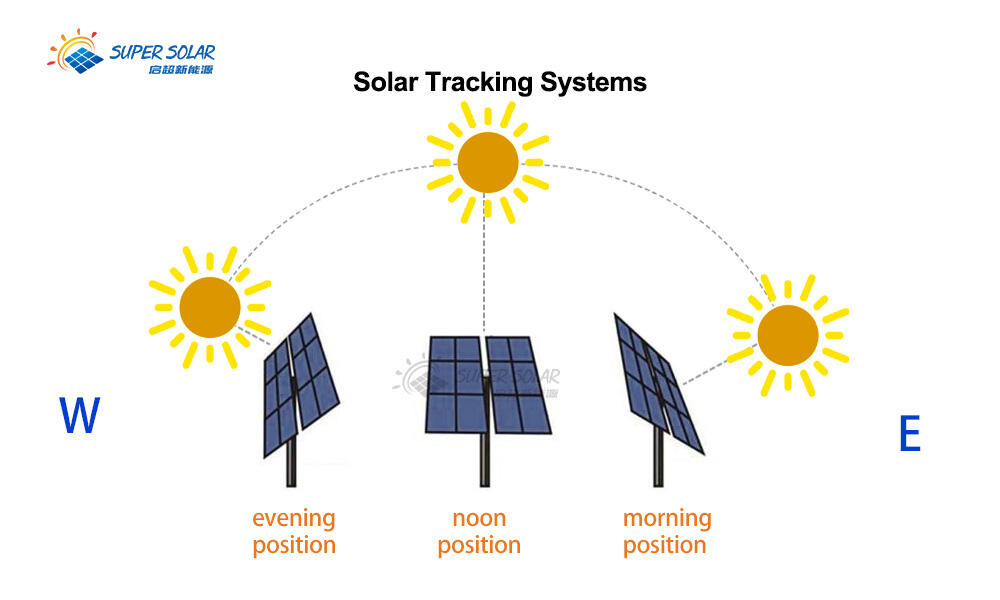
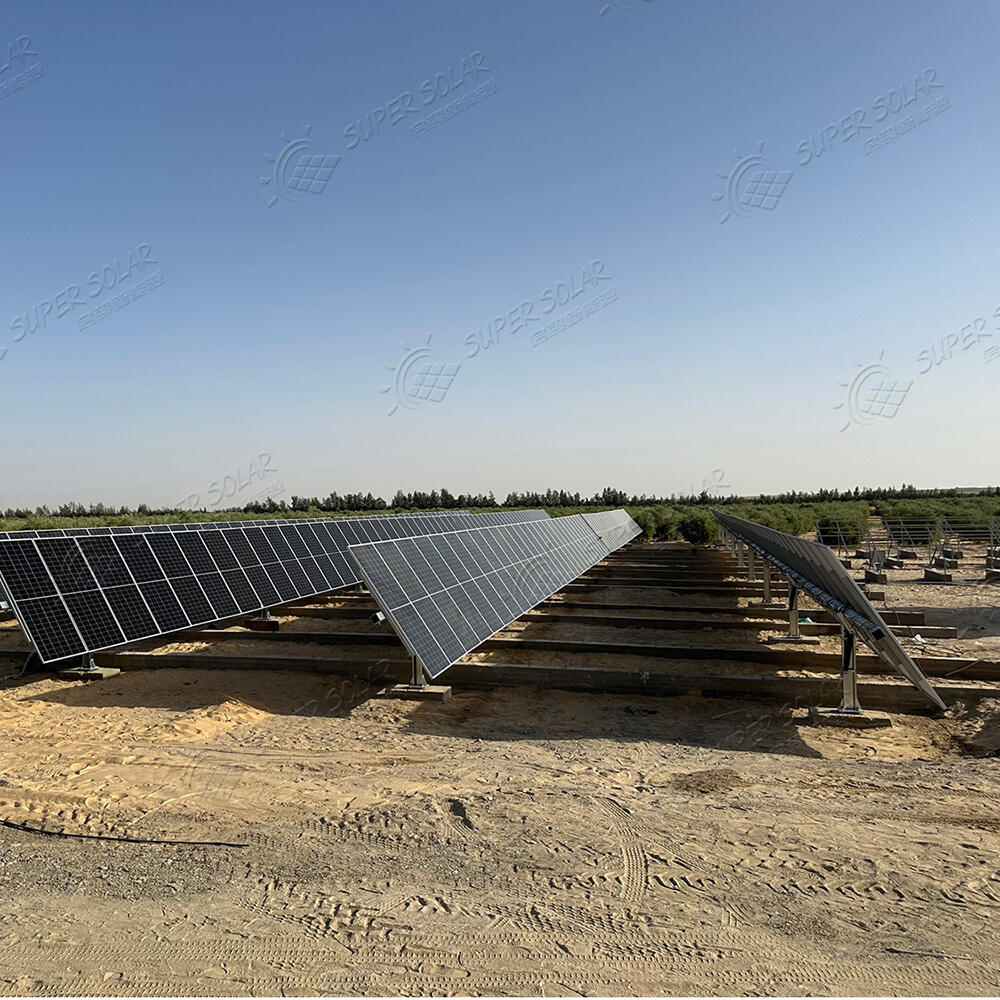
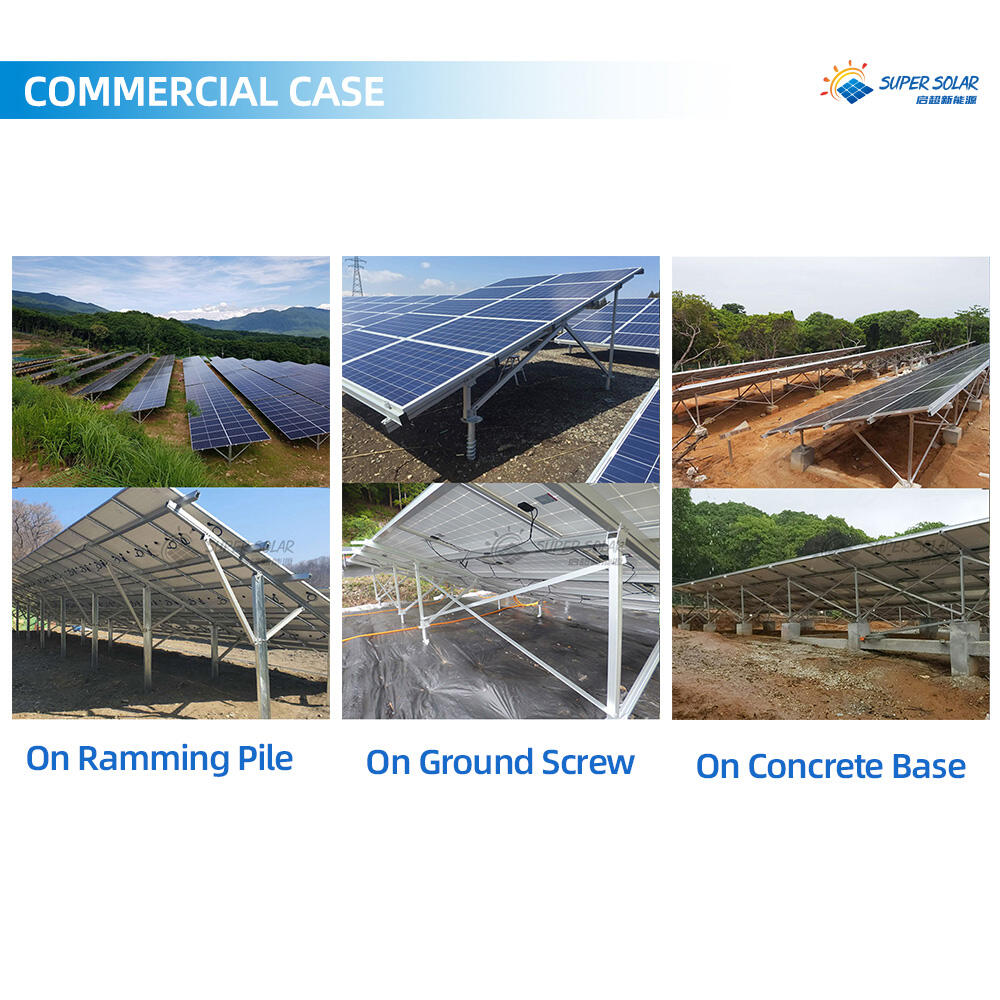
The versatile design architecture of solar tracking systems for off grid applications enables seamless integration with existing power infrastructure while providing scalable solutions that adapt to diverse energy requirements and site constraints. These systems feature modular configurations that can be customized from small residential installations supporting single buildings to large commercial deployments powering entire remote facilities or communities. The plug-and-play compatibility with standard off grid components including battery banks, charge controllers, inverters, and backup generators eliminates complex system redesign requirements when upgrading from fixed solar installations. Advanced power management features optimize energy distribution between immediate consumption, battery charging, and load balancing across multiple power sources, ensuring efficient utilization of all generated electricity. The scalable design allows for phased installation approaches where additional tracking units can be added incrementally as energy demands grow or budgets allow, providing flexible expansion pathways without disrupting existing operations. Site-specific customization options accommodate varying terrain conditions, space constraints, and local weather patterns through adjustable mounting systems and configurable tracking ranges. The systems integrate sophisticated communication protocols that enable centralized monitoring and control of multiple tracking units from a single interface, essential for managing distributed solar installations across large properties or multiple sites. Remote accessibility features support system management through internet connectivity, allowing operators to monitor performance, adjust settings, and diagnose issues without requiring physical site visits to remote locations. The modular electronics architecture facilitates easy component replacement and system upgrades, extending operational lifespans and adapting to evolving technology improvements. Standardized mounting interfaces accommodate various panel types and sizes, providing flexibility in component selection and future equipment upgrades. The intelligent load management capabilities automatically prioritize critical systems during periods of reduced energy generation, ensuring essential equipment maintains power while non-critical loads are temporarily reduced. This integration flexibility makes solar tracking systems suitable for diverse applications including telecommunications infrastructure, agricultural operations, research facilities, emergency response systems, and residential off grid properties, providing reliable renewable energy solutions regardless of specific operational requirements or environmental challenges.
 EN
EN