 EN
EN

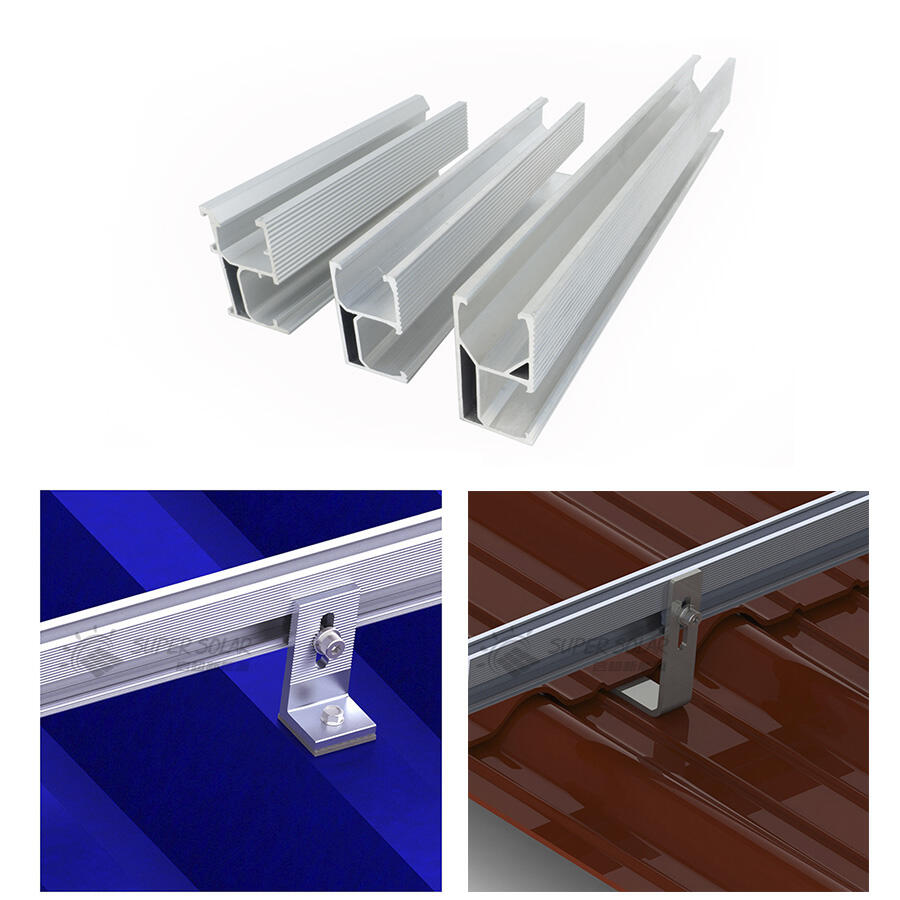
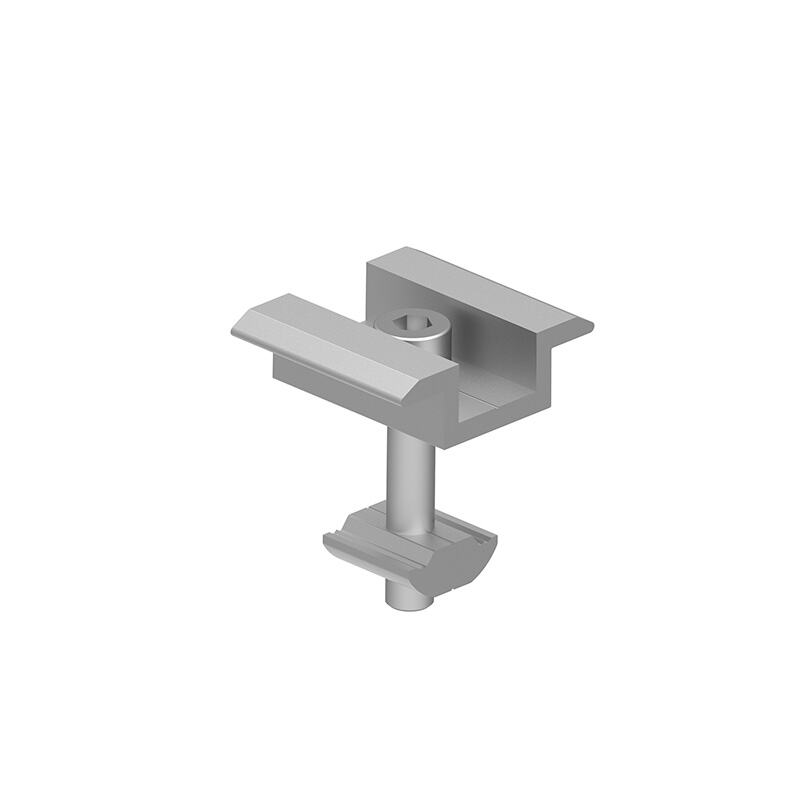

Most project problems don't come from the modules or inverters. They come from the details.
Buying a solar mounting system is rarely a simple procurement task. In many projects, it becomes the factor that determines whether installation proceeds smoothly—or turns into a series of small but expensive problems: mismatched components, unclear design assumptions, on-site adjustments that eat into labor budgets, and waterproofing failures discovered only after commissioning.
From project experience: Many buyers assume all solar mounting structures are broadly similar. On the surface, they often are. But in real installations, small differences in material grade, adjustment tolerance, or engineering documentation can have an outsized impact on total project cost and long-term reliability.
This guide is written for EPC contractors, wholesale distributors, and project developers who want to move beyond the catalog—and make sourcing decisions that hold up in the field.
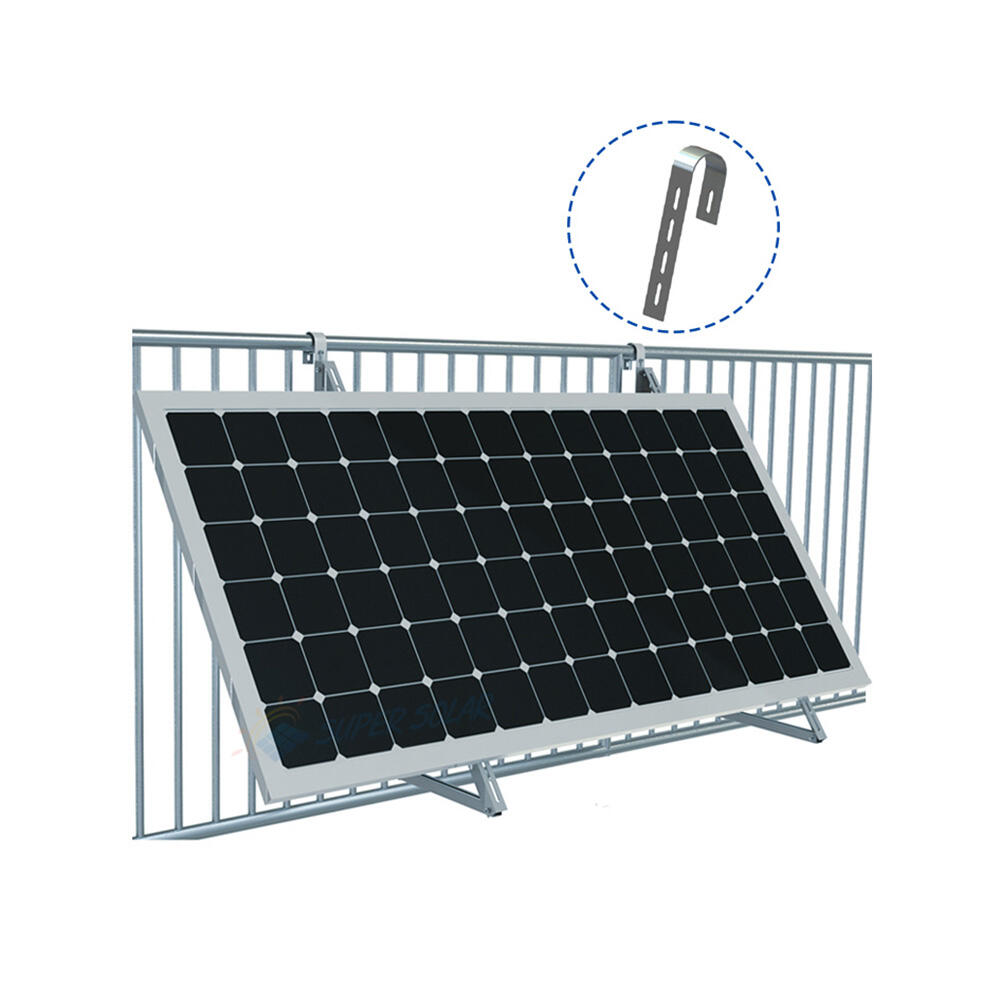
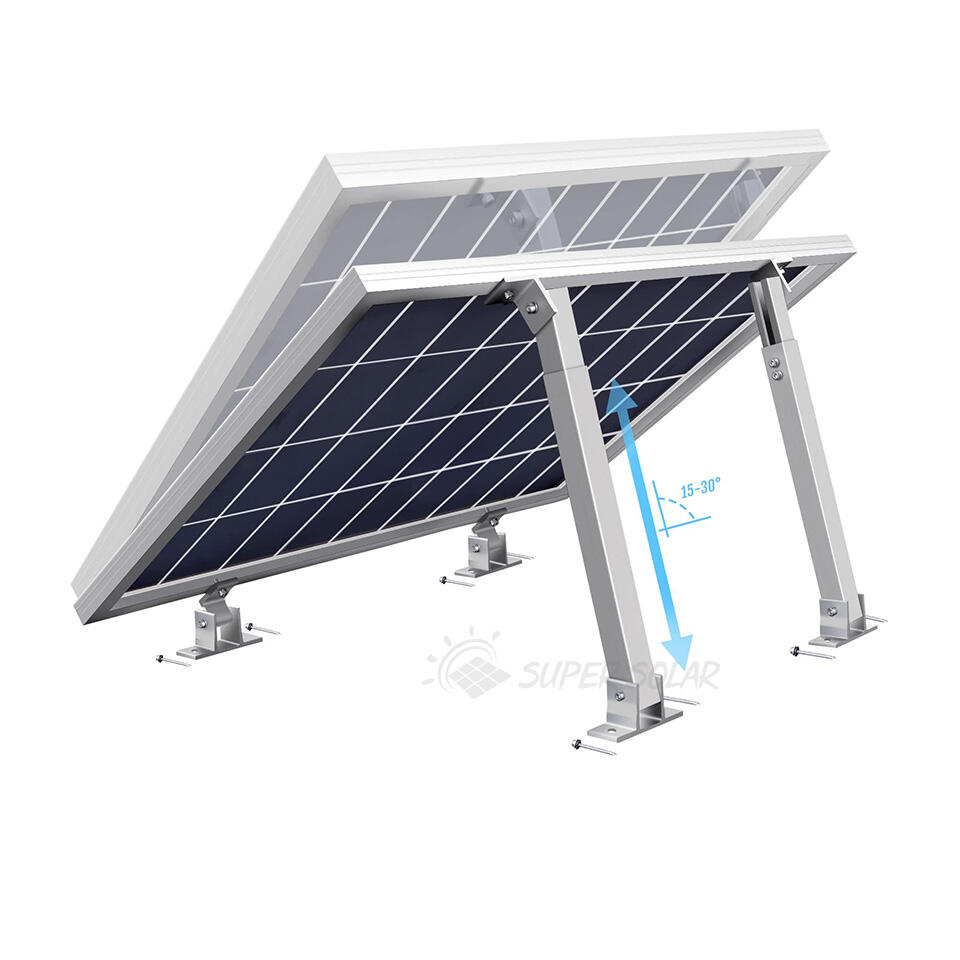
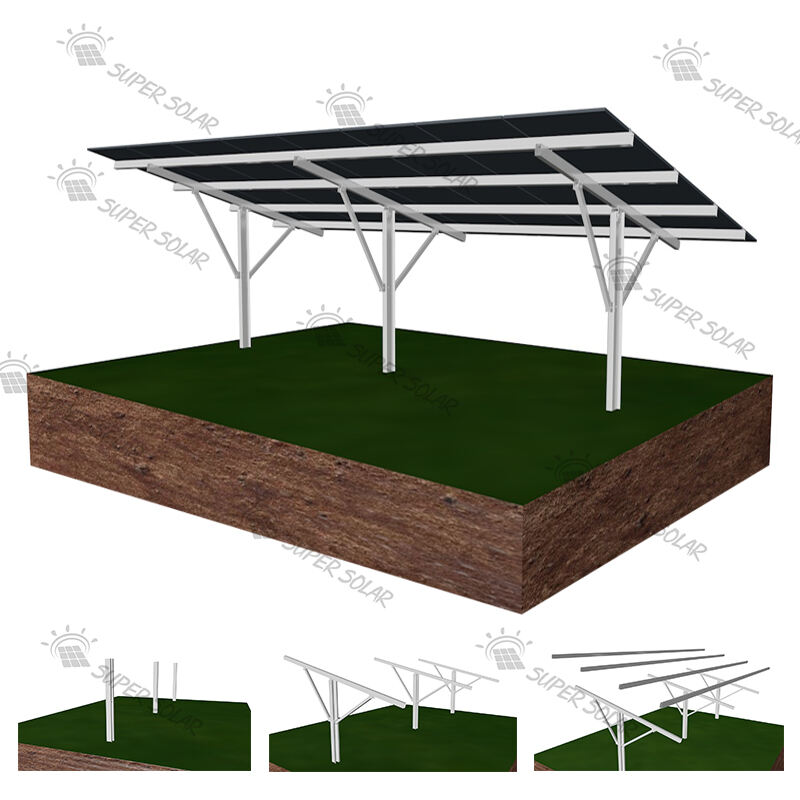
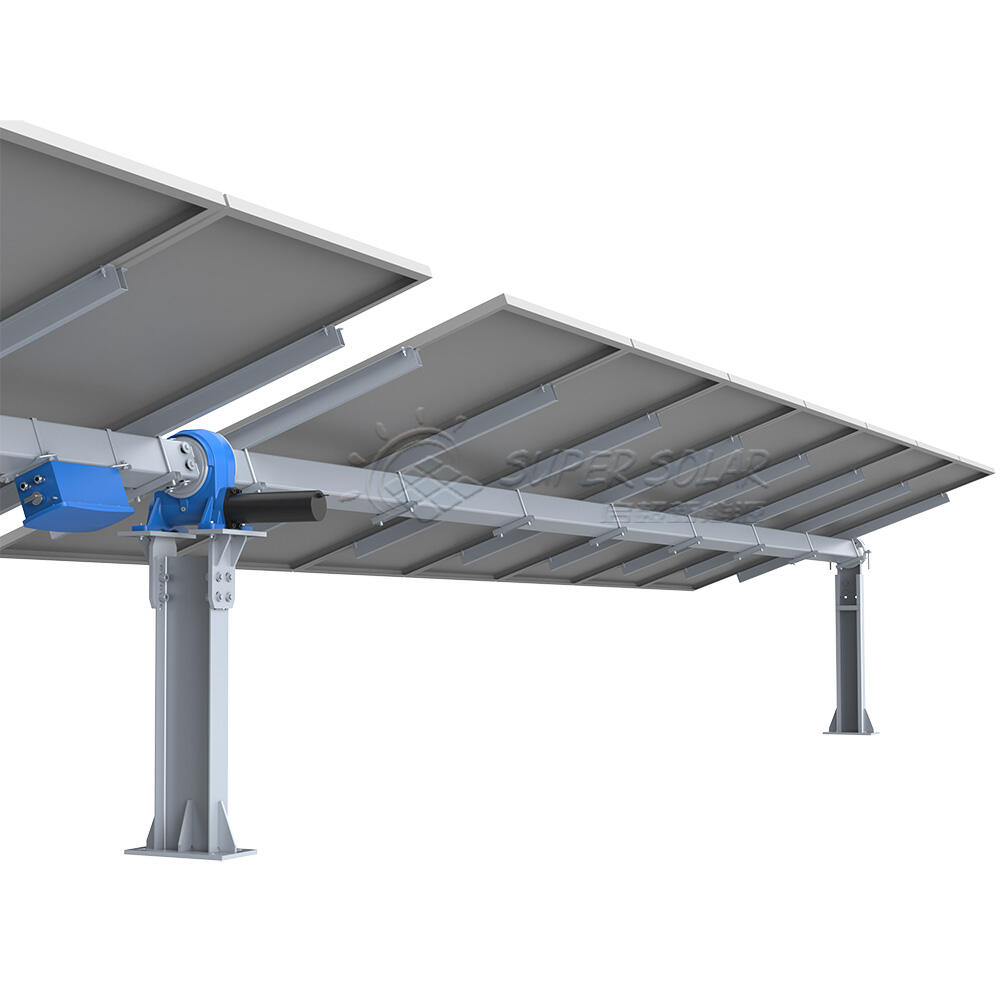
Understanding product categories is the first step—not just broadly, but in a way that connects to real project conditions.
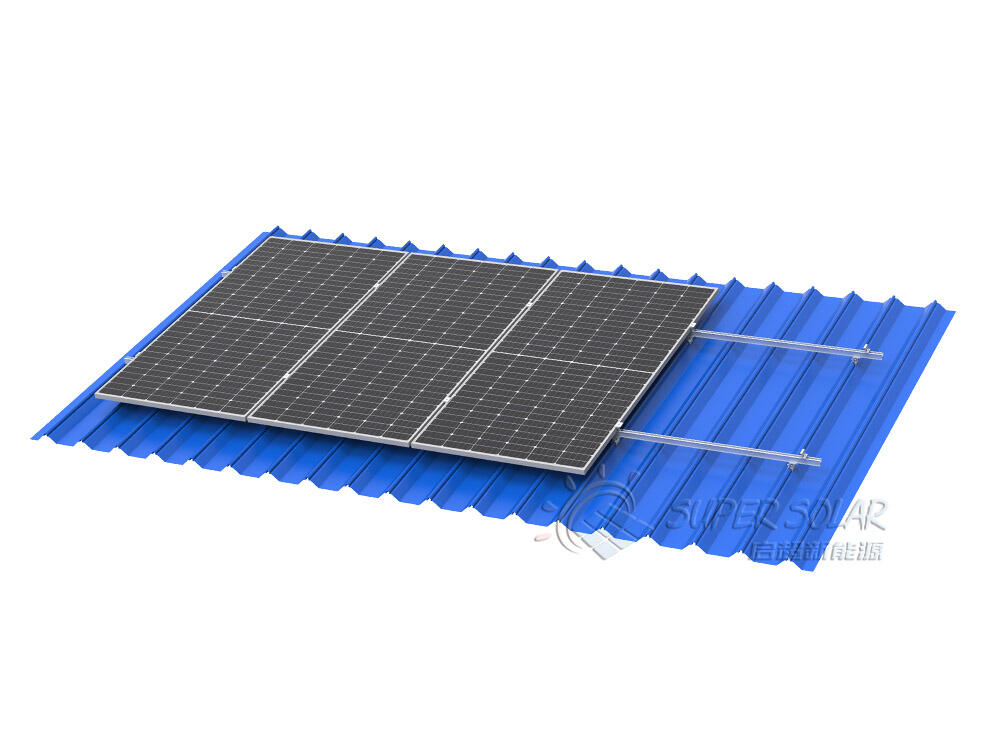
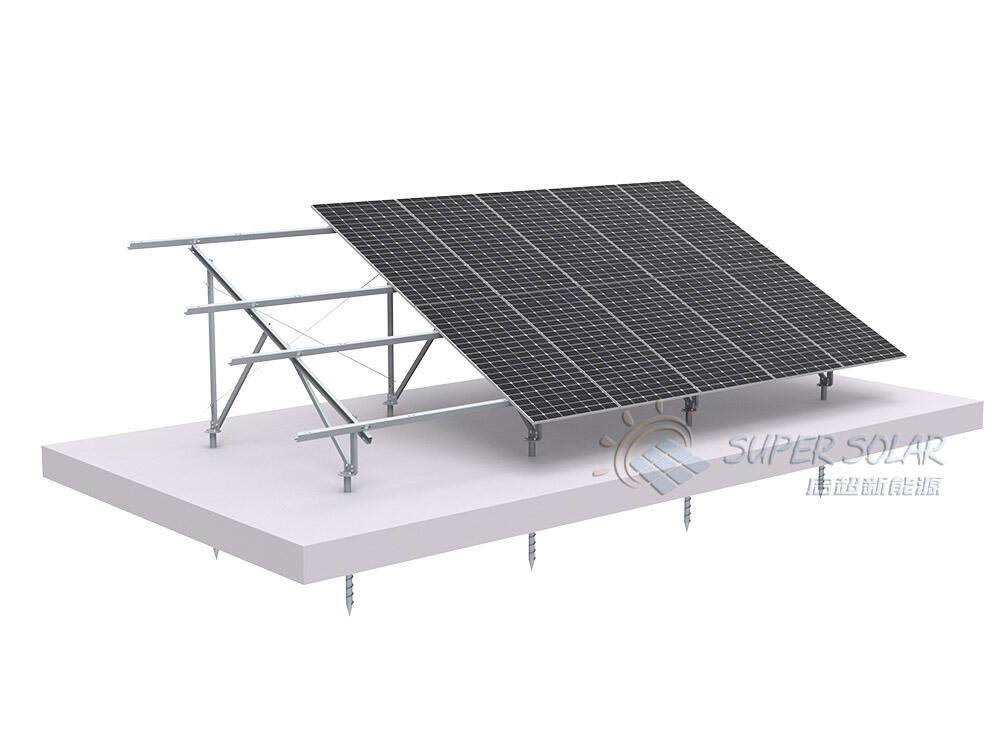
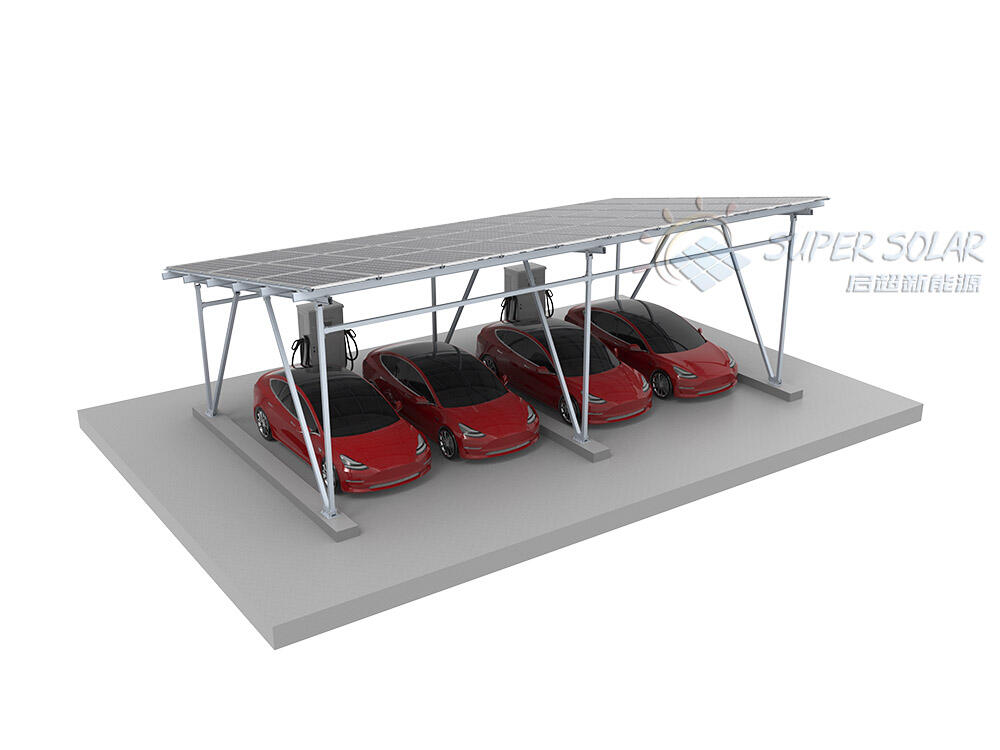
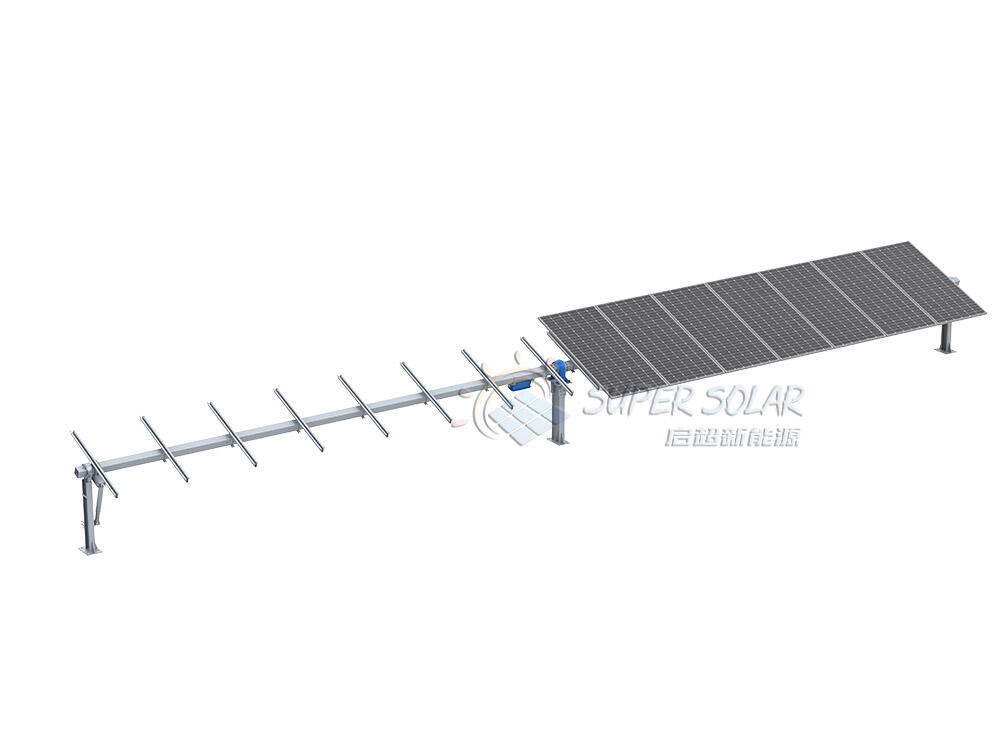
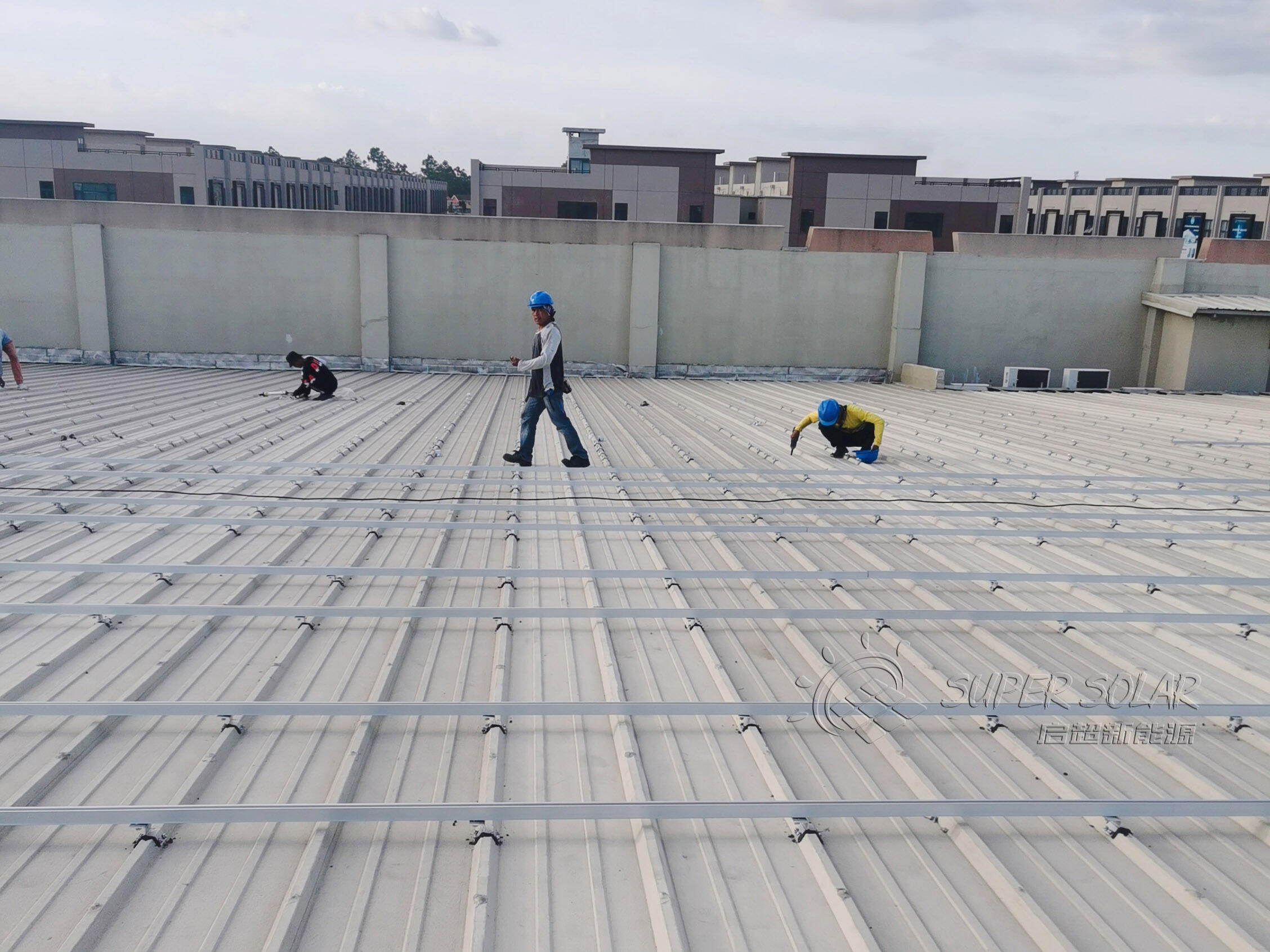
Material selection affects installation speed, long-term durability, and maintenance requirements. The decision is rarely "which is better"—it's "which fits this project's conditions."
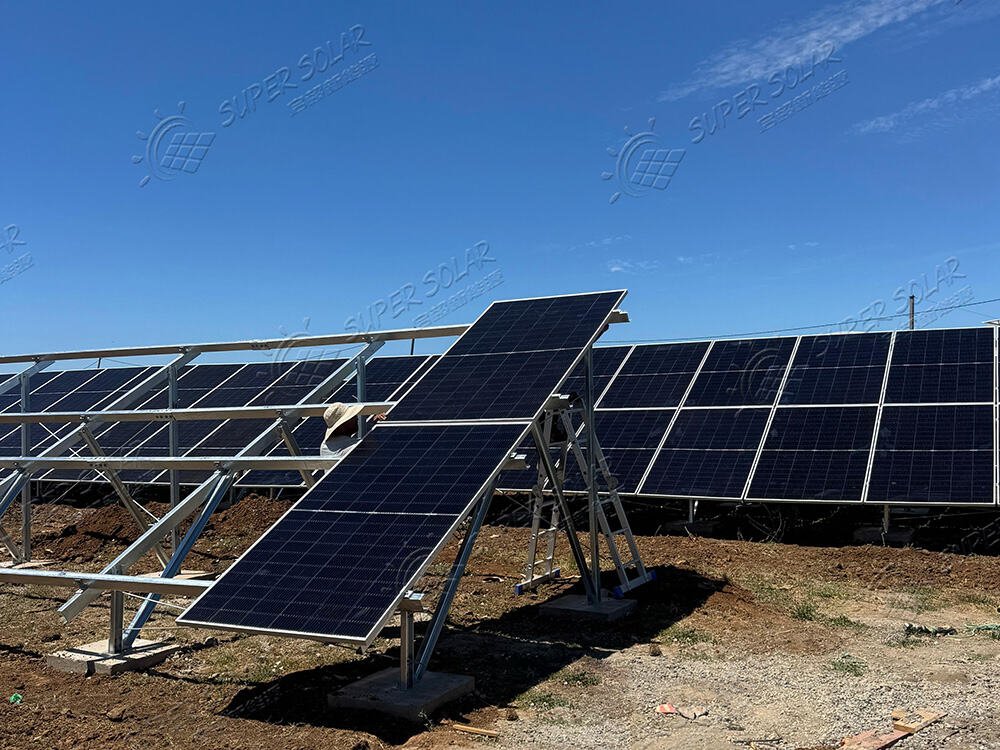
| Factor | Aluminum (AL6005-T5) | Steel (hot-dip galvanized) |
|---|---|---|
| Primary application | Rooftop (residential & commercial) | Ground mount, carport, large commercial |
| Weight | Lightweight — lower roof load | Heavier — requires structural calculation |
| Corrosion resistance | Naturally excellent | Requires galvanizing or powder coating |
| Structural strength | Sufficient for rooftop loads | Higher — suited for long spans |
| Cost at scale | Higher unit cost | More cost-effective |
| Coastal environments | Recommended | Use marine-grade coating |
These are the factors that actually determine project outcomes—not just catalog specifications.
Wind load resistance, snow load capacity, and seismic design compliance must be verified against the applicable regional standard (ASCE 7, Eurocode EN 1991, AS/NZS 1170). Request structural calculation reports—not just product spec sheets. A supplier who cannot provide documented calculations is a risk.
For coastal areas (within 5 km of salt water) or industrial zones, the minimum requirement is AL6005-T5 aluminum or SUS304 stainless steel for hooks, with anodizing or powder coating confirmed by salt spray test results (ISO 9227, minimum 500-hour neutral salt spray for aluminum).
Component count, pre-assembly level, and alignment tolerance directly affect on-site labor hours. A system with 20% more components may cost less per unit but more overall once labor is factored in. Ask for installation time benchmarks per kWp.
Verify compatibility with your specific module dimensions, roof type, and layout configuration before ordering. Poor compatibility—particularly with non-standard module widths or unusual roof pitches—is one of the most common causes of on-site delays and emergency design revisions.
The supplier's engineering team should provide layout design, load calculations, and responsive support during installation. This is consistently the most underestimated factor by buyers focused on unit price. Delays from design mismatches—not major equipment failures—are what typically stall real projects.
Confirm whether the supplier holds ISO 9001 quality certification, CE marking (for European projects), or relevant regional approvals. Standards compliance defines the legal and safety baseline for the project—documentation must be complete and current.
If a supplier cannot clearly explain how their calculations relate to the applicable standard, treat that as a risk signal.
Before finalizing any supplier, confirm three things: that calculations reference the standard applicable to your project location, that test reports are available on request, and that documentation is complete enough to support permit applications or third-party audit.
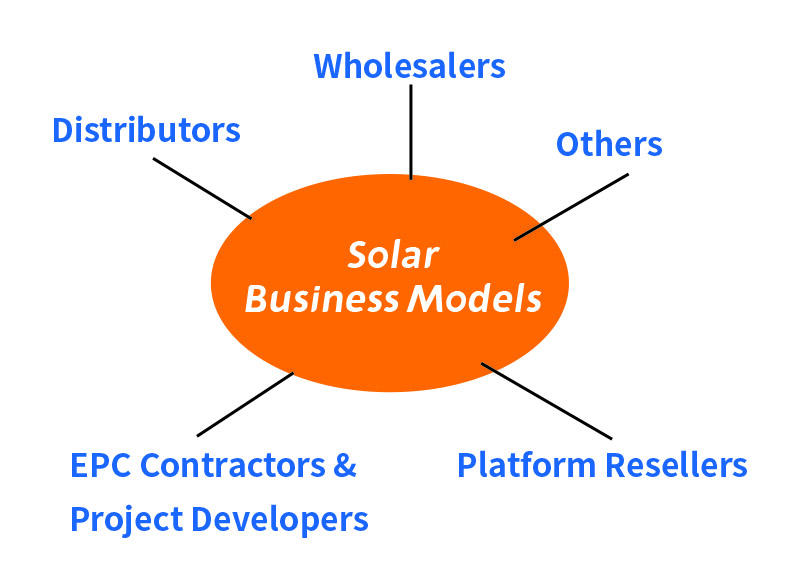
Different buyer types have different priorities. Understanding which model fits your operation helps you choose the right supplier relationship.
A reliable supplier should answer all six questions confidently and with supporting documentation. Vague answers on structural standards or corrosion testing are a meaningful risk signal—not a minor administrative gap.
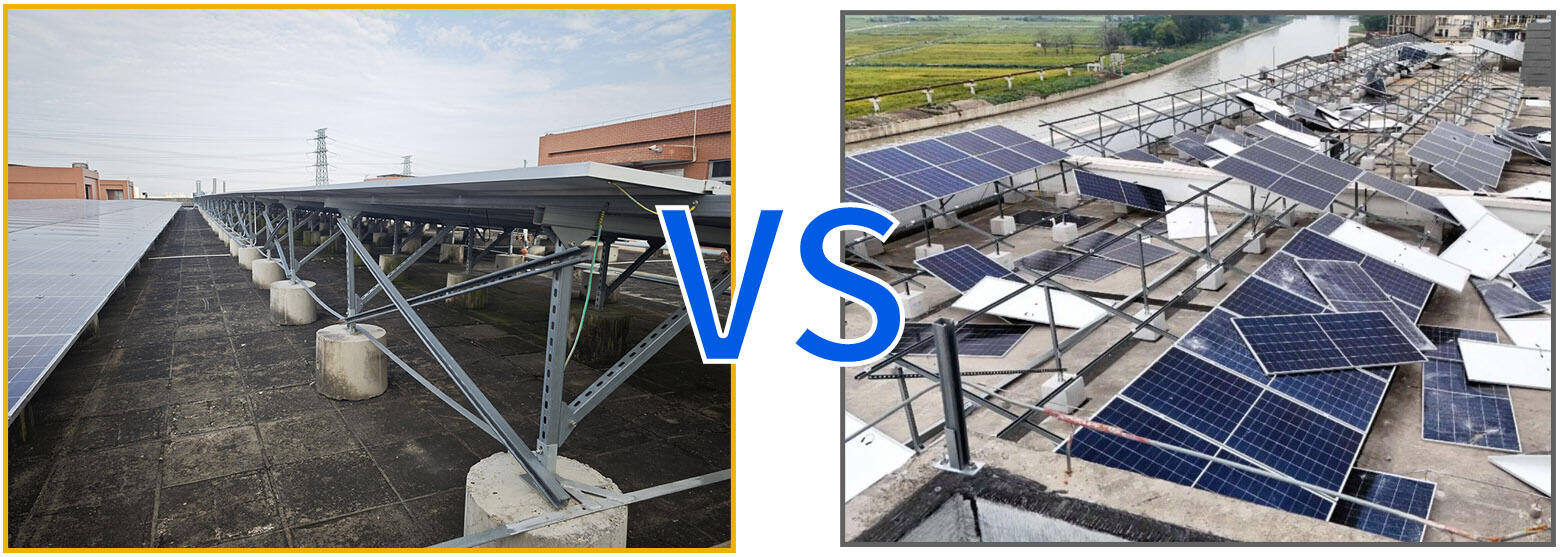
The cheapest mounting system per unit frequently becomes the most expensive option once installation labor, on-site adjustments, and potential rework are included.
Generic systems not designed for the project's actual wind zone, snow load, or environmental exposure create structural risk and potential compliance failures.
Complex assembly sequences or poor installation documentation significantly increase on-site labor hours—a cost that doesn't appear in the product quote.
Many suppliers offer catalog products but lack in-house engineering capability. Without structural calculations and real project references, compliance cannot be independently verified.
Super Solar provides engineering-backed mounting solutions for EPC contractors, distributors, and project developers worldwide. ISO 9001 certified. OEM and project-specific customization available. Response within 24 hours.
 Hot News
2025-11-03
2025-10-22
2025-01-24
2024-06-12
2024-06-12